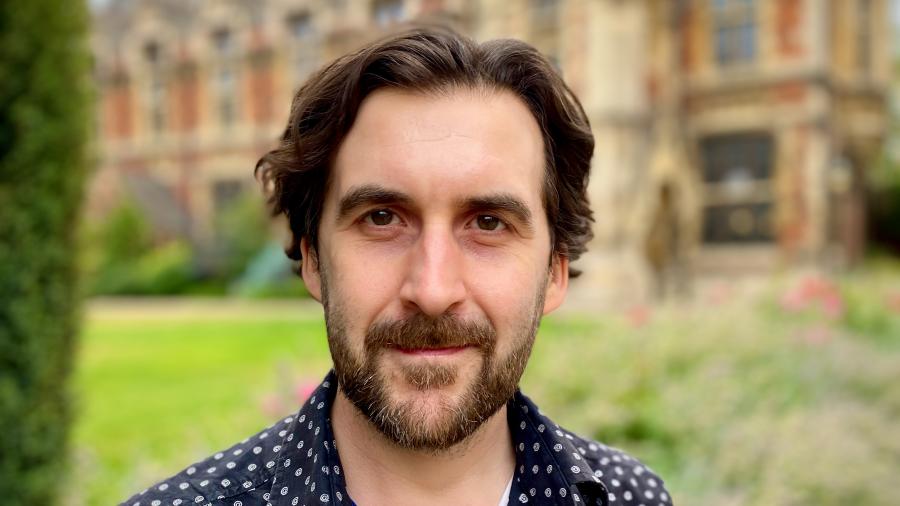
Stéphanie RuphyView profile
Professor
Stéphanie Ruphy is a Professor of Philosophy of Science at the École Normale Supérieure - PSL University in Paris, where she conducts research at the intersection of philosophy, science policy, and scientific integrity. She currently serves as Director of the French Office for Research Integrity (OFIS), demonstrating her leadership in promoting ethical research practices across France. Her educational background is uniquely interdisciplinary, holding a doctorate in astrophysics from Sorbonne University and a PhD in philosophy from Columbia University in New York. This dual expertise informs her distinctive approach to philosophical questions about science. Ruphy's research centers on scientific pluralism, scientific integrity, and the relationship between science and democracy. She has developed the concept of "foliated pluralism," which challenges traditional metaphysical interpretations of scientific diversity. Her work examines how citizen participation can enhance scientific objectivity and how research governance structures affect scientific progress. She explores the philosophical implications of computer simulations in scientific practice and investigates questions about natural kinds across different scientific domains. Her publications reveal a consistent focus on the philosophical foundations of scientific practice, with particular attention to the relationship between scientific methods and societal values. Ruphy has made significant contributions to understanding how scientific pluralism relates to metaphysical questions, how citizen science affects scientific objectivity, and how research integrity frameworks can be strengthened. Her work bridges theoretical philosophy with practical concerns about research governance. Among her notable honors: Member of Academia Europaea (2018) Member of European Academy of Sciences (EURASC) (2017) Appointed to French Council for Scientific Integrity (CoFIS) (2017) As an educator at the École Normale Supérieure, Ruphy mentors future researchers in understanding their responsibilities within knowledge societies. She has observed growing student interest in "involved" research connected to societal concerns. Her work on a research integrity oath for PhD students in France demonstrates her commitment to embedding ethical considerations in research training. She actively engages with policy questions about balancing scientific freedom with societal responsibilities. Ruphy leads significant initiatives in research integrity through her directorship of OFIS, where she organizes conferences and develops frameworks for maintaining trust in scientific practices. Her work connects academic philosophy with practical policy concerns, creating bridges between theoretical considerations and real-world research governance.