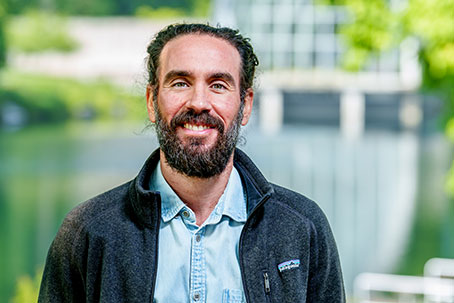
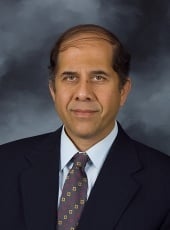
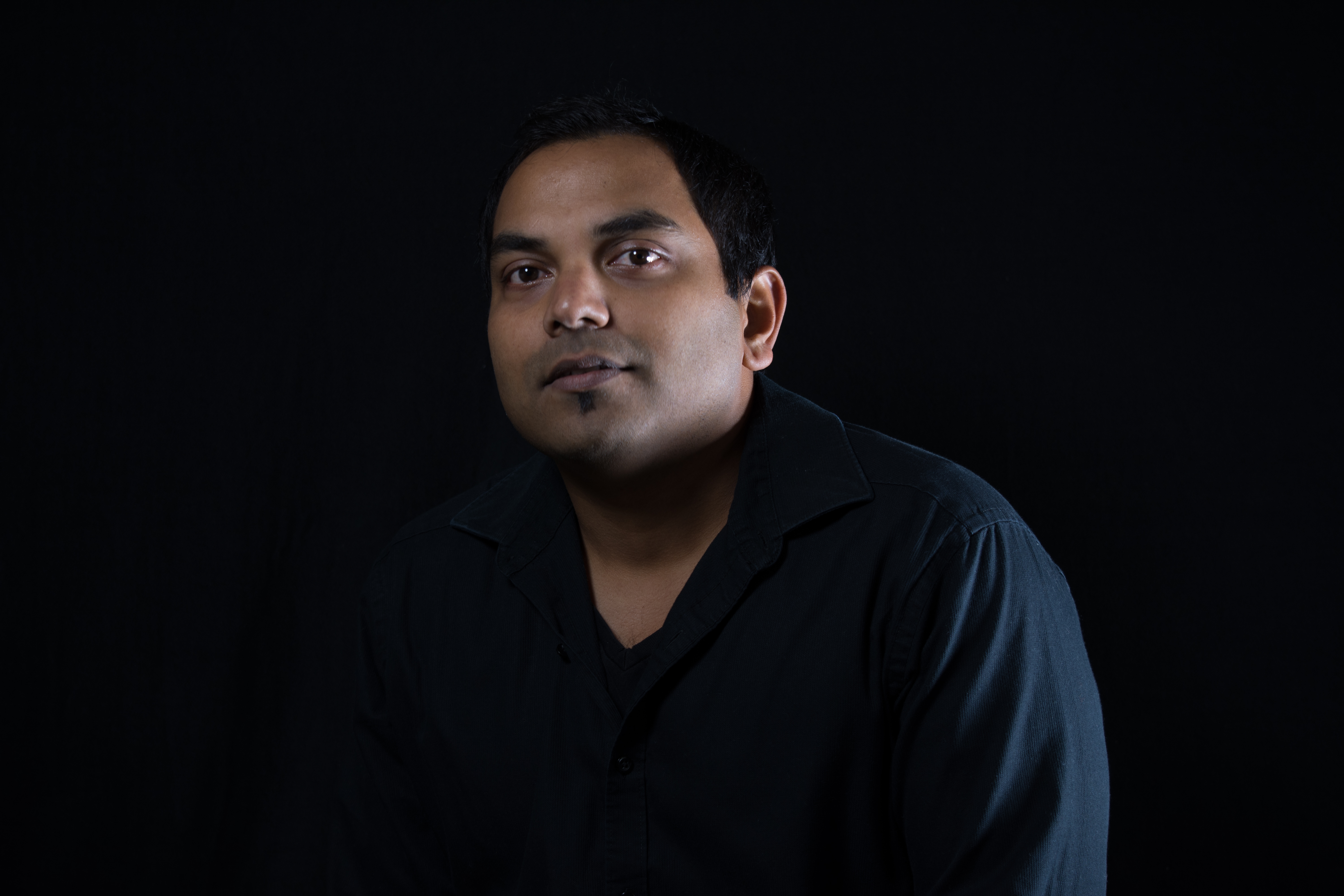
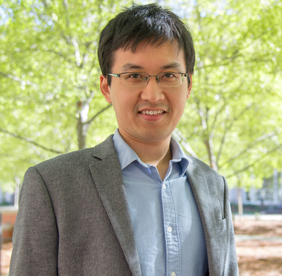
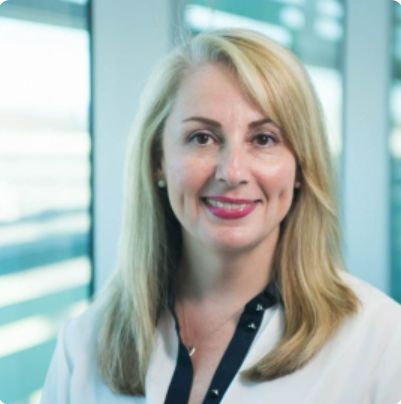
Hasan Cem Aykutlu is an Assistant Professor in the Department of Child and Adolescent Psychiatry at Trakya University's Faculty of Medicine. He holds a Doctoral Degree (2017), Master's Degree (2013), and completed medical training at Ege University Faculty of Medicine. His research focuses on neurodevelopmental and behavioral disorders in children, with expertise in Autism Spectrum Disorder (ASD), ADHD, learning disabilities, and digital media impacts on adolescent mental health. His work emphasizes clinical psychiatry, epidemiological studies, and psychopharmacology. Recent publications explore: ASD diagnostic models and pandemic-related challenges ADHD treatment outcomes and eating behaviors Digital eye strain and screen addiction in adolescents Genetic underpinnings of neurodevelopmental disorders Dr. Aykutlu contributes to national programs for ASD recognition and has investigated psychiatric comorbidities in specialized populations (e.g., gifted children, oncology patients). No awards, grants, or student advisements are documented in the provided materials.
Eduardo Izquierdo Torres is an Associate Professor in the Department of Electrical and Computer Engineering at Rose-Hulman Institute of Technology. His academic work bridges multiple disciplines including Artificial Intelligence, Cognitive Science, Neuroscience, Robotics, and Electrical and Computer Engineering, contributing to the excellence of education at Rose-Hulman through his highly interdisciplinary approach. Dr. Izquierdo received his academic degrees from prestigious institutions: Ph.D. in Computer Science and AI (2008) from the Centre for Computational Neuroscience and Robotics at the University of Sussex, Brighton, UK Master of Science in Intelligent Systems (2004) from the University of Sussex, Brighton, UK Bachelor of Science in Computer Engineering (2002) from Universidad Simon Bolivar, Venezuela Dr. Izquierdo's research focuses on understanding intelligence in living organisms and developing artificial systems with similar robustness, flexibility, and adaptivity. His work spans Evolutionary and Adaptive Systems, including Evolutionary Robotics, Cognitive Science, Artificial Life, Evolutionary Computation, Morphological Computation, Embodied Intelligence, Evolutionary Hardware, Neuromorphic Engineering, BioRobotics, NeuroRobotics, and Biologically-Inspired Artificial Intelligence. He takes an integrated approach, studying how behavior arises from the interaction between brains, bodies, and environments through computational models of complete brain-body-environment systems. His recent publications demonstrate a strong trend toward understanding social interaction, neural plasticity, and multifunctional neural circuits, particularly using C. elegans as a model organism. His work combines computational neuroscience with artificial life principles to explore how complex behaviors emerge from neural circuits, with applications in robotics and artificial intelligence. Many of his recent papers focus on perceptual crossing, central pattern generation, and the role of homeostatic plasticity in neural networks. Dr. Izquierdo has received significant recognition for his research: NSF CAREER award: "From connectome to behavior: computational models of multifunctional neural circuits in C. elegans" (2019-2025), $882,772.00 as PI NSF Workshop grant: "Functional logic of neural circuits: diamonds in the rough" (Part 2, 2022-2023), $50,000.00 as Co-PI NSF Workshop grant: "Functional logic of neural circuits: diamonds in the rough" (Part 1, 2021-2022), $50,000.00 as Co-PI NSF Supplemental grant: "Reinforcement learning in dynamical recurrent neural networks" (2021), $50,683.00 as PI Winner of the 2021 ISAL (International Society of Artificial Life) Outstanding Student Paper Award Dr. Izquierdo has advised numerous graduate students, including PhD candidates Lindsay Stolting, Zachary Laborde, Andrew Claros, Josh Nunley, and Haily Merritt, as well as postdoctoral researchers Dr. Madhavun Candadai and Dr. Jason Yoder. His research has been consistently supported by multiple NSF grants totaling over $1.5 million, demonstrating the significance and impact of his work in computational neuroscience and bio-inspired AI. His grants have focused on understanding neural circuits in C. elegans, reinforcement learning in neural networks, and computational models of behavior. Dr. Izquierdo leads a research group focused on computational neuroethology and bio-inspired AI, with collaborative projects involving researchers from multiple institutions. His lab develops computational models of brain-body-environment systems, with particular expertise in neuromechanical models of C. elegans. He has created numerous open-source software tools for analysis and simulation, including packages for information theoretic analysis, connectome exploration, and neuromechanical modeling. His collaborative work with researchers like Dr. Erick Olivares, Prof. Randall Beer, and others has produced significant advances in understanding how neural circuits generate behavior.
Adel Mhamdi is a Professor at RWTH Aachen University's Department of Chemical Engineering within the Faculty of Mechanical Engineering. His research focuses on process systems engineering with emphasis on nonlinear model predictive control, hybrid modeling, and sustainable process design for chemical and biochemical systems. He leads research in electrified biodiesel production, distillation optimization, and polymerization process control. His research interests span chemical process control, biodiesel production optimization, distillation modeling, hybrid mechanistic-data-driven approaches, polymerization processes, and heat transfer optimization. Mhamdi develops advanced control strategies including economic NMPC, distributed control architectures, and chance-constrained optimization to address challenges in flexible operation of energy-intensive processes. His work integrates computational fluid dynamics with process modeling for reactor design and optimization. Analysis of his recent publications reveals strong trends in electrification of chemical processes, particularly biodiesel production with heat integration. His research increasingly incorporates machine learning for hybrid modeling and employs advanced computational techniques like Bayesian optimization for reactor geometry design. Key application areas include renewable energy systems, polymer manufacturing, and separation processes. Mhamdi actively supervises doctoral researchers including M. El Wajeh, J.M. Faust, and P.J. Joy who appear as first authors on multiple publications. His research group collaborates extensively with the Mitsos group at RWTH Aachen, securing publications in top journals including Industrial & Engineering Chemistry Research and Computers & Chemical Engineering . Current projects focus on real-time optimization of electrified processes and development of open-source modeling platforms like HybridML.
Dr. Sunil S. Mehendale is Associate Professor and Graduate Program Director in the Department of Manufacturing and Mechanical Engineering Technology at Michigan Technological University. After twelve years of industrial R&D at Delphi Thermal Systems and Carrier Corporation, he joined Michigan Tech, bringing deep expertise in thermal-fluids sciences, heat-exchanger innovation, and energy-efficient HVAC systems. Education: PhD, Mechanical Engineering, University of Maryland-College Park MTech, Mechanical Engineering, Indian Institute of Technology Bombay BS, Mechanical Engineering, University of Bombay Research Interests: Dr. Mehendale’s scholarship focuses on thermal-fluids phenomena, especially boiling and condensing flows, two-phase distribution in advanced heat-exchanger geometries, and the design of high-efficiency energy-conversion systems. His work integrates computational fluid dynamics, experimental heat-transfer measurement, and alternative-energy technologies such as solar, wind, biofuels and fuel cells to address emerging cooling, heating and power needs. Across 150+ peer-reviewed articles and conference papers he has developed new correlations for flow-boiling and condensation inside micro-fin tubes, revealed mechanisms of flow maldistribution in plate-fin and micro-channel exchangers, and advanced compact heat-exchanger design for HVAC, automotive and process-industry applications. A recent surge of droplet-impact studies extends his thermal-fluid repertoire to phase-change dynamics on novel substrates, contributing to icing mitigation and surface-engineering solutions. Professional Service: He serves as reviewer for International Journal of Heat and Mass Transfer , International Journal of Refrigeration , ASME journals, and is an active member of ASME, ASEE and ASHRAE, reflecting his commitment to dissemination and continuous improvement of engineering education. Funding & Collaboration: Recent PI awards include an MTU sustainability grant on food-waste anaerobic digesters and industry gifts supporting heat-exchanger optimization. His research has been supported by federal agencies (DARPA, DOD) and leading corporations, underlining strong translational impact.
Subith Vasu is a Professor in the Department of Mechanical and Aerospace Engineering at the University of Central Florida (UCF), leading the VASU Lab. His research focuses on combustion diagnostics, shock tubes, laser spectroscopy, and sustainable energy systems. Vasu earned his Ph.D. from Stanford University (2010) and B.Tech from IIT Madras (India), with postdoctoral training at Sandia National Labs. His lab employs 12 PhD students, 1 graduate student, and 3 postdocs, producing over 70 journal articles and 150 conference papers. Research emphasizes advanced combustion systems using shock tubes and laser diagnostics to study ignition delays, reaction kinetics, and emissions. Key applications include power generation, propulsion, and spacecraft air quality monitoring. Vasu’s work bridges experimental and computational fluid dynamics, validating models for industries and academia. Education: Ph.D. Stanford University (2010), B.Tech IIT Madras (India) Affiliations: Center for Advanced Turbomachinery and Energy Research (UCF), American Institute of Aeronautics and Astronautics (Associate Fellow) His research group has secured prestigious awards including the DARPA Young Faculty Award (2018), SAE Ralph R. Teetor Award (2018), and ASME Dilip Ballal Early Career Award (2017). Notable projects include collaborations with NASA on sustainable aviation fuels and hydrogen safety, featured in UN OPCW documentaries and media coverage. Vasu’s lab develops novel optical sensors for harsh environments and contributes to decarbonization strategies through ammonia-hydrogen blends and supercritical CO₂ systems. He mentors students advancing to leadership roles in industry, national labs, and academia, embodying UCF’s commitment to impactful engineering solutions.
Xiaowen Gong is currently the Godbold Associate Professor in the Department of Electrical and Computer Engineering (ECE) at Auburn University. They hold a PhD from Arizona State University and completed postdoctoral work at Ohio State University. Their research focuses on wireless networks , federated learning , and edge computing with an emphasis on heterogeneous environments and quality-aware systems . BEng, Huazhong University of Science and Technology (2008) MSc, University of Alberta (2010) PhD, Arizona State University (2015) Postdoc, Ohio State University (2015-2016) Assistant Professor, Auburn University (2017-2023) Godbold Associate Professor, Auburn University (2023-present) Research spans ML/AI in wireless networks , distributed computation , and socially-aware networking . Recent work includes anarchic federated learning , delay-optimal edge computing , and privacy-preserving crowdsensing . Publications address challenges in client heterogeneity , channel-aware scheduling , and secure data aggregation . Key contributions include NSF CAREER Award (2022) for efficient federated learning , IEEE Internet of Things Journal Best Paper Runner-Up , and organizing RET Site for rural STEM teacher education in ML/robotics. Teaching covers Wireless Communication Systems , Neural Networks , and Information Security , with outreach activities involving robotics demonstrations for K-12 students.
Ryan Woods is an Assistant Professor in the University of British Columbia's Faculty of Health Sciences and an Executive Director, Data and Analytics at BC Cancer. He holds a Scientist position in the Department of Cancer Control Research at BC Cancer Research Institute. His academic journey includes a PhD in Population and Public Health from UBC, an MSc in Statistics, and a BSc in Mathematics from the University of Guelph. Dr. Woods' research focuses on leveraging administrative and registry data to address cancer control challenges, particularly in oncology outcomes, cancer screening equity, and health system performance. His work emphasizes international benchmarking, equity gaps in service utilization, and data-driven health policy. Key areas include evaluating disparities in breast cancer screening participation among immigrant populations, analyzing pandemic impacts on cancer diagnosis timing, and optimizing team-based cancer care models. His publications span over two decades, with recent emphasis on pandemic-related healthcare disruptions, multimorbidity trends, and global cancer survival disparities. He has contributed to CONCORD-3 and ICBP initiatives analyzing international cancer outcomes. Dr. Woods also leads BC Cancer's data strategy, integrating biostatistics and epidemiology to advance population health surveillance. His expertise bridges clinical and population-level research, with a focus on translating data insights into actionable strategies for improving cancer care equity and system efficiency. Current projects include spatial access analysis for lung screening programs and modeling pandemic-driven health burden shifts.
Astra Schults is an Associate Professor at Tallinn University's School of Natural Sciences and Health, specializing in School and Counseling Psychology. She holds a Doctorate in Psychology from the University of Tartu (2016) and a Master's Degree in Research Psychology (2005). Her career includes roles as a Lecturer in School Psychology at the University of Tartu and Research Fellow in Developmental Psychology. Current Position: Associate Professor (1.00 FTE) Research Focus: Social skills development, language acquisition, and early childhood education Administrative Roles: Member of the National Institute for Health Development's Prevention Research Council, Estonian Quality Agency for Education's General Education Council, and Programme Director for School Psychologists' Internship Professional Memberships: Estonian Association for Mental Health for Young Children, European Association for Developmental Psychology, and International School Psychology Association Research Interests: Astra's work centers on understanding developmental pathways in children, particularly focusing on social skill formation, vocabulary development, and the impact of environmental factors. She has pioneered studies on Estonian children's early communicative development and assessment tools like the LAHE e-assessment system for five-year-olds. Her publications span developmental psychology, educational technology, and cross-cultural temperament studies. Notable projects include investigations into institutional childcare services and early identification of at-risk children. Awards: 2003 I Prize in Estonian National Contest for Young Scientists Grants: Over €500,000 in funding for projects on child development, prevention strategies, and educational assessment tools Labs/Teams: Leads Tallinn University's School Psychology initiatives and collaborates with the National Institute for Health Development on prevention research.
Nitin Williams is a Visiting Professor in the Department of Neuroscience and Biomedical Engineering. His research focuses on brain connectivity, aging, and neuroimaging techniques like MEG and fMRI. He has contributed to understanding functional connectivity dynamics, age-related neural changes, and computational models of brain networks. Recent work includes studies on TMS-evoked potentials, phase synchronization in resting-state networks, and discrete Ricci curvatures to analyze brain networks. He has collaborated internationally, including a visiting research stint at the Institute of Mathematical Sciences in India. Williams is an active member of academic communities, serving on editorial boards for journals like Frontiers in Computational Neuroscience and Network: Computation in Neural Systems . His datasets, including connectome analyses and biophysical models, highlight computational approaches to neuroscience challenges. Key research themes include: (1) Aging’s impact on neural plasticity and connectivity, (2) Biophysical modeling of phase synchronization, (3) Multimodal neuroimaging integration, and (4) Applications of graph theory in brain network analysis.
Jessica Beyer, Ph.D., is a Research Assistant Professor at the University of Oklahoma's School of Biological Sciences, Department of Biology. Her work focuses on the impacts of environmental changes on aquatic ecosystems, particularly harmful algal blooms, invasive species, and cyanobacteria-microbiome interactions. She employs experimental, observational, and genomic approaches to study these dynamics. Education: Ph.D., University of Oklahoma; B.A., Lawrence University Her research interests include anthropogenic environmental changes, eutrophication, and climate effects on aquatic communities. She has extensively studied Prymnesium parvum, Microcystis, and invasive species like zebra mussels and Daphnia lumholtzi. Recent work explores cyanobacteria's microbiome role in bloom formation. Publications highlight innovations in cyanobacteria monitoring (e.g., ground-based sensors) and genomic insights into species diversity. Her work bridges basic ecological understanding with applied water quality challenges. Awards: None explicitly listed. Grants and advising details are not specified in provided texts. She collaborates on projects involving freshwater lakes, toxic algae, and invasive species impacts. Labs/Teams: Affiliated with the OU Department of Biology and School of Biological Sciences research groups focusing on aquatic ecology and environmental microbiology.
Dr. Merran Findlay is a Senior Research Fellow at UNSW Sydney and Clinical Associate Professor at The University of Sydney, specializing in cancer nutrition for over 25 years. She serves as Board Director for the Clinical Oncology Society of Australia and Australia and New Zealand Head and Neck Cancer Society. Her work bridges clinical practice with implementation science in nutrition assessment, malnutrition management, and value-based healthcare. Senior Research Fellow – Living Better With and After Cancer, Maridulu Budyari Gumal (SPHERE) Cancer Clinical Academic Group Clinical Appointments: Royal Prince Alfred Hospital, Chris O’Brien Lifehouse Leadership Roles: Co-founder of Implementation Science networks at UNSW and The University of Sydney Her research focuses on nutrition interventions in head and neck cancer, sarcopenia assessment, and evidence-based guideline implementation. She explores how nutritional status affects clinical outcomes, treatment complications, and healthcare costs through international multicenter studies and digital health innovations. Current research trends show strong emphasis on head and neck cancer nutrition , sarcopenia biomarkers , and implementation science for guideline adoption. Her work spans nutrition assessment , enteral nutrition , and health services research , with recent articles addressing AI integration in quality indicators and sarcopenia severity quantification. Dr. Findlay leads implementation programs like the Sydney Health Partners Implementation Science Program and conducts extensive audits including INFORM (International Nutrition Audit in Foregut Tumors). Her collaborative efforts involve developing CT-based sarcopenia metrics and optimizing nutrition counseling frequency during cancer treatment.
Joanna Pozzulo is a Chancellor's Professor at Carleton University's Department of Psychology within the Faculty of Arts and Social Sciences. She holds a Ph.D. from Queen's University and serves as Director of the Mental Health and Well-being Research and Training Hub. Her research focuses on applied forensic psychology, particularly child eyewitness memory and juror decision-making in sexual misconduct cases. Pozzulo's work emphasizes developing evidence-based procedures to improve eyewitness accuracy and reduce wrongful convictions. She also investigates how factors like defendant race, occupational status, and delayed reporting influence juror judgments in sexual assault cases. Her research is published in journals like Journal of Interpersonal Violence and Journal of Police and Criminal Psychology , with a focus on topics such as racial bias in juror decisions, sexual assault reporting delays, and child trafficking dynamics. Pozzulo is affiliated with The Laboratory for Child Forensic Psychology and contributes to public discourse via her Psychology Today blog, On the Witness Stand .
Fei Yuan is a Full Professor in the Department of Electrical and Computer Engineering at Toronto Metropolitan University (formerly Ryerson University). He holds a B.Eng. from Shandong University, an M.A.Sc. in Chemical Engineering, and a Ph.D. in Electrical Engineering from the University of Waterloo. His career includes roles as Lecturer at Changzhou Institute of Technology, Visiting Professor at Humber College and Lambton College, and Controls Engineer at Paton Controls Limited. At Toronto Metropolitan University, he served as Associate Chair for Undergraduate Studies, Department Chair (2010–2015), and Director of Quality Assurance in the Faculty of Engineering and Architectural Science (2015–2021). He is a Fellow of the IET, Senior IEEE Member, and registered Professional Engineer in Ontario. Research focuses on all-digital circuits, time-mode signal processing, mixed-signal converters (TDCs, ADCs), and low-power VLSI systems. Notable contributions include books on CMOS circuits, time-mode systems, and mixed-mode signal processing. Awards include the Dean’s Teaching Award (2017), Ryerson Research Chair (2005), and IET Fellowship (2016). Teaching includes courses on VLSI systems, CMOS mixed-signal circuits, and capstone design projects. Over 250 journal/conference papers and multiple book chapters highlight his expertise in circuits for communications, sensing, and biomedical applications. Active in professional service, grants, and academic governance at the university level.
Dr. Christopher Cotton is a Professor of Economics at Queen's University, holding the Jarislowsky-Deutsch Chair in Economic & Financial Policy. His roles include Director of the John Deutsch Institute for the Study of Economic Policy and Research Director at Limestone Analytics. He teaches in the Department of Economics and contributes to professional programs like CPIA and MPA/PMPA. His cross-appointments include the School of Medicine's Translational Medicine Graduate Faculty. Education: PhD (2008) and MA (2007) in Economics from Cornell University; BA (Hons) in Economics from Michigan State University (2001). Research focuses on applying economic methods to public policy questions, especially education, health, and international development. Key interests include lobbying, campaign finance reform, and evidence-based policy evaluation. He leads projects analyzing pandemic economics, development programs, and donor coordination mechanisms. Advising and grants: Supervises Ph.D./M.A. students and postdocs like Frederic Tremblay. Active in SSHRC and NSERC-funded research. Collaborates on major projects including the Girls Education Challenge in Zimbabwe and Canada's pandemic modeling initiatives. Labs/teams: Directs the John Deutsch Institute and co-leads the NSERC One Society Network. Co-developed Queen's CPIA program to integrate evidence into policy and development work.
Steven M. Anlage is a Professor in the Physics Department and Electrical & Computer Engineering Department at the University of Maryland, College Park. His research focuses on High Frequency Superconductivity, Quantum Physics, Nonlinear Dynamics, and Chaos Theory, with affiliations including the Maryland Quantum Materials Center (MQMC), Materials Research Science and Engineering Center (MRSEC), and the Institute for Research in Electronics and Applied Physics (IREAP). He leads the Anlage Research Group, which explores topics such as superconducting metamaterials, microwave microscopy, and wave-chaotic systems. His work spans experimental and theoretical studies, including investigations into topological insulators, vortex dynamics in superconductors, and applications of machine learning in wave physics. Anlage has received grants such as the MURI grant on 'Taming Chaotic Systems Using AI' and collaborates with institutions like the Kharkiv Quantum Seminar. He has advised students like Chung-Yang Wang (2025 Ph.D.), Jingnan Cai (2024 Ph.D.), and Bakhrom Oripov, who contributed to groundbreaking projects such as a superconducting single-photon camera. His experimental facilities include advanced microwave measurement systems, such as Vector Network Analyzers and programmable metasurfaces, enabling studies of complex electromagnetic environments. Recent research highlights include discoveries in UTe₂ superconductivity, nonlinear wave phenomena, and reservoir computing using chaotic systems. Anlage's contributions have been recognized through publications in journals like Physical Review Letters and collaborations with industry and academic partners. His lab continues to push boundaries in nanophysics, quantum materials, and applied electromagnetism.