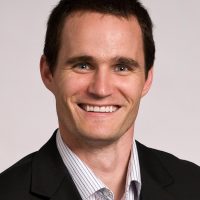
Dr. Daniel Geh is a researcher at Newcastle University , contributing to oncology and immunology research with a focus on prostate and liver cancers. His work explores molecular mechanisms in anti-tumor immunity, DNA damage responses, and immunotherapeutic strategies. Research Interests: Oncology, Immunology, Molecular Biology, Hepatocellular Carcinoma, Prostate Cancer, Cancer Immunotherapy. Recent publications analyze glycosylation enzymes (ST3Gal1), inflammatory signaling in liver cancer (CXCR2, c-Rel), and pandemic-related cancer progression. Collaborations span multiple disciplines, including biochemistry and epidemiology. Dr. Geh has co-authored studies on tumor microenvironment interactions, fibroblast-derived sulfatases, and immune checkpoint regulation. Current projects align with advancing targeted therapies and understanding cancer-immune system dynamics.
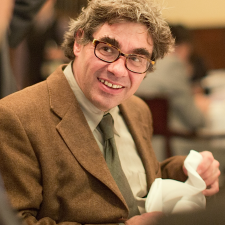
William H. J. Hubbard is an Assistant Professor of Law at the University of Chicago Law School, where he conducts rigorous empirical research at the intersection of law, economics, and judicial systems. His scholarly work examines civil procedure through quantitative methodologies, with particular focus on litigation dynamics, pleading standards, and cross-jurisdictional court comparisons. Professor Hubbard's research interests encompass several critical domains in contemporary legal scholarship: Civil procedure and litigation dynamics Empirical analysis of judicial behavior and court efficiency Law and economics applications to procedural rules Settlement negotiation strategies and strategic behavior in litigation Comparative analysis of court systems across jurisdictions Technological solutions to judicial administration challenges His scholarly contributions reveal sophisticated methodological approaches that bridge doctrinal legal analysis with economic theory and statistical testing. Hubbard's work frequently employs large datasets to test theoretical models of litigation behavior, particularly examining how procedural rules affect substantive justice outcomes across different judicial systems. Professor Hubbard maintains an active research agenda with significant publications in leading law and economics journals. His work has been widely accessed through SSRN, with notable papers like 'The Supreme Court of India: An Empirical Overview of the Institution' receiving over 2,000 downloads, demonstrating substantial engagement from the academic community. His scholarly collaborations span multiple continents, working with researchers at Tel Aviv University, Cornell Law School, National Law University Delhi, and other international institutions. This global network reflects the transnational relevance of his research on judicial systems and procedural rules, particularly his comparative work analyzing U.S. federal courts alongside systems in Taiwan and India.
Christian Mendl is a Rudolf Mößbauer Tenure Track Assistant Professor at the Technical University of Munich (TUM) , affiliated with the School of Computation, Information and Technology and the Institute for Advanced Study (TUM-IAS) . His career includes a postdoctoral position at Stanford University (2015-2017) under a Feodor Lynen Fellowship from the Alexander von Humboldt Foundation, a Junior Professorship at TU Dresden (2017-2019), and a PhD in Physics from LMU Munich (2012). Education : Physics and Mathematics (TUM) Appointments : Rudolf Mößbauer Assistant Professor (TUM, 2019), Junior Professor (TU Dresden, 2017), Postdoc (Stanford, 2015-2017) Research Focus : Mendl specializes in Quantum Computing , Computational Physics (tensor networks, quantum Monte Carlo, neural-network quantum states), Statistical and Non-Equilibrium Physics , and Numerical Simulation . His work bridges quantum information theory with condensed matter physics, emphasizing efficient quantum algorithms and simulators for complex systems. Scientific Contributions : Recent publications highlight advancements in quantum circuit optimization , tree tensor network simulations , block encoding of operators , and quantum-assisted optimization for problems like the capacitated vehicle routing and Toda lattice dynamics. His methods often integrate machine learning with quantum information to address challenges in Hamiltonian simulation and quantum error analysis . Awards : Alexander von Humboldt Feodor Lynen Fellowship, Boehringer Ingelheim Fonds PhD Fellowship, TopMath Graduate Program, Studienstiftung des deutschen Volkes Grants : Rudolf Mößbauer Tenure Track Fellowship (TUM-IAS), Dieter Schwarz Fellowship
Dr. Martin Bohner is the Curators' Distinguished Professor in the Department of Mathematics and Statistics at Missouri University of Science and Technology. He is a leading expert in difference equations and dynamic equations on time scales, with extensive contributions to mathematical analysis and applied mathematics. University: Missouri University of Science and Technology Department: Department of Mathematics and Statistics Academic Rank: Professor His research interests include difference equations, dynamic equations on time scales, oscillation theory, stability analysis, and interdisciplinary applications in biology and economics. He has pioneered the unification of continuous and discrete analysis through time scales calculus, influencing both theoretical and applied domains. The recent publications highlight a sustained focus on qualitative behavior of dynamic equations, nonlinear systems, boundary value problems, and applications across disciplines. His work consistently bridges pure mathematical theory with real-world modeling challenges. President of the International Society of Difference Equations (ISDE), 2017–2019 Curators' Distinguished Professor Recognized among the top 2% most cited scientists globally (2021–2024) Dr. Bohner has advised numerous graduate students and collaborates widely across international institutions. He has secured significant research recognition and leadership roles. He is actively involved in organizing conferences and editorial work, including founding and editing major journals in his field. He leads research initiatives connecting dynamic modeling with practical systems in engineering and natural sciences.
Marc St.-Hilaire is a Professor at the School of Information Technology and cross-appointed to the Department of Systems and Computer Engineering at Carleton University within the Faculty of Engineering and Design . He holds a Ph.D. from École Polytechnique de Montréal and serves as the NET Program Coordinator. He is a Senior Member of IEEE and has received multiple awards, including the Carleton Faculty Graduate Mentoring Award and the Teaching Achievement Award. Education: Ph.D., École Polytechnique de Montréal His research centers on telecommunication network planning, mobile computing, and network optimization , with strong emphasis on wireless and vehicular networks, fog/edge computing, blockchain integration, and AI-driven network protocols . His recent work applies reinforcement learning, genetic algorithms, and fuzzy logic to solve challenges in dynamic and distributed environments. The trend in his recent publications shows a strong focus on smart infrastructure , including Internet of Vehicles (IoV), smart grids, and cloud/edge resource management . He frequently collaborates with students and researchers on topics such as virtual network embedding, SLA-aware provisioning, and cooperative positioning , often leveraging emerging technologies like blockchain and deep learning. Scientific Awards and Honors: Senior Member, IEEE Best Industry Paper Award, WF-IoT 2024 Best Paper Award, ADHOCNETS 2019 Best Paper Award, iThings 2018 IEEE WIE Best Paper Award, CCECE 2018 Best Paper Award, ADHOCNETS 2017 Carleton Faculty Graduate Mentoring Award, 2014 Carleton Teaching Achievement Award, 2014–2015 Dr. St.-Hilaire actively supervises a large team of graduate students and has mentored over 40 Ph.D., Master’s, and postdoctoral researchers to completion. He has secured significant research funding through industry and government grants, enabling extensive experimental testbeds in SDN, fog computing, and vehicular networks. His work bridges theoretical optimization with practical implementation, often releasing tools and simulators (e.g., NetAnalyzer, DEVS fog simulator). He leads a vibrant research team focused on network intelligence, edge-based complex event processing, and sustainable computing . His lab collaborates with industry partners on projects involving 5G/6G integration, TSN in cloud environments, and smart city applications such as cloud-based waste management and smart grid simulation.
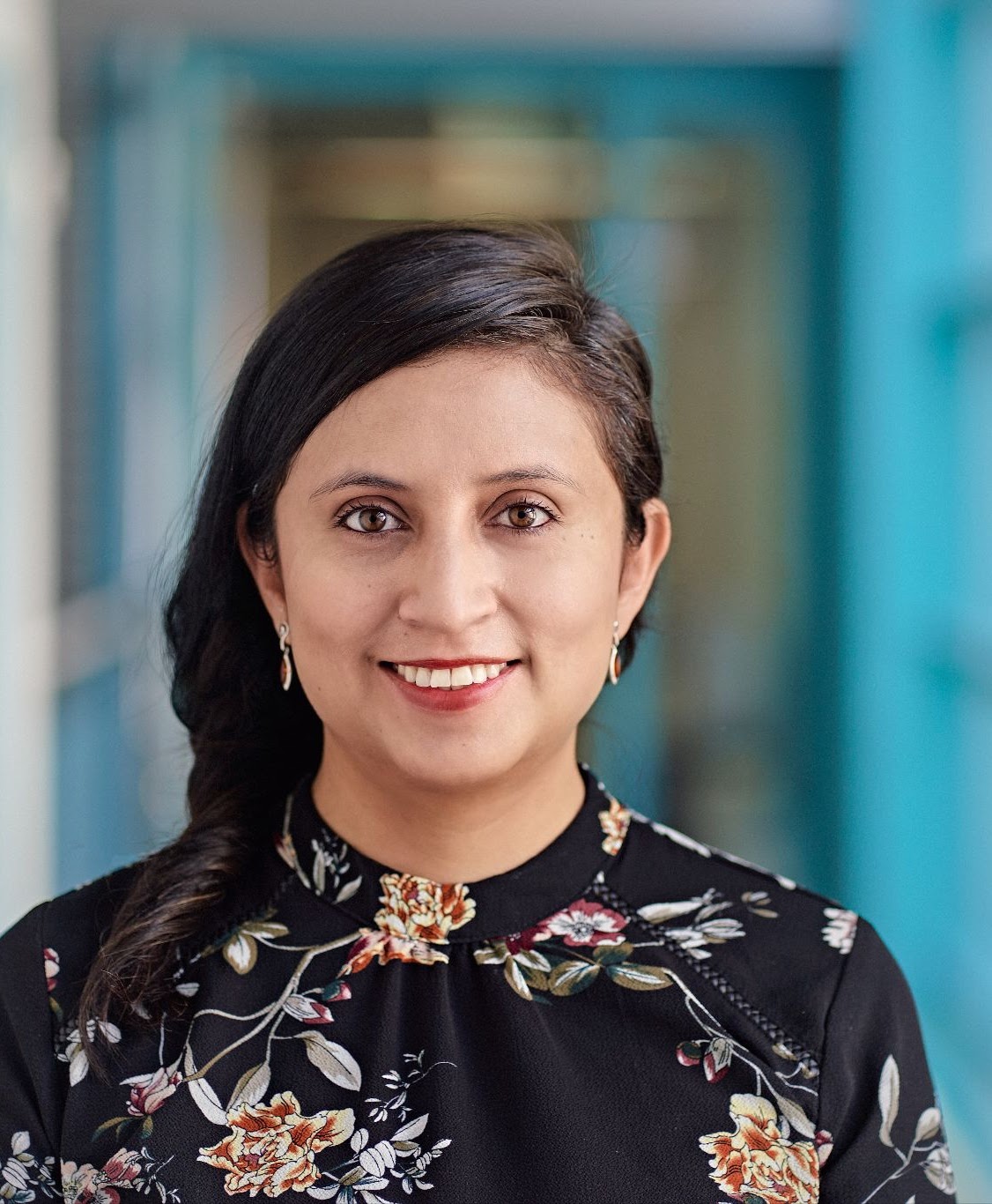
Diana Pamela Moya Osorio is Associate Professor at the Communication Systems Division, Department of Electrical Engineering, Linköping University, Sweden, and an ELLIIT recruited faculty. She previously held positions as Senior Research Fellow and Adjunct Professor at the Centre for Wireless Communications, University of Oulu, Finland, and Assistant Professor at the Federal University of São Carlos, Brazil. Education: B.Sc. in Electronics and Telecommunications Engineering, Armed Forces University, Ecuador (2008) M.Sc. in Electrical Engineering (Telecommunications and Telematics), University of Campinas, Brazil (2011) D.Sc. in Electrical Engineering (Telecommunications and Telematics), University of Campinas, Brazil (2015) Her research focuses on wireless communications , particularly signal processing for wireless systems , physical layer security , and integrated sensing and communications (ISAC) . These areas are central to the development of secure and efficient 6G networks. She investigates how wireless signals can be leveraged for both communication and environmental sensing, enhancing network intelligence and security through physical layer techniques. Her recent publications explore advanced topics such as fluid antenna systems , bistatic backscatter communication , beamforming design , and radio-over-fiber propagation . These works reflect a strong trend toward energy-efficient, secure, and high-resolution wireless systems, aligning closely with the goals of next-generation 6G networks. The integration of sensing and communication functionalities is a recurring theme, indicating a forward-looking research agenda focused on dual-use technologies. Scientific Service and Recognition: Associate Editor, IEEE Wireless Communications Letters Associate Editor, IEEE Communications Letters Associate Editor, IEEE Transactions on Information Forensics & Security Working Group Leader, Trustworthy 6G, Cost Action 6G-PHYSEC Diana Moya Osorio actively mentors PhD students and leads significant research initiatives. She is Principal Investigator (PI) for projects including HIGH-SENSE (ELLIIT), ALERT (WASP), and CO-ISAC (Vinnova), and holds leadership roles in 6GTANDEM (HORIZON-JU). Her grants are funded by major national and international agencies, reflecting the high impact and competitiveness of her work. As main supervisor, she advises Henrik Åkesson and Palatip Jopanya; as co-supervisor, she supports Ahmet Kaplan and Dexin Kong. She contributes to academic education by teaching graduate courses such as Information and Communications Engineering , Sensor Array Systems , and a PhD course on Modern Radar Systems . Her lab and research group are embedded within the Communication Systems Division at Linköping University, focusing on next-generation wireless technologies, particularly in the context of 6G and ISAC systems.
Silke J. Forbes is a Professor of Economics at Tufts University, affiliated with the School of Arts and Sciences and the Department of Economics. Her research focuses on Industrial Organization, Antitrust, Strategy, and Organizational Economics, with a particular emphasis on transportation industries like airlines and hotels. She has held teaching roles in Econometrics and Economics of Management and Strategy at Tufts, as well as at MIT Sloan and Case Western Reserve University (CWRU). Her work explores strategic interactions between firms, regulatory impacts on industry practices, and organizational adaptations. Notable grants include a 2011-2013 study on airline industry responses to public disclosure programs. Her research often integrates empirical analysis of real-world markets, such as examining airline scheduling transparency and the effects of vertical integration on firm performance. No scientific awards are explicitly listed, but her extensive publication record highlights contributions to understanding competition dynamics and organizational strategies. Teaching roles span undergraduate, graduate, and MBA programs, reflecting her expertise in applying economic principles to business decision-making.
Pierre Noreau is a Full Professor at the Faculty of Law, University of Montreal, and Director of the ADAJ (Access to Law and Justice) project. He serves as Scientific Director of the Centre for Research in Public Law (CRDP) and President of the Quebec Institute for Law and Justice Reform (IQRDJ). His research focuses on the sociology of law, judicial system functioning, access to justice, legal pluralism, and ethnocultural diversity in law. He has held leadership roles including Director of the Americas Office at the Agence universitaire de la Francophonie (2009–2014) and President of the French-speaking Association for Knowledge (ACFAS, 2008–2012). Key achievements include securing $60,000/year FRQSC funding for a 2023–2027 project on justice system innovations, launching the Applied Financial Literacy Index (2022), and authoring influential works like *Law. A Form of Social Bond* (2023). He has been recognized with the Prix Impact – Partenariat 2024, Prix de la justice, and induction into the Royal Society of Canada (2023). His interdisciplinary research spans family mediation, community justice, penal system actors, and cultural law dynamics. He collaborates with institutions like the Cyberjustice Laboratory and leads initiatives such as the ADAJ project to bridge academic and practical justice challenges. Recent activities include organizing the 2024 FOLRAC Annual Conference and contributing to legal reform through policy advocacy.
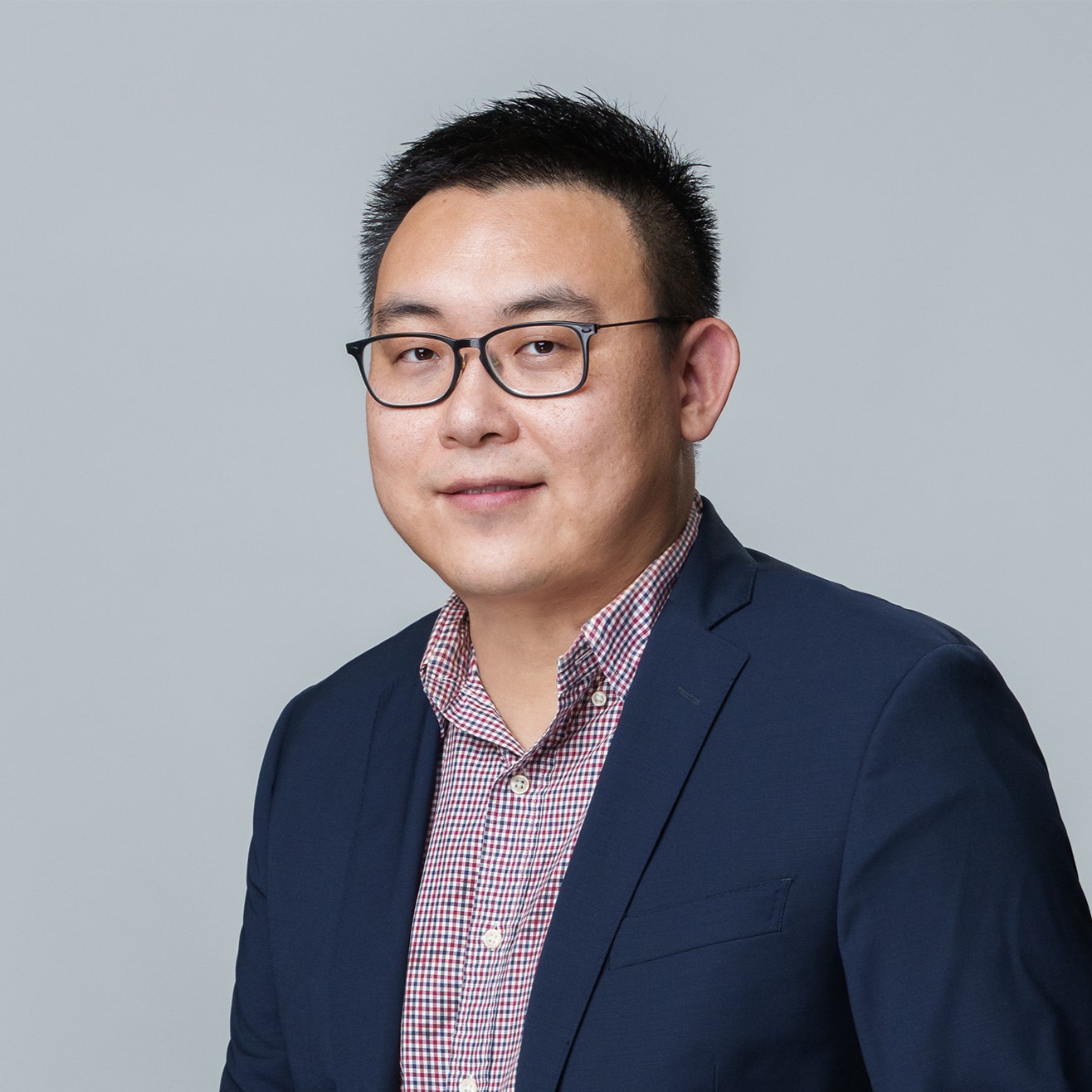
Dr. Xize WANG is an Assistant Professor in the Department of Real Estate at the National University of Singapore (NUS), affiliated with the NUS Institute of Real Estate and Urban Studies (IREUS) and NUS Center for Family and Population Research (CFPR). His research focuses on urban environment and health, sustainable mobility, and policy tools for healthier, sustainable cities. He holds a Ph.D. in Urban Planning & Development from the University of Southern California, and has postdoctoral experience at UC Berkeley. Education: Ph.D., Urban Planning and Development, University of Southern California (2012-2017) M. URP, Urban and Regional Planning, University of Minnesota (2010-2012) B.Eng., Urban Planning, Peking University (2005-2010) B.A., Economics, Peking University (2005-2010) Research Interests: Dr. WANG examines how urban environments impact mental health and sustainable transportation policies. His work bridges household-level urban dynamics with large-scale policy implications, addressing topics like residential crowding effects, commute-related depression, and generational differences in automobility. He contributes to global projects like the SALURBAL initiative, analyzing urban health across Latin America. Publications & Policy Impact: His work appears in journals such as Urban Studies and Transportation Research , influencing policy bodies like the World Bank and U.S. Department of Transportation. Notable contributions include evidence-based insights on congestion pricing, urban health surveillance systems, and generation-specific mobility trends. Teaching: Teaches courses on GIS for Real Estate, Urban Planning in Singapore, and advanced urban policy analysis. Engages in executive training programs for Singapore Land Authority and Urban Redevelopment Authority. Affiliations: Editorial board member of Journal of Urban Health and Transportation Research Part D . Active in interdisciplinary research teams, including the SALURBAL Project.
Prof. Dr. Hunger Brezinova is an Assistant Professor at TU Wien's Institut für Theoretische Physik. Her research focuses on quantum many-body systems, strong-field atomic physics, and reduced density matrix methods. She leads projects on adaptive quantum propagation techniques and two-particle density matrix theories for attosecond correlation dynamics. Main Affiliation: E136 - Institut für Theoretische Physik Key Research Areas: Attosecond Science, Quantum Correlations, Non-Equilibrium Dynamics, Strong Laser Fields Her work bridges theoretical developments with computational methods, particularly in simulating ultrafast electron dynamics in atoms and condensed matter systems. Recent studies include ionization processes in helium, fermionic Hubbard models, and coherence effects in Bose-Einstein condensates. Publications highlight advancements in density matrix formalisms and their applications to non-equilibrium systems. She advises PhD students like Stefan Donsa and Fabian Lackner, contributing to foundational studies in quantum many-body theory.
Prof. Dr. Bettina Pollok is a Professor and Group Leader at the Institute of Clinical Neuroscience and Medical Psychology at Heinrich-Heine University in Düsseldorf, Germany. Her research focuses on characterizing functional motor control networks using advanced neuroimaging and neurostimulation techniques, with applications in both healthy populations and movement disorder patients. Her research investigates functional networks underlying motor control in healthy subjects and patients with movement disorders such as Parkinson's disease. Key methodologies include magnetoencephalography (MEG) for millisecond-precision network analysis, and neurostimulation techniques (tDCS, tACS, TMS) to modulate neural activity. Current research examines motor network changes during aging and the potential of physical training to delay age-related motor decline. Publication analysis reveals consistent focus on: motor network dynamics, neurostimulation mechanisms, sensorimotor integration, and age-related neuroplasticity. Research spans both basic motor physiology and clinical applications for movement disorders. Prof. Pollok has supervised over 30 students and researchers in her group, including: Current members: Ann-Kathrin Dohmann and Sophie Ebelt Alumni include 32 researchers, including Carina Depperschmidt, Vanessa Krause, and Sarah Meissner Her laboratory (AG Pollok) specializes in central motor network characterization using MEG and transcranial stimulation techniques, with ongoing investigations into neuromodulation interventions for neurodegenerative conditions.
Edmund Yeh is Professor of Electrical and Computer Engineering at Northeastern University, with a courtesy appointment in the Khoury College of Computer Sciences. He has previously held faculty positions at Yale University and visiting roles at MIT, Stanford, Princeton, UC Berkeley, NYU, EPFL, and National Taiwan University. His research spans networking, distributed systems, and data-centric computing, with strong emphasis on edge computing, caching, network coding, and interdependent infrastructure resilience. His research interests include: Networking and systems for data-intensive engineering, science, and health applications Caching, fog/edge computing Networked distributed learning Wireless network optimization Coding for low latency, network coding, polar codes Interdependent networks, cascading failure, information dissemination Network economics Recent publications show a strong focus on joint optimization of caching, routing, and computation in edge and data-centric networks, emphasizing low-latency, energy efficiency, and robustness. His work often integrates machine learning with networking, particularly in federated and distributed learning systems under communication constraints. His scientific honors include: Best Paper Awards at WiOpt (2023), ICN (2017), ICC (2015), and ICUFN (2012) Best Poster Award at IPSN (2023) IEEE Communications Society Distinguished Lecturer (2021–2022) Alexander von Humboldt Research Fellowship Army Research Office Young Investigator Award Winston Churchill Scholarship National Science Foundation and ONR Graduate Fellowships Prof. Yeh has led or participated in over $38 million in funded research from NSF, DARPA, DTRA, and industry partners such as Cisco, Intel, and Raytheon. He has served as PI or co-PI on major projects including the Named Data Networking (NDN) initiative, SANDIE, N-DISE, and the PAWR Project Office. He mentors numerous graduate students and collaborates extensively with researchers in networking and machine learning. He also contributes to the broader community through editorial roles and service on U.S. National Academies panels. He is actively involved in research labs and collaborative teams focused on data-centric networking, edge computing, and resilient infrastructure systems.
Dr. Toros Arikan is an Assistant Professor in the Department of Electrical Engineering at the University of Notre Dame's College of Engineering. His research focuses on signal processing for remote sensing applications, with particular emphasis on underwater acoustics and indoor radio frequency systems. He applies deep learning techniques to solve complex problems in environmental mapping, localization, and tracking. B.S., M.S., and Ph.D. in Electrical and Electronics Engineering from University of Illinois Urbana-Champaign and Massachusetts Institute of Technology Professor Arikan's work addresses fundamental challenges in underwater acoustic localization, reverberant environment modeling, and challenging-environment communications. His recent publications highlight neural network-based solutions for Steiner minimum trees and boundary estimation problems. His research on HF communications systems spans topics including low-latency transmission, Doppler tolerance, and modem design for underwater applications. Earlier work includes biomedical ultrasound signal processing for blood velocity estimation.
Prof. dr. Sjoerd Verduyn Lunel is a Professor at the Mathematical Institute within the Faculty of Science at Utrecht University. He also serves as Research Director at ASML and has held leadership roles at Leiden University, including Dean of Science (2007-2013) and Scientific Director of the Mathematical Institute (2014-2018). His research spans analysis, dynamical systems, and applied mathematics. His research areas include Mathematical modeling of complex systems Applying data science to biological dynamics Stability analysis in nonlinear differential equations Development of numerical methods for delay equations His recent publications focus on delay differential equations, stochastic stability, and applications in biophysics and oncology. Key journals include SIAM Journal on Applied Dynamical Systems , Journal of Differential Equations , and Radiation and Environmental Biophysics . Notable scientific awards : Elected member of the Royal Holland Society of Sciences and Humanities (2012) He has advised numerous PhD students and collaborated on interdisciplinary projects, integrating mathematical analysis with biomedical and industrial applications. His editorial roles include Associate Editor, SIAM Journal on Mathematical Analysis Member of multiple editorial boards
Dr. Yiqin Xue is a Lecturer at the Cardiff University School of Engineering . With a focus on control systems and mechatronics, their work bridges automotive engineering, energy recovery systems, and combustion dynamics. Research spans 2001-2024 with recent work on sliding mode control optimization for linear DC motors. Key collaborations include Industrial Vision Systems Ltd and Harman Becker Automotive Systems . Research Interests include: Advanced control algorithms for mechanical systems Energy recuperation in regenerative braking Combustion instability mitigation Hydraulic/pneumatic system modeling Publications (2001-2024) demonstrate expertise in: Electro-hydraulic actuator control Combustion-acoustic interaction Neural network predictive modeling Automotive system optimization Time-delay system compensation Energy-efficient actuation methods Grants & Collaborations : Multiple Royal Academy of Engineering travel grants (2001-2005) Institution of Mechanical Engineers conference support Industrial projects with Harman Becker Automotive Systems and Industrial Vision Systems



.jpg)
