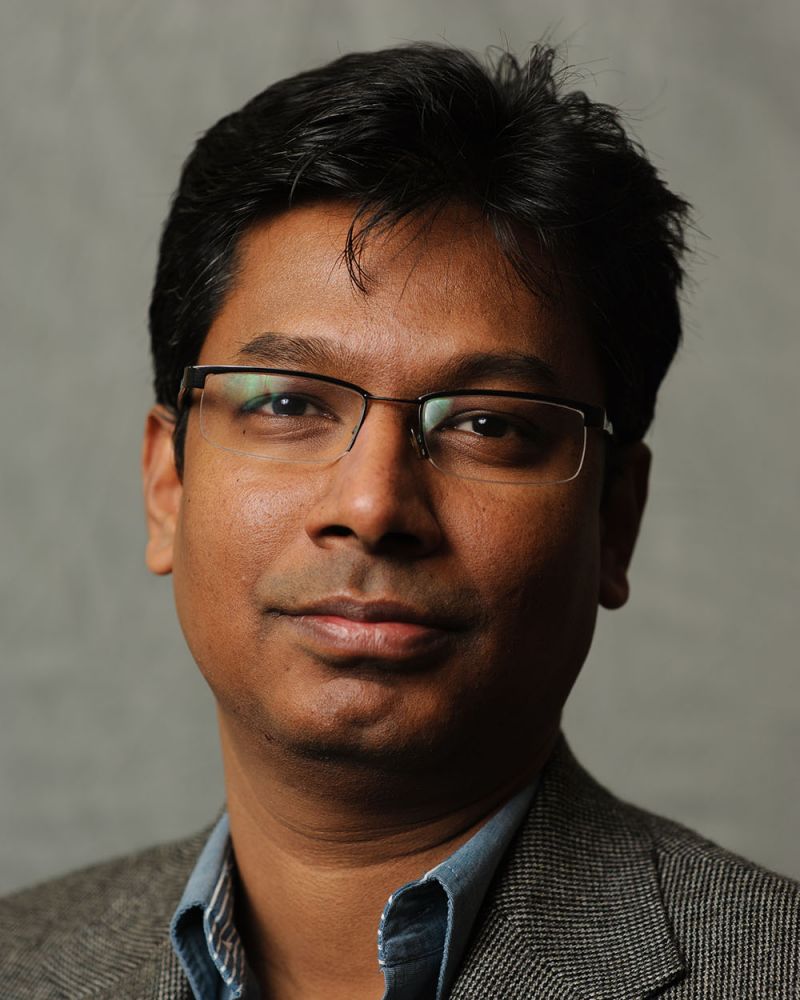
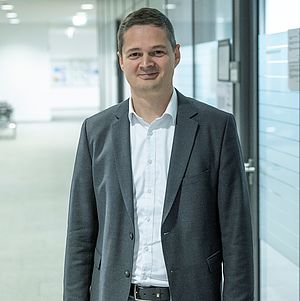
Dr Andrew Rhead is a Senior Lecturer in the Department of Mechanical Engineering at the University of Bath, specializing in aerospace composites and damage tolerance analysis. His research focuses on impact damage detection, failure mechanism modeling, and Non-Destructive Evaluation (NDE) techniques for composite structures. MSci in Mathematical Sciences (Dynamical Systems) - University of Bristol (2006) PhD in Composite Damage Tolerance - University of Bath (2009) His work develops computationally efficient analytical models for compression after impact (CAI) strength prediction in composite laminates, surpassing traditional finite element methods. Key projects include hydrogen storage systems for aircraft, cryogenic composite testing, and steered fiber manufacturing optimization. Active in 10 projects including ASPIRE and HyFIVE Collaborates with Airbus, GKN Aerospace, and EPSRC Research trends show emphasis on sustainable aviation materials, structural battery integration, and advanced testing methodologies. Current affiliations include the Institute for Mathematical Innovation (IMI) and Centre for Integrated Materials, Processes & Structures (IMPS).
Mine Uysal is a Researcher at Yıldız Technical University, Faculty of Mechanical Engineering, Department of Mechanical Engineering. Her academic journey includes a BSc (2005), MSc (2010), and PhD (2015) in Mechanical Engineering from Pamukkale University and Yıldız Technical University, respectively. She began postdoctoral research at the University of Kentucky (College of Engineering) in 2017. PhD, Mechanical Engineering (2015, Yıldız Technical University) MSc, Mechanical Engineering (2010, Pamukkale University) BSc, Mechanical Engineering (2005, Pamukkale University) Her research focuses on advanced materials behaviors, including functionally graded materials, polymers, adhesively bonded joints, and finite element modeling for engineering systems. Key areas include composite structures, thermal/mechanical loading effects, and sustainable manufacturing techniques like nanofluid-assisted machining. Scientific contributions include 15 recent articles spanning topics such as delamination analysis in bonded beams, sustainable machining optimization, buckling behavior of graded polymers, and fracture mechanics in composite materials. Her work integrates finite element methods with experimental validation for adhesive joints and sandwich structures. Collaborative projects include research funded by The Scientific and Technological Research Council of Turkey (TUBITAK) and international postdoctoral work at the University of Kentucky.
Suresh K. Sitaraman is a Regents' Professor and Morris M. Bryan, Jr. Professor in Mechanical Engineering at the Georgia Institute of Technology's George W. Woodruff School of Mechanical Engineering. His primary research focuses on Computer-Aided Engineering (CAE) and Design, manufacturing processes, micro/nano engineering, and mechanics of materials. He leads the Computer-Aided Simulation of Packaging Reliability (CASPaR) Lab and is involved in flexible hybrid electronics research through the Flexible Electronics Center . Dr. Sitaraman holds a Ph.D. from The Ohio State University (1989), M.A.Sc. from the University of Ottawa (1985), and B.E. from the University of Madras (1982). His research includes developing novel techniques like fixtureless magnetic actuation for interfacial fracture testing, compliant micro-scale interconnects for stress mitigation, and synchrotron X-ray diffraction analysis for through-silicon vias (TSVs). He has pioneered studies on carbon nanotube forests' mechanical properties and reliability challenges in 3D microsystems. His awards include the NSF CAREER Award (1997-2002), ASME Fellow designation (2004), and Sigma Xi Sustained Research Award (2008). He has authored over 150 publications and holds multiple patents on compliant interconnect technologies and packaging reliability solutions. Key Research Themes: Micro/nano-scale material characterization, physics-based predictive modeling, flexible electronics, 3D integration, and thermal management. Labs/Initiatives: CASPaR Lab ( caspar.gatech.edu ), Flexible Hybrid Electronics Center. Industry Impact: Contributions to semiconductor packaging, wearable electronics, and advanced manufacturing techniques.
Jaal Ghandhi is a Professor in the Department of Mechanical Engineering at the University of Wisconsin-Madison. His research focuses on combustion and fluid mechanics in internal combustion engines, utilizing laser-based diagnostics to study temperature and concentration fields. He holds significant academic roles and has received multiple prestigious awards, including the John Bollinger Chair and ASME/Society of Automotive Engineers Fellowships. Education: PhD 1995 (Princeton University), MS 1988 (UW-Madison), BS 1986 (UW-Madison) His research interests include laser diagnostics, turbulent flow, and advanced engine design. Recent work emphasizes thermal barrier coating performance, diesel engine efficiency, and hydrogen-based fuels. Over 20 years, his publications span combustion dynamics, material durability, and engine thermodynamics. Awards include the NSF CAREER Award, Grainger Professorship, and multiple teaching accolades. He teaches graduate courses in energy sustainability, combustion, and engine experiments. His research contributes to sustainable engineering through improved engine efficiency and reduced emissions, with collaborations in automotive and energy sectors.
Jake M. Yang is a Lecturer in Physical Chemistry at the School of Chemistry, University of Leicester, where he leads an interdisciplinary research group focused on electrochemistry and sustainable material processing. He holds a DPhil and MChem from the University of Oxford and was awarded an EPSRC Doctoral Prize in 2020 for developing electrochemical sensors to monitor oceanic 'blue carbon'. His research integrates operando electrochemistry with spectroscopic and fluorescent imaging to investigate chemical reactions at electrode interfaces and their environmental applications. He is particularly known for pioneering green recycling methods for lithium-ion batteries and fuel cell membranes. Electroanalysis and Sensor Instrumentation Operando opto/spectro-electrochemical instrumentation Recycling of Technological Critical Materials Monitoring Microplastics and Ocean Ecosystems Fundamental electrochemistry Finite difference simulations The recent publications highlight a strong trend toward sustainability-driven electrochemistry, with a focus on recycling technologies using ultrasound and vegetable oil nanoemulsions. These works bridge fundamental science with industrial applications, particularly in the circular economy of electronics and energy systems. Award Highlights: EPSRC Doctoral Prize Award RSC Horizon Prize 2024 (Faraday Institute ReLIB project) University of Leicester Chemistry Image of Research Competition, 1st Prize Jake actively mentors students and offers funded PhD opportunities. His work is supported by institutional and industry-aligned grants, particularly in sustainable battery and fuel cell recycling. He collaborates across disciplines, including Earth Sciences and engineering, and promotes knowledge transfer through public engagement and media outreach. He is a key member of the Centre for Sustainable Material Processing and leads research on techno-economic analysis of recycling processes, ensuring scientific innovation meets real-world industrial and environmental needs.
Robert Dodds Jr. is a Research Professor in the Department of Civil and Environmental Engineering at the University of Tennessee, Knoxville, within the Tickle College of Engineering. His work is centered on fracture mechanics, computational modeling of crack growth, and material failure in advanced alloys and functionally graded materials. His research interests include: Fracture and failure analysis in ductile and brittle materials Cohesive zone modeling and delamination in aluminum-lithium alloys 3D finite element modeling of crack propagation under small-scale yielding Thermomechanical and cyclic plasticity modeling Fracture in functionally graded materials with mixed-mode loading The analysis of his publications from 2002 to 2018 reveals a strong focus on computational fracture mechanics, particularly on cohesive models, T-stress effects, and delamination in aerospace-grade materials. His work bridges experimental validation with high-fidelity simulations, emphasizing engineering applications in structural integrity. His scientific awards include: National Academy of Engineering George R. Irwin Medal (ASTM) Fracture Mechanics Medal (ASTM) Nathan M. Newmark Medal (ASCE) Walter L. Huber Award (ASCE) Fellow, Engineering Mechanics Institute (ASCE) Dr. Dodds has collaborated extensively with researchers such as C. Ruggieri, M. Messner, A. Beaudoin, J. Sobotka, and G. Paulino. While no formal list of advisees is provided, his mentorship is evident through co-authored student-level research. He has not mentioned specific grants or funding sources in the provided text. His research likely involves a computational mechanics lab or research group focusing on fracture simulation and material modeling, though no lab name is specified.
Dr. Olesya Zhupanska is a Professor in the Department of Aerospace and Mechanical Engineering at the University of Arizona, where she holds a faculty position and is a member of the Graduate Faculty. Her research focuses on the mechanics of composite materials, especially under extreme multi-field conditions involving mechanical, thermal, and electromagnetic loads. Education: PhD in Mechanics of Solids and Applied Mathematics, Taras Shevchenko National University of Kyiv, Ukraine, 2000 BS/MS in Mechanics and Applied Mathematics (with Highest Honors), Taras Shevchenko National University of Kyiv, Ukraine, 1996 Her research interests span mechanics of composites, impact and damage, micromechanics, multi-field effects, and structural health monitoring, with applications in aerospace, wind energy, and smart materials. She has made significant contributions to understanding lightning strike damage, electrified composites, and thermostructural response of advanced materials. Her work integrates experimental, analytical, and computational methods to solve complex engineering problems. The 15 most recent publications highlight a strong trend in composite materials under electrical and thermal loads, with a focus on damage mechanisms, contact mechanics, and predictive modeling. Her research bridges mechanics, materials science, and electromagnetics, with increasing integration of machine learning for damage detection. Applications span aerospace structures, hypersonic vehicles, and wind turbine blades. Scientific Awards and Honors: DARPA Young Faculty Award (2011) Elsevier Young Composites Researcher Award (2008) ASME/Boeing Structures & Materials Award (2007) Multiple ASC Best Paper Awards National Research Council Senior Research Associateship Award (2022, 2015) Air Force Summer Faculty Fellowships (multiple years) Woman of Impact Award, University of Arizona (2022) Fellow, ASME Associate Fellow, AIAA ASME Dedicated Service Award (2023) Dr. Zhupanska has advised numerous graduate students, many of whom have won prestigious awards such as the DoD SMART Scholarship and NASA Fellowships. Her research has been funded by DARPA, NSF, NASA, AFOSR, AFRL, and industry partners. She has served on technical review boards including ARL and actively promotes engineering education and inclusion through NSF-funded initiatives. She holds leadership roles in professional societies, currently serving as President of the American Society for Composites (ASC) and as a member of the ASME IMECE Steering Committee Senate. She also serves as a Topic Editor for Composites and Advanced Materials and on the editorial board of Applied Composite Materials.
Brandon Schmandt is a Professor in the Department of Earth and Planetary Sciences at the University of New Mexico. His research focuses on geophysics, seismology, tectonics, structural geology, and volcanology. He holds a Ph.D. from the University of Oregon (2011). His research group specializes in seismic imaging methods to study subsurface structures related to tectonic and magmatic processes. They analyze seismic data from both fieldwork and public archives, with applications to earthquake mechanics, magma storage, and explosion discrimination. Recent work emphasizes continental magmatic systems, induced seismicity in the Raton Basin, and Yellowstone's magmatic architecture. Collaborative projects include seismic array deployments and machine learning applications for signal analysis. No scientific awards are explicitly listed in the provided texts. His advising includes undergraduate and graduate students such as Wilgus, Stairs, and Maguire. No specific grants or labs are mentioned beyond his departmental affiliation.
Dr. Sameer Mulani is an Associate Professor, Associate Department Head, and Director of Graduate Programs in the Department of Aerospace Engineering and Mechanics at the University of Alabama's College of Engineering. He leads the Stochastic Mechanics and Multi-Disciplinary Optimization Laboratory (SMO Lab) and is an integral part of the Remote Sensing Center and Alabama Materials Institute. Dr. Mulani's research spans uncertainty quantification, random vibrations, multi-disciplinary optimization, and composite structures' multi-scale analysis and design. His work combines computational methods with machine learning to develop innovative solutions for aerospace engineering challenges. He has made significant contributions to self-healing composite materials, uncertainty quantification techniques, and optimization of composite structures. His research group has published extensively on topics including polynomial chaos expansion for uncertainty quantification, self-healing composites, stochastic buckling analysis, and machine learning applications in structural mechanics. The publications demonstrate a strong trend toward integrating probabilistic methods with traditional engineering analysis to improve reliability and safety of aerospace structures. AIAA Associate Fellow, Class of 2025 2025 Department of the Air Force Summer Faculty Fellowship Program 2024 Department of the Air Force Summer Faculty Fellowship Program MSC Software Contest Winner (2011) Night on the Town: General Electric Award (2007) DAAD Fellowship (1999-2000) Dr. Mulani has advised numerous graduate students who have gone on to successful careers at institutions including Los Alamos National Laboratory, Cirrus Aircraft, L3Harris, and Lockheed-Martin. His lab collaborates with various research centers including the Remote Sensing Center where they work on antenna design, manufacturing, and integration for aircraft systems. The SMO Lab utilizes advanced software including MSC NASTRAN/PATRAN, ANSYS Mechanical/FLUENT, ABAQUS, SOLIDWORKS, and CATIA for their simulations and analyses.
Christoph Heinzl is a Professor of Cognitive Sensor Systems at the University of Passau since September 2022. He leads the Knowledge-based Image Processing research group at the Fraunhofer Development Center X-ray Technology (EZRT) . His academic background includes a PhD in Informatics and a Habilitation in 2022 , both from TU Wien . Research Focus: Scientific visualization, visual analytics, immersive analytics, virtual/augmented reality, machine learning, and X-ray computed tomography (XCT). Key Trends: Development of novel visualization techniques for complex volumetric data (e.g., dynamic volume lines, visual coherence frameworks), parameter space analysis, and cross-virtuality collaboration tools. Applications: Aerospace component inspection, defect analysis in composites (CFRP, GFRP), porosity quantification, and 4DCT time-series exploration.
Henrik Myhre Jensen is a Professor at the College of Engineering , Aarhus University, specializing in Mechanics of Materials , Solid Mechanics , and Mechanical Engineering . His research focuses on fracture mechanics, composite materials, and computational modeling of structural behaviors. Research Focus Fracture mechanics in composites and layered materials Computational modeling of kink band propagation Surface wear and coating technologies Ultrasound imaging applications in mechanical systems Notable Contributions Henrik has contributed to understanding crack propagation in cantilever beams, developed numerical methods for simulating delamination in composites, and explored buckling instabilities in solids. His recent work connects machine learning (holomorphic neural networks) to traditional fracture mechanics problems. Key Projects MAGFLY (2017-2021): Magnets for Flywheel Energy Storage InnoVacc (2009): Pressure Testing of Vacuum Chambers Simulation of composite structures (2011-2020): Micro-mechanical modeling
Olivier ALLIX is a Professor at the Laboratoire de Mécanique et Technologie (LMT) at École Normale Supérieure de Cachan (ENS-Cachan). His research focuses on computational mechanics, including multiscale modeling of composite materials, structural failure analysis, and non-intrusive coupling strategies. He has held leadership roles such as Head of LMT-Cachan and Vice-president of the International Association for Computational Mechanics (IACM). Expertise: Computational structural mechanics, material failure, inverse problems, and multiscale approaches. Editorial Roles: Associate editor of multiple journals including Computational Mechanics and Computer Methods in Applied Mechanics and Engineering . Awards: IACM Fellow, Euromech Fellow, and recipient of the Gay-Lussac Humboldt Prize (2019). His work integrates experimental mechanics with computational methods, emphasizing big data applications and model validation. He has organized major conferences like the World Congress on Computational Mechanics and co-led international research initiatives such as the IRTG ‘Virtual Material and Structures’ with Hannover University. Teaching includes advanced courses on structural dynamics, composite materials, and computational mechanics at the Master’s level. His research group collaborates with industries like Safran, IFPEN, and DGA on projects involving fatigue analysis, mooring systems, and composite testing.
Michaela Eder serves as an Adjunct Senior Research Fellow at the School of Engineering, The University of Western Australia, conducting interdisciplinary research bridging engineering, materials science, and biological systems with emphasis on fire-prone ecosystems. Her primary research investigates material composition gradients in biological structures, particularly Banksia seed pods, analyzing delamination phenomena, energy storage mechanisms, and autonomous response to fire through numerical modeling. This work integrates structural engineering principles with plant biomechanics to develop biomimetic applications for durable materials and adaptive actuators. Her 2025 publication in Advanced Functional Materials demonstrates how composition gradients control fire-induced seed pod opening, revealing principles applicable to energy-efficient actuators and fire-adapted material design. The research establishes connections between biological durability mechanisms and engineered material systems. Scientific Awards: No major awards explicitly documented in available sources Professional Activities: Advising: No student supervision records indicated Research Grants: No grant funding details disclosed Collaborative Networks: Active in international biomaterials research with Max Planck Institute collaborators
Heather Liddell is an Assistant Professor at Purdue University with joint appointments in Mechanical Engineering and Environmental & Ecological Engineering. She leads the Liddell Research Group, focusing on sustainable manufacturing, environmental life cycle assessment, and mechanics of multilayered systems. Her work bridges engineering and policy, addressing industrial decarbonization and sustainable supply chains. She holds a PhD in Materials Science from the University of Rochester, postdoctoral training at the U.S. Naval Research Laboratory, and prior DOE contract experience. Education: PhD (2013, Materials Science, University of Rochester), MS (2010, Mechanical Engineering, University of Rochester), BS (2008, Mechanical Engineering, University of Rochester). Research Interests : Industrial decarbonization strategies and circular economy frameworks Fracture mechanics in multilayer systems (e.g., coatings, composites) Environmental LCA of emerging technologies Lightweighting strategies for transportation sectors Awards include the 2024 EnergyTech Prize, ASEE Postdoctoral Fellowship (2017), and multiple Above and Beyond Awards. Her group includes 9 researchers studying topics like EEIO modeling, adhesion in lithium-ion batteries, and dairy forage drying LCA. Lab activities emphasize interdisciplinary collaboration, with projects funded by DOE and industry partnerships. Recent work addresses carbon performance reporting in Industry 4.0 and rebound effects in decarbonization initiatives.
Dr. Wonbong Choi is a University Distinguished Research Professor at the University of North Texas with joint appointments in the Department of Materials Science and Engineering and Mechanical Engineering. His research focuses on nanomaterials, energy storage systems (particularly lithium-sulfur and zinc-ion batteries), additive manufacturing of composites, and neuromorphic computing devices. He was elected Fellow of the National Academy of Inventors in 2024 for his contributions to materials innovation. Research interests span materials synthesis, electrochemical characterization, and device integration of 2D materials like MXenes and transition metal dichalcogenides. Key areas include: Nanomaterial design for batteries and supercapacitors 3D-printed sensors and structural composites Defect engineering for neuromorphic computing His recent publications highlight consistent themes in MXene synthesis optimization, advanced battery architectures, and multifunctional composites. Article trends show increasing focus on in situ characterization, scalable manufacturing of nanomaterials, and AI-driven materials design. Awards: Fellow, National Academy of Inventors (2024) Collaborates with research groups at Oak Ridge National Laboratory and leads projects on lightweight composites and energy storage systems.