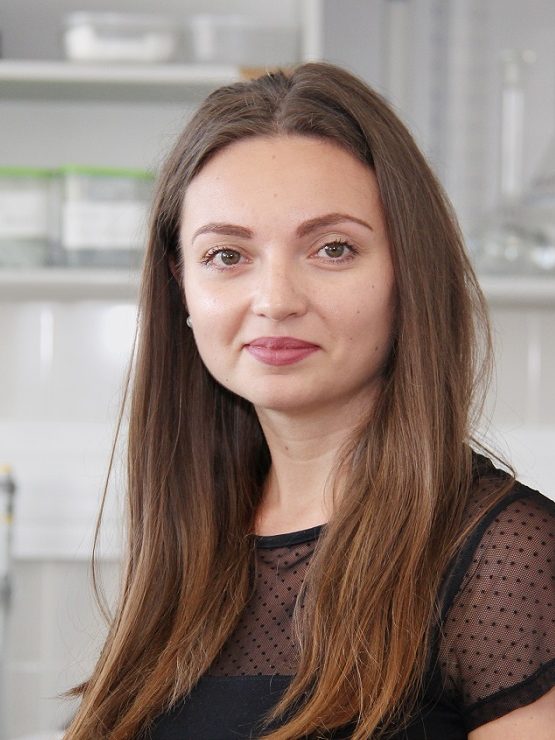
Piotr Czub serves as a Professor at Tadeusz Kościuszko Cracow University of Technology within the Faculty of Chemical Engineering and Technology, specializing in the Department of Polymer Chemistry and Technology. His career spans over three decades of research and teaching in advanced polymer systems. His academic credentials include: MSc Eng. in Plastics Technology (1991) Dr. Eng. in Plastics Technology (1999) PhD, DSc, Eng. in Plastics Technology (2012) Professor Czub's research critically examines sustainable polymer synthesis , focusing on epoxy resins derived from modified vegetable oils and chemical recycling of poly(ethylene terephthalate) waste. His expertise extends to nanomaterial characterization and polymer coating technologies , contributing to environmentally conscious materials engineering through projects like Polish grant 3 T08E 046 29 (2005-2008). His accolades demonstrate institutional recognition: Individual Rector's Award for Scientific Achievements (2nd degree, 2001) Individual Rector's Award for Scientific Achievements (1st degree, 2012) Team Rector's Award for Scientific Achievements (1st degree, 2014) Professor Czub has secured national research funding and expanded his expertise through international TEMPUS scholarships at Universitat Stuttgart (1997), Universite Jean-Monnet (1996), and University of Surrey (1994). His teaching portfolio includes core courses in Polymer Chemistry I/II, Nanomaterials Research Methods, and specialized seminars on polymer modification and coating systems.
Kohei Maruyama is a Professor at Waseda University's Center for Research Strategy and holds a doctoral degree in Engineering from Tokyo University of Agriculture and Technology. With a career spanning multiple institutions, he specializes in science and technology policy , research evaluation , industry-academia collaboration , and biomagnetic sensing technologies . His work bridges academic research with strategic institutional development. Ph.D., Tokyo University of Agriculture and Technology (2004) M.Eng., Meiji University (1994) His research focuses on creating sustainable research infrastructures , developing cross-disciplinary evaluation frameworks , and applying nanoscale biomagnetic particles for high-throughput genetic analysis. He has pioneered automated systems for SNP detection and mutation analysis in clinical contexts. Recent work demonstrates interdisciplinary research trends across 15 publications, including cancer diagnostics, tuberculosis resistance profiling, and DNA extraction automation using modified magnetic particles. His academic output reveals strong integration of bioengineering with policy frameworks . Yamamoto Shinichi Memorial Award (2025) Poster Awards (2024, 2023) Super Technology Officer Certification (2008) As a strategic academic leader, Maruyama has taught Science and Technology Management at Waseda University and developed research capacity-building programs. He actively participates in government policy committees and international academic networks.
Dr. Rita Elisabeth Krebs is a university lecturer at the University College of Teacher Education Lower Austria, where she holds a position at the Center for Futures Education and contributes to the UNESCO Chair in Learning and Teaching Futures Literacy in the Anthropocene. She is currently on leave but remains active in research and academic activities. Dr. Krebs also teaches at the Austrian Educational Competence Centre for Chemistry at the University of Vienna and at the Institute for Languages at the University of Applied Sciences Wiener Neustadt, focusing on sustainability education. Her educational background includes a Doctorate in Chemistry Education from the University of Vienna (2024), a teaching degree in English and Chemistry (2018), and a Bachelor of Arts in English and American Studies (2016). Prior to her current positions, she taught at various federal schools in Vienna and Lower Austria while contributing to STEM education materials development through the IMST project. Dr. Krebs' research focuses on chemistry education, particularly acid-base chemistry teaching approaches, language-sensitive science education, and Futures Literacy in the Anthropocene. Her work bridges theoretical educational frameworks with practical classroom applications, emphasizing how to effectively teach complex scientific concepts while addressing linguistic challenges. She has developed teaching materials that connect scientific concepts with real-world sustainability issues, helping students understand their role in addressing Anthropocene challenges. Her research often examines how language and conceptual understanding intersect in science learning, developing approaches that make chemistry concepts more accessible to students. Her publication record shows a progression from focused chemistry education research to broader applications in sustainability and futures literacy. Recent work demonstrates her expansion into Anthropocene education, with topics ranging from future-oriented thinking in primary education to sustainability in food systems and addressing science skepticism in post-truth societies. Dr. Krebs is actively involved in several research projects including the Erasmus+ project sensiMINT, which focuses on language-sensitive science teaching, and contributes to the development of educational frameworks that help students understand and navigate the challenges of the Anthropocene era. Her collaborative work spans multiple institutions and addresses critical challenges in contemporary science education.
Dr. Paweł Czajkowski is an Assistant Professor at the Institute of Physics and Applied Computer Science within the Faculty of Applied Physics and Mathematics at Gdańsk University of Technology. He obtained his doctoral degree (dr n.med.) in Medical Sciences from Poznan University of Medical Sciences in December 2022. His research specializes in civil engineering materials, with focus areas including: Road pavement performance analysis Measurement of rolling resistance in modified asphalt Acoustic properties of rubberized surfaces Sustainable infrastructure materials development Dr. Czajkowski's publications demonstrate consistent focus on evaluating rubber-modified asphalt mixtures through field measurements. His work contributes to understanding how polymer and crumb rubber additives affect pavement durability, noise pollution, and vehicular energy efficiency.
Dr. Jeremy Amiel Rosenkranz is a Professor and Director of the Brain Science Institute at Rosalind Franklin University of Medicine and Science. He is affiliated with the Chicago Medical School and the School of Graduate and Postdoctoral Studies, where he works within the Cellular and Molecular Pharmacology discipline. Dr. Rosenkranz also has significant affiliations with the Brain Science Institute and the Center for Neurobiology of Stress Resilience and Psychiatric Disorders, positioning him at the forefront of neuroscience research at the institution. Dr. Rosenkranz received his undergraduate degree from the University of Pittsburgh in 1997, followed by an MS in 1999 and PhD in Neuroscience in 2002, all from the same institution. After completing postdoctoral training at Baylor College of Medicine and University of Texas-Austin, he joined the faculty of Chicago Medical School in 2007, establishing a productive research career spanning over 15 years. His research program focuses on the neurophysiology of emotion and memory , specifically examining how the amygdala influences emotional processes and memory formation. His laboratory investigates how the amygdala changes during learning and how it is disrupted in animal models of psychiatric disorders. Another major research area is the modulation of synaptic integration , studying how integrative properties of neurons are modified and the role dendrites play in this modulation. His recent work has increasingly emphasized developmental differences between adolescents and adults, sex differences in stress responses, and the role of neuroinflammation in anxiety-related behaviors. Analysis of Dr. Rosenkranz's publication record from 2018-2022 reveals a sophisticated research program with multiple interconnected themes. His work demonstrates expertise in electrophysiology, behavioral neuroscience, and neuroanatomical techniques, with applications to understanding anxiety disorders, depression, and other stress-related psychiatric conditions. The publications show a clear evolution toward more complex questions about developmental trajectories, sex differences, and inflammatory mechanisms in emotional processing. National Institute of Mental Health (NIMH) grant MH084970 supporting research on stress and amygdala function Directorship of the Brain Science Institute, providing leadership for neuroscience research initiatives across the university Membership in the Center for Neurobiology of Stress Resilience and Psychiatric Disorders, facilitating translational research Dr. Rosenkranz's laboratory conducts research on how stress affects amygdala function and related neural circuits using in vivo electrophysiology, behavioral testing, neuroanatomical analysis, and molecular approaches. Current research examines developmental trajectories from adolescence to adulthood, sex differences in stress responses across the estrous cycle, and the role of neuroinflammation in anxiety behaviors. His work bridges basic neuroscience with clinical relevance, providing insights into why certain populations may be more vulnerable to stress-related psychiatric disorders.
Hristina Kostadinova is an Assistant Professor in the Department of Informatics at New Bulgarian University. She previously held positions as a Chief Assistant at NBU (2016-present) and Honorary Assistant roles at both NBU and American University in Bulgaria (2013-2015). Her educational background includes a PhD, Master's, and Bachelor's degree in Informatics from South-West University 'Neofit Rilski'. Her research focuses on three primary domains: E-learning systems : Development of adaptive courses, gamified training, and automated assessment tools Programming education : Innovative teaching methods for Java and other languages Educational technology : Implementation of Moodle-based solutions and conceptual mapping techniques Recent publications demonstrate strong emphasis on automated test generation, adaptive learning frameworks, and gamification in programming education for diverse audiences including children and vocational students. Her work consistently integrates pedagogical theories with technical implementations. No scientific awards are mentioned in available documentation. Current courses taught include Java programming and related technical subjects. No information is available regarding research grants, student advising, or laboratory affiliations.
Benjamin Spector is a Research Director at the CNRS and an Associate Professor at École Normale Supérieure (ENS-PSL) , affiliated with the Institut Jean-Nicod (CNRS/ENS/EHESS). His work bridges natural language interpretation , formal logic , and experimental psychology , focusing on the interplay between compositional semantics and pragmatic reasoning . Research Interests: Syntax-semantics interface, scalar implicatures, presuppositions, plural predication, quantification, vagueness, and polarity sensitivity. Teaching: Courses on logic, semantics, and the Rational Speech Act (RSA) framework, including at ENS and ESSLLI. Collaborations: Extensive co-authorship with scholars like Paul Egré, Danny Fox, and Emmanuel Chemla, exploring topics from exhaustivity in RSA to trivalent logic for presuppositions . Labs: Associate Director of the CONCEPTS, LOGIC, REASONING research network at Institut Jean-Nicod.
Birgit Hollaus is a Teaching and Research Associate at the Institute for Law and Governance and the Research Institute for Urban Management and Governance at Vienna University of Economics and Business (WU), holding a doctoral degree in business law from the same institution. Her academic credentials include: Bachelor's degree in Business Law, WU Vienna Master's degree in Business Law, WU Vienna Doctoral degree in Business Law, WU Vienna Hollaus specializes in national and European environmental, planning, and infrastructure law with concentrated expertise in public participation and access to justice mechanisms. Her research spans species protection legislation in urban contexts, EU risk governance frameworks for genetically modified organisms, and Aarhus Convention implementation at both EU and national levels. Her doctoral thesis critically analyzed compliance mechanisms in multilateral environmental agreements including the Paris Agreement and CITES, examining EU law's capacity to engage with non-compliance procedures while maintaining its position as an environmental leader. She continues to investigate the complex interplay between international environmental law and EU legal frameworks. She actively contributes to the European Environmental Law Forum (EELF) and the Climate Change Centre Austria Working Group on Climate Change Law (ARGE KlimaSchutzRecht). Professional experience includes an internship at Vienna's environmental protection authority (MA 22), legal work at environmental NGO ClientEarth in London, and project management roles at Vasko+Partner Civil Engineers prior to her academic career.
Beáta Pecušová, PhD is a Researcher at the Joint Glass Centre (Vitrum Laugaricio - VILA) at Alexander Dubček University of Trenčín. With expertise in thermal analysis techniques and materials characterization, she contributes significantly to the university's research initiatives in glass and ceramic materials science. Her educational background includes: PhD (2015-2019): "The influence of aluminum silicate and modified forms on the properties of composite materials" from the Faculty of Industrial Technologies in Púchov Engineering degree (2013-2015): "Influence of modified clay minerals on the curing characteristics of polymer blends and physical-mechanical properties of prepared vulcanizates" Bachelor degree (2010-2013): "Ecologization of polymeric materials using modified clay minerals" Dr. Pecušová's research spans multiple domains of materials science with particular focus on the thermal behavior and properties of glass-ceramic systems. Her work involves preparation and characterization of composite materials, detailed thermal analysis using DSC, DTA and TG techniques, and investigation of thermo-mechanical properties of advanced glass and ceramic materials. She has developed significant expertise in Bioglass 45S5 compositions and their modifications for biomedical applications, as well as bismuth-doped calcium aluminate silicate systems. Her research bridges fundamental materials science with practical applications in biomedical devices and advanced ceramics. Analysis of Dr. Pecušová's publication record reveals a strong emphasis on crystallization processes in doped glass systems, thermal properties characterization, and structure-property relationships in glass-ceramic materials. Her work demonstrates consistent progression from fundamental thermal analysis to applied research with biomedical and industrial relevance. The publications show increasing sophistication in materials design, particularly in rare-earth doped systems for photoluminescence applications and modified Bioglass compositions for improved biocompatibility. Dr. Pecušová is an active contributor to multiple significant research initiatives including the FunGlass project (Horizon 2020, 2017-2024), which focuses on functional and surface functionalized glass. She also participates in national projects studying corrosion effects on biomedical glasses (VEGA 1/0021/23), reference glasses for strategic raw materials analysis (APVV-22-0062), and functional glass development (CEGLASS, 2019-2023). As part of her academic responsibilities, Dr. Pecušová teaches "Inorganic technologies and materials II" and "Thermal analysis I" for doctoral students, sharing her specialized knowledge in materials characterization techniques. Her laboratory work is conducted at office number 311 at Alexander Dubček University of Trenčín, where she collaborates with international partners including Friedrich-Alexander Universität Erlangen-Nürnberg, Friedrich-Schiller-Universität Jena, Consejo Superior de Investigaciones Científicas, and Università degli Studi di Padova.
Peter Johannes Holst is an Associate Professor at the University of Copenhagen's Faculty of Health and Medical Sciences, with dual appointments in the Department of Immunology and Microbiology (as Group Leader of the EXPVACC/LEV team) and the Department of Biomedical Sciences (Endocrinology and Metabolism section). His research focuses on developing effective vaccines and immunotherapies for chronic infections and cancer. Dr. Holst earned his Medical Doctor degree and PhD in Health Sciences (2009) from the University of Copenhagen, following a Master of Medicine (2005). His academic journey at UCPH began as a student assistant in 1998, progressing through PhD studies, postdoctoral work, and ultimately to his current associate professorship since 2011. His research program centers on virus-vectored vaccines as delivery vehicles for immunogenic payloads, with specific focus areas including: Virus-like vaccines that stimulate all arms of the adaptive immune system Subdominant antigens as vaccine targets for chronic infections Enhanced vaccines inducing cellular immunity against papillomavirus Vaccines optimized for oligomeric antigen secretion and helper T cell stimulation Dr. Holst's work bridges fundamental immunology with translational applications, particularly in HIV and cancer immunotherapy. His laboratory investigates how vaccines can synergize with or worsen protection against chronic infections, and develops strategies to target cancer through T cells, antibodies, and immune checkpoint blockade. Among his notable recognitions are the Young Scientist of the Year award from the Faculty of Health Sciences (2001), the Venture Cup winner for Greater Copenhagen Area (2007), and the Elite Researcher award from the Danish Council for Independent Research (2008). As a mentor, Dr. Holst has supervised three PhD projects, including a Lundbeck-sponsored project on "virus-encoded virus-like-particles" and two faculty-sponsored projects. He has 6 years of experience as a group leader managing international projects in HIV, cancer, and papillomavirus research. Dr. Holst is the founder and primary owner of InProTher ApS, a biotech company pursuing vaccines and immunotherapy against HIV, papillomaviruses, and cancer. He has established a consortium that received a highly competitive EUROSTAR grant for papillomavirus research (ranked 6 out of 335 proposals in the EU). He also collaborates with three different biotech companies on cancer immune modulation.
Andrew DeVilbiss, Ph.D., serves as an Instructor (academic rank equivalent to Lecturer) in the Department of Internal Medicine at UT Southwestern Medical Center, where he is a member of the Division of Hematology and Oncology. He joined the faculty in 2024 following a postdoctoral fellowship at UT Southwestern's Children's Research Institute. Education: Dual bachelor's degrees in Biochemistry and Cellular and Molecular Biology from the University of Wisconsin Ph.D. in Philosophy from the University of Wisconsin Postdoctoral fellowship at UT Southwestern Medical Center's Children's Research Institute Dr. DeVilbiss' research program centers on the molecular and metabolic regulation of hematopoiesis, with particular emphasis on hematopoietic stem cell biology, erythroid maturation, and leukemogenesis. His work integrates transcriptional regulation, epigenetics, and metabolism to dissect how genetic networks control blood cell development and disease. Key investigations include the role of GATA factors, chromatin modifiers, and metabolic pathways such as ascorbate metabolism and redox regulation in stem cell function and blood disorders. Analysis of his publication record (2013-2025) reveals an evolving research trajectory from foundational studies on transcriptional mechanisms in hematopoiesis toward contemporary investigations of metabolic regulation in stem cells. Recent work (2021-2025) demonstrates significant focus on ascorbate deficiency, redox sensors (KEAP1), and autophagy in stem cell quiescence, self-renewal, and aging, with implications for neutropenia, T cell dysfunction, and acute myeloid leukemia. His publications span high-impact journals including Blood, Science Immunology, and Cell Stem Cell. No scientific awards are listed in the provided information. No information regarding student advising or research grants is available in the provided text. There is no mention of specific laboratory groups or research teams led by Dr. DeVilbiss in the provided material.
Dr. Caroline Hadad is a Lecturer at Université de Picardie Jules Verne, affiliated with the Glycochemistry and Agroresources Laboratory of Amiens UR 7378 LG2A. Her research focuses on sustainable chemistry approaches for materials development, with particular expertise in biopolymers, nanomaterials, and green chemistry processes that bridge fundamental science with practical applications in agriculture, biomedicine, and environmental remediation. Dr. Hadad's research interests span three main areas: π-conjugated molecules : Developing symmetrical and asymmetrical organic compounds for optoelectronic applications through Sonogashira-type coupling reactions with pyrimidine or pyridazine units Surface functionalization of carbon nanostructures : Modifying fullerenes, carbon nanotubes, and graphene to improve solubility and enable applications in nanomedicine and biotechnology Valorization of agroresources : Creating value from biomass through glycodendrimer synthesis, cellulose nanocrystals, and sustainable extraction processes for chitin and lignin Her recent publication record demonstrates a strong focus on sustainable solutions using ionic liquids and deep eutectic solvents as green processing media. Dr. Hadad has developed innovative approaches including the CoffeeCat process for lignin extraction, novel chitin deacetylation methods, and eco-friendly coatings for agricultural applications that reduce food waste. Her work consistently bridges fundamental chemical research with practical sustainability outcomes. Dr. Hadad has published extensively in high-impact journals including: International Journal of Biological Macromolecules RSC Sustainability Journal of Molecular Liquids Green Chemistry Carbohydrate Polymers Nano Research ACS Applied Materials & Interfaces Her research program demonstrates successful grant funding through consistent publication output across multiple sustainability-focused areas. Dr. Hadad collaborates with researchers across chemistry, materials science, and environmental disciplines, suggesting a well-integrated research program with both academic and potential industrial connections. She supervises research in the Glycochemistry and Agroresources Laboratory, which focuses on developing sustainable chemical processes and materials from renewable resources with applications spanning agriculture, biomedicine, and advanced materials development.
Dr. Yavuz Selim Tarih serves as a Lecturer at Bingöl University's Technical Sciences Vocational School, where he teaches 12 mechanical engineering and mechatronics courses while leading cutting-edge composite materials research. His academic foundation stems from Atatürk University, where he earned all engineering degrees. His educational pathway includes: Erzurum İnönü Primary School (1994) Erzurum Gazi Ahmet Muhtar Pasha Secondary School (1997) Erzurum High School (2000) BSc in Mechanical Engineering, Atatürk University (2006) MSc and PhD in Mechanical Engineering, Atatürk University Dr. Tarih's research centers on advanced composite materials with dual focus areas: (1) vibration dynamics of thermoplastic-veil reinforced epoxy composites under impact loading, and (2) green machining innovations using biodegradable nano-crystals. His work bridges theoretical mechanics with industrial applications, particularly in sustainable manufacturing processes where he investigates cellulose-based solutions for reducing environmental impact in composite machining. Recent publications (2023-2024) reveal accelerating research productivity with increasing international collaboration. His work spans materials science, mechanical engineering, and environmental technology, showing particular strength in experimental characterization of composite structures. The consistent focus on thermoplastic veils as reinforcement modifiers demonstrates methodical investigation of material interfaces. Dr. Tarih currently manages two significant research grants: BÜBAP Project (Bingöl University): Termoplastik Keçe takviyeli Cam ve karbon Elyaf/Epoksi Kompozit Malzemelerin Mekanik ve Dinamik Özelliklerinin İncelenmesi (BAP-MMF.2021.002) ATAUNİBAP Project (Atatürk University): Karbon ve Cam Yüzey Tabakalı Termoplastik Keçe Katmanlı Sandiviç Kompozitlerde Mekanik ve Dinamik özelliklerinin İncelenmesi (FBA-2021-9447) While not leading a named laboratory, his research group operates within Bingöl University's engineering facilities, collaborating extensively with Atatürk University researchers. The team maintains strong industry connections through Dr. Tarih's prior engineering experience and current focus on practical composite manufacturing solutions.
Paolo Borrione serves as an Associate Professor at the University of Rome Foro Italico in the Department of Human Motor Sciences and Health. His academic focus centers on Sports Medicine, Hematology, and Anti-doping research, with formal expertise in Internal Medicine. He holds significant administrative roles including Chair of the University Committee for Research and membership on the Board of the Master's Degree Program in Science and Technique of Sport. Dr. Borrione's research spans multiple critical areas in sports science, particularly examining health impacts of dietary supplements, cardiovascular risk assessment in athletes, and biological responses to doping substances. His work investigates exercise-induced modifications on bio-humoral and cellular parameters, with specialization in anti-doping protocols, hematology, and sports medicine. His research interests also include martial metabolism (likely muscular metabolism), risk parameter evaluation in sports, and biological responses to physical activity. Analysis of his publication record reveals consistent contributions to sports medicine research, with recent work focusing on anti-doping technologies, blood biomarkers, and physiological responses to exercise. His research trajectory demonstrates a clear progression from fundamental physiological studies toward more specialized anti-doping science and sports integrity issues. Notable trends include investigations into transcriptomic approaches for doping detection, innovative biomarkers for blood doping, and pandemic impacts on sports integrity. Dr. Borrione leads research projects funded by the Italian Ministry of Health, including a December 2019-June 2022 project focused on identifying innovative indirect parameters indicative of erythropoiesis-stimulating substance intake. His teaching responsibilities include courses on Biomedical Issues in Health and Exercise and Endocrinology and Sports Medicine for the Master's Degree program in Science and Technique of Sport. His office hours are held Wednesdays and Thursdays from 10:00-12:00 in studio 63A on the first floor of the university building located at Piazza L. de Bosis 6, 00135 Rome.
Slav Angelov is a Senior Lecturer in the Department of Informatics at New Bulgarian University (NBU), serving since September 2017. He teaches core courses including Applied Mathematics for Economists, Quantitative Methods in Management, Probability and Statistics, and Knowledge Extraction from Data, while contributing to NBU's joint program with the University of Sheffield. His academic credentials include: Master's degree with honors in Optimization from Sofia University "St. Kliment Ohridski" (2014) PhD in Computer Science and Informatics from NBU (2019), dissertation: "Computer Simulation and Assessment of Corporate Risks" Dr. Angelov's research focuses on statistical modeling and algorithmic development, with expertise in regression analysis (particularly multicollinearity solutions and cross-validation techniques), machine learning applications, and knowledge extraction systems. His work bridges theoretical statistics with practical implementations in energy forecasting and bioinformatics. His publication record reveals a consistent research trajectory centered on advancing regression methodologies across diverse domains. Key contributions include modified regression techniques for risk assessment and educational frameworks for data mining pedagogy, demonstrating dual expertise in methodological innovation and curriculum development. He has been an integral member of NBU's Center for Risk Management, leading analytical work on critical national infrastructure projects including the Belene Nuclear Power Plant, Balkan gas hub development, and long-term electricity consumption forecasting for Bulgaria through 2030.