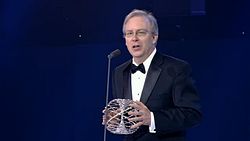
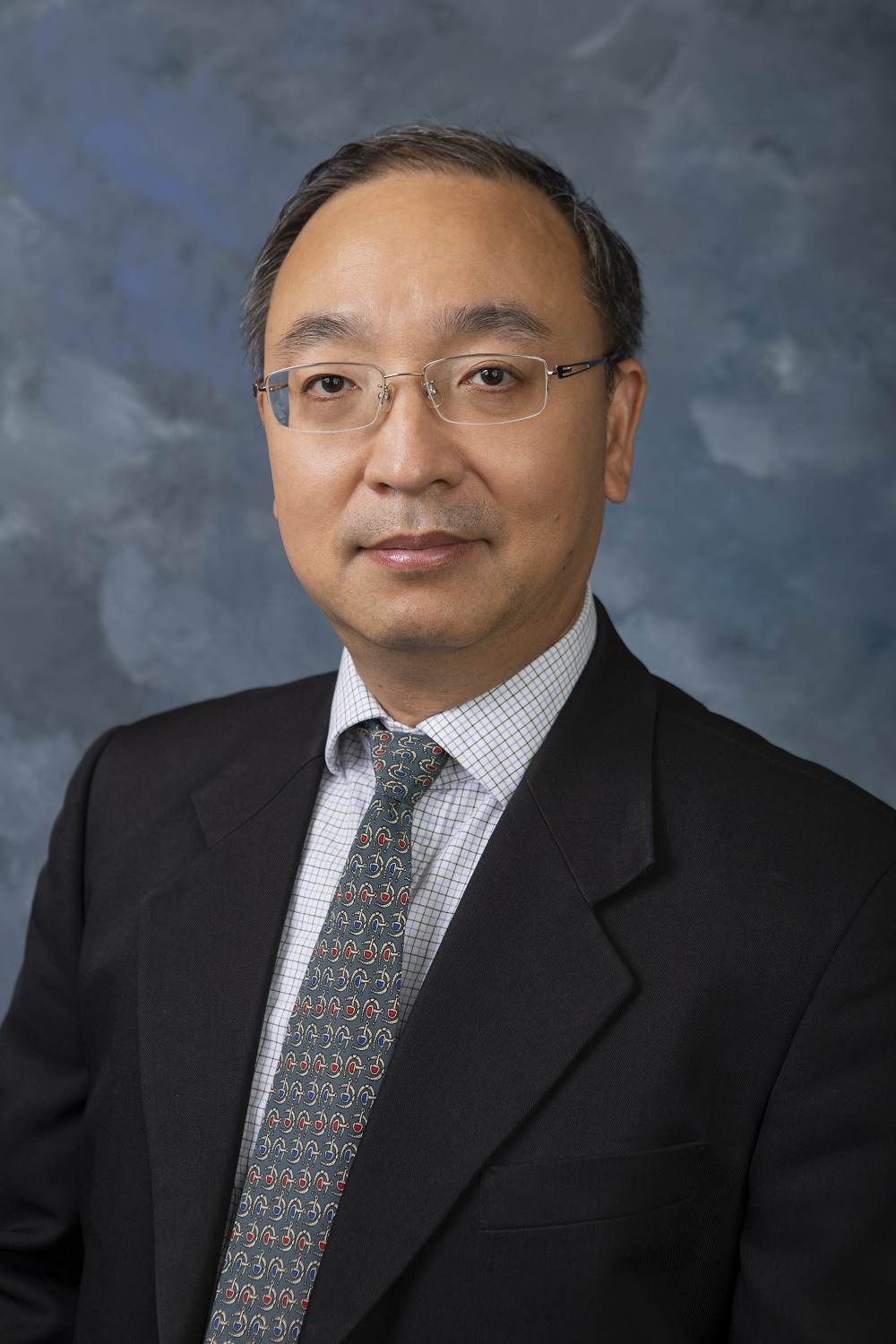
Charles L. Kane is a renowned theoretical condensed matter physicist and the Christopher H. Browne Distinguished Professor of Physics at the University of Pennsylvania. He earned his B.S. in physics from the University of Chicago (1985) and his Ph.D. from the Massachusetts Institute of Technology (1989). His research focuses on topological insulators, quantum spin Hall effect, and novel quantum phases in condensed matter systems. Dirac Prize (2012) Oliver E. Buckley Prize (2012) Breakthrough Prize in Fundamental Physics (2019) His work has revolutionized the understanding of topological materials, particularly through predicting the quantum spin Hall effect in graphene and pioneering concepts in topological insulators. Recent research explores topological density correlations, multipartite entanglement, and nonlinear transport phenomena. Kane's scientific contributions have been recognized by numerous prestigious awards, including the Franklin Medal (2015) and the Frontiers of Knowledge Award (2018). He maintains active collaborations and continues to advance frontiers in theoretical condensed matter physics.
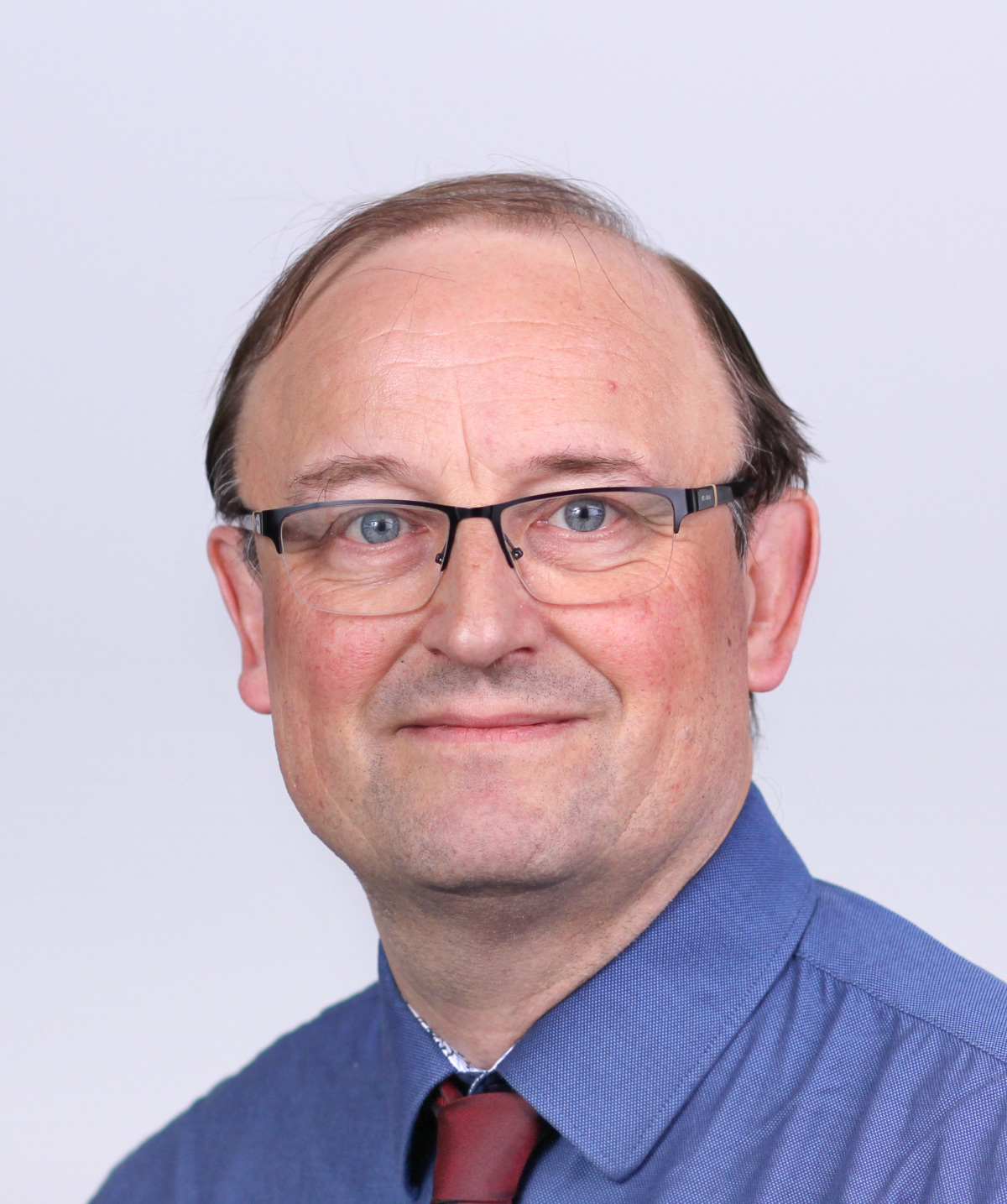
Martin Dove is Professor of Condensed Matter and Materials Physics at the School of Physics and Astronomy, Queen Mary University of London, where he conducts research on structural properties of materials using neutron and X-ray scattering techniques. His work bridges fundamental physics and materials engineering with applications in energy technologies and functional materials. His primary research focuses on negative thermal expansion mechanisms, lattice dynamics of framework materials, and the development of computational methods like reverse Monte Carlo modeling. He investigates phase transitions in perovskites, thermal expansion anomalies in ceramics, and structural properties of disordered systems through total scattering analysis and molecular simulations. Analysis of his 2023-2025 publications reveals sustained leadership in negative thermal expansion research, with significant contributions to understanding scandium trifluoride systems and copper pyrophosphate transitions. His recent work extends to perovskite materials for energy applications, metal-organic frameworks, and advanced scattering data analysis techniques, demonstrating consistent innovation in materials characterization methods.
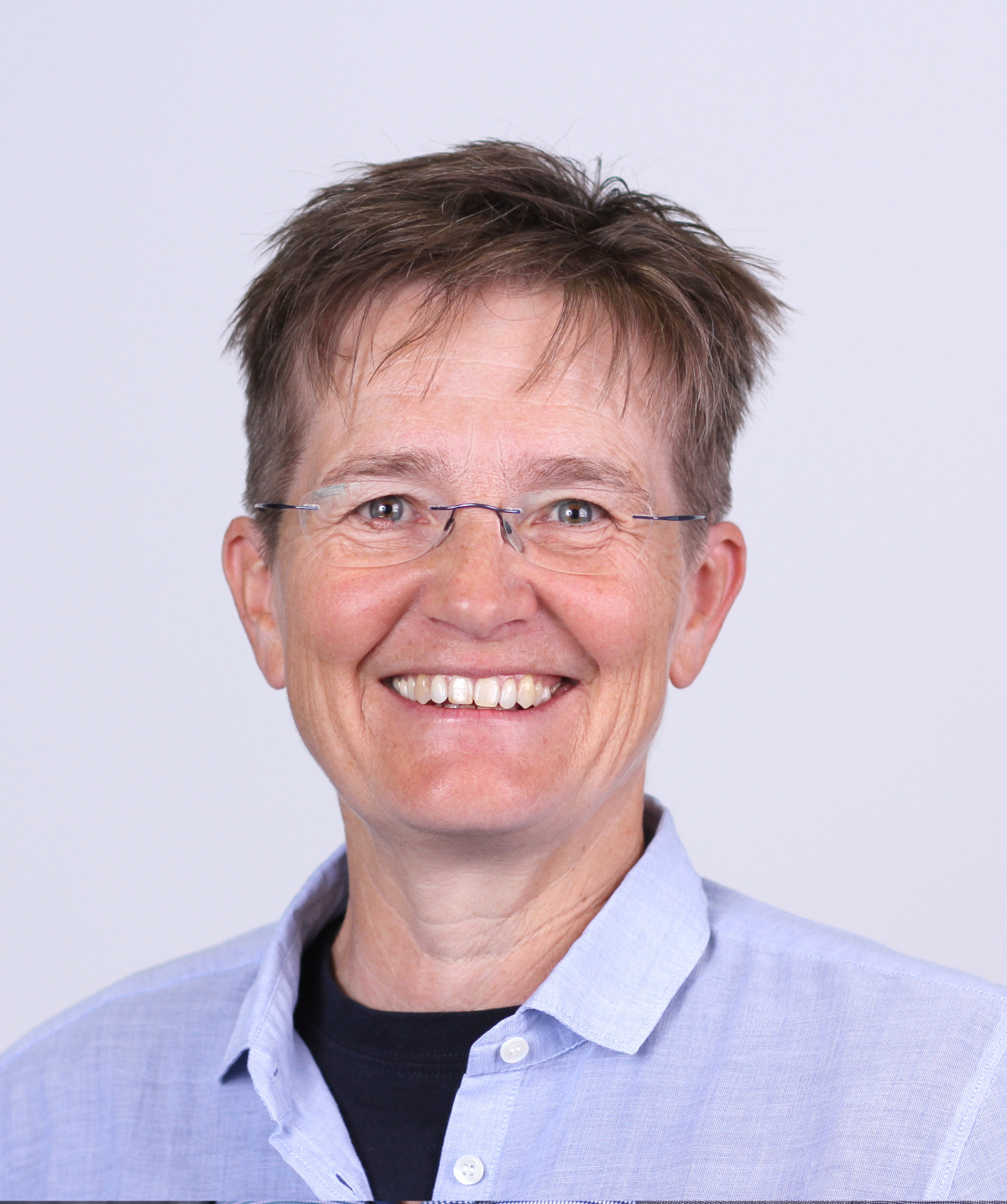
Dr. Andrei V. Petukhov is an Associate Professor at the Van 't Hoff Laboratory for Physical and Colloid Chemistry within Utrecht University's Debye Institute for Nanomaterials Science . He holds a part-time associate professor position at Eindhoven University of Technology since 2016. As a leading expert in synchrotron-based X-ray techniques , he serves as Editor-in-Chief of MDPI journal Materials ' Advanced Nanomaterials section and chairs the beamtime allocation panel at ESRF. Founded and chairs International Advisory Council at Immanuel Kant Baltic Federal University (until 2022 resignation) Developed XFEL pump-probe methodology for studying extreme irradiation conditions Created microradian SAXS setups for nanoscale structural analysis His research focuses on colloidal self-organization across multiple length scales, using both nonspherical colloids and external field manipulations . Key themes include: Entropic patchiness in crowded suspensions Magnetic field control of anisotropic colloids Confinement effects in droplet-based assembly Phase transitions in colloidal crystals His group performs in situ X-ray scattering experiments at prestigious facilities like ID10 beamline and BM-26 DUBBLE , with notable methodological contributions to: X-ray cross-correlation analysis Coherent diffraction imaging Advanced colloidal crystallography
Matthias Kuehne is an Assistant Professor of Physics at Brown University, where he joined the Department of Physics in 2023 following postdoctoral work in Professor Michael Strano's group at MIT. His research focuses on the fluidic, ionic, and electronic properties of low-dimensional materials and devices, with particular expertise in carbon nanotubes, 2D materials, and nanofluidic systems. His educational background includes a doctorate of natural sciences (Dr. rer. nat.) from the University of Stuttgart (2017), a diplome d'ingenieur from Grenoble Institute of Technology (Grenoble INP), France, and a diploma in physics from Karlsruhe Institute of Technology, Germany. His doctoral research was conducted at the Max Planck Institute for Solid State Research. Professor Kuehne's research interests center around solid-state nanofluidics and nanoionics, specifically investigating confinement and quantum effects governing the behavior of molecules and ions in low-dimensional materials devices. His work spans multiple disciplines including condensed matter physics, electrochemistry, physical chemistry, and materials science, with applications in energy storage, molecular transport, and nanoscale sensing. His publication record from 2011-2024 shows a consistent focus on carbon nanotubes, 2D materials, and nanofluidic phenomena, with significant contributions in Nature, Nature Communications, and other high-impact journals. His research demonstrates expertise in experimental techniques including Raman spectroscopy, magneto-transport measurements, and in-situ TEM imaging of nanoscale phenomena. At Brown, Professor Kuehne teaches undergraduate physics courses including PHYS 0030 (Basic Physics A), PHYS 0040 (Basic Physics B), PHYS 1610 (Biological Physics), and PHYS 2630 (Biological Physics). He leads the K-Lab, which is actively recruiting scientists and engineers with backgrounds in materials science, chemistry, and physics to build a creative and collaborative research team focused on solid-state nanofluidics and nanoionics. The K-Lab investigates confinement and quantum effects in low-dimensional materials, with recent work focusing on segmented carbon nanotube nanofluidics, atomic resolution imaging of lithium behavior, and ultrafast ion diffusion in 2D materials. The lab maintains an open recruitment policy for undergraduate, graduate, and post-graduate researchers interested in these cutting-edge research areas.
Professor Janne Ruostekoski holds the Chair in Theoretical Condensed Matter Physics at Lancaster University . His research focuses on Quantum Optics , Cold Atoms , Metamaterials , and Topological Properties of Matter and Light . He has pioneered studies in cooperative light-matter interactions and topological optical phenomena. Quantum optics and cold atom dynamics Cooperative light scattering and spectroscopy Topological defects and textures in spinor condensates Quantum technologies and photonic applications Ruostekoski's work explores how atomic arrays enable negative refraction , skyrmion generation , and superradiant phase transitions , bypassing traditional metamaterial limitations. His team investigates topological interfaces and disorder-induced collective effects . Scientific awards include: Institute of Physics (IoP) Joseph Thomson Medal and Prize 2024 EPSRC Physical Sciences Established Career Research Fellow Ruostekoski supervises PhD students James Doughty and Aref Salem in the Condensed Matter Theory group. His current projects span quantum optical phenomena in cold atomic ensembles (2019–2027) and cooperative light propagation (2017–2021).
Prof. Dr. Peter Kratzer leads a research group at the Faculty of Physics, University of Duisburg-Essen. His work focuses on computational materials physics using first-principified electronic structure theory and statistical physics. Current research projects include ab initio simulations of electronic excitation/relaxation (Project B02) and unified theoretical descriptions of electron relaxation (Project B07). He contributes to international collaborations like the 2D-Mature Graduate School , optimizing fabrication methods for transition metal chalcogenides and heterostructures. Research Interests His group investigates ultrafast electron dynamics in low-dimensional systems, defect physics in 2D materials, and quantum transport phenomena. They develop methods combining time-dependent DFT with Ehrenfest dynamics and Landauer-Büttiker transport theory. Publication Trends Recent works (2024-2017) emphasize electronic excitation in surfaces , defect engineering in Janus materials , and substrate screening effects on 2D optical properties . Methodologically, they integrate quantum mechanical calculations with experimental validation. Teaching Activities Offers include Advanced Quantum Mechanics , Thermoelectric Systems , and Density Functional Theory Seminars for graduate students. Contact Information Office: Room MG 371, University of Duisburg-Essen (Lotharstraße 1, 47048 Duisburg, Germany) Phone: +49 203 3793313 Email: peter.kratzer@uni-duisburg-essen.de
Marika Schleberger is a Professor at the Faculty of Physics, University of Duisburg-Essen , leading the Experimental Physics group. She is a Principal Investigator in the Collaborative Research Centre 1242 (project C05: Exploring Particle-Induced Excitations in the Time Domain) and the International Research Training Group (IRTG) 2D-MATURE . Research Interests : Her work focuses on 2D materials (e.g., MoS 2 , black phosphorus) under ion irradiation , probing electron dynamics , defect engineering , and optoelectronic memory . She pioneers time-resolved pump-probe experiments using 18 picosecond keV ion pulses and studies substrate interactions in 2D heterostructures. Scientific Recognition : She received the Best Teacher Award (2020) and leads major DFG-funded projects (SFB1242, 2D-MATURE). Her group has produced 16 publications in 2023 , a record for the team. Key Techniques : Raman spectroscopy, time-of-flight mass spectrometry, ion beam modification Collaborations : Universities of Waterloo (Canada), Salerno (Italy), Vienna (Austria), GSI/FAIR, UNSW Sydney Advising and Outreach : She mentors PhD students including Jennifer Schmeink (Janus MoSSe alloys), Stephan Sleziona (ion-irradiated transistors), and Lucia Skopinski (defect analysis). Her lab engages in public outreach , including virtual lab tours and international workshops like the WE-Heraeus School on 2D Materials (2022).
Mykyta Dmytrovych Aikin is a Senior Lecturer at the Department of Physical Materials Science, Faculty of Engineering and Physics, Zaporizhia National Technical University. He holds a Master's degree in Applied Materials Science with honors (2015) and focuses on magnesium alloys for biomedical applications, particularly osteosynthesis and implant design. Education: Master in Applied Materials Science (Zaporizhia National Technical University, 2015) Research Interests: Chemical composition optimization, structure formation analysis, mechanical properties enhancement of magnesium alloys, biosoluble material development for medicine His work spans magnesium alloy development for medical implants, biodegradable materials , and casting process optimization . Recent publications highlight advancements in Mg-Zr-Nd alloy heat treatment and cooling rate effects on microstructure. Patents include novel magnesium alloys for osteosynthesis and biodegradable implants. Conference Participation: Active in international events like Materials Science & Technology (USA), Titan (Ukraine), and Polish conferences (2016-2019). Collaborates on aerospace and biomedical applications of magnesium alloys. Contact: Office 158, Zhukovsky St. 64, Zaporizhia, Ukraine | fitone14@gmail.com | Profile
Prof. Dr. Fatih Üstel , founder and president of the Thermal Spray Research and Application Laboratory (SAU-TESLAB) at Sakarya University , is a leading expert in thermal spray coatings , biomedical materials , and surface engineering . Since joining the Faculty of Engineering’s Department of Metallurgical and Materials Engineering, he has pioneered research in YSZ thermal barrier coatings , hydroxyapatite composites , and industrial coating applications . His work has been recognized through multiple awards, including the 1st Publication Encouragement Award (TÜBİTAK, 2010) DAAD research grants (2003, 2006) 2016 patent for antibacterial nanosilver coatings Prof. Üstel’s recent publications focus on thermal barrier durability , biomedical implant surface treatments , and composite coating innovation . He has secured funding from institutions like TÜBİTAK, DPT, and the Ministry of Industry, while mentoring numerous PhD and Master’s students at SAU-TESLAB. His research emphasizes industry-university collaboration , with projects spanning aerospace , dental implants , and corrosion-resistant industrial coatings .
Dr. Šarūnas Masys is a Senior Researcher at the Institute of Theoretical Physics and Astronomy (ITPA) , Vilnius University. His research focuses on quantum chemistry, solid-state physics, and atomic theory, with particular emphasis on electronic structures of perovskite crystals, magnetic properties of nanodiamonds, and atomic characteristics of ions. Scientific Interests: Perovskite Crystals: Electronic and crystalline structure analysis using x-ray photoelectron spectroscopy and density functional theory. Nanodiamonds: Theoretical studies of magnetic properties and g-tensor calculations. Atomic Theory: Investigations into photoionization, electron-impact processes, and strain-induced phase transitions in materials. His publications span computational and experimental studies of materials like LaNiO3, SrRuO3, and Fe8+ ions, with recent work addressing spintronic applications of nanodiamonds and strain engineering in oxide thin films. Awards include the World Federation of Scientists National Scholarship (2009-2010), Research Council of Lithuania Doctoral Scholarship (2011-2013), and Vilnius University Rector’s Award (2019). His research contributes to advanced materials for energy and nanotechnology applications.
Pavel Rubin is an Associate Professor in Solid State Theory at the Institute of Physics, Faculty of Science and Technology, University of Tartu. Currently working at 0.40 FTE, he has been affiliated with the University of Tartu since 1989, progressing from postgraduate student to his current position. His career spans theoretical physics research with a focus on condensed matter systems. Rubin received his Doctor's Degree in Physics from the University of Tartu in 1994, with a dissertation on "Local defect states in CuO2 planes of high temperature superconductors" supervised by Nikolai Kristoffel. His earlier education includes Solid State Theory studies at Tomsk University in 1982. Dr. Rubin's research focuses on solid state theory, particularly superconductivity, electron structure of solid state materials, and high-temperature superconductors. His work examines complex phenomena in materials like cuprates and iron arsenides, with recent emphasis on graphene-based systems. He investigates quantum magnetic systems through Heisenberg models on various lattices, and explores multiband superconductivity mechanisms with competing pairing channels. His research bridges theoretical physics with potential applications in materials science and sensor technology. His recent publications demonstrate a consistent focus on condensed matter physics, with particular attention to superconductivity mechanisms, quantum magnetic systems, and novel materials like graphene. Rubin frequently collaborates with researchers such as Aleksandr Pishtshev, Mihhail Klopov, and Raivo Jaaniso. His work shows progression from fundamental superconductivity theory to more applied research on sensor materials, particularly in recent years. Dr. Rubin has successfully supervised at least one Master's student, Martin Jonas Siebel, whose 2024 thesis focused on "First principle simulation of gas adsorption on graphene/h-BN structures." His research has been supported through multiple projects, including the Graphene Flagship Core Project 3 (2020-2023) and the ongoing "New structures and signal processing methods for graphene-based gas sensors on microcantilevers" project (2022-2026).
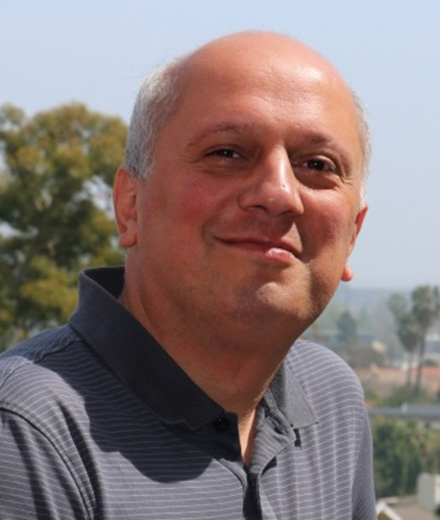
Dr. Shahab Derakhshan is a Professor in the Department of Chemistry and Biochemistry at California State University, Long Beach (CSULB). His research focuses on the synthesis, crystallographic analysis, and property characterization of functional materials for energy and magnetic applications, particularly thermoelectrics, photocatalysts, and frustrated magnetic systems. Research Interests Functional materials synthesis Crystal structure-property correlations Electronic structure calculations Antiferromagnetic and spin-glass materials Publication Trends : Recent work explores oxygen-deficient perovskites for electrocatalysis (2024), nickel ruthenates (2022), and geometrically frustrated oxides (2020-2019). Earlier studies focus on rock salt/rhenate/antimonide structures and their magnetic/electronic properties, with a 2016 NSF RUI grant supporting his group's investigations.
Dr. Kuang-Ting Hsiao is a Full Professor in the Department of Mechanical, Aerospace, and Biomedical Engineering at the University of South Alabama's College of Engineering. His research focuses on advanced composite materials manufacturing, particularly carbon fiber reinforced polymer (CFRP) composites with innovative Z-threading techniques using carbon nanofibers. Dr. Hsiao received his Ph.D. in Mechanical Engineering from the University of Delaware and his B.S. in Naval Architecture Engineering from National Taiwan University. His academic journey includes positions as Assistant Professor (2003-2009) and Tenured Associate Professor (2009-2013) at the University of South Alabama, following his time as a Research Associate at the University of Delaware's Center for Composite Materials (1999-2003). Dr. Hsiao's research spans multiple cutting-edge areas in composite materials science and manufacturing. His primary focus is on developing novel 3D printing techniques for Carbon Fiber Reinforced Polymer (CFRP) composites, particularly through his pioneering work on Nanofibers Z-Threaded CFRP Composites (ZT-CFRP). He has made significant contributions to real-time cure monitoring and control systems, artificial intelligence-enabled composite material manufacturing integration, and liquid composite molding processes. His work addresses critical challenges in composite manufacturing including void and defect characterization, residual stress management, and dimensional stability. Dr. Hsiao has also developed innovative approaches for enhancing thermal and electrical conductivity in composite materials through strategic nanofiber alignment. Dr. Hsiao has received numerous prestigious awards recognizing his contributions to the field, including being elected as a Fellow of the International Association of Advanced Materials (2024) and a Senior Member of the National Academy of Inventors (2024). He was awarded the Scientist Medal by the International Association of Advanced Materials in 2023, and has previously received the Russell and Robin Lea National Alumni Excellence in Faculty Innovation Award from the University of South Alabama (2015), the Olivia Rambo McGlothren National Alumni Outstanding Scholar Award (2010), and the Excellence in Research Award from the University of South Alabama College of Engineering (2009). Dr. Hsiao leads the Hsiao Group - Composite Materials Lab & Robotic Additive Manufacturing Lab at the University of South Alabama, where he mentors students and collaborates with industry partners on advancing composite materials technology. His teaching portfolio includes advanced courses in mechanical engineering analysis, fluid mechanics, heat transfer, and specialized topics in liquid composite molding.
Prof. Oleg Yazyev is an Associate Professor at the Institute of Physics, School of Basic Sciences, École Polytechnique Fédérale de Lausanne (EPFL). He holds the Chair of Computational Condensed Matter Physics (C3MP) and serves as a PhD Program Committee Member for the Doctoral Program in Physics. Education: BSc in Chemistry, Moscow State University (2003) PhD in Chemistry and Chemical Engineering, EPFL (2007) Postdoctoral Fellow, EPFL (2007–2009) Postdoctoral Fellow, University of California, Berkeley (2009–2011) His research focuses on theoretical and computational studies of two-dimensional and topological materials, particularly their electronic, magnetic, and transport properties for technological applications. Key contributions include work on graphene defects, topological insulators, and spintronics devices. Recent publications highlight his work on topological materials , graphene-based systems , and quantum transport . Trends include advancing understanding of defect-induced magnetism , grain boundaries , and Weyl semimetals . Scientific Awards: Swiss National Science Foundation Professorship (2011) ERC Starting Grant (2012) University Latsis Award (2018) He has supervised numerous PhD students and received grants from the Swiss National Science Foundation and European Research Council. His work bridges theoretical condensed matter physics and applied nanotechnology , with implications for next-generation quantum devices.
Associate Professor Emil Tafra, Ph.D., is affiliated with the Department of Experimental Physics at the Faculty of Science, University of Zagreb. He holds a permanent position since 2020 after progressing from senior assistant (2009-2013) and assistant (2013-2020) roles. His employment history includes postdoctoral research at the Paul Scherrer Institute (Switzerland, 2010-2011). His research focuses on magnetotransport properties of organic conductors , quasi-2D cuprates , manganites , and hybrid organic-inorganic materials , with particular emphasis on charge transport mechanisms and Mott-Anderson localization . He teaches Microelectronics , Low-temperature physics , and Electronics Practicum courses. Current research projects include " Evolution of complex magnetic and polar orders " (HRZZ project, 2023-), " Collective effects and topological transport " (HRZZ, 2017-2022), and international collaborations like the France-Croatia COGITO Program (2013-2014). Key publication trends show expertise in 2D electron systems Mott and Anderson transitions Spin-polarized transport Amorphous alloy properties Pressure-dependent metal-insulator transitions High-mobility oxide interfaces