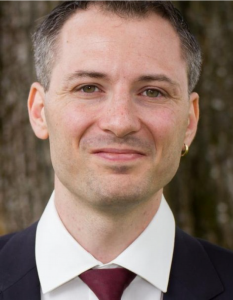
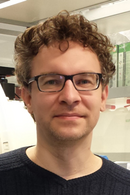
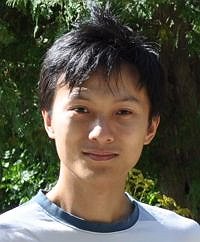
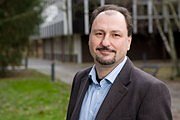
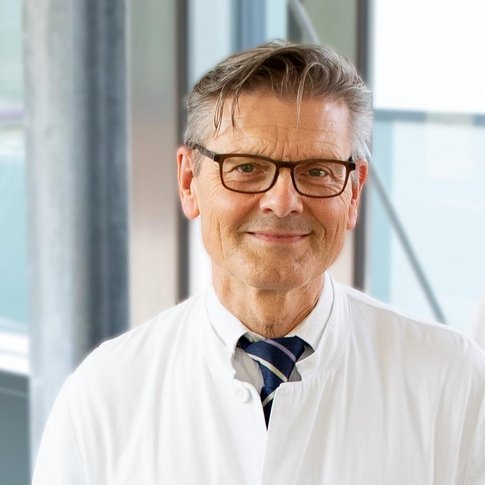
Prof. Waldemar Kolanus leads the Molecular Immunology and Cell Biology department at the University of Bonn's Life & Medical Sciences Institute (LIMES) . His research bridges immunoregulation , stem cell dynamics , and metabolic stress responses in immune cells. Unit 2 member at LIMES Principal investigator in SFB 704 and ImmunoSensation Cluster Leads a multidisciplinary lab with postdocs, PhD students, and technical staff His work focuses on intracellular signaling pathways connecting immune activation to tissue homeostasis, particularly through: Cytohesin proteins in integrin-mediated adhesion and migration TRIM71 in stem cell regulation and congenital hydrocephalus High-salt environments affecting macrophage function Publication trends show expertise in immune cell migration , genetic models , and chemical inhibition , with frequent use of mice and zebrafish for in vivo studies. Key articles explore: TRIM71's dual role in auditory development and germ cell maintenance Cytohesin family's Golgi regulation and insulin signaling Ruxolitinib's off-target migration inhibition of dendritic cells Contact details: Address: LIMES Institute, Carl-Troll-Straße 31, Bonn Email: kolanus.sekretariat@uni-bonn.de Phone: +49 228 73-62788
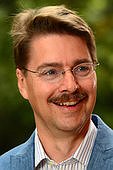
Philipp Neumann is a Professor and Chair of High-Performance Computing at Helmut Schmidt University since 2019. Previously, he held roles including Senior Researcher at the German Climate Computing Center (2016–2019), Postdoc at the University of Hamburg (2017–2019), and completed his Habilitation in Scientific Computing at TU Munich (2019). He transitioned to DESY/Universität Hamburg in May 2024. Education : PhD (Dr. rer. nat.) in Scientific Computing at TU Munich (2008–2013) Habilitation in Scientific Computing at TU Munich (2019) Studies in Technomathematics at Friedrich-Alexander University Erlangen-Nuremberg (2003–2008) Research Interests focus on high-performance computing, parallel and distributed systems, computational science, and applications in climate modeling. His work bridges computational methods with medical challenges, including surgical simulation training, wound healing mechanisms, and gastrointestinal pathology. Professional Activities include leadership roles in major conferences such as steering committee member for ISPDC (since 2021) and program committee roles in IPDPS, ICCS, and IEEE Cluster. He also managed the DFG priority program SPPEXA (2013–2016). Labs/Teams include the Chair for High-Performance Computing at Helmut Schmidt University and collaborations with the German Climate Computing Center. His current work at DESY/Universität Hamburg likely expands these computational efforts into interdisciplinary research.
Michael Boutros is a Full Professor at Heidelberg University and Head of Division at the German Cancer Research Center (DKFZ). He currently serves as Dean of the Medical Faculty at Heidelberg University (since 2023) and Director of the Marsilius Kolleg (since 2020). He has held leadership roles including Coordinator of the Functional and Structural Genomics Program at DKFZ (2014–2023) and Acting Scientific Director (2015–2016). His academic base is within the Medical Faculty, focusing on molecular oncology and functional genomics. PhD, Witten/Herdecke University (1993–1996) Postdoctoral Research, Harvard Medical School (1999–2003) MPA, John F. Kennedy School of Government, Harvard University (1999–2001) Additional training: Cold Spring Harbor Laboratory, SUNY Stony Brook His research centers on Wnt signaling, functional genomics, and cancer pathways. He leads major research initiatives such as CRC 1324 on Wnt signaling and the ERC Synergy Grant DECODE. His work integrates high-throughput screening, CRISPR, and systems biology to dissect signaling networks in cancer and development. He has pioneered genome-wide RNAi and CRISPR screens to identify novel regulators of Wnt signaling across models. The 15 most recent articles reflect a strong focus on Wnt pathway regulation using functional genomics in both Drosophila and mammalian systems. Themes include high-throughput screening, CRISPR-based validation, cross-species conservation, and therapeutic targeting. Keywords span Cancer Biology, Systems Biology, and Signal Transduction, with subfields like RNAi, ubiquitination, stem cell regulation, and machine learning in image analysis. Michael Boutros has received numerous scientific honors: Elected member, Leopoldina National Academy of Sciences (2022) Elected member, Heidelberg Academy of Sciences (2022) EMBO Member (2013) ERC Advanced Grant (2012) Johann-Georg Zimmermann Research Award (2007) EMBO Young Investigator (2005) Member, 'Die Junge Akademie' (2003) He has been a recipient of the Emmy-Noether Program, McCloy Fellowship, Boehringer Ingelheim PhD Fellowship, Studienstiftung Fellowship, and Fulbright Fellowship. As a mentor and research leader, he has supervised numerous early-career scientists and coordinated large collaborative grants including the FP7 'CancerPathways' project. He currently serves as Speaker of the Research and Strategy Commission at Heidelberg University and Managing Director of the Health and Life Science Alliance Heidelberg Mannheim. He leads the CRC 1324 on Wnt signaling and is Coordinating PI of the ERC Synergy Grant DECODE. He is also Spokesperson of DFG Research Group 1036 and Coordinator of the former FP7 Coordinated Project 'CancerPathways'. His lab employs cutting-edge functional genomics tools to decode signaling networks in cancer and development.
Professor Martin Peifer is a computational cancer genomics researcher at the University of Cologne, where he leads the Department of Translational Genomics. He serves as Principal Investigator of the Peifer Lab, which focuses on developing computational methods to analyze cancer genome sequencing data. His work is deeply integrated with the Center for Data and Simulation Science and he is an active member of the International Cancer Genome Consortium and the Pan-Cancer Analysis of Whole Genomes project. Peifer's research interests center on computational approaches to understanding cancer biology, with particular emphasis on tumor evolution and genome instability mechanisms. His lab develops methods to analyze somatic genome alterations including point mutations, copy number changes, and rearrangements. They also create computational tools for integrative genome analyses, tumor evolution reconstruction, and single-cell sequencing data analysis (both RNA and DNA). His interdisciplinary team applies high-performance computing and machine learning to interpret complex cancer sequencing data, aiming to better understand tumorigenesis, clonal evolution, and therapy resistance. Analysis of Peifer's extensive publication record reveals a strong focus on neuroblastoma and lung cancer genomics, with particular attention to tumor evolution patterns and genomic instability mechanisms. His work spans multiple cancer types but maintains consistent themes of computational methodology development and application to understand cancer progression and treatment resistance. The publications demonstrate increasing sophistication in analyzing intra-tumor heterogeneity and clonal dynamics over time. Peifer leads an active research group including postdoctoral fellows (Joel Kaufmann, Dr. Stephanie Pabel, Agnieszka Rumińska) and PhD students (Magdalena Seiffert, Justinas Valiulis). His lab is involved in the Collaborative Research Center 1399 focused on Mechanisms of Drug Sensitivity and Resistance in Small Cell Lung Cancer, indicating significant grant funding and collaborative research efforts. The Peifer Lab operates at the intersection of computational biology and cancer research, maintaining an interdisciplinary approach that combines bioinformatics, machine learning, and high-performance computing to address complex questions in cancer genomics. Their work has significant implications for understanding cancer evolution and developing more effective treatment strategies.
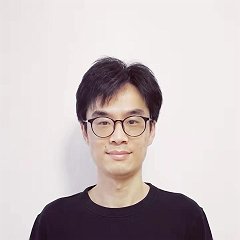
Yingfei Xiong is an active Associate Professor at Peking University, China, specializing in software engineering and programming languages. With a consistent research trajectory from 2013 through 2026, Xiong has established themselves as a prominent figure in the software engineering research community, regularly contributing to top-tier conferences including SPLASH, ICSE, ASE, and PLDI. Dr. Xiong's research primarily focuses on program synthesis, automated program repair, and software analysis techniques. Their work bridges theoretical programming language concepts with practical software engineering applications, particularly in developing novel approaches for code generation, bug fixing, and program optimization. The research demonstrates strong interdisciplinary connections between traditional software engineering, programming languages theory, and emerging AI techniques. Analysis of Xiong's publication trends reveals a clear evolution in research focus, beginning with foundational work in API transformations and program adaptation around 2013-2016, shifting toward program repair techniques from 2017-2020, and most recently incorporating machine learning and neural approaches into program synthesis and repair (2021-2026). The work consistently addresses practical challenges in software development while maintaining theoretical rigor, with increasing integration of AI techniques in recent years. Dr. Xiong has served in various leadership roles across the software engineering conference ecosystem, including program committee membership and session chair positions at major conferences. Their extensive service demonstrates recognition by peers as a subject matter expert in software engineering and programming languages research. While specific grant information isn't detailed in the provided text, the sustained publication record suggests successful research funding.
G. Petur Nielsen, MD is a Professor of Pathology at Harvard Medical School and serves as Subspecialty Head, Bone and Soft Tissue Pathology at Massachusetts General Hospital . With a clinical focus on bone and soft tissue tumors, his expertise spans diagnostic pathology, molecular genetics of neoplasms, and ancillary testing applications. Research interests center on Pathology and biology of bone/soft tissue tumors Molecular genetics of bone and soft tissue neoplasms Chordoma and sarcoma research Epithelioid vascular tumor differentiation Mesenchymal tumors of the female genital tract His work includes landmark studies on tumor misdiagnosis rates, immunohistochemical profiling, and genomic analysis of chordomas. Scientific contributions appear in leading journals like Nature and American Journal of Surgical Pathology , with major emphasis on Molecular tumor classification Mutational signature analysis Translational oncology Diagnostic accuracy improvement Genomic instability mechanisms
Lionel C. Briand is a Professor of Software Engineering with shared appointments at the University of Luxembourg's SnT Centre for Security, Reliability, and Trust and the School of Electrical Engineering and Computer Science at the University of Ottawa. He holds a Canada Research Chair (Tier 1) in Intelligent Software Dependability and Compliance and serves as Director of Lero, Ireland's national software research center. His academic leadership spans over 25 years of collaborative research with industry partners across automotive, aerospace, energy, financial, and legal domains. Professor Briand's research focuses on software verification and validation, trustworthy AI systems, model-driven engineering, and empirical software engineering methodologies. His work bridges theoretical foundations with industrial applications, particularly in cyber-physical systems where machine learning components interact with safety-critical control systems. He has pioneered techniques for testing AI-enabled systems, GDPR compliance automation, and mutation analysis for space systems. His publication portfolio demonstrates consistent innovation in software testing, with recent emphasis on large language models for test generation, automated compliance checking, and safety analysis of deep neural networks. Key trends include black-box testing methodologies, metamorphic testing for security, and search-based approaches for DNN validation. IEEE Fellow and ACM Fellow IEEE Computer Society Harlan Mills Award (2012) ACM SIGSOFT Outstanding Research Award (2022) IEEE Reliability Society Engineer-of-the-Year Award (2013) ERC Advanced Grant recipient (2016) Fellow of the Academy of Science, Royal Society of Canada (2023) ICSE 2011 Most Influential Paper Award As Director of Lero and holder of a Canada Research Chair, Professor Briand leads major research initiatives including an ERC Advanced Grant on cyber-physical system modeling and testing. His industrial collaborations generate substantial grant funding, particularly in automotive safety validation and regulatory compliance automation. He mentors numerous researchers through his dual appointments and serves on program committees for top software engineering conferences. Professor Briand directs research activities at the SnT Centre's SVV department, focusing on software verification and validation. His team develops practical tools like MASS for space system mutation analysis and COREQQA for compliance requirements understanding, with strong industry adoption in automotive and aerospace sectors.
Bihuan Chen is an Associate Professor at the College of Computer Science and Artificial Intelligence, Fudan University, specializing in software engineering with focus on software supply chain security and trustworthy AI systems. His research spans multiple programming languages including JavaScript, Python, Java, and C/C++ across application and AI domains. Dr. Chen earned his B.Sc. and Ph.D. in Computer Science from Fudan University in 2009 and 2014 respectively, followed by postdoctoral research at Nanyang Technological University (2014-2017). His research interests include software supply chain risk assessment, trustworthy AI systems, and program analysis. His recent publications demonstrate strong focus on malicious package detection in NPM/PyPI ecosystems, vulnerability patch porting using LLMs, and safety verification for autonomous driving systems. The work shows increasing integration of machine learning techniques with traditional program analysis approaches, particularly evident in the 2024-2025 publications that leverage LLMs for vulnerability detection and code refinement. ACM SIGSOFT Distinguished Paper Award (FSE 2016, ASE 2018, ASE 2022, FSE 2025) IEEE TCSE Distinguished Paper Award (ICSME 2020, SANER 2023) CCF Prototype Competition Awards (2nd and 3rd Prizes) Dr. Chen has advised over 50 students including current PhD candidates and notable alumni now at Huawei, ByteDance, and other leading tech firms. His fuxi platform assesses security, legal, and maintenance risks across the software engineering lifecycle. He serves on program committees for major conferences including ICSE, FSE, ASE, and ISSTA, and as Associate Editor for the Journal of Software: Evolution and Process.
Jens Palsberg is a Professor and former Department Chair of Computer Science at the University of California, Los Angeles (UCLA), where he currently serves as Director of the UCLA-Amazon Science Hub for Humanity and Artificial Intelligence and co-director of UCLA's quantum research center. He chairs ACM SIGPLAN and is a member of the ACM Council. His research spans programming languages, software engineering, quantum computing, compilers, embedded systems, and information security. Palsberg has authored over 80 technical papers, co-authored the book Object-Oriented Type Systems , and revised Appel's textbook on Modern Compiler Implementation in Java . His recent work shows a significant shift toward quantum computing, including compiler techniques and program analysis for quantum systems. Analysis of his recent publications reveals a clear transition from traditional programming language research to quantum computing, with nearly half of his 2022-2024 publications focusing on quantum topics while maintaining strong work in software engineering and programming languages. His quantum research particularly emphasizes compiler optimization, abstract interpretation, and circuit analysis. ACM SIGPLAN Distinguished Service Award (2012) UCLA teaching award for quantum computing courses (2023) National Science Foundation CAREER and ITR awards Purdue University Faculty Scholar award IBM Faculty Award Okawa Foundation research award Palsberg has served in numerous leadership roles including general chair of POPL, conference chair of LICS, and vice chair of ACM SIGBED. His research has been supported by DARPA, Intel, British Telecom, and the National Science Foundation. He was instrumental in establishing UCLA's Masters degree in quantum science and has mentored numerous students through his legendary proof sessions. He leads a research group of over 30 professors in UCLA's quantum research center and maintains active collaborations across academia and industry, particularly with Amazon through the UCLA-Amazon Science Hub.
Claire Le Goues is a Professor of Computer Science at Carnegie Mellon University, primarily affiliated with the Software and Societal Systems Department (S3D) within the School of Computer Science (SCS). She serves as the Associate Department Head for Faculty within S3D and leads the squaresLab research group. Le Goues also co-directs the REUSE@CMU summer program and teaches software engineering and program analysis at undergraduate, master's, and PhD levels. Her research spans software engineering and programming languages, with a particular focus on how to construct, maintain, evolve, improve/debug, and assure high-quality software systems. Le Goues has made significant contributions to automated program repair, program analysis, and defect detection. Her work often bridges theoretical foundations with practical applications, addressing real-world challenges in software development and maintenance. Le Goues' recent publications demonstrate a clear trend toward integrating large language models and generative AI with traditional software engineering techniques. Her research examines how these technologies can enhance program repair (BatFix, AdverIntent-Agent), vulnerability detection (Interpretable Vulnerability Detection Reports), and testing (LWDIFF for WebAssembly). This represents an evolution from her earlier foundational work in program repair (GenProg) toward leveraging contemporary AI advancements. She has mentored numerous students through her squaresLab research group and has been instrumental in developing educational programs that prepare the next generation of software engineers. Le Goues is also known for her advocacy for double-blind review processes in academic conferences, having implemented this approach when co-chairing the Symposium for Search-Based Software Engineering in 2014.
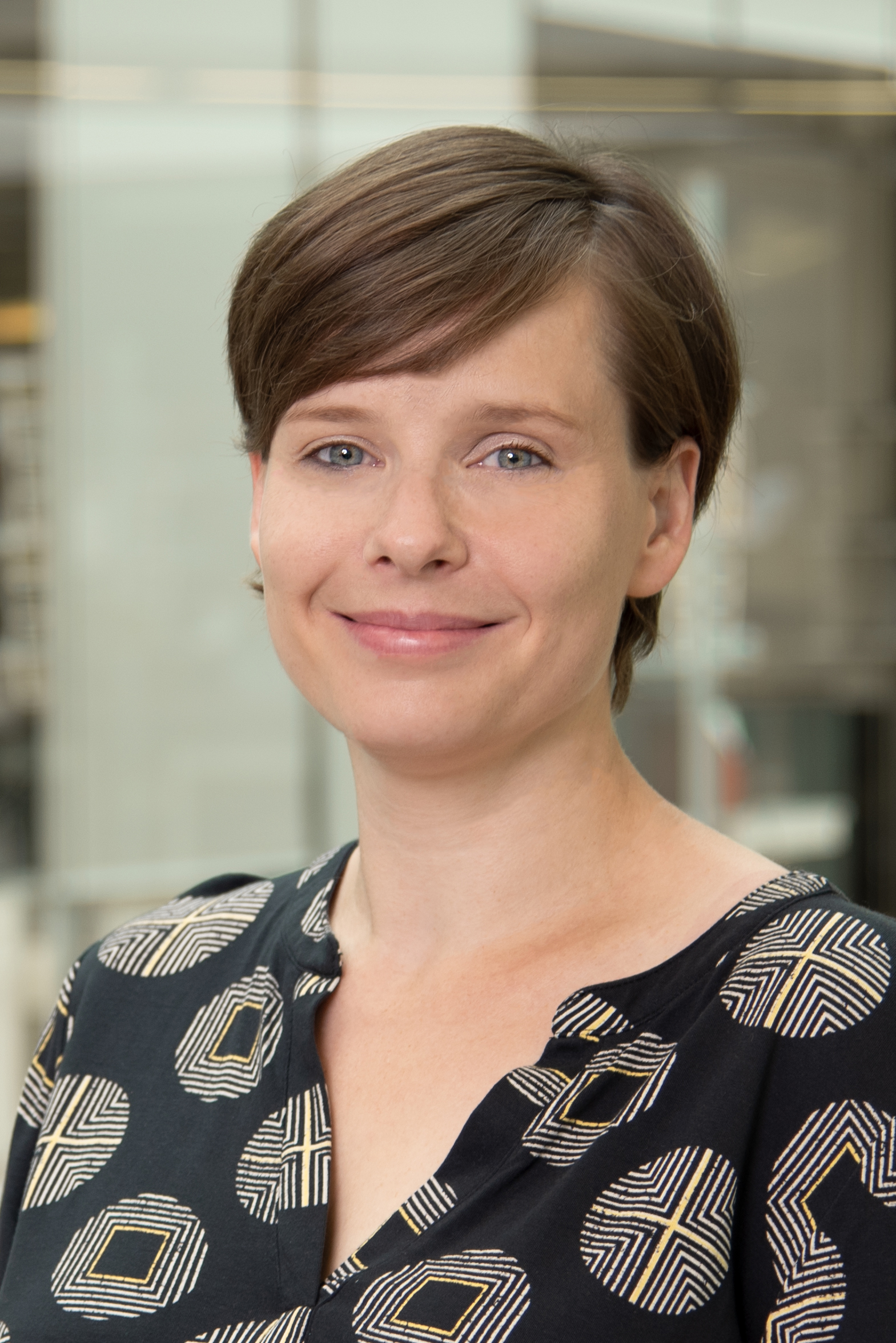
Dr. Stephanie Panier serves as a Max Planck Research Group Leader at the Max Planck Institute for Biology of Ageing in Cologne, Germany, and as a Principal Investigator at the Institute for Genome Stability in Aging and Disease within the Medical Faculty of the University of Cologne. Her research program investigates the fundamental mechanisms by which cells maintain genome stability through sophisticated DNA damage response pathways. Her academic journey includes: PhD in Molecular Genetics from the University of Toronto (2008-2013) under Prof. Daniel Durocher Postdoctoral training at the Francis Crick Institute in London (2013-2019) with Prof. Simon Boulton Undergraduate studies in Biology at Ruprecht-Karls-Universität Heidelberg, Germany (2001-2006) Dr. Panier's laboratory focuses on two central questions in genome stability research: how DNA damage response pathways interact with telomere maintenance mechanisms, and how RNAs and RNA-binding proteins organize chromatin-based responses to DNA lesions. Her team employs cutting-edge cell biological and omics approaches to identify and characterize RNA-binding proteins at DNA damage sites, mapping their chromatin dynamics and interactions following genotoxic stress. This research has significant implications for understanding aging-associated diseases driven by genomic instability, including cancer and neurodegeneration. Analysis of her publication record reveals consistent contributions to understanding DNA repair mechanisms, with recent work expanding into cancer biology, telomere maintenance in alternative lengthening pathways, and the emerging role of RNA metabolism in genome stability. Her scientific achievements have been recognized through: Vivash Award for best PhD thesis (2013) FEBS Excellence Award (2023) EMBO Long-Term Fellowship (2013-2014) Vanier Canada Graduate Scholarship (2010-2013) Boehringer Ingelheim Fonds PhD Fellowship (2008-2010) EIRR21st Fellowship (2023) Dr. Panier actively contributes to the scientific community through leadership roles including Vice Coordinator of the DFG Research Unit FOR5504 (2023-2026), membership on the advisory board of the German Society for Research on DNA Repair since 2022, and representation on the Biology and Medicine Section of the Max Planck Society's scientific council since 2022. She also serves as a Principal Investigator in the Cologne Excellence Cluster 'Cellular Stress Responses in Aging-Associated Diseases' (CECAD). Her laboratory comprises postdoctoral researchers and PhD students working collaboratively to advance our understanding of genome stability mechanisms in aging, with current projects focusing on RNA-binding proteins in DNA damage response and telomere maintenance pathways.
Dr. Mirko Nitschke is a senior researcher at the Leibniz Institute of Polymer Research Dresden (IPF), affiliated with the Max Bergmann Center of Biomaterials Dresden. He has been instrumental in advancing polymer biomaterials science since joining the institute in 1996, focusing on plasma-based surface engineering and biocompatible material development for medical applications. His academic foundation includes: Graduate studies (1992-1996) at Chemnitz University of Technology, where he investigated FTIR Spectroscopic Investigation of Plasma Modified Polymer Surfaces Physics undergraduate degree (1987-1992) from Friedrich-Schiller-University Jena with thesis on Computer Simulation of Ion Trajectories in Solids Nitschke's research centers on plasma surface functionalization and polymer diagnostics to engineer biocompatible materials. His work bridges fundamental surface science with clinical applications, particularly in vascular stents, nerve regeneration, and corneal tissue engineering. Key innovations include thermo-responsive cell carriers and bioactive hydrogel coatings that respond to physiological cues. Analysis of his 15 most recent publications reveals a strong trajectory in advanced biomaterials characterization using ToF-SIMS and plasma techniques. His work increasingly integrates machine learning for spectral analysis while maintaining focus on medical device applications—particularly in cardiovascular and ophthalmic implants where surface-biology interactions dictate clinical success. As a core member of the Polymer Biomaterials Science Division, Nitschke collaborates extensively with clinical partners through the Max Bergmann Center's university-linked infrastructure. His laboratory specializes in plasma modification systems and surface analytics for next-generation biomaterials development.
Peter M. Vogt serves as Professor and Head of the Department of Plastic, Hand and Reconstructive Surgery at Hannover Medical School, where he also directs the Burn Center. His clinical leadership spans reconstructive surgery using autologous tissue, peripheral nerve surgery, and aesthetic procedures. Dr. Vogt's research focuses on wound healing , tissue engineering , regenerative biology , and burn treatment . His work integrates clinical trials with translational approaches to improve outcomes in complex reconstructive cases. Recent publications emphasize infection management in hand surgery, burn reconstruction techniques, and biomaterial applications in skin regeneration. His scientific contributions have earned prestigious recognitions including the Langenbeck Award, National Biotechnology Award, and the Mowlem Lecture honor. Professional memberships span the American Association of Plastic Surgeons, European Burn Association, and multiple German surgical societies. As an educator, Dr. Vogt has held academic appointments since 1991 including Research Fellow at Harvard Medical School and Full Professor at Hannover since 2001. His clinical expertise covers trauma reconstruction, congenital malformations, and functional restoration after nerve paralysis.
Dr. Ying Wang is an Associate Professor and doctoral supervisor at the Software College of Northeastern University (China), where she has been working since February 2019. She serves as Assistant Dean at the School of Software and is an active member of several CCF committees including the System Software Committee, Software Engineering Committee, Open Source Development Committee, and Women's Committee. Dr. Wang received her Ph.D. in Software Engineering from Northeastern University in January 2019 under the supervision of Professor Zhiliang Zhu. She completed postdoctoral research at the Hong Kong University of Science and Technology (HKUST) from 2022 to 2023 under Professor Shing-Chi Cheung and was a visiting scholar at Microsoft Research Asia through the StarTrack Program in 2021. Her research focuses on intelligent software development technologies, large AI models, open source software big data analysis, and software supply chain security. She has made significant contributions to the governance of open source software ecosystems across multiple programming languages including Java, C#, Python, Go, JavaScript, Android, and Rust. Her work has led to the development of practical tools like 'League of Legends' for monitoring dependency defects in open source ecosystems, with several technologies commercialized by Huawei and Microsoft. Dr. Wang's recent publications demonstrate her expertise in cross-language dependencies, software component analysis, software refactoring, and the application of large language models in software engineering. Her work spans both theoretical foundations and practical applications, with a strong emphasis on real-world impact through industry collaboration. Among her notable achievements are the ACM SIGSOFT Distinguished Paper Awards at ICSE 2021 and ESEC/FSE 2023, making her the first researcher from Northeastern University to receive this honor. She has also received multiple awards for her doctoral dissertation and prototype implementations. Dr. Wang actively contributes to the academic community as an Associate Editor for IEEE Transactions on Software Engineering and serves on program committees for top conferences including ASE, ICSE, and ESEC/FSE. She mentors a large group of doctoral and master's students, with many alumni securing positions at major technology companies including Huawei, Microsoft, Alibaba, and Tencent.
Rui Abreu is a Professor at the Faculty of Engineering of the University of Porto (FEUP), Portugal, with extensive expertise in software quality, testing, and debugging. Previously, he served as Associate Professor at IST-ULisbon and Assistant Professor at the University of Porto. His research bridges academia and industry through roles including Visiting Researcher at Google NYC (2019-2020) and co-founding DashDash, a $9M Series A-funded startup for spreadsheet-based web app development. His educational background includes a Ph.D. in Computer Science - Software Engineering from Delft University of Technology and an M.Sc. in Computer and Systems Engineering from the University of Minho. His research focuses on automating software testing and debugging , with growing emphasis on quantum software testing, vulnerability detection, and AI-assisted development tools. Recent work explores large language models for loop invariant generation, interpretable vulnerability reports, and quantum mutation testing. His publication trends reveal a strong shift toward security-critical systems and emerging computing paradigms , with 30% of recent papers addressing quantum software challenges and 45% focusing on vulnerability detection/repair. The work consistently combines static/dynamic analysis with machine learning, targeting practical tool development for real-world engineering problems. 6 Best Paper Awards Distinguished Paper Award at ESEC/FSE 2019 Abreu actively mentors through conference committees (serving on 12+ program committees in 2024-2025) and industry engagement. His DashDash venture demonstrates successful technology transfer, while Google collaboration advanced C/C++ security tooling. Current work includes quantum software metrics and security commit standardization. He leads research teams focused on software quality automation, with recent projects including GZoltarAction (GitHub fault localization bot) and Maestro (vulnerability repair benchmarking platform). Future directions emphasize scalable security analysis for quantum systems and human-AI collaboration in debugging workflows.