Prof. Dr. Alexander Schiendorfer is a faculty member at Technische Hochschule Ingolstadt within the Faculty of Industrial Engineering , focusing on AI-based Optimization in Automotive Production . His research bridges Artificial Intelligence with manufacturing and industrial engineering , particularly in constraint programming, self-organizing systems, and machine learning applications for composite materials. His work spans pedagogical innovation in machine learning education, real-time manufacturing analytics , and AI for energy systems . Recent publications highlight applications in gas grid management, synthetic data frameworks, and defect analysis in autonomous driving sensors. He leads teams at AImotion Bavaria , collaborating on projects like SmartManPy for synthetic manufacturing data and MORL agents for multi-objective energy optimization. His methodological contributions include certainty groups for neural network confidence estimation and hierarchical resource allocation algorithms.
Thomas Nyström is a Professor in the Department of Medical Biochemistry and Cell Biology at the University of Gothenburg. His research focuses on cellular stress responses, protein quality control, and aging mechanisms in yeast models. Key areas include proteostasis networks, mitochondrial biology, and oxidative stress management. He has contributed to understanding how cells handle protein aggregation and maintain cellular homeostasis under stress conditions. His work utilizes Saccharomyces cerevisiae as a model organism to study age-related proteopathies, stress granule dynamics, and the interplay between chaperone systems and degradation pathways. Notable research includes the role of Hsp proteins in longevity assurance, stress-induced nuclear envelope remodeling, and the development of imaging techniques to monitor protein aggregation. Publications highlight discoveries in proteotoxic stress responses, such as the regulation of stress granules by sphingolipids and Sch9/Ypk1 signaling, and the detoxification of neurological disease proteins via Sec7. Collaborations with international teams have advanced methodologies for measuring reactive oxygen species and oxidative damage. Awards and honors are not explicitly mentioned in the provided text. His lab's work bridges fundamental molecular mechanisms with translational insights into diseases linked to protein misfolding and aging.
Jack HALE is a Research Scientist at the University of Luxembourg's Faculty of Science, Technology and Medicine (FSTM), Department of Engineering. He joined Prof. Stéphane Bordas' team in 2013, focusing on computational mechanics and numerical methods. His work integrates advanced techniques like meshfree methods, XFEM, and isogeometric analysis to address challenges in solid mechanics and high-performance computing. Education : PhD in Aeronautics, Imperial College London (2009-2013), supervised by Dr. Pedro M. Baiz Villafranca. MEng in Engineering, University of Bristol (2004-2008). Research exchange at Rice University (2006-2007) on cross-flow filtration processes. Research Interests : Implicit boundary methods for medical image-based simulations. Development of scalable meshfree/XFEM/isogeometric analysis frameworks. Mixed variational methods to resolve locking phenomena in solid mechanics. High-performance computing for distributed parallel systems. Publications & Software : His 50+ publications emphasize open-access research via ORBilu, with a focus on FEniCSx-based tools (e.g., DOLFINx, FEniCS-shells). Recent work addresses Bayesian model selection, melt instability identification, and SAR data assimilation in aquifer modeling. Collaborations : Open to academic/industrial partnerships in computational mechanics, material science, and biomedical engineering.
Professor Mårten Olsson holds the Sverker Sjöström Professorship in Reliable Structures at the Royal Institute of Technology (KTH) within the Department of Materials and Structural Mechanics. He has led the department since 2006 and previously held roles such as Director of PhD Education and Head of Solid State Engineering programs. His research focuses on strength engineering methods to enhance product reliability and robustness through advanced fatigue analysis, multiaxial loading models, and probabilistic failure prediction. Olsson has authored over 60 peer-reviewed articles and supervised 14 completed PhD students, contributing to fields like additive manufacturing, engine block dynamics, and composite material behavior. His work integrates computational modeling with experimental validation to address industry challenges in structural reliability and optimization. Research Interests: Olsson’s research spans fatigue analysis, multiaxial loading effects, reliability-based design optimization, and material degradation mechanisms. Notable areas include probabilistic modeling of standing contact fatigue, fracture mechanics in composites, and vibration analysis in engine systems. Key Contributions: His publications highlight advancements in second-order reliability methods, fatigue probability models for complex geometries, and the integration of deformation effects into structural dynamics. Olsson’s methodologies have been applied to aerospace components (e.g., gas turbine blades) and automotive systems (e.g., engine gaskets). Academic Leadership: Beyond research, Olsson has orchestrated educational programs at KTH, including the Master of Science in Engineering Physics, and pioneered competency specialization tracks in Solid State Engineering. His teaching spans undergraduate through doctoral levels, emphasizing practical industrial applications.
Johanna Vennström Berggren is a doctoral student, specialty registrar, and Researcher at Lund University's Department of Ophthalmology. She serves as an Examinator for the Läkarprogrammet T10 medical program and contributes to UN Sustainable Development Goals in health and well-being through her clinical and research work. Her research expertise centers on perfusion monitoring in oculoplastic reconstructive surgery using non-invasive laser speckle contrast imaging (LSCI). Key focus areas include blood flow dynamics in forehead and eyelid skin flaps, the impact of surgical techniques (stretching, rotation, traction forces) on tissue perfusion, and dry eye mechanisms in prosthetic eye patients. She investigates how flap dimensions affect perfusion outcomes and the relationship between meibomian gland atrophy and tear secretion. Recent publications (2024-2025) reveal consistent innovation in applying LSCI to optimize reconstructive procedures. Dominant themes include quantitative assessment of blood flow during defect closure, biomechanical effects on perfusion, and pathophysiological insights into dry eye syndromes. These studies bridge engineering and clinical ophthalmology to enhance surgical precision and reduce complications. Research Projects Flap Monitoring During Oculoplastic Surgery (Active, 2016–present): Developing non-invasive imaging techniques for real-time perfusion assessment during reconstructive surgery. Blood Perfusion in Flaps After Tumor Excision (Completed 2018–2022): Doctoral dissertation investigating human blood flow in reconstructive flaps using LSCI, supervised by Malmsjö with Engelsberg and Lindstedt. Perfusion Monitoring in Oculoplastic Surgery : Ongoing dissertation-focused project advancing clinical applications of perfusion imaging. Research Affiliation She is a core member of Lund University's Ophthalmology Imaging Research Group, collaborating with clinicians, engineers, and international partners to translate imaging technology into surgical practice. Her work has garnered attention across medical news outlets and social media platforms.
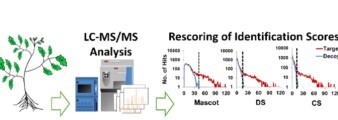
Chen Yiran is a Researcher at the Agricultural Biotechnology Research Center, Academia Sinica , where he has contributed to mass spectrometry , proteomics , and plant immunity . He serves as Chairman of the Taiwan Mass Spectrometry Society and holds Professor positions at National Chung Hsing University (Center for Biotechnology Development), National Taiwan University (Institute of Biotechnology/Systems Biology Program), and National Taiwan Ocean University (Department of Life Science and Biotechnology). His work spans peptidomics , DNA adductomics , and plant-microbe interactions . Chen's research integrates mass spectrometry with bioinformatics to study environmental health risks, plant immune signaling, and disease mechanisms. His team has developed tools like the FeatureHunter software for adduct detection and UniQua signal processor for proteomics. Current projects include CAPE9 peptide characterization for plant immunity and oxidative stress analysis in metabolic disorders. 2025: Outstanding Talent Development Foundation Leap Lecture 2024: Taiwan Mass Spectrometry Society Outstanding Scholar Award 2016: Academia Sinica Young Scholars Research Book Award 2015: Yang Xiangfa Agricultural Sciences Young Scholar Award Laboratory members include doctoral students Ying Guangting , Anciotti , and Jiefan . The lab operates at Academia Sinica's Agricultural Science Building A523 , with equipment for advanced chromatography-mass spectrometry and proteome analysis . Collaborations span National Taiwan University , Stanford , and UC Davis alumni networks.
Craig Platt, MD, PhD, serves as an Assistant Professor of Pediatrics at Harvard Medical School and holds clinical appointments at Boston Children's Hospital. He is an Attending Physician in the Division of Immunology and Director of Flow Cytometry, with additional roles in the Precision Medicine Service. His clinical expertise spans allergic conditions, immunodeficiencies, and complex immune dysregulation disorders. PhD, Yale School of Medicine (2010) MD, Yale School of Medicine (2010) Residency, Boston Children's Hospital (2013) Fellowship in Allergy/Immunology, Boston Children's Hospital (2016) Dr. Platt's research focuses on immune dysregulation mechanisms, primary immunodeficiencies, and diagnostic applications of flow cytometry. His work integrates genetic analysis with clinical phenotyping to advance precision medicine for immunological disorders. Key interests include T/B lymphocyte profiling, newborn screening for immunodeficiencies, and biologic therapies for rare immune conditions. His laboratory develops novel immune phenotyping methods to characterize immune dysregulation in patients with genetic variants. Analysis of his recent publications reveals a strong emphasis on flow cytometry-based diagnostics (38% of articles), genetic mechanisms of immunodeficiency (29%), and clinical management of immune dysregulation (22%). Recurring themes include T-cell subset abnormalities, gene-disease curation frameworks, and SARS-CoV-2 interactions with immunodeficiencies. His work frequently bridges basic immunology with clinical applications through the Precision Medicine Service. As Director of Flow Cytometry, Dr. Platt leads a core facility supporting immunological diagnostics and research. His clinical service spans Boston Children's Hospital locations in Boston and Lexington, Massachusetts, where he manages complex cases including primary immunodeficiencies, severe allergies, and immune-mediated lung diseases. The Precision Medicine Service collaboration enables genomic analysis for difficult diagnostic cases, particularly those involving novel genetic variants.
Alfonso Pagani is an Associate Professor at the Department of Mechanical and Aerospace Engineering, Polytechnic of Turin. He holds a Ph.D. in Aerospace Engineering (City University of London, 2016) and a Ph.D. in Fluid-dynamics (Politecnico di Torino). His work focuses on aerospace structures, composites, computational mechanics, and multiscale modeling. Research Interests: Aerospace engineering, composite materials, deployable structures, nonlinear dynamics, and spacecraft design. He leads the MUL2 research group and has secured major grants including an ERC Starting Grant (2019) for variable stiffness composites and PNRR projects on additive manufacturing and renewable composites. Recent publications analyze thermal stresses in 3D printed composites, variable stiffness optimization, and deployable space structures. His work integrates Carrera Unified Formulation (CUF) with machine learning for structural analysis. ERC Starting Grant (2019) ACAM8 Best Paper Award (2014) Ian Marshall Best Student Paper (2013) Ernesto and Ben Omega Petrazzini Scholarship (2012) Aldo Muggia Award (2012) He teaches courses such as Asymptotic Methods in Structural Mechanics and Peridynamics, and supervises Ph.D. students in mechanical and aerospace engineering. He collaborates with institutions including Caltech, Purdue, and RMIT, and co-organizes international conferences on advanced materials.
Anna Wedell is a Professor and Senior Physician at the Karolinska Institutet and Karolinska University Hospital , leading the Congenital Endocrine and Metabolic Diseases research group since 2007. She serves as Director of the Precision Medicine Center Karolinska (PMCK) and combines laboratory medicine, clinical practice, and genomics in her work. Research Interests : Endocrinology, mitochondrial diseases, brain metabolism, and precision medicine Key Collaborations : SciLifeLab, Matchmaker Exchange network Her research focuses on identifying genes causing inborn errors of metabolism , improving diagnostics and treatment through translational approaches. Recent work includes implementing whole genome sequencing in healthcare and discovering novel disease mechanisms like AGC1 deficiency treatable with ketogenic diets. Anna has received the IVA Gold Medal 2023 for advancing precision medicine in rare hereditary diseases. Her 15 most recent publications (2021-2025) span mitochondrial disease mechanisms, epilepsy genetics, newborn screening, and bioinformatics tool development. Awards : IVA's Gold Medal (2023) Supervision : Olivia Henry (2022)
Audrey Salles is a senior expert research engineer at the Unit of Technology and Service Photonic BioImaging (UTechS PBI) within Institut Pasteur in Paris, France. Since 2014, she has specialized in super-resolution microscopy and fluorescence correlation spectroscopy (FCS) techniques, supporting researchers through training and collaborative projects. Her work bridges biophysical modeling with advanced imaging to study plasma membrane mechanics and pathogen interactions. Education: PhD in Immunology (2011), CIML, Marseille, France Her research focuses on plasma membrane organization , ESCRT machinery in cell division , and actin cortex dynamics during viral budding . She collaborates on projects involving Saccharolobus islandicus cytokinesis, HIV-1 release mechanisms, and Staphylococcus aureus pathogenesis. Her publications span Nature Methods , Developmental Cell , and eLife , reflecting interdisciplinary applications of microscopy. Audrey leads quality assurance for the ISO9001 certification at UTechS PBI, ensuring rigorous standards in a facility that integrates equipment management, repair logistics, and staff upskilling. Her methodological innovations include enhanced super-resolution radial fluctuation (eSRRF) and three-dimensional live-cell imaging frameworks.
Roger M. Leblanc is a Professor in the Department of Chemistry at the University of Miami's College of Arts and Sciences . His research spans interdisciplinary domains at the interface of chemistry, nanotechnology, and biomedical applications . Key areas include carbon dots for drug delivery across the blood-brain barrier , Alzheimer's disease treatment , and oncology . Research highlights include: Developing glucose-functionalized carbon dots for rapid spinal/supraspinal connectome mapping Investigating thiolated carbon dots for SARS-CoV-2 inhibition and anti-inflammatory effects Optimizing redox-responsive drug delivery systems using albumin-hitchhiking nanocarriers Creating dual tau/Aβ aggregation inhibitors for Alzheimer's therapy Recent publications reveal his group's focus on: Carbon dots in photodynamic therapy for cancer and fungal infections Micellization behavior in mixed solvent systems with surfactant-dye interactions Combustion enhancement through gel-like carbon dots in liquid fuels His work employs advanced characterization techniques including UV-vis spectroscopy, TEM, XPS, and AFM to engineer nanomaterials with precise biomedical and energy applications. The lab also explores 2D/3D printing, photocatalysis, and hybrid rocket fuels using carbon dots.
Dr. Michael Lang is a researcher at the Leibniz Institute for Polymer Research Dresden , specializing in Material Theory and Modeling . He earned a diploma (2001) and Ph.D. (2004) in Physics from the University of Regensburg , working under Dietmar Göritz. His postdoctoral research (2005-2007) at the University of North Carolina Chapel Hill with Michael Rubinstein focused on polymer conformations. Since 2007, he has been a permanent scientist at IPF, serving as deputy head of the Institute of Polymer Theory since 2015. Lang’s research explores the structural and mechanical properties of polymer networks, rings, and gels through theoretical and computational approaches. Key interests include entangled ring polymer dynamics, cross-link density in networks, monomer fluctuations, and elasticity in phantom models. His work bridges fundamental polymer physics with practical applications, often utilizing simulations to investigate chain behavior in complex environments. He teaches Polymer Physics (since 2008) and Computer Simulation of Soft Condensed Matter (since 2013) at Dresden University of Technology (TU Dresden) and Chemnitz University of Technology. Collaborations include Michael Rubinstein (UNC Chapel Hill), Jens-Uwe Sommer (IPF Dresden), and Kay Saalwächter (University of Halle-Wittenberg). Publications highlight his contributions to understanding topological constraints in ring polymers, cross-link defect analysis in PDMS networks, and advanced modeling of polymer elasticity. His work appears in Nature Materials , Macromolecules , and ACS Macro Letters .
Dr. Saïd Moussaoui is a Professor in the Department of Automation and Robotics at École Centrale de Nantes , affiliated with the Nantes Digital Sciences Laboratory (LS2N) and the Signal, Image and Sound research team. His work spans machine learning, medical imaging, and signal processing, with a focus on EEG-based mental workload classification, PET reconstruction, and 4D Flow MRI optimization. Research Areas : Signal Processing, Medical Imaging, Machine Learning, Neuroscience, Biomedical Engineering Labs/Teams : LS2N Laboratory, Signal, Image and Sound Team Recent publications highlight trends in graph learning for EEG analysis, deep learning regularization in PET imaging, and super-resolution techniques in cardiovascular MRI. His research integrates physics-based models with data-driven approaches for applications in healthcare and industrial predictive maintenance. The LS2N laboratory provides a multidisciplinary environment for his work, combining advanced computational methods with real-world applications in biomedical engineering and robotics. Collaborations with institutions like IEEE and projects on digital twins underscore his technical leadership in applied research.
Meik Hellmund is a theoretical physicist and Research Fellow at the Numerical Mathematics group in the School of Mathematics at University of Leipzig. He also serves as the administrator of the institute's computer network. His research spans multiple areas in theoretical physics, including Quantum Physics (quant-ph) Statistical Mechanics (cond-mat.stat-mech) High Energy Physics - Theory (hep-th) Mesoscale and Nanoscale Physics (cond-mat.mes-hall) High Energy Physics - Phenomenology (hep-ph) His publications focus on quantum entanglement, high-temperature series expansions for lattice models, and topological defects in field theories. Key trends include entanglement quantification, critical phenomena in spin systems, and effective mass analysis in quantum Hall systems. Meik Hellmund has no recorded scientific awards in the provided texts, but his work is supported by the Simons Foundation.
Cynthia Owsley is a Professor and Nathan E. Miles Endowed Chair in the Department of Ophthalmology at the University of Alabama at Birmingham (UAB) School of Medicine . She directs the Clinical Research Unit and focuses on aging-related vision impairment, age-related macular degeneration (AMD), vision and driving, and improving eye care access for underserved populations. Education : Ph.D. in Experimental Psychology (Visual Perception), Cornell University MSPH in Epidemiology, UAB School of Public Health Postdoctoral Training, Northwestern University (Vision & Aging) Phi Beta Kappa graduate, Wheaton College (Massachusetts) Research spans AMD progression, retinal imaging (autofluorescence, FLIO), dark adaptation, and public policy translation. Her work includes NIH-funded longitudinal studies (ALSTAR2) and telemedicine programs (AL-SIGHT) addressing health disparities. Scientific Awards & Honors : Glenn A. Fry Award, American Optometric Foundation Bartimaeus Award, Detroit Institute of Ophthalmology National Science Foundation Pre-doctoral Fellowship Gold Fellow, Association for Research in Vision and Ophthalmology (ARVO) Member, Research to Prevent Blindness Scientific Advisory Committee Board Member, Prevent Blindness NIH Funding since 1983 enables sustained contributions to vision science and aging research. She has developed AI-driven tools for diabetes-related vision studies (AI-READI) and standardized assessments for low-luminance vision.