Ke Chen is a Research Professor in the Physics Department at Temple University. His research focuses on electron tunneling phenomena, superconductivity, and advanced superconducting devices. He specializes in fabricating and studying tunnel junctions involving superconductors like MgB₂ and exploring their applications in electronics and quantum devices. Key areas of investigation include the physics of two-band superconductivity in MgB₂, Josephson junctions for high-speed circuits, and graphene-based sensors for chemical detection. His work involves experimental studies of superconducting materials' properties using tunneling spectroscopy, and he has pioneered techniques such as sandwich-type MgB₂/TiB₂/MgB₂ Josephson junctions. He also develops superconducting quantum interference devices (SQUIDs) and explores applications in high-frequency electronics and magnetic field sensing. Collaborations include advancements in MgB₂ thin films for superconducting radiofrequency cavities and graphene tunnel junctions for chemical sensing. Notable contributions include revealing momentum-dependent energy gaps in MgB₂ through tunneling experiments and demonstrating MgB₂-based devices operating at elevated temperatures. His research bridges fundamental condensed matter physics with applied technologies, addressing challenges in superconducting electronics and material innovation.
Dr. Giovanni Capurso is an Associate Professor in the Polytechnic Department of Engineering and Architecture at the University of Udine, Italy. He is affiliated with the Department of Materials Science and Technology, where his research focuses on advanced materials for energy and industrial applications. His work is centered on hydrogen storage, metal hydrides, and functional coatings, contributing to sustainable industrial manufacturing and energy technologies. His research interests span Materials Science , Hydrogen Storage , Energy Storage , Metal Hydrides , Corrosion Science , and Organic Coatings . He employs advanced characterization techniques such as in-situ neutron diffraction and develops kinetic models for reactive hydride composites. His work bridges fundamental materials behavior with practical engineering applications in high-pressure storage and protective coatings. The recent publication trend highlights a strong focus on hydrogen storage materials, particularly lithium-based and titanium-manganese hydrides, as well as the durability of polymer and composite coatings under industrial conditions. His interdisciplinary research integrates chemical engineering, solid-state physics, and materials design for clean energy systems. Dr. Capurso has not been publicly listed with any scientific awards or fellowships in the provided text. He actively collaborates with researchers across Europe, including Alfredo Rondinella, Claudio Pistidda, and Marcello Baricco. His publications suggest involvement in funded research projects related to hydrogen energy and advanced materials, though specific grants are not detailed. He contributes to teaching courses such as Materials for Sustainable Industrial Manufacturing Processes and Laboratory of Building Materials Technologies . He is associated with the Materials and Surface Engineering Laboratory at the University of Udine, where experimental and analytical work on coatings and hydride materials is conducted. His team engages in both experimental characterization and computational modeling of material behavior under operational conditions.
Dr. Michael Barson is a Research Fellow in the School of Physics and Astronomy at Monash University. His research focuses on leveraging solid-state defects, particularly the nitrogen-vacancy (NV) center in diamond, for quantum technologies including nanoscale quantum microscopy, metrology, and quantum information processing. His work lies at the intersection of several advanced fields: High-resolution optical microscopy Spin physics (EPR, NMR, MRI) Nanotechnology Condensed matter physics Atomic and quantum optics He has led multiple research projects funded by the Australian Army and the Office of National Intelligence (ONI), including the development of quantum vector magnetometers and optical magnetometer prototypes, demonstrating strong applied research impact. His recent publications explore the fine structure and temperature dependence of NV centers, nanomechanical sensing with diamond spins, and defect pairs in diamond. These works reflect a consistent focus on fundamental quantum properties with applications in sensing and metrology. While no formal scientific awards are listed, his research has been cited over 149 times in Scopus for key articles, referenced in patents, and picked up by news outlets and blogs, indicating recognition in both scientific and broader communities. Dr. Barson is actively involved in research leadership and supervision, serving as a Primary Chief Investigator on multiple projects. He has not been described as advising formal students, but his role involves guiding research teams and likely mentoring junior researchers. He leads projects involving quantum magnetometry and microscopy, contributing to the advancement of quantum sensing technologies at Monash University and in collaboration with national defense and intelligence agencies.
Dr. Philip Bingham serves as Division Director for the Electrification and Energy Infrastructures Division at Oak Ridge National Laboratory (ORNL), where he leads initiatives to enhance the nation’s electric grid, storage systems, and renewable energy integration. With over two decades of experience at ORNL, he has pioneered computational sensing technologies combining image/signal processing and machine learning for industrial inspection and national security applications. Education: PhD and MS in Electrical and Computer Engineering from Georgia Institute of Technology; BS in Electrical and Computer Engineering from University of Tennessee, Knoxville Key Projects: High-resolution neutron radiography using coded-source imaging, multi-lab air cargo security threat detection, data science for defense nuclear nonproliferation Expertise: Electromagnetic sensing, X-ray/neutron radiography, multi-scale imaging sensors, and analytics His research in CAD-driven deep learning for X-ray CT reconstruction (e.g., Simurgh framework, PickerXL model) and neutron transmission simulations has produced over 15 patents. Recent publications focus on artifact reduction in industrial CT, neutron imaging of shale formations, and explainable AI for security applications. Scientific Awards: Battelle Distinguished Inventor Award National Federal Laboratory Consortium Award for Technology Transfer Exceptional Service Award (2024) from U.S. Government for nuclear nonproliferation analytics
Marcel Wenneker is an active Researcher at Wageningen University & Research, affiliated with the OT Team Fruit-Bomen. His research centers on sustainable fruit production, with expertise in plant pathology, spray technology optimization, and postharvest management. He leads multiple national projects including LWV22227 (fruit rot control) and LWV20320 (sustainable fruit cultivation systems), while co-supervising PhD candidates like M. van Driel studying pear scab biology. Wenneker's research investigates: Disease dynamics of pathogens like Stemphylium vesicarium (brown spot) and Venturia pyrina (pear scab) Epidemiology of bacterial/fungal diseases in pome fruits and stone fruits Spray application technologies for drift reduction using PWM and precision systems Postharvest pathology and storage disorder management Molecular detection methods for pathogens including Neonectria ditissima His recent publications demonstrate strong focus on disease epidemiology (40%), spray technology innovation (30%), and sustainable orchard management (30%), with particular emphasis on integrated approaches combining biological, chemical, and technological solutions. Wenneker actively disseminates findings through workshops and industry collaborations, with notable media coverage on fruit tree canker management and pear disease control. He coordinates field trials evaluating spray systems (e.g., KWH Mistral, Dominiak Streamliner) and leads research on buffer strip harmonization for pesticide emission reduction.
Dr. Marnix Naber is an Assistant Professor at the Department of Experimental Psychology, Faculty of Social and Behavioural Sciences, Utrecht University. He leads the Psychophysiology of Perception Laboratory and maintains a collaboration with Harvard University's Vision Sciences Lab. Current affiliations: Utrecht University (Experimental Psychology), Neurolytics (HR technology), and Holland Startup (external PhD supervision) Previous roles: Leiden University (Cognitive Psychology Unit), Harvard University (Vision Sciences Lab), Philipps-University Marburg (Neurophysics PhD) Research Focus: Integrates psychophysiology with visual perception and consciousness studies. Key methods: pupillometry, EEG, eye tracking, remote photoplethysmography, and computational modeling. Applications span clinical diagnostics, human-centered AI, and HR technology. The 2013-2022 publications show strong emphasis on pupil dynamics (7/15), binocular rivalry (2/15), and remote physiological measurement (3/15). Methodological contributions include open-source MATLAB rPPG tools and standardized reporting frameworks. Scientific Impact: ERC Consolidator grant supporting AttentionLab research NWO grant for 2013 imitation studies Google Scholar: Q4HBMeoAAAAJ Advising: Supervises multiple PhD and Master's students across experimental psychology, ophthalmology, and neurotech domains. Laboratory Activities: Develops and shares open-source tools like rPPG for heart rate detection and maintains active collaborations with medical (UMC Utrecht), tech (Neurolytics), and academic institutions (Harvard, Leiden).
Christopher Zach is a Research Professor at Chalmers University of Technology, affiliated with the Signal Processing and Medical Technology department within the Digital Image Systems and Image Analysis research group . His work focuses on 3D reconstruction , real-time computer vision , and numerical optimization for machine learning. Develops 3D image understanding techniques Specializes in robust optimization for vision systems Leads research in medical image analysis Recent publications demonstrate expertise in low-light text enhancement , out-of-distribution detection , and domain adaptation for industrial applications. Active in Chalmers' Wallenberg AI and ÅForsk funded projects. Collaborates with researchers from Volvo Group , Volvo Cars , and SAFER Vehicle Safety initiatives.
Xavier Begaud is a Professor at Telecom Paris within Institut Polytechnique de Paris, affiliated with the Communications and Electronics (Comelec) Department of the Information Processing and Communication Laboratory (LTCI). He joined Telecom Paris in 1998 and led the RF & Microwave group from 2013 to 2017, currently serving as a core member of the Radio Frequency and Microwaves (RFM²) research team. His work bridges theoretical and applied electromagnetics with strong industry collaboration. Educational background: B.S. in Telecommunication, University of the South, Toulon-Var (1988) M.S. in Optics, Optoelectronics and Microwaves, Institut National Polytechnique de Grenoble (1989) Ph.D. in Electronic and Communications, University of Rennes 1 (1996) Habilitation in Electrical Engineering, Pierre and Marie Curie University (Paris 6) (2007) His research centers on advanced antenna systems with emphasis on metamaterial applications. Key areas include wideband/dual-polarized antenna design, transformation optics for radiation control, and radar absorbing materials (RAM) development. Current work targets 5G/6G communication systems, UAV detection radar, and space applications requiring lightweight electromagnetic absorbers operating from GHz to millimeter waves. He employs numerical methods for modeling antennas over artificial magnetic conductors and defected ground structures. Analysis of recent publications reveals three dominant trends: (1) Metasurface-enabled beam steering for multi-band 5G antennas, (2) Ultra-wideband metamaterial absorbers using composite materials for space/naval applications, and (3) EMF exposure reduction in mobile devices through metamaterial integration. His group consistently applies transformation optics to manipulate radiation patterns and develops multi-sector absorbers with oblique incidence tolerance. Scientific Awards No specific awards, fellowships, or medals were documented in the source material. Advising and Grants Though individual students aren't listed, his supervision is evidenced by 250+ publications. He chaired Meta’12 and AES 2012 conferences and co-edited books on ultra-wideband antennas. Current grant activities include the NF-PERSEUS project (2023-2024) for 6G research and past Orange contracts (2013-2014) developing low-exposure wireless components for D4.1/D4.2 reports. Labs and Teams RFM² (Radio Frequency and Microwaves) research team at LTCI COMELEC Department specializing in communications systems Key development of SAFAS (Self-Complementary Connected Antenna Array with Low Signature) for stealth applications Active collaboration with CNES, DGA, and ONERA on radar-absorbing composites
Francis Lee is an Associate Professor at Södertörn University's Department of Natural Sciences, Environment and Technology, and holds a joint appointment at Chalmers University of Technology in both the Division of Media Technology and Division for Science, Technology, and Society. PhD in Technology and Social Change (Linköping University, 2010) Docent qualification (2016) Previously affiliated with Uppsala University and Linköping University His research, grounded in Science and Technology Studies (STS), examines: Algorithmic power dynamics in knowledge production Digital transformation of biomedical research Classification and valuation practices in epidemic surveillance Sociotechnical infrastructures shaping societal understanding Recent publications analyze: Ontological overflows in STS methodology (2022) Value disjunctures in fetal research history (2022) Classification egress strategies in congenital malformation tracking (2022) Scientific leadership: Management team member, Wallenberg AI program (WASP-HS) Board member, European Association for STS (EASST) since 2025 Founding member, Algorithm Studies Network His teaching emphasizes embodied learning through methods like: Algorithm Walks Epistemic Black Box analysis Interactive critical thinking frameworks
Dr. Christiane Rahe serves as Professor and Head of the Section for Battery Modeling, Analytics and Lifetime Prediction at the Institute for Power Electronics and Electrical Drives (ISEA), RWTH Aachen University. She holds the Chair for Electrochemical Energy Conversion and Storage Systems and directs research from her office at Campus-Boulevard 89, 52074 Aachen, where she leads critical investigations into next-generation battery technologies. Her research program centers on Battery Modeling , Battery Analytics , and Lifetime Prediction within electrochemical energy storage systems. Specializing in lithium-ion and sodium-ion battery degradation mechanisms , she employs multimodal approaches combining electrical diagnostics, post-mortem analysis, and advanced imaging techniques to unravel complex failure modes including lithium plating, gas evolution, and mechanical deformation. Her work bridges fundamental electrochemistry with practical automotive and grid-storage applications. Analysis of her 2019-2025 publications reveals consistent focus on battery aging phenomena across multiple dimensions: calendar aging in silicon-anode cells, electrolyte volume effects on cyclic degradation, pressure-dependent voltage-strain relationships, and sodium-ion battery failure mechanisms. Her research demonstrates exceptional methodological diversity—spanning nanoscale X-ray imaging, optical electrode analysis, and computational modeling—while maintaining strong industry relevance through automotive battery testing. At ISEA, Professor Rahe's section forms a critical component of RWTH Aachen's expanding battery research ecosystem, which includes the new M.Sc. program in Battery Science and Technology and the CARL Center for analytics. Her team collaborates extensively on projects like the 5 MW Battery Storage facility and contributes to flagship events including the Advanced Battery Power Conference.
Kyle Riding serves as Professor and Department Head of Civil and Coastal Engineering at the University of Florida's College of Engineering, where he has held leadership roles since 2016 including interim directorship of the UF Transportation Institute. His academic career spans over 15 years with prior faculty service at Kansas State University. Dr. Riding's research program centers on concrete infrastructure resilience, with expertise in durability mechanisms, early-age structural behavior, and sustainable cementitious systems. He pioneers innovations in calcined clay cements, ultra-high performance concrete (UHPC), and railroad tie engineering, addressing critical challenges in freeze-thaw resistance, chloride penetration, and material rheology for transportation infrastructure. His publication portfolio reveals strong emphasis on non-destructive testing methodologies, sustainable material development, and performance-based specifications for concrete infrastructure. Recent work demonstrates leadership in neutron-shielding composites, UHPC quality control, and computational modeling of rail structures. Professional recognition includes: ACI Wason Medal for Materials Research (2011, 2023) TRB Concrete Section Best Paper Award (2017) ACI Young Member Award (2013) Kansas State University Dean’s Award (2014) KSU Research Awards (2010, 2012) Elected ACI Fellow (2022) As committee chair for ACI 231 (Early Age Concrete) and PCI Concrete Materials Technology, Dr. Riding shapes industry standards while advancing research through collaborations with RILEM technical committees. His leadership bridges academic innovation with practical transportation infrastructure solutions.
Samuel Raetz is an Associate Professor at Le Mans University, affiliated with the Institute of Acoustics - Graduate School and the Laboratoire d'Acoustique de l'Université du Mans (LAUM). He leads the LAUM's Opto-Acoustics & Laser Ultrasonics research operation, focusing on advanced acoustic techniques for material characterization and non-destructive testing applications. Dr. Raetz's research spans several key areas in acoustics and materials science, with particular emphasis on laser ultrasonics , opto-acoustics , and time-domain Brillouin scattering . His work explores picosecond acoustics in materials under high pressures, non-contact non-destructive testing of composite materials, and the study of guided elastic waves including zero-group-velocity Lamb modes. His research has significant applications in material science, structural health monitoring, and high-pressure physics. He has developed innovative methodologies for 3D and 4D imaging of materials under extreme conditions, with applications ranging from aerospace engineering to biological materials characterization. His recent publications demonstrate a strong focus on advanced imaging techniques and the phononic properties of both natural and engineered materials. He has made significant contributions to understanding wave propagation in complex structures, from water ice under high pressure to biological materials like mantis shrimp exoskeletons and abalone shells. His work bridges theoretical modeling with experimental validation, often developing novel methodologies that push the boundaries of acoustic characterization. Dr. Raetz is actively involved in academic education, having contributed to the development of the international master on Wave Physics & Acoustics at Le Mans University. He has also been instrumental in creating open-access interactive online courseware in acoustics through the Acoustics Knowledge Alliance (ASKNOW) project, demonstrating his commitment to innovative educational approaches in the field.
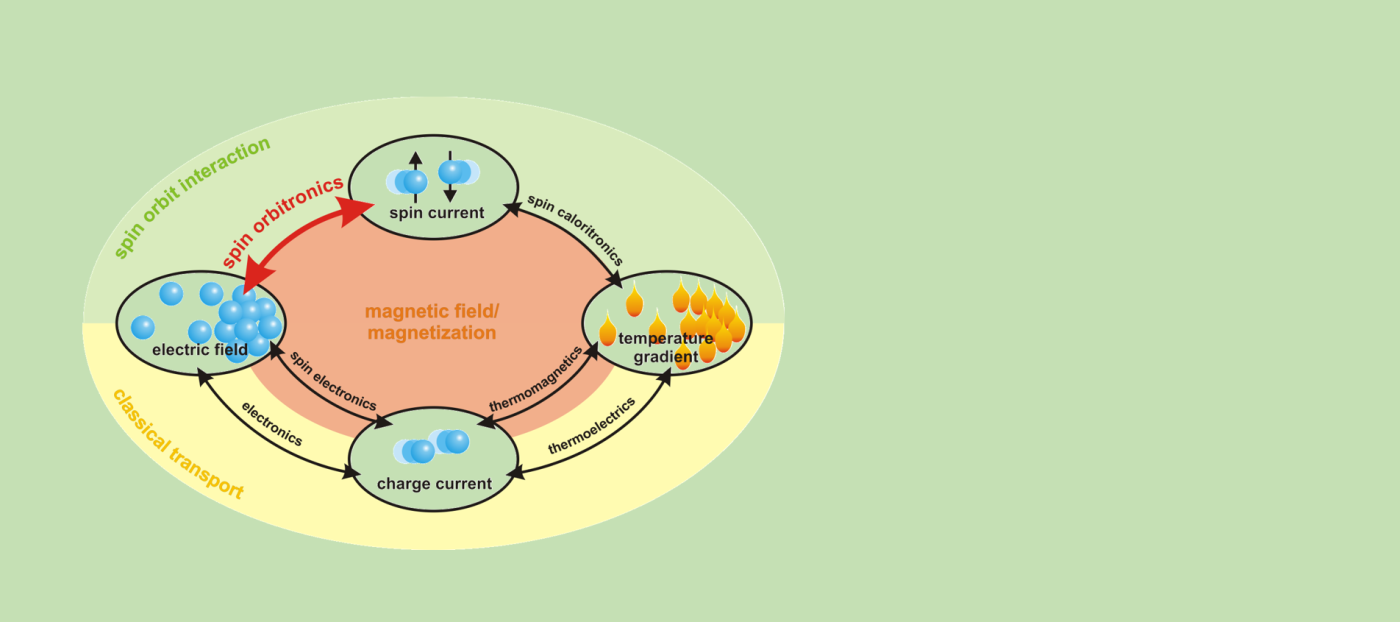
PD Dr. Timo Kuschel is a substitute professor at Bielefeld University's Faculty of Physics, leading research in the 'Thin Films and Physics of Nanostructures' group. He obtained his PhD from Osnabrück University and conducted postdoctoral research at Groningen University. His current role involves investigating spin-dependent phenomena in magnetic nanostructures and mentoring students. Kuschel's research focuses on spintronics , spin caloritronics , and magnetooptics , with emphasis on spin transport mechanisms, thermal spin effects, and advanced magnetic characterization techniques. His work explores fundamental interactions between charge, spin, and heat in nanostructured materials. Recent publications primarily investigate spin transport phenomena , interface effects in magnetic heterostructures, and advanced characterization methods using synchrotron techniques and magnetooptic spectroscopy . Research trends show consistent focus on nanoscale magnetic behavior, spin-current manipulation, and material interface engineering. Kuschel leads the 'Spin Caloritronics Team' and oversees bachelor/master thesis students while developing novel measurement techniques for magnetic nanostructure characterization.
Saskia Plomp is a Researcher and Teacher at Utrecht University's Faculty of Veterinary Medicine, specifically within the Department of Clinical Sciences, where she focuses on equine health care and research. Her work centers on equine joint biomechanics, cartilage pathology, and innovative treatment approaches for equine orthopedic conditions. Dr. Plomp's research primarily investigates equine articular cartilage properties, osteochondral defects, joint inflammation models, and intervertebral disc degeneration in horses. Her work spans from basic science examining the composition and biomechanical properties of equine tissues to translational research developing and testing novel therapeutic approaches. She has made significant contributions to understanding how different types of cartilage damage affect joint function over time, and her research often employs advanced imaging techniques like micro-CT to evaluate tissue conditions. Her collaborative work spans multiple institutions and involves interdisciplinary approaches combining veterinary medicine, biomaterials science, and regenerative medicine. Analysis of Dr. Plomp's extensive publication record reveals a strong focus on equine joint pathology and repair mechanisms. Her research demonstrates expertise in creating and evaluating equine disease models, particularly for studying cartilage damage, joint inflammation, and intervertebral disc degeneration. She has contributed significantly to understanding the structural, compositional, and functional changes that occur in equine joints following injury. Her more recent work shows increasing interest in regenerative approaches, including stem cell therapies and novel biomaterials for tissue repair. The collaborative nature of her research is evident through her extensive co-authorship with experts across various disciplines. While specific advising information isn't detailed in the available materials, Dr. Plomp's extensive publication record spanning over a decade suggests active mentorship of students and junior researchers in the field of equine veterinary medicine. Her work appears to be supported by research grants that enable the sophisticated experimental models and advanced imaging techniques described in her publications. Dr. Plomp's research appears to be conducted within specialized equine research facilities at Utrecht University that include capabilities for advanced imaging, biomechanical testing, and surgical interventions. Her collaborative network includes researchers working on biomaterials, tissue engineering, and regenerative medicine approaches for equine conditions.
Dr. Eugenio Miguel Isern Riutort serves as a Senior Lecturer in the Department of Electronic Technology within the School of Industrial Engineering and Construction at the University of the Balearic Islands (UIB). His academic profile shows active engagement across multiple degree programs including Automation and Industrial Electronic Engineering, Telematics Engineering, and the Master's Degree in Industrial Engineering, where he teaches core courses in Analogue Electronics, Electronic Instrumentation, and related subjects. Beginning his research career in January 1991 with a pre-doctoral scholarship from the Ministry of Education and Science at the Polytechnic University of Catalonia, Dr. Isern Riutort has established three primary research domains. His foundational work focuses on test and verification methodologies for integrated circuits, where he has developed techniques for fault detection through current consumption analysis (both static IDDQ and dynamic IDDT). This research has evolved to address challenges posed by technological parameter variations in modern microelectronics, leading to innovations in predictive testing, oscillation-based testing, and auto-tuning techniques. A second research stream involves designing radiation sensors using standard MOS integrated circuits, with recent work focusing on floating gate MOS transistors that produce outputs proportional to total ionizing dose. Most recently, he has been developing non-conventional computing methodologies accelerated in hardware to enable artificial intelligence applications for massive and highly complex problems. His publication record demonstrates consistent scholarly output across these domains, with particular emphasis on practical applications of theoretical concepts in microelectronics testing and sensor design. The articles reflect a progression from fundamental circuit testing techniques to specialized applications in radiation detection and, most recently, hardware acceleration for AI systems. His work bridges theoretical foundations with experimental validation, as evidenced by his focus on both fault modeling and sensor design with experimental measurements. Dr. Isern Riutort actively supervises Final Degree Projects and Master's Theses in Automation and Industrial Electronic Engineering while teaching across multiple programs. His teaching portfolio spans from foundational Analogue Electronics courses to advanced Electronic Instrumentation Systems, demonstrating comprehensive expertise across the electronics curriculum. He maintains a personal academic website (personal.uib.eu/eugeni.isern) and has established research profiles across major academic networks including ORCID, ResearcherID, Scopus, and Dialnet. As a member of the Electronic Engineering (GEE) Consolidated R+D+I Group at UIB, he participates in a collaborative research framework that supports his work in electronics and related technologies. His office is located in room F107 on the first floor of the Mateu Orfila i Rotger building (Physics building) at the university.