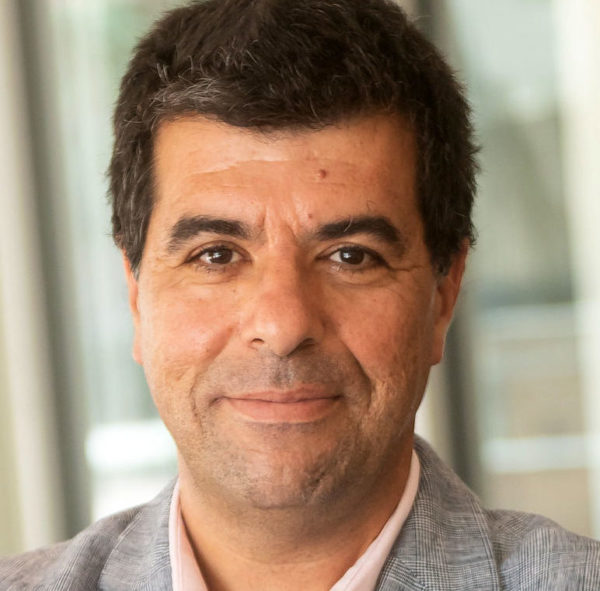
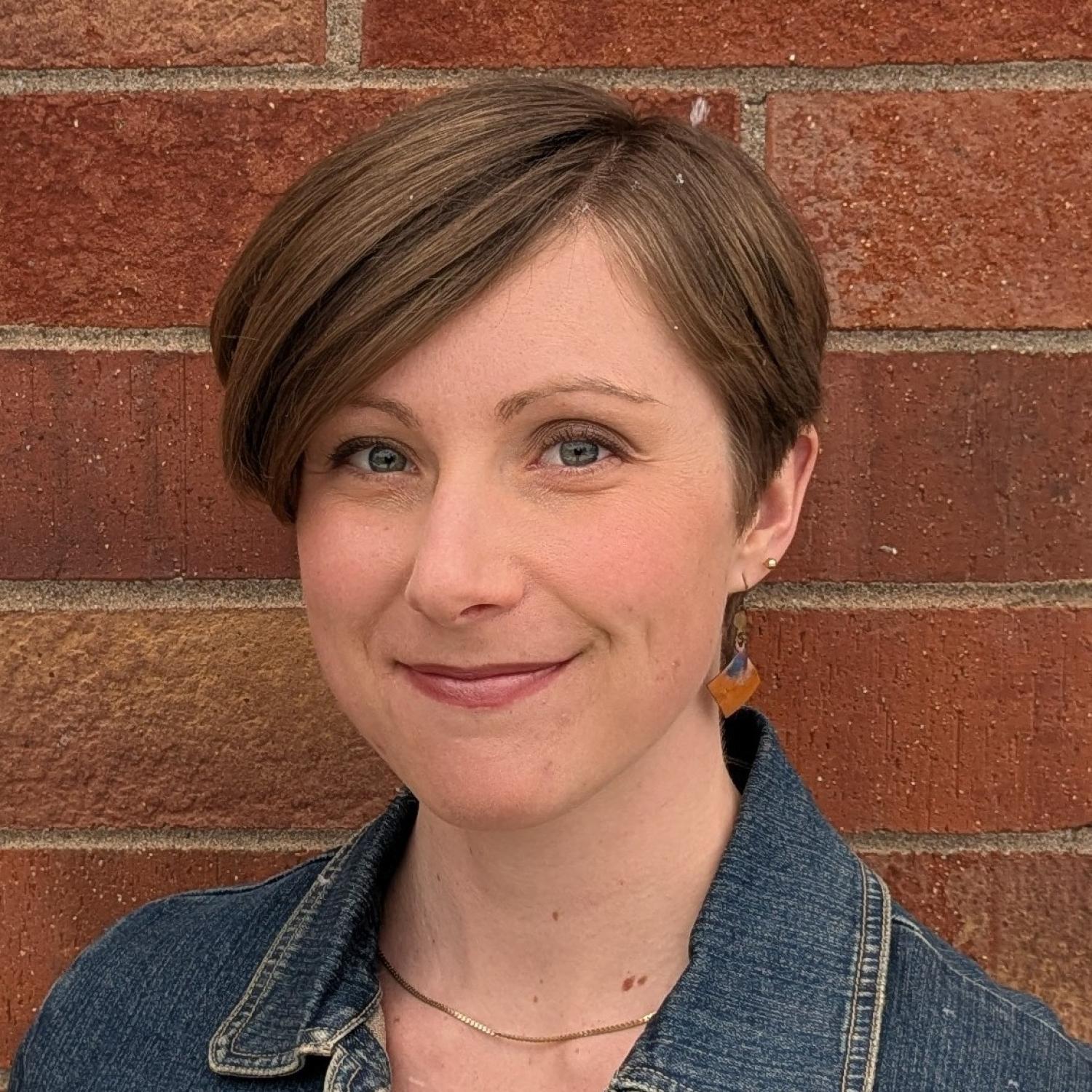
Nader Mirabolfathi is a Research Associate Professor at the Department of Physics and Astronomy, Texas A&M University. His research focuses on high-energy detector R&D, particularly in dark matter and neutrino interaction searches. He collaborates with the Mitchell Institute for Fundamental Physics & Astronomy, advancing experimental techniques in particle physics. Key Research Areas: Dark Matter Detection, Neutrino Physics, Detector Design. His recent publications explore novel detector technologies, such as phonon-mediated systems and crystal defect analysis, aiming to enhance sensitivity in low-mass dark matter and neutrino experiments. These works address critical challenges in background rejection and material science for next-generation particle detectors. No scientific awards or grants are explicitly listed in the provided text. His advising record is currently unspecified.
Harold S. Park is a Professor of Mechanical Engineering and Materials Science & Engineering at Boston University. He leads research in computational nanomechanics, focusing on nanowire mechanics, soft materials, and coupled electromechanical phenomena. Park earned his PhD from Northwestern University in 2004 and has held faculty positions since 2007. His work bridges atomistic simulations and continuum mechanics, addressing challenges in nanoscale material behavior and energy conversion. Education: PhD, Northwestern University (2004) MS, Northwestern University (2001) BS, Northwestern University (1999) Research Interests: Park’s lab explores topological mechanics, phononic metamaterials, and machine learning-driven materials design. Key areas include surface-dominated plasticity in nanomaterials, flexoelectricity in 2D materials, and energy harvesting via crumpling mechanics. His team develops multiscale models to predict mechanical behavior across length scales. Publications: Over 150 peer-reviewed articles span topics like nanowire deformation mechanisms, nanoresonator dynamics, and topology-optimized metamaterials. Recent work highlights include enhancing nanowire Q-factors via strain tuning and designing non-reciprocal elastic systems. Awards: NSF CAREER Award (2007) DARPA Young Faculty Award (2008) ASME Fellow (2016) John Argyris Award (2016) Advising & Teams: Park mentors graduate students and postdocs in experimental and computational mechanics. Notable advisees include Dr. Penghui Cao (UC-Irvine faculty) and Dr. Saman Seifi. His lab collaborates with industry partners on nanomaterials for sensors and energy systems. Labs: Affiliated with the Materials by Design Center at BU, focusing on computational and experimental nanomechanics. Active in editorial roles for journals like Journal of Applied Mechanics and Nano Letters .
Dr. Ji Hoon Lee is a Professor in Theoretical Physics at ETH Zürich, affiliated with the Professur für Theoretische Physik. His research focuses on quantum gravity, holography, integrable systems, and gauge-gravity dualities. He explores topics such as AdS/CFT correspondence, string theory vacua, and black hole microstates through advanced mathematical frameworks. His work spans theoretical physics with a strong emphasis on holography, including studies of giant gravitons, D-brane dynamics, and Kondo line defects in affine Gaudin models. Recent publications (2021–2024) highlight contributions to integrable systems, stringy microstate counting, and gravitational brane couplings in AdS3 black holes. Though no explicit awards or grants are listed, his publications indicate active participation in cutting-edge research areas. No student advising details or lab affiliations were provided in the source text.
Dr. Sergii Yakunin is a Lecturer at the Department of Chemistry and Applied Biosciences at ETH Zürich, specializing in inorganic functional materials. His research focuses on advanced materials for radiation detection, semiconductor devices, and optoelectronic applications. Key areas include perovskite nanocrystals, quantum dots, and photodetector technologies. He leads the Laboratory of Inorganic Chemistry (LAC), emphasizing material synthesis, characterization, and device integration. Research interests encompass radiation detection systems, energy materials, and nanotechnology applications. Recent work highlights advancements in X-ray/gamma detectors using perovskites, colloidal nanocrystal fabrication, and compact optical spectrometers. His contributions bridge fundamental material science with applied technologies for medical imaging, energy harvesting, and photonics. Publications emphasize detector performance optimization, nanocrystal stability, and novel material designs. Current efforts address challenges in detector sensitivity, environmental stability, and scalable manufacturing. Collaborative projects focus on integrating functional materials into wearable and compact devices for next-generation applications.
Dr. Jialiang Huang is a Senior Lecturer and Senior Research Fellow at the School of Photovoltaic and Renewable Energy Engineering, University of New South Wales. With over 15 years of expertise in thin-film solar cells, his work focuses on defect engineering , nanostructured materials , and advanced characterization techniques . His research spans emerging photovoltaic materials such as polycrystalline silicon, kesterite, chalcogenides, and perovskites. Research Interests include: Defect engineering in high-efficiency solar cells Advanced electron microscopy characterization Development of Cd-free and high-bandgap photovoltaic technologies His articles (e.g., on Cd-free Cu2ZnSnS4 solar cells and multifunctional coatings) highlight innovations in material synthesis and efficiency optimization. His work emphasizes nanoscale characterization and interface engineering , contributing to advancements in solar energy systems. Labs/Teams: Active in the UNSW Electron Microscope Unit and collaborative projects on solar-driven ammonia synthesis and photovoltaic materials.
Themis Kyriakides is a Professor of Pathology and Biomedical Engineering at Yale School of Medicine. He holds dual appointments in the Department of Pathology and the School of Engineering and Applied Science. Dr. Kyriakides completed his PhD at Washington State University in 1993, followed by postdoctoral training at the University of Washington. He serves as Director of Graduate Studies for the Experimental Pathology PhD program and mentors students from the School of Engineering. His research focuses on cellular and molecular mechanisms of tissue repair, with a particular emphasis on extracellular matrix interactions, inflammation, and biomaterials. Key areas include engineering biomaterials to enhance tissue regeneration, studying the role of matricellular proteins like thrombospondin-2, and developing therapies for diabetic wound healing. His lab has pioneered novel hydrogel systems and nanomaterials for medical applications. Dr. Kyriakides has authored over 75 publications, including recent work on alginate-based hydrogels, photosensitive nanoprobes, and bone repair strategies. He is a Fellow of the American Institute for Medical and Biological Engineering. His research is supported by NIH grants and collaborations with institutions like the Diabetes Research Center and Yale Fibrosis Program. Dr. Kyriakides' lab (Kyriakides Lab) investigates biomaterial-tissue interfaces, angiogenesis, and the foreign body response. He collaborates widely, with frequent co-authors including Hao Xing, Yaqing Huang, and Frederic Pincet. His work bridges engineering and medicine, aiming to translate biological insights into clinical solutions for chronic diseases and tissue damage.
Prof. Bahattin Koç is a Professor at Sabancı University's Faculty of Engineering and Natural Sciences, coordinating the Manufacturing Engineering Program. He holds a Ph.D. and has extensive experience in academia and industry, including roles at The State University of New York at Buffalo. His research focuses on 3D bioprinting, additive manufacturing, computational geometry, and nanotechnology-driven manufacturing processes. Research Interests: 3D bioprinting for tissue engineering, computational geometry for additive manufacturing, heterogeneous and multi-functional object modeling, nano-micro additive manufacturing, and hybrid manufacturing processes. His work integrates advanced design and manufacturing techniques to address challenges in biomedical and industrial applications. Grants and Funding: Secured significant grants including £815,625 from UK EPSRC (2018-2021), €1.4M from DiCoMI H2020 RISE (2018-2022), and $5M from the Turkish Ministry of Development. Projects include bone defect repair, bioprinting of patient-specific scaffolds, and advanced composite manufacturing. Students and Collaborations: Advised over 30 graduate students and researchers. Notable collaborations include work with Penn State University, University of Buffalo, and industry partners like TUSAS Engine Industries. He is a founding member of Sabancı University's Integrated Manufacturing Center and serves on TÜBİTAK advisory boards. Awards and Recognition: Co-inventor of patents such as the 'Method For Three Dimensional Printing Of Heterogeneous Structures' and 'Resorbable Laminated Repair Film'. Recognized for contributions to biofabrication and manufacturing innovation.
Dr. Yu (Chelsea) Jin is an Assistant Professor in the Department of Industrial Engineering at the University at Buffalo, specializing in quality inspection, predictive modeling, and data analytics for advanced manufacturing systems. She holds a PhD in Industrial Engineering from the University of Arkansas, an ME from the University of Michigan, and dual BS degrees in Network Engineering and Finance from Jinan University. Her research focuses on integrating machine learning and physics-based models to optimize manufacturing processes, such as additive manufacturing, PCB assembly, and pharmaceutical distribution systems. She has developed frameworks like ReflowNet for reflow oven optimization and physics-informed neural networks for thermal profile prediction. Her work emphasizes both theoretical advancements and practical applications in smart manufacturing and healthcare logistics. Dr. Jin's recent publications highlight contributions to generative AI for knowledge retrieval, AGV system optimization, and multi-source transfer learning for pandemic modeling. She actively collaborates with industry partners to bridge academic research and real-world manufacturing challenges.
Niko Siltala is a University Instructor at Tampere University's Department of Automation Technology and Mechanical Engineering. He holds a Doctor of Science (Technology) in Mechanical Engineering (2016) and a Master of Science (Technology) in Automation Engineering (2001). His research focuses on production system design, reconfiguration, robotics, and virtual reality applications in safety training. He has contributed to the development of semantic rules for capability matchmaking, which supports rapid system design and reconfiguration. Key research areas include: Manufacturing automation and system adaptability Human-robot collaboration and safety protocols Virtual reality-based training solutions Formal resource descriptions for modular systems His work aligns with UN Sustainable Development Goals, particularly in advancing quality education (SDG 4) through innovative robotics education tools. He has received the Distinguished Committee Service Award (2004) and contributed to grants such as the K.F. ja Maria Dunderbergin testamenttisäätiö (2014). He has collaborated on projects like the D-BEST methodology for pilot lines and the ODIN project for scalable production systems. His activities include organizing conferences, presenting at international forums, and developing web-based tools for manufacturing system planning.
Börge Göbel is a postdoctoral researcher at the Institute of Physics, Martin Luther University Halle-Wittenberg, within the Quantum Theory of the Solid State group led by Prof. Ingrid Mertig. He is affiliated with the Faculty of Natural Sciences II - Chemistry, Physics and Mathematics and conducts theoretical research in condensed matter physics, focusing on topological spin textures and their applications in spintronics and orbitronics. PhD in Physics (summa cum laude, 2020), Max Planck Institute Halle MSc in Physics (1.1, 2016), Martin Luther University Halle-Wittenberg BSc in Physics (1.2, 2014), Martin Luther University Halle-Wittenberg Abitur (1.0, 2011) His research centers on the interplay between topology and transport in magnetic systems, particularly skyrmions, antiskyrmions, bimerons, and hopfions. He investigates their stability, emergent electrodynamics (e.g., topological Hall effect), and dynamics under current drive, with applications in racetrack memory, neuromorphic computing, and quantum devices. A major focus is on two-dimensional materials and electron gases, where he studies spin- and orbital-to-charge interconversion. He has pioneered work in orbitronics, demonstrating the orbital Hall effect accompanying the quantum Hall effect and topological orbital Hall effects in skyrmion systems. The most recent publications show a strong trend toward the exploration of orbital angular momentum in quantum transport, the stabilization of skyrmions in van der Waals materials, and the development of neuromorphic computing concepts using biskyrmions. His work bridges fundamental theoretical insights with potential technological applications in next-generation electronics. Börge Göbel is funded by the EIC Pathfinder OPEN Grant "Orbital engineering for innovative electronics" and is a co-supervisor in the EU Horizon 2020 project "SPEAR". He has co-supervised 2 PhD, 2 master's, and 4 bachelor's students and teaches quantum mechanics, including online courses with over 30,000 participants. Co-PI, EIC Pathfinder OPEN Grant: "Orbital engineering for innovative electronics" Co-Supervisor, EU Horizon 2020 project "SPEAR" Network Postdoc, EU project "OBELIX" He collaborates extensively with experimental groups worldwide, including those of Prof. Stuart Parkin, Prof. Claudia Felser, Dr. Manuel Bibes, and Prof. Albert Fert, and has presented at major conferences such as MMM, JEMS, Gordon, DPG, and SPICE.
Satya Prakash Saraswat is a Postdoctoral Researcher at KTH Royal Institute of Technology's Nuclear Science and Engineering Unit in Stockholm, Sweden. He holds a Ph.D. from the Indian Institute of Technology Kanpur, with expertise in thermal-hydraulics, nuclear reactor safety, computational fluid dynamics (CFD), and system code development. His work spans fission and fusion reactor analysis, including contributions to the VALIDATIO project (University of Pisa) for fusion safety tools and the ATLAS project (Khalifa University) for advanced reactor safety enhancements. Research interests focus on computational modeling, AI integration in nuclear safety, and experimental validation of safety systems. He has developed skills in both experimental and numerical techniques, addressing challenges in multiphase flow, reactor core dynamics, and material compatibility. Key projects include validation of ASYST and SIMMER codes for condensation phenomena and lead-lithium interaction studies. Publications highlight advancements in burn-up wave characterization, code stability analysis (RELAP5/SIMMER), and thermal-hydraulic safety assessments for reactors like ESBWR and ITER systems. His work emphasizes enhancing safety tools through rigorous validation and innovative methodologies.
Karl Eriksson is an Adjunct Professor at the Department of Clinical Science and Education, Södersjukhuset , Karolinska Institutet , and a Consultant Orthopaedic Surgeon at Södersjukhuset. He serves as group leader for the Orthopaedics – Karl Eriksson's research group and holds the position of Secretary General of the European Society for Sports Traumatology, Knee Surgery and Arthroscopy (ESSKA) . His research focuses on improving patient outcomes in cruciate ligament and meniscus injuries through clinical and registry-based studies. Key projects include evaluating surgical timing for ACL reconstruction, novel meniscus substitution techniques, and functional outcomes in joint replacement surgery. He has pioneered studies on semitendinosus tendon regeneration and early surgical intervention for cruciate ligament injuries. Recent publications highlight his work on graft choices in ACL reconstruction, risk factors for revision surgery, and minimally invasive techniques for cartilage lesions. Collaborative efforts span international multicenter trials and Swedish national registry analyses. Education Doctor of Philosophy in Clinical Science and Education, Karolinska Institutet (2001) Docent in Orthopaedic Surgery, Karolinska Institutet (2010)
Mika Sillanpää is a Professor at the Department of Applied Physics , Aalto University , and serves as a Professor (Associate Professor) at the Centre of Excellence in Quantum Technology and the Quantum Nanomechanics group. His research focuses on experimental superconducting nanoelectronics at milli-Kelvin temperatures, particularly Josephson junction quantum circuits and microwave optomechanics. Doctoral degree from Helsinki University of Technology (2005) Master's degree from Helsinki University of Technology (1999) Research Interests: Prof. Sillanpää has pioneered low-noise amplification schemes using microwave optomechanics and demonstrated quantum squeezing/entanglement in micromechanical devices. Key projects include GUANTUM (quantum-gravity limits) and MQSens (quantum sensing with mechanical resonators). Scientific Contributions: His work spans quantum back-action evading measurements, noiseless amplification, and TLS detection in resonators. Recent publications highlight Casimir force measurements between superconductors and long-lived electromechanical systems using silicon-carbide membranes. ERC Consolidator Grant (2013) ERC Starting Grant (2009) IUPAP C5 Young Scientist Prize (2011) Väisälä Prize (2015)
Ellen M. Considine is an incoming Assistant Professor of Geography and Fellow of CIRES at the University of Colorado Boulder, starting August 2025. Her work integrates environmental change, health and wellbeing, and data science to develop pragmatic, equitable solutions for public and planetary health challenges. Education: PhD in Biostatistics from Harvard University (2025) BS in Applied Mathematics from CU Boulder Research Interests: GeoHealth and Planetary Health Applied Statistics and Data Science Policy and Decision-Making under Uncertainty Environmental Justice in Air Quality AI/ML Applications for Climate-Health Low-Cost Sensor Networks for Equitable Monitoring Scientific Awards: American Statistical Association Student Paper Competition Winner (2024) NSF Graduate Research Fellowship (2020) CU Boulder Outstanding Graduate (2020) Publications focus on causal inference for plastic waste policy analysis, AI-driven heat alerts, sensor equity in air quality, wildfire PM2.5 modeling, and interdisciplinary data science applications. She emphasizes environmental justice and equity in all projects.
Stephen Kelty, Ph.D., is a Professor in the Department of Chemistry and Biochemistry at Seton Hall University, where he leads the Kelty Research Group. His work focuses on computational and physical chemistry, particularly in modeling solid-state and molecular systems using advanced methods like DFT and molecular dynamics. He is affiliated with the Center for Computational Research, leveraging its resources for interdisciplinary projects. Dr. Kelty’s research spans heterogeneous catalysis, defect analysis in oxides (e.g., YSZ, HfO₂), and photoactive materials for energy applications. Education: Ph.D., Chemistry, Harvard University (1993) M.Phil., Chemistry, Columbia University (1991) B.S., Chemistry, University of Cincinnati (1979) Research Interests: Dr. Kelty’s group investigates electronic and structural properties of materials at atomic and molecular scales. Key areas include: Computational modeling of catalytic mechanisms Defect engineering in oxides (e.g., YSZ thin films) Design of photoactive materials for solar energy conversion Ab initio and DFT studies of functionalized molecules Recent Trends in Publications: Recent work emphasizes computational analysis of ferroelectric hafnia, phase transitions in niobium germanate thin films, and enhanced performance in La/SrCoO₃ electrodes. Collaborations include studies at Los Alamos National Lab and presentations at the Organic Reactions Catalysis Society. Advising & Labs: Guided students like Sara Lamcaj (Los Alamos intern) and Frank Hung (APS presenter) Leverages the Center for Computational Research for high-performance simulations