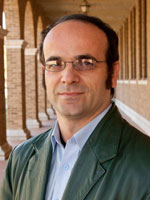
Dr. Ajay Achath Mohanan is a Lecturer at the Malaysia School of Engineering, Monash University. He holds a PhD in Engineering from Monash University Malaysia (2016) and a Bachelor of Engineering in Electrical and Computer Systems Engineering from the same institution (2009). His research focuses on flexible surface acoustic wave (SAW) sensors integrated with ZnO nanostructures, transitioning from rigid to flexible substrates. Key areas include piezoelectric ZnO thin films on polymers, low-temperature hydrothermal synthesis of nanowires, and UV-LED photolithography for sensor fabrication. He teaches ECE2071 - Computer Organisation and Programming and ECE3091 - Engineering Design . Mohanan leads or collaborates on projects such as flexible Lamb wave resonators for wastewater monitoring and graphene-integrated acoustic sensors. He has contributed to over 15 peer-reviewed publications since 2009, addressing topics like SAW resonator design, nanowire growth, and semiconductor defect analysis. His research aligns with UN SDG 4 (Quality Education) and SDG 9 (Industry, Innovation, and Infrastructure). Mohanan’s work emphasizes sustainable sensor technologies for environmental and industrial applications. He operates in the Micro and Nano Devices Lab, advancing flexible electronics and wearable sensor platforms.
Jukka Alinikula is an Adjunct Professor at the University of Turku's Institute of Biomedicine, specifically within the Unit of Infection and Immunity. He also serves as a University Lecturer in immunology and drug development, and as the Education Director of the Immudocs program. His research focuses on somatic hypermutation mechanisms in B lymphocytes, exploring how antibody diversity is generated while avoiding oncogenic mutations. Alinikula completed his PhD at the University of Turku (Lassila Lab), followed by a postdoc at Yale University (Schatz Lab). Research Interests: Alinikula’s work investigates the targeting of somatic hypermutation to immunoglobulin genes versus proto-oncogenes. His lab uses modern techniques like reporter assays, CRISPR-based screens, and single-cell transcriptomics to dissect mutation enhancer functions. Key topics include genome stability, lymphoma etiology, and the interplay between antibody diversification and cancer risk. Teaching: He teaches immunology and immunopharmacology across bachelor’s, master’s, medical, and doctoral programs, emphasizing case-based learning and practical laboratory training. Supervised students include PhD candidates in immunology and drug development. Labs/Teams: Leads his own research group at the Institute of Biomedicine, collaborating extensively with international teams (e.g., Yale, Czech Academy of Sciences). Active in the InFLAMES Flagship initiative for immune system research.
Tatyana Konkova is a Senior Lecturer in the Department of Design, Manufacturing and Engineering Management at the University of Strathclyde, Faculty of Engineering, Glasgow, UK. She is actively engaged in research, teaching, and professional leadership in the field of Materials Science and Engineering, with a focus on metallurgy and advanced manufacturing techniques. Education: Doctor of Science, Mechanisms of cryogenic plastic deformation and features of microstructure formation in technically pure copper, Institute for Metals Superplasticity Problems, Russian Academy of Sciences (awarded 2011) Master of Business Administration (MBA), Strathclyde Business School (awarded 2023) PG Certificate in Learning and Teaching in Higher Education, University of Strathclyde (awarded 2021) MSc (Hons) in Materials Science and Engineering, Ufa State Aviation Technical University (awarded 2005) BSc in Engineering, Ufa State Aviation Technical University (awarded 2004) Research Interests: Her research spans Severe Plastic Deformation (SPD), cryogenic deformation, additive manufacturing, microstructure evolution, and advanced characterization using EBSD, TEM, and SEM. She focuses on materials such as titanium alloys, copper, and nickel-based superalloys, aiming to bridge fundamental science with industrial applications. Her work emphasizes grain boundary engineering, abnormal grain growth, and deformation-induced boundaries. Publication Trends: Recent publications highlight her growing interdisciplinary work combining additive manufacturing with electric machine design, as well as continued deep microstructural investigations in aerospace and microelectronic materials. Her research integrates data-driven optimization and advanced characterization to improve material performance and manufacturing efficiency. Scientific Awards and Honors: Fellow of the Institute of Materials, Minerals and Mining (FIMMM) Chartered Engineer (CEng) by the Engineering Council Member of the Institution of Mechanical Engineers (MIMechE) Fellow of the Higher Education Academy (FHEA) PG Certificate in Learning and Teaching in Higher Education Advising and Grants: She has supervised undergraduate, postgraduate, and PhD students and serves as Principal Investigator on multiple research projects, including EPSRC-funded CDT in AI-enabled Digital High-Value Manufacturing and AFRC projects on titanium alloy forgeability. She has secured funding from national and international sources, including the Russian Foundation for Fundamental Research. Her leadership in industrial collaboration and knowledge exchange is evident through her roles in Catapult projects and industrial group supervision. Labs and Teams: She has led the Materials Characterisation Theme at AFRC and represented the center in Cross-Catapult forums on additive manufacturing. She is part of the Horizon Europe Working Group with the University of Waterloo and actively collaborates with national and international research teams.
Dr. Ehsan Mohseni is a Senior Lecturer in the Department of Electronics and Electrical Engineering at the University of Strathclyde, Faculty of Engineering. He is a key member of the Centre of Ultrasound Engineering (CUE) research group and supports the Royal Academy of Engineering and Spirit AeroSystems research chair led by Professor Gareth Pierce. His work focuses on advancing robotic and intelligent Non-Destructive Evaluation (NDE) systems for industrial applications. B.Sc. in Materials Science and Metallurgical Engineering, University of Tehran, 2006 M.Sc. in Metal Forming Processes, University of Tehran Ph.D. in Automated Defect Detection using Electromagnetic NDE, École de Technologie Supérieure (ETS), Montreal, Canada Dr. Mohseni’s research is centered on NDE 4.0, integrating advanced sensing, multi-physics modeling, and machine learning. His expertise spans ultrasonic and eddy current testing, multi-sensor data fusion, and probability of detection studies. He focuses on applications in additive manufacturing, welding, composites, and metal processing, aiming to overcome current technological barriers in industrial inspection. The recent publications highlight a strong trend toward intelligent, automated, and robotic NDE systems. Key themes include self-supervised learning for ultrasonic segmentation, human-machine collaboration in data analysis, and advanced signal processing for weld and composite inspection. The integration of AI, flexible sensor arrays, and embedded navigation systems reflects a shift toward smart, adaptive inspection platforms aligned with Industry 4.0. Scientific Awards: The BINDT Annual Conference Award (2019) Dr. Mohseni is actively involved in research funding and knowledge transfer. He serves as Principal Investigator on KTP projects with ETHER NDE LIMITED and NATIONAL OILWELL VARCO UK LIMITED, focusing on in-process inspection for additive manufacturing and field calibration for ultrasonic testing. He contributes to large-scale collaborative projects funded by Innovate UK and industry partners, emphasizing practical deployment of NDE solutions. He also supervises research staff and collaborates with global aerospace firms including Pratt & Whitney Canada, Safran, and Bell Helicopter. He is a core member of the Centre of Ultrasound Engineering (CUE), a dynamic research group developing next-generation ultrasound technologies. The team works on advanced robotic sensing hubs, flexible transducer arrays, and AI-driven data interpretation tools, often in collaboration with the Royal Academy of Engineering research chair and industrial partners.
Melissa J. Moore, PhD, is Professor at the University of Massachusetts Chan Medical School, where she holds the Eleanor Eustis Farrington Chair of Cancer Research and serves in the RNA Therapeutics Institute. She also holds appointments in the T. H. Chan School of Medicine (Department of Chemical Biology) and the Morningside Graduate School of Biomedical Sciences (Departments of Biochemistry & Molecular Biotechnology, Interdisciplinary Graduate Program, and Translational Science). Additional affiliations include campus-wide programs in Bioinformatics & Integrative Biology and Chemical Biology. Education: BS in Chemistry/Biology, College of William and Mary PhD in Biological Chemistry, Massachusetts Institute of Technology Research Focus: Melissa Moore’s laboratory investigates post-transcriptional gene regulation in eukaryotes, with emphasis on three interconnected themes: (1) spliceosome structure and catalytic mechanism, (2) nuclear-to-cytoplasmic control of mRNA metabolism, and (3) quality control and clearance of defective ribosomal and messenger RNAs. The group combines biochemistry, single-molecule biophysics, RNA structural biology, and cell biology to dissect these processes at molecular and systems levels. Scientific Awards & Honors: Eleanor Eustis Farrington Chair of Cancer Research Funding & Collaborations: Work is supported by grants from the National Institutes of Health and involves ongoing collaborations with investigators at Brandeis University, MIT, University of Rochester, and other institutions. Rotation projects for graduate students are available in all active research areas. Laboratory & Team: The Moore laboratory is located in the RNA Therapeutics Institute at UMass Chan Medical School, 364 Plantation Street, Worcester, MA. The team employs state-of-the-art single-molecule imaging, mass spectrometry, and high-throughput sequencing to advance understanding of RNA biology and to translate insights into therapeutic RNA technologies.
Professor Titus Sebastiaan van Erp is affiliated with the Department of Chemistry at the Norwegian University of Science and Technology (NTNU), where he has worked since 2016. His research focuses on advancing molecular simulation techniques to study complex biological and industrial processes without approximations, particularly through path sampling methods for rare events. 2016 – Present: Professor, NTNU 2012 – 2016: Associate Professor, NTNU 2006: Centre-of-Excellence Fellow, Leuven 2004: Marie Curie Fellow His research develops innovative methodologies like RETIS and REPPTIS to enhance simulation accuracy and expand accessible time/system scales. He has supervised students in DNA denaturation, electron transfer reactions, and protein folding studies. Recent publications analyze NaCl dissociation, ABL-imatinib kinetics, and permeation mechanisms. His work involves Python-based PyRETIS software development and collaborations across computational chemistry, biophysics, and materials science. 2025: NaCl Dissociation via Predictive Power Path Sampling 2025: RETIS/REPPTIS for Biomolecular Kinetics 2024: PyRETIS 3 for Boundary-Free Rare Events Scientific recognitions include: Centre-of-Excellence Fellowship (2006) Marie Curie Fellowship (2004) He has advised multiple students in masters theses on molecular simulation, including projects on DNA unwinding, electron transfer, and protein folding. His lab integrates algorithm development with applications in chemical reactions, biomolecular systems, and nanoscale materials.
Stan F.S.P. Looijmans is an Assistant Professor at the Processing and Performance of Materials group within the Department of Mechanical Engineering at Eindhoven University of Technology (TU/e). His research focuses on bridging the gap between processing-induced structure formation and mechanical properties in semi-crystalline polymers, with a particular emphasis on advanced characterization techniques and multiscale modeling. Academic Background : BSc and MSc in Mechanical Engineering (TU/e), PhD in 2023 on adhesion-modified polypropylene composites Research Tools : Synchrotron X-ray/infrared radiation, microscale mechanical testing, numerical simulations His work explores key areas such as: Crystallization in additive manufacturing Structure formation under extreme conditions Micromechanical testing of composites Contact mechanics phenomena Local failure prediction in semi-crystalline systems Recent publications highlight his expertise in polymer crystallization kinetics, fiber-reinforced composites, and processing-structure-property relationships. Notably, his 2025 work on PLA stereocomplexation and PP/HDPE blends demonstrates innovative approaches to microstructure engineering. He contributes to education through courses in mechanical characterization of materials and soft materials processing.
Dr Mahir Arzoky is a Lecturer in the Department of Computer Science at Brunel University London's College of Engineering, Design and Physical Sciences. He holds a PhD from Brunel University London (2015) and has extensive research experience in artificial intelligence and software engineering. His research focuses on: Artificial Intelligence and Intelligent Data Analysis Search Based Software Engineering (SBSE) Clustering algorithms and heuristic search methods Software refactoring and quality assessment Data mining applications in healthcare and education Analysis of his 15 most recent publications (2018-2022) reveals strong interdisciplinary work bridging computer science with healthcare (diabetes patient modeling, medical imaging) and education (chatbot design, algorithm visualization). His technical focus centers on clustering optimization, refactoring impact analysis, and explainable AI, with frequent use of empirical validation methods. Key collaborations include researchers like Stephen Swift, Steve Counsell, and Giuseppe Destefanis. Dr Arzoky has secured significant research funding through EPSRC grants including: AQUATIC project (EP/M024083/1): Assessing Test Suite Quality in Industrial Code FIAR-NET (EP/N011627/1): Fault Analyses in Industry and Academic Research Network His professional network includes active collaborations across computer science, healthcare informatics, and educational technology domains, with recent work extending into transformer models for healthcare SQL conversion and graph partitioning for software modularization.
Dr. Akbar Siami Namin is a Professor in the Department of Computer Science at Texas Tech University's Whitacre College of Engineering . He leads the AdVanced Empirical Software Testing & Analysis (AVESTA) research group and contributes to cybersecurity, software engineering, and program analysis. Ph.D., Computer Science, University of Western Ontario (2008) M.S., Lakehead University/University of Western Ontario (2004) Research Interests : Dr. Namin specializes in Natural Language Processing , Software and Cyber Security , Machine Learning , Time Series Analysis , Modeling Human Factors , and Program Analysis . His work bridges security testing , mutation analysis , and empirical software engineering . Publications : His research spans sonification of security threats , keystroke dynamics , statistical fault localization , and mutation testing , with recent works published at CHI , ICMLA , and CyberWorlds (best paper award 2015). Scientific Awards : Best Paper Award at CyberWorlds 2015; 'Most Influential Professor' recognition by Computer Science undergraduates (2012). Students & Grants : Supervised numerous Ph.D. and Master's students, including Alaa Darabseh and Xiaozhen Xue. Secured over $1M in NSF grants for projects like CyberCorps Capacity Building , Security Sonification , and Cybersecurity Education for Community Colleges .
Professor Will Shu at the Department of Biomedical Engineering , University of Strathclyde, is a leading expert in 3D bioprinting and biofabrication technologies. His research focuses on creating functional tissue constructs using microfluidic systems , hydrogels , and nanoparticle engineering , with applications in bone repair , cardiovascular models , and infectious disease treatment . Key research areas: 3D Bioprinting , Biomaterials , Microfluidics , Tissue Engineering , Biomechanics Notable innovations: degradable DNA biolubricants , self-healing triboelectric nanogenerators , carbon dots for bone infection His 2025-2023 publications demonstrate expertise in fluorescence-based nanometrology , precision cancer surgery simulation , and biofilm modeling . Current work includes digital twin surgery and biofabrication standardization . Scientific Awards : Recipient of 11 unspecified prizes (including Scopus citations and policy references ) As an active PhD supervisor , he leads projects in bioprinting , tissue regeneration , and medical device development , evidenced by 99 research outputs and 25 projects listed on Scopus.
Sir Harshad Bhadeshia is a renowned Indian-British metallurgist and Professor of Metallurgy at Queen Mary University of London since 2022. Previously, he held the Emeritus Tata Steel Professorship at the University of Cambridge, where he worked from 1980 until his move to Queen Mary. His research focuses on the theory of solid-state transformations in multicomponent steels , aiming to create novel alloys and processes with minimal resource use. Education: BSc from City of London Polytechnic, PhD from University of Cambridge (1980) under David V. Edmonds Research Areas: Phase transformations in steel, computational modeling, neural networks, Bainite, welding technology, hydrogen embrittlement resistance, nanostructured materials Scientific Awards: Bessemer Gold Medal (2006), Hume Rothery Prize (1992), Rosenhain Medal (1994), Knight Bachelor (2015), Adolf Martens Medal (2017), William Menelaus Medal (2025) Editorial Roles: Editor for Materials Science and Engineering: A , Materials Science and Technology , and Science and Technology of Welding and Joining Students: Roger Reed, Rachel Thomson His Google Scholar publications (over 650) cover topics in metallurgy, phase transformations, computational modeling, hydrogen resistance, and AI in materials science, with a significant emphasis on Bainite, welds, and nanostructured steels. The SKF University Technology Centre (2009-2019) and Computational Metallurgy Laboratory (2005-18) highlight his leadership in industrial collaborations and international research. His scientific awards and fellowships (Royal Society, Royal Academy of Engineering, Institute of Materials, Minerals and Mining) underscore his global recognition.
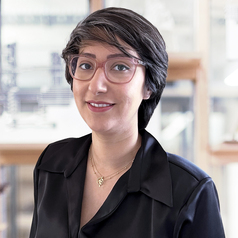
Anahita Sal Moslehian is a Postdoctoral Research Fellow with the HOME Strategic Research & Innovation Centre at Deakin University's School of Architecture & Built Environment. With a PhD in Architecture from Deakin University (2022), her work focuses on the intersection of architectural design and human wellbeing, specializing in evidence-based approaches to creating health-promoting environments. Her educational background includes: PhD in Architecture, Deakin University (2022) Dr. Moslehian's research spans healthcare architecture, particularly hospital design evolution and innovation, while also exploring social and affordable housing, family-friendly apartment design, and biophilic design principles. She employs mixed methods approaches, including grounded theory, to understand how the built environment affects human health, behavior, and social outcomes across diverse populations and contexts. Her work often examines the socio-political dimensions that shape architectural design and its real-world impacts. Analysis of her publication record reveals strong thematic consistency with recurring emphasis on health-promoting environments, design innovation in healthcare facilities, and innovative housing solutions for vulnerable populations. Her research combines architectural theory with practical applications, particularly in the Australian context, demonstrating how spatial design affects specific activities (like cooking and dining) and how innovative housing models can address homelessness through well-designed transitional solutions. Dr. Moslehian is an EDAC-certified researcher (Evidence-Based Design Accreditation and Certification), reflecting her commitment to rigorous, evidence-based approaches in architectural design. Her collaborative projects with the Biophilia Lab on mental health facilities and community housing providers on transitional housing models demonstrate her dedication to practical, impactful research that addresses pressing social issues through thoughtful architectural design. Her current work with the HOME Research Centre includes evaluating compact modular units for homeless men and applying biophilic design frameworks in mental health facilities, representing a careful integration of housing-first and treatment-first approaches to create supportive transitional environments that promote independence, safety, and community connectedness.
Dr. Andrea Bauer is an Associate Professor of Orthopedic Surgery at Harvard Medical School and an Orthopedic Surgeon at Boston Children's Hospital, where she serves as Director of the Brachial Plexus Program and Director of Faculty Development. She also serves as Co-School Physician at Berklee. Dr. Bauer is a specialist in pediatric hand, upper extremity, and peripheral nerve surgery, with a particular focus on brachial plexus birth injury, congenital hand differences, and peripheral nerve injuries. Dr. Bauer completed her undergraduate education at Princeton University (2001), medical school at Columbia University College of Physicians and Surgeons (2005), orthopedic surgery residency at Harvard Combined Orthopedic Residency Program (2010), hand surgery fellowship at Massachusetts General Hospital (2011), and pediatric hand surgery fellowship at Shriners Hospital for Children in Sacramento, CA (2011). Dr. Bauer's research primarily focuses on improving outcomes for children with brachial plexus birth injuries through early diagnosis and intervention. She has extensive expertise in congenital hand differences and peripheral nerve injuries in children. Her work bridges clinical practice and research to advance pediatric orthopedic care, particularly in complex nerve injuries and congenital conditions. She has been instrumental in developing protocols for diagnosing and treating brachial plexus injuries in infants, with an emphasis on improving functional outcomes. Analysis of Dr. Bauer's recent publications reveals a strong focus on brachial plexus birth injuries, congenital hand differences, and pediatric orthopedic conditions. Her work spans diagnostic techniques (particularly MRI), surgical interventions, and outcomes research. She has made significant contributions to understanding the relationship between perinatal factors and injury severity, developing return-to-play protocols for young athletes, and improving diagnostic accuracy for nerve injuries. Her research often involves multi-center collaborations and registry-based studies, reflecting her commitment to evidence-based practice in pediatric orthopedics. Dr. Bauer received the competitive Ruth Jackson Orthopaedic Society Traveling Fellowship in 2014, which she used to visit three centers specializing in brachial plexus birth injury treatment. This fellowship allowed her to bring innovative techniques and approaches back to Boston Children's Hospital, continuing the institution's legacy of advancing care for children with brachial plexus injuries. As Director of the Brachial Plexus Program at Boston Children's Hospital, Dr. Bauer oversees a comprehensive program dedicated to the care of children with brachial plexus injuries. The program includes multidisciplinary teams of surgeons, therapists, and researchers working together to provide optimal care from diagnosis through rehabilitation. Dr. Bauer also serves as Director of Faculty Development, playing a key role in mentoring junior faculty and shaping the educational mission of the department. Her clinical work spans multiple locations including Boston, Lexington, and Waltham, ensuring broad access to specialized pediatric orthopedic care.
Glenn Daehn is the Mars G. Fontana Professor of Metallurgical Engineering at The Ohio State University , where he has served as faculty since 1988. His work bridges materials science , advanced manufacturing , and STEM education , with leadership roles in initiatives like the Ohio Manufacturing Institute and NSF's HAMMER Center. Ph.D. & M.S., Materials Science & Engineering, Stanford University B.S., Materials Science & Engineering (departmental honors), Northwestern University Professor Daehn specializes in impulse-based manufacturing , focusing on plastic deformation , impact welding , and solid-state joining of dissimilar materials. His research drives innovations in lightweight materials, aerospace manufacturing, and biomedical device fabrication. His publications reveal a strong emphasis on dynamic material processing , robotic manufacturing , and sustainable materials systems . Recent work explores orbital cold welding and AI-enhanced surgical plate bending systems. ASM Marcus A. Grossman Young Author Award (1990) Army Research Office Young Investigator Award (1992) 2022 ASM Gold Medal Award Ranked top 2% of scientists worldwide (2021) Daehn has received multiple Lumley Research Awards and led groundbreaking projects including Metamorphic Manufacturing and Hybrid Autonomous Manufacturing . He maintains active collaborations with industry through initiatives like the Center for Design and Manufacturing Excellence .
Wendy P. Robinson is a Professor in the Department of Medical Genetics at the University of British Columbia Faculty of Medicine , and a Senior Scientist at the BC Children’s Hospital Research Institute . She holds the CIHR Sex and Gender Science Chair . Research Interests: Genetics and epigenetics of early human development, placental function in pregnancy complications (fetal growth restriction, preterm birth), DNA methylation, non-coding RNA, sex differences, and polymorphisms. Her lab employs genomic and bioinformatic tools to study placental health and its impact on newborn outcomes. Recent Publications (2025-2024) focus on X-chromosome inactivation patterns in placenta, cell-type specific DNA methylation, maternal socioeconomic effects on placental epigenetics, and modeling placental development with organoids. Key themes include sex-specific epigenetic regulation , maternal-fetal interactions , and human placental methylome . Awards: UBC Faculty of Medicine Distinguished Achievement Award (2018), with trainees receiving the James Miller Memorial Prize and Mary-Jane Carroll Trainee Award. Students & Collaborations: Supervised PhD/MSc students include Li Qing Wang, Icíar Fernández Boyano, Giulia Del Gobbo, Victor Yuan, and Magda Price. Collaborators span the Alex Beristain Lab and University of Toronto institutions. Laboratory Activities: Regular team-building events like mountain hikes, climbing outings, and kayaking trips, alongside providing open access to epigenetic tools (e.g., Bisearch, SeqDoc) for the research community.