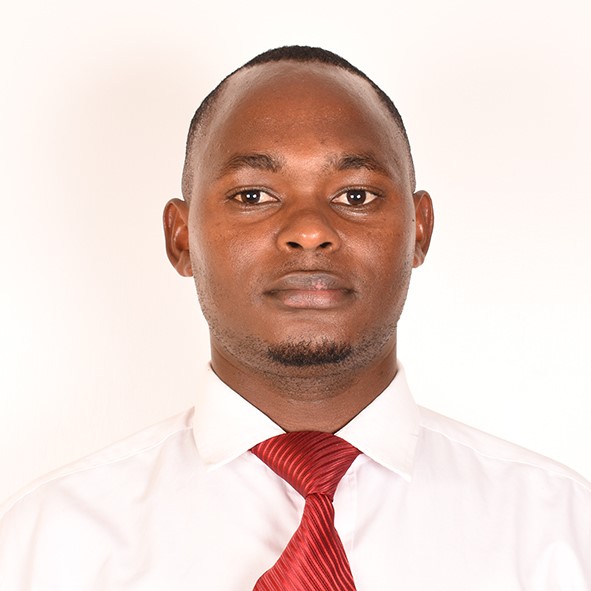
Lucas Van MildersView profile
Researcher
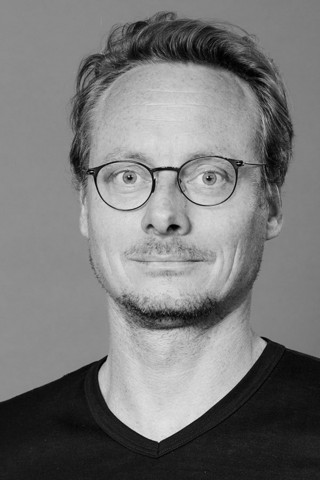
Dr. Lucas Van Milders is a Researcher at the Center for International Relations Research (CIRR) within the Faculty of Arts at the University of Groningen. His academic profile spans critical international relations theory, decolonial philosophy, and political anthropology. He actively contributes to the Centre for Global Knowledge Studies (gloknos), a joint initiative between the University of Cambridge and University of Groningen. Van Milders' research focuses on the intersection of decolonial philosophy, critical hermeneutics, and politics of knowledge production. His work critically examines how colonial legacies persist in contemporary international relations, academic institutions, and knowledge systems. He explores radical ecological perspectives and somatic social theory to challenge Eurocentric frameworks and develop alternative epistemologies that center marginalized voices and experiences. His publication record reveals a consistent trajectory examining epistemic violence in international relations, particularly through the lens of decolonial theory. Recent works like 'Stupid International Relations' (2024) and 'White Hallucinations' (2022) demonstrate his focus on how whiteness structures knowledge production. Earlier works on 'Precarity/Coloniality' (2021) and 'Violent International Relations' (2020) establish his foundational critique of disciplinary practices in international relations. Van Milders supervises PhD students and teaches courses including International Politics (BA), Theory of International Relations (BA), and 'Exploring the Unknown: Ecology, Epistemology, Embodiment' (MA). His sole documented student is Chris Vloedbeld, whose thesis examines Dutch counterterrorism responses. He actively welcomes new PhD proposals in his areas of expertise, indicating ongoing supervision activities. His research is organized through the Center for International Relations Research and contributes to global knowledge networks via the Centre for Global Knowledge Studies. This institutional framework supports his interdisciplinary work that bridges political theory, postcolonial studies, and critical security studies.