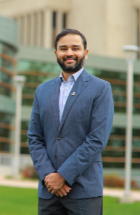
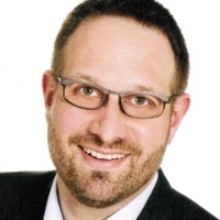
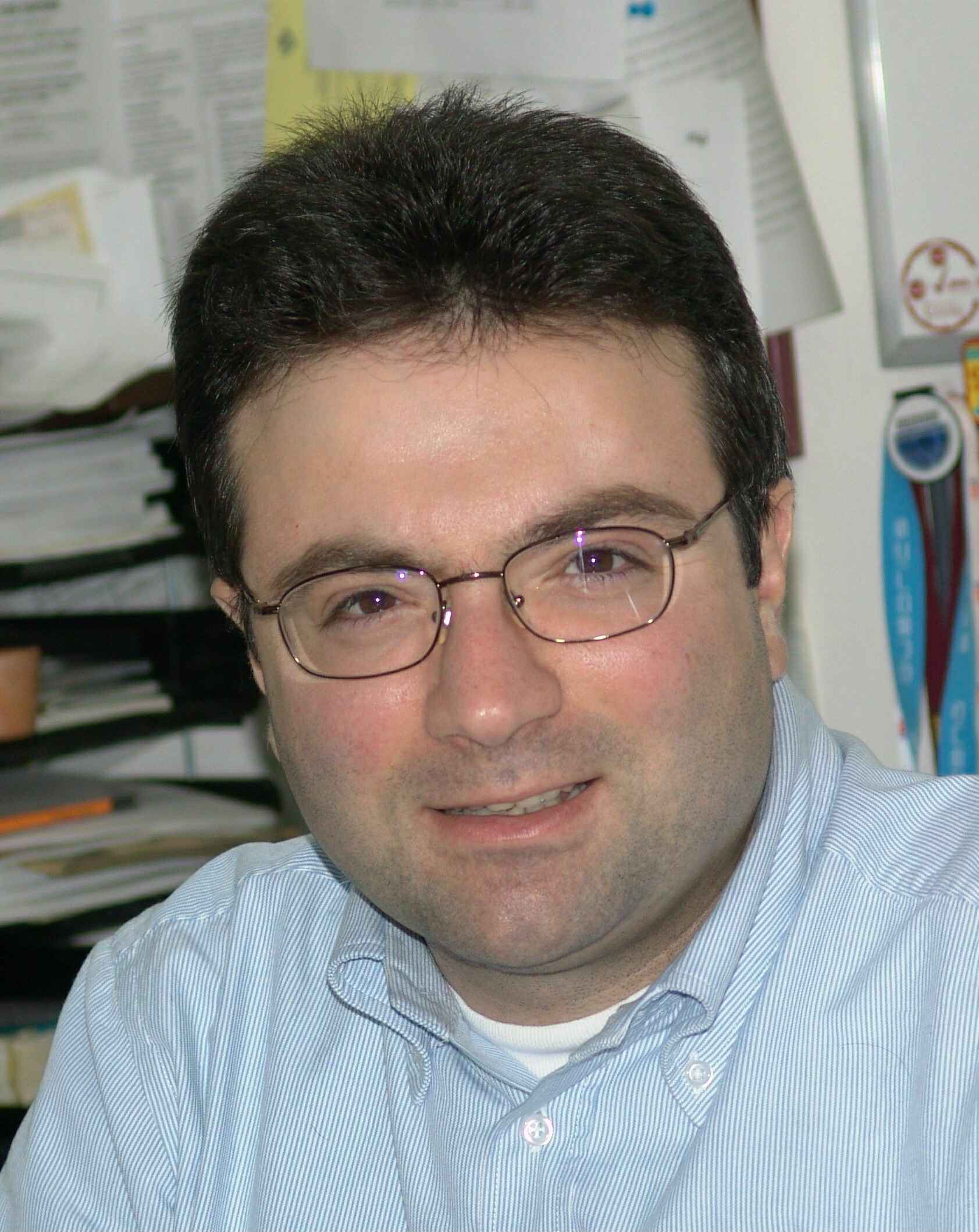
Robin Carpentier is a Research Fellow at the School of Computing, Macquarie University . His work focuses on Data Privacy , Information Management , and Hardware Security , particularly in developing secure personal data management systems using Trusted Execution Environments (TEE) and SGX technology. Research Interests : Secure data processing with third-party code Privacy-preserving computation frameworks Hardware-based security for databases Dimensionality challenges in text privacy Resource-constrained privacy-preserving methods Recent Publications Trends : Robin's research over the past decade has explored data leakage mitigation, TEE-optimized database operations, and privacy-preserving mechanisms for large-scale data applications. His 2024 work extends these principles to secure AI/LLM interactions and advanced text privacy techniques.
Jeremy M G Taylor is the Pharmacia Research Professor of Biostatistics and holds professorships in the Department of Radiation Oncology in the School of Medicine and the Department of Computational Medicine and Bioinformatics at the University of Michigan. He serves as the Associate Director for Biostatistics at the Comprehensive Cancer Center and directs both the University of Michigan Cancer Center Biostatistics Unit and the Cancer/Biostatistics training program. His educational background includes: B.A. in Honours Mathematics from Cambridge University (1978) Dip. Stat. in Statistics from Cambridge University (1979) PhD in Statistics from University of California, Berkeley (1983) Professor Taylor's research focuses on the theory and application of statistics to biomedical problems, with an emphasis on data-driven, robust, and flexible statistical methods that incorporate scientific knowledge from specific research domains. His theoretical interests span Box-Cox power transformations, robust methods, causal inference, nonparametrics, and smoothing techniques. His applied work centers on cancer and AIDS research, particularly in radiation oncology, where he has developed methods involving mixture models, stochastic processes, multistate models, and multiple imputation. His extensive publication record demonstrates a continued focus on survival analysis, longitudinal data modeling, biomarker evaluation, and clinical trial design. Recent work explores time-varying effects, joint modeling approaches, multiple imputation techniques, and the integration of external information into statistical models, with applications across various cancer types including prostate, head and neck, and liver cancers. Awarded the Mortimer Spiegelman Award from the American Public Health Association, the Michael Fry Award from the Radiation Research Society, and the Jerome Sacks Award from the National Institute of Statistical Sciences, Professor Taylor has established himself as a leading biostatistician in cancer research methodology. With over 35 years of academic experience (UCLA 1983-1998, University of Michigan 1998-present), Professor Taylor has maintained an active research program while mentoring numerous students and collaborating extensively with clinical researchers. His work bridges sophisticated statistical methodology with practical applications in cancer treatment and outcomes research. As director of the Cancer Center Biostatistics Unit and the Cancer/Biostatistics training program, he leads a significant research team focused on advancing statistical methods for cancer research and training the next generation of biostatisticians.
Dr. Varun Vaidya is a Professor and the Director of B.S.P.S. Pharmacy Administration Program and M.S.P.S. Health Outcomes and Socioeconomic Sciences program in the Department of Pharmacy Practice at the University of Toledo College of Pharmacy and Pharmaceutical Sciences. He serves as the faculty advisor to the UT-ISPOR chapter and holds significant roles in national organizations including the Pharmacy Quality Alliance (PQA) Data & Interoperability Advisory Group (DIAG), ISPOR, APhA, and AACP. Dr. Vaidya's educational background includes: Ph.D. in Pharmacoeconomics from University of Tennessee, Memphis (2009) B.Pharm. from Bharati Vidyapeeth, India (2002) Certification in Measurement, Design and Analysis Methods for Health Outcomes Research from Harvard School of Public Health (2010) His research program centers on quantitative assessment of health outcomes related to medication use, with particular expertise in real-world evidence (RWE) studies that inform value-based decision making and outcomes-driven healthcare delivery. Dr. Vaidya has extensive experience with claims databases including Optum, GE, MarketScan, Truven, and Clinical Practice Research Datalink (CPRD) U.K., as well as U.S. national databases such as Medical Expenditure Panel Survey (MEPS), Behavioral Risk Factor Surveillance Survey (BRFSS), and National Health and Nutrition Examination Survey (NHANES). His publication record demonstrates a strong focus on pharmacoeconomics across multiple therapeutic areas including oncology (particularly lung cancer and myelofibrosis), diabetes management, mental health, opioid use disorder, and medication adherence patterns. His work frequently examines medication utilization patterns, healthcare costs, treatment effectiveness, and the impact of social determinants on health outcomes. Dr. Vaidya actively contributes to the academic and professional community through his role as program director, faculty advisor, and national organization participation. He is frequently invited to speak at national and international venues and provides expertise to media outlets on prescription drug pricing and pharmaceutical policy issues, having featured in news segments and authored Op-Ed articles on these topics.
Dr. Viet-Huong Nguyen serves as an Associate Professor in Pharmacy Practice at Chapman University's School of Pharmacy, located at the Rinker Health Science Campus. Her expertise spans epilepsy, stroke, genetics, neuropharmacology, and epidemiology, with a focus on clinical and translational research. Her educational background includes: Bachelor of Arts in Biology and Classics with emphasis in Literature and Mythology from University of Southern California (2001) Master of Science in Cell and Neurobiology from University of Southern California (2003) Doctor of Pharmacy from University of California, San Francisco (2007) Master of Public Health in Epidemiology from University of California, Los Angeles (2014) Dr. Nguyen's research primarily focuses on epilepsy and stroke, with particular interest in the pharmacogenetics of drug response and resistance in epilepsy. She is an active member of GENESS, an international consortium dedicated to identifying genes causing genetic epilepsies including Juvenile Myoclonic Epilepsy, Childhood Absence Epilepsy, and Lafora Epilepsy to develop curative therapies. Her work bridges basic neuroscience with clinical applications, investigating molecular signaling pathways of the central nervous system and their implications for pharmacotherapy. She has contributed significantly to stroke outcomes/health services research, examining risk factor management and treatment protocols across multiple healthcare settings. Her extensive publication record demonstrates a consistent focus on neuropharmacology, with particular emphasis on epilepsy management and stroke care. The publications span clinical guidelines, pharmacogenetic research, and innovative approaches to treatment. Her work shows progression from basic pharmacokinetic studies to complex clinical applications and health services research, with increasing focus on genetic factors influencing drug response. The publications reveal a strong collaborative approach, frequently working with international research teams across multiple institutions. Her notable recognition includes: Fellowship grant from the American Foundation of Pharmaceutical Education (AFPE) to study drug transporters and pharmacogenetics in drug resistant epilepsy Dr. Nguyen has mentored and precepted over 80 students and residents from VAGLAHS, USC, UCSF, UOP, and Western University Schools of Pharmacy. She previously served as an Adjunct Assistant Professor of Pharmacy Practice at USC School of Pharmacy for 8 years, contributing to curriculum development for epilepsy and stroke education. Her clinical work has included developing the Anti-Epileptic Drug Response Phenotype Database and establishing pharmacist-managed Epilepsy and Stroke Prevention clinics with expanded scope of practice. She was instrumental in developing the PGY2 specialty pharmacy practice residency in Neurology at VA Greater Los Angeles Healthcare System (VAGLAHS), the first neurology pharmacy residency eligible for ASHP accreditation. Her clinical practice has centered around the VAGLAHS Epilepsy Center of Excellence and Stroke Program, where she implemented innovative pharmacy services that have improved patient outcomes through specialized pharmacotherapy management.
Habibe Aktay serves as a full-time Lecturer in the Department of Business Information Technologies within the Faculty of Economics, Administrative and Social Sciences at Işık University. Her academic profile bridges technological systems and human behavioral factors in organizational contexts, with teaching responsibilities spanning database systems, web programming, and customer relationship management courses delivered in both Turkish and English. Her educational trajectory demonstrates remarkable interdisciplinary breadth: PhD Candidate in Business Administration, Yıldız Technical University (2019-present) Master's in Business Administration (with thesis), Yıldız Technical University (2016-2019) Concurrent undergraduate studies in Arabic Language and Literature, Istanbul University (2022-present) Bachelor's in New Media and Journalism, Istanbul Yeni Yüzyıl University (2015-2017, full scholarship) Bachelor's in Sociology, Anadolu University (2015-2019, open education) Bachelor's in Management Information Systems, European University of Lefke (2007-2012, full scholarship, English-medium) Her research program centers on the confluence of organizational psychology and digital transformation, particularly examining how psychological constructs like intolerance of uncertainty and emotional intelligence influence decision-making in technology-driven business environments. This manifests in her dual focus on financial sector digitalization and cognitive aspects of Industry 4.0 adaptation. Publication analysis (2019-2024) reveals three dominant thematic clusters: bibliometric investigations of psychological constructs, digital transformation applications in finance, and decision-making dynamics under uncertainty. Her work consistently applies psychological frameworks to contemporary business challenges, with increasing emphasis on Industry 4.0 contexts since 2022. Course listings confirm her active role in delivering core information systems curriculum, including Database Systems, Web Design, and Advanced Java programming across multiple academic years and language mediums.
Anastasios Zafeiropoulos serves as Assistant Professor at Harokopio University of Athens, specializing in Spatial Data Management and Analysis within the Postgraduate Studies Program for “Applied Geography and Spatial Management” (Direction C: Geoinformatics). His academic role encompasses teaching “Spatial Databases” and advancing research at the intersection of geospatial technologies and distributed computing systems. His research program focuses on Spatial Databases, Internet of Things (IoT), Cloud/Edge Computing, and 6G Network Orchestration, with significant extensions into Knowledge Graph applications for Sustainable Development Goals (SDGs) and socio-emotional learning in education. Key innovations include the EduCardia methodology for student competency assessment and frameworks for climate vulnerability analysis using knowledge graphs. Analysis of his 2024-2025 publications reveals three dominant thrusts: (1) AI-driven orchestration of 6G services across the computing continuum using reinforcement learning; (2) Knowledge Graph applications for SDG interlinkage analysis and materials science; (3) EU-funded IoT/Edge Computing project ecosystems. His work consistently bridges theoretical networking concepts with practical sustainability and educational applications. Dr. Zafeiropoulos actively contributes to EU-funded initiatives in IoT and Edge Computing standardization, particularly through AIOTI WG Standardisation. His project portfolio includes NEPHELE multi-cloud ecosystem development and O-RAN slice admission control research, demonstrating strong industry-academia collaboration in next-generation networking. He leads the development of innovative tools including Palindrome.js for distributed system visualization and the EmoSocio open-access emotional intelligence model, reflecting his commitment to translating research into practical educational and environmental solutions.
Holger Schwarz is an Associate Professor (Apl. Professor) at the Institute for Parallel and Distributed Systems (IPVS) within the Faculty of Computer Science, Electrical Engineering and Information Technology at the University of Stuttgart. He serves as Head of the Infrastructure Department and is actively involved in research and teaching in the areas of data management, database systems, and data analytics. Professor Schwarz earned his doctorate (Dr. rer. nat.) from the University of Stuttgart in 2003 with a dissertation on "Integration of Data Mining and Online Analytical Processing." He later completed his habilitation (Dr. rer. nat. habil.), qualifying him as a university professor in Germany. His primary research interests focus on data management systems , particularly in the domains of data lakes, lakehouses, enterprise data platforms, and metadata management. Professor Schwarz investigates how to design efficient and scalable data architectures that support modern analytical workloads while addressing challenges in data integration, governance, and democratization. His work bridges theoretical database concepts with practical industrial applications, as evidenced by numerous collaborations with industry partners. Professor Schwarz's recent publications demonstrate a clear trend toward enterprise data management solutions, particularly focusing on data lakehouse architectures, enterprise data marketplaces, and advanced clustering techniques. His research shows a consistent pattern of addressing real-world data management challenges through innovative architectural patterns and algorithmic improvements, with strong emphasis on practical industrial implementation. Professor Schwarz supervises numerous research projects including MetaMan (metadata management in complex data landscapes), DLArchitecture (design of comprehensive data lake architecture), INTERACT (interactive rapid analytic concepts), and VALID-Partition (improving prediction quality using domain knowledge). He also coordinates the University of Stuttgart's projects within the Software Campus initiative and serves as Managing Director of the Technology Partnership Lab and as a Member of the Board of Directors of the Industrial Data Lab. His teaching portfolio includes courses on Advanced Information Management, Database Systems, and Data Science projects across multiple semesters, demonstrating his commitment to educating the next generation of data management professionals.
Dong Xie is an Assistant Professor in the field of Computer Science and Engineering , with a focus on database systems and privacy-preserving computation. His work spans indexing techniques, oblivious RAM, and high-throughput data processing. Key Research Areas: Encrypted databases, access pattern privacy, dynamic data structures, spatial analytics. Collaborations: Active in database optimization and security, with external partnerships reflected in recent publications. Over the past decade, Dong Xie has contributed to advancements in oblivious query processing , index dynamization , and spatial data management . His research addresses challenges in secure data access , concurrent updates , and storage efficiency , particularly for cloud and distributed environments. Recent publications highlight his work on low-latency transaction scheduling (2025), dynamic sampling indexes (2023), and SSD-based storage optimization (2022). His articles explore intersections of privacy , performance , and scalability .
Dr. Srinivasan Beddhu serves as a Professor and Dialysis Research Foundation Presidential Endowed Chair in the Department of Internal Medicine at the University of Utah School of Medicine. He also holds an adjunct professorship in Population Health Sciences and serves as the Clinical Research Medical Director in the Department of Internal Medicine. Dr. Beddhu is Scientific Director of the Cardio-Renal & Metabolism Center (CRMC) alongside Dr. Stavros Drakos, demonstrating his leadership in interdisciplinary research. Dr. Beddhu's research focuses on cardiovascular disease, nutritional status, and lifestyle factors in chronic kidney disease (CKD) and dialysis patients. His work encompasses studies of large national databases using advanced statistical techniques and investigator-initiated randomized controlled trials. His research program investigates blood pressure control, diabetes management, nutritional interventions, and physical activity in kidney disease populations, with particular emphasis on how these factors influence cardiovascular outcomes and mortality. Analysis of Dr. Beddhu's recent publications reveals a strong focus on diabetes management in kidney disease, SGLT2 inhibitors, blood pressure control strategies, and innovative interventions targeting sedentary behavior. His work frequently appears in high-impact journals including the New England Journal of Medicine, Journal of the American Society of Nephrology, and Diabetes Care, demonstrating both clinical relevance and methodological rigor. Dialysis Research Foundation Presidential Endowed Chair Dr. Beddhu has received substantial research funding exceeding $10 million from NIH, VA, and industry sources. He has mentored numerous junior faculty, post-docs, fellows, residents, graduate students, and medical students, with several mentees developing into independent, funded investigators. His leadership extends to major clinical trials including the NHLBI-funded Systolic Blood Pressure Intervention Trial (SPRINT), where he served as Co-Director of the Utah Clinical Center Network for 9 years. Dr. Beddhu leads a robust research team conducting studies on cardiovascular outcomes in kidney disease patients. His lab focuses on analyzing large national databases and conducting randomized controlled trials to address critical questions in nephrology and hypertension management. The team's work bridges clinical practice and research, with findings directly impacting treatment guidelines for patients with chronic kidney disease.
Nectarios Koziris is a Professor at the Department of Computer Science , National Technical University of Athens (NTUA) , and former Dean of the School of Electrical and Computer Engineering . His research focuses on Parallel and Distributed Systems , Computer Architecture , and Cloud Computing . Key Research Themes: Compiler-OS-Architecture Interaction, Datacenter Hyperconvergence, Sparse Matrix Optimization, Quantum Computing, FPGA Virtualization Leadership: Founder of ~okeanos (Europe's largest public Cloud IaaS), Co-founder of GFOSS , Member of IEEE Computer Society Greece, Advisor to Arrikto Inc. His work has led to over 180 publications with 5800+ citations (h-index 33) , including two Best Paper Awards (IPDPS 2001, CCGRID 2013) and Intel Recognition (2015). He has supervised 12 PhD students and participated in 15+ EU projects as coordinator or consortium partner. Scientific Leadership: Program Co-Chair for Europar 2012 , Organizer for IPDPS , ICPP , SC conferences, and active member in Cloud Computing Expert Groups for the European Commission.
Chiara Cortinovis is a Researcher at the Department of Civil, Environmental and Mechanical Engineering, University of Trento. Her work focuses on urban planning, ecosystem services, and climate adaptation, integrating Geographic Information Systems (GIS) and Strategic Environmental Assessment (SEA) into sustainable development frameworks. Current research emphasizes nature-based solutions, urban green infrastructure, and spatial databases for territorial planning. Recent publications analyze ecosystem service hotspots, geodesign methodologies, and policy instruments for sustainable peri-urban landscapes. Teaches Introduction to Urban Planning and Ecological Land Planning Specializes in GIS applications, environmental sustainability, and urban-climate resilience
Professor Boris Konev is a faculty member at the University of Liverpool, affiliated with the School of Electrical Engineering, Electronics and Computer Science. He holds the academic rank of Professor in Computer Science. Description Logics Ontologies Automated Reasoning Temporal Logic Formal Verification Encrypted Database Applications His recent research focuses on temporal queries mediated by ontologies, knowledge evaluation agents using large language models, and semantic modularity in description logics. Key sub-fields include LLM applications, encrypted databases, and formal verification techniques. He has contributed to software development projects and industry partnerships, including design of equine simulators and online services with Racewood Limited. Current teaching includes the Foundations of Computer Science module (COMP109). Professional roles include guest editorships for AI Communications and program committee membership for the European Conference on Logics for Artificial Intelligence (JELIA).
Maurice van Keulen is an Associate Professor affiliated with the University of Twente's research institutes including Datamanagement & Biometrics, Digital Society Institute, and TechMed Centre. His multidisciplinary work bridges computer science, healthcare, and social systems. Research Focus: Van Keulen specializes in artificial intelligence applications with emphasis on: Data management (quality, integration, probabilistic databases) Explainable AI and interpretable machine learning models Healthcare informatics (cancer prediction, medical imaging, outcome analysis) Natural language processing and social media analytics His recent work explores dynamic sparse training, meta-learning for data imputation, and ethical AI frameworks. Publication Trends: Recent articles (2023-2025) show strong focus on: Interpretable AI methods in healthcare diagnostics Robust machine learning under data corruption Meta-learning approaches for data preprocessing 3D medical imaging and reconstruction techniques Awards: Beste paper award (2018) for work on probabilistic data conditioning Supervision & Activities: Has supervised 14 research projects and serves on executive boards including EDBT (Extending DataBase Technology) and IFIP WG 2.6. Leads research on ethical dimensions of AI systems.
Alvin Cheung is an Associate Professor in the Computer Science Division at UC Berkeley's EECS department. He is affiliated with the Data Systems and Foundations group, Programming Systems group, Sky Lab, and SLICE Lab, and serves as a faculty affiliate at the Berkeley Institute for Data Science. He advises the Data Science Discovery Program and provides technical guidance to industry partners. His research spans data management, programming languages, and scalable software systems, with emphasis on helping users process large datasets efficiently. Key innovations include verified lifting (applying formal methods and ML to infer program properties) and systems for optimizing database-backed applications and geospatial analytics. Recent work explores LLM-driven code optimization and transpilation techniques. His publications (2023-2025) show strong trends in ML-enhanced systems, verified compilation, and data management tools. Articles frequently integrate formal methods, program synthesis, and hardware-aware optimizations across domains like databases, distributed computing, and HCI. Scientific Awards: ACSIC Rock Star Award (2025) Dahl-Nygaard Junior Prize (2024) VLDB Early Career Research Contribution Award (2023) IEEE TCDE Rising Star Award (2020) Sloan Fellowship (2019) NSF CAREER Award (2017) 20+ additional honors Advising & Grants: He mentors PhD/MS students (e.g., Lily Liu at OpenAI, Chenglong Wang at Microsoft Research). Research is funded by: NSF DOE ONR ARO Intel Notable grants include ONR Young Investigator Award and ARO Early Career Program Award. Labs & Teams: Leads projects in Berkeley's Data Systems/Programming Systems groups and collaborates with Sky Lab/SLICE Lab. Manages labs focused on verified compilation (e.g., Tenspiler) and data infrastructure (e.g., Spatialyze).
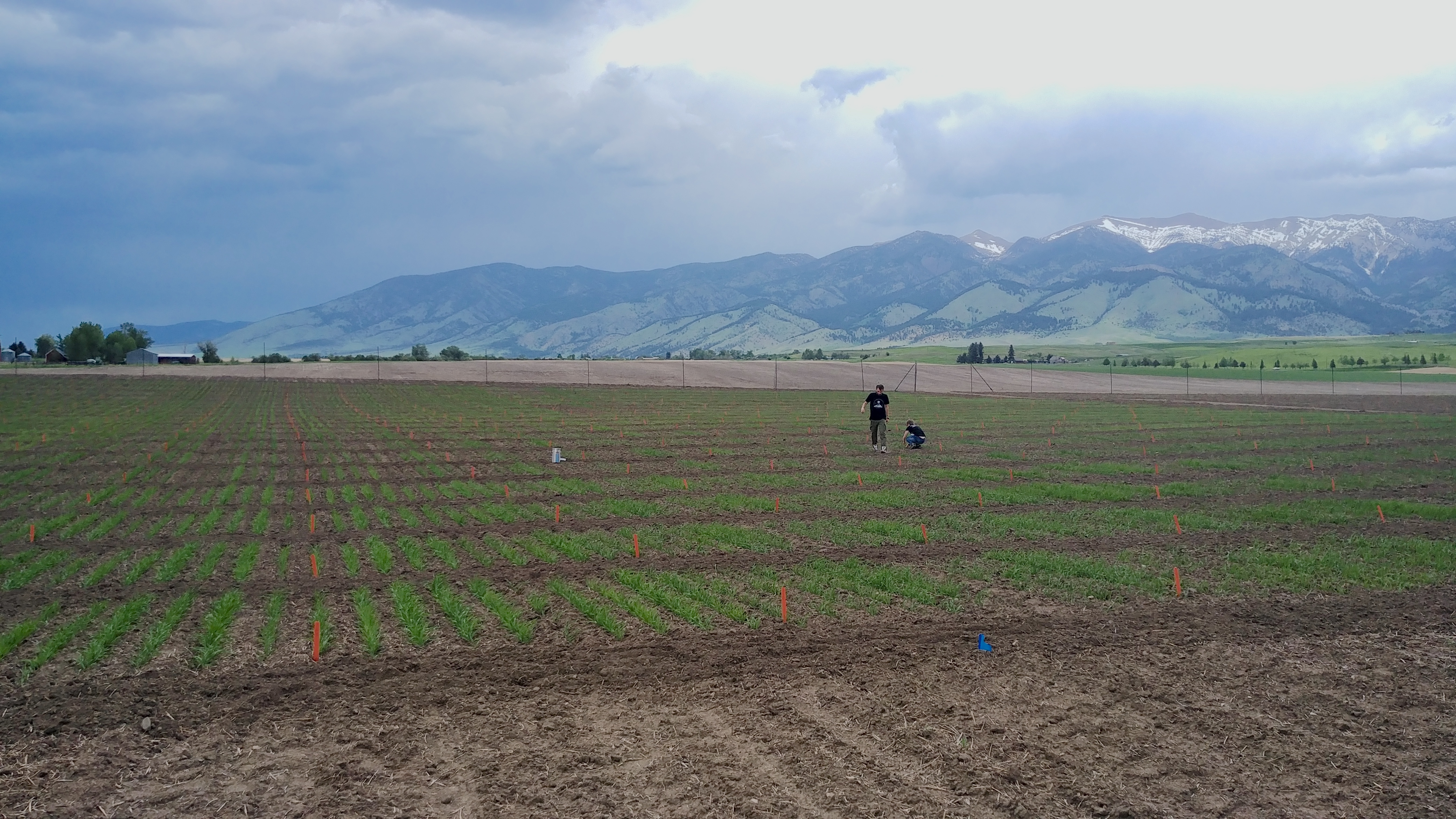
Jennifer Lachowiec serves as Associate Professor in the Department of Plant Sciences and Plant Pathology at Montana State University's College of Agriculture. Her research program focuses on understanding genetic robustness in plants through interdisciplinary approaches spanning quantitative genetics, genomics, and molecular biology. She teaches foundational courses in biometry and research design while leading a technology-driven laboratory that utilizes unoccupied aerial systems for large-scale phenotyping. Educational background: Ph.D. in Molecular and Cellular Biology, University of Washington (2014) B.S. in Genetics and Anthropology, University of Wisconsin - Madison (2008) Her research centers on predicting phenotypes from genetic sequences with emphasis on plant robustness—the capacity to maintain phenotypes despite genetic mutations and environmental fluctuations. The Lachowiec Lab integrates quantitative genetics, molecular biology, and evolutionary approaches to study gene regulatory networks and genetic interactions. A key innovation involves deploying UAVs and automated imaging systems to quantify robustness across plant populations, enabling high-throughput analysis of crop resiliency traits. This work bridges fundamental genetic mechanisms with practical agricultural applications for developing climate-resilient crops. Recent publications (2022-2025) reveal consistent focus on UAV-based phenotyping, polyploid genomics, and crop stress adaptation. Key trends include development of robust phenomic databases, genetic dissection of barley malting traits, herbicide resistance mechanisms in aquatic weeds, and metabolic responses to environmental stress. The work demonstrates strong translational impact through USDA-funded projects addressing nitrogen-efficient camelina production and heat stress tolerance in cereal crops. Scientific recognition includes: Nominated for USDA Teaching Award (2023) Phi Kappa Phi Anna K. Fridley Award (2023) College of Agriculture Teaching Award of Merit (2023) Transformative Teaching Award (2022) Open Education Resources Adoption Award (2021) Research is supported by multiple USDA NIFA and DOE grants including 'Enhancing Camelina Oilseed Production with Minimum Nitrogen Fertilization,' 'Uncovering developmental mechanisms to sustain grain number during heat stress,' and 'Genetic controls for crop microbiome recruitment.' Dr. Lachowiec serves on the North American Plant Phenotyping Network DEI Committee and has organized outreach events including MSU Family Science Day. Her laboratory, located in the Plant Bioscience Building on traditional Amskapii Pikani, Apsaalooke, Tsétsêhéstâhese, and Seliš lands, maintains specialized facilities for UAV-based phenotyping and growth room imaging systems to advance plant robustness research.