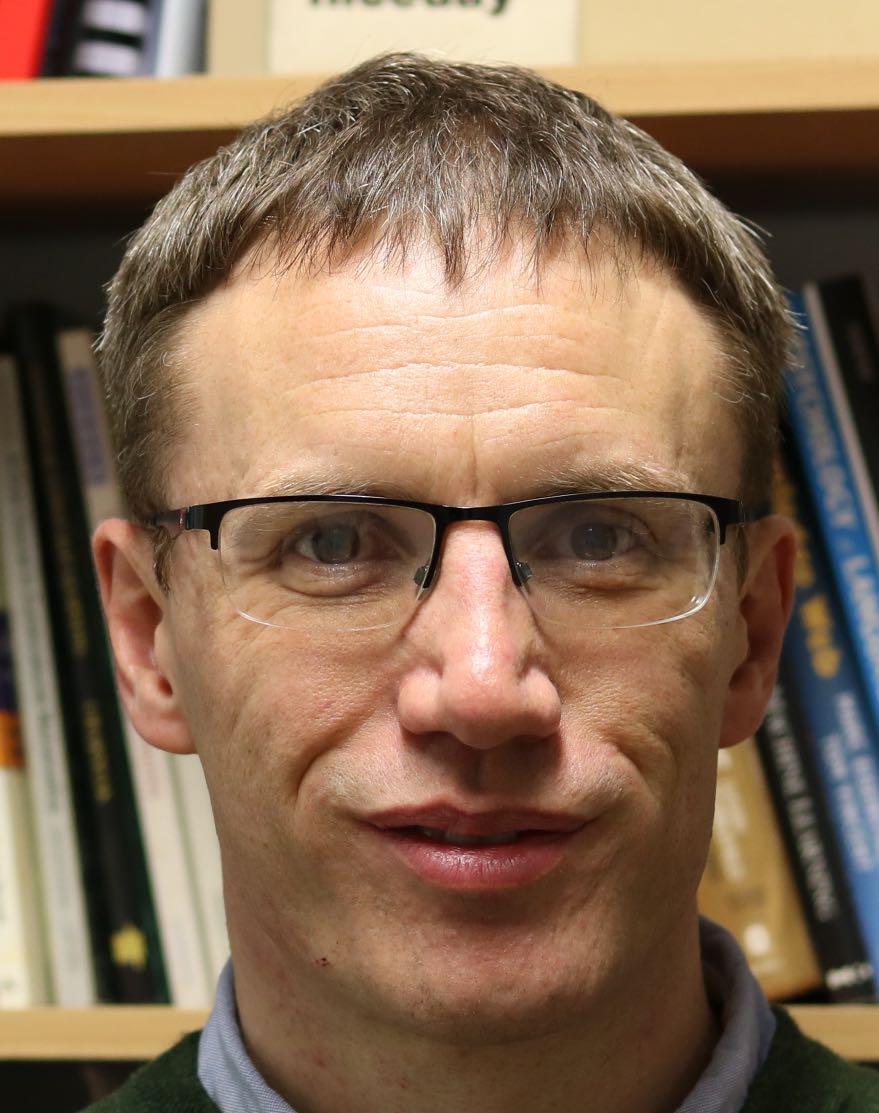
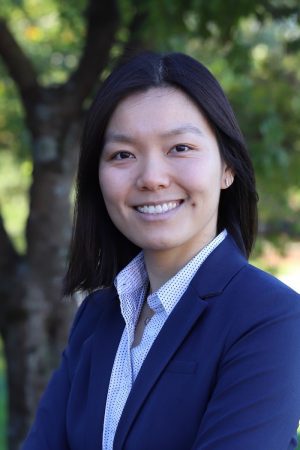
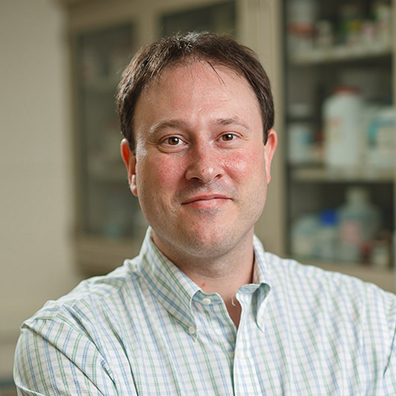
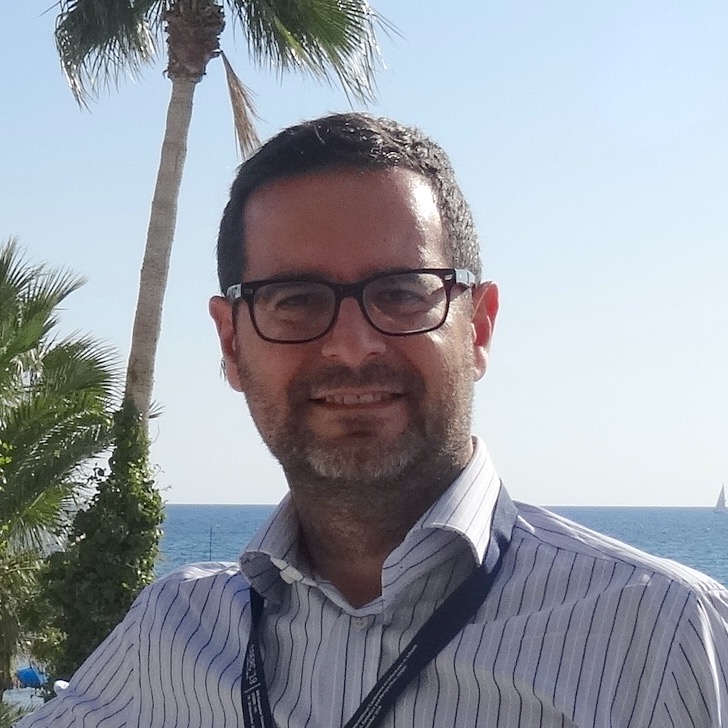
Jarno Alanko is a Postdoctoral Researcher at the University of Helsinki within the Department of Computer Science . Specializing in algorithmic bioinformatics and computational genomics, he is affiliated with the Genome-scale Algorithmics research group led by Professor Veli Mäkinen. Research Interests: Bioinformatics algorithms String processing Genomic data structures Graph-based sequence representation Metagenomic analysis Space-efficient computing Notable Research Contributions: His work focuses on optimizing k-mer-based analyses through novel data structures like Finimizers and Eulertigs, improving sequence alignment efficiency, and developing graph indexing methods beyond Wheeler graphs. Recent publications in IEEE/ACM Transactions on Computational Biology and Bioinformatics and Algorithmica highlight his contributions. External Collaborations: Alanko has collaborated with institutions such as the Max Planck Institute for Molecular Cell Biology and Genetics during his 2017 academic visit. Contact: jarno.alanko@helsinki.fi | ORCID: 0000-0002-8003-9225
Ashwin Rao is an Adjunct Professor and Docent in the Department of Computer Science at the University of Helsinki, serving as Supervisor for the Doctoral Programme in Computer Science and Research Coordinator. His work bridges theoretical research with practical implementations in next-generation networked systems. Research Interests: Networking Distributed Systems Mobile Computing Privacy Edge Computing Serverless Computing His research focuses on 5G/6G architectures, edge intelligence, and privacy-preserving mobile systems, with emphasis on real-world applicability and performance optimization in resource-constrained environments. Publication Trends: Analysis of his 15 most recent publications (2020-2024) reveals three dominant trajectories: (1) serverless/database co-design for cloud-native systems, (2) AI-driven network operations and traffic classification, and (3) privacy/security in mobile ecosystems. His work increasingly integrates machine learning with network protocols while addressing critical industry challenges in 6G and edge computing. Scientific Awards: No major scientific awards mentioned in source materials Advising and Grants: Supervised 16 Master's theses including AUTOPS (2025) and Open RAN pipeline analysis (2024) Project lead: 6G Data-driven Distributed Cloud System (Business Finland, 2023-2025) Key participant: NordForsk Tarkoma project (2024-2028) Organizing committee member for ACM Mobisys 2023 Research Ecosystem: Rao operates within Helsinki's networking research group, collaborating with S. Tarkoma and R. Morabito on 6G initiatives. His team focuses on practical implementations of programmable networks, edge intelligence, and privacy-preserving mobile systems through industry-academia partnerships.
Mark Stevenson is a Senior Lecturer in the School of Computer Science at the University of Sheffield, UK. He leads undergraduate programs and serves as a key member of the Natural Language Processing research group , focusing on knowledge extraction from text and user information access solutions. Research Interests : Natural Language Processing Information Retrieval Machine Learning Biomedical Text Disambiguation Lexical Semantics Exploratory Search Systems Scientific Awards : EPSRC Advanced Research Fellowship (2006-2011) Best Paper Award at CLEF 2004 Grants & Projects : He has secured significant funding including the EU FP7 PATHS project (£709,407), EPSRC grants for biomedical disambiguation (£239,920) and Lexical Adaptation (£30,000), and NIHR funding for public health research access systems.
Liyue Fan is an Assistant Professor in the Department of Computer Science at the University of North Carolina at Charlotte, affiliated with the Privacy Lab. Her research focuses on data privacy and spatio-temporal databases, with applications in computer vision, behavioral data, and health data analysis using differential privacy models. Ph.D., Emory University Her work emphasizes enabling secure data sharing to improve outcomes for underserved and underrepresented communities. She has been recognized as a Rising Star in EECS by MIT in 2015 and is actively engaged in theoretical and applied privacy-preserving methodologies. Labs and Teams: Privacy Lab Scientific Awards and Honors: Rising Star in EECS, MIT, 2015
Laure Gonnord is a Full Professor in Computer Science at Grenoble INP , affiliated with the Esisar Engineer School in Valence, France, since September 2021. She is a member of the CTSYS research team at the LCIS laboratory and an external member of the CASH team at the University of Lyon / CNRS / LIP / Inria. Her research focuses on compilation , static analysis , and applications to safety , security in high-performance and embedded systems . Fields of Interest : Compiler Design Static Analysis for Safety & Security Abstract Interpretation Embedded Systems High-Performance Programming Hardware Security Engineering Research Trends (from recent publications): Her work explores modular verification through monadic abstract interpreters, complexity bounds in term rewriting , and educational tools for theorem proving . Notable contributions include compiler hardening schemes for hardware security and memory layout optimizations for algebraic data types. Academic Leadership : Scientific Director of the Summer School EJCP (École Jeune Compilation et Programmation) Board Member of the French national research group GDR GPL Teaching Responsibilities at Grenoble INP include courses in architecture , compilation , programming languages , algorithms , and databases . She has also taught at University of Lyon, ENS Lyon, Polytech'Lille, and INSA.
Michael Soltys is an Adjunct Professor in the Department of Computing and Software at McMaster University. His work bridges theoretical computer science, algorithms, and practical applications in cybersecurity and education. Research interests include logic, circuit complexity, and pairwise comparisons. Publications span 2002–2021, with recent focus on cloud computing education, digital forensics, and graph theory. Active in academic service through editorial contributions (e.g., Foreword for Franco-Canadian workshop proceedings). His scholarly activity maps to subdisciplines such as Computer Systems Theory, Logic, Discrete Applied Mathematics, and Operations Research. Dr. Soltys' work on pairwise comparisons and clique covers provides foundational insights for decision systems and graph optimization. He has also contributed to cloud curriculum development and malware analysis frameworks. As an educator, he co-authored An Introduction to the Analysis of Algorithms (2018, 2012, 2009), a textbook exploring algorithmic foundations. Current affiliations include the McMaster Experts database, with collaborations across theoretical computer science and applied cybersecurity research.
Giles E. Duffield is an Associate Professor in the Department of Biological Sciences at the University of Notre Dame, College of Science. His research focuses on the molecular mechanisms of circadian rhythms in both mammals and mosquito vectors, with implications for human health, metabolic disorders, and vector-borne disease control. Research Interests: Dr. Duffield’s work investigates the molecular basis of circadian clocks, particularly the role of Inhibitor of DNA binding ( Id2 , Id4 ) genes in regulating the mammalian circadian system and metabolic homeostasis. His lab studies circadian control of metabolism, photic entrainment, and the genomic regulation of rhythmic gene expression in the malaria vector Anopheles gambiae . His interdisciplinary approach integrates molecular biology, genomics, behavioral analysis, and proteomics. Recent Research Trends: His recent publications highlight a strong focus on circadian regulation in disease vectors, including how artificial light alters mosquito biting behavior and how circadian clocks influence insecticide resistance. In mammalian systems, his work explores the intersection of circadian disruption with metabolic diseases such as obesity, diabetes, and alcoholic liver disease. His research also contributes to methodological advances in circadian genomics. Scientific Awards and Grants: Indiana CTSI Fall Core Pilot Grant (2011) Supported by NIGMS, American Heart Association, Indiana CTSI, Eck Institute for Global Health, and Center for Rare and Neglected Diseases Previously funded by Royal Society and Wellcome Trust Advising and Grants: Dr. Duffield has mentored numerous graduate and undergraduate students, many of whom have pursued advanced degrees in medicine and science. His lab has secured significant external funding, enabling cutting-edge research in circadian biology and vector control. Collaborations span institutions including Indiana University, Dartmouth, Oxford, and the University of Washington. Labs and Teams: The Duffield Lab at Notre Dame employs transgenic mouse models, real-time bioluminescence imaging, transcriptomics, and behavioral assays to study circadian function. The team includes postdoctoral researchers, graduate students, and undergraduates, and maintains active collaborations with experts in proteomics, metabolism, and vector biology.
Muhammad El-Hindi is a researcher at the Technical University of Darmstadt , focusing on database systems , blockchain technology , and secure data management . His work bridges theoretical innovation with practical applications in cloud computing, trusted execution environments, and decentralized systems.
Johan Andréas Rohdin is an Assistant Professor at the Department of Computer Graphics and Multimedia , Faculty of Information Technology , Brno University of Technology. His research focuses on Speaker Recognition , Biomedical Image Analysis , and Signal Processing , with applications in forensic speaker comparison and retinal disease diagnosis. University: Brno University of Technology Role: Assistant Professor Research Groups: Speech Data Mining Research Group, BUT Speech@FIT His work addresses speaker diarization , embedding extractor optimization , and automated retinal symmetry analysis using GANs. Recent publications emphasize self-supervised learning, anti-spoofing techniques, and forensic multimodal datasets. Key projects include contributions to NIST Speaker Recognition Evaluations and development of the ROXSD multimodal dataset. He actively collaborates with the Speech Data Mining Research Group and participates in doctoral examination commissions.
Professor Seokhee Hong is a distinguished academic at the School of Computer Science, The University of Sydney. With prestigious appointments including an ARC Future Fellowship (2013-2016) and Humboldt Fellowship (2013-2014), she has emerged as a leading researcher in graph drawing and visual analytics. Her research focuses on developing scalable algorithms for information visualization of massive complex networks, with applications spanning security analytics, computational biology, and software engineering. Key contributions include the creation of open-source visual analytics software GEOMI and foundational work in 2.5D graph visualization. 2013-2016: ARC Future Fellowship 2008-2012: ARC Research Fellowship 2013-2014: Humboldt Fellowship Recent publications demonstrate her ongoing innovation in graph drawing algorithms, network fairness, and computational geometry. She has served on editorial boards of key journals and as program chair for major conferences in her field. 2006: CORE Chris Wallace Award 2012: Eureka Prize Finalist Multiple Graph Drawing Competition wins Her work bridges theoretical algorithm development with practical applications, addressing challenges in biological network analysis, dynamic graph visualization, and cluster-preserving layouts. With over 140 publications and significant research funding, she continues to shape network visualization research.
Dr. Hisham AbouGrad is a Senior Lecturer in Computer Science and Digital Technologies at the University of East London, within the School of Architecture Computing and Engineering. With over 20 years of experience in IT industry and higher education, he has taught at multiple UK institutions including Falmouth University, Northumbria University, Roehampton University London, and University of Plymouth. Department of Computer Science and Digital Technologies School of Architecture Computing and Engineering University of East London Dr. AbouGrad holds a DProf (DBA) in Workflow Information Systems Performance from London South Bank University (2020), an MSc in Software Engineering from University of Bradford (2002), and an MBA in Management from University of Lincoln (2002). His research spans multiple domains including Business Process Management (BPM), Decision Support Systems (DSS), Workflow Systems Performance, Enterprise Content Management (ECM), Machine Learning, and Geographic Information Systems (GIS). His recent publications demonstrate a strong focus on applying AI and machine learning to solve real-world problems in finance, healthcare, agriculture, and transportation. His publication trends show a clear progression from foundational work on business process management and enterprise content systems toward cutting-edge applications of deep learning, blockchain, and computer vision in diverse domains. The breadth of his research covers financial technology, healthcare monitoring, agricultural optimization, transportation safety, and food security systems. Fellow of the Higher Education Academy (FHEA) Project Management Professional (PMP) in IT Professional member of the British Computer Society (BCS) since 2009 Member of the Central & North London Branches (CeNLB) Committee of BCS Dr. AbouGrad actively supervises doctoral research (ProfDoc, PhD), master's dissertations, and undergraduate degree projects. He has participated in doctoral research workshops and academic events to support university researchers. His teaching portfolio includes modules on Database Systems, Software Engineering, Information Systems, and Business Information Systems. He is a member of the Intelligent Systems Research Group and contributes to Research Enhanced Learning & Teaching initiatives at UEL.
David R. Matos is an Assistant Professor at the College of Engineering, University of Lisbon, and a researcher at the Distributed, Parallel and Secure Systems Group (DPSS) of INESC-ID. He is also a member of the BIG ERA Chair Team. His primary research interests include distributed systems, cybersecurity, and cloud computing, with a specific focus on intrusion recovery mechanisms for cloud environments and microservice architectures. Education: BSc in Informatics Engineering, University of Lisbon MSc in Informatics Engineering, University of Lisbon PhD in Computer Sciences and Engineering, Instituto Superior Técnico His research applies machine learning techniques to associate application requests with database statements, enabling identification and reversal of malicious operations. Key themes include decentralized storage, blockchain recovery, secure communication protocols, and pluggable intrusion recovery systems. David has contributed to projects such as PATI, SITAN, SafeCloud, SEAL, and the BIG ERA Chair. He developed the Rectify system for intrusion recovery in PaaS clouds, which is deployable alongside applications without software modifications.
Muhammad Ahtisham Aslam is an Associate Professor at the COMSATS Institute of Information Technology (CIIT) in Lahore, Pakistan. He completed his Ph.D. in Computer Science at the University of Leipzig in 2007 and holds an MS in Computer Science from Hamdard University , Pakistan (2002). Ph.D., Computer Science, University of Leipzig, Germany (2007) MS, Computer Science, Hamdard University, Pakistan (2002) His research interests focus on Ontology Mapping , Linked Open Data , Web 2.0 , and Integration Engineering . He has contributed to tools like the BPEL4WS 2 OWL-S Mapping Tool V1.1 and Intelligent Proxy Firewall Server , emphasizing semantic service composition and cybersecurity. His publications span topics from semantic web services to database synchronization, with key works at conferences like CSCWD 2011 and BPM 2006 . He has presented at venues including ISWC 2007 and ESWC 2006 , focusing on bridging business processes with semantic technologies. Scientific Awards : 13th All Pakistan Dr. Abdul Qadir Khan Research Laboratories Software Competition Award Partial Support Scholarship for Ph.D. studies abroad by Pakistan’s Higher Education Commission (HEC) He has taught courses such as Internet Applications (KAU, Saudi Arabia) and Component Software (CIIT, Pakistan), covering topics from Software Engineering to Semantic Web Services .
Jerry Lacmou Zeutouo is a Lecturer in the field of Networks and Data at Université de Picardie Jules Verne (UPJV), contributing to computer science research through advanced algorithm development and optimization. His work primarily focuses on parallel computing, dynamic programming, and computational biology. Academic Rank: Lecturer at UPJV Institution: Université de Picardie Jules Verne Research Interests: Dr. Zeutouo specializes in designing and optimizing parallel algorithms for dynamic programming and database security. His research spans: Coarse-Grained Multicomputer (CGM) architectures K-anonymity in distributed databases RNA folding and bioinformatics applications Longest Common Subsequence (LCS) constraints Publication Trends: His work emphasizes solving computational bottlenecks via parallelism, particularly in cloud environments, bioinformatics, and database security. Key themes include: Transformer-based models for cold start mitigation in FaaS Multicomputer algorithms for dynamic programming Four-splitting and Four-Russians techniques for optimization
Christos Tryfonopoulos is an Associate Professor and Head of the Department of Informatics & Telecommunications at the University of the Peloponnese, where he leads the Software and Database Systems (SoDa) Lab. His academic career spans prestigious institutions including the Max-Planck Institute for Informatics in Germany, where he led the P2P and Information Management research area from 2006-2009, and the Technical University of Crete, where he completed his PhD and MSc degrees. His research interests focus on information management, distributed systems, digital libraries, and data/user anonymity. His work bridges theoretical foundations with practical applications across diverse domains including environmental monitoring, cybersecurity, cultural heritage, and medical informatics. He has developed innovative frameworks for pollution prediction, cyber-threat intelligence, and academic expertise mapping that demonstrate the interdisciplinary nature of his research. Professor Tryfonopoulos has published over 80 papers in top-tier journals and conferences including TOIS, TKDE, SIGIR, and SIGMOD. His recent work shows a strong trend toward applying machine learning techniques to information management problems, with publications spanning environmental science, cybersecurity, and bibliometrics. His research group has developed several significant tools including VeTo+ for expert set expansion, inTIME for cyber-threat intelligence, and Hydria for cultural heritage analytics. Candidate for best research paper in ESWC 2016 conference Honorable mention for best poster (3rd place) in ESWC 2012 conference Award as Distinguished Scientist Excelling in Research Abroad (2008) Best student paper award in ECDL 2005 conference Heraclitus PhD fellowship from Greek Ministry of Education (2002-2005) National Scholarship Foundation of Greece (IKY) scholarship (1998) Professor Tryfonopoulos has supervised 5 PhD students (3 in progress), 19 MSc students, and 31 BSc students. He has led or participated in 13 competitive EU and national research projects including ENIRISST+ for shipping and transport infrastructure, WeCare for student support structures, and FORESIGHT for cybersecurity simulation. His current research focuses on intelligent infrastructure for transportation logistics, cyber-threat intelligence systems, and educational technologies for data science.