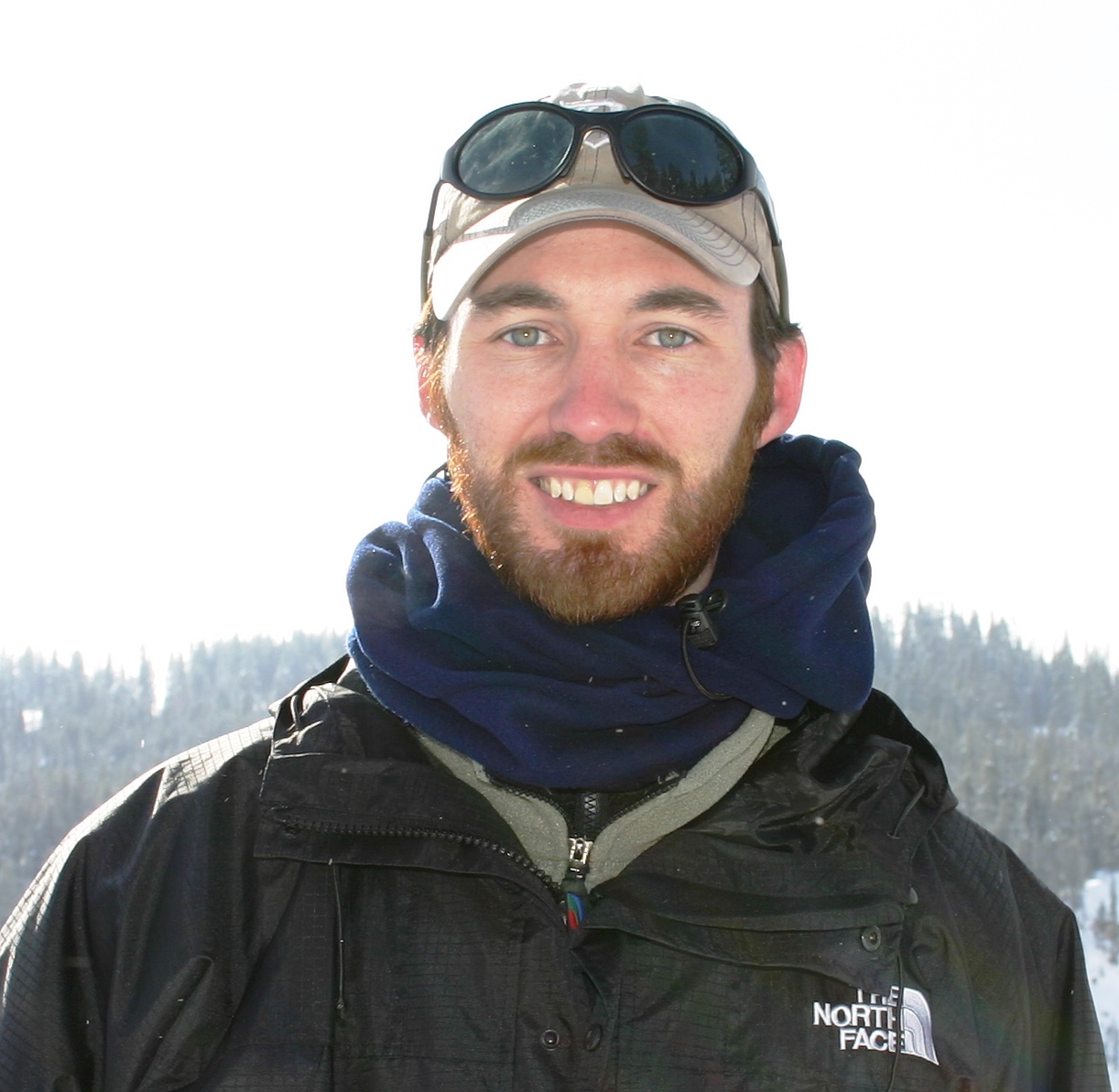
Stefan MerkerView profile
Research Professor
PD Dr. Stefan Merker is Head of the Zoology Department and Curator of Mammalogy at the State Museum of Natural History Stuttgart (Staatliches Museum für Naturkunde Stuttgart) and holds a Habilitation (Venia Legendi) in Zoology at the University of Hohenheim, where he has taught since 2014. He leads an active research program in mammalian biogeography, conservation genetics and primate evolution. Education : Habilitation in Zoology, University of Hohenheim, 2023 PhD (Dr. rer. nat.) in Biology, Georg-August-Universität Göttingen, 2003 Diplom in Biology, Georg-August-Universität Göttingen, 1999 Exchange studies, University of California, Santa Barbara, 1995–1996 Research Interests Merker’s work centers on the evolutionary history and conservation of mammals , especially small primates and island fauna. Using field ecology, molecular genetics and bioacoustics, he investigates how geological events and anthropogenic change shape species distributions and genetic diversity. His flagship projects include: Ecology and evolution of tarsiers – phylogeography, hybrid zones and speciation on Sulawesi Island, Indonesia. Population genetics of the Eurasian beaver – recolonization dynamics and genetic structure in Central Europe. Urban ecology of European rabbits – gene flow and behavioral adaptation along rural–urban gradients. Scientific Awards & Grants Habilitation Scholarship & Venia Legendi, University of Hohenheim (2023) Postdoctoral Fellowships – EU Marie Curie & DFG (2003–2008) PhD Fellowships – Studienstiftung des deutschen Volkes & DAAD (2000–2003) Diplom Fellowship – Studienstiftung & GfP Christian-Vogel-Fonds (1998) Advising & Teaching Merker has supervised 15+ graduate students (3 PhD, 12 MSc/Diplom) and numerous bachelor theses, covering topics from tarsier hybridization to urban beaver genetics. He teaches undergraduate and master modules at the University of Hohenheim and previously at Goethe University Frankfurt and Johannes Gutenberg University Mainz, with courses on vertebrate biology, evolutionary ecology and field methods. Laboratories & Teams He heads the Mammalogy Section at the Stuttgart State Museum of Natural History, curating extensive zoological collections and running molecular laboratories for DNA barcoding, microsatellite genotyping and next-generation sequencing. The group participates in international consortia such as the Primate Genome Project and the European Beaver Genetic Monitoring Network.