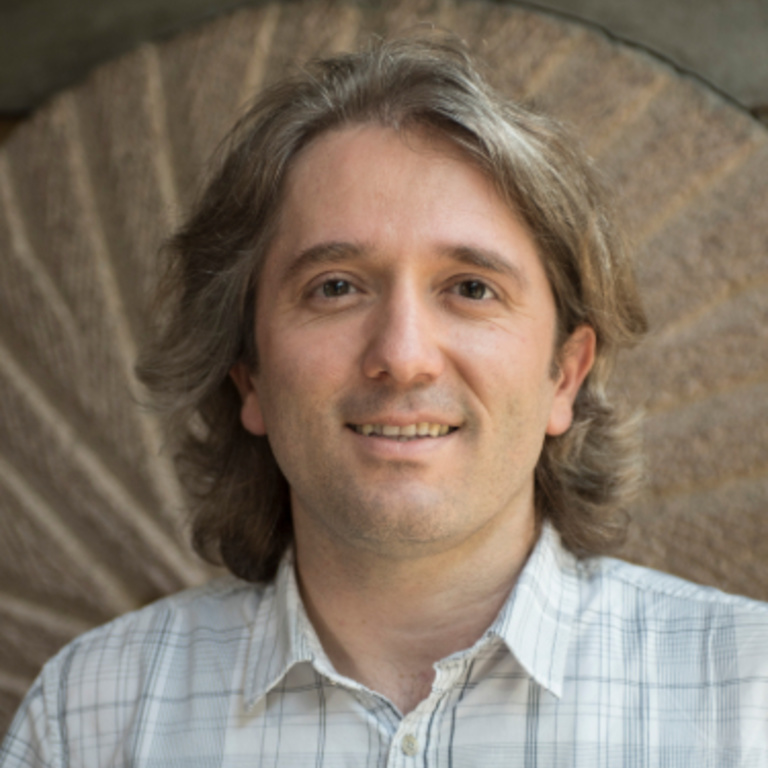
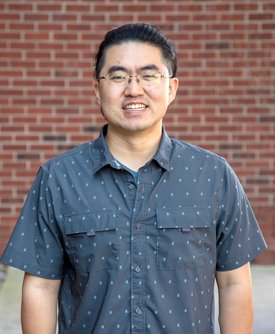
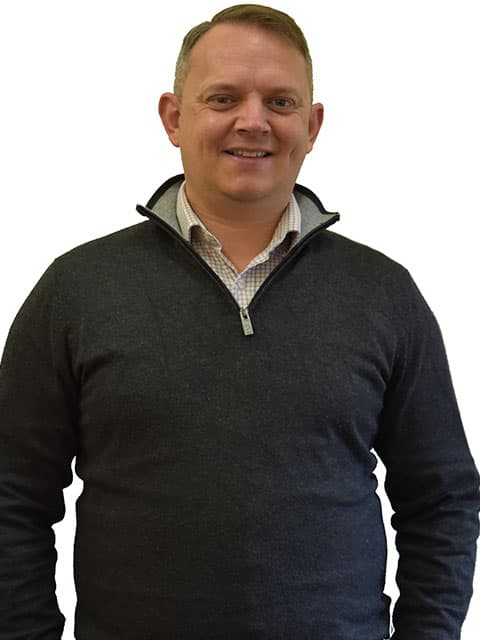
Adriano Jorge Cardoso Moreira is an Associate Professor with Habilitation at the Department of Information Systems, School of Engineering, Universidade do Minho, Portugal. He is also a Senior Researcher at the Algoritmi Research Centre and Scientific Coordinator of the Urban and Mobile Computing department at Centro de Computação Gráfica. His research focuses on indoor positioning , mobile and context-aware computing , urban computing , and simulation of wireless networks . Research Interests : Indoor Positioning, Mobile Computing, Urban Mobility, Sensor Networks, Wi-Fi and UWB Localization, Smart Cities. Leadership : Coordinated the Computer Communications and Pervasive Media Group (2008-2016), Scientific Committee member (Director of MAP-tele PhD program in multiple terms), and leads the Master in Telecommunications and Informatics since 2021. Publications : Over 100 papers, including IEEE Transactions and Sensors journal articles, with an h-index of 23 and 2136 citations. Awards : First and second prizes in EvAAL-ETRI Indoor Localization Competitions (2015, 2016, 2017).
Dr. Madhushi Bandara is a Lecturer at the School of Computer Science, University of Technology Sydney (UTS), specializing in knowledge representation, complex system modeling, and data analytics. She leads the data management research stream at the UTS DigiSAS lab and is a core member of the Biomedical Data Science Laboratory within the UTS Australian Artificial Intelligence Institute. Her industry collaborations include Telstra, Cancer Australia, and Capsifi, focusing on AI integration in healthcare and finance. She coordinates the Business Information Systems major in UTS's Master of Information Technology program and convenes the Future Generation Enterprise Architecture Community of Practice. Education PhD in AI Systems Engineering, University of New South Wales (2020) BSc (Hons) in Engineering, University of Moratuwa, Sri Lanka (2015) Research Interests Madhushi's work bridges machine learning, knowledge graphs, and enterprise architecture to address challenges in data governance for SMEs, ESG metric management, and healthcare pathway analysis. Her research emphasizes translating cutting-edge AI into industry solutions through contextual domain knowledge integration. Scientific Awards UNSW-UTS Trustworthy Digital Society Scholarship Teaching & Leadership She teaches enterprise information systems, digital strategy, and AI for enterprises in UTS's online postgraduate programs. Her service roles include co-chairing tracks at the Australasian Conference on Information Systems and reviewing for Expert Systems with Applications.
Prof. Dr. Gerrit Remane is a full-time professor at Wedel University of Applied Sciences since 2018, leading the Bachelor's program in IT Management, Consulting, and Auditing (IMCA) and the Master's program in Business Information Systems / IT Management (WIM). He specializes in IT management, business intelligence, and digital transformation, integrating his industry experience from Roland Berger and academic research on digital business models and innovation. Education: Dr. rer. pol (Digital Business Models in the Mobility Sector), Georg-August-University Göttingen (2014–2017) M.Sc. Business Information Systems, Technical University of Munich (2008–2011) B.Sc. Business Information Systems, Wedel University of Applied Sciences (2005–2008) Research Interests: Digital transformation and business model innovation Agile methodologies in enterprise IT Strategic data acquisition and analytics Sustainable IT practices and Green Technology DevOps, BizDevOps, and hybrid project management His recent publications focus on digital business models, agile transformations, and sustainability in IT. He has supervised numerous student seminars on topics like ITIL maturity assessments, data privacy, generative AI use cases, and metaverse applications. While no specific scientific awards are documented, his work has been presented at conferences including AMCIS, ECIS, and WI. Gerrit Remane collaborates with scholars such as S. Schneider, A. Hanelt, and L.M. Kolbe, and his research underscores the integration of IT with organizational strategy.
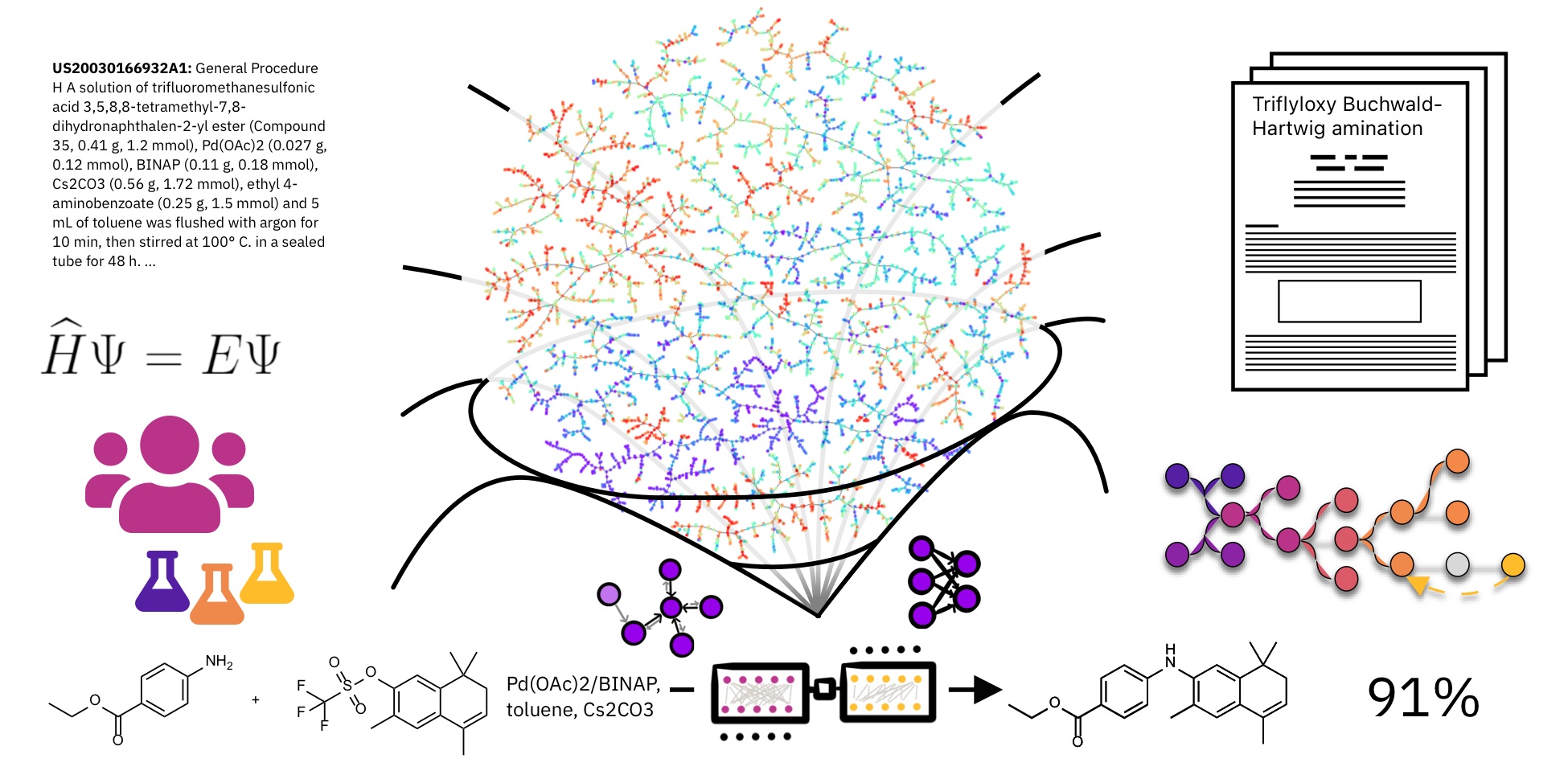
Philippe Schwaller is a Tenure Track Assistant Professor at École Polytechnique Fédérale de Lausanne (EPFL), School of Basic Sciences, within the Institute of Chemical Sciences and Engineering. He leads the Laboratory of Artificial Chemical Intelligence (LIAC), a research group focused on leveraging artificial intelligence to accelerate molecular discovery and sustainable chemistry. He is also a core Principal Investigator of the NCCR Catalysis, a national Swiss research center. His research lies at the intersection of chemistry, materials science, and computer science, with a strong emphasis on developing machine learning models for molecular design and synthesis. LIAC's work is driven by real-world sustainability challenges, aiming to reduce the time and cost of discovering new functional molecules and materials. The recent publications and projects from his lab highlight a strong trend in generative AI for chemistry, including memory-augmented models, hypergraph neural networks, and large language models tailored for scientific discovery. These efforts are complemented by educational initiatives such as the 'AI for Chemistry' course and practical programming resources for chemists. He actively supervises a diverse group of PhD students and contributes to multiple doctoral programs at EPFL, including EDCH and EDPY. His teaching portfolio includes courses on computational chemistry, AI applications in chemistry, and scientific machine learning. Philippe Schwaller is deeply involved in advancing AI-driven scientific discovery through both research and education, positioning his lab at the forefront of artificial chemical intelligence. The lab maintains active open-source contributions on GitHub, fostering collaboration and transparency in scientific AI development.
Ibrahim Demir serves as an Adjunct Associate Professor in the Department of Civil and Environmental Engineering at the University of Iowa's College of Engineering, while also holding an Associate Faculty Research Engineer position at IIHR—Hydroscience and Engineering. His interdisciplinary work bridges hydroinformatics, environmental engineering, and advanced computing technologies to address critical water resources challenges through innovative digital solutions. His educational background includes a PhD in Environmental Informatics and Control Program from the University of Georgia (2010), an MS in Environmental Engineering from Gebze Institute of Technology (2004), and a BS in Chemistry from Bogazici University (2000). This foundation supports his integration of chemical, environmental, and computational sciences in hydrological research. Dr. Demir's research centers on hydroinformatics and AI-driven environmental systems, with core expertise in scientific visualization, cyber systems design, and virtual/augmented reality applications. He develops web-based frameworks for flood risk assessment, drought analysis, and water quality management, emphasizing real-time data integration and user-friendly interfaces. Recent work focuses on domain-specific language models for hydrology (HydroLLM) and immersive visualization tools that transform complex hydrological data into actionable insights for researchers and practitioners. Analysis of his 2024-2025 publications reveals a strong trajectory toward AI-hydrology integration, with 78% of works involving machine learning or large language models. Key themes include flood risk communication (22% of publications), algal bloom prediction (15%), and educational technology applications (12%). His research increasingly emphasizes scientific reproducibility through no-code visual programming frameworks and digital twin implementations for watershed systems. Dr. Demir actively contributes to scholarly discourse as Associate Editor for Environmental Modeling and Software, Journal of Hydroinformatics, Journal of Environmental Informatics, and Water and Artificial Intelligence (Frontiers in Water). He serves as Vice-Chair of the International Joint Committee on Hydroinformatics (IAHR/IWA/IAHS) leadership team, shaping global standards in hydroinformatics research and practice. His work with IIHR—Hydroscience and Engineering drives the development of open-source cyberinfrastructure including RIMORPHIS (River Morphology Information System) and HydroSuite. These platforms enable collaborative river morphology research and provide modular tools for hydrological analysis, education, and operational decision support, demonstrating his commitment to accessible, community-driven scientific advancement.
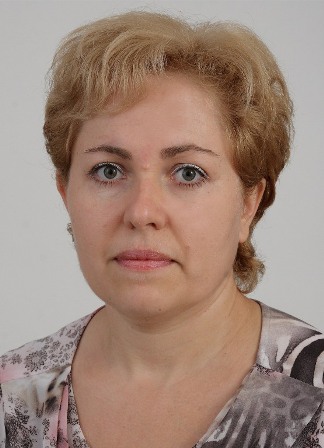
Fatme Yuseinova Rashidova is a Senior Lecturer at the Technical University - Gabrovo , affiliated with the College of Engineering and the Department of Automation, Information and Control Technology . Her work bridges computer science , educational technology , and systems engineering . Research Focus: Automated scheduling, distance learning platforms, cybersecurity in Industry 4.0, and AI applications in education. Publications: 29 scientific works, including a 2025 textbook on internet-based systems and recent papers on timetabling optimization, SWOT analysis in education, and AI challenges. Projects: Participated in 14 research initiatives, including electronic voting systems, smart medicine dispensers, and cybersecurity frameworks for industrial environments. Contributions: Developed centralized timetabling systems, virtual admission environments, and online testing platforms. Her projects emphasize reducing administrative burdens, improving accuracy in educational processes, and enhancing student satisfaction.
Dr. Jasmijn van Gorp is a Senior Lecturer in the Department of Media and Culture Studies at Utrecht University's Faculty of Humanities. She specializes in Digital Humanities , Audiovisual Heritage , and Digital Culture with a focus on Television History and Eastern European Media . As co-founder of the CLARIAH Media Suite, she develops digital research infrastructure for audiovisual heritage in the Netherlands. PhD in Social Sciences from the University of Antwerp (Belgium) MA in Communication Sciences from KU Leuven (Belgium) Her research examines digital methods for film and television studies , metadata in digital archives , and AI-generated analysis of broadcast schedules . She leads projects like Re-Frame (2021-2025) and AI TaDa , exploring the reuse of audiovisual archives in journalism and algorithmic metadata generation. Recent work includes tutorials on Data Visualization and Flow Analysis using the Media Suite. She advocates for critical digital tool literacy in education and co-authored the Digital Skills learning trajectory for Utrecht's BA programs. Her teaching includes Digital Television History and Programming and Curation at BA and MA levels, supervising theses in film and television studies. As workpackage leader for CLARIAH-PLUS WP5 , she integrates computer vision , automatic speech recognition , and linked data into sustainable tools for cross-media research. She trains researchers via the Media Suite Learn initiative and collaborates on digital infrastructure projects with institutions like NISV and CLARIAH.
Tae J. Kwon is an Associate Professor in the Department of Civil and Environmental Engineering at the University of Alberta . His research spans Winter Transportation Engineering , Intelligent Transportation Systems (ITS) , Traffic Optimization , and Geospatial Information Science . Developed LoRWIS , a web-based decision support system for road weather sensor optimization Recipient of multiple awards including ITS Canada Excellence in Research and Development Award (2024) , KOFST Scientist of the Year (2024) , and Early Career Research Award (University of Alberta, 3 times) Active in professional committees like the TRB Surface Transportation Weather Research Group (2016–present) Research Highlights : Winter Road Maintenance : Advanced geostatistical and deep learning techniques for road condition monitoring Location Optimization : Pioneered models for RWIS sensor placement using hybrid geostatistical methods Intelligent Transportation Systems : Focused on big data applications for traffic safety and connected vehicles Climate Resilience : Integrated ecological vulnerability into fire hazard modeling Scientific Awards : ITS Canada Excellence in Research (2024) KOFST Scientist of the Year (2024) Donald Stanley Best Paper Award (2023) AKCSE Early Achievement Award (2021) University of Alberta Early Career Research Award (2020) Great Supervisor Award (2019) Teaching & Leadership : Teaches courses like CIV E 419 (Transportation Engineering: Highway Planning and Design) and CIV E 612 (Transportation Planning: Methodology and Techniques) Leads the Geospatial Transportation System & Sensing Solutions Lab (GeoTrans) , mentoring PhD students Juan Cuellar and Jiehao Bi Collaborates with agencies including Alberta Transportation , NSERC , and Iowa DOT
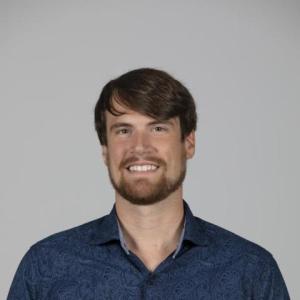
Sean Wilson is a Researcher at the Georgia Institute of Technology , affiliated with the College of Engineering and the School of Electrical and Computer Engineering . He serves as the Collaborative Autonomy Branch Chief at the Georgia Tech Research Institute (GTRI) and Director of the Robotarium Lab (https://www.robotarium.gatech.edu/), which provides free remote access to robotic hardware for algorithm testing. Educational Background: B.A. in Physics and Mathematics from State University of New York at Geneseo (2012) M.S. and Ph.D. in Mechanical Engineering from Arizona State University (2017) Dr. Wilson's research focuses on remotely-accessible robotic hardware , collaborative autonomy , and control of multi-agent and swarm robotic systems . His recent publications emphasize distributed control, swarm robotics, and bio-inspired robotic behaviors. The Robotarium Lab he directs enables global access to robotics testbeds for control research. Research Themes (2014-2023): Remote-access robotics (5), swarm coordination (7), bio-inspired algorithms (3), barrier functions (2), multi-robot systems (9), and control theory (4). Sean operates from the Robotarium Lab (Office Location: CCRF B11-3133D) as part of Georgia Tech's Institute for Robotics and Intelligent Machines (IRI) core faculty. His work bridges robotics infrastructure development with theoretical control research.
Tao Wen serves as an Assistant Professor in the Department of Earth and Environmental Sciences at Syracuse University's College of Arts and Sciences, where he joined the faculty in 2020. He directs two specialized research laboratories: the Hydrogeochemistry And eNvironmental Data Sciences (HANDS) Lab and the Noble Gases in Earth Systems Tracing (NEST) Lab, focusing on human-natural system interactions in water and elemental cycles. Education: Ph.D. in Geology, University of Michigan (2017) M.S. in Geology, University of Michigan (2014) B.S. in Environmental Sciences, University of Science and Technology of China (2011) Dr. Wen's research integrates field measurements, laboratory analyses, and advanced computational methods to investigate water-carbon cycles across spatial and temporal scales. His group employs noble gas geochemistry (He, Ne, Ar, Kr, Xe), isotopic tracing (O, H, C, N), and machine learning to assess impacts from energy extraction, urbanization, and climate change on freshwater systems. Key methodologies include ion chromatography, mass spectrometry, and geostatistical modeling for environmental data science applications. Recent publications demonstrate a pronounced shift toward data-intensive environmental science, with machine learning models increasingly central to analyzing freshwater salinization, methane migration pathways, and shale gas impacts. The research portfolio spans regional groundwater contamination studies to continental-scale freshwater analyses, consistently emphasizing the interplay between anthropogenic activities and natural processes in Earth-surface systems. Scientific Awards: Excellence in Review Award from Applied Geochemistry, International Association of GeoChemistry (2021) Dr. Wen serves as Editor for Applied Geochemistry (2023-present) and previously for Frontiers in Earth Science (2021-2024). He secured NSF funding for developing climate change data search engines and advises students through senior thesis projects and laboratory research in the WEN group. Media coverage of his work includes features in Popular Mechanics, Yahoo News, and AGU press releases regarding freshwater salinity trends and shale gas environmental impacts. The HANDS Lab develops machine learning tools for environmental data analysis while NEST Lab specializes in noble gas applications for tracing fluid migration and tectonic events, together supporting comprehensive investigations of water quality degradation mechanisms across diverse geological settings.
Dr. Fatemeh Golpayegani is an Assistant Professor at the School of Computer Science, University College Dublin. She leads the Multi-agent Systems and Sustainable Solutions lab (MAS3.ucd.ie) and has secured over €1.5M in research grants. Her academic roles include BSc Stage 4 Coordinator and Chair of Women@CS (2012–2023). She holds a PhD from Trinity College Dublin (2018) and professional qualifications in university teaching from UCD. Education: PhD in Computer Science, Trinity College Dublin (2018) Professional Diploma in University Teaching & Learning, University College Dublin (2024) Professional Certificate in University Teaching & Learning, University College Dublin (2023) Research Interests: Focuses on multi-agent systems, sustainability, intelligent transport systems, autonomous decision-making, and edge computing. Her work integrates reinforcement learning, ontology-based models, and adaptive systems to address challenges in smart cities, energy grids, and infrastructure monitoring. Grants & Projects: Principal Investigator for the EU-funded RE-ROUTE project (€multi-million, 2023–2026) on intelligent transport networks. Co-Principal Investigator for the Augmented CCAM project on connected/cooperative autonomous mobility. Funded investigator in SFI centres (I-Form, CONNECT, Biorbic). Awards & Recognition: Researcher of the Year Award (2022) Member of Young Academy of Ireland (2023) Teaching & Mentoring: Coordinates modules in algorithms, Java programming, and operating systems. Supervises PhD students in SFI centres and mentors postdoctoral researchers. Active in promoting EDI as Chair of d-real doctoral training centre. Labs & Collaborations: Leads the MAS3 lab, collaborating on projects like CAPTAIN CARBON (sustainable transport gamification) and ontology-enhanced traffic signal control systems.
Univ.-Prof. Martin Pinzger is a Professor at the Department of Informatics Systems, Alpen-Adria-Universität Klagenfurt. He serves as Head of Department and Member of the Senate, actively contributing to academic governance. Research Focus: Automating Software Engineering Tasks, Mining Software Repositories, Program Analysis, Software Evolution and Visualization Recent Work: Developing tools for API evolution analysis, cybersecurity AI (CAI), robotics benchmarking (RobotPerf), and dependency validation His research combines empirical studies with tool development for software maintenance and security. Current projects address challenges in REST API breaking changes, cloud security certifications, and robotic system performance evaluation. Publications since 2023 demonstrate continued engagement with topics spanning AI-driven code segmentation, microservice API evolution, and cybersecurity tool development. Key trends include cross-disciplinary applications of NLP to software engineering and security-focused tool creation. Contact: martin.pinzger@aau.at
Dr. Craig Hancock is a Research Professor in Geospatial Engineering with 15 years of research experience in Surveying and Geodesy. His expertise spans GNSS error mitigation, structural monitoring, and geospatial techniques for digital construction. He has supervised 10 PhD students and published over 80 academic papers. Education: BSc and PhD in Surveying/Geomatics Key Projects: Principal Investigator for projects on GNSS error mitigation, structural health monitoring, and marine economy technology. His research focuses on three core areas: GNSS error categorization and mitigation (particularly ionospheric effects), structural and environmental change monitoring, and geospatial data acquisition for BIM and digital construction. Recent work includes improving 3D modeling accuracy, UAV-based GNSS spoofing detection, and BIM-enabled facility management in healthcare infrastructure. His articles explore topics like sensor optimization, structural dynamics, and geospatial data fusion. Grants include £150k for bridge deformation studies and £9k for ionospheric error analysis. He actively contributes to teaching and enterprise initiatives, integrating geospatial technologies with industry needs.
Hannah Blum serves as the Alain H. Peyrot Associate Professor in Structural Engineering within the Department of Civil and Environmental Engineering at the University of Wisconsin-Madison. Her research program focuses on infrastructure resilience, next-generation structural design methodologies, and advanced visualization techniques including extended reality applications, supported by funding from federal agencies, industry associations, and private companies. Her academic credentials include a PhD in Civil Engineering from the University of Sydney (2017), complemented by MS (2012) and BS (2010) degrees in Civil Engineering from Johns Hopkins University. Dr. Blum's research program spans critical domains in structural engineering with particular emphasis on steel systems. Key focus areas include: Steel, cold-formed steel, and stainless-steel structural systems Steel deck and joist system behavior Structural stability and reliability analysis Virtual and augmented reality applications in structural steel fabrication Data-driven approaches to structural engineering problems Analysis of her 15 most recent publications (2023-2025) reveals a concentrated research trajectory centered on data-driven design methodologies, advanced material systems (particularly stainless steel and high-strength alloys), and immersive technology integration. Notable trends include machine learning applications for buckling prediction, experimental validation of novel structural systems, and mixed-reality solutions for fabrication processes. Her distinguished recognition includes: University of Wisconsin-Madison Chancellor’s Teaching Innovation Award (2024) College of Engineering Harvey Spangler Award for Innovative Teaching (2023) American Institute of Steel Construction Terry Peshia Early Career Faculty Award (2023) Structural Stability Research Council McGuire Award for Junior Researchers (2022) Structural Stability Research Council Yoon Duk Kim Young Researcher Award (2021) Dr. Blum actively mentors graduate students through CIV ENGR 790 (Master's Research) and 890 (Pre-Dissertator's Research) courses while securing diverse research funding streams. Her professional service includes active participation in steel design standards committees for structural, cold-formed, and stainless-steel systems through organizations like the Structural Stability Research Council. Her experimental and computational research requires specialized facilities for structural testing and digital visualization, though specific laboratory names are not documented in the provided materials. Current projects demonstrate strong industry collaboration, particularly with steel manufacturing and construction technology firms.
Hans Petter Hildre is Head of Department at the Department of Ocean Operations and Civil Engineering , part of the Faculty of Engineering at the Norwegian University of Science and Technology (NTNU). His work focuses on maritime engineering, digital twin technology, and marine operations. Research interests include: Digital Twin Applications in Maritime Industry Offshore Operations and Wind Turbine Installation Marine Robotics and Autonomous Systems Wave Field Estimation and Environmental Load Analysis Human-Machine Interaction in Maritime Contexts Co-simulation and Real-time Monitoring Recent publications highlight trends in: Wave shielding effects for offshore vessels Knowledge transfer from automotive/aviation to maritime Crane path planning using digital twins Visual attention zone recognition systems Hydrodynamic modeling and sensitivity analysis Smart city-maritime integration Scientific collaborations span institutions including: European Commission (Future Skills Reports) Royal Institution of Naval Architects The American Society of Mechanical Engineers (ASME) IEEE Transactions on multiple domains Springer Publishing