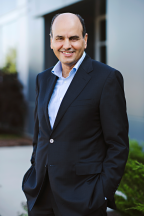
Dr. Bikram Banerjee is a Lecturer in Remote Sensing and Geospatial Science at the University of Southern Queensland, affiliated with the School of Surveying and Built Environment. He holds a PhD from UNSW, MTech from IIRS NRSA, and BTech from West Bengal University of Technology. His research focuses on geospatial technologies, machine learning applications in environmental monitoring, and precision agriculture. He is associated with the Centre for Agricultural Engineering, Centre for Crop Health, and Centre for Sustainable Agricultural Systems. Key research interests include UAV-based remote sensing for mine spoil characterization, hyperspectral imaging for crop phenotyping, and integrating IoT/ML for agricultural solutions. His work bridges environmental science, geotechnical engineering, and agricultural technology. Recent publications explore coal spoil analysis, mine safety automation, and vegetation health monitoring using advanced sensor technologies. Dr. Banerjee has supervised doctoral research on mobile laser scanning for underground mines, UAV-LiDAR applications, and proximal sensing for crop phenotyping. His research outputs have garnered over 2,327 views and 1,160 downloads, reflecting significant impact in geospatial and agricultural domains. He actively contributes to interdisciplinary projects addressing environmental sustainability and resource management challenges.
Syed Ahmar Shah is a Senior Research Fellow (Associate Professor) and the Director of Innovation at the Usher Institute within the College of Medicine and Veterinary Medicine at the University of Edinburgh. He holds a tenured academic position and leads the DIME group (Data-driven Innovation in MEdicine). His work bridges biomedical engineering, data science, and clinical medicine, with a focus on improving healthcare through technological innovation. Dr. Shah completed his educational journey with a BEng in Electronics Engineering from GIK Institute of Engineering Sciences and Technology in Pakistan, followed by an MSc and DPhil (PhD) in Biomedical Engineering and Biomedical Signal Processing and Machine Learning, respectively, from the University of Oxford. His academic credentials reflect his interdisciplinary expertise spanning engineering, data science, and medicine. His research interests center around the application of advanced data analytics to healthcare challenges. Specifically, he focuses on signal processing for time-series analysis and filtering, machine learning for classification, regression, and clustering tasks, and the development of digital health systems for chronic disease management. His work particularly targets chronic respiratory conditions like COPD and asthma, where he applies data mining techniques to electronic health records to identify patterns and develop predictive models. Dr. Shah's publication portfolio includes over 60 peer-reviewed articles in prestigious journals such as The Lancet, Brain, BMJ Open, Thorax, IEEE Transactions, JMIR, and JACI. His recent work demonstrates a strong trajectory in applying artificial intelligence to predict asthma attacks, analyze long COVID outcomes, and develop tools for personalized COPD care, particularly for women. His research often involves large-scale data analysis from national healthcare databases across the UK, Brazil, and Scotland, enabling cross-country comparisons of disease patterns and healthcare system responses. Florence Nightingale Award for Excellence in Healthcare Data Analytics (2023) As an active supervisor, Dr. Shah is open to PhD supervision enquiries and has contributed to training the next generation of researchers at the intersection of data science and healthcare. His DIME research group serves as a hub for innovative projects that combine engineering approaches with clinical medicine to address pressing healthcare challenges. Dr. Shah also engages with industry through data science consulting, offering expertise in developing intelligent algorithms for businesses with large datasets, particularly in healthcare but extending to other domains as well.
Dr. Fatemeh Golpayegani is an Assistant Professor at the School of Computer Science, University College Dublin. She leads the Multi-agent Systems and Sustainable Solutions lab (MAS3.ucd.ie) and has secured over €1.5M in research grants. Her academic roles include BSc Stage 4 Coordinator and Chair of Women@CS (2012–2023). She holds a PhD from Trinity College Dublin (2018) and professional qualifications in university teaching from UCD. Education: PhD in Computer Science, Trinity College Dublin (2018) Professional Diploma in University Teaching & Learning, University College Dublin (2024) Professional Certificate in University Teaching & Learning, University College Dublin (2023) Research Interests: Focuses on multi-agent systems, sustainability, intelligent transport systems, autonomous decision-making, and edge computing. Her work integrates reinforcement learning, ontology-based models, and adaptive systems to address challenges in smart cities, energy grids, and infrastructure monitoring. Grants & Projects: Principal Investigator for the EU-funded RE-ROUTE project (€multi-million, 2023–2026) on intelligent transport networks. Co-Principal Investigator for the Augmented CCAM project on connected/cooperative autonomous mobility. Funded investigator in SFI centres (I-Form, CONNECT, Biorbic). Awards & Recognition: Researcher of the Year Award (2022) Member of Young Academy of Ireland (2023) Teaching & Mentoring: Coordinates modules in algorithms, Java programming, and operating systems. Supervises PhD students in SFI centres and mentors postdoctoral researchers. Active in promoting EDI as Chair of d-real doctoral training centre. Labs & Collaborations: Leads the MAS3 lab, collaborating on projects like CAPTAIN CARBON (sustainable transport gamification) and ontology-enhanced traffic signal control systems.
Prashant Sankaran is an Assistant Professor in the Department of Industrial and Systems Engineering at the University at Buffalo (School of Engineering and Applied Sciences). He holds a PhD in Mechanical & Industrial Engineering from Rochester Institute of Technology (2023), an MS in Industrial & Systems Engineering from RIT (2020), and a BTech in Mechanical Engineering from Sharda University (2014). His research focuses on artificial intelligence for reasoning under uncertainty, explainable AI, and applications in healthcare, energy management, transportation, and space exploration. He integrates operations research and AI techniques to address complex optimization challenges. Research interests include computational design of bioelectronic materials, kidney exchange optimization via graph machine learning, and solving NP-hard combinatorial problems with hybrid learning-optimization frameworks. His work bridges theoretical advancements (e.g., genetic algorithms) with real-world applications like autonomous logistics systems and renewable energy management. No scientific awards have been mentioned. While no advisees are listed, his publications reflect collaborations across AI, robotics, and healthcare sectors. His research spans topics from deep reinforcement learning in warehouse automation to synthetic data generation for transplant systems.
Dr. Craig Hancock is a Research Professor in Geospatial Engineering with 15 years of research experience in Surveying and Geodesy. His expertise spans GNSS error mitigation, structural monitoring, and geospatial techniques for digital construction. He has supervised 10 PhD students and published over 80 academic papers. Education: BSc and PhD in Surveying/Geomatics Key Projects: Principal Investigator for projects on GNSS error mitigation, structural health monitoring, and marine economy technology. His research focuses on three core areas: GNSS error categorization and mitigation (particularly ionospheric effects), structural and environmental change monitoring, and geospatial data acquisition for BIM and digital construction. Recent work includes improving 3D modeling accuracy, UAV-based GNSS spoofing detection, and BIM-enabled facility management in healthcare infrastructure. His articles explore topics like sensor optimization, structural dynamics, and geospatial data fusion. Grants include £150k for bridge deformation studies and £9k for ionospheric error analysis. He actively contributes to teaching and enterprise initiatives, integrating geospatial technologies with industry needs.
Kevin Chetty is a Professor of Wireless Sensing at University College London (UCL), leading the Urban Wireless Sensing Lab within the Department of Security and Crime Science. His work bridges radar technology, machine learning, and healthcare applications, with a focus on passive sensing systems. Education: PhD in Medical Ultrasound Physics (Imperial College London, 2004-2007), MRes in Image and X-Ray Physics (King's College London, 2003), BSc in Physics (King's College London, 1999) Research spans radar micro-Doppler signature analysis for human behavior classification, software-defined radar development, and integrated communication-sensing systems, with applications in security, healthcare, and smart environments. Recent work emphasizes privacy-preserving technologies and edge processing for real-time operations. Scientific awards include the 2022 IET Radar Systems Best Paper Runner-Up, 2022 IEEE Radar Conference 2nd Place, and 2015 National Instruments Engineering Impact Award. He has received funding from government and industry sectors in telecommunications, IoT, security, and healthcare. Teaching roles: Programme Convener for MSc Crime Science and IEP Minor in Crime and Security Engineering; Module Convener for Security Technologies and Crime Mapping & Spatial Analysis Consultancy: Huawei Technologies (2020-2022), Metropolitan Police Service (2019)
Abhinav Sharma, MD, PhD is an Assistant Professor in the Department of Medicine, Division of Cardiology at McGill University and a Scientist at the Research Institute of the McGill University Health Centre (RI-MUHC), where he is affiliated with the Centre for Outcomes Research and Evaluation (CORE) and the Cardiovascular Health Across the Lifespan program. Education & Training While specific degrees are not detailed in the supplied text, his dual MD and PhD credentials indicate combined clinical and research training, most likely in medicine and either epidemiology, health-informatics or cardiovascular sciences. Research Interests Dr Sharma’s work centres on digital health and precision cardiovascular medicine . His team investigates: Mobile-health and remote-monitoring technologies to drive behaviour change and improve clinical outcomes in heart failure and diabetes. Artificial-intelligence–driven digital biomarkers and voice-assistant systems for scalable clinical screening. Large-scale secondary analyses of landmark trials (CANVAS, CREDENCE, EMPA-REG, EXAMINE, TOPCAT) to dissect heterogeneous cardiovascular phenotypes, sex-specific responses and regulatory implications. Publication Trends Across >100 manuscripts since 2018, three thematic arcs emerge: Pharmacotherapy Trials & Meta-analyses evaluating SGLT2 inhibitors, GLP-1 receptor agonists and mineralocorticoid antagonists across heart-failure and diabetic cohorts. Digital-Health Intervention Studies including RCT protocols (TARGET-HF-DM, DECIDE-CV) and validation of AI voice-screening for COVID-19 exposure in cardiology clinics. Precision-Medicine Analytics employing unsupervised machine-learning to delineate phenotypic clusters predictive of cardiovascular and renal events. Scientific Awards & Recognition No specific honours or prizes are listed in the provided text. Grants & Clinical Trials Dr Sharma is principal architect of several multicentre programmes: TARGET-HF-DM – mobile-health intervention to enhance physical activity and medication adherence in heart failure with comorbid diabetes. DECIDE-CV – synchronous telehealth model for integrated cardiorenal care in type 2 diabetes. SOGALDI-PEF – factorial RCT of SGLT2 inhibition ± aldosterone antagonism in heart failure with preserved ejection fraction. Laboratory & Collaborations Operating within the RI-MUHC ecosystem, his research group leverages the institute’s Technology Platforms (Bioinformatics, Clinical Informatics, Proteomics, Small-Animal Imaging) and maintains partnerships across McGill’s Department of Epidemiology, the MUHC cardiac e-health clinic, and international consortia such as the Heart Failure Collaboratory (HFC) and the Academic Research Consortium (ARC).
Dr. Dibakar Ghosal is an Associate Professor in the Department of Earth Sciences at the Indian Institute of Technology Kanpur (IIT Kanpur). He leads the Crustal Imaging Laboratory (CIL) which is equipped with state-of-the-art seismic data acquisition setup and processing software for both land and marine seismic datasets. His research spans exploration seismology, tectonic studies, and algorithm development for subsurface imaging across diverse geological settings. Dr. Ghosal's educational background includes: PhD in Geophysics (2008-2013) from Institut de Physique du Globe de Paris (IPGP), France M.Sc. in Geophysics (2004-2006) from Indian Institute of Technology Kharagpur, India B.Sc. in Geology, Mathematics and Physics (2001-2004) from Jadavpur University, India His research focuses on three major themes: (1) Tectonic studies across Himalaya, Sumatra-Andaman, and Bay of Bengal using high-resolution seismic datasets; (2) Development of algorithms for petrophysical parameter estimation of hydrocarbon and ore reserves; and (3) Ambient Noise and earthquake data analysis. His work integrates field data acquisition, computational modeling, and advanced algorithm development to address fundamental questions in Earth sciences, with particular emphasis on crustal architecture and resource exploration. His recent publications demonstrate expertise in crustal imaging techniques, tectonic analysis of subduction zones, and algorithm development for seismic data processing. The research spans diverse geographical regions including the Himalayas, Sumatra-Andaman region, Bay of Bengal, and Southern Indian Ocean, with applications to hydrocarbon exploration, tectonic studies, and crustal architecture analysis. Dr. Ghosal has received several prestigious fellowships and awards: 2023: Scientific High Level Visiting Fellowship (SSHN) from French Institute in India (IFI) 2022: INSA visiting scientist fellowship 2019: Visiting Faculty at IPG Paris, France 2019: Visiting Faculty at NTU Singapore 2014-2015: Postdoctoral fellowship, Geocentrum, Uppsala University, Sweden 2008-2012: PhD fellowship, IPG Paris, France Dr. Ghosal actively mentors students and has supervised numerous PhD, MTech, and BS-MS students. His research is supported by multiple sponsored projects from DST-SERB, MoES, ONGC, and other funding agencies. He has successfully completed projects on topics including seismic imaging of the Himalayan foothills, gas hydrate reservoir modeling, and petrophysical property estimation. He leads the Crustal Imaging Laboratory (CIL) at IIT Kanpur, which conducts field work across various regions of India including the Himalayas and offshore areas. The laboratory is equipped with RAUs, 3C Tromino sensors, seismic thumpers, and advanced processing servers. He collaborates with national institutions including NIO Goa, IISER Pune, and NGRI, as well as international institutions such as IPG Paris, Uppsala University, and Texas A&M University.
Carl-Mikael Zetterling is a Professor and Head of Department at Kungliga Tekniska Högskolan (KTH) in Stockholm, Sweden, affiliated with the School of Electrical Engineering and Computer Science (ICT) and the Electronics and Embedded Systems department. His research focuses on process technology and device design for high-temperature, high-power silicon carbide (SiC) electronics, expanding into SiC-based analog and integrated circuits. He has authored over 300 publications, including books on SiC process technology and plagiarism prevention. Dr. Zetterling has held leadership roles such as Vice Dean of the School of ICT (2013–2017) and teacher representative on KTH's faculty board. He has collaborated internationally at Stanford University, Kyoto University, and Kyoto Institute of Technology. His work addresses applications in extreme environments, including Venus exploration and fusion reactor monitoring, with a focus on radiation tolerance and thermal resilience. The 15 most recent publications highlight trends in wide bandgap semiconductors, gamma irradiation effects on SiC devices, and high-temperature integrated circuits. His articles span structural health monitoring with machine learning, novel SiC diode designs, and radiation-hardened electronics. Key contributions include advancements in self-aligned contacts, trench MOSFETs, and compact modeling for extreme conditions. While no formal awards are listed, his roles in technical program committees (TMS Electronic Materials Conference, IEEE SISC Conference) and editorial work demonstrate significant academic service. He teaches courses ranging from digital design to high-temperature electronics, overseeing degree projects in embedded systems, communication, and nanotechnology.
Bo Markussen is a Professor at the University of Copenhagen within the Department of Mathematical Sciences . He is also a member of the Data Science Laboratory , where he contributes to statistical methodology and interdisciplinary collaborations. His academic journey began with a Cand.Scient (MSc) and PhD in Statistics from the University of Copenhagen, awarded in 1998 and 2002 respectively. 2012–present: Professor, Department of Mathematical Sciences, University of Copenhagen 2009–2012: Associate Professor, Department of Basic Sciences and Environment, University of Copenhagen 2006–2009: Assistant Professor, Department of Basic Sciences and Environment, University of Copenhagen Bo Markussen's research focuses on applied statistics , particularly in functional data analysis and multiple testing corrections in genetics . His work spans diverse domains including environmental science, agriculture, and public health. Recent research output highlights applications in Arctic climate data analysis, fire risk modeling, plant stress phenotyping, and nutritional biomarker prediction. His recent publications demonstrate a strong trend toward machine learning integration with statistical modeling , addressing challenges in high-dimensional data analysis and environmental risk assessment. Collaborations span institutions in Denmark and internationally, reflecting his engagement in pan-Arctic climate studies and tropical agricultural research. 2018–present: Associate Editor, Scandinavian Journal of Statistics 2017–2019: Chair, Danish Society for Theoretical Statistics 2015–2017: Board Member, Danish Society for Theoretical Statistics As a central figure in the Data Science Laboratory , Markussen leads statistical consultancy initiatives and contributes to methodological advancements. His expertise bridges theoretical statistics with real-world applications, particularly in handling complex datasets across biological and environmental domains.
Professor Vallipuram Muthukkumarasamy is an Associate Professor at the School of Information and Communication Technology at Griffith University, where he has pioneered Network Security teaching and research since joining in 2001. He leads the Networking & Security and Blockchain Research Group at the Institute for Integrated and Intelligent Systems. Muthu holds a Ph.D. from Cambridge University and a B.Sc. Eng. with 1st Class Honors from the University of Peradeniya, Sri Lanka. His extensive academic appointments include Group Leader of Network Security and Blockchain Research (2008-present), Program Director for the Graduate Certificate in Blockchain Technology (2022-present), HDR Convenor (2022-present), Member of the University Council (2020-2021), and Deputy Head of School for Learning and Teaching (2013-2016). Muthu's research expertise spans Cyber Security, Blockchain Technology (DLT), and Wireless Sensor Networking. He has secured national and international funding for interdisciplinary research, published over 150 articles in international journals and conferences, and supervised more than 30 research Masters and PhD students to completion. He pioneered the Network Security teaching at Griffith and successfully proposed and led the development of Queensland's first Master of Cyber Security Program, creating a truly interdisciplinary curriculum with Law, Business, and Criminology Schools. His recent publications reveal a strong research trajectory in blockchain applications, security visualization techniques, and wireless sensor networks. His work explores DeFi user behavior analysis, NFT privacy risks in the metaverse, blockchain transaction visualization, and the integration of blockchain with AI for credit scoring systems. His wireless sensor network research focuses on energy-efficient routing protocols and network lifetime modeling. Muthu has received multiple best teacher awards from students and peers, and during his tenure as Deputy Head of School, the Griffith IT program was ranked #1 in Australia for overall student satisfaction. He successfully proposed and developed Cisco-related courses at undergraduate and postgraduate levels and instrumental in creating industry-sought-after networking and security courses across all academic levels. His funded research includes significant projects such as Increasing the South East Queensland Cyber Security Workforce, Linking Digital Payments to Crime Using Big Data Machine Learning Tools, Improving Water Markets through Digital Technologies, and developing Indo-Australian partnerships for digital transformation through blockchain. He is actively involved in community and charity activities and has been instrumental in internationalization efforts for Griffith University.
Yue Li is the Leonard Case Jr. Professor in the Department of Civil and Environmental Engineering at Case Western Reserve University. He specializes in resilient and sustainable infrastructure systems, focusing on structural reliability, probabilistic design, and climate change adaptation. His research addresses risk assessment for infrastructure under extreme events, including earthquakes, hurricanes, and climate impacts. Education: PhD in Civil Engineering, Georgia Institute of Technology, 2005 Research Interests: Dr. Li’s work integrates advanced statistical methods and data-driven approaches to enhance infrastructure resilience. Key areas include: Probabilistic modeling of structural systems Risk-informed decision-making for multi-hazard mitigation Climate change impacts on material durability and performance Asset management and lifecycle cost analysis Notable Contributions: His recent publications emphasize data-driven resilience metrics for water systems and seismic risk assessment for bridges. He has pioneered frameworks for evaluating infrastructure vulnerability under climate change, including corrosion effects and extreme weather adaptation. Awards: ABSE Outstanding Paper Award (2023) Case School of Engineering Teaching Award (2020) Nomination for John S. Diekhoff Award (2019) Leadership Roles: Dr. Li serves as Section Editor for the ASCE Journal of Structural Engineering and chairs multiple technical committees on safety and reliability. He leads initiatives to standardize multi-hazard design practices and resilience evaluation methodologies.
Sebastien Nicolas Gros is a Professor at the Department of Engineering Cybernetics, Norwegian University of Science and Technology (NTNU). His research focuses on safe reinforcement learning (RL) and data-driven model predictive control (MPC), with applications in energy systems, biomedical engineering, and autonomous vehicles. Institution: Norwegian University of Science and Technology Department: Engineering Cybernetics His work emphasizes AI-driven optimization for domestic energy storage, battery integration, and smart building management. Collaborations include Equinor, DNV, Kongsberg, Volvo, and CorPower Ocean. Key themes in his publications include: Control theory for renewable energy systems (wave energy converters, buildings) Biomedical applications (artificial pancreas, glucose monitoring) Transportation systems (electric vehicles, autonomous ships) Machine learning integration with physical models He supervises 6 PhD students and co-supervises projects on multi-rotor wind turbines and industrial PhD collaborations. The articles demonstrate a convergence of RL, MPC, and uncertainty quantification across energy, biomedical, and transportation domains.
Thomas Ploetz is an Adjunct Professor in the School of Electrical and Computer Engineering at Georgia Institute of Technology. His work focuses on sensor-based human activity recognition, wearable computing, and computational behavior analysis with applications in healthcare, smart homes, and education. He leads interdisciplinary research integrating machine learning, IoT systems, and human-centered design. His research interests include improving activity recognition robustness through synthetic data generation, developing explainable AI for time-series analysis, and advancing healthcare technologies like diabetic foot ulcer monitoring systems. He explores ethical implications of wearable sensing in diverse populations, including underrepresented groups. Key contributions include IMUTube (virtual sensor data generation), ProxiCycle (cyclist safety monitoring), and DISCOVER (smart home activity recognition framework). His work addresses challenges in data scarcity, domain adaptation, and long-term system maintenance in pervasive computing environments. He has been awarded grants such as the GVU/IPaT Research and Engagement Grant (2020), and his research appears in top venues like UbiComp and ISWC. He actively contributes to the wearable computing community through conference organization and editorial work.
Otman Basir is a Professor in the Department of Electrical and Computer Engineering at the University of Waterloo. He serves as Associate Director of the Waterloo Institute for Health Informatics Research and Associate Director of the Pattern Recognition and Machine Intelligence Laboratory. Additionally, he is Director of Urban Informatics Corporation and founder/president/CEO of Intelligent Mechatronic Systems (IMS), a leader in telematics and infotainment technologies. Education: PhD in Systems Design Engineering (University of Waterloo, 1993), MSc in Electrical Engineering (Queen's University, 1989), BSc in Computer Engineering (Al-Fateh University, Libya, 1984). Research focuses on intelligent embedded systems, sensory systems design, biologically inspired systems, and human-computer interfaces. He has authored over 400 publications and holds 121 patents. Recent work includes blockchain applications, vehicular communication systems, and cybersecurity frameworks for IoT. His research emphasizes real-world applications in transportation and healthcare. Key awards include the Ontario Premier Research Excellence Award and Canada Foundation Innovation Award. Teaching includes courses like ECE 124 (Digital Circuits) and ECE 659 (Intelligent Sensors). IMS innovations drive connected car technologies, emphasizing driver safety and sustainability. Patents: 121 issued/pending Grants: Multiple awards supporting health informatics and intelligent systems research Labs: Pattern Recognition Lab, Waterloo Health Informatics Research