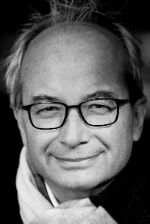
Erlend Hem is a Professor II at the Department of Behavioral Medicine , University of Oslo. He is also affiliated with the Department of Health Management and Health Economics as a student. His research focuses on suicide epidemiology, mental health among healthcare professionals, and mortality statistics. University of Oslo Department of Behavioral Medicine Department of Health Management and Health Economics (student) His work includes analyzing suicide rates in physicians and veterinarians, psychological distress in intensive care workers during the pandemic, and disparities in cancer outcomes. Studies like the NORVET survey and methodological research on mortality recording highlight his interdisciplinary approach. Recent publications address English language barriers in medical literature comprehension and historical medical practices. Scientific contributions span journals like Tidsskrift for Den norske legeforening , BMC Psychiatry , and BMJ Open . Collaborative projects involve teams from Norwegian public health and emergency medicine sectors.
Lars Kristiansen is Professor II (part-time Professor) at the Department of Mathematics, University of Oslo . His research centres on the intersection of mathematical logic, computability theory, and computational complexity, with recent emphasis on computable analysis, weak first-order theories, subrecursive degree structures, and implicit computational complexity. Research Interests Computable Analysis: Representations and computational complexity of irrational and real numbers. Weak First-Order Theories: Decidability, interpretability and fragments of concatenation theories. Subrecursive Degree Theory: Fine structure of honest subrecursive degrees and the Grzegorczyk hierarchy. Implicit Computational Complexity: Reversible computing, type systems that capture complexity classes, and resource-bounded program analysis. Across more than 50 refereed publications since 1996, a clear trend emerges: an early focus on subrecursive hierarchies and honest degrees evolved into an intensive study of the computational content of real number representations and the logical strength of weak arithmetics. Recent work (2023-2025) deepens this agenda, analysing the complexity of converting between alternative representations of reals and the degree structures that these induce. Scientific Output While no named awards are listed, Kristiansen’s contributions are disseminated in top venues such as Bulletin of Symbolic Logic , Annals of Pure and Applied Logic , Archive for Mathematical Logic , Science of Computer Programming , and leading LNCS conferences. His work is frequently co-authored with Amir Ben-Amram, Jakob Grue Simonsen, Juvenal Murwanashyaka, Ivan Georgiev, and Neil D. Jones, indicating active collaborative networks in both logic and theoretical computer science. Research Groups & Collaborations Logic research group at the University of Oslo Data and Knowledge Management (DKM) group
Arnoldo Frigessi is Professor of Statistics at the University of Oslo, where he leads the Oslo Center for Biostatistics and Epidemiology and serves as director of BigInsight—a Centre of Excellence for Research-Based Innovation. This consortium unites industry, business, public actors, and academia to develop model-based machine learning methodologies for big data, with strong emphasis on health applications. His research centers on statistical methodology driven by real-world scientific challenges, specializing in stochastic models for complex dependence structures and computationally intensive inference algorithms. Core application domains include: Genomics and personalized cancer therapy (particularly breast and lung cancer) Infectious disease modeling (including pandemic response) eHealth, sensor data analysis, and recommender systems Personalized marketing and viral diffusion dynamics Analysis of his 15 most recent publications (2024-2025) reveals dominant themes in cancer systems biology , where he integrates multi-omics, single-cell transcriptomics, and computational modeling to decode tumor evolution under therapy. Parallel work advances infectious disease epidemiology through time-varying reproduction number estimation and mobility-based transmission modeling, while methodological innovations span synthetic data generation (TVineSynth), causal inference via target trial emulation, and Bayesian ranking models for recommender systems. Scientific Awards: No specific awards mentioned in source materials Frigessi actively supervises graduate students, including a Department of Informatics project on "Utilizing covariate information in recommender systems." His leadership of BigInsight—funded as a Research-Based Innovation Centre by the Research Council of Norway—secures major grants supporting interdisciplinary collaborations with industrial partners (e.g., Telenor, DNB) and public health institutions. Current projects integrate real-world clinical data with mechanistic models for treatment optimization. He directs BigInsight's multidisciplinary team of statisticians, computer scientists, and domain experts, while leading the Oslo Center for Biostatistics and Epidemiology's efforts in developing statistical frameworks for complex health data. These initiatives drive Norway's national strategy for data-driven health innovation.
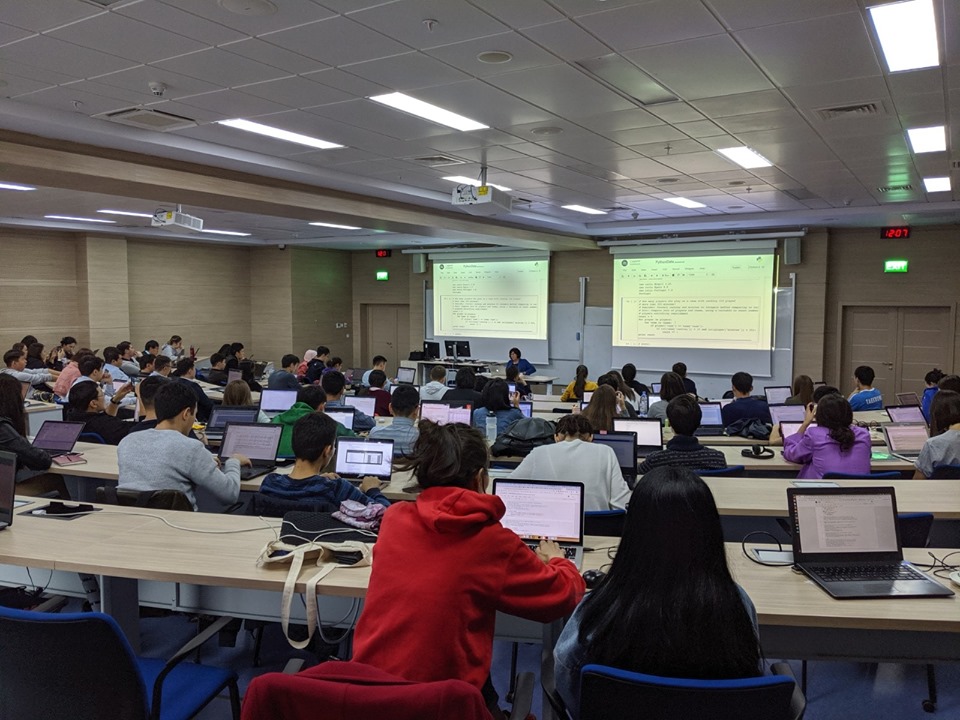
Jennifer Widom serves as the Dean of the School of Engineering and holds a Professorship in Computer Science at Stanford University, actively contributing to academic leadership and educational initiatives as evidenced by her recent 4.5-day lecture and workshop series. Her research expertise centers on Computer Science with specialized focus in Database Systems, Data Management, and Information Systems, reflecting foundational contributions to data-intensive computing methodologies and systems design within the engineering discipline.
Amirhosein Taherkordi is a Professor in the Networks and Distributed Systems group at the Department of Informatics, University of Oslo, Norway. His research focuses on resource-efficiency, scalability, adaptability, dependability, mobility and data-intensiveness of distributed systems for emerging computing technologies including Internet of Things (IoT), Fog/Edge/Cloud Computing, and Cyber-Physical Systems (CPS). Dr. Taherkordi received his Ph.D. from the Informatics Department at the University of Oslo under the supervision of Prof. Frank Eliassen, with his thesis titled "Programming Wireless Sensor Networks: From Static to Adaptive Models." He holds an M.Sc. in Information Technology Engineering (Software Engineering) from University of Science and Technology and a B.Sc. in Computer Engineering from Sharif University of Technology. His research spans multiple domains of distributed systems with emphasis on practical applications. He investigates energy efficiency in wireless sensor networks, communication optimization in IoT systems, and adaptive resource allocation in edge computing environments. His work addresses critical challenges in network traffic classification, federated learning for vehicular networks, and data processing across heterogeneous platforms. Analysis of his recent publications reveals a strong trajectory toward communication-efficient federated learning techniques for vehicular networks, energy-aware protocols for IoT data collection, and advanced machine learning approaches for network traffic analysis. His research consistently focuses on optimizing resource usage while maintaining system performance and privacy in distributed architectures. Dr. Taherkordi actively contributes to several research initiatives including the CPS Lab at UiO for Cyber Physical Systems, DILUTE: Fluid Service Abstraction for Large-Scale Cloud IoT Systems, and the Gemini Centre on IoT at UiO. His work bridges theoretical advances with practical implementations in transportation systems, environmental monitoring, and industrial automation.
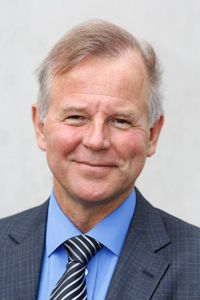
Ole Petter Ottersen is a Professor at the University of Oslo’s Faculty of Medicine, affiliated with the Institute of Basic Medical Sciences. He previously served as Rector of the University of Oslo (2009–2017) and President of Karolinska Institutet (2017–2023). Ottersen holds dual roles as a Visiting Professor at Charité – Universitätsmedizin Berlin’s Global Health Institute and an affiliated member of Karolinska’s Department of Neuroscience and Department of Global Public Health. He is also Vice President of the Virchow Foundation and chairs the Lancet Commission on Global Governance for Health 2.0. His career spans academic leadership, research coordination, and international health policy advocacy. Education: He earned an M.D. (1980) and Ph.D. in Neuroscience (1982) from the University of Oslo. Ottersen has held academic positions including Research Fellow (1978–1983), Associate Professor (1983–1992), and has coordinated prestigious EU and Nordic grants. His research priorities include academic quality, internationalization, innovation, and dissemination. Research interests focus on molecular neuroscience (e.g., aquaporin-4 channels in brain water dynamics) and global health governance. His work bridges basic science and policy, addressing health inequity, pandemic preparedness, and sustainable healthcare. Recent publications emphasize systemic approaches to global crises, vaccine equity, and interdisciplinary solutions for health challenges. Ottersen has received the Anders Jahre Medical Prize (twice), the Lundbeck Nordic Research Prize, and honorary doctorates from multiple institutions. His awards include France’s Ordre national du Mérite (2019) and Japan’s Order of the Rising Sun (2023). He has led prize committees, including the Kavli Prize in Neuroscience. He has coordinated major national and international grants, such as Norway’s Functional Genomics Program (FUGE) and the EU’s Biomed and NeuroImage projects. His advisory roles include the European Research Council (ERC), WHO-related initiatives, and boards like Oslo University Hospital and NordForsk. Ottersen’s teaching spans medical students since 1976, covering neurobiology, histology, and anatomy. Key initiatives include founding the Guild of European Research-Intensive Universities and leading the Lancet Commission on Global Governance for Health. He collaborates with institutions like EMBL-Norway, Africa CDC, and the Global Virus Network, emphasizing intersectoral action and equitable global health systems.
Sergej Stoppel is currently a researcher (PostDoc) in the visualization group at the University of Bergen. His academic background includes a Mathematics master's degree (2014) and a PhD in 2018, both from the University of Bergen. His research focuses on visual data science, with an emphasis on interactive visualization techniques, human-computer interaction, and physical visualization systems. He has authored/co-authored numerous papers on topics such as hexagonal map enhancements, spatio-temporal data interaction, and low-cost physical art generation. Education: M.Sc. Mathematics (2014), University of Bergen PhD in Visualization (2018), University of Bergen Research Interests: His work spans data visualization, scientific visualization, and interactive techniques. Notable contributions include Vol²velle (printable interactive volume visualization widgets), Firefly (virtual illumination drones), and LinesLab (low-cost art generation systems). He explores methods to bridge the gap between virtual and physical visual representations, emphasizing user-centric design. Publications: His recent work includes advancements in hexagonal map visualization (2022), spatio-temporal selection techniques (2020), and illumination automation (2019). These contributions highlight his focus on enhancing data interpretation through novel interaction paradigms. Labs/Teams: Active member of the VisGroup at the University of Bergen, collaborating on projects like MetaVis and VIDI. His work is supported by grants involving visualization and medical imaging applications.
Bjørge Hermann Hansen is a postdoctoral researcher at the Department of Sport Medicine, Norwegian School of Sport Sciences (NIH), actively engaged in national physical activity surveillance and the International Children's Accelerometer Database (ICAD). His work bridges epidemiology, statistics, and device-based measurement to investigate activity patterns across diverse populations including children, cancer survivors, and clinical cohorts like Duchenne Muscular Dystrophy patients. Previously referenced in 2020-2023 materials as a University of Agder professor, NIH's December 2023 employee page confirms his current research role at Norway's premier sport science institution. Hansen's research focuses on physical activity epidemiology and measurement validity, specializing in accelerometer data analysis. He investigates intensity distribution, sedentary behavior, and their health associations across lifespan stages. His methodological expertise includes harmonizing multi-cohort data, validating self-report tools against objective measures, and developing protocols for reliable activity monitoring. Current projects address environmental determinants like family car ownership and school policies on screen time. Recent publications reveal a dominant trend: large-scale meta-analyses using pooled international data (ICAD) to establish dose-response relationships between activity patterns and mortality. He also examines secular trends in Norwegian youth activity, methodological challenges in measurement, and the impact of clinical conditions on movement behaviors. Key journals include The Lancet, British Journal of Sports Medicine, and PLOS ONE. Scientific awards: None explicitly mentioned in source materials. Hansen teaches Statistics, Epidemiology, and Scientific Methods at NIH, translating complex concepts through podcasts like Fysioformidlingen. While no specific grants or student advising records are provided, his leadership in national surveillance projects (e.g., Kan3 reports for Folkehelseinstituttet) indicates active grant-funded research. He advocates for evidence-based policies such as school mobile phone bans to increase recess activity. He collaborates with the ICAD consortium and Norwegian Institute of Public Health on population monitoring. His work with the Kan3 project involves nationwide data collection on adult physical activity and fitness. Recent Folkehelseinstituttet reports (2023-2024) demonstrate his role in national health surveillance systems.
Debarun Sarkar is a Research Fellow affiliated with the Department of Linguistic, Literary and Aesthetic Studies at the University of Bergen. He works on the ALGOFOLK project, examining sociotechnical systems and material-semiotic configurations. His research spans digital culture, AI ethics, urban studies, and cultural studies, with a focus on India and the Global South. Research Interests: Debarun focuses on the intersections between algorithms and folklore, exploring how digital technologies shape labor, creativity, and social structures. He critically analyzes blockchain adoption in India, AI auditing frameworks, and the sociopolitical implications of smart/green city initiatives. His cultural studies work includes examining heavy metal subcultures and hip-hop’s role in capitalist realism. Projects: He was co-PI for Audit4SG (2023), funded by the Notre Dame-IBM Technology Ethics Lab, and contributed to a Learning Analytics in Higher Education project (2022-24). Current work involves the ALGOFOLK project (Research Council of Norway and Trond Mohn Foundation funding). Education: PhD in Sociology from the University of Mumbai, where he served as a UGC Junior/Senior Research Fellow. His doctoral work engaged with urban scale debates in New Town, West Bengal.
Kerry Stephen Seiler is a Professor at the University of Agder in Norway, specifically within the Department of Sport Science and Physical Education under the Faculty of Health and Sport. He has been actively involved in research and consultation since the late 1990s, including roles as a research consultant for the Sorlandet Regional Hospital and the Norwegian Olympic Federation. Masters in Exercise Science (1987), University of Arkansas PhD in Kinesiology (Exercise Physiology and Biochemistry, 1995), University of Texas His research focuses on Exercise Physiology , particularly the interaction between brain and body during physical exertion and how cardiovascular systems adapt to training . He developed the SPADE research group (Sports Performance and Athlete Development Environments) and is a leading voice in 80/20 endurance training principles. Recent publications emphasize training intensity distribution , low-intensity endurance strategies , and polarized training models . His work often intersects with practical applications in professional cycling and endurance sports. Fellow, European College of Sport Science Fellow, American College of Sports Medicine He has contributed extensively to media platforms like Fast Talk Laboratories , The Roadman Cycling Podcast , and Podcast Feel Better Live More , discussing topics ranging from Zone 2 training to exercise as a longevity tool .
Tom Brökel is Professor in Regional Innovation at the University of Stavanger Business School, Norway, and is associated with the Center of Regional and Innovation Economics at the University of Bremen, Germany. He is affiliated with the UiS School of Business and Law, specifically within the Department of Innovation, Management and Marketing. His research and teaching focus on innovation, economic geography, and network analysis. His research interests include: Geography of Innovation Regional Innovation Systems Technological and Skill Complexity Social Network Analysis R&D and Innovation Policy Renewable Energy and Sustainability Transitions Smart Specialization Strategies News Media as Big Data for Regional Science Tom Brökel's recent publications reveal a strong thematic focus on the interplay between technological complexity, regional economic growth, and innovation policy. His work frequently employs network and spatial analysis to study regional diversification, co-patenting dynamics, and the diffusion of innovation. He has developed novel methodologies using news media and press releases as data sources to assess regional economic sentiment and innovation visibility. His scientific contributions have been published in high-impact journals such as Research Policy , Technovation , Regional Studies , and Journal of Economic Geography . He actively collaborates with scholars across Europe, particularly on topics related to smart specialization, regional transformation, and green transitions. Notable scientific contributions include: Analysis of urban scaling of innovation across global cities Long-term evolution of technological complexity and its impact on economic growth Role of relatedness in regional job creation Impact of R&D subsidies on technological diversification Use of media narratives to understand public perceptions of wind energy Brökel regularly presents at international conferences such as RSA, ERSA, and Geography of Innovation. He is involved in research dissemination, policy advising (e.g., for Rogaland County), and public engagement. He has no listed PhD students in the provided text, but he supervises research projects and collaborates widely. He is not part-time, not retired, and currently active in both research and teaching.
Jørgen Jensen serves as Professor in the Department of Physical Performance at the Norwegian School of Sport Sciences, where he leads the Biochemical Laboratory and heads the biochemistry research group. His responsibilities encompass teaching, research supervision, and service on the Committee for Postgraduate Education. Dr. Jensen earned his PhD from the Norwegian School of Sport Sciences in 1993, followed by postdoctoral training at the University of Oslo. Prior to his current position, he conducted research at the National Institute of Occupational Health from 1997 to 2009, investigating skeletal muscle glucose uptake and glycogen metabolism mechanisms. His research centers on carbohydrate metabolism regulation during and after exercise, with particular emphasis on caffeine's ergogenic effects, protein supplementation impacts on endurance performance, and exercise-induced insulin sensitivity changes. This work bridges exercise physiology, biochemistry, and nutritional science to advance understanding of human performance and metabolic health. Analysis of his 15 most recent publications reveals strong focus on nutritional interventions (protein/carbohydrate supplementation, fasting), metabolic adaptation to exercise, and biochemical monitoring through nitrogen excretion and proteome analysis. His studies frequently employ human trials with endurance athletes and controlled metabolic testing. No scientific awards were documented in the provided materials. As an educator, Jensen holds academic responsibility for Metabolism (THP204) and Metabolic Regulation (MA408) courses, delivering lectures on metabolic processes. His supervision activities include mentoring graduate students within the biochemistry research group framework. The biochemistry research group operates the university's Biochemical Laboratory, conducting studies on exercise-induced metabolic responses, nutrient-exercise interactions, and molecular mechanisms underlying performance adaptations.
Margunn Aanestad is a Professor in Digital Innovation at the Department of Informatics (IFI), Faculty of Mathematics and Natural Sciences, University of Oslo (UiO). With 25 years of research experience focused on healthcare digitalization, she examines how digital technologies transform organizations and societies at multiple analytical levels. Her work spans healthcare information systems, digital innovation, and information infrastructures across the Nordic region and internationally. Her research interests center on understanding digital transformation through a sociotechnical lens, particularly examining how work practices evolve when based on digital monitoring rather than physical visits, how organizations become 'data-driven' through advanced analytics, and how sector-level ecosystems require new technical and regulatory solutions for data sharing. She investigates information infrastructures as interconnected systems rather than isolated technologies, working at the intersection of Information Systems (IS), Computer Supported Cooperative Work (CSCW), Science and Technology Studies (STS), and organizational theory. Her empirical work primarily focuses on healthcare digitalization, including patient records, collaboration solutions, patient portals, digital home monitoring, and emerging AI applications for personalized medicine. Professor Aanestad leads research within the Digital Innovation (DIN) group at UiO and has been involved in significant projects including KINT (From local breakthroughs in knowledge to integration into medical practice) and CORPUS (New competence requirements in the public sector: The consequences of digitalization for work with different degrees of specialization). She previously held a Professor II position at the University of Agder (2019-2022) and maintains active collaborations with NTNU, BI Norwegian Business School, Diakonhjemmet Hospital, and Copenhagen Business School. Her publication record demonstrates consistent high-impact contributions across information systems, healthcare innovation, and digital governance. Recent work explores critical perspectives on digital solutionism, data governance spaces for personal health information, and the sociotechnical dimensions of implementing data infrastructure in public sectors. She examines how digital technologies create both opportunities for innovation and complex challenges related to governance, inclusion, and sustainability. Professor Aanestad's educational background includes engineering degrees in medical technology (1992) and technical sciences (1994) from Stavanger University College. Before joining UiO as a PhD student in 1998, she worked as a department engineer at Rikshospitalet and as a senior engineer at Telenor. Her career trajectory reflects deep engagement with both technical implementation and theoretical understanding of digital transformation processes.
Mostafa Bakhoday Paskyabi is an Associate Professor at the Geophysical Institute , University of Bergen. His research focuses on offshore wind energy , environmental impacts of turbines , wind-wave-turbulence interaction , and climate change effects on wind parks . He employs Large Eddy Simulation (LES) and data assimilation for digital twin development. Teaching: Course responsible for ENERGI322 and ENERGI101; lecturer for ENERGI321 and ENERGI360. Supervision: Advises PhD candidates like Maria Krutova, Xu Ning, and Øystein Husevåg Døskeland, alongside master’s students including Fahim Masud Ahmed and Tord Nylan Malmei. His research explores physical oceanography (ocean mixing, Lagrangian particle tracking), air-sea interaction , and reduced-order modeling for offshore energy systems. Recent work examines swell wave impacts on turbulence and LiDAR-based data assimilation for transient event forecasting. Projects include LESWIND , WindSys , HIPERWIND , and Wind3D , addressing offshore wind design, ecosystem impacts, and climate operability. Collaborations span institutions like NTNU, NORCE, and IMR.
Signe Søvik is a Professor at the Institute of Clinical Medicine, University of Oslo, and a senior consultant anesthesiologist at the Department of Anaesthesia and Intensive Care, Akershus University Hospital, Norway. She is affiliated with the Research Group for Human Integrative Cardiovascular Control (CIRCON) and collaborates with departments of Infectious Diseases, Cardiology, and Emergencies and Critical Care across Oslo and Akershus University Hospitals. Her research focuses on acute respiratory and cardiovascular physiology, emergency medical care evaluation, and statistical modeling of complex medical systems. Key areas include pediatric anesthesia, trauma care, neonatal cardiorespiratory control, and medical simulation for teaching. She is actively involved in clinical and translational research with strong interdisciplinary collaboration. Recent publications reveal a strong trend in human physiological responses under stress, including trauma, hypovolemia, surgical positioning, and environmental exposure. Her work integrates clinical data with advanced statistical and network analysis, particularly in trauma epidemiology, ICU patient flow, and outcomes in critical illness such as COVID-19. She frequently employs cohort studies, systematic reviews, and physiological monitoring in healthy and patient populations. Signe Søvik is deeply engaged in medical education, especially through simulation-based training. She supervises research and contributes to quality improvement in emergency and critical care settings.