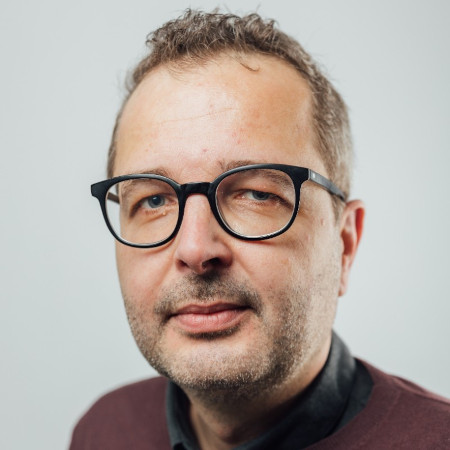
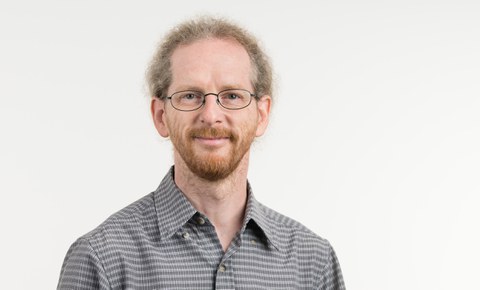
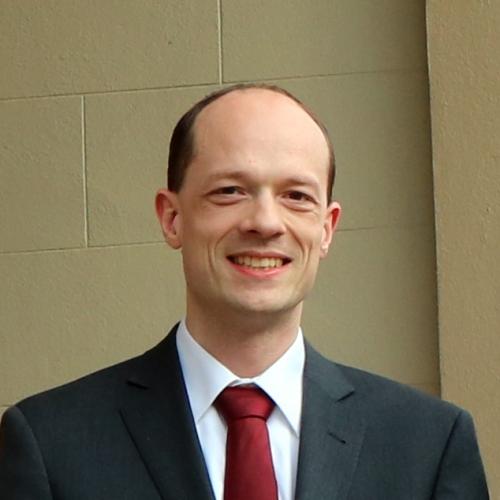
Professor Philip Jonathan is Chair in Environmental Statistics and Data Science at the School of Mathematical Sciences, Lancaster University. He specializes in extreme value analysis for oceanographic and offshore engineering applications, Bayesian methods for monitoring large systems, and inverse modeling in remote sensing. His work emphasizes uncertainty quantification in environmental and data science contexts. Key research groups: STOR-i Centre for Doctoral Training , Extreme Value Theory , DSI - Environment , Data Science Institute . Current postgraduate students: Thomas Newman (Bayesian inverse modeling) and Matthew Speers (multivariate extremes for ocean-structure interactions). His recent publications focus on non-stationary extreme value models , directional wave dynamics , and climate change impacts on marine environments, with methodological contributions in penalised piecewise models and Metocean software tools . He collaborates on projects like ARC TIDE 1 (inspection regime optimization) and Modelling Wave Interactions Over Space and Time .
Dr. Corinna Glasner is a Scientific Project Manager at the University of Groningen's Faculty of Medical Sciences, affiliated with the Department of Medical Microbiology and Infection Prevention. She leads EU-funded INTERREG V projects EurHealth-1Health and health-i-care , focusing on transnational infection control and antimicrobial resistance research. Roles: Scientific Project Manager, Research Associate Projects: INTERREG V (EurHealth-1Health, health-i-care) Collaborations: German-Dutch cross-border initiatives Her research integrates molecular microbiology , epidemiology , and machine learning to address antibiotic resistance and infection prevention in clinical and cross-border settings. Key topics include Staphylococcus aureus genomics, carbapenemase-producing Enterobacteriaceae , and data-driven healthcare solutions. Recent publications highlight her work on cross-border urinary tract infection management , VRE epidemiology , and AMR data analysis tools . She actively contributes to EU policy discussions and media engagements regarding infection prevention, particularly focusing on the Northern Dutch-German border region.
Xuhao Chen is an Assistant Professor in the Department of Computer Science and Engineering at the College of Engineering, Michigan State University. His research focuses on high-performance software systems and hardware architectures, with applications in AI/ML, cybersecurity, scientific computing, and finance. Prior to his current role, he held positions including Research Scientist at MIT CSAIL (working with Professors Charles Leiserson and Arvind), Research Fellow at the University of Texas at Austin, and Visiting Scholar at the University of Illinois Urbana-Champaign. Education: Ph.D. in Computer Science from National University of Defense Technology (2014). Research interests emphasize interdisciplinary systems research, blending hardware-software co-design principles. His work appears in top-tier venues such as ISCA, MICRO, VLDB, and OSDI. He explores scalable computing solutions for data-intensive applications across diverse domains. No specific grants or awards are listed in the profile. Advising information is not provided here. Previous affiliations include MIT CSAIL (201X-201X), UT Austin (201X-201X), and UIUC (201X-201X).
Loek G.W.A. Cleophas is an Assistant Professor in Engineering of Software-Intensive Systems at Eindhoven University of Technology (TU/e), affiliated with the Mathematics and Computer Science department. He holds an Extraordinary Associate Professorship at Stellenbosch University and has held visiting roles at TU Braunschweig (2016-2017) and Umeå University (2014-2016). His academic career includes industry collaborations with ASML and Canon, and leadership as Managing Director of the Dutch research school for Programming and Algorithmics (IPrA). Education: Both his MSc (with honors) and PhD in Computer Science and Engineering were obtained at TU/e. His research focuses on model-driven software engineering (MDSE) and algorithm engineering, with emphasis on pattern matching using finite automata and parallel processing for large datasets. Recent work includes model repository analytics, digital twin systems, and variability analysis in software product lines. Research Trends: Over 129 publications span topics like SAMOS framework for model analytics, VPDSL domain-specific languages, and taxonomy-based algorithm toolkits. His work bridges theoretical foundations with industrial applications in high-tech systems. Advising: Supervised 27 postgraduate students at Stellenbosch and TU/e. Grants/Projects: Led collaborations with ASML on model-driven virtualization, and organized international workshops like AMMoRe (2018-2020). Labs/Tools: Developed SAMOS framework for model analytics and LaMa web application for thematic labeling. Active in open-source tool development for correctness-by-construction methodologies.
Sven Degroeve is an Associate Professor in Machine Learning methods for biomedical data analysis at the Department of Biomolecular Medicine (Faculty of Medicine and Health Sciences, Ghent University) and a staff scientist at the VIB-UGent Center for Medical Biotechnology in Ghent, Belgium. With over 20 years of experience, he applies machine learning to natural language processing, genomics, and proteomics. His research focuses on: Developing deep learning models to simulate molecular behavior in biotechnology platforms Enhancing high-throughput proteomics data analysis Creating computational tools for peptide identification and PTM prediction His recent publications (2019-2025) demonstrate strong specialization in AI-driven proteomics, including: Retention time prediction (DeepLC) Data rescoring pipelines (MS2Rescore, TIMS2Rescore) Peptide fragmentation modeling (MS²PIP) Novel applications in immunopeptidomics and structural biology He leads a team focused on bridging machine learning and experimental proteomics, with work cited over 8,000 times in high-impact journals.
Chris Hecker is an Associate Professor in Thermal Infrared Sensing at the University of Twente's Department of Applied Earth Sciences and affiliated with the International Institute for Aerospace Survey and Earth Sciences (ITC). He holds a PhD in Remote Sensing of Earth Resources (2012, with distinction) and an MSc in Earth Sciences from the University of Basel. His research focuses on thermal remote sensing for geothermal systems and critical raw materials, leveraging thermal infrared spectroscopy and hyperspectral imaging. Key projects include leading the ECOSTRESS project for geothermal anomaly detection and the KenGen collaboration in Kenya. He is also the founder of ITC's thermal infrared spectroscopic facilities and chairs the European Special Interest Group on Thermal Remote Sensing. Teaching involves advanced remote sensing courses and coordinating academic skills training for MSc students. Awards include NASA Science Team membership (2019-2022) and the Overijssel PhD award nomination (2013). His work contributes to UN SDGs related to affordable and clean energy (SDG 7) and climate action (SDG 13). Education: MSc Earth Sciences, University of Basel (1999) PhD Remote Sensing of Earth Resources, University of Twente (2012) Key Projects: ECOSTRESS NASA Science Team (2019-2022) KenGen Geothermal Collaboration (2019-2021) GEOCAP Indonesia-Netherlands Programme (2014-2019) Awards: PhD 'With Distinction' (2012) University of Twente Graduation Award (2015)
Ralph Müller-Pfefferkorn is Head of the Department of Distributed and Data Intensive Computing at the Center for Information Services and High Performance Computing, Technische Universität Dresden. His work focuses on data management, metadata systems, and high-performance computing infrastructure. He holds a PhD in Physics from TU Dresden (2001) and has extensive experience in research data infrastructure development, spanning roles from 1996 to present across physics and computational science domains. Education: 2001: Dr. rer. nat., Physics, TU Dresden (Thesis on BABAR detector calibration) 1996: Diploma in Physics, TU Dresden 1992–1996: Studies in Physics at TU Dresden 1990–1992: Studies at TU Chemnitz Research interests emphasize distributed data management, long-term archiving, and FAIR data principles. He contributes to initiatives like the Research Data Alliance (IG Co-Chair) and UNICORE Forum board. His publications address challenges in big data workflows, metadata standards, and interdisciplinary infrastructure integration. Labs/Teams: Leads the Distributed and Data Intensive Computing team within TU Dresden's HPC center, collaborating on projects like MoSGrid and MASi repository systems.
Ross Bannister is a Senior Research Fellow at the National Centre for Earth Observation (NCEO) and part of the Department of Meteorology at the University of Reading. His primary role involves advancing data assimilation techniques and their integration with machine learning, particularly in meteorological and environmental science contexts. He lectures on NERC/NCEO/DARC training courses focused on data assimilation and its applications. Affiliations: NCEO, University of Reading's Meteorology Department Research Interests: Data assimilation, inverse modeling, convective-scale dynamics, and background error covariance modeling His research spans projects like the Ocean Reanalysis Algorithms for Climate Studies (ORACS) and contributions to initiatives such as DIAMET and FFIR, improving weather prediction and flood forecasting. Recent publications highlight advancements in hybrid ensemble-variational methods, ecosystem connectivity analysis, and model development (e.g., the Hydro-ABC framework). He actively supervises PhD students in topics like satellite data assimilation and marine modeling. Bannister’s work emphasizes bridging observational data with computational models to enhance Earth system understanding, with a focus on high-resolution forecasting and reanalysis systems.
José Ângelo Braga de Vasconcelos is an Associate Professor at Lusófona University, affiliated with the Faculty of Natural Sciences, Engineering and Technologies. He is also a member of COPELABS (Association for Research and Development in Cognition and Human-Centered Computing). Previously, he served as an Assistant Professor at Universidade Europeia (2015-2020) and as an Associate Professor at Universidade Fernando Pessoa (1994-2013). He completed his PhD in Computer Science at the University of York in 2001 with a dissertation titled 'An Ontology-Driven Organisational Memory for Managing Group Competencies.' His research spans multiple domains within computer science, with particular emphasis on Knowledge Management, Software Engineering, Ontology Design, and Competence Management. His work frequently intersects with organizational memory systems, business process management, and applications in healthcare informatics. He has developed significant expertise in applying knowledge management principles to software engineering projects, organizational learning networks, and hospital information systems. His scholarly output demonstrates a clear progression from foundational work in organizational memory systems and ontology design toward more recent applications in data science, business intelligence, and healthcare analytics. His publications show increasing focus on maturity models, particularly in IT service management and healthcare information systems, reflecting a practical orientation toward improving organizational processes through systematic frameworks. He has supervised three master's dissertations on topics including decision support systems for accounting information management, software engineering for game development, and competence-based human capital management. His research collaborations extend across multiple institutions, with frequent co-authorship with Álvaro Rocha and other researchers in the Portuguese academic community. His professional activities include membership in IEEE and the Association for Computing Machinery (ACM), and他曾 served as a scientific reviewer for journals including the International Journal of Information Technology and Management and Engineering Applications of Artificial Intelligence. His work demonstrates strong alignment between theoretical knowledge management frameworks and practical applications in organizational settings.
Dr. Matthias Görges is an Associate Professor in the Department of Anesthesiology, Pharmacology & Therapeutics at the University of British Columbia's Faculty of Medicine. He serves as an Investigator at BC Children's Hospital Research Institute and co-leads both the Pediatric Anesthesia Research Team and the Digital Health Innovation Lab. His academic appointments also include affiliation with the School of Biomedical Engineering at UBC. Dr. Görges received his MSc in Biomedical Engineering from Hochschule für Angewandte Wissenschaften Hamburg, Germany, and his PhD in Bioengineering from the University of Utah, Salt Lake City, USA. He completed a post-doctoral fellowship in the Department of Electrical and Computer Engineering at the University of British Columbia. Dr. Görges leads trans-disciplinary research at the intersection of engineering, computer science, and clinical medicine, with a focus on improving pediatric anesthesia and intensive care through technology. His work spans digital health innovation , clinical decision support systems , medical device integration , and data analytics for patient monitoring . He has made significant contributions to understanding patient monitoring alarms, developing medical displays, creating decision support systems, and building mobile health applications for improved clinical workflows. His recent publication portfolio demonstrates a strong focus on digital health solutions for pediatric care, with particular emphasis on diabetes management, surgical pain prediction, and clinical decision support. The research shows a clear trajectory toward more personalized, data-driven approaches to pediatric anesthesia and postoperative care, with increasing integration of machine learning and predictive analytics. Peer-Mentorship Excellence by an Investigator, BC Children's Hospital Research Institute (2024) Department of Anesthesiology, Pharmacology and Therapeutics Paper of the Year, University of British Columbia (2024) Featured article in Hot Topics in Pediatric Anesthesiology: Editor's Picks 2019 Dr. Görges has secured multiple research grants including the Evidence to Innovation Seed Grant (2025), Convening & Collaborating Program from Michael Smith Health Research BC (2024), C&W Digital Health Research Accelerator Grant (2021), NSERC Discovery Grant (2021), and Michael Smith Health Research BC Scholar Program (2020). His research team includes graduate students, software developers, and clinical research coordinators working across multiple projects focused on digital health innovation. As co-leader of the Digital Health Innovation Lab at BC Children's Hospital, Dr. Görges oversees projects developing mobile applications for pain management, digital triage platforms, and integrated monitoring systems. His work on the VitalPAD project represents a significant contribution to improving patient safety through better information integration for clinicians.
Shuaiwen Song is a SOAR Associate Professor (tenured) at the School of Computer Science , University of Sydney, and directs the Future System Architecture (FSA) Lab . He holds affiliated professor positions at the University of Washington's Electrical Engineering department and serves as a Visiting Professor at Microsoft. Key research areas: High Performance Computing (HPC), Hardware-Software Co-design, Emerging Architectures (heterogeneous, quantum), and System ML Current projects: Large-Scale Sparse Model Design (Google), Tiered Memory Systems (Google), Compiler Optimizations for Heterogeneous Computing (Microsoft/Alibaba), Planet-Scale XR Systems (Meta), Quantum System Architecture (Australian Research Council) His work bridges system software and hardware, focusing on holistic design for complex many-accelerator systems and futuristic architectures like VR/AR and quantum accelerators. Recent publications highlight advancements in temporal graph processing, VR rendering, and ReRAM-based CNN training. He has received prestigious awards including IEEE Mid-Career Award for Scalable Computing , Alibaba AIR Faculty Award , and Australia's Most Innovative Engineers recognition.
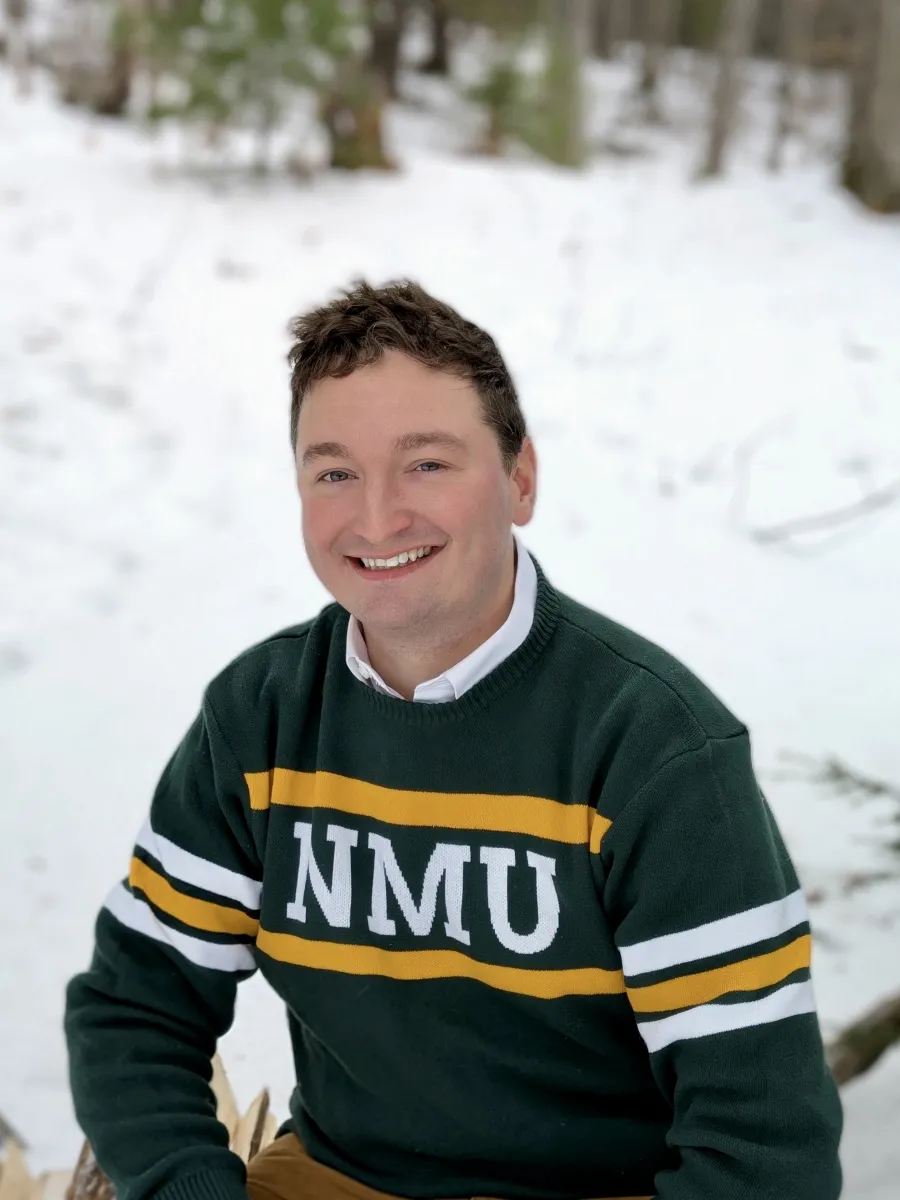
Dr. Forrest Toegel is an Assistant Professor in the Department of Psychological Science within the College of Arts and Sciences at Northern Michigan University (NMU). He directs the Toegel Laboratory, where he and his team investigate basic and applied questions in behavior analysis, with a strong emphasis on substance-use disorders, contingency-management interventions, and community health initiatives. Education B.A. in Psychology, University of Wisconsin–Eau Claire (2014) M.S. in Psychology (Behavior Analysis), West Virginia University (2014–2018) Ph.D. in Psychology (Behavior Analysis), West Virginia University (2014–2018) Post-doctoral Fellowship, Johns Hopkins University School of Medicine (2019–2022) Research Focus Dr. Toegel’s research integrates experimental and applied behavior analysis to address socially significant problems such as substance abuse, relapse, and failures in self-control. His lab employs sophisticated operant methodologies, behavioral pharmacology, and community-based intervention designs to translate laboratory findings into scalable public-health solutions. Core themes include: Impulsivity and self-control in decision-making Behavioral mechanisms of addiction and relapse Contingency-management and incentive-based treatments Technology-enhanced training for therapists and caregivers Health-economic evaluations of behavioral interventions Publication Trends Across more than 30 peer-reviewed articles since 2017, Dr. Toegel’s scholarship demonstrates a clear trajectory from basic experimental work on reinforcement schedules and choice behavior to large-scale randomized clinical trials evaluating the cost-effectiveness of abstinence-contingent wage supplements and therapeutic workplace models. His 2024–2025 publications emphasize translational applications: driving-simulator paradigms for undergraduate pedagogy, anti-anxiety medication screening using rich-lean transitions, and comprehensive economic analyses of incentive programs for homeless populations with alcohol use disorder. Scientific Recognition While explicit awards are not enumerated in the provided text, Dr. Toegel’s consistent federal funding record (implied via NIH-supported trials) and leadership roles in multi-site studies underscore the high impact of his work on addiction science and behavioral economics. Student Mentorship & Grants Through the Toegel Laboratory, Dr. Toegel provides intensive, hands-on training to both undergraduate and graduate students in experimental design, data analysis, and dissemination. Students routinely co-author publications and present at national conferences such as ABAI and APA. External funding from NIH and other agencies supports student stipends, conference travel, and community-based research initiatives. Laboratory & Team The Toegel Laboratories occupy dedicated space in the Weston Science Building (WSTN 1119) at NMU. The facility houses operant chambers, computer-based training modules, and data-collection systems for both human and non-human research. A collaborative team of graduate research assistants, undergraduate honors students, and community partners ensures a vibrant, interdisciplinary research environment aimed at improving the human condition through the science of behavior.
Yazan Roumani is an Associate Professor of Quantitative Methods at Oakland University's School of Business Administration. His office is located in Elliott Hall, and he can be contacted via email at roumani@oakland.edu or phone at (248) 370-4974. Dr. Roumani specializes in analytics, operations management, and healthcare research, with teaching interests in statistics, management science, and business analytics. Education: Ph.D. in Business Analytics & Operations, University of Pittsburgh (2013) M.S. in Biostatistics, University of Pittsburgh (2006) MBA, Indiana University of Pennsylvania (2004) Research Focus: Dr. Roumani's work bridges data-driven methodologies and practical applications in healthcare, business operations, and technology adoption. His publications demonstrate expertise in predictive modeling, risk assessment, and optimization techniques across diverse domains including cybersecurity, sports analytics, and patient care. Publication Trends: Recent articles (2018–2025) emphasize healthcare operations and business analytics, with evolving applications in emerging areas like ransomware forecasting and remote work dynamics. Methodologically, his work consistently employs advanced statistical modeling, machine learning, and simulation techniques. Awards and Fellowships: SBA Spring-Summer Research Fellowships (2015–2017, 2019, 2022–2023) URC Faculty Research Fellowships (2014, 2018) Founder's Day Teaching Excellence Award (2021) Faculty 'Impact' Player Recognition (2020) Graduates and Champions Faculty Recognition (2014)
Dr. Giorgio Fuggetta is a Senior Lecturer in Psychology at the University of Roehampton, London. He holds a Ph.D. in Neuroscience from the University of Verona and a BSc/MSc in Psychology from the University of Padua. His academic roles include teaching and research in cognitive neuroscience, particularly focusing on visual cognition and electrophysiological methods. University: University of Roehampton School: School of Psychology Department: Department of Psychology Research interests include cognitive neuroscience, visual attention mechanisms, EEG methodologies, and translational research in psychological dysfunction. He investigates neural correlates of visual short-term memory (V-STM) and attention processes using EEG and transcranial brain stimulation (TMS/tDCS). Recent studies explore depression's impact on cognitive control and biomarkers of psychological conditions like schizotypy. Key projects include the 'Bodyswaps x Meta Healthcare Grant' (2025) and development of the 'Working Memory Analyser' software for assessing executive functions. His work is published in journals like Brain Stimulation and Applied Sciences . Award: Fellow of the Higher Education Academy (2016). Supervised doctoral students include Nektarios Gounaridis, Joseph O'Clery, and Hakan Sahin. Collaborative research spans cognitive neuroscience and interdisciplinary psychology.
Peter Gustafsson is a Lecturer at the Department of Statistics and Mathematical Statistics at Lund University. He also serves as the Health and Safety Representative for the Department of Statistics and the Main Health and Safety Representative for the Lund University School of Economics and Management (LUSEM). His academic roles are complemented by extensive teaching and research activities. His research focuses on computer-intensive methods in circular statistics, particularly involving Bessel functions for calculating distribution functions. He also develops statistical models in marketing and Markov chain applications for analyzing customer behavior. His teaching spans probability and inference theory, applied statistics, biostatistics, stochastic processes, econometrics, and statistical computations. His research outputs reflect interdisciplinary engagement, including contributions to visualization techniques (e.g., Euler diagrams), directional data analysis, and environmental statistical methodologies. Notable works include studies on customer behavior modeling and vegetation analysis in agricultural contexts. Peter has supervised numerous bachelor and master theses, demonstrating a commitment to student mentorship. His work bridges theoretical statistical methods with practical applications in diverse fields.