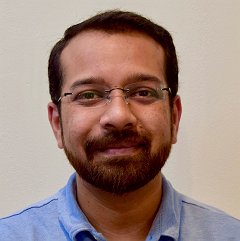
Sewon Min is an Assistant Professor at UC Berkeley's Electrical Engineering and Computer Sciences (EECS) department and a research scientist at the Allen Institute for AI. Her research focuses on Natural Language Processing (NLP) and Machine Learning, particularly Large Language Models (LLMs), emphasizing data-centric approaches and ethical AI practices. She holds a Ph.D. from the University of Washington (2024) and a B.S. from Seoul National University (2018). Her work includes advancements in retrieval-based models, mixture-of-experts architectures, and data privacy in LLMs. Notable projects include FlexOlmo (flexible data use in LLMs) and OLMoE (open mixture-of-experts models). She has been recognized with the ACM Doctoral Dissertation Award Honorable Mention (2025) and WAGS/ProQuest Innovation in Technology Award. Recent articles highlight her contributions to reasoning models, data tracing (OLMoTrace), and scalable retrieval systems (MassiveDS). She leads the Berkeley NLP Group and collaborates with BAIR, exploring topics like model transparency and ethical data usage.
Michael Ferdman is an Associate Professor in the Department of Computer Science at Stony Brook University, where he leads research in computer architecture and systems. His office is located in Room 343 at Stony Brook, NY 11794-2424, and he can be contacted via phone (631-632-8449) or email. Ferdman directs the Computer Architecture and Systems Laboratory (compas.cs.stonybrook.edu), focusing on next-generation server infrastructure. Ferdman's research spans the entire computing stack with emphasis on: FPGA integration for server environments (Intel HARP, Microsoft Catapult) Machine learning accelerators for convolutional neural networks Server systems optimization in the post-Moore era Network processing and software-defined networking Programming models for emerging memory technologies (HBM, 3D XPoint) Reconfigurable hardware and high-level synthesis His work addresses both performance and security challenges in modern computing infrastructure. Analysis of his 15 most recent publications (2022-2025) reveals consistent focus on: Hardware acceleration techniques (FPGAs, specialized processors) Memory hierarchy optimization and cache management Security vulnerabilities in web applications and systems Post-Moore computing architectures Parallel processing and distributed systems His research shows strong emphasis on practical implementations bridging hardware and software layers. Awards recognizing his contributions include: Graduate Teaching Award (2014) Best Paper Award at ASPLOS XVII Best Paper Finalist at HPCA XVII Three IEEE Micro Top Picks selections (2009, 2012) He teaches advanced courses including CSE 502, CSE 602, and CSE 506 at Stony Brook University.
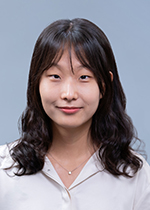
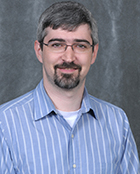
Dr. Lucy Hederman is an Associate Professor in Computer Science at Trinity College Dublin (TCD), affiliated with the O'Reilly Institute. Her research focuses on leveraging data and documents to support clinical decision-making, particularly in healthcare knowledge work. She has led interdisciplinary projects addressing data integration for rare diseases (e.g., ANCA-vasculitis, MND) and socio-technical challenges in adopting patient-generated health data (PGHD) into clinical practice. Dr. Hederman has secured over €xxxk in research funding and leads the Heterogeneity and Interoperability (H&I) challenge in the SFI-funded ADAPT 2 Centre. Her educational background includes advanced studies in computer science and healthcare informatics, though specific degree details are not explicitly stated in the text. She has supervised 4 PhDs, 2 research MScs, and co-supervised 6 PhDs, while currently mentoring 8 graduate students. Her career includes founding TCD spinouts PBOC and BIOLOGIT, which align with her research in health informatics and technology. Key research interests include: Interdisciplinary collaboration between clinicians, researchers, and technologists Data harmonization for multi-national clinical studies (e.g., FAIRVASC, Precision-ALS) Development of clinical decision support systems (CDSS) Design of mobile health (mHealth) tools for underserved populations Recent work emphasizes FAIR principles for healthcare data and socio-technical factors influencing PGHD adoption. She has contributed to over 70 peer-reviewed publications and actively participates in initiatives like the EU-funded TRANSFORM project and HRB Primary Care Research Centre. Dr. Hederman’s professional memberships include the Irish Computer Society, ACM, and Healthcare Informatics Society of Ireland. Her research has impacted healthcare practices in Ireland, with many MSc student projects influencing local health services.
Akihiko Nishimura is an Assistant Professor in the Department of Biostatistics at the Johns Hopkins Bloomberg School of Public Health. He holds a PhD from Duke University (2017) and MS and BS degrees from Stanford University (2011 and 2010). His research focuses on Bayesian methods, statistical computing, and public health data science, with applications in precision medicine and observational health data analytics. PhD, Duke University, 2017 MS, Stanford University, 2011 BS, Stanford University, 2010 Nishimura's research centers on developing advanced statistical and computational methodologies for real-world health data. His work emphasizes Bayesian inference, large-scale computing, and software development for reproducible research. He is particularly interested in using observational health data to improve clinical decision-making and advance precision medicine. He co-leads the Bayesian Learning and Spatio-Temporal modeling group (BLAST Group) and the inHealth/OHDSI Lab , collaborating with clinicians and data scientists across institutions. His recent publications reflect a strong trend in methodological innovation in Monte Carlo methods (e.g., Hamiltonian and Zigzag samplers), scalable Bayesian inference, and applications in pharmacovigilance, diabetes management, and infectious disease modeling. The articles span disciplines including biostatistics, computational statistics, public health, and bioinformatics, demonstrating a consistent focus on high-impact, computationally intensive problems in health data science. Nishimura actively contributes to the scientific community through methodological development and open science. He develops statistical software and shares teaching materials on GitHub, emphasizing reproducibility and performant computing. His involvement in the OHDSI community enables large-scale, multi-institutional studies that would not be feasible with single-source data. His work has been recognized through publications in top-tier journals such as the Journal of the American Statistical Association , Biometrika , and JAMA Ophthalmology , and has been picked up by numerous news outlets and social media platforms, indicating broad scientific and public impact. Nishimura teaches courses on performant statistical computing and advanced Monte Carlo methods, training the next generation of data scientists in efficient algorithm and software design. He mentors students and collaborators in statistical methodology and software development, fostering a culture of rigorous, reproducible, and impactful research.
Halina Frydman is a Professor in the Department of Statistics and Operations Research at the Leonard N. Stern School of Business, New York University, where she has been a faculty member since 1978. Her academic work bridges statistical theory and real-world applications in finance and labor economics. Institution: New York University School: Leonard N. Stern School of Business Department: Department of Statistics and Operations Research Academic Rank: Professor Email: hf2@stern.nyu.edu Education: Ph.D. in Mathematical Statistics, Columbia University, 1978 M.A. in Mathematical Statistics, Columbia University, 1974 B.S. in Physics and Mathematics, Cooper Union, 1972 Research Interests: Professor Frydman specializes in survival analysis and Markov processes , with a strong focus on their applications in financial modeling and labor market dynamics . Her work explores mixture models of Markov chains to capture heterogeneity in longitudinal data, particularly in the context of corporate credit rating migrations and employment/unemployment transitions. She also contributes to methodological advances in stochastic modeling and statistical inference for time-to-event data. Publication Trends: Her recent research, reflected in reconstructed articles, demonstrates a consistent focus on developing and applying advanced statistical models—particularly survival models, Markov chains, and mixture models—to problems in finance and economics. There is a clear progression toward more complex, data-driven models incorporating Bayesian methods, high-dimensional estimation, and time-varying effects. Scientific Awards: No awards explicitly mentioned in the source text. Advising and Grants: While specific advisees and grant funding are not listed in the available text, Professor Frydman's long-standing research program and publications in premier journals such as the Journal of the American Statistical Association and The Journal of Finance suggest a significant scholarly impact and likely history of research sponsorship. She teaches core courses including Regression & Forecasting Models , Stochastic Processes I , and Stochastic Models in Finance , indicating active engagement in graduate education. Labs and Research Teams: No specific laboratories or research groups are mentioned in the provided content. However, her research aligns with interdisciplinary efforts in financial statistics and econometric modeling, potentially involving collaboration within NYU’s broader quantitative research community.
Mikko Kurimo is a Full Professor at Aalto University's Department of Information and Communications Engineering, School of Electrical Engineering. He earned his M.Sc., Lic.Tech., and D.Sc.(Tech.) from Helsinki University of Technology (1992, 1994, 1997) and pioneered neural networks for automatic speech recognition (ASR) in his PhD thesis. After research roles at IDIAP (Swiss AI center) and visiting positions at University of Colorado, Edinburgh, SRI, ICSI, and Nitech, he leads Aalto's ASR group since 2000. His work focuses on unsupervised subword modeling for morphologically complex languages (Finnish, Estonian, Turkish, Arabic) and large speech foundation models. PhD in Neural ASR (Helsinki University of Technology, 1997) Research Scientist at IDIAP (Switzerland) Visiting Fellow at University of Colorado, Edinburgh, SRI, ICSI, Nitech Head of Aalto ASR Group (2000-present) His research spans deep learning for ASR, spoken language modeling , and low-resource language solutions . Recent work explores continued pre-training of self-supervised models, multimodal emotion recognition, and pronunciation assessment using LLMs. He led the winning team in the 2017 Multi-Genre Broadcast challenge and secured competitive funding in Tekes Challenge Finland and EC's H2020-ICT-2017. Key article trends include: Advancements in children's speech recognition and dysarthric speech processing Integration of generative AI for language learning feedback Specialization in low-resource Uralic languages (Finnish, Northern Sámi) Development of robust ASR systems for complex phonetic environments Scientific Awards ACM Multimedia 2023 Computational Paralinguistics Challenge Prize First place in MGB3 2017 Arabic ASR Challenge ISCA Best Student Paper Award (2011) Professeur Invité at Université de Saint-Etienne (2005-2006) Royal Society International Short Visit Fellowship (2004) Professor Kurimo leads the Speech Recognition Group at Aalto, collaborating with COIN (Centre of Excellence in Computational Inference) and AIRC (Adaptive Informatics Research Centre). His projects like CaptainA mobile app demonstrate practical applications of ASR in language education. He has supervised numerous publications with co-authors in domains spanning bandwidth extension, stuttering detection, and speech sound disorder assessment.
Zenghu Chang is a Distinguished Professor of Physics and Optics at the University of Central Florida, leading the Institute for the Frontier of Attosecond Science and Technology. He holds the UCF Trustee Chair and Pegasus Professor titles. His research focuses on ultrafast laser science, attosecond phenomena, and high-order harmonic generation. Chang earned his PhD from the Chinese Academy of Sciences and has held academic positions at the University of Michigan and Kansas State University. Education: BSc from Xi’an Jiaotong University (1982), PhD from Xi’an Institute of Optics and Precision Mechanics (1988). Postdoctoral research at the Rutherford Appleton Laboratory (1991-1993) and the University of Michigan (post-1996). Research Interests: Attosecond science, terawatt femtosecond lasers, ultrafast atomic physics, coherent XUV/X-ray sources, high-order harmonic generation, and advanced laser technology. His work includes pioneering contributions like the Double Optical Gating technique and generating the world-record 67-attosecond laser pulse. Awards: APS Fellow, Pegasus Professor (2016), Mercator Professorship (2007), and multiple national and international honors. His publications exceed 150 articles in top journals like Optics Letters and Nature Communications . Advising & Grants: Supervised numerous PhD students in optics and physics. Active in securing research grants for attosecond science and laser development. Collaborates internationally on projects involving ultrafast X-ray sources and advanced laser systems. Labs/Teams: Directs the Florida Attosecond Science and Technology group and leads the Institute for the Frontier of Attosecond Science and Technology, advancing cutting-edge laser and X-ray technologies.
Sara Vinco is an Associate Professor at the Department of Control and Computer Engineering (DAUIN), Politecnico di Torino, Italy. She specializes in battery simulation, digital twins, and energy-efficient design automation for heterogeneous embedded systems, aligning with Industrial and Information Engineering (Area 0009) and ERC sectors including Computer Architecture and Machine Learning . Her research focuses on advancing cyber-physical systems through simulation frameworks like SystemC-AMS, enabling holistic modeling of analog, digital, and thermal domains. Key projects include data-driven digital twins for EV batteries and low-area digital circuits in industrial/medical applications, supported by commercial contracts such as C-based virtual prototyping. Her recent publications (2022-2023) emphasize machine learning for battery SOH/SOC estimation , energy monitoring in production lines , and multi-domain fault modeling . These works span journals like IEEE Transactions and conferences including DATE and ISLPED. Awarded the FFABR 2017 grant and IEEE FDL Best Paper Award 2011 , she also chairs editorial boards for IEEE Transactions on CAD and DATE Conference. She supervises PhD students Giovanni Pollo (Digital Circuits) and Khaled Alamin (EV Battery Twins), reflecting her leadership in smart systems design.
Esa Ollila serves as Associate Professor in the Department of Signal Processing and Acoustics at Aalto University, Finland, and holds an adjunct professorship in Statistics at the University of Oulu. His academic appointments include Academy of Finland Research Fellow (2010-2015) and prior senior research/lecturing roles at both institutions. His educational background features: M.Sc. in Mathematics, University of Oulu (1998) Ph.D. in Statistics (with honors), University of Jyväskylä (2002) D.Sc.(Tech) in Signal Processing (with honors), Aalto University (2010) Professor Ollila's research centers on statistical signal processing and robust statistical methodologies , with significant contributions to array processing, high-dimensional data analysis, and covariance matrix estimation. His work bridges theoretical statistics with practical applications in radar systems, wireless communications, and big data analytics, emphasizing robustness against outliers and computational efficiency in modern data-intensive environments. Current focus areas include compressed sensing, sparse approximation, and blind source separation techniques. Analysis of his 15 most recent publications (2024-2025) reveals three dominant trends: (1) robust covariance learning for massive random access systems, (2) integrated sensing and communications (ISAC) for 6G networks using advanced beamforming, and (3) geometric approaches to elliptical distributions in statistical inference. His work increasingly incorporates deep learning (GANs, graph neural networks) while maintaining strong foundations in classical signal processing theory. Key recognitions include: Academy of Finland Postdoctoral Fellowship (2004-2007) Academy of Finland Research Fellowship (2010-2015) His research has been supported through prestigious Academy of Finland grants totaling over a decade of continuous funding. Professor Ollila currently leads an active research group at Aalto University, supervising doctoral candidates and collaborating internationally with institutions including Princeton University (where he served as Visiting Post-doctoral Research Associate during 2010-2011). He maintains strong ties with the University of Oulu through his adjunct professorship and has contributed to EURASIP's Special Area Team on Theoretical and Methodological Trends in Signal Processing. The Esa Ollila Research Group focuses on cutting-edge challenges in statistical signal processing, with current projects spanning robust DOA estimation under non-Gaussian noise, covariance matrix learning for massive MIMO systems, and machine learning-enhanced radar-communication integration. The group actively develops open-source tools like the fitHeavyTail R package for heavy-tailed distribution modeling and maintains collaborations with industry partners in wireless communications.
Gary M. Shaw is the Rosemarie Hess Professor and Professor (Research) at Stanford University , with courtesy appointments in the Department of Epidemiology and Population Health and Department of Obstetrics & Gynecology - Maternal Fetal Medicine . He serves as Co-PI of the March of Dimes Prematurity Research Center at Stanford and PI of the California Center for Finding Causes and Preventives of Birth Defects . His research focuses on the Epidemiology of birth defects Gene-environment interactions in perinatal outcomes Nutritional factors in reproductive health . He has developed machine learning approaches for precision parenteral nutrition and predictive models for preterm birth, while investigating persistent metabolomic signatures following hypertensive pregnancy disorders. Shaw's recent work explores Climate change impacts on reproductive health Maternal-fetal immune interactions Epigenetic mechanisms in perinatal disease with applications of multiomics to neonatal intensive care units. As a member of Bio-X and the Maternal & Child Health Research Institute , he contributes to translational research networks while serving as Associate Editor for Birth Defects Research and American Journal of Medical Genetics . He supervises Med Scholar Project student Richard Liang Doctoral co-advisor for Saskia Comess and Richard Liang Master's advisor for Lenae Joe while leading the Division of Neonatology as Associate Chair for Clinical Research (2012-2025). His laboratory work integrates Metabolomic profiling Proteomic analysis Computational modeling Machine learning for biomedical data to advance neonatal care through precision medicine approaches.
Mark S. Handcock is a Distinguished Professor in the Department of Statistics and Data Science at the University of California, Los Angeles (UCLA), where he leads research at the intersection of statistical methodology and applied problems in social sciences, epidemiology, and environmental science. His work bridges theoretical statistics with real-world challenges through innovative methodological development. His primary research interests encompass statistical models for social networks, network inference, methodology for hard-to-reach population surveys, spatial processes, demography, and environmetrics. Handcock has pioneered advances in exponential-family random graph models (ERGMs) and developed foundational R packages like ergm and tergm within the statnet suite, enabling sophisticated network analysis across disciplines. Analysis of his recent publications (2023-2025) reveals three dominant research thrusts: (1) Antarctic sea ice modeling using Bayesian reconstruction and temporal variability analysis, (2) epidemiological modeling of infectious disease transmission dynamics (particularly COVID-19), and (3) methodological innovations in network inference and causal analysis over stochastic networks. His work consistently integrates advanced computational statistics with domain-specific applications in climate science, public health, and social systems.
Roummel F. Marcia is a Professor and current Chair of the Department of Applied Mathematics at the University of California, Merced, within the School of Natural Sciences. He received his Ph.D. from UC San Diego under Professor Philip Gill and previously held postdoctoral positions at the San Diego Supercomputer Center and University of Wisconsin-Madison, as well as a research scientist position in electrical engineering at Duke University. His research spans multiple areas in optimization and its applications, with a focus on signal processing, data science, machine learning, linear algebra, and mathematical biology. Dr. Marcia's work has significant interdisciplinary impact, particularly in biomedical imaging, computational biology, and quantum computing applications. His research methodology often combines theoretical optimization approaches with practical applications in data-intensive fields. Dr. Marcia's recent publications demonstrate a strong trend toward integrating optimization theory with deep learning architectures, particularly in applications requiring sparse data handling, biomedical imaging, and quantum computing. His work shows increasing focus on developing novel optimization algorithms specifically designed for machine learning contexts, including quasi-Newton methods adapted for deep learning and specialized techniques for handling non-convex optimization problems. School of Natural Sciences Faculty Award for 'Developing or Improving Academic Programs and Tracks' (2021-22) Leadership roles in SIAM Activity Group on Applied Mathematics Education Recognition as a Math Alliance Mentor for supporting underrepresented students Dr. Marcia has successfully mentored numerous doctoral students to completion, with graduates moving to positions at Meta, Johns Hopkins University Applied Physics Laboratory, Lawrence Livermore National Laboratory, and other prestigious institutions. His research has been consistently funded by major agencies including NSF (with grants IIS 1741490, DMS 1840265, DMS 2229495, CCF 2343610), DARPA, and ARPA-E. As the current graduate chair of the Applied Math Graduate Program, he plays a key role in shaping the next generation of mathematical scientists. His work with the SMaRT (Scientific Mathematics Research and Training) team demonstrates his commitment to collaborative, interdisciplinary research.
Cecilia R. Aragon is a Professor in the Department of Human Centered Design & Engineering at the University of Washington, where she also serves as an Adjunct Professor in Computer Science & Engineering, Electrical and Computer Engineering, and the Information School. She is additionally a Senior Data Science Fellow at the eScience Institute. Aragon directs the Human-Centered Data Science Lab and has made significant contributions at the intersection of human-computer interaction and data science. Her research interests focus on human-centered data science, human-centered artificial intelligence, human-centered machine learning, human-computer interaction (HCI), computer-supported cooperative work (CSCW), visual analytics, aviation and astronautics sociotechnical systems, and emotion in informal text communication. Aragon's work bridges technical and social aspects of data science, particularly examining how humans interact with and gain insight from large datasets through both quantitative and qualitative methods. Aragon's recent publications demonstrate a strong focus on understanding online communities, sentiment analysis, distributed mentoring systems, and the ethical implications of AI. Her work spans multiple disciplines including social computing, data visualization, and astrophysics data analysis, showing her interdisciplinary approach to human-centered data science. Presidential Early Career Award for Scientists and Engineers (PECASE) 2008 Fulbright Fellowship 2017-18 HCDE Faculty Innovator in Research Award, University of Washington, 2015 Distinguished Alumni Award, Computer Science, University of California, Berkeley, 2013 Top 25 Women of the Year, Hispanic Business Magazine, 2009 Aragon has secured over $28 million in research funding from organizations including the National Science Foundation, National Institute of Standards and Technology, Department of Energy, Gordon and Betty Moore Foundation, Alfred P. Sloan Foundation, Washington Research Foundation, and industry partners like Microsoft and Intel. Her educational background includes a Ph.D. in Computer Science from UC Berkeley (2004), an M.S. in Computer Science from UC Berkeley, and a B.S. with Honors in Mathematics from Caltech. She leads the Human-Centered Data Science Lab and is affiliated with the eScience Institute, the Nearby Supernova Factory, and various research groups focused on data-intensive scientific collaborations. Her work on collaborative visual analytics systems like Sunfall has had significant impact in both academic and applied settings.
Francesco Maisano, MD , is Full Professor of Cardiac Surgery at Vita-Salute San Raffaele University (Milan) since 2021, where he also serves as Director of the Cardiac Surgery Clinic and of the Valve Center at IRCCS San Raffaele Hospital. From 2014 to 2020 he held the Chair of Cardiac Surgery and directed the Department at University Hospital Zurich. Education & Training 1990 – MD, Catholic University of Rome 1994 – Clinical Fellowship, University of Alabama at Birmingham 1995 – Specialization in Cardiac Surgery, La Sapienza University of Rome Research Interests Professor Maisano’s work centres on innovative therapies for heart-valve disease, spanning surgical reconstruction, catheter-based interventions (TAVI, MitraClip, transcatheter tricuspid devices), and hybrid approaches. He leads translational programmes in biomedical engineering, multimodality cardiac imaging, and artificial-intelligence-guided interventions, with emphasis on the multidisciplinary “Heart Team” model for complex cardiovascular disease. His recent publications (2024-2025) demonstrate intense activity in transcatheter mitral and tricuspid repair, long-term durability of surgical mitral repair, AI-driven procedural guidance, and renal protection strategies during mechanical circulatory support. A dominant theme is translating imaging innovations and device concepts into first-in-human studies and large-scale registries. Scientific Awards & Recognitions European Society of Cardiology Silver Medal (2018) ICI Lifetime Achievement in Research & Teaching (2018) ICI Best Technology Parade Presentation (2010) C. Walton Lillehei Young Investigator Award (1999) Leadership & Grants He directs multiple postgraduate programmes, including Certificate of Advanced Studies (CAS) tracks at the University of Zurich in multimodality imaging, aortic valve, and mitral–tricuspid interventions. He is principal investigator on investigator-initiated grants, coordinates industry-partnered device trials, and mentors numerous doctoral and post-doctoral researchers. His team has filed >24 patents and spun off several cardiovascular start-ups. Labs & Teams At IRCCS San Raffaele he leads the Valve Science Center , a multidisciplinary hub integrating cardiac surgeons, interventional cardiologists, imaging specialists, biomedical engineers, and data scientists focused on next-generation valve repair/replacement technologies and personalised cardiovascular medicine.
Muhammad Ali Gulzar is an Assistant Professor in the Computer Science Department at Virginia Tech and an Amazon Scholar at Amazon Web Services. His research focuses on improving developer productivity through automated debugging and testing for applications in emerging domains, including data-intensive software such as dataflow programs, ML/AI applications, and computational notebooks. Education Ph.D. in Computer Science from University of California, Los Angeles (Google Ph.D. Fellow 2017-2020) Research Interests Gulzar's research spans three primary areas: (1) automated tracking-code localization techniques in web applications, (2) re-engineering testing and debugging for data-intensive applications, and (3) advancing current testing and debugging practices in Federated Learning Applications. His work addresses the challenges of debugging in complex systems where traditional approaches fail due to the scale and distributed nature of modern applications. His research has significant implications for improving software quality, developer productivity, and accessibility in web applications. Research Trends Recent publications demonstrate a strong focus on debugging and testing challenges in emerging application domains. His work bridges traditional software engineering with machine learning, data-intensive systems, and web technologies. Notably, he has made significant contributions to Federated Learning debugging (FedDebug), accessibility challenges in ad-driven web applications, and semantic caching for Large Language Models. His approach often combines novel algorithmic insights with practical implementations that address real-world challenges in software development and maintenance. Scientific Awards Google Ph.D. Fellow (2017-2020) $1.1 million NSF award for Federated Learning research ACM CCS 2024 Distinguished Artifact Award Advising and Grants Gulzar leads a productive research group with multiple students contributing to publications in top-tier venues. His NSF-funded research on Federated Learning demonstrates his ability to secure competitive funding for innovative projects. His advising style appears to emphasize practical impact alongside theoretical contributions, with students often taking lead roles in publications. Current research directions include debugging techniques for Large Language Models, accessibility challenges in modern web applications, and novel testing approaches for distributed data processing systems.

/prod01/channel_3/media/tcd/scss/headshots/Lucy-Hederman-BW-1.jpg)