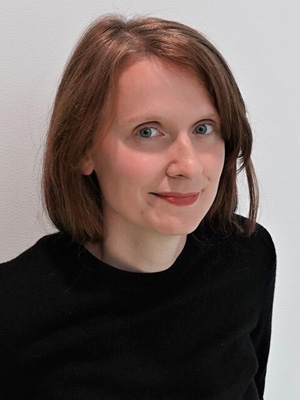
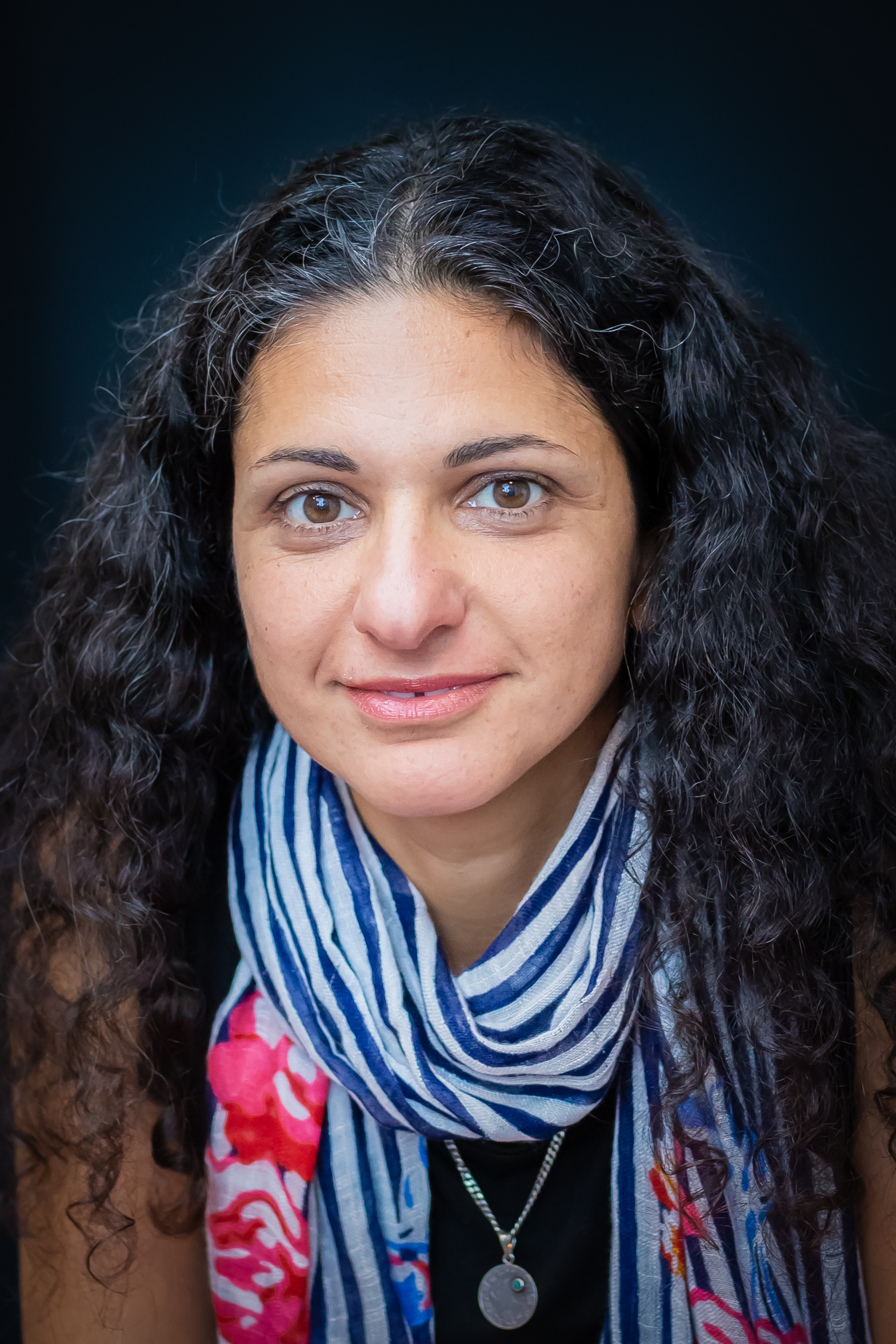
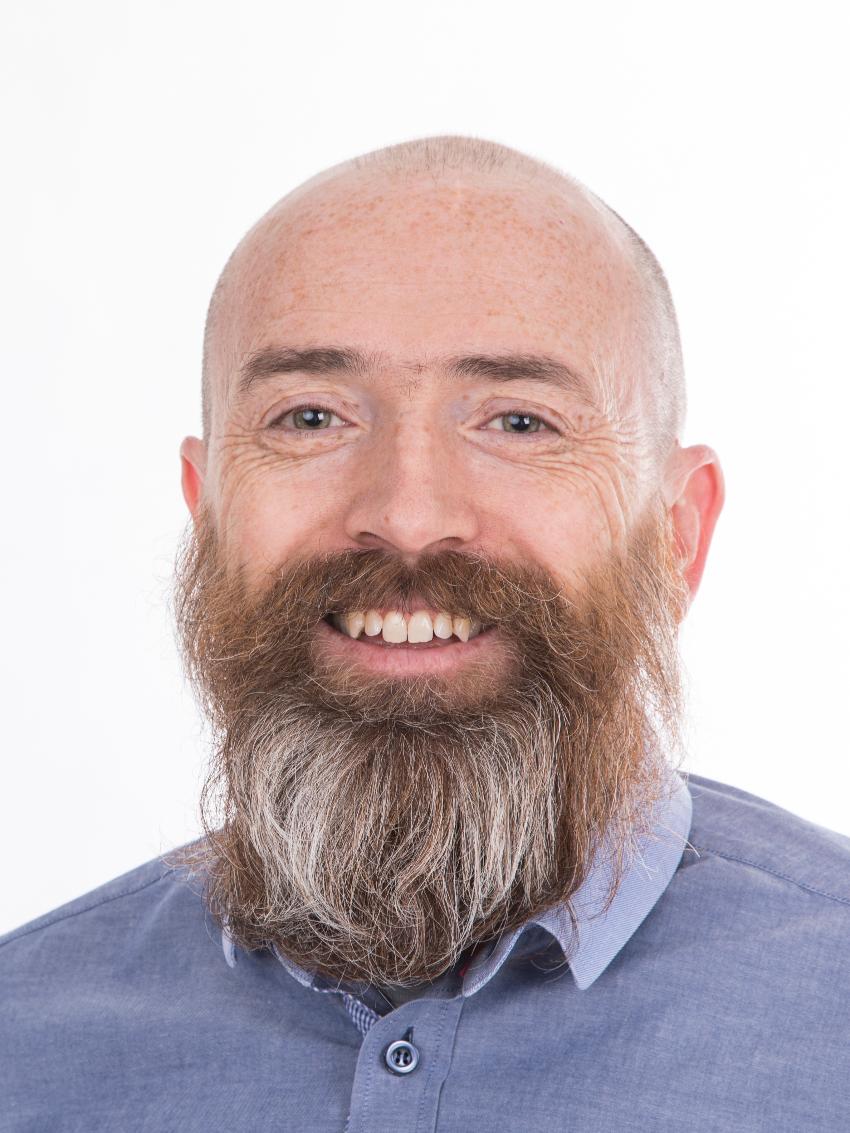
Professor Hans Ola Fredin holds a faculty position at the Department of Geosciences, NTNU within the Faculty of Engineering. His research focuses on Quaternary geology, glacial landforms, and geohazards related to loose materials like quick clays. He employs advanced techniques such as GIS, remote sensing, and machine learning to study spatial relationships and geological processes. Current research projects include Antarctic ice volume changes, deglaciation patterns of Norway/Scandinavia, and AI-driven geoscience applications. His work bridges field observations with computational methods, contributing to understanding both past glacial dynamics and modern geohazard mitigation. Publications from 2020–2024 highlight interdisciplinary approaches to glacial geomorphology, ice sheet behavior, and environmental risk assessment. Notable contributions include studies on strandflat formation mechanisms, radon risks from rock-avalanche deposits, and mid-Pliocene Antarctic ice thickness reconstructions.
Saleh Abdel-Afou Alaliyat is an Associate Professor in Computer Science at the Department of ICT and Natural Sciences, Norwegian University of Science and Technology (NTNU), Faculty of Information Technology and Electrical Engineering. He leads the Sustainable Digital Transformation (SDT) R&D Lab. Research Interests: Dr. Alaliyat's work focuses on Digital twin architecture, simulation, and visualization in offshore energy and urban sustainability Artificial intelligence, particularly deep learning, swarm intelligence, and optimization algorithms Virtual worlds, 3D environments, and human-computer interaction Agent-based modeling for environmental and aquaculture systems Computer vision and information security applications Publications: His recent work (2022-2024) emphasizes predictive digital twins for wind energy, smart city applications, computer vision for litter detection, and AI-driven curriculum development. Earlier works (2013-2019) explore agent-based modeling for disease dynamics in aquaculture and swarm optimization algorithms. Teaching: He teaches courses in Game Development, Information Security, Computer Graphics, and Swarm Intelligence at both bachelor's and master's levels. Outreach: He has delivered lectures at international conferences like ECMS 2022 and IEEE ICMSAO 2019.
Inger Auestad is an Associate Professor at the Department of Civil Engineering and Environmental Sciences, Western Norway University of Applied Sciences. As an ecologist, her work bridges wild and domesticated plant systems, focusing on human-environment interactions in cultural, urban, mountain, and forest landscapes. She advocates for sustainable development through biodiversity conservation, restoration, and land-use planning. Teaches Botany , Vegetation Ecology , and Scientific Writing in Bachelor and Master programs Research areas: Semi-natural grassland restoration , Urban green infrastructure , Seed bank dynamics , and Vegetation ecology Coordinates projects like PEATlands restoration (Repeat), Regional seed mixtures , and Monitoring of semi-natural grasslands Active in the Landscape, Ecology, and Climate research group Recent publications highlight her expertise in alpine and grassland restoration, seed bank buffering effects, and invasive species management. Google Scholar works show consistent focus on ecological recovery metrics, plant community dynamics, and climate-land use interactions. She contributes to public discourse through the Norwegian science blog Vill Vest .
Mareile Kaufmann is a Professor at the Department of Criminology and Sociology of Law at the University of Oslo, where she has been employed since 2021. Previously, she served as a Postdoctoral Researcher at the same department from 2016-2021. She also held research positions at the Peace Research Institute Oslo from 2011-2021. Her work focuses on digital criminology, surveillance practices, and the societal impacts of emerging technologies, with particular emphasis on data practices and their implications for law enforcement and security. Professor Kaufmann's educational background includes: PhD in Resilience - Governance and in/security in interconnected societies (summa cum laude), Universität Hamburg, Germany (2016) Master in International Criminology, Universität Hamburg, Germany (2008) Bachelor in Cultural Studies, Sociology, European University Frankfurt [Oder], Germany (2006) Her research interests center around digital criminology and the intersection of technology, security, and society. She examines how digital data practices shape contemporary forms of governance, surveillance, and policing. Her work combines theoretical insights with empirical research, drawing on interviews and collaborations with diverse groups including intelligence officers, forensic scientists, software developers, and social media users. She investigates how technologies like DNA analysis, predictive policing algorithms, and surveillance systems transform criminal justice practices and societal understandings of security. Her approach is interdisciplinary, bridging criminology, science and technology studies, and sociology of law to understand the complex relationships between digital technologies and social order. Professor Kaufmann's recent publications reveal a sustained focus on the material and social dimensions of digital data in criminological contexts. Her work examines how data practices shape forensic science, policing, and surveillance, with particular attention to the ways digital information becomes actionable knowledge. She has made significant contributions to understanding the role of DNA in law enforcement, the politics of predictive policing algorithms, and methodological approaches to studying online communities. Her research demonstrates how digital technologies are not merely tools but active participants in reshaping criminological knowledge and practices. The interdisciplinary nature of her work is evident in publications spanning criminology, sociology, information studies, and forensic science journals. Her notable scientific achievements include: University of Oslo Award for Young Researchers (2023) Sir Leon Radzinowicz Prize for the article "Predictive Policing and the Politics of Patterns" Lieselotte Pongratz Stiftung Publication Grant Übersee-Club stipend for gifted young academics Professor Kaufmann actively supervises BA, MA, and PhD students in her areas of expertise and encourages students interested in digital criminology to contact her. She has secured significant research funding including an ERC Starting Grant for her project "Digital DNA" and a Research Council of Norway grant for "Bodies of Evidence." Her research has been consulted by various Norwegian governmental bodies including the Norwegian Biotechnology Advisory Board, the Norwegian Data Protection Commission, and the Norwegian Department of Justice and Preparedness. She serves on the editorial boards of Qualitative Research and the Nordic Journal of Criminology, and regularly peer reviews for research funding agencies and academic journals. She leads several research initiatives including the ERC-funded project on "the changing relationships between digital technologies and DNA" and the Research Council of Norway-funded project "Bodies of Evidence." Her work connects with broader networks such as the Critical Data Network and the Nordic Center for Security Technologies and Societal Values (NordSteva).
Rene Mario Winter is an Assistant Professor and Researcher at the Norwegian University of Science and Technology (NTNU) , Department of Physics, Faculty of Natural Sciences, and coordinator at the Norwegian 7T MR Center . His work bridges Medical Imaging , Radiation Oncology , and Machine Learning to advance cancer treatment. Winter's research focuses on imaging-guided radiotherapy for cancer, particularly using PET and MRI to improve tumor delineation, predict radiation resistance, and optimize dose planning. His projects integrate radiomics , machine learning , and synthetic CT generation for personalized radiotherapy. His 2025–2022 publications analyze multi-parametric PET/MR imaging for tumor resistance prediction, image quality assessment in multicenter trials, and automated segmentation using deep learning. Key themes include proton therapy , head and neck cancer , and radiation dose painting . Scientific Awards include the ESTRO Jack Fowler Award (2020) ESTRO Poster Award (2015) Norwegian Nuclear Medicine Consortium Grants (2021–2022) Winter co-supervises PhD and MSc theses and contributes to radiotherapy protocol development . He is a member of ESTRO and EANM , and reviews for journals like Radiotherapy and Oncology and EJNMMI .
Bo Terje Kalsaas is a Professor at the Department of Engineering Sciences, University of Agder. He holds a Siv. Ing (1979) and Dr. Ing (1995) from NTH (now NTNU). His research focuses on Lean Construction principles, construction management, and innovative project delivery models like Target Value Design (TVD) and Integrated Project Delivery (IPD). His work emphasizes improving workflow efficiency, reducing waste, and fostering collaboration in complex engineering and construction projects. Key areas include design process optimization, contractual frameworks, and the application of Lean principles in Norwegian and international construction contexts. Education: Siv. Ing, Norges Teknisk-Naturvitenskapelige Universitet (NTH), 1979 Dr. Ing, Norges Teknisk-Naturvitenskapelige Universitet (NTH), 1995 Research Interests: Lean Construction methodologies Project planning and workflow optimization Integrated Project Delivery (IPD) and Target Value Design (TVD) Complex project management in construction Design process efficiency Publications: His work spans over 50 peer-reviewed publications and books, including influential contributions to Lean Construction: Understanding and Improving Project-Based Production (2017). Recent studies analyze Lean adoption in Norwegian AEC industries, IPD implementation challenges, and TVD cost optimization strategies. Grants & Projects: Lead researcher in the E6 Kvål-Melhus IPL/IPD project (2021–present) Contributed to the INPRO project on engineering management predictability Labs/Teams: Involved with the University of Agder's Construction Management research group
Ricardo Colomo-Palacios is a Full Professor at the Department of Computer Science and Communication at Østfold University College, Norway. He coordinates the DigiTech research group associated with the Digital Society research priority area. Previously, he worked at Universidad Carlos III de Madrid, Spain. His educational background includes a PhD in Computer Science from Universidad Politecnica of Madrid (2005) and an MBA from the Institute of Empresa (2002). He has professional experience as a Software Engineer, Project Manager, and Software Engineering Consultant, including work at INDRA, a leading Spanish IT company. Colomo-Palacios' research spans several interconnected areas focusing on human aspects of computing and software engineering. His primary interests include Human Factors in Computing, Project Management in Information Systems Development, Global & Distributed Software Engineering, and Systems, Services and Software Process Improvement & Innovation. He also investigates Management Information Systems, Computing Profession Studies, Business Software, and Innovation in IT, with recent work emphasizing cybersecurity applications in critical infrastructure. His recent publications demonstrate a strong focus on cybersecurity applications in critical infrastructure, DevSecOps frameworks, visual analytics for supply chains, and social robotics security. The research shows a clear trend toward integrating security practices throughout the software development lifecycle while addressing real-world challenges in critical systems and infrastructure. He leads several significant research projects including DigiMat (Smart, transparent and sustainable food supply chains), EduTech (Technological assistance to accessibility in Virtual Higher Education), RECYCIN (Reinforcing Competence in Cybersecurity of Critical Infrastructures), and SecuRoPS (User-centred Security Framework for Social Robots in Public Space). As Coordinator of the DigiTech research group, Colomo-Palacios oversees research initiatives within the Digital Society priority area. His work bridges academic research with practical applications in industry, particularly in the areas of software engineering process improvement and cybersecurity for critical infrastructure.
Preben Joakim Svela Vie is an Adjunct Associate Professor in the Department of Energy and Process Engineering at the Norwegian University of Science and Technology (NTNU). His research focuses on electrochemistry, energy storage systems, and lithium-ion batteries, with an emphasis on thermal management, degradation mechanisms, and safety. He has collaborated extensively on studies involving battery diagnostics, hydrogen technology, and fuel cells. His work bridges fundamental electrochemical principles with practical applications in energy systems. Key research interests include battery entropy analysis, thermal behavior of energy storage systems, and the integration of renewable energy technologies. His recent publications explore methods to accelerate entropy profile estimation, incremental capacity analysis for battery diagnostics, and the effects of degradation on thermal transport in lithium-ion batteries. He has also contributed to popular scientific articles discussing battery safety in maritime contexts and the reuse of second-life batteries from electric vehicles. Collaborations span institutions such as the University of Cambridge (via co-author Paul Shearing) and industry partners, reflecting a focus on both academic rigor and applied energy solutions. His research often involves advanced techniques like neutron imaging and operando studies to characterize battery materials and performance under varying conditions.
Frank Becker is a Professor II at the University of Oslo's Department of Physical Medicine and Rehabilitation, holding a main position as a clinical senior physician at Sunnaas Hospital. He specializes in rehabilitation medicine, focusing on long-term functional impairments and neurorehabilitation, particularly aphasia recovery post-brain injury. His academic roles include teaching modules on rehabilitation, neurorehabilitation, and interdisciplinary teamwork in the medical school. He supervises students at PhD, master's, and bachelor's levels. Education & Qualifications: PhD (2009): University of Oslo, thesis on auditory perception in aphasia using ERP studies. Medical Degree (1998): Christian-Albrechts-Universität zu Kiel. European Specialist in Physical Medicine and Rehabilitation (2015). Research & Leadership: Leads the Aphasia and Register Data research group at Sunnaas Hospital, focusing on quality registries in rehabilitation. Active in national and international networks like the Collaboration of Aphasia Trialists (CATs), and editorial boards for journals like Topics in Stroke Rehabilitation . Key areas include aphasia rehabilitation, stroke recovery, and technology-driven interventions. Grants & Projects: Leads projects such as "How I live my Locked-in Life" and aphasia telerehabilitation initiatives. Collaborates on EU Medevac programs for Ukrainian citizens' rehabilitation. Research groups include CHARM (Rehabilitation Models & Services).
Njål Foldnes is Professor of Statistics at the University of Stavanger's Faculty of Educational Sciences and Humanities, where he contributes to the National Center for Reading Education and Reading Research. His research integrates multivariate statistical methods with educational innovation, focusing on structural equation modeling, factor analysis, and machine learning applications in literacy development. Foldnes leads pioneering work in two domains: 1) Developing advanced statistical methodologies for non-normal data simulation and model fit assessment, resulting in open-source tools like the covsim R package; and 2) Applying machine learning to educational challenges, notably creating predictive models for early detection of reading difficulties using gameplay data from literacy apps. His statistical research critically examines simulation methodologies and ordinal data limitations. His educational research portfolio includes national reading assessment systems, intervention efficacy studies, and investigations into linguistic diversity's impact on learning. Recent publications demonstrate strong cross-disciplinary collaboration, with frequent co-authorship in both statistical methodology (e.g., Structural Equation Modeling ) and education journals (e.g., Reading and Writing ). Foldnes contributes significantly to Norway's educational infrastructure through his role in developing adaptive national reading assessments. He co-authored the academic textbook Statistikk og dataanalyse and actively communicates research through national media outlets like Aftenposten .
Nadia Saad Noori is an Associate Professor at the Department of Information and Communication Technology at the University of Agder (UiA). Since 2016, she has conducted research and teaching at CIEM - Centre for Integrated Emergency Management , and joined NORCE Norwegian Research Center as a Senior Researcher in 2018. Her work bridges industry experience (Cisco, hi-tech startups) with academic rigor , focusing on technology integration in crisis management , cybersecurity , and industrial monitoring systems . Her educational background includes: B.Sc. & M.Sc. in Computer Systems Engineering M.A.Sc. in Technology Innovation Management Ph.D. in Electronic and Information Systems Engineering Research interests span machine learning , autonomous systems , and security frameworks through: Disaster response coordination systems Industrial condition monitoring Humanitarian technology solutions Cyber-physical systems Recent publications demonstrate technical breadth : 2024: Thermal gesture recognition and UAV navigation in industrial spaces 2023: Cybersecurity frameworks and ecological pattern recognition 2022: Industrial seal diagnostics and autonomous systems She leads research groups in: Autonomous and Cyber-Physical Systems (ACPS) CIEM - Integrated Emergency Management Communication and System Security
Ameen Chilwan is a Lecturer at the Norwegian University of Science and Technology (NTNU) , affiliated with the Department of Information Security and Communication Technology . His research focuses on Networking , Software-Defined Networks (SDN) , and Cloud Computing , with additional work on Machine Learning applications in smart grids and Underwater Sensor Networks . Teaching: Courses include Interconnected Networks and Network Security (DCSG2001), Applied Networking (TTM4180), and Data Communication and Networks (DCSG1006). Email: ameen.chilwan@ntnu.no Research Trends: His publications from 2011–2024 emphasize network modeling, delay analysis, and energy-efficient protocols for SDNs, real-time systems, and cloud environments. Key themes include OpenFlow , 5G Edge Clouds , and Smart Grid Optimization .
Yngve Birkelund is a Professor of Renewable Energy in the Department of Physics and Technology at UiT The Arctic University of Norway. He serves as the Head of the UiT Arctic Center for Renewable Energy and Greenhouse Gas Management (ARC). His research focuses on renewable energy systems, particularly wind energy in Arctic conditions, and he leads significant research projects including Smart Senja and nICE. His research interests include: Renewable energy Wind resources assessment Wind power prediction Time series analysis Machine learning applications Statistical signal theory Microwave and ultrasound technologies Professor Birkelund's recent publications demonstrate a strong focus on numerical weather prediction, particularly using the Weather Research and Forecasting (WRF) model, for wind resource assessment and atmospheric icing conditions in complex terrain. His work bridges meteorology, renewable energy engineering, and data science, with significant contributions to understanding wind patterns in the challenging Arctic environment. He has supervised numerous PhD and Master's students, with recent theses focusing on wind resource assessment, atmospheric icing on wind turbines, wind power forecasting, and renewable energy integration in remote communities.
Phuong Dinh Ngo is an Associate Professor in Machine Learning at the Department of Physics and Technology , UiT The Arctic University of Norway. With extensive work in healthcare AI and reinforcement learning, their research spans clinical coding, diabetes management, and clinical text de-identification. Affiliation: UiT The Arctic University of Norway Email: phuong.ngo@uit.no Research Interests: Phuong's work focuses on applying machine learning to healthcare challenges, particularly in clinical coding automation, diabetes management systems, and privacy-preserving clinical language models. Their projects include ICD-10 code prediction, telehealth development, and reinforcement learning for blood glucose control. Collaborations: They collaborate with researchers across Scandinavia and internationally, including Miguel Angel Tejedor Hernandez, Taridzo Fred Chomutare, and Fred Godtliebsen. Their publications appear in journals like Journal of Medical Internet Research , Applied Sciences , and Diabetes Technology & Therapeutics . Recent Publications: Their 2025 work on NorDeClin-BERT for ICD-10 prediction in Norwegian clinical texts represents cutting-edge medical NLP research. Earlier studies address diabetes management systems, including risk-averse food recommendation algorithms and reinforcement learning frameworks for type 1 diabetes patients.
Professor Vahid Hassani is affiliated with the Department of Mechanical, Electrical and Chemical Engineering at Oslo Metropolitan University's Faculty of Technology, Art and Design. His research focuses on offshore technology, marine control systems, underwater robotics, and machine learning applications in maritime engineering. Key contributions include studies on ship maneuvering dynamics, underwater glider navigation, and ROV automation. His work spans advanced topics such as data-driven control methodologies, dynamic positioning systems, and sensor fusion for autonomous underwater vehicles. Recent projects include developing optical modems for underwater communication and high-fidelity ROV simulators for pilot training. He has authored over 48 scientific publications, with a strong emphasis on naval architecture, robotics, and control systems. Research interests also include experimental validation of hydrodynamic models using facilities like the Planar Motion Mechanism (PMM). His studies frequently address challenges in adverse marine conditions, such as tunnel navigation for vessels and energy-efficient surface effect ship designs. Publications highlight interdisciplinary approaches combining control theory, machine learning, and marine engineering. Notable collaborations involve institutions like NTNU, ASME, and IEEE, with contributions to conferences like OCEANS and the International Conference on Ocean Engineering.