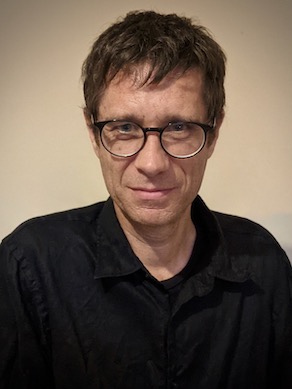
Dr. Emmanuel Letier is an Associate Professor in Software Engineering at University College London (UCL), specializing in requirements engineering and software architecture. His research focuses on stakeholder goal analysis, formal reasoning techniques, and uncertainty management in software development. University College London, Department of Computer Science Research areas: Requirements Engineering, Software Architecture, Formal Methods, Uncertainty Analysis His work explores how to bridge stakeholder goals with software requirements using natural language, formal logic, and mathematical models. Key contributions include model checking, synthesis tools, and Bayesian analysis applications for managing technical debt and software evolution. Recent publications span AI-based systems requirements, app review mining for requirements elicitation, and uncertainty handling in self-adaptive systems. Notable awards include Best Paper Award (ACM SIGSOFT 2004) Best Paper Award (IEE 2003) Distinguished Paper Award (RE'11)
Dr. Sander Leemans is a Professor at RWTH Aachen University leading the Business Process Management Foundations and Engineering research group. His work focuses on advancing process mining theory and practice with emphasis on stochastic modeling and conformance verification. Leemans' research centers on process mining, business process management, and stochastic process modeling. He investigates conformance checking techniques for probabilistic models, process discovery algorithms, and the integration of exogenous data into process analysis. His work bridges theoretical foundations with practical applications in healthcare, robotic process automation, and inter-organizational systems. Recent publications reveal a concentrated research trajectory in stochastic conformance checking, where Leemans develops methods for matching observed traces to stochastic process models using alignment techniques, entropy metrics, and partial-order reasoning. He also pioneers object-centric process mining frameworks and explores silent transitions in labeled Petri nets, significantly enhancing the precision and applicability of process mining in real-world scenarios. The Business Process Management Foundations and Engineering group under Leemans' leadership drives innovation in process mining through rigorous theoretical development and open-source tooling, maintaining RWTH Aachen's position at the forefront of business process intelligence research.
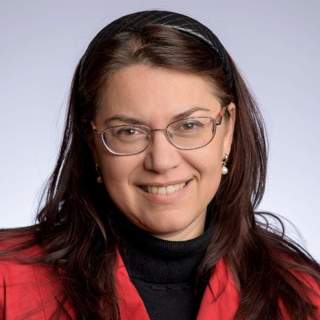
James Flory, MD, is a physician scientist at Memorial Sloan Kettering Cancer Center, where he specializes in endocrinology with a focus on diabetes management in cancer patients. He holds an MD from the University of Pennsylvania and completed residencies and fellowships at NewYork-Presbyterian Hospital/Weill Cornell Medical Center and Memorial Sloan Kettering. His research explores the safety and effectiveness of diabetes medications, particularly in oncology contexts. His work includes clinical studies on metformin's role in diabetes care, methodological tutorials on instrumental variable analysis in pharmacoepidemiology, and investigations into sulfonylureas' cardiovascular effects. Recent studies examine environmental factors like temperature impacts on antidiabetes drug outcomes. While not explicitly stated, his collaborations with oncologists like Serena Wong highlight his commitment to integrated care for patients with cancer-related metabolic complications.
Mila N. Koeva is a Vice Dean Research and senior Associate Professor at the University of Twente's Faculty of Geo-Information Science and Earth Observation (ITC), Department of Urban and Regional Planning and Geo-Information Management. Her research focuses on 3D modeling and Digital Twins for land management and urban planning, integrating geospatial technologies, UAV data, and AI/ML methods. PhD in architectural photogrammetry MSc in Engineering (Geodesy) Research Themes: Digital Twinning for urban ecosystems AI-driven cadastral boundary extraction 3D modeling with LiDAR and satellite data Global partnerships in Rwanda, Kenya, and Ethiopia Interoperability standards for local digital twins Scientific Contributions: Geospatial World Innovation Award 2021 Copernicus Masters Competition (3rd place 2016) Editorial roles in Photogrammetric Records and MDPI journals Keynote speaker at 3D GeoInfo, GI Forum, and FIG events Her educational impact includes developing courses, lecturing, and supervising students whose work has received top awards in The Netherlands and international competitions.
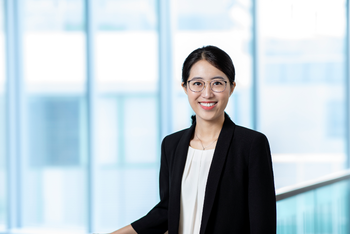
Professor Chu (Ivy) Dang is an Assistant Professor of Marketing at the Business School of The University of Hong Kong, where she has been teaching since 2020. Her research focuses on the economics of information in quantitative marketing, examining how consumers search for information, how this information influences their choices, and the information provision strategies of firms in digital environments. Business School, The University of Hong Kong Assistant Professor of Marketing Specializes in consumer behavior in digital contexts Professor Dang received her Ph.D. in Marketing from The Chinese University of Hong Kong, where she also earned an M.S. in Economics. Her undergraduate degree is a B.S. in Applied Physics from Beijing Jiaotong University. Prior to her business studies, she spent two years conducting research in quantum information at RB Liu Lab as a Hong Kong PhD Fellowship Scheme (HKPFS) candidate in physics. Her research spans multiple dimensions of consumer behavior in digital environments, with particular emphasis on consumer search behavior and information economics. She investigates how consumers acquire and process information in online contexts, with applications to social media marketing where she examines the effects of Marketer-Generated Content (MGC), User-Generated Content (UGC), and increasingly, AI-Generated Content (AIGC). Her work on emerging trends in live-commerce and influencer marketing has provided new insights into how these formats reshape consumer decision processes. Analysis of her publications reveals a consistent focus on empirical methods to study information economics, with increasing attention to social media dynamics and emerging e-commerce formats. Professor Dang has secured significant research funding as Principal Investigator, including a General Research Fund grant (#17506824) and an Early Career Scheme grant (#27504221) from the Hong Kong Research Grants Council. She also leads projects funded by the HKU Business School Shenzhen Research Institutes and the HKU Seed Fund for Research. She recently co-organized the 14th Consumer Search and Switching Costs Workshop in Hong Kong in June 2025, demonstrating her leadership in this specialized research area. Her research has been published in top-tier journals including Journal of Marketing Research, Information Systems Research, and Marketing Science. Her teaching portfolio includes Social Media Marketing at both undergraduate and Master's levels, where she brings her cutting-edge research insights into the classroom to prepare students for the rapidly evolving digital marketing landscape. In her personal time, Professor Dang enjoys running, hiking, and spending time with her family.
Sarah CHAN Hian May is a Research Fellow at the Lee Kuan Yew Centre for Innovative Cities (LKYCIC), Singapore University of Technology and Design (SUTD), under the Chan Heng Chee Research Fellowship. She holds a Ph.D. in Interdisciplinary Studies from Nanyang Technological University (NTU) and a B.A. (Hons) in Economics from NTU. Her research focuses on environmental psychology, exploring human-environment interactions across natural, built, and virtual domains. Key themes include urban sustainability, virtual reality applications, and behavioral change mechanisms to bridge environmental and technological challenges. Education Ph.D., Interdisciplinary Graduate Programme, Nanyang Technological University (2022) B.A. (Hons) in Economics, Nanyang Technological University (2017) Research Projects She collaborates with Dr. Neo Harvey on the 'Leveraging Shared Experience of Urban Heat' project, addressing climate resilience in Singapore. Her work integrates computational methods to analyze digital self-expression, emotions, and landscape perceptions. Recent studies include the impact of virtual nature on stress reduction and pro-environmental attitudes through metaverse interventions. Grants & Collaborations Recipient of Chan Heng Chee Research Fellowship Active collaborations with institutions like NTU's School of Social Sciences and interdisciplinary teams at LKYCIC Lab & Team Involvement Contributes to urban resilience and computational social science research teams, focusing on data-driven solutions for environmental and social challenges.
Roman Krems is a Professor and Distinguished University Scholar at the University of British Columbia (UBC) in the Department of Chemistry, with affiliations to the Stewart Blusson Quantum Matter Institute. His research focuses on the intersection of quantum physics, machine learning, and chemistry, particularly in quantum materials and quantum technologies such as quantum computing and sensing. Key Roles: Professor at UBC (2013–present), Distinguished University Scholar (2017–present) Education: Ph.D. from Göteborg University (2002), Postdoctoral Fellow at Harvard-MIT Center for Ultracold Atoms (2003–05) Research Interests include: Quantum machine learning (QML) for solving complex physics problems Quantum scattering theory in electromagnetic fields Applications of quantum computing to chemistry Developing machine learning algorithms for quantum dynamics Recent publications highlight advancements in extrapolating quantum observables, Gaussian process models for collision dynamics, and quantum walks in disordered systems. His work bridges theoretical physics, computational methods, and experimental applications in cold molecule research. Scientific Awards include the UBC Killam Teaching Prize (2017), election as Fellow of the American Physical Society (2015), and the Keith Laidler Award (2013). He has held editorial board positions for journals such as Machine Learning: Science & Technology and New Journal of Physics . Research Group members include graduate students and postdocs working on quantum technologies, machine learning, and molecular scattering. He also contributes to outreach through invited talks and seminars at institutions like MIT and Lawrence Berkeley National Laboratory.
Gordon Fletcher serves as Associate Dean: Research and Innovation at Salford Business School, University of Salford, where he leads the development of the School's research presence and profile while guiding bidding activities, staff development, and impact initiatives. With extensive experience since 2002 teaching programming, digital transformation, and information systems, Fletcher employs a hands-on, interactive pedagogical approach. University: University of Salford School: Salford Business School Academic Rank: Professor Research Focus: Digital business, culture, and practice Fletcher's research explores digital transformation through multiple lenses including conflict within online finance communities, virtual game economies, and digital grieving practices. His scholarly work connects theoretical frameworks with practical applications in business environments, particularly examining how organizations navigate digital change while maintaining strategic coherence. His recent publications (2022-2025) demonstrate a consistent focus on practical frameworks for digital transformation, with particular attention to organizational readiness, leadership approaches, and strategic implementation. The recurring themes across his work include visualization techniques for strategic planning, responsive business model design, and the cultural dimensions of digital adoption. Awards and Professional Recognition: Emerald Literati Award (2017) for Outstanding Paper Claudio Ciborra Award for most provocative paper (2011) Vice-Chancellor's Distinguished Teaching Award (2014) Fellow of the Higher Education Academy (2012) Fellow of the Royal Society for the Arts (2011) Chartered Manager designation (2015) Fletcher actively supervises doctoral research in digital transformation topics and has contributed to multiple Knowledge Transfer Partnerships with organizations including the Greater Manchester Chamber of Commerce. His professional service includes committee roles with the International Federation of Information Processing and editorial responsibilities for major information systems conferences.
Dimitra Dritsa is a Postdoctoral Researcher in the Department of Industrial Design at Eindhoven University of Technology (TU/e), specializing in human-computer interaction applied to urban health, physiological data analysis, and remote patient monitoring systems. Her work bridges design research with healthcare innovation, particularly in cancer surgery prehabilitation and wellbeing technologies. Her academic foundation includes a Master's degree from Delft University of Technology and a PhD from the University of Technology Sydney, where her dissertation focused on Spatiotemporal dynamics of urban health: Physiological data driven strategies for enhancing urban health and wellbeing . Dr. Dritsa's research centers on leveraging physiological data and AI to improve urban health outcomes and clinical interventions. She investigates user-centered design for telemonitoring systems, uncertainty-aware data visualization in design processes, and experience sampling methods for office wellbeing. Her work emphasizes contextual data integration and ethical AI applications in healthcare settings. Recent publications (2023-2025) reveal a clear trajectory toward human-AI collaboration in health contexts, with significant contributions to remote patient monitoring frameworks and data-driven design methodologies. Key themes include physiological response tracking in urban environments, AI-guided wellbeing interventions, and multidimensional data exploration tools for design researchers. She actively contributes to the STRAP project ( Self Tracking for Prevention and diagnosis of heart disease , 2020-2025) as a core project member, focusing on big data solutions and AI-driven healthcare innovations. Her supervisory role includes guidance for two students as indicated in institutional records, and she teaches the course Making sense of sensors since 2016.
Liza M. Roger is an Assistant Professor in the School of Molecular Sciences at Arizona State University (ASU) and a Senior Global Futures Scientist at the Global Futures Scientists and Scholars Program. She is affiliated with the School of Ocean Futures and works at the Walton Center for Planetary Health. Education: Ph.D. in Marine Biology and Geochemistry (University of Western Australia, 2017) B.Sc. Hon. in Marine Biology and Natural Resources Management (University of Western Australia, 2011) Associate’s Degree (Université du Littoral Côte d’Opale, France, 2006) Her research explores how environmental change affects marine organisms in symbiotic relationships with microscopic algae, such as corals, mollusks, anemones, and jellyfish. She pioneers coral in vitro methodologies to advance understanding of symbiosis, biomineralization, and stress adaptation. Recent publications highlight her work on nanotechnology for coral reef conservation, thermal stress mitigation using engineered nanoceria, and interdisciplinary collaborations merging art with coral research. Her studies also address trace metal roles in coral nutrition, insulin signaling pathways, and innovative imaging techniques to monitor coral health. Scientific Awards: NSF’s 2021 Coral Bleaching Research Coordination Network Early Career Training Program Award VCU’s 2021 Postdoctoral Independent Research Award Liza’s multidisciplinary approach integrates expertise from oceanography, biochemistry, nanoscience, and sustainability. She previously worked at the Australian Institute of Marine Science and has field experience as a cetacean naturalist in Iceland and a scuba diving instructor in the Mediterranean Sea and Southeast Asia.
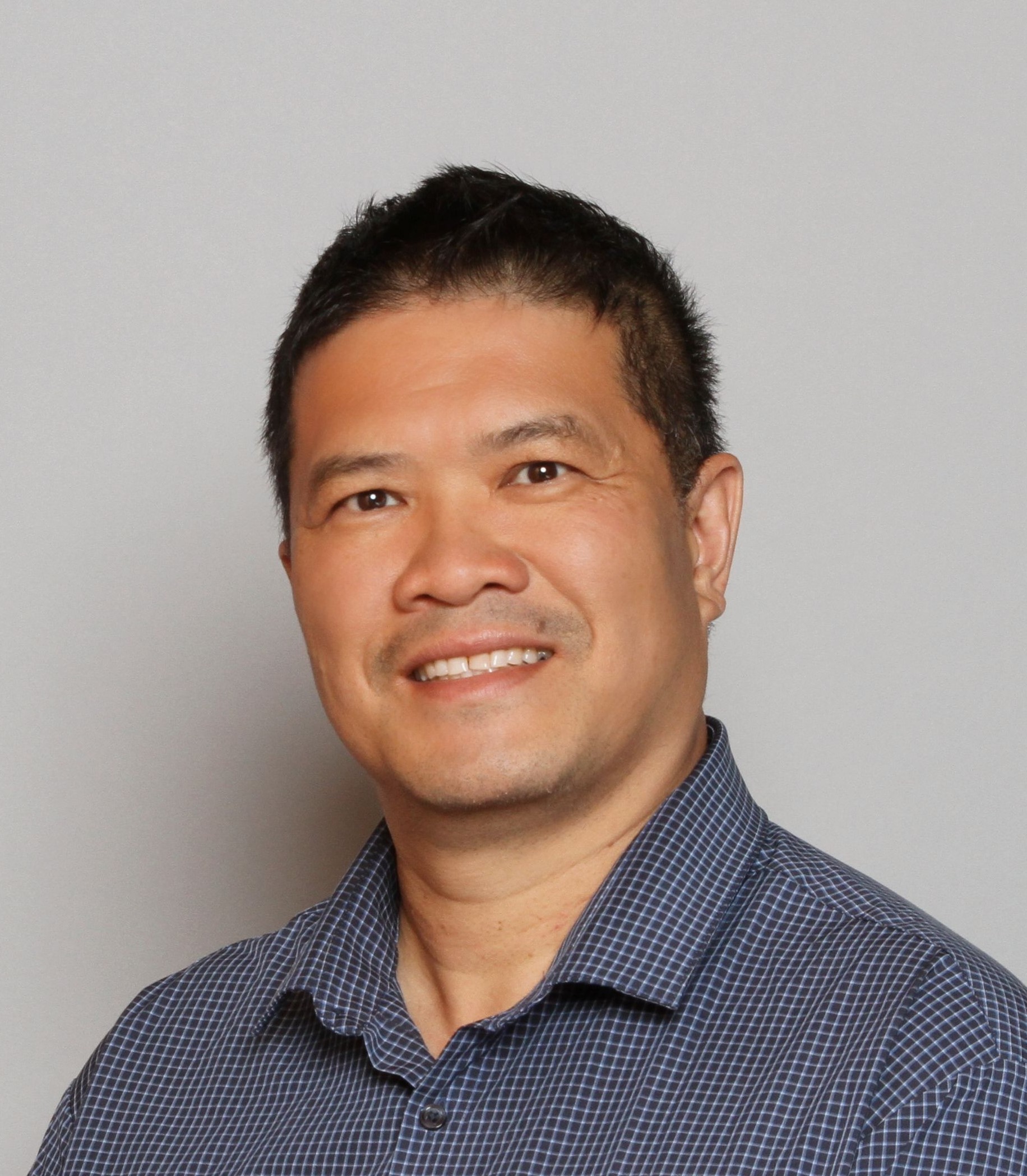
Tom Woo is a Professor in the Department of Chemistry at the University of Ottawa's Faculty of Science. His research focuses on computational quantum chemistry, catalysis, and energy-related systems. Using advanced molecular simulations, his group explores microscopic chemical processes and develops novel methods for energy storage, pharmaceutical catalysis, and material design. Key projects include studying catalytic systems for energy conversion and pharmaceutical synthesis, leveraging computational tools to uncover reaction mechanisms inaccessible via experiments. Research interests span computational chemistry, quantum chemistry, molecular dynamics, and nanotechnology. The Woo Group applies these methods to design metal-organic frameworks (MOFs) for CO2 capture, hydrogen storage, and other energy applications. Their work bridges theoretical models with experimental validation, emphasizing high-throughput screening and machine learning. Publications highlight breakthroughs in MOF design, computational validation of material databases, and carbon capture technologies. Collaborations focus on interdisciplinary challenges in energy sustainability and pharmaceutical catalysis.
Professor Simon Robinson is a faculty member in the School of Mathematics and Computer Science at Swansea University, holding a position as a Professor of Computer Science. He serves as the Head of the Future Interaction Technologies (FIT) Lab and Director of the MSc year for the EPSRC Centre for Doctoral Training in Enhancing Human Interaction and Collaboration with Data-Driven Systems. His research focuses on devices and interactions designed for emergent users in low-connectivity regions, emphasizing participatory design and co-creation with underserved communities. Current projects include the EPSRC-funded UnMute initiative, which aims to empower marginalized language speakers through spoken language technologies. Key affiliations include leadership roles in the FIT Lab and the EPSRC CDT, alongside contributions to projects like Rethinking Public Technology in a Post-COVID Era, PV Interfaces, and Scaling the Rural Enterprise. His work spans ubiquitous computing, deformable devices, and inclusive interaction design for global south communities. Research interests center on Human-Computer Interaction (HCI), with a focus on low-resource settings. Recent work addresses speech technologies for unwritten languages, trust in human-robot interactions, and sustainable self-powered interfaces. His lab explores innovations like Light-In-Light-Out (Li-Lo) displays and community-driven smart materials (PV-Pix). Professor Robinson has supervised numerous PhD students across topics including AI ethics, predictive maintenance, and human-centric NLP. He teaches modules like Introduction to HCI and contributes to the Human-Centred Big Data and AI Dissertation program. His work integrates grants from EPSRC and collaborative projects with international partners, reflecting a commitment to socially impactful technology. Labs & Teams: Director of the FIT Lab, active in the EPSRC CDT, and collaborator in interdisciplinary teams focusing on rural technology, assistive AI, and sustainable interfaces.
Brenna D. Argall is an Associate Professor of Computer Science, Mechanical Engineering, and Physical Medicine & Rehabilitation at Northwestern University, and a Faculty Research Scientist at the Shirley Ryan AbilityLab. Her research focuses on assistive and rehabilitation robotics, with an emphasis on human-robot interaction, shared autonomy, and intelligent control systems. She holds a PhD in Robotics from Carnegie Mellon University and has held postdoctoral fellowships at EPFL (Switzerland) and the NIH. Education: PhD in Robotics, Carnegie Mellon University (2009) Postdoctoral Fellow, EPFL (2009–2011) B.S. in Mathematics, Carnegie Mellon University (2002) Affiliations: Director, Argallab (Assistive & Rehabilitation Robotics Laboratory) Member, Northwestern Center for Robotics and Biosystems Advisor, Northwestern MS in Robotics Program Her research explores dynamic autonomy allocation , shared control systems , and interface-aware robotics , with applications in rehabilitation and assistive devices. Key projects include wheelchair automation, robotic arm control, and body-machine interfaces for users with motor impairments. Research Highlights: NSF CAREER Award (2016) AIMBE Fellow (2020) "40 under 40" Innovator (Crain’s Chicago Business) Publications emphasize human-centered robotics, including over 50 peer-reviewed articles on topics like intent inference, assistive autonomy, and teleoperation assistance. Current lab efforts prioritize interface-aware systems and customizable shared control to enhance accessibility for users with disabilities.
Youssef M A Hashash is the W. W. Grainger Chair and Professor in the Department of Civil and Environmental Engineering at the University of Illinois. His research focuses on geotechnical and earthquake engineering, with emphasis on seismic site response analysis, soil-structure interaction, and advanced computational methods like the Discrete Element Method (DEM). He has led projects on infrastructure resilience, including studies of buried water reservoirs, railway systems, and post-earthquake reconnaissance. Hashash has developed influential models for site amplification in Central and Eastern North America, contributing to seismic hazard assessments. His work integrates experimental centrifuge testing, numerical simulations, and field data. Notable contributions include guidelines for implementing NGA-East ground motion models and advancements in pore-water pressure generation models for liquefaction evaluation. Key Research Areas: Ground movement, seismic response, soil dynamics, and geotechnical data systems Major Projects: NGA-East Geotechnical Working Group, Beirut Explosion Analysis, and LA Metro Tunnel Projects Recipient of prestigious awards including the NAE Membership (2022), PECASE (2000), and Walter L. Huber Prize (2006), he collaborates internationally on earthquake engineering and geotechnical innovations. His lab develops tools like the DEEPSOIL software for nonlinear site response analysis and explores AI applications in geotechnical data interpretation.
Professor Michael Thompson is a tenured faculty member in the Department of Materials Science and Engineering at Cornell University's College of Engineering. He holds the Dwight C. Baum Professorship in Engineering and specializes in advanced materials processing, particularly semiconductor materials under pulsed laser exposure. His research focuses on transient thermal processing (nanosecond to sub-second timescales) for material property modification and characterization, with applications in semiconductors, EUV lithography, and photonic materials. Thompson has authored over 120 papers and 20 patents, emphasizing industrial challenges like front-end junction formation and flexible electronics. Education: B.S. in Physics (CalTech, 1979), M.S./Ph.D. in Physics (Cornell, 1982/1984). He has received prestigious awards including the North American Award for Technical Contribution to the Semiconductor Industry (2009), multiple Cornell Excellence in Teaching Awards, and the Stephen H. Weiss Presidential Fellow designation (2021). His teaching focuses on thermodynamics and electronic properties, with a commitment to making abstract concepts accessible through real-world examples. Service: Leads curriculum development, ABET accreditation, and industry outreach. His lab develops novel methods for autonomous materials discovery using AI-driven approaches. Current projects include laser spike annealing for semiconductor doping and high-throughput synthesis of metastable materials.