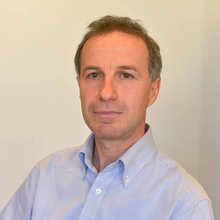
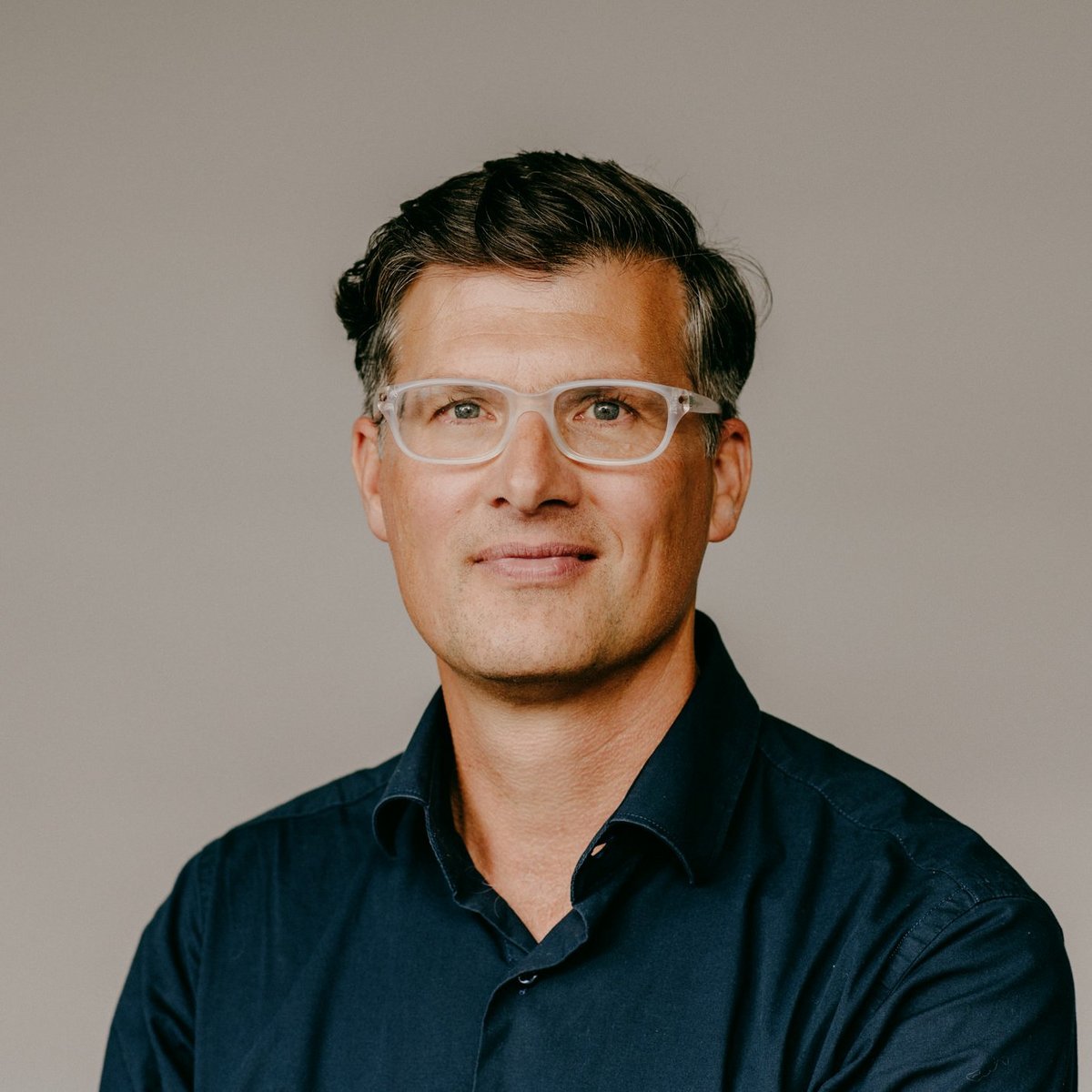
Dr Jonathan Baker is a Senior Lecturer in Strategy at the Adelaide Business School , part of the Faculty of Arts, Business, Law and Economics at the University of Adelaide. He previously served as Director of the Yunus Centre for Business, Sustainability & Social Impact (2022-2023) and has held academic positions at Auckland University of Technology, University of Auckland, and guest professorship at University of Bayreuth. His research focuses on Interdisciplinary intersections of markets, strategy, and social impact Market-shaping strategies Sustainability and circularity transitions UN Sustainable Development Goals (9, 11, 12) Systemic business model perspectives Dr Baker's work appears in top journals including Industrial Marketing Management , Journal of Business Research , and Marketing Theory . He serves on the Editorial Review Board of Industrial Marketing Management (ABDC A*). Scientific Awards Excellence Early Career Researcher Award (ANZAM-European Management Journal, 2023) Emerging Career Researcher Award (Adelaide Business School, 2023) As a principal supervisor, he welcomes PhD/MPhil candidates interested in market shaping, sustainability transitions, or social entrepreneurship. His methodology emphasizes qualitative research and ecosystem-level analysis.
Jonathan Jackson is Professor of Research Methodology at the London School of Economics and Political Science's Department of Methodology, with affiliated positions at University of Sydney Law School and Yale Law School's Justice Collaboratory. His internationally recognized research examines procedural justice, legitimacy, and fairness in criminal justice systems through cross-cultural methodologies. His research integrates psychology and law to investigate: the causal mechanisms of procedural justice; structural racism in policing; bounded authority concepts; and adaptability of justice frameworks across diverse sociopolitical contexts. Jackson leads major projects funded by the Economic and Social Research Council and European Commission, including the design of the European Social Survey's justice module implemented in 28 countries. Recent publications demonstrate focus on digital justice transformation, crisis policing legitimacy, gender-based violence response, and racial justice impacts following George Floyd's murder. His scholarly influence extends through editorship of the British Journal of Criminology and PLOS ONE, plus visiting appointments at Oxford, Cambridge, Harvard, and NYU.
Jared Rubin is a Professor of Economics at Chapman University’s George L. Argyros College of Business and Economics and Co-Director of the Institute for the Study of Religion, Economics, and Society (IRES). His research bridges economic history, institutional economics, and religious studies, focusing on how historical political and religious institutions shaped economic development in the Middle East and Western Europe. Rubin’s work has been published in top journals like Review of Economic Studies and Journal of Economic Growth , and his book Rulers, Religion, and Riches (2017) received the Douglass North Best Book Award. He has secured over $1 million in grants from the John Templeton Foundation and serves on editorial boards for Journal of Economic History and Journal of Comparative Economics . Education: B.A., University of Virginia (2002) Ph.D., Stanford University (2007) Research Themes: Role of religious institutions in economic development Historical divergence between Middle East and Western Europe Political legitimacy and governance structures Cultural transmission of economic norms Recent Publications (2024): Religion, Political Legitimacy, and Complexity How Did the World Become Rich? Endogenous Political Legitimacy: The Tudor Roots of England’s Constitutional Governance Awards & Grants: Douglass North Best Book Award (2017) Over $1 million in grants from the John Templeton Foundation Leadership Roles: Co-Director, Institute for the Study of Religion, Economics, and Society (Chapman University) President, Association for the Study of Religion, Economics, and Culture (ASREC) Editorial Boards: Journal of Economic History Journal of Comparative Economics Explorations in Economic History
Professor Steven V. Ley leads the Yusuf Hamied Department of Chemistry at the University of Cambridge, focusing on transformative research in flow chemistry, organic synthesis, and green chemistry. His work emphasizes sustainable methodologies and the integration of advanced technologies like microcontrollers and automation to revolutionize chemical processes. In 2018, he received the prestigious Arthur C. Cope Award—the first UK-based recipient—recognizing groundbreaking contributions to organic chemistry. Research interests include developing continuous flow systems for hazardous reaction management, immobilized reagents, and machine-assisted synthesis. Collaborations span academia and industry, notably through spin-off company New Path Molecular , which applies cutting-edge synthesis techniques to pharmaceuticals and agrochemicals. Key publications highlight innovations in flow chemistry applications, sustainable process design, and automation. His work bridges chemistry with engineering, aiming to address global challenges in resource efficiency and environmental impact. Awards: Arthur C. Cope Award (2018) Lab/Teams: Active research group at the University of Cambridge; collaborates with New Path Molecular on commercial applications.
Nikolaus (Nik) Fortelny is a Group Leader in Computational Biology at the University of Salzburg, Austria, where he leads the Computational Systems Biology research group within the Department of Biological Sciences & Medical Biology. His research focuses on understanding biological systems at the molecular level through advanced computational approaches. Dr. Fortelny's research interests include: Computational Systems Biology Multi-omics data integration and analysis Single-cell and spatial biology Machine learning applications in biology Network science approaches to biological regulation Immune system modeling His recent publications demonstrate a strong focus on applying computational approaches to understand complex biological systems, particularly in immunology and cellular regulation. His work often involves collaboration with experimental biologists to generate and analyze large-scale datasets from multi-omics experiments collected at single-cell or spatial resolution. Dr. Fortelny is actively involved in research recruitment and is currently hiring for professor positions in Medical Systems Biology and Animal Physiology at the University of Salzburg, with an application deadline of April 19th, 2025. His group regularly seeks students, PhD candidates, postdocs, and staff scientists to join their team.
Dr. Ben Swift is a Senior Lecturer at the School of Cybernetics, ANU, specializing in AI, computational art, and cybernetics. He leads the Cybernetic Studio, an interdisciplinary collective exploring cybernetic systems through hardware/software/people collaborations. As a livecoding artist, he performs globally and co-founded the ANU Laptop Ensemble. His research spans generative AI, open-source tools like Extempore, and UX design. Education: PhD in Computer Science (ANU) Projects: Australia's Digital Economy (2022), The Augmented Web (2019) Research focuses on AI creativity, biofeedback interfaces, and computational music. His work bridges technical innovation with artistic expression, evident in projects like TSPNet and adversarial camera systems. Key contributions include Extempore’s development and studies in live coding disruption. Awards unspecified but recognized internationally for interdisciplinary impact.
Peter Bearman serves as Director of the Incite Institute and holds the Jonathan R. Cole Professorship of Sociology at Columbia University, where he maintains an active research and teaching profile within the Department of Sociology. His office is located at Knox Hall on Columbia's Morningside Heights campus. Bearman specializes in social network analysis and historical sociology, with significant contributions to health/population studies and qualitative methodology. His research increasingly integrates computational approaches for text and narrative analysis, examining phenomena ranging from historical religious discourse to modern social conflict dynamics. This interdisciplinary work bridges classical sociological theory with contemporary methodological innovation. Recent publications reveal a trajectory toward computational social science applications, particularly in semantic network analysis of historical texts and neural correlates of social behavior. His work consistently connects micro-level interactions with macro-scale social structures across diverse contexts including religious history, workplace conflict, and collective violence. His distinguished scientific honors include: Kohli Prize for Sociology (2025) for contributions to movements, networks, health, and science Golden Goose Award (2016) for the National Longitudinal Study of Adolescent Health Election to the National Academy of Medicine (2019) Membership in the American Academy of Arts and Sciences Membership in the National Academy of Sciences Bearman co-designed the landmark National Longitudinal Study of Adolescent Health, demonstrating sustained leadership in major federally-funded research initiatives. As Director of the Incite Institute, he oversees interdisciplinary research teams and co-edits Columbia University Press's Middle Range and Oral History book series, actively shaping scholarly discourse through mentorship and publication curation. The Incite Institute functions as Bearman's primary research hub, facilitating collaborations that advance innovative methodologies in social science while connecting historical analysis with contemporary network theory applications.
Ian Owens is a Professor and Director of the Cornell Laboratory of Ornithology at Cornell University, affiliated with the College of Arts and Sciences and the Ecology and Evolutionary Biology department. He holds a Ph.D. in Evolutionary Biology from the University of Leicester (1991) and a B.Sc. in Zoology from the University of Liverpool (1988). His research focuses on avian ecology, evolution, and conservation, with an emphasis on global biodiversity, invasive species impacts, and the genetic basis of wild populations. Owens has held leadership roles at institutions such as the Smithsonian’s National Museum of Natural History and Imperial College London. His work integrates field experiments, genetic analyses, and big data to address ecological and evolutionary questions. He leads initiatives like eBird and the Macaulay Library, leveraging citizen science for biodiversity monitoring. Key themes include biogeographical patterns, evolutionary mechanisms, and conservation strategies for endangered species. His research interests span community ecology, evolutionary processes, and organismal biology, with a focus on applying ecological insights to global sustainability challenges. Notable contributions include studies on avian migration’s role in coevolution with parasites, phenotypic plasticity in island birds, and the ecological drivers of body size variation. Owens’ work emphasizes interdisciplinary collaboration, combining genomics, spatial analysis, and citizen science to inform conservation policies. Publications highlight his exploration of avian life history strategies, extinction risk factors, and the ecological impacts of invasive species. He has pioneered global biodiversity assessments, advocating for the integration of natural history collections to address environmental challenges. While no formal awards are listed, his leadership and research contributions have significantly impacted conservation science and ornithology.
Rich Walker is an Assistant Professor in the Department of Biology, Geology, and Environmental Science at the University of Tennessee at Chattanooga (UTC). His research focuses on freshwater ecosystems, particularly understanding how stressors affect stream biodiversity and ecological processes. He leads the Freshwater Ecology and Conservation Lab, emphasizing interdisciplinary approaches to environmental challenges. Education: PhD in Ecology (University of Wyoming, 2019), MS in Biology (University of Central Arkansas, 2011), and BS in Environmental Science (University of Central Arkansas, 2008). Research interests include freshwater salinization, non-perennial stream dynamics, and fisheries conservation. His work bridges basic and applied questions, such as how climate change and human activities alter water quality and habitat availability. Recent studies explore predictive modeling of conductivity in the Chesapeake Bay watershed and biogeochemical responses in intermittent streams. Publications span Environmental Science & Technology Water , Nature Water , and Science of the Total Environment . His 2024 studies address conductivity trends and non-perennial stream management. Key findings include global gaps in salinization research and crayfish population dynamics under climate variability. Service roles include membership in UTC’s Curriculum Committee, Izaak Walton League’s Save Our Streams, and the Hartman Nature Reserve Board. Teaching covers ecology, limnology, and fisheries management.
Fabio Perocco is an Associate Professor at the Department of Philosophy and Cultural Heritage at Ca' Foscari University of Venice. His work focuses on migration, social inequality, racism, and labor precarity. He has conducted extensive research on racialized welfare discourses, migrant labor conditions, and Islamophobia in Europe. Key research interests include the intersection of migration and social policy, structural violence against migrants, and the precarization of labor in the digital economy. His studies often highlight systemic discrimination within welfare systems and analyze the socioeconomic impact of migration policies. Recent publications examine topics such as the racialized discourse on social welfare, gig economy labor dynamics, and the structural roots of torture against migrants. He is affiliated with the Research Institute for Social Innovation, contributing to projects addressing territorial inequalities and global migration challenges.
Daniel Powell is a Senior Lecturer in Health Psychology and Programme Director of the MSc Health Psychology at the University of Aberdeen, School of Medicine, Medical Sciences and Nutrition. He is a core member of the Aberdeen Health Psychology Group and the interdisciplinary Centre for Labour Market Research. He holds a PhD from the University of Southampton and became a Fellow of the Higher Education Academy in 2019. His educational background includes: BSc (Hons) Psychology – University of the West of England, 2007 MSc Health Psychology – University of Southampton, 2009 PhD Psychology – University of Southampton, 2014 Daniel's research focuses on health psychology, particularly using intensive longitudinal methods such as ecological momentary assessment (EMA) to study stress, fatigue, self-regulation, and decision-making in real-world contexts. His work spans chronic illness (e.g., multiple sclerosis, diabetes), healthcare professionals (e.g., doctors, nurses), and occupational settings (e.g., fly-in fly-out workers). He leads the Stress and Health Research Theme and convenes regular workshops to support health psychology researchers. His methodological expertise includes real-time data collection, psychophysiology (e.g., heart rate variability, cortisol), and interdisciplinary collaboration with health economics, primary care, and bioengineering. His recent publications (2024–2025) reveal a strong trend in investigating decision fatigue in healthcare, stress and recovery patterns in medical professionals using biometric monitoring, and the psychosocial impact of shift and rotation work. He frequently employs EMA and systematic reviews to explore behavioral patterns in context. His work also extends to sustainable clinical research and digital health tools for pandemic response. His scientific recognition includes: Stan Maes Early Career Award, European Health Psychology Society (2019) Rosemary Anne Price Student Award, MS Society (2013) Daniel actively supervises five PhD students on topics including decision fatigue in healthcare, quality of life after limb loss, stress in medical and dental students, and low-carbon clinical trials. He teaches across postgraduate programs, coordinates the PU5053 course on Stress, Personality & Health, and co-founded an annual Summer School in Intensive Longitudinal Methods. He has no indication of part-time status and is actively engaged in research, teaching, and leadership. He is affiliated with several professional organizations, including the British Psychological Society (Chartered Psychologist), Division of Health Psychology, European Health Psychology Society, and UK Society for Behavioural Medicine. His research lab is embedded within the Aberdeen Health Psychology Group, which fosters interdisciplinary collaboration and methodological innovation in health behavior research.
Mitra Taheri is a Professor in the Department of Materials Science and Engineering at Johns Hopkins University, serving as Director of the Materials Characterization and Processing (MCP) facility and a member of the Hopkins Extreme Materials Institute. She holds affiliations with the Pacific Northwest National Laboratory and the Ralph O’Connor Sustainable Energy Institute. Her research focuses on electron microscopy, particularly in-situ and operando techniques, combined with artificial intelligence to study materials under extreme conditions (e.g., high temperatures, radiation, and oxidation). She aims to accelerate materials discovery by integrating AI with microscopy for real-time analysis. Dr. Taheri earned her BS, MSE, and PhD in Materials Science and Engineering from Carnegie Mellon University. Her work spans corrosion-resistant alloys, additive manufacturing, quantum materials, and biomaterials. Research sponsors include PNNL, JHU, NSF, ARPA-E, and ONR. She leads the Dynamic Characterization Group (DCG), which develops autonomous platforms for materials analysis and explores applications in energy, aerospace, and medical systems. Key research areas include: Design of corrosion-resistant multi-principal element alloys AI-driven microscopy for real-time material behavior insights Additive manufacturing of soft magnetic composites for electric vehicles Biomedical hydrogels for tissue engineering Her team develops novel materials and tools to probe structural, functional, and biological systems across scales, with an emphasis on sustainability and extreme environment applications.
Dirk Leuffen is a Professor of International Politics at the Department of Politics and Public Administration at the University of Konstanz. Since April 2024, he has served as the University of Konstanz' Vice Rector for Research, Innovation and Impact, having previously held this position from 2015 to 2019. He is also a representative of the German Rectors' Conference (HRK) in the Committee for the selection and evaluation of International Max Planck Research Schools (IMPRS) since 2019. Leuffen directs the project 'Conditions of European Solidarity' (CONSOLI) with Sharon Baute at the Cluster of Excellence on the Politics of Inequality, and has led multiple significant research projects including 'EU3D: EU Differentiation, Dominance and Democracy' and 'EMU-SCEUS - The Choice for Europe since Maastricht.' Leuffen earned his doctoral degree from the University of Mannheim and previously worked as a Senior Researcher at ETH Zurich before joining the University of Konstanz. Professor Leuffen's research focuses on European integration, with particular emphasis on differentiated integration, decision-making processes within the European Union, and the interplay between domestic and international politics. His work examines how citizens perceive and respond to various forms of European integration, with a strong interest in the legitimacy of differentiated integration arrangements and public support for European solidarity. He investigates political preference formation, particularly how crises like the Eurozone crisis and the COVID-19 pandemic shape European policy preferences. His research combines theoretical frameworks from political science with empirical analysis of public opinion data across multiple EU member states. His recent publications reveal a strong focus on how democratic backsliding affects European solidarity, the role of fairness considerations in citizen evaluations of EU policies, and the institutional design features that foster public support for differentiated integration. Leuffen's work often employs experimental methods and comparative survey research across multiple European countries, demonstrating a methodological sophistication that bridges qualitative and quantitative approaches. His research consistently addresses the tension between national sovereignty and European integration, examining how citizens balance concerns about national autonomy with support for European cooperation. As Vice Rector for Research and a principal investigator on multiple major projects, Leuffen has secured significant research funding and leads interdisciplinary teams examining the politics of inequality and European integration. His leadership extends beyond his institution through his role in the German Rectors' Conference, where he influences national research policy and evaluation frameworks. Leuffen is an active member of the Cluster of Excellence on the Politics of Inequality at the University of Konstanz, where he contributes to the research group 'Political Science & International Politics.' His work often involves collaboration with researchers across Europe, reflecting the transnational nature of his research focus on European integration and solidarity.
Bryan Lilly is a Professor of Marketing at the University of Wisconsin Oshkosh , where he has been affiliated with the College of Business since 1991. His academic journey includes a Ph.D. from Indiana University (1997), an MBA from Northwestern University (1991), and a BS from The Ohio State University (1985). Education : Ph.D. (Indiana University, 1997), MBA (Northwestern University, 1991), BS (The Ohio State University, 1985) Dr. Lilly's research spans Marketing Education, Sales Pedagogy, Consumer Behavior, and Environmental Advertising . He has pioneered collaborative data collection models for regional workforce development and examined counterproductive work behaviors in sales. His 2024 article on student-teacher behavioral dynamics and 2023 work on patient satisfaction in healthcare marketing highlight his interdisciplinary focus. His recent publications (2016-2024) emphasize pedagogical innovation , sales ethics , and consumer psychology , with keywords spanning education, healthcare, and environmental marketing. Articles frequently address behavioral motivations, word-of-mouth dynamics, and experiential learning. Scientific Awards : College of Business Outstanding Faculty of the Year (2018) Dr. Lilly has served as a thesis advisor for UW Honors students, advised marketing clubs, and participated in university governance through committees like the COB Graduate Programs Committee and UWO Faculty Senate Budget Committee. He also contributes to community initiatives like the Neenah youth support group Brigade and Oshkosh Propel.
Dr. Joshua M. Pearce is a Professor at Western University, holding appointments in the Department of Electrical & Computer Engineering and the Ivey Business School. He is the John M. Thompson Chair in Information Technology and Innovation at the Thompson Centre for Engineering Leadership & Innovation and a Fellow of the Canadian Academy of Engineering. His research focuses on open-source appropriate technology for sustainability and poverty reduction, spanning solar photovoltaics, 3D printing, distributed recycling, and policy analysis. Ph.D. in Materials Engineering from Pennsylvania State University Former Richard Witte Professor at Michigan Tech Editor-in-Chief of HardwareX Author of multiple open-source sustainability books His work integrates engineering, economics, and policy to solve global sustainability challenges. Recent projects include agrivoltaic systems, open-source medical devices, and climate-resilient food production frameworks. He leads the Free Appropriate Sustainability Technology (FAST) research group, which has produced over 200 open-access publications cited in top-tier journals like Renewable and Sustainable Energy Reviews (IF=16.3) and HardwareX (IF=2). Dr. Pearce's scientific contributions include: Fulbright-Aalto University Distinguished Chair Top 0.06% most cited scientist (Elsevier metrics) Leading open-source hardware certification frameworks Developing low-cost scientific instruments His research team includes cross-disciplinary collaborators from Mechanical Engineering, Environmental Science, and Policy Studies. The FAST group emphasizes practical open-source solutions for energy, water, and food security in both developed and low-resource contexts.