Andrea Maurino is a Full Professor at the University of Milano-Bicocca and leads the Insid&s LAB. His research focuses on data quality, knowledge graphs, machine learning, and their applications in healthcare, finance, urban planning, and organizational analysis. He explores cutting-edge techniques like Large Language Models (LLMs) for decision support systems and semantic annotation of tabular data. Key research interests include improving data quality frameworks for large RDF datasets, developing enterprise knowledge graphs for organizational insights, and applying AI to social media analysis and hate speech detection. His work bridges theoretical advancements with real-world applications such as smart city mobility prediction and nutritional strategies for healthy aging. Notable contributions include scalable tools like ABSTAT-HD for knowledge graph profiling and the 3d-clost mobility prediction model. Maurino’s interdisciplinary approach integrates data science with fields like psychology (ICD-11 decision support) and environmental science (ESG activity detection in financial texts). His lab collaborates on projects like Food NET, combining nutrition science with social network analysis. While no formal awards are listed here, his prolific publication record reflects sustained innovation in data-driven methodologies.
Prof. Dr. Aljosa Smolic is a Professor and Co-Head of the Immersive Realities Research Lab at Lucerne School of Computer Science and Information Technology, Lucerne University of Applied Sciences and Arts. He joined HSLU in 2022 and became Co-Head in 2023. Previously, he served as SFI Research Professor at Trinity College Dublin (2016-2021) where he led the V-SENSE group in visual computing, combining computer vision, graphics, and media technology. His career includes positions as Senior Research Scientist at Disney Research Zurich (2009-2016) and Scientific Project Manager at Fraunhofer HHI (2001-2009). He holds a PhD from RWTH Aachen University. Research focuses on immersive technologies including AR/VR, volumetric video, light-fields, and deep learning applications in visual computing. His work has resulted in over 50 Disney R&D projects, publications, patents, and technology transfers. Publications emphasize VR evaluation, volumetric video applications, 3D reconstruction, and XR in education, frequently employing deep learning and computer vision techniques. Awards and Recognition: IEEE ICME Star Innovator Award 2020 TCD Campus Company Founders Award 2020 Multiple best paper awards Co-founded Volograms (volumetric video startup) and holds editorial roles including Associate Editor for IEEE Transactions on Image Processing.
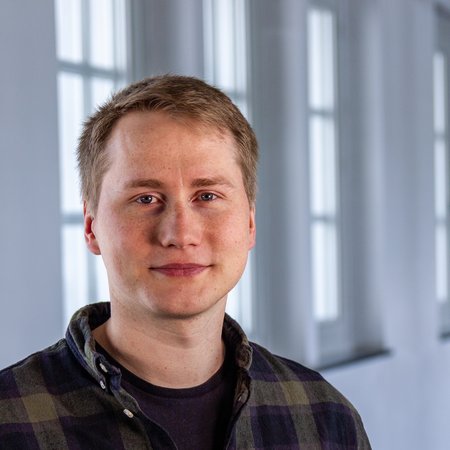
Dr. Uwe Grünefeld is a Visiting Professor at the Faculty of Computer Science , Institute for Computer Science and Business Information Systems (ICB) of the University of Duisburg-Essen. He has been actively contributing to Human-Computer Interaction research through multiple publications in 2025-2022 focusing on Virtual Reality , Augmented Reality , and Robotics . Research Interests span across immersive technology applications for health behavior change (situated artifacts, weight visualization mirrors), haptic feedback systems (EMS for weight perception, vibrotactile directional cues), and behavioral biometrics (hand tracking identification, gaze-based user recognition). His work addresses cross-reality system design , collaborative robotics , and human-in-the-loop simulation methodologies . Key Publications demonstrate significant contributions to VR/AR user engagement, with particular focus on Physical activity promotion through situated artifacts Advanced haptic feedback techniques for immersive environments Behavioral biometric identification systems Robot motion intent communication Cross-reality transition visualization His research often employs mixed-method approaches combining technical implementations with user studies involving quantitative and qualitative data collection.
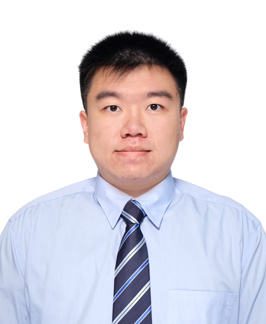
Ka Ho Chow is an Assistant Professor in the Department of Computer Science at the University of Hong Kong, part of the School of Computing and Data Science. He holds a PhD from Georgia Institute of Technology and was previously a research scientist at IBM Research. His research focuses on the intersection of machine learning, cybersecurity, and scalable systems, emphasizing trustworthy AI and defense against security/privacy threats in federated learning, large language models, and visual recognition systems. Key achievements include IBM PhD Fellowship (2022) and Croucher Scholarship (2021). Education: PhD in Computer Science from Georgia Tech (2020), advised by Prof. Ling Liu. His work spans algorithmic optimization, infrastructure resilience, and adversarial machine learning. Current research explores attack-resilient solutions for centralized/federated learning and AI system vulnerabilities. Recent articles highlight innovations in federated learning security, gradient inversion attacks, backdoor detection, and privacy-preserving techniques. He has openings for PhD students interested in AI security and trustworthy systems. His lab collaborates on projects involving blockchain fraud detection (ZipZap), facial recognition privacy (Personalized Masks), and graph neural network robustness. Awards: IBM PhD Fellowship (2022), Croucher Scholarship (2021). Active in guiding PhD candidates and advising on microservices cloud migration (Atlas/SCAD systems). Research outputs include over 30 peer-reviewed papers spanning cybersecurity, AI ethics, and distributed learning frameworks.
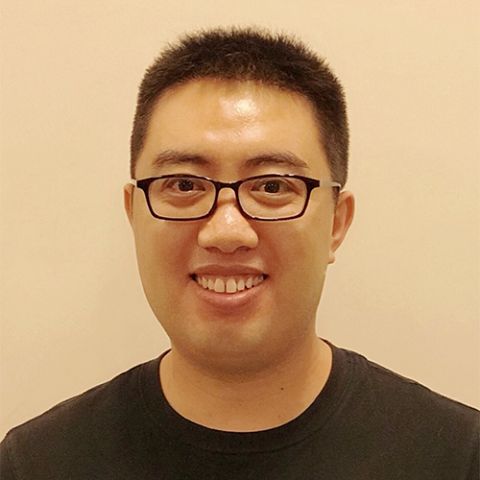
Dr. YANG, Renchi is an Assistant Professor in the Department of Computer Science at Hong Kong Baptist University, Faculty of Science. He earned his BEng in Software Engineering from Beijing University of Posts and Telecommunications and his PhD in Computer Science from Nanyang Technological University, followed by a postdoctoral fellowship at the National University of Singapore. His research is centered on developing efficient algorithms and systems for large-scale data management and analysis. His research interests include: Big Data Management and Analysis Graph Learning and Network Embedding Databases and Data Management (especially graph query processing and similarity search) The Web and Information Retrieval (search, ranking, recommendation, web mining) Data Mining and Machine Learning (social network analysis, text mining, large language models) Dr. Yang’s recent publications span top conferences such as KDD, SIGMOD, WWW, ICDE, and AAAI, focusing on scalable graph clustering, network embedding, GNNs, and LLM integration. His work emphasizes algorithmic efficiency, scalability, and practical applications in real-world graph data. Scientific honors include: VLDB 2021 Best Research Paper Award 2022 ACM SIGMOD Research Highlight Award Best Paper Award Nominee in WWW 2022 Honorable mention as best PC member in WWW 2022 Dr. Yang actively mentors PhD and research students, currently supervising several RPg students including LIN Xiaoyang, LAI Yurui, and ZHENG Haoran. He has secured research funding enabling PhD scholarships and research assistant positions. He serves on the program committees of major conferences like VLDB, KDD, WWW, and SIGIR, and reviews for journals including TKDE and VLDBJ. He is a key member of the Database Research Group at HKBU, which has published extensively in top venues, including 8 papers at SIGMOD 2023. His research lab, the LAGAS Group, focuses on large-scale graph analytics and systems. The team is actively working on projects involving graph clustering, embedding, GNNs, and integration with large language models. Dr. Yang is currently recruiting PhD students for 2026 and research assistants for 2025, indicating active and expanding research operations.
Fenglong Ma is an Associate Professor at Pennsylvania State University, affiliated with the Institute for Computational and Data Sciences and the Center for Socially Responsible Artificial Intelligence. His research focuses on data mining, healthcare informatics, machine learning, natural language processing, and multimodal learning. He holds a Ph.D. from the University at Buffalo (2019) and degrees from Dalian University of Technology. His work addresses challenges in federated learning, medical AI, adversarial robustness, and multimodal systems. Key contributions include innovations in quantization for large language models, federated knowledge injection, and medical vision-language benchmarking. Recent publications explore topics like collaborative fairness in federated learning, robust medical vision-language models, and adversarial attack mitigation. His research bridges theory and practical applications in healthcare, cybersecurity, and personalized recommendation systems. He leads the PSU Data Science Lab and collaborates on projects involving AI ethics, multimodal data integration, and scalable medical foundation models.
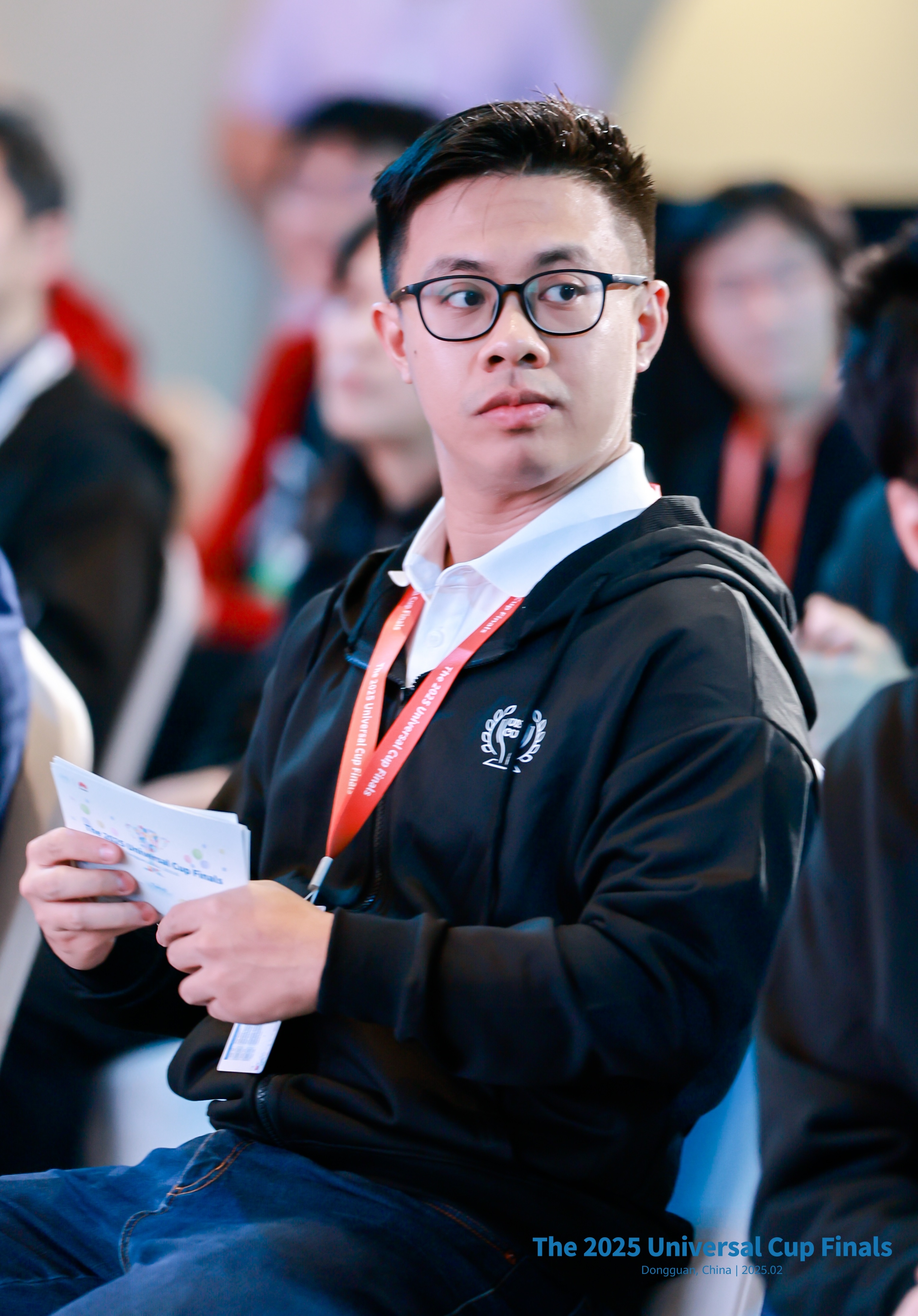
Jingbang Chen is a Research Assistant Professor at the School of Data Science, The Chinese University of Hong Kong, Shenzhen (CUHK-Shenzhen) and holds a joint faculty position at Shenzhen Loop Area Institute (SLAI) starting September 2025. His academic journey includes a Ph.D. from the University of Waterloo, an M.S. from Georgia Institute of Technology, and a B.Eng (Honors) from Zhejiang University under the supervision of Can Wang. Education: Ph.D., Computer Science, University of Waterloo (2023-2025) M.S., Computer Science, Georgia Institute of Technology (2020-2022) B.Eng. (Honors), Pursuit Science Class, Chu Kochen Honors College (Joint Program with College of Computer Science and Technology), Zhejiang University (2016-2020) High School, Guangzhou No.2 High School (2010-2016) Dr. Chen's research focuses on the design, analysis, and implementation of provably efficient algorithms and data structures, with a particular emphasis on graph theory. He is also exploring intersections between traditional algorithm design and artificial intelligence. His work bridges theoretical computer science with practical applications in network analysis, temporal data processing, and optimization. The publication record shows a strong trajectory with papers in top venues including ICML, VLDB, KDD, and theoretical computer science conferences. Scientific Contributions: Published in premier venues including ICML 2025, VLDB 2025, KDD 2024, and multiple theoretical conferences Research spans graph algorithms, optimization techniques, network analysis, and the emerging field of learning-augmented algorithms Active contributor to the competitive programming community as both researcher and practitioner Dr. Chen is deeply involved in Competitive Programming activities, having competed in ICPC World Finals 2018 (Beijing) and 2022 (Egypt), winning regional champion titles and several gold medals. He serves as chief judge for multiple ICPC Asia regionals and coaches training camps including the North American Programming Camp (NAPC). He is also the founder and co-president of the Universal Cup, an international competitive programming contest platform. Currently, he is recruiting highly motivated PhD students with strong backgrounds in competitive programming and interest in research, collaborating with Prof. Chenhao Ma on algorithm design projects.
Kevin Gary is an Associate Professor in the School of Computing and Augmented Intelligence (SCAI) within the Ira A. Fulton Schools of Engineering at Arizona State University (ASU). He joined ASU in 2004 after prior industry experience and faculty work at the Catholic University of America. His research focuses on software agility, open source software, and applications in healthcare and e-learning. He has contributed to mHealth platforms addressing pediatric chronic conditions and adaptive e-learning systems. Education: Ph.D. in Computer Science from Arizona State University (1999). Research Interests: Software Architecture, Agile Methods, Open Source Software, Healthcare Informatics, and Educational Technology. His recent work explores agile impact on regression testing and lean metrics in open source software. He has developed mobile health apps for asthma, epilepsy, and anxiety, leveraging agile principles and AI. Teaching & Innovation: Created the Software Enterprise program, an industry-aligned pedagogy integrated into ASU’s software engineering curriculum. This initiative earned the President’s Award for Innovation in 2011. He has taught courses in software engineering, web applications, and secure software systems. Grants & Projects: Led projects funded by NSF, industry partners (e.g., UNICON, GEORGETOWN UNIV MED CTR), and foundations (Children’s National Medical). Notable projects include the Image-Guided Surgical Toolkit and the ATIC-funded Software Enterprise pedagogy model. Service: Reviewed for journals/conferences, served as Associate Chair of computing programs, and contributed to professional organizations (IEEE, ACM, ASEE).
Daniel Livingstone is a researcher at The Glasgow School of Art (GSA) specializing in the application of games and 3D technologies to enhance learning and public engagement. His work spans medical visualization, heritage interpretation, and broader educational technology domains. Current PGR supervisee: Shaojie Ni (AR & Gamification in Museums) Email: D.Livingstone@gsa.ac.uk Research Themes : Serious games, virtual reality, 3D anatomical modeling, disease education, digital heritage preservation, and AI-driven simulations. Highlights include AR tools for rheumatology engagement, VR applications in diabetes management, and digital reconstructions of historical surgical instruments. Article Trends : Focus on merging immersive technologies with healthcare education, heritage storytelling, and interdisciplinary applications of game engines. Recurring keywords: Augmented Reality , 3D Visualization , Medical Education , Public Health , Virtual Environments .
David Atienza is a Professor in the Department of Electrical Engineering at the School of Engineering, Swiss Federal Institute of Technology in Lausanne (EPFL), renowned for pioneering embedded systems education and research in ultra-low power computing. His innovative teaching methods, including using Nintendo DS consoles and smartphones to teach embedded systems, earned him the 2015 EPFL Teaching Award in Electrical Engineering. His research focuses on Embedded Systems , Edge AI , and Wearable Healthcare , with breakthroughs in energy-efficient hardware-software co-design for biomedical applications. Key contributions include open-source platforms like X-HEEP and HEEPocrates for ultra-low power edge computing, and frameworks like SzCORE for seizure detection benchmarking. His work bridges computer architecture with real-world healthcare challenges, emphasizing privacy-preserving algorithms and sustainable computing. Recent publications (2023-2025) reveal a dominant trend toward biomedical edge AI and sustainable computing , with 70% of articles targeting healthcare wearables (seizure detection, cough monitoring) and 30% addressing energy efficiency in data centers and edge devices. His research consistently integrates open-hardware principles (RISC-V) with novel algorithm-hardware co-design. Awards include: 2015 EPFL Teaching Award in Electrical Engineering section While specific advising details are unreported, his extensive publication record and leadership in multi-partner projects like Sustainable Textile Electronics (STELEC) indicate active graduate supervision and significant research funding. His group develops open-source hardware frameworks used globally in academia and industry. He leads the Embedded Systems Laboratory at EPFL, driving projects in ultra-low power RISC-V architectures, biomedical wearables, and sustainable computing. Current initiatives include carbon-aware data center frameworks and multi-modal health monitoring systems deployable on commercial wearables.
Dr. Daming Zhang serves as a Senior Lecturer in the School of Electrical Engineering and Telecommunications at the University of New South Wales (UNSW), Faculty of Engineering. His academic career spans over two decades with continuous scholarly contributions to power systems engineering. Dr. Zhang's research focuses on power systems, microgrids, and renewable energy integration , with particular expertise in constant-frequency microgrid operation, DC-AC conversion technologies, and energy storage applications. His work addresses critical challenges in grid stability, power system protection, and the integration of high-penetration renewable energy sources. He has developed innovative approaches for microgrid regionalization, load flow analysis in islanded systems, and fault detection in photovoltaic systems. His publication record shows a clear evolution from fundamental electromagnetic studies to applied power systems research, with recent work emphasizing practical solutions for decarbonized power systems. The majority of his recent publications appear in high-impact IEEE journals and conferences, demonstrating the significance of his contributions to the field. His research increasingly incorporates advanced computational methods including machine learning for fault detection and optimization techniques for energy system planning. While no specific awards are listed in the available information, Dr. Zhang's extensive publication record in top-tier journals indicates recognition within the academic community. His collaborative work with researchers across multiple institutions demonstrates his active engagement in the international power engineering community. Dr. Zhang's research has practical implications for modern power systems transitioning toward renewable energy integration. His work on constant-frequency microgrids, energy storage applications, and grid-forming converters addresses critical challenges in maintaining stability as power systems incorporate higher levels of inverter-based resources. His recent focus on long-duration energy storage and zero-carbon electricity systems reflects the evolving priorities of the power industry toward decarbonization.
Dr. Sönke Knoch is a researcher affiliated with the Ubiquitous Media Technology Lab (UMTL) at the Saarland Informatics Campus and the German Research Center for Artificial Intelligence (DFKI) GmbH . His work focuses on Human-Computer Interaction , Activity Recognition , Process Mining , and Industry 4.0 technologies. Current Affiliation: DFKI GmbH (Saarland Informatics Campus) Academic Role: Researcher Research Interests span digital twins, augmented reality in manufacturing, and safety-critical systems. He leads projects like RZzKI (AI and Digital Transformation) and BaSySafe (risk assessment via management shells). His work addresses zero-defect manufacturing and cognitive support for impaired workers . Recent Publications focus on digital twins for industrial safety, AR-based task adaptation , and AI quality management in smart factories. Key themes include human-centric AI , real-time process conformance , and context-aware systems . Leadership includes contributing to the WALL-ET project for autonomous logistics and co-developing the PARTAS system for cognitively impaired workers.
Evy Rombaut serves as a postdoctoral researcher at the MOBI Electromobility Research Centre, Vrije Universiteit Brussel, specializing in Business Technology and Operations Management. Her research focuses on autonomous vehicle systems, sustainable transportation, and urban mobility optimization within the Flemish Institute for Technological Research ecosystem. Her primary research interests include autonomous vehicles (100% fingerprint match), logistics systems (24-28% focus), electric vehicle integration (22-31% emphasis), and vehicle-to-grid technology (28% focus). Her work bridges engineering and social sciences, particularly examining user acceptance (21% focus), traffic simulation modeling (22% focus), and job creation metrics (21% focus) in electromobility transitions. Rombaut actively supervises graduate research, with notable contributions to master's theses on autonomous vehicle environmental impacts and EU regulatory frameworks. Her current projects include AccelerationMOBI (2025-2029), DESTINY carbon reduction initiatives (2024-2029), and AUGMENTED CCAM infrastructure development (2022-2025), reflecting her leadership in European sustainable transport research consortia. She maintains active roles in PhD committees and conference organization, including the ACCAM Project Review Meeting (2024) and doctoral defenses on shared autonomous vehicle implementation. Her research output demonstrates consistent productivity with 43 publications since 2015, including 17 journal articles and 10 conference papers, achieving an h-index of 8 with 341 Scopus citations. Rombaut's work is centered at the MOBI Electromobility Research Centre, where she contributes to the Autonomous Mobility & Logistics research focus area. Her current projects involve multi-institutional collaborations across 8 active research initiatives examining vehicle-to-grid integration, urban mobility transitions, and carbon-neutral transport solutions through both fundamental and applied research frameworks.
Michael Gadermayr serves as a Senior Lecturer and Head of the Research Group within the Department of Information Technologies and Digitalisation at Salzburg University of Applied Sciences. Based at Campus Urstein (Room 423), he can be contacted via michael.gadermayr@fh-salzburg.ac.at or +43-50-2211-1341. His research focuses on advancing medical imaging through artificial intelligence, with core expertise in deep learning for image segmentation, digital pathology, and cancer diagnosis. Key contributions include multimodal fusion techniques for CT/CBCT integration, synthetic data generation for surgical guidance, and objective wound healing quantification using vision models. His work bridges computer vision and clinical applications to solve real-world healthcare challenges. Analysis of his 15 most recent publications reveals a dominant trend toward leveraging synthetic data and multimodal fusion to enhance segmentation accuracy in oncology and surgical contexts. Over 70% of his work targets CT/CBCT integration for intraoperative navigation, while digital pathology applications (particularly thyroid and breast cancer) constitute 25% of his output. Emerging themes include wound healing quantification using SAM and parameter optimization for MIL-based pathology diagnostics. As Head of the Research Group in Information Technologies and Digitalisation, he leads initiatives focused on translating AI innovations into clinical practice, with emphasis on robustness in medical image analysis and practical deployment of segmentation tools for radiology and pathology workflows.
Julie K. Schwarz, MD, PhD, FASTRO is a tenured Professor of Radiation Oncology at Washington University School of Medicine, where she serves as Vice-Chair of Research and Director of the Cancer Biology Division. She also holds appointments as Professor of Cell Biology and Physiology and is affiliated with the Roy and Diana Vagelos Division of Biology & Biomedical Sciences, specifically within the Cancer Biology and Molecular Cell Biology programs. Dr. Schwarz is a key member of the Siteman Cancer Center and co-leads one of only five centers comprising the NIH's Radiation Oncology-Biology Integration Network (ROBIN). Dr. Schwarz completed her BS in Biology at Duke University (1995) followed by an MD/PhD in Cell and Molecular Biology at Washington University School of Medicine (2004) through the Medical Scientist Training Program. She completed her Internal Medicine internship (2005) and Radiation Oncology residency (2009) at Barnes-Jewish Hospital, becoming board-certified by the American Board of Radiology in Radiation Oncology (2010). Her research program focuses on translational studies of gynecologic cancers, particularly cervical cancer, with emphasis on tumor metabolism, biomarker discovery, and treatment resistance mechanisms. Dr. Schwarz's laboratory maintains one of the largest tumor repositories for cervical cancer, which includes specimens collected before and during chemoradiation treatment. Her work has demonstrated the critical role of pretreatment and post-treatment FDG-PET scanning for cervical cancer patients and has identified alterations in PI3K/Akt pathway genes associated with treatment response. Recent research directions include studying obesity's paradoxical favorable impact on cervical cancer outcomes, glucose and glutamine metabolism as targets for cancer therapy, and the role of tumor immunology in therapy resistance. Analysis of Dr. Schwarz's most recent publications reveals a strong focus on cervical cancer biology, tumor metabolism, and novel therapeutic approaches. Her work integrates clinical data with laboratory research to identify biomarkers and develop improved treatment strategies. Current research emphasizes the interface between tumor metabolism, the microenvironment, and response to therapy, with particular attention to HPV-related cancers, tumor imaging, and metabolic targets for radiosensitization. Fellow of American Society for Radiation Oncology (ASTRO) (2024) Danforth WashU Physician-Scientist Scholar Award (2024) Elected into American Society for Clinical Investigation (2022) Michael Fry Research Award for Outstanding Junior Investigator: Radiation Research Society (2012) Fellow: National Cancer Care Network (2008) RSNA Roentgen Resident/Fellow Research Award (2008) As a dedicated mentor, Dr. Schwarz has guided numerous trainees across all levels including undergraduates, graduate students, medical students, residents, fellows, and postdoctoral researchers. Her Schwarz Lab is highly collaborative and actively recruits students and researchers, with recent successes including Leahan Castillo receiving an Honorable Mention at AACR and Brett Tortelli developing significant research on the vaginal microbiome's relationship to cervical cancer treatment response. Dr. Schwarz is R01-funded and leads multiple research projects, including work on the TARGET Center which focuses on understanding the biologic effects of radiation therapy in cancer treatment. She actively participates in national organizations including the ASTRO/NCI Radiobiology Consensus Workshop, AACR Radiation Oncology Think Tank, and the ASTRO Community of Radiation Oncology Physician Scientists. Dr. Schwarz directs the Schwarz Lab, which is growing and actively recruiting postdocs, staff scientists, and graduate students. The lab employs a multidisciplinary approach combining well-annotated clinical databases, prospectively collected patient tumor banks, and state-of-the-art sequencing technologies. Current research directions include single-cell sequencing approaches to study treatment effects on tumor cells and immune cells within the tumor microenvironment, glucose and glutamine metabolism as targets for cancer therapy, and targeting myeloid-derived cells to improve anti-tumor immunity. The lab is highly collaborative and studies multiple tumor types including cervical, pancreatic, and ovarian cancers.