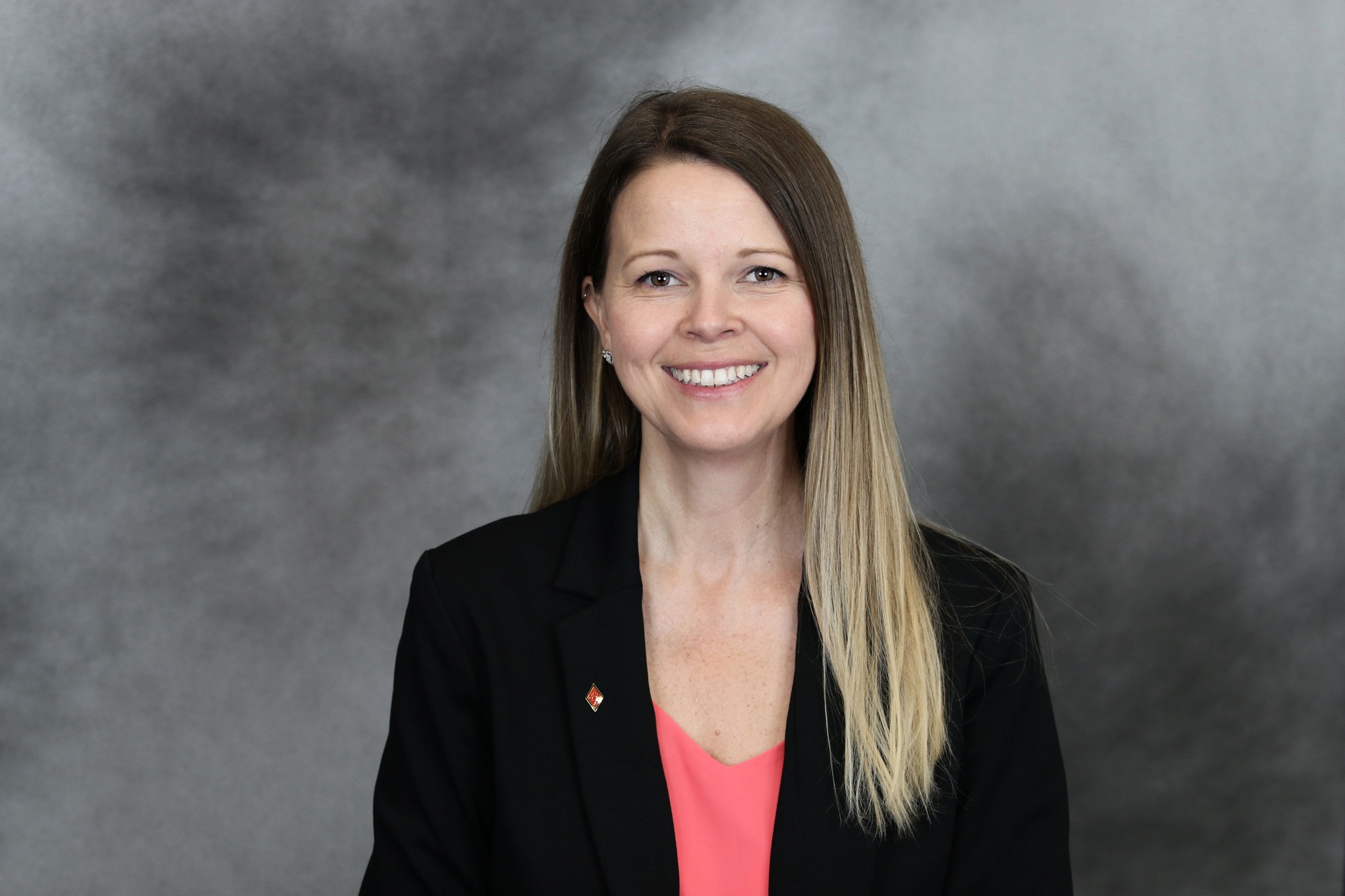
Jillian Bohlen is an Associate Professor at the University of Georgia within the College of Agricultural & Environmental Sciences , specifically the Department of Animal and Dairy Science . Her work focuses on dairy cattle reproduction, teaching, and youth development in agricultural sciences. Education: B.S. in Dairy Science, University of Georgia (2003) M.S. in Dairy Science, University of Georgia (2005) Ph.D. in Animal Sciences, Clemson University (2012) Dr. Bohlen's research emphasizes applied reproduction in cattle , including synchronization techniques, ultrasound applications in reproductive programs, and embryo competency. She integrates students into all research projects despite lacking a formal research appointment. Her teaching interests span dairy cattle production , reproductive management , and contemporary agricultural issues , with courses like ADSC 3620 (Dairy Cattle Production), ADSC 4010 (Issues in Animal Agriculture), and ADSC 4410 (Applied Reproductive Management). Scientific awards include: Student Career Success Influencer Award (2024) Russell Award for Excellence in Undergraduate Teaching (2023) UGA Creative Teaching Award (2022) CAES Early Career Teaching Award (2022) Hoard's Dairyman Youth Development Award (2021) Larry Benyshek Teaching Award (2017) She actively promotes agricultural education through programs like the Commercial Heifer Project , Dairy Cattle Judging , and Dairy Quiz Bowl . Additionally, she participates in funded projects related to methane emissions , heat stress mitigation , and antibiotic alternatives in dairy farming.
Thomas R Overton serves as Department Chair and Professor of Dairy Nutrition and Management in the Department of Animal Science at Cornell University's College of Agriculture and Life Sciences (CALS). He also directs PRO-DAIRY, an extension program focused on enhancing dairy farm profitability and efficiency in New York through research-based strategies for transition cow management. Education: Doctorate, University of Illinois, 1998 Master of Science, University of Illinois, 1994 Bachelor of Science, Cornell University, 1991 Dr. Overton's research centers on the transition period (late pregnancy to early lactation) in dairy cows—the most critical phase for health and productivity. His work integrates nutritional physiology with practical farm applications, targeting hypocalcemia management, protein supplementation strategies, inflammation control, and biomarker validation for metabolic health. This research directly informs his extension efforts through PRO-DAIRY, which delivers actionable knowledge to dairy producers and industry professionals. Analysis of his 15 most recent publications (2022-2024) reveals consistent emphasis on transition cow nutrition, with growing focus on metabolic analytics, precision feeding, and real-world herd management. His work bridges controlled studies at Cornell's Ruminant Center with observational research on commercial New York dairy farms. Scientific Awards: 2024 Nutrition Professionals Applied Dairy Research Award (American Dairy Science Association) 2010 CALS Extension/Outreach Team Award (PRO-DAIRY) 2007 Foundation Scholar Award (American Dairy Science Association) 2007 CALS Extension/Outreach Team Award Dr. Overton advises undergraduate and graduate students in Animal Science while leading PRO-DAIRY's extension initiatives. His program secures industry partnerships and grants focused on improving dairy farm sustainability through nutritional science. The July 2025 'Farm of the Future' showcase at Cornell's Ruminant Center exemplifies his commitment to translating research into practical innovation. He operates within Cornell's PRO-DAIRY program and the Cornell University Ruminant Center—a living laboratory for dairy technology testing—collaborating closely with industry stakeholders to address emerging challenges in dairy production.
Guoyao Wu is a Distinguished Professor of Animal Nutrition at Texas A&M University's College of Agriculture & Life Sciences, holding dual appointments in the Department of Animal Science and the Graduate Faculty of Nutrition. His expertise spans nutritional biochemistry, protein metabolism, and reproductive physiology. Dr. Wu earned his B.Sc. from South China Agricultural University, M.Sc. degrees from Beijing Agricultural University and the University of Alberta, and a Ph.D. from the University of Alberta, followed by postdoctoral training at McGill University and Memorial University of Newfoundland. His research focuses on amino acid and protein metabolism across molecular, cellular, and whole-animal levels, using models like cattle, pigs, and aquatic species. Key areas include placental nutrient transport, fetal programming, and the role of amino acids in mitigating conditions like sarcopenia and intrauterine growth restriction. He has pioneered studies on glycine, creatine, and citrulline supplementation in livestock and aquaculture. Dr. Wu has received over 15 prestigious awards from China, Canada, and the U.S., including the Thousand-People-Talent Award and Changjiang Scholar Award. He serves on editorial boards of journals like Amino Acids and Frontiers in Bioscience , and teaches graduate courses in protein metabolism. His work bridges basic science and applied nutrition, with implications for improving livestock productivity, human health, and aquaculture sustainability. Current projects address amino acid requirements of companion animals, microgravity effects on metabolism, and placental biology in ruminants.
Shannon Neibergs is an academic professional at Washington State University (WSU), serving as Director of the Western Center for Risk Management Education and Extension Specialist in the School of Economic Sciences. She holds a Ph.D. in Agricultural Economics from Texas A&M University (1993), an M.A. in Agricultural Economics from WSU (1987), and a B.S. in Animal Science from WSU (1983). Her research focuses on livestock production economics, auction market dynamics, and agribusiness employment strategies, with significant contributions to risk management education and sustainable agriculture. Notable honors include NACAA National and Regional Finalist awards for team newsletters (2010, 2008), a Faculty Member of the Year Award (University of Louisville, 1997), and multiple annual evaluation awards for service and research excellence. Her work bridges academic research with practical extension programs, addressing challenges in beef production systems, genomic selection tools, and rangeland management. Risk Management Education: Leads initiatives to help farmers navigate market uncertainties and policy changes. Livestock Economics: Specializes in production costs, crossbreeding impacts, and disease management economics. Regional Agriculture: Analyzes economic contributions of Washington's beef and dairy sectors through input-output models. Her advisory and collaborative efforts include managing the Western Center for Risk Management and contributing to the Beef Risk Control (BRD CAP) project. She collaborates with ranchers and policymakers to enhance agricultural resilience. Active in interdisciplinary teams such as the IMPACT Center and Transportation Research Group, her work emphasizes translating research into actionable solutions for agricultural stakeholders.
Alexander Stelzleni is a Professor and Graduate Coordinator in the Department of Animal and Dairy Science at the University of Georgia's College of Agricultural & Environmental Sciences. He has been with the University of Georgia since July 2007, progressing from Assistant Professor to Associate Professor in 2013, and ultimately to Professor in 2020. As Graduate Program Coordinator since January 2021, he oversees both the Animal and Dairy Science (ADSC) and Regenerative Bioscience (REBI) graduate programs. Dr. Stelzleni's research program maintains two central foci: (1) the influence of production and management on meat quality and yield with emphasis on southeastern and subtropical beef finishing systems, and (2) further processing to improve quality and safety of red meat and poultry. His lab has been particularly active in studying heat stress mitigation in Southeastern US beef finishing systems, sous vide as a consistent cookery method, further processing of poultry myopathies, and safety of low-thermal meat products. His scholarly work reflects strong expertise in meat science, with recent publications focusing on nicotinamide riboside effects, National Beef Quality Audits, dairy-beef crossbreeding, poultry myopathies, sous vide techniques, and high-pressure processing for pathogen control. The Stelzleni Lab has presented numerous studies at the Reciprocal Meat Conference in recent years, demonstrating consistent productivity and relevance to industry challenges. Student Career Success Influencer Award (2024) Multiple UGA Career Center Awards (2019, 2016, 2015, 2014, 2012) Larry Benyshek Excellence in Teaching Award (2016) ADSC 3650 recognized as top 5 college courses at UGA As an advisor, Dr. Stelzleni has mentored numerous graduate students including Clint Lee (MS thesis on heat stress mitigation), Cameron Catrett (MS 2024), and M. Junaid Nawaz (PhD student). His lab actively involves undergraduates in research and meat judging competitions, with students regularly presenting at professional conferences and winning awards in Iron Chef contests and meat judging events. Dr. Stelzleni directs the Meat Science Technology Center where his team investigates methods to improve meat quality, yield, shelf-life, and safety. The lab maintains strong industry connections with commodity groups, meat processors, and stakeholders to address current challenges in meat production and processing.
Lorin D. Warnick is currently serving as the Austin O. Hooey Dean of Veterinary Medicine at Cornell University College of Veterinary Medicine. He is a tenured Professor in the Department of Population Medicine and Diagnostic Sciences, where his research focuses on the epidemiology of Salmonella infections and antimicrobial resistance in enteric bacteria affecting both domestic animals and humans. A key contributor to Cornell's response to the COVID-19 pandemic, he has led research on SARS-CoV-2 diagnostic testing and campus outbreak dynamics. Education : B.S. in Microbiology (1984) from Brigham Young University DVM (1988) from Colorado State University Ph.D. in Veterinary Medicine (Epidemiology) and Statistics from Cornell University (1994) Professional Experience : Assistant Professor (1994-1996) at Virginia-Maryland Regional College of Veterinary Medicine Assistant/Associate Professor (1996-2008) and Professor (2008-present) at Cornell University Section Chief in Ambulatory and Production Medicine (1997-1999) Research Interests span veterinary epidemiology, antimicrobial resistance, foodborne pathogens, and public health. His work connects animal and human health through One Health frameworks, particularly in Salmonella transmission dynamics between dairy cattle and humans. He has pioneered surveillance systems for infectious diseases, including the model used during Cornell's COVID-19 response. Scientific Awards include: Phi Zeta Veterinary Honor Society (1987) Phi Kappa Phi Honor Society (1988) Honorary Diploma from American Veterinary Epidemiology Society (2018) One Cornell Award for Leadership in Pandemic Testing (2021) Advising and Grants highlight his role in mentoring students and leading interdisciplinary research teams. His grants focus on antimicrobial resistance mitigation, dairy calf health, and pandemic response infrastructure. He has collaborated extensively with institutions like USDA and CDC on foodborne disease research. Labs and Collaborations include leadership in Cornell's Veterinary Diagnostic Laboratories and contributions to the American College of Veterinary Preventive Medicine. His work integrates epidemiological modeling, microbiome analysis, and policy development for sustainable agricultural practices.
Romdhane Rekaya serves as a Professor in the Department of Animal and Dairy Science within the College of Agricultural & Environmental Sciences at the University of Georgia. He also holds courtesy faculty positions in the Department of Statistics and is an associate faculty member with the Institute of Bioinformatics at UGA. His research program focuses on developing statistical and computational tools for analyzing large genetic and genomic datasets with applications in livestock, poultry, and human health. Dr. Rekaya's educational background includes: Agriculture Engineer from the High Institute of Agriculture, Tunisia Master of Science from the International Center for Advanced Studies in Mediterranean Agriculture of Zaragoza, Spain Ph.D. from the Polytechnic University of Madrid, Spain Dr. Rekaya's research interests span quantitative genetics, genomics, biostatistics, and bioinformatics. His work centers on developing statistical and computational methodologies for analyzing big genetic and genomic data sets with practical applications in livestock, poultry, and human health. His research has been particularly focused on addressing critical challenges in animal agriculture including horn fly resistance in beef cattle, water utilization efficiency in poultry, and greenhouse gas emissions in dairy production. His methodological approaches often integrate machine learning, Bayesian statistics, and genomic technologies to solve complex biological problems. Dr. Rekaya's publication record demonstrates a consistent focus on statistical methodology development for genetic analysis, with recent work increasingly emphasizing practical applications of genomic technologies in animal agriculture. His research spans both theoretical statistical development and practical implementation in livestock improvement programs, with particular emphasis on innovative approaches to traditional breeding challenges. Among his professional recognitions: Student Career Success Influencer Award 2024 Mini-Sabbatical Award Student Career Success Influencer Award 2022 Carnegie fellowship Carnegie African Diaspora Fellow Faculty with significant positive impact of at least one graduate student Gamma Sigma Delta outstanding Research Achievements Award Dr. Rekaya has successfully mentored numerous graduate students including PhD candidates Amanda Warner, Mahsa Zare, Koushik Das, and Evan Hartono, along with undergraduate researchers. His research has been consistently supported by major funding agencies including USDA NIFA, USDA ARS, Georgia Agricultural Commodity Commission for Beef, National Academy of Sciences, and industry partners including Tyson Foods and Cobb-Vantress. Current projects include developing genetic solutions to the horn fly problem in beef cattle, improving water utilization efficiency in poultry, and examining associations between greenhouse gas emissions and feed efficiency in dairy cattle. Dr. Rekaya leads an active research laboratory that collaborates with multiple departments and institutions. His lab focuses on applying advanced statistical and computational methods to solve pressing problems in animal agriculture, with particular emphasis on integrating genomic information into practical breeding programs. The lab maintains strong industry connections and international collaborations, particularly with researchers in Africa through the African Animal Breeding Network.
Dr. Joseph Cassady serves as the South Dakota Corn Endowed Dean of the College of Agriculture, Food and Environmental Sciences at South Dakota State University (SDSU). Previously, he held the rank of Professor and Head of the Department of Animal Science at SDSU (2013–2022) and North Carolina State University (2001–2013). His research focuses on food animal genetics and genomics, particularly improving production efficiency in swine and beef cattle. Education: B.S. in Animal Science (Iowa State University, 1993), M.S. and Ph.D. in Animal Science (University of Nebraska-Lincoln, 1995 and 1999). Professional roles include past-president of the National Swine Improvement Federation and executive director of the Beef Improvement Federation (2009–2015). Research emphasizes genetic and genomic advancements to enhance livestock productivity, with notable work on heat stress mitigation, swine behavior, and genomic selection in cattle. Awards include the 2019 Harold and Barbara Bailey Award for Academic Leadership and recognition for service to the Beef Improvement Federation. Administrative responsibilities include leading the College of Agriculture, Food and Environmental Sciences, overseeing accreditation processes, and participating in industry boards such as the South Dakota Poultry Industries Association and American Angus Foundation. Key research themes span animal genomics, livestock environmental adaptation, and precision agriculture. Over 150 peer-reviewed publications address topics like swine feeding behavior, cattle genetics, and genomic tools for improving meat quality and production efficiency.
Daryl Nydam is a Professor in the Department of Population Medicine and Diagnostic Sciences at Cornell University's College of Veterinary Medicine. He serves as Director of Quality Milk Production Services and is a Faculty Fellow at the Atkinson Center for Sustainability. His research bridges production animal agriculture and public health, focusing on dairy cattle transition cow health, calf infectious diseases (especially zoonoses), and milk quality epidemiology. Education: B.S. Biochemistry (Cum Laude), SUNY Geneseo (1993) DVM, Cornell University (1997) Ph.D. Epidemiology, Cornell University (2002) Research Focus: Dr. Nydam investigates population-level interventions for dairy cattle health, emphasizing metabolic disorders in transition cows, cryptosporidiosis in calves, and mastitis control. His work integrates field epidemiology with practical herd management solutions to optimize productivity and public health outcomes. Publications: His recent articles (2015-2017) predominantly address metabolic health in transition dairy cows, neonatal calf management, mastitis therapeutics, and diagnostic innovations. Key themes include ketosis prediction, antibiotic efficacy trials, and nutritional impacts on immunity. Awards & Honors: Excellence in Preventive Medicine (AABP, 2015) Academic Service Award (Cornell CVM, 2014) Most Cited Manuscript 2010-2013 (Journal of Dairy Science) Faculty Fellow, Atkinson Center for Sustainability (2009-present) Editorial Board, Journal of Dairy Science (2016) Leadership: As Director of Quality Milk Production Services, Dr. Nydam oversees a diagnostic laboratory network supporting mastitis control across New York dairy farms. He actively mentors in graduate fields including Animal Science, Epidemiology, and Infectious Disease.
Marilia Chiavegato is an Assistant Professor at The Ohio State University, holding a split appointment in the Department of Animal Sciences and the Department of Horticulture and Crop Science. She specializes in agroecosystem sustainability, focusing on crop-livestock integration, grazing systems, and environmental impact assessment. Her work emphasizes climate change adaptation through multi-year analysis of large-scale datasets. Education: Ph.D. in Animal Sciences, Michigan State University (2014) M.S. in Applied Chemistry to Agriculture and the Environment, University of São Paulo (2010) B. Eng. in Agronomic Engineering, University of São Paulo (2008) Research Interests: Resilience of agroecosystems under climate change Greenhouse gas emissions monitoring Grazing management strategies Integrated crop-livestock systems Soil carbon sequestration Recent Work Trends: Dr. Chiavegato’s research bridges field-scale analysis with environmental pressures, focusing on mitigating emissions while enhancing productivity. Recent studies include grazing management’s impact on methane/nitrogen dynamics and biochar’s role in sustainable agriculture. Advising & Grants:** Advises students in Animal Sciences and Horticulture/Crop Science. Research funding sources include USDA grants and collaborative initiatives on sustainable farming. Labs/Teams:** Collaborates with Ohio State’s Agricultural Research and Development Center and Extension programs to translate research into practical farm solutions.
Rielle Perttu is a Teaching Assistant Professor in the Department of Animal Science at the University of Minnesota, College of Food, Agricultural, and Natural Resource Sciences. She holds a PhD, MS, and BS in Animal Science from the same institution. Her research focuses on animal behavior, welfare, and human-animal interactions, particularly in dairy calf management systems and public perception of animal agriculture. Perttu teaches courses such as Animal Welfare & Ethics (ANSC 2015/5015) and Applied Animal Behavior (ANSC 2016), emphasizing practical application and ethical considerations. Her work bridges scientific research with community engagement, addressing topics like automated feeding technologies, calf health monitoring, and dairy industry transparency. Dr. Perttu has received multiple teaching accolades, including repeated Thank a Teacher recognitions from the Center for Educational Innovation and the CFANS Graduate Assistant Teaching Award. Her research has been supported by grants from Merck Animal Health, CFANS, and the Hueg-Harrison Fellowship. Notable achievements include 1st Place in AVMA’s Animal Welfare Judging Competition and pioneering studies on mesh leggings for fly control in pastured dairy cows. She actively participates in outreach efforts to educate youth and adults about animal welfare, aiming to align consumer values with ethical farming practices. Her articles explore both technical advancements (e.g., predictive disease models using automated feeders) and sociological aspects (public views on calf housing systems). Current research trends prioritize improving animal welfare through technology while addressing societal expectations for humane agricultural practices.
University of Illinois Urbana-ChampaignUnited States
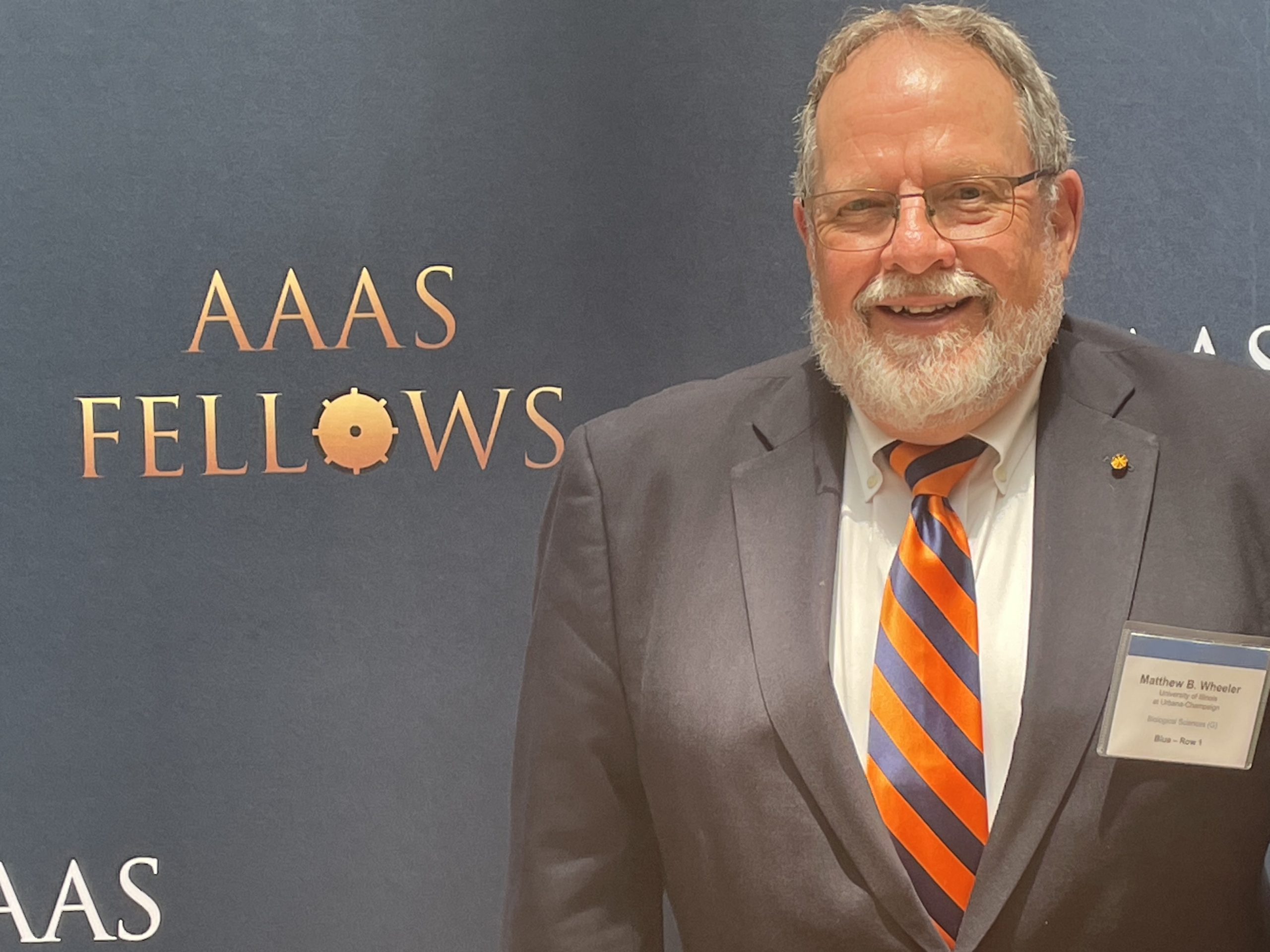
Matthew B. Wheeler is a Professor in the Department of Animal Sciences at the University of Illinois Urbana-Champaign, with additional affiliations at the Beckman Institute for Advanced Science and Technology, the Carl R. Woese Institute for Genomic Biology, the Carle Illinois College of Medicine, The Grainger College of Engineering, and the College of Veterinary Medicine. His research focuses on enhancing global food supply and animal agriculture through biotechnology, particularly in livestock reproduction and genetics. Wheeler's work has significant implications for both animal and human health, addressing hunger and malnutrition while developing better models for studying disease. Wheeler's research interests center on reproductive biology, transgenic animal technology, and embryo engineering. He has pioneered work in developing transgenic livestock for improved food production and biomedical applications. His current projects include creating transgenic cattle that produce human insulin in their milk as a more efficient production method for diabetes treatment, and developing tropical-adapted dairy cattle through strategic crossbreeding of Gyr and Jersey cattle to improve milk production in Tanzania. His laboratory has also made significant advances in microfluidic technologies for assisted reproduction, including the development of 3D imaging techniques for embryo evaluation. Wheeler's recent publications demonstrate a strong focus on practical applications of reproductive technologies in both developed and developing contexts. His work spans transgenic animal production, embryo imaging and selection, stem cell research, and tropical-adapted cattle development. The trend shows increasing emphasis on translational research that addresses global food security challenges while maintaining scientific rigor in reproductive biology. Among his notable scientific achievements, Wheeler was named a 2024 Fellow of the American Association for the Advancement of Science (AAAS) for 'distinguished contributions to the field of reproductive biology, particularly the use of transgenic and other biotechnological approaches to improve livestock and animal models of human disease.' He also received the 2024 Campus Award for Excellence in Graduate Student Mentoring at the University of Illinois. As a dedicated mentor, Wheeler has supervised numerous graduate students who have gone on to successful careers in academia and industry. His research has been supported by various funding sources including the USDA National Institute of Food and Agriculture, the National Science Foundation, and international collaborators. Wheeler leads significant international projects, most notably the Tanzania Tropical Adapted Cattle Project aimed at improving food security in the Global South through advanced reproductive technologies. Wheeler directs laboratory facilities focused on reproductive biotechnology and transgenic animal research. His team works across multiple species including cattle, swine, and deer, developing innovative approaches to embryo production, stem cell research, and genetic improvement of livestock. Current projects include developing a 100-head herd of transgenic cattle that could potentially produce all the insulin needed for the United States, and creating high-milk-yield cattle adapted to tropical climates that could transform dairy production in developing countries.
Dr. Tyler Becker is an Associate Professor in the Department of Food Science and Human Nutrition at Michigan State University’s College of Agriculture & Natural Resources. He serves as the Nutritional Sciences Experiential Learning Coordinator and chairs the undergraduate Nutritional Sciences curriculum committee. PhD, Michigan State University, 2016 MA, Central Michigan University, 2013 BA, Alma College, 2011 His research focuses on cardiovascular disease risk factors in rural populations, pediatric cardiovascular health, sports nutrition, and exercise physiology. He explores health intervention programs and public health epidemiology, with additional interests in nutrition education and curriculum innovation. Dr. Becker’s peer-reviewed articles emphasize nutrition education, dietary supplement curricula, and predictive modeling in animal health. His 2025 outreach publications address practical topics like nutrient timing for athletes and winter physical activity strategies. CANR Excellence in Teaching – Established Teacher Award (2024) He teaches courses including HNF 102 (Dietary Supplements: Evidence vs. Hype), HNF 250 (Contemporary Issues in Human Nutrition), and HNF 485 (Advanced Public Health Nutrition). His affiliations include the MSU Sensory Evaluation Center and the Center for Research on Ingredient Safety.
Dr. Derek Brake is an Assistant Professor in the Division of Animal Sciences within the College of Agriculture, Food and Natural Resources at the University of Missouri. He holds a Ph.D. and M.S. in Ruminant Nutrition from Kansas State University. Dr. Brake teaches courses in Ruminant Nutrition (AnSci 4332/7332) and Beef Production (AnSci 4975/4975W/7975). His research program focuses on fundamental and applied aspects of ruminant nutrition with particular emphasis on: Nutrient utilization efficiency in beef and dairy cattle Small intestinal starch digestion mechanisms Application of computer vision and AI for precision livestock management Metabolic adaptations to different feed sources Sustainable forage and crop utilization systems Analysis of his recent publications reveals strong research focus on: Innovative feed evaluation methods Metabolic interventions for improving cattle productivity Sustainable grazing and forage management systems Advanced technologies for livestock monitoring Mycotoxin mitigation strategies Dr. Brake maintains active collaborations with the beef and dairy industries with research aimed at simultaneously improving livestock productivity, economic returns for producers, and environmental sustainability of cattle production systems.
Dr. Lawton Stewart serves as a Professor and Extension Coordinator in the Department of Animal and Dairy Science at the University of Georgia's College of Agricultural & Environmental Sciences. With over 15 years of experience at UGA, Dr. Stewart leads statewide extension and applied research initiatives focused on beef cattle production systems in Georgia, building a synergistic program that leverages knowledge, collaboration, communication, and technology to improve the livelihood of Georgia's beef cattle producers. Dr. Stewart's educational background includes: B.S. in Animal Science from the University of Georgia M.S. in Agronomy with emphasis in Forage Management from the University of Florida Ph.D. in Animal Science with emphasis in Ruminant Nutrition and Forage Utilization from Virginia Tech Post-Doctoral Research Fellowship at the University of Kentucky investigating nitrogen metabolism in ruminants Dr. Stewart's research and extension program focuses on beef cattle nutrition, management, and forage systems, with particular emphasis on improving production efficiency in Georgia's diverse beef operations. His work integrates fundamental animal science research with practical extension programming to address challenges specific to southeastern US agriculture. Key areas include optimizing beef-forage systems, evaluating preconditioning and backgrounding strategies, developing sustainable parasite control methods, and investigating the impacts of nutrition on reproductive performance. He actively explores opportunities in beef cattle production such as stockering and retained ownership to enhance producer profitability. Analysis of Dr. Stewart's recent scholarly output reveals a strong thematic focus on integrated beef-forage systems, with particular attention to alfalfa-bermudagrass mixtures, nutritional impacts on reproductive physiology, and innovative management strategies for southeastern production environments. His publications bridge fundamental research with practical applications, addressing challenges like cotton byproduct utilization, baleage production, and sustainable grazing systems while maintaining scientific rigor through collaborations across multiple institutions. Dr. Stewart has received recognition for his contributions to student development: Student Career Success Influencer Award (2023) As an active researcher, Dr. Stewart manages a substantial portfolio of funded projects totaling significant grant support, primarily through the Georgia Commodities Commission for Beef, Cotton Incorporated, Merck & Co., and the Georgia Farm Bureau Federation. His research program includes studies on parasite control, forage improvement, cotton byproduct utilization, and sustainable beef production systems. He coordinates the UGA Beef Team, providing travel and educational support for student competitions including the Elite Stockman Short Course and Top Hand Stockmanship and Stewardship Contest, demonstrating his commitment to developing the next generation of agricultural leaders. Dr. Stewart participates in multiple interdisciplinary research teams focused on beef-forage systems across the southeastern United States, collaborating with agronomists, animal scientists, and extension specialists to address complex challenges in beef production. His program maintains strong industry partnerships that ensure research addresses practical on-farm challenges while advancing scientific understanding of beef cattle production systems in the southeastern agricultural environment.