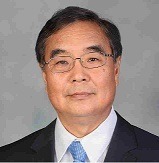
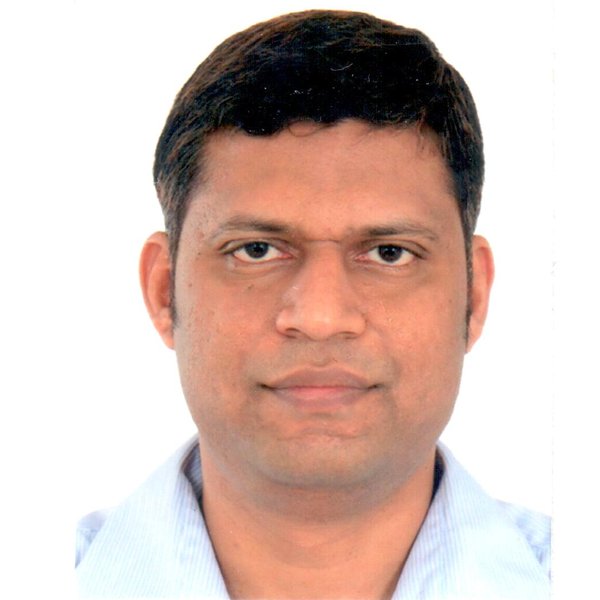
Professor Will Shu at the Department of Biomedical Engineering , University of Strathclyde, is a leading expert in 3D bioprinting and biofabrication technologies. His research focuses on creating functional tissue constructs using microfluidic systems , hydrogels , and nanoparticle engineering , with applications in bone repair , cardiovascular models , and infectious disease treatment . Key research areas: 3D Bioprinting , Biomaterials , Microfluidics , Tissue Engineering , Biomechanics Notable innovations: degradable DNA biolubricants , self-healing triboelectric nanogenerators , carbon dots for bone infection His 2025-2023 publications demonstrate expertise in fluorescence-based nanometrology , precision cancer surgery simulation , and biofilm modeling . Current work includes digital twin surgery and biofabrication standardization . Scientific Awards : Recipient of 11 unspecified prizes (including Scopus citations and policy references ) As an active PhD supervisor , he leads projects in bioprinting , tissue regeneration , and medical device development , evidenced by 99 research outputs and 25 projects listed on Scopus.
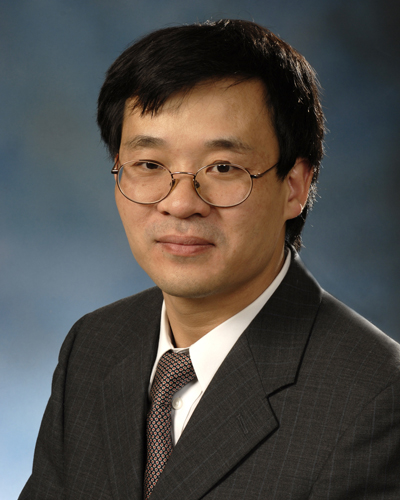
Dr. Peixin Yang is the Christopher R. Harman, MD Endowed Professor of Obstetrics, Gynecology, and Reproductive Sciences at the University of Maryland School of Medicine. He serves as Professor with tenure in the Department of Obstetrics, Gynecology and Reproductive Sciences and holds a secondary appointment in the Department of Biochemistry & Molecular Biology. Dr. Yang is the founding director of the Center for Birth Defect Research at the University of Maryland School of Medicine and leads multiple NIH-funded research projects totaling millions of dollars. Dr. Yang's educational background includes: B.S. in Animal Science from Zhejiang Agricultural University (1986-1990) M.S. in Animal Reproductive Sciences from Nanjing Agricultural University (1990-1993) Ph.D. in Biophysics from Tokyo University of Agriculture & Technology and Zhejiang University (1994-1999) Postdoctoral Research Associate at University of Nebraska Medical Center (1999-2002) BIRCWH scholar (NIH K12) at University of Maryland Baltimore (2008-2009) Dr. Yang has built an extensive research program focused on diabetic embryopathy, particularly examining how maternal diabetes induces neural tube defects (NTDs), congenital heart defects (CHDs), and kidney defects. His laboratory was the first to establish a mouse model of diabetic embryopathy and reveal the causal role of JNK1/2 in neural tube defects. He has made significant contributions to understanding the molecular mechanisms of cellular stress, endoplasmic reticulum stress, and autophagy in neural tube defect formation. Dr. Yang also investigates the effects of maternal obesity on placental function and has established the Maryland Maternal Health Research Center of Excellence. His recent work has expanded to include studies on SARS-CoV-2 infection in pregnancy and connections between insulin resistance signaling and Alzheimer's disease. Analysis of Dr. Yang's recent publications reveals a strong focus on the molecular mechanisms of diabetic embryopathy, with particular emphasis on epigenetic regulation, cellular stress signaling pathways, and placental function. His work consistently bridges basic science with clinical applications, developing potential therapeutic approaches for preventing birth defects. A significant portion of his recent research examines the intersection of maternal metabolic conditions (diabetes and obesity) with fetal development, while also expanding into novel areas like viral infections in pregnancy and connections to neurodegenerative diseases. Dr. Yang's notable scientific achievements include: The F. Clarke Fraser New Investigator Award from the Teratology Society (2013) BIRCWH scholar (NIH K12) (2008-2009) The Lalor foundation postdoctoral Fellowship (2002-2003) Dr. Yang currently directs a multi-million dollar NIH-funded research group with multiple active R01 grants. His current projects investigate the intersection of mTOR/p70S6K1 signaling and HIPPO-Yap tissue organizer in neurulation, heightened hypoxia and DNA methylation in heart defects of diabetic embryopathy, hyperglycemia-induced cardiac progenitor dysfunction, and epitranscriptomic alterations in diabetic embryopathy. He has developed a robust research program in maternal diabetes-induced heart defects, which was previously an understudied area. Dr. Yang is also leading efforts to establish the Maryland Maternal Health Research Center of Excellence, focusing on the adverse effects of obesity, placental accreta spectrum, and opioid use disorder. As the founding director of the Center for Birth Defect Research at the University of Maryland School of Medicine, Dr. Yang leads a multidisciplinary team of translational and clinical scientists. His laboratory has made original contributions to understanding the molecular mechanisms underlying maternal diabetes-induced structural birth defects. The team employs genetically modified mouse models, whole-embryo culture systems, and human placental studies to investigate the effects of metabolic conditions on fetal development. Dr. Yang's group has been instrumental in developing natural compounds as potential preventatives for diabetic embryopathy, including trehalose, epigallocatechin-3-gallate, and curcumin.
Jean-Michel Rozet is the Team Leader of a research group focused on genetic mechanisms underlying rare hereditary sensory disorders and mitochondrial diseases. His work bridges clinical practice and research to improve diagnostics and therapies, supported by collaborations with national networks in France and international institutions. The team investigates genetic mutations in conditions affecting vision, hearing, and mitochondrial function, aiming to develop novel diagnostic tools and targeted treatments. Research priorities include identifying disease-causing genes, modeling pathogenic mechanisms in vitro and in vivo, and translating findings into clinical applications. Key areas of study involve ciliopathies, retinal dystrophies, and optic neuropathies. The team leverages patient cohorts and advanced genetic technologies to uncover genetic heterogeneity and therapeutic targets. Key Focus Areas: Retinal degeneration, mitochondrial dysfunction, ciliopathy syndromes, and neurodevelopmental disorders Clinical Translation: Developing biomarkers for personalized medicine and gene therapy applications Collaborations: National networks for rare diseases (Ophthalmology, Genetic Deafness, Mitochondrial Disorders) and international consortia Publications highlight breakthroughs in understanding genetic variants linked to sensory organ defects and mitochondrial disorders, with recent work emphasizing therapeutic interventions and disease mechanisms in ciliopathies.
Dr. Lu Lin is an Assistant Professor in the Department of Neurology - Neurophysiology at Baylor College of Medicine. His primary clinical and research interests focus on epilepsy, women's health, critical care EEG monitoring, and drug-resistant epilepsy management. He holds certifications in Epilepsy, Clinical Neurophysiology, and Neurology from the American Board of Psychiatry and Neurology. Dr. Lin's educational background includes an MD from Peking University Health Science Center and a PhD from the University of Texas Southwestern Medical Center. His clinical training includes residencies at UT Southwestern and fellowships at Harvard Medical School affiliates in neurology and clinical neurophysiology. His research explores EEG abnormalities in critical care settings, mechanisms of drug-resistant epilepsy, and molecular aspects of genetic disorders like Rothmund-Thomson syndrome. Notable recent work includes studies on EEG biomarkers in severe neurological conditions and iPSC modeling of genetic diseases. Dr. Lin is an active member of professional organizations including the American Academy of Neurology and American Epilepsy Society. His work bridges clinical neurophysiology with translational research in genetic disorders and neurological complications of systemic illnesses.
Kevin Myles is a Professor in the Department of Entomology at Texas A&M University's College of Agriculture & Life Sciences. His research investigates mosquito antiviral immunity and genetic control strategies for arbovirus vectors. With a Ph.D. in Microbiology from Colorado State University, his work integrates molecular virology, genomics, and bioinformatics to develop novel vector control methods. Research focuses on RNA interference pathways in mosquito defense, CRISPR-based gene drives for population control, and temperature effects on vector competence. Current projects engineer self-eliminating transgenes and characterize tissue-specific antiviral responses. Analysis of 15 publications reveals emphasis on genetic control technologies (53% of articles), mosquito immunity (27%), and climate-vector interactions (13%). Recent work increasingly addresses safety mechanisms for field applications. Leads development of computational tools like MGDrivE for simulating gene drive efficacy. Research has produced multiple genetic systems for precise modification of mosquito populations, with applications in dengue, Zika, and chikungunya control.
Lena Ström, Senior Lecturer at the Department of Cell and Molecular Biology, Karolinska Institutet, specializes in sister chromatid cohesion, DNA damage responses, and genome integrity. Her research explores the role of Structural Maintenance of Chromosome (SMC) complexes in DNA repair, chromosome segregation, and developmental syndromes like Cohesinopathies. 2017: Senior Lecturer at Karolinska Institutet 2015: Docent at Karolinska Institutet 2002: PhD in Cell and Molecular Biology from Karolinska Institutet Her work focuses on the Cohesin complex's dual role in sister chromatid cohesion and DNA repair, particularly in cancer and Cohesinopathies. By studying yeast and human cells, her group investigates how DNA damage activates cohesion, impacts telomere maintenance, and contributes to tumor development and developmental disorders. Recent publications highlight Cohesin's role in damage-induced cohesion, DNA repair regulation, and SMC complex dynamics. Key collaborations span genetics, immunology, and medical research, with applications in cancer treatment and patient support for Cornelia de Lange syndrome. Current projects aim to elucidate Cohesin network mechanisms in chromatin structure, transcriptional regulation, and cancer therapy targets. Her group integrates advanced biochemistry, genomics, and functional studies to address molecular pathways in healthy and malignant cell cycles.
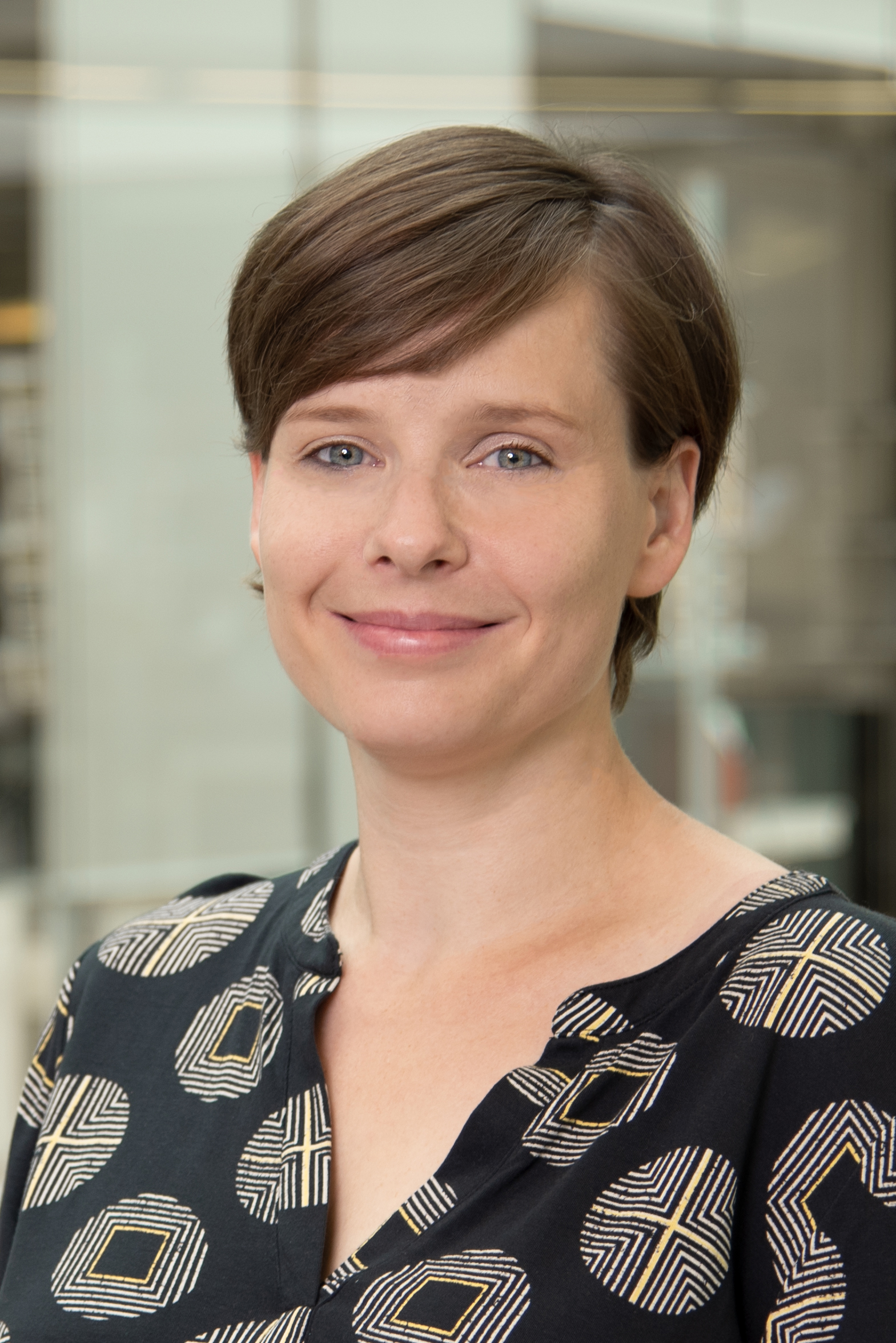
Dr. Stephanie Panier serves as a Max Planck Research Group Leader at the Max Planck Institute for Biology of Ageing in Cologne, Germany, and as a Principal Investigator at the Institute for Genome Stability in Aging and Disease within the Medical Faculty of the University of Cologne. Her research program investigates the fundamental mechanisms by which cells maintain genome stability through sophisticated DNA damage response pathways. Her academic journey includes: PhD in Molecular Genetics from the University of Toronto (2008-2013) under Prof. Daniel Durocher Postdoctoral training at the Francis Crick Institute in London (2013-2019) with Prof. Simon Boulton Undergraduate studies in Biology at Ruprecht-Karls-Universität Heidelberg, Germany (2001-2006) Dr. Panier's laboratory focuses on two central questions in genome stability research: how DNA damage response pathways interact with telomere maintenance mechanisms, and how RNAs and RNA-binding proteins organize chromatin-based responses to DNA lesions. Her team employs cutting-edge cell biological and omics approaches to identify and characterize RNA-binding proteins at DNA damage sites, mapping their chromatin dynamics and interactions following genotoxic stress. This research has significant implications for understanding aging-associated diseases driven by genomic instability, including cancer and neurodegeneration. Analysis of her publication record reveals consistent contributions to understanding DNA repair mechanisms, with recent work expanding into cancer biology, telomere maintenance in alternative lengthening pathways, and the emerging role of RNA metabolism in genome stability. Her scientific achievements have been recognized through: Vivash Award for best PhD thesis (2013) FEBS Excellence Award (2023) EMBO Long-Term Fellowship (2013-2014) Vanier Canada Graduate Scholarship (2010-2013) Boehringer Ingelheim Fonds PhD Fellowship (2008-2010) EIRR21st Fellowship (2023) Dr. Panier actively contributes to the scientific community through leadership roles including Vice Coordinator of the DFG Research Unit FOR5504 (2023-2026), membership on the advisory board of the German Society for Research on DNA Repair since 2022, and representation on the Biology and Medicine Section of the Max Planck Society's scientific council since 2022. She also serves as a Principal Investigator in the Cologne Excellence Cluster 'Cellular Stress Responses in Aging-Associated Diseases' (CECAD). Her laboratory comprises postdoctoral researchers and PhD students working collaboratively to advance our understanding of genome stability mechanisms in aging, with current projects focusing on RNA-binding proteins in DNA damage response and telomere maintenance pathways.
H. Peter Lu is the Ohio Eminent Scholar and Professor in the Department of Chemistry at Bowling Green State University's College of Arts and Sciences. His research focuses on Single-molecule spectroscopy Protein conformational dynamics Interfacial electron transfer processes DNA damage recognition mechanisms Lu's work bridges chemical physics and molecular biology through Development of AFM-enhanced optical imaging techniques Investigations into mechanical force effects on biomolecules Studies of ion channel conformational changes Elucidation of non-Markovian enzymatic reaction dynamics His recent publications reveal trends in Mechanically-induced protein aggregation Force-sensitive receptor dynamics Metal ion effects on protein misfolding Biophysics of DNA repair proteins Advanced single-molecule manipulation tools Scientific recognition includes 2019-2020 BGSU Teaching Award 2014 American Physical Society Fellowship 2009 Olscamp Research Award Multiple PNNL Outstanding Performance Awards 2008 Nobel Symposium Invitations Lu's research group trains students in Single-molecule experimental techniques Protein interaction dynamics Advanced biophysical instrumentation Mechanobiology of cellular processes while maintaining collaborations across disciplines including materials science and computational biology.
Professor Ian David Hickson is a distinguished academic serving as Professor of Molecular Aging, Head of the Department of Cellular and Molecular Medicine, and Theme Leader in the Center for Healthy Aging at the University of Copenhagen's Faculty of Health Sciences. He also directs the DNRF Center for Chromosome Stability, a major research center funded by a 65,000,000 DKK grant from the Danish National Research Foundation. Hickson's research focuses on understanding chromosomal instability and its impact on human disease, particularly cancer, neurodegeneration, and infertility. His laboratory pioneered the discovery of ultra-fine anaphase bridges (UFBs) and identified MiDAS (Mitotic DNA Synthesis), a process that completes DNA replication at difficult-to-replicate regions. His work combines protein biochemistry, molecular/cell biology, high-resolution imaging, and single-molecule biophysical techniques to study DNA metabolism and chromosome dynamics. The most recent publications demonstrate continued leadership in chromosome biology, with research spanning DNA topology, replication stress, chromosome mechanics, and the connection between DNA repair defects and cancer immunotherapy resistance. His work shows consistent focus on fundamental mechanisms of genome maintenance with clear implications for human disease. Fellow of the Royal Society (2010) Fellow of the Academy of Medical Sciences (UK) (2010) Member of EMBO (2011) ERC Advanced Grant recipient (2012) FEBS National Lecturer Award (2013) Professor Hickson has supervised over 40 PhD students who have gone on to prominent positions worldwide, including professors at major universities, group leaders at research institutes, and scientific officers in biotech companies. His laboratory has established international collaborations across Europe, the US, and Asia, particularly with Zhejiang University in China where he holds a Qiushi Guest Professorship. He actively participates in organizing major international conferences on DNA replication and chromosome stability.
David Warburton, MD is a Professor of Pediatrics at the University of Southern California (USC), affiliated with the Saban Research Institute at Children's Hospital Los Angeles (CHLA). His work bridges neonatal-perinatal medicine, developmental biology, and regenerative medicine, with a focus on lung morphogenesis, repair, and fibrosis. He has pioneered studies on molecular embryology of the lung, including growth factor and extracellular matrix roles in lung development and disease. Warburton's research spans clinical and basic science, including management practices for extreme prematurity, fetal lung maturation, and pediatric interstitial lung diseases. He collaborates internationally, particularly in the UK, and mentors doctoral and postdoctoral fellows. His awards include the Order of the British Empire (2009) for UK/US scientific collaboration and fellowships from Royal Colleges of Surgeons, Physicians, and Paediatrics. Key research areas include environmental health impacts (e.g., air pollution in Mongolia), post-COVID-19 pediatric sequelae, and clinical trials for nintedanib in fibrosing interstitial lung diseases. His studies leverage stem cells, extracellular vesicles, and molecular signaling pathways to advance regenerative therapies. Awards: OBE (2009), Royal College Fellowships Grants: NIH, CIRM, UK MRC/BBSRC Key Projects: LungMAP molecular atlas, Mongolian air pollution cohort studies
Liisa Holm is a Professor at the Institute of Biotechnology, University of Helsinki, and a supervisor in the Doctoral Programme in Integrative Life Science. Her research focuses on computational genomics, structural bioinformatics, and protein function prediction. Research Interests : Computational biology, protein structure analysis, machine learning applications in genomics Key Projects : HiLIFE Grand Challenge (antimicrobial resistance), burn wound infection metagenomics, protein structural aging studies Recent Trends : Holm's work spans protein structure comparison (DALI algorithm), pan-genome analysis of protein crops (faba bean), and aging-related structural changes in proteins. She also contributes to AI-driven advancements in structural biology. Scientific Awards : 2024 Nobel Prize in Chemistry (for AI-driven protein research) Leadership Roles : Project leader for Academy of Finland grants, member of international scientific committees
Professor Patrick Chinnery is a world-leading expert in mitochondrial genomics and neurology at the University of Cambridge. He serves as Executive Chair of the Medical Research Council (MRC) Professor of Neurology Head of the Department of Clinical Neurosciences Director of the MRC Mitochondrial Biology Unit His research bridges clinical practice and laboratory science, focusing on mitochondrial DNA dynamics and their role in inherited and acquired diseases. Key Research Themes: Mechanisms of mitochondrial DNA inheritance Genetic basis of mitochondrial disorders Nuclear-mtDNA interactions Translational therapies for mitochondrial diseases Scientific Recognition: Fellow of the Royal Society (2024) Foulkes Foundation Medal (2011) Galen Medal (2023) Wellcome Principal Research Fellowship (2018-) Academic Leadership: Co-chair, NIHR Rare Disease Translational Research Collaboration Former Director, Institute of Genetic Medicine (Newcastle, 2010-2015) Senior Investigator, National Institute for Health Research (2010-)
Nishant K.T is a Professor in the School of Biology at the Indian Institute of Science Education and Research (IISER) Thiruvananthapuram, where he has served as Professor since 2022, Associate Professor from 2017-2022, and Assistant Professor from 2011-2017. He also served as Head of the School of Biology from 2017-2021. Prior to joining IISER-TVM, he was a Research Associate and Postdoctoral Fellow at Cornell University, USA (2005-2010). Ph.D from Dept. of Biochemistry, Indian Institute of Science, Bangalore (2005) M.S in Biological Sciences from Indian Institute of Science, Bangalore (2000) B.Sc(H) in Biochemistry from Sri Venkateswara College, Delhi University (1997) Dr. Nishant's research focuses on mechanisms that maintain genome stability using baker's yeast Saccharomyces cerevisiae as a model system. His laboratory investigates two key areas: mechanisms of meiotic recombination, with emphasis on meiotic crossover pathways and their role in promoting accurate chromosome segregation during meiosis (errors linked to congenital birth defects like Down syndrome); and mechanisms of mitotic genome stability, studying processes contributing to mutagenesis, loss of heterozygosity and aneuploidy using high-throughput genomic technologies, classical genetics and molecular biology approaches. His work has significant implications for understanding disease progression (e.g., cancer), genome evolution and architecture. Analysis of Dr. Nishant's recent publications (2017-2025) reveals a consistent focus on yeast genetics and genome stability, with particular emphasis on meiotic recombination mechanisms, chromosome segregation, and DNA repair pathways. His work often employs high-throughput genomic approaches to study loss of heterozygosity, crossover formation, and chromosome dynamics in both meiotic and mitotic contexts. The research spans fundamental mechanisms with implications for human health conditions including cancer and congenital disorders. Scientific Awards and Editorial Positions Wellcome Trust-DBT Intermediate Fellow (2012-2017) Editorial board member of the journal YEAST (2021-present) Guest Editor for a special issue of the journal YEAST (2020) Editorial board member for Journal of Genetics (2018-present) Visiting Professor, Osaka University (2018) Visiting scientist, Osaka University, DST-JSPS exploratory exchange (2014) Best Poster awards at Society of Biological Chemists (India) meetings (2001, 2003) CSIR Research Fellowships (Junior 2001-2002, Senior 2002-2004) Dr. Nishant has mentored numerous students through IISER-TVM's PhD and Integrated PhD programs, with several alumni now holding independent research positions. His laboratory (GSL Lab) maintains an active research program with current PhD students working on bioinformatics, yeast genetics, and chromosome stability projects. He has co-organized multiple International Chromosome Stability meetings at various locations in India (Trivandrum 2012, 2016, 2022; Bangalore 2014, 2018, 2024), demonstrating leadership in the field. The GSL Lab operates as a dynamic research team using Saccharomyces cerevisiae as a model system, combining high-throughput genomic technologies with classical genetics and molecular biology approaches. Current lab members include PhD students, postdoctoral researchers, and undergraduate students working collaboratively on projects related to genome stability mechanisms.
Prof. Dr. Simone Spuler is a leading researcher in muscle stem cell biology and gene therapy at the Experimental and Clinical Research Center (ECRC) in Berlin, jointly affiliated with Charité - Universitätsmedizin Berlin and the Max Delbrück Center for Molecular Medicine. She serves as Director of the University Outpatient Clinic for Muscle Diseases, focusing on translational approaches for genetic and age-related muscle disorders. Develops CRISPR/Cas9 and base editing therapies for muscular dystrophies (LGMD2A, Dysferlinopathy) Translates stem cell research into clinical trials like MuST and BASKet Validates GMP-compliant manufacturing of primary human satellite cells (PHSats) for ATMP applications Her research interests center on muscle stem cell heterogeneity, regenerative medicine, and epigenetic mechanisms in critical illness myopathy. Recent work explores: CRISPR editing of patient-derived stem cells Humanized mouse models for dystrophy validation Epigenetic reprogramming in ICU-acquired weakness Decellularization protocols for diaphragm repair She leads a multidisciplinary team working on: Genome editing of CAPN3, LMNA, and Dysferlin mutations Stem cell expansion using bacterial nanocellulose Development of regenerative therapies for urinary incontinence Scientific awards include: Science4Life Venture Cup 2019 (Pharma Category) NLSInvest Award 2022 Einstein Visiting Fellowship (2019-2022) Her clinical and entrepreneurial efforts involve founding the startup MyoPax , which develops stem cell therapies for incurable muscle diseases, supported by grants from the German Federal Ministry of Education and Research (BMBF) and Else Kröner-Fresenius Foundation (EKFS). The MuST clinical trial for epispadias patients is funded with €4.3M. Her team collaborates with patient organizations like Coalition to Cure Calpain 3 and Deutsche Gesellschaft für Muskelkranke .
Susan B. Olson is a Professor in the Department of Medical Genetics at Oregon Health & Science University's School of Medicine. With over three decades of experience since earning her Ph.D. in Medical Genetics in 1987, she has established herself as a leading researcher in cytogenetics and molecular genetics, particularly focusing on Fanconi anemia and hematologic malignancies. Her work bridges basic science with clinical applications, contributing significantly to our understanding of genetic disorders and cancer mechanisms. Dr. Olson's research interests center on the molecular mechanisms of Fanconi anemia, acute myeloid leukemia, and other genetic disorders. Her laboratory investigates DNA repair pathways, particularly the Fanconi anemia pathway, and how defects in these processes lead to bone marrow failure and cancer predisposition. She has made significant contributions to understanding NUP98 rearrangements in leukemia, RUNX1 mutations, and the role of FANCD2 in DNA replication through fragile sites. Her work often combines cytogenetic analysis with molecular techniques to uncover novel mechanisms underlying genetic diseases. Analysis of Dr. Olson's recent publications (2016-2024) reveals a consistent focus on genetic mechanisms in cancer and inherited disorders. Her research spans from basic molecular studies of DNA repair mechanisms to clinical investigations of leukemia and lymphoma. A significant portion of her work centers on Fanconi anemia pathophysiology, with applications to understanding cancer development. She frequently employs advanced techniques including single-cell and spatial transcriptomics, cytogenetic analysis, and molecular diagnostics to address fundamental questions in medical genetics. Throughout her career, Dr. Olson has maintained productive collaborations with clinicians and researchers across multiple institutions, particularly with Stephen R. Moore at Oregon Health & Science University. Her work has been supported by various research grants focused on understanding the molecular basis of genetic disorders and developing potential therapeutic approaches, particularly for Fanconi anemia and acute myeloid leukemia.