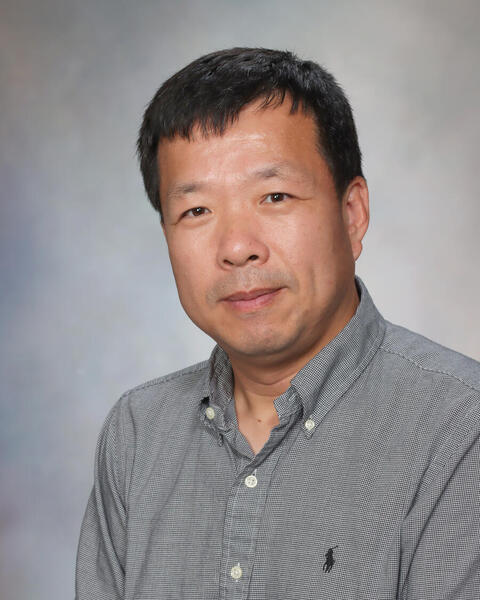
Pavol MakovickýView profile
Researcher
Pavol Makovický, PhD is a Researcher at the Biology Department of the Teacher Training Faculty at Selye János University in Komárom, Slovakia. He previously served as an Assistant Professor at the same institution from 2011 to 2019. His academic career focuses on animal science and veterinary research, particularly in sheep breeding and animal husbandry. Dr. Makovický completed his undergraduate studies in Animal Breeding at the Slovak University of Agriculture in Nitra (2001-2006), followed by a PhD in Special Animal Breeding at the same institution (2006-2009). His primary research interests include animal breeding, veterinary science, and sheep husbandry. Dr. Makovický has contributed significantly to understanding udder morphology, milk quality, and genetic parameters in various sheep breeds including Improved Valachian, Tsigai, and Lacaune. His work bridges practical animal husbandry with scientific research to improve breeding practices and animal health. Dr. Makovický's recent publications (2022-2024) demonstrate a diverse research portfolio spanning veterinary medicine, animal science, and biomedical research. His work on sheep mastitis, udder morphology, and somatic cell counts in sheep milk represents his core expertise in animal husbandry. Additionally, he has collaborated on studies related to human health topics including colorectal cancer, oxidative damage, and the effects of dietary components. Dr. Makovický has been involved in multiple research projects funded by VEGA, KEGA, EnviroFond, and SORO programs, demonstrating sustained research activity and funding success throughout his career. As a researcher, Dr. Makovický has published over 230 scientific works, including numerous articles in international journals. His research collaborations span multiple institutions across Central Europe, reflecting an active research network in animal science and veterinary medicine. Dr. Makovický's laboratory work focuses on practical animal husbandry research with applications in sheep breeding and dairy production. His research integrates field studies with laboratory analysis to address real-world challenges in animal agriculture.