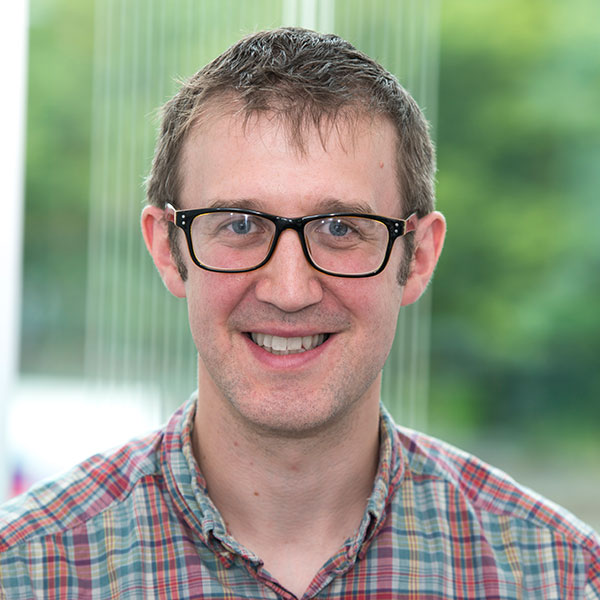
Dr Duncan Sproul is a CRUK Career Development Fellow and Programme Leader at the MRC Human Genetics Unit, Institute of Genetics and Cancer, University of Edinburgh . He holds a Senior Lecturer position and leads an interdisciplinary research program combining computational analysis, mathematical modeling, and experimental biology to investigate epigenetic dysfunction in disease. Research Focus: Sproul’s laboratory specializes in understanding DNA methylation alterations in cancer and human populations. Key projects address: (1) the molecular mechanisms driving DNA methylation changes in breast and colorectal cancer , and (2) the biological processes underlying DNA methylation variation during aging and population genetics . His work leverages machine learning, epigenomic technologies , and genome editing in cellular models. Awards: CRUK Career Development Fellowship Education: BSc (Hons) in Genetics, University of Edinburgh (2002) PhD in Epigenetics, University of Edinburgh (2008) Students: Andreanna Wright (PhD student) Christine Rodger (PhD student) Willow Rolls (PhD student) Moira Pasquier (PhD student) Collaborations: Partnerships with clinicians, computational biologists, and institutions like the Edinburgh Breakthrough Breast Cancer Research Unit . Active in the Scottish Crucible network.
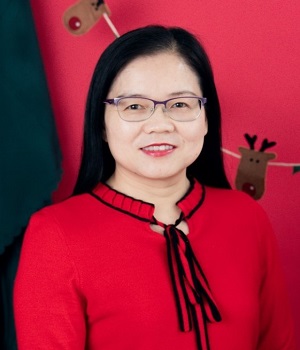
Xiaohua Peng is an Associate Professor in the Department of Chemistry at the University of Wisconsin–Milwaukee. His research focuses on nucleic acid chemistry with applications in drug discovery, DNA diagnostics, and nanotechnology, utilizing interdisciplinary approaches from organic chemistry, biochemistry, and molecular biology. Education : PhD from University of Osnabrück Research Interests Chemical reactivity and function of DNA Antitumor and antiviral agent design DNA-protein cross-linking mechanisms Modified nucleosides for therapeutic applications Photochemical DNA manipulation tools ROS-responsive drug delivery systems Scientific Contributions include developing synthetic methodologies for modified nucleosides and investigating their biological processes. His work spans organic/bioorganic chemistry, bioanalytical chemistry, and materials science. 2024 CAPA Summer Symposium - Mentored Student Poster Award 2022 Wisconsin BioHealth Summit - Mentored Student Recognition Laboratory : Peng Group at the Milwaukee Institute for Drug Discovery
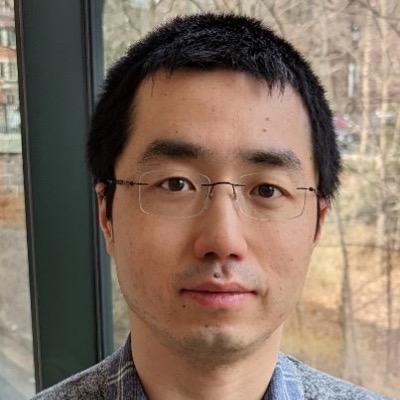
Gerald B. Koudelka is a Professor in the Department of Biological Sciences at the University at Buffalo, part of the College of Arts and Sciences. He holds the SUNY Chancellor's Award for Excellence in Teaching and is a Fellow of the American Academy of Microbiology. His research focuses on two major themes: mechanisms of DNA-protein interactions and the evolutionary role of bacteriophage-encoded exotoxins as antipredator defenses. Dr. Koudelka earned his PhD from the University at Buffalo and completed postdoctoral research at Harvard University. His work combines molecular genetics, microbial ecology, and evolutionary biology to explore how bacteria interact with their environment. Key areas include understanding how regulatory proteins recognize DNA sequences and investigating the ecological functions of Shiga toxin-encoding bacteriophages in bacterial survival strategies. Research highlights include discovering that Shiga toxin production may primarily function as a defense against predatory protists rather than targeting mammals, and elucidating the role of DNA conformation in protein binding specificity. His lab has also developed novel recombineering systems for genetic manipulation of enterohemorrhagic E. coli. Recent studies (2023-2024) focus on how bacterial surface structures like LPS influence amoeba predation and the role of prophage-encoded enzymes in regulating toxin expression. Awards include the SUNY Chancellor's Teaching Excellence Award and American Academy of Microbiology Fellowship. Dr. Koudelka maintains an active laboratory at Buffalo, with ongoing projects investigating bacterial defense mechanisms, phage-toxin ecology, and the environmental persistence of pathogenic E. coli strains.
Sean W. Limesand is a Professor of Endocrinology in the School of Animal and Comparative Biomedical Sciences at the University of Arizona. He holds joint appointments with the Department of Obstetrics and Gynecology and the BIO5 Institute. Dr. Limesand serves as Director of the Agricultural Research Center and holds the Hislop-Ede Endowed Chair. He is also Chair of the University Radiation Safety Committee. Education: Ph.D. in Molecular Endocrinology, Colorado State University M.S. in Molecular Endocrinology, Colorado State University Bachelor’s in Biotechnology, North Dakota State University Dr. Limesand's research focuses on fetal endocrinology, placental function, and the developmental origins of metabolic diseases such as diabetes and intrauterine growth restriction (IUGR). He employs an integrative ovine model to study pancreatic β-cell function, insulin secretion, and metabolic adaptation at the whole-animal, organ, cellular, and molecular levels. His work extends to insulin action in skeletal muscle and developmental programming of adipose tissue. The recent publications highlight a strong trend in understanding metabolic dysregulation in growth-restricted fetuses, with emphasis on insulin signaling, mitochondrial dysfunction, epigenetic regulation, and sex-specific programming. His studies frequently involve transcriptomic, proteomic, and metabolic flux analyses in ovine and rodent models. Scientific Awards: Research Faculty of the Year, CALS, Fall 2015 Dr. Limesand has been continuously funded by the National Institutes of Health for over 23 years and has also received grants from the Bill & Melinda Gates Foundation, USDA, and JDRF. He mentors graduate students and teaches courses in endocrinology, physiology, and reproduction. He has held leadership roles in the Perinatal Research Society and the Perinatal Biology Symposium. His lab investigates long-term consequences of fetal metabolic stress and explores prenatal interventions to mitigate developmental programming of disease. Labs and Research Teams: His research is conducted through a multidisciplinary team utilizing advanced physiological, molecular, and imaging techniques, primarily based at the University of Arizona’s Agricultural Research Center and affiliated laboratories.
Stefan Bagby is a Reader in the Department of Life Sciences at the University of Bath, affiliated with the Centre for Nanoscience and Nanotechnology and the Centre for Bioengineering & Biomedical Technologies (CBio). He is an active faculty member with a strong research profile in molecular microbiology, immunology, and biophysical biochemistry. His work integrates genomics, structural biology, and nanotechnology to study bacterial pathogenesis and host immune responses. His research focuses on Staphylococcus aureus and Bordetella pertussis , exploring mechanisms of immune evasion, protein-protein interactions, and post-translational modifications such as lipoylation and palmitoylation. He also investigates cancer immunology, autoantibodies in myositis, and the application of nanopore sequencing and graphene-based biosensors for diagnostics and biotechnological applications. The recent publications highlight a strong trend in nanopore-based metagenomics for respiratory infection diagnostics, pan-cancer immune gene signatures , and bacterial genomics for understanding pathogen evolution. His work bridges fundamental molecular mechanisms with translational applications in infection, autoimmunity, and cancer. Scientific Contributions: Extensive research on Staphylococcus aureus immune evasion proteins (Efb, Sbi). Pioneering use of nanopore sequencing in bacterial genomics and clinical metagenomics. Development of graphene-based biosensing platforms using supramolecular enzyme complexes. Investigations into autoantibodies in myositis and their clinical implications. Supervision and Collaboration: He is actively accepting doctoral students and has supervised at least 10 research projects. His interdisciplinary work involves collaborations across biochemistry, immunology, oncology, and nanotechnology. Laboratory and Facilities: His research is supported by the Centre for Nanoscience and Nanotechnology and CBio, providing access to advanced instrumentation for protein biophysics, genomics, and nanomaterial-based sensing.
Jessica K. Tyler, Ph.D. is a Professor of Pathology and Laboratory Medicine at Weill Cornell Medical College. She serves as Principal Investigator of the Laboratory of Epigenetics and Genomic Integrity and has been at Weill Cornell Medicine since 2015, after previously serving as a Tenured Professor at the University of Colorado School of Medicine and as a CPRIT Rising Star at MD Anderson Cancer Center. Dr. Tyler's research focuses on the molecular basis of genome stability, chromatin function, and longevity. Her lab uses budding yeast as a model system to study aging processes due to its conserved evolutionary pathways with humans. The Tyler lab investigates how epigenetics and chromosomal processes regulate DNA stability, why genome instability increases during aging, and how these processes contribute to cancer and neurodegenerative disorders. Current projects include studying aging and anti-aging mechanisms, epigenetics, and genomic integrity. Her laboratory has made significant contributions to understanding chromatin dynamics in DNA repair, including the discovery that the tardigrade protein Dsup can protect yeast genomes from damage and extend longevity. The lab's research combines molecular genetics in budding yeast, tissue culture studies, biochemistry, and next-generation sequencing approaches. Dr. Tyler has received numerous scientific awards including being named a Fellow of the American Association for the Advancement of Science (2017), a National Academy of Sciences Kavli Fellow (2011), and recipient of the AACR Woman in Cancer Research Charlotte Friend Memorial Award (2009). Fellow of The American Association for the Advancement of Science (2017) National Academy of Sciences Kavli Fellow (2011) University of Glasgow Tenovus Medal (2010) AACR Woman in Cancer Research Charlotte Friend Memorial Award (2009) Leukemia and Lymphoma Society Scholar (2005) Hans Krebs Prize in Biochemistry (1990) Dr. Tyler actively mentors students and postdocs, with numerous alumni now in academic and industry positions. She has been awarded multiple NIH grants including research on chromatin's role in the repair of radiation-induced damage and discovering molecular mechanisms that determine replicative lifespan. Her laboratory collaborates with researchers across institutions and maintains active participation in scientific symposiums focused on epigenetic regulation and genome integrity.
Steven M. Dubinett is Director of the UCLA Clinical & Translational Science Institute, Associate Vice Chancellor, and Senior Associate Dean for Translational Research at the UCLA David Geffen School of Medicine. He holds professorships in Medicine, Pathology and Laboratory Medicine, and Molecular and Medical Pharmacology. Dr. Dubinett oversees the translation of UCLA biomedical discoveries into medical products and health interventions, integrating research infrastructure through the CTSI. Previously, he chaired the Executive Committee of UC Biomedical Research Acceleration, Integration, and Development (UC BRAID), which integrates clinical and translational research across the University of California system. MD: Rutgers New Jersey Medical School (1980) Internship: University Hospital, Newark (1981) Residency: UCLA (1983) Chief Resident: UCLA (1984) Fellowship: Massachusetts General Hospital (Pulmonary Medicine, 1988) Resident Fellow: Harvard Medical School (Tumor Immunology, 1988) Dr. Dubinett's research focuses on the immunobiology of lung cancer, with particular emphasis on understanding inflammation and immunity in lung cancer pathogenesis. His laboratory has developed translational research programs that bridge basic discoveries to clinical applications, particularly in non-small cell lung cancer. His work spans from molecular mechanisms of tumor microenvironment regulation to clinical implementation of novel diagnostics and therapeutics. He has pioneered research on exosome-mediated metastasis, dendritic cell vaccines, and biomarker development for early lung cancer detection. Analysis of Dr. Dubinett's recent publications reveals a strong emphasis on lung cancer interception strategies, tumor microenvironment characterization, and novel immunotherapeutic approaches. His work increasingly integrates multi-omics approaches, single-cell technologies, and liquid biopsy development to understand lung cancer evolution from premalignant stages. His research bridges basic molecular mechanisms with clinical applications, particularly in developing non-invasive diagnostics and combination immunotherapies. U.S. Department of Veterans Affairs 2019 William S. Middleton Award American Lung Association 2019 Lung Force Honoree Barlow Respiratory Hospital 2014 Medical Excellence Award American Thoracic Society Recognition Award for Scientific Accomplishments (2008) The Stanley Blatt Award for Lung Cancer Research (1999) Dr. Dubinett has trained more than 45 graduate students, post-doctoral fellows, and junior faculty, nearly all of whom have continued in academic or industry research careers. His research program is supported by numerous NIH grants including multiple R01s, P50 SPORE grants, and U01/U24 projects. As Director of the UCLA CTSI, he oversees a $69.6 million Clinical and Translational Science Award that supports infrastructure for translational research. He has served as Principal Investigator on numerous projects focused on lung cancer biomarkers, early detection, and novel therapeutics, including a Phase I trial of intratumoral dendritic cell vaccines. Dr. Dubinett leads the UCLA Lung Cancer Biomarker Development Laboratory and serves as Chair of the Research Evaluation Panel for biospecimen utilization for the American College of Radiology Imaging Network/National Lung Screening Trial. His research team employs advanced genomic, proteomic, and imaging technologies to characterize lung cancer development from premalignant stages through metastatic disease. The laboratory maintains extensive collaborations with both basic science and clinical investigators across UCLA and the broader University of California system.
Yanxiang Deng is an Assistant Professor in the Department of Pathology and Laboratory Medicine at the Perelman School of Medicine, University of Pennsylvania. His research pioneers spatial omics technologies to decode tissue architecture in development and disease, with seminal contributions including spatial-CUT&Tag and spatial-ATAC-seq for epigenetic mapping. His educational background includes a PhD from Rensselaer Polytechnic Institute (2018) followed by postdoctoral training at Yale University (2018-2022). Key appointments span Cell and Molecular Biology and Genomics and Computational Biology graduate groups. Deng's lab focuses on developing microfluidic platforms for spatial multi-omics, enabling pixel-level profiling of histone modifications, chromatin accessibility, and proteome-transcriptome interactions. His work bridges engineering and biomedicine to address cancer mechanisms and neurodegenerative disorders, with technologies allowing unprecedented resolution of cell-type-specific epigenetic landscapes in intact tissues. Analysis of his 15 most recent publications (2023-2025) reveals accelerating innovation in multimodal spatial mapping, particularly FFPE tissue compatibility, DNA methylation-transcriptome co-profiling, and neuroscience applications. His methods increasingly integrate chromatin features with proteomic data, expanding from foundational 2022 Science and Nature papers to clinical translation in depression and cancer. Major recognitions include: Blavatnik Awards for Young Scientists, Regional Laureate in Life Sciences (2023) Founders Award of Excellence, Rensselaer Polytechnic Institute (2015) National Scholarship (2008) He actively mentors 8 trainees including 6 graduate students and 2 postdocs, with research supported by NIH grants and institutional funding. His lab's deterministic barcoding approach (DBiT-seq), highlighted as Nature Methods' "Method of the Year," underpins multiple high-impact collaborations in immunology and neuroscience. The Deng Lab operates from Stellar Chance Laboratories, employing interdisciplinary teams to develop next-generation tools for spatial multi-omics. Current projects include Spatial-DMT for DNA methylation mapping and spatial-Mux-seq for quadruple-modality profiling, leveraging microfluidics expertise to unlock archival tissue repositories for disease research.
Terence S. Crofts serves as an Assistant Professor at the University of Illinois Urbana-Champaign, leading the active Crofts Micro Lab research group. His work bridges microbiology, biochemistry, and clinical applications with a primary focus on antibiotic resistance mechanisms and host-microbiome interactions. Dr. Crofts' research centers on the antibiotic resistome across diverse environments including soil microbiomes, infant gut ecosystems, and human pathogens. His investigations span enzymatic resistance mechanisms (particularly nitroreductases and β-lactam catabolism), corrinoid biochemistry (vitamin B12 analogs), and the critical role of microbiome composition in neonatal sepsis outcomes and cancer immunotherapy efficacy. His lab employs genomic, biochemical, and gnotobiotic mouse model approaches to dissect microbial adaptation to antibiotics. Analysis of his 15 most recent publications (2014-2024) reveals three dominant research thrusts: (1) resistome dynamics in environmental and clinical settings, (2) microbiome-immune system crosstalk in disease models, and (3) specialized microbial metabolism of antibiotics and cofactors. His work increasingly connects fundamental resistance mechanisms to clinical outcomes, particularly in vulnerable populations like preterm infants. Dr. Crofts mentors a robust team of undergraduate and graduate researchers, as evidenced by lab group photos, award recognitions (including Elizabeth's SEBASM award), and student poster presentations. The Crofts Micro Lab maintains a collaborative environment with documented lab lunches, team activities, and active participation in scientific conferences. Lab members engage in techniques ranging from chemominipreps to metagenomic library construction, supporting the group's diverse research portfolio.
Marko Djordjevic is an Associate Professor at the Faculty of Biology, University of Belgrade. His research spans computational biology of infectious diseases, bacterial immune systems (CRISPR/Cas and restriction-modification systems), and quantitative understanding of infection progression with applications to SARS-CoV-2 and computational physics of quark-gluon plasma. Diploma in Physics, Faculty of Physics, University of Belgrade, Serbia. PhD in Biophysics and Bioinformatics, Department of Physics, Columbia University, USA. Postdoctoral training at the Mathematical Biosciences Institute, Ohio State University, USA. Djordjevic's research focuses on nonlinear regulatory dynamics of bacterial immune systems, their role in horizontal gene transfer, and modeling infection progression under social mitigation measures. His secondary interest in computational physics examines quark-gluon plasma dynamics via high-p⊥ observables and tomography. His recent publications address CRISPR/Cas regulation, restriction-modification systems, and SARS-CoV-2 transmissibility drivers. Grants from the Serbian Ministry of Science, Science Fund of Serbia, EU Marie Curie IRG, and Swiss National Science Foundation support his work.
Professor Shan Rajendra is a distinguished researcher in the Faculty of Medicine at the University of New South Wales, specializing in gastroenterology with a particular focus on the relationship between human papillomavirus (HPV) and esophageal pathologies. His work is conducted through NSW Health in Liverpool, NSW, where he leads research investigating the infectious causes of gastrointestinal cancer with special emphasis on Barrett's oesophagus. Professor Rajendra's research interests center on oesophageal cancer , human papillomavirus , Barrett's oesophagus , and the Barrett's metaplasia-dysplasia-adenocarcinoma sequence . His laboratory employs histopathology and molecular biology techniques to investigate the mechanisms by which high-risk HPV contributes to esophageal carcinogenesis. A significant contribution to the field was his world-first demonstration of the strong association between transcriptionally active high-risk HPV and both Barrett's dysplasia and oesophageal adenocarcinoma, with increasing viral load correlating with greater disease severity. His publication record includes 53 journal articles, 10 conference papers, and 1 book chapter, reflecting substantial contributions to understanding HPV's role in esophageal cancer development. The research has important implications for potential vaccination strategies against a subset of esophageal cancers. Professor Rajendra maintains active clinical and research connections through his work at NSW Health, with his findings contributing to both basic science understanding and potential clinical applications in cancer prevention and early detection.
Alexander Meeske is an Assistant Professor at the University of Washington in the Department of Microbiology . His research focuses on the mechanistic relationships between CRISPR-Cas systems, bacterial hosts, and bacteriophages , utilizing high-throughput genetics, biochemical reconstitution, and microscopy. Established Listeria seeligeri as a model for RNA-targeting CRISPR-Cas13 immunity during postdoctoral work at Rockefeller University. Current work explores regulation of CRISPR immunity, phage resistance mechanisms, and non-immune roles of CRISPR systems. Research interests include: CRISPR-Cas Systems Anti-CRISPR Proteins Bacterial Cell Wall Synthesis Phage-Bacteria Coevolution RNA-Guided Immunity High-Throughput Genetic Screens Recent publications highlight discoveries in: CRISPR-Cas13 dormancy and resuscitation pathways (2019–2023). Anti-CRISPR protein mechanisms (2020, 2022). Phage-encoded escape strategies (2016, 2021). Cell wall synthesis in Bacillus subtilis (2013–2016). Lab members include: Postdocs: Shally Margolis, Shoshanna Kahne. PhD Students: Marshall Godsil, Sarina Kao, Amanda Antoch, Edith Sawyer, Luke Oriolt, Alison Ciling. Research Scientists: Maddie Williams, Mark Katz. Collaborations extend to the Guo Lab, focusing on joint PhD training programs.
Sarah Franklin is an Associate Professor of Cardiovascular Medicine at the University of Utah School of Medicine, where she leads research on epigenetic regulation of heart disease. She also serves as Assistant Director for the Rural & Underserved Utah Training Experience (RUUTE) program, mentoring students through summer research initiatives. Education: B.S. and Ph.D. in Molecular Biology from Brigham Young University Her research focuses on chromatin remodeling and histone modifications in cardiac hypertrophy and failure, utilizing proteomics, animal models, and biochemical approaches. Recent work explores SMYD1a's role in mitochondrial protection and translational applications for ischemic injury. The 15 most recent publications highlight her contributions to proteomic analysis of cardioprotective therapies (2025), genetic cardiomyopathy mechanisms (2023-2024), and foundational studies on chromatin structure in cardiac physiology (2011-2016). Key subfields include histone methylation, mitochondrial dynamics, and rural medical education.
Enyedi Kata Nóra is a Lecturer at the Department of Organic Chemistry , Faculty of Science , ELTE Eötvös Loránd University , Budapest. Her research focuses on peptide-based drug conjugates, molecular targeting in cancer therapy, and structural studies of biologically active molecules. Role: Lecturer Email: kata.nora.enyedi@ttk.elte.hu Address: 1117 Budapest, Pázmány Péter sétány 1/a, Room 448 Research Interests: Enyedi's work spans Biochemistry , Molecular Biology , and Medicinal Chemistry , with a focus on: Design and synthesis of NGR and F3 peptide-drug conjugates Epigenetic regulation via histone variants (H2A.Z) Development of hydrogel systems for cancer cell viability Medical imaging techniques (PET/MRI) for tumor angiogenesis Structural studies of protein stability (Asn/Asp isomerization) Publication Trends: Recent studies emphasize targeted tumor therapy, radiolabeled peptides, 3D hydrogel models, and control peptide design. Key keywords include Drug Delivery , Molecular Imaging , and Peptide Synthesis .
Jill Dowen is a Professor in the Department of Genetics at the University of North Carolina at Chapel Hill, focusing on the interplay between genome organization and gene expression. Her lab investigates how DNA looping influences cellular identity during development and disease, utilizing embryonic stem cells, cancer cells, and functional genomics approaches. Research interests include: Chromatin structure and transcriptional regulation 3D genome architecture in disease contexts Role of cohesin and Polycomb complexes in gene expression Histone modifications and their impact on chromatin dynamics Her recent publications highlight advancements in understanding cohesin's regulatory mechanisms, histone acetylation's role in MLL complex function, and Polycomb repressive complex interactions with lncRNA. The lab actively trains scientists and accepts applications for postdoctoral and graduate positions through the UNC BBSP PhD Program.