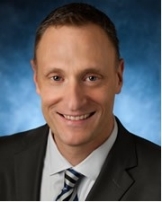
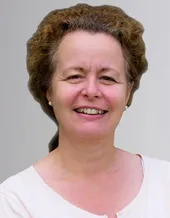
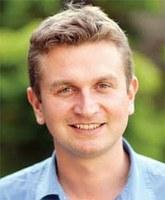
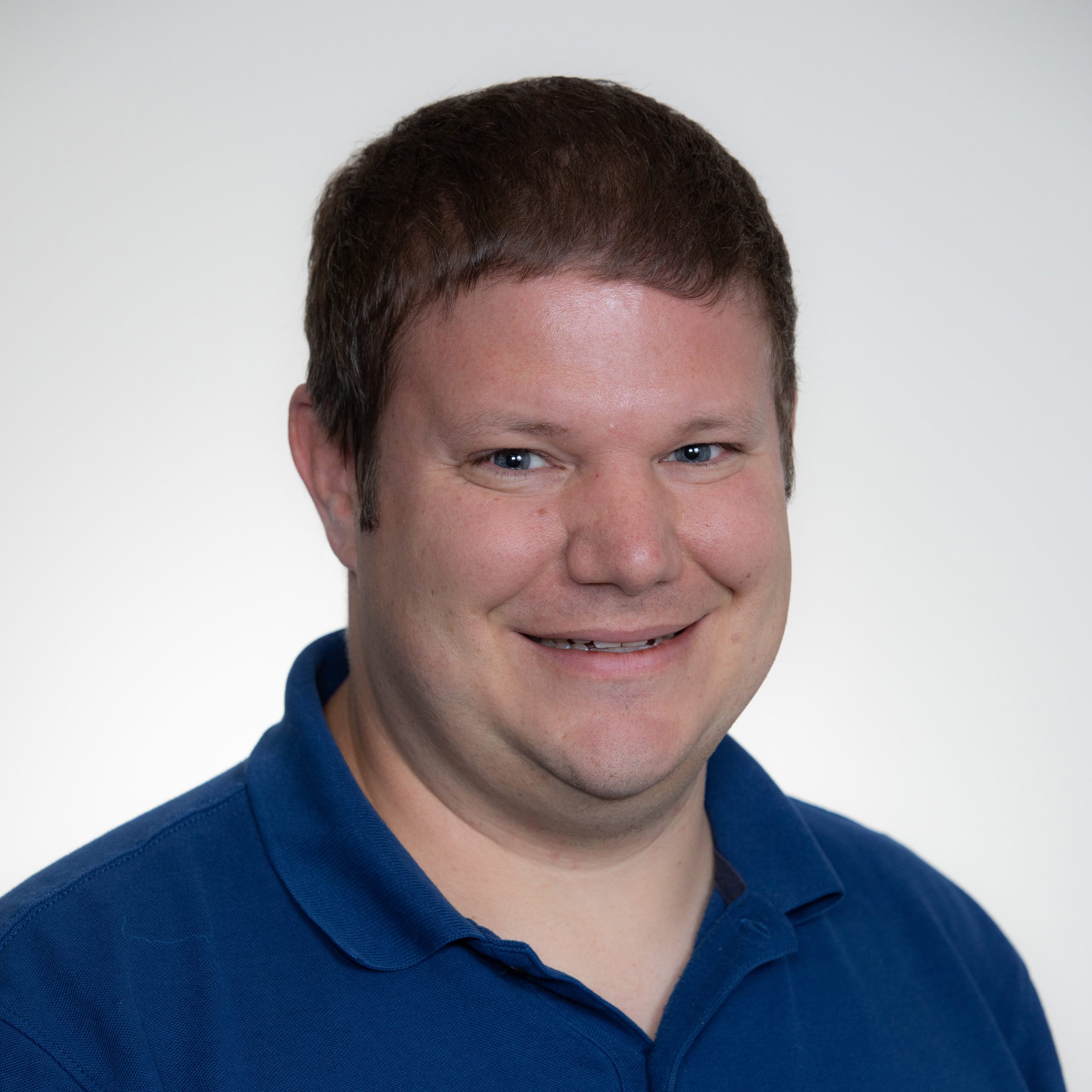
Shirley Graham is a Research Fellow at the University of St Andrews School of Biology, focusing on CRISPR-Cas bacterial immune systems. Her work examines molecular mechanisms of type III CRISPR effectors, antiviral signaling pathways, and nuclease regulation. Key research areas include: Cyclic nucleotide signaling in antiviral defense Structural enzymology of CRISPR-associated nucleases CRISPR system regulation and inactivation mechanisms Bacterial-phage coevolution Recent publications characterize novel CRISPR ancillary effectors, antiviral signaling via ATP-SAM conjugation, and structural foundations of type III CRISPR complexes. Work increasingly explores therapeutic applications for antibacterial strategies and phage resistance engineering. Methodological strengths include structural biology (cryo-EM), bioinformatic discovery of defense systems, and biochemical analysis of enzyme kinetics. Research contributes to the National Center for Smart Growth and integrates computational predictions with experimental validation of immune mechanisms.
Bradley E. Aouizerat is a Professor at the College of Dentistry, New York University (NYU) , with a strong focus on oral-systemic health, genomics, and translational research. His work bridges dentistry, immunology, and chronic disease, particularly in populations affected by HIV, cancer, and health disparities. Education: BS in Microbiology/Molecular Genetics – University of California at Los Angeles PhD in Microbiology/Molecular Genetics/Immunology – University of California at Los Angeles MAS in Master of Advanced Science Research in Clinical – University of California at San Francisco His research interests span epigenetics, gene expression, pain mechanisms, microbiome, sleep, and inflammation , with a strong emphasis on biomarker discovery and minority health. He has led studies on DNA methylation in oral cancer, cytokine profiles in HIV, and the role of mitochondrial genetics in diabetes. His work often integrates machine learning and longitudinal cohort data from major studies like the Women’s Interagency HIV Study (WIHS) and Multicenter AIDS Cohort Study (MACS). His recent publications (2021–2025) reflect a broad and impactful research program, with studies in oral cancer, HIV persistence, depression in chronic disease, lymphedema, sleep disruption, and gut microbiota . These works highlight his interdisciplinary approach, combining molecular biology with clinical epidemiology and behavioral science. Key themes include epigenetic regulation of pain and opioid tolerance, neurodegenerative-like changes in cancer, and social determinants of inflammation . Scientific Awards and Recognition: Excellence in Research Mentoring Faculty Teaching Award (2013) Most Dedicated Mentor Award, PMCTR Fellowship Program (2009) Early Career Investigator Award, Bayer Healthcare International (2006) National Liver Scholar Award, American Liver Foundation (2004) Multiple early career and mentoring recognitions (2004–2006) He is an active mentor and collaborator , frequently co-authoring with junior researchers and leading interdisciplinary teams. His work has been supported by NIH-funded initiatives, including the Roadmap K12 program. He is a member of professional societies such as the American Heart Association, American Liver Foundation, and American Society for Human Genetics . He is involved in clinical and translational research teams focused on improving outcomes in cancer, HIV, and chronic pain. His lab and collaborators utilize advanced genomic and bioinformatic tools to uncover mechanisms linking biological systems with patient-reported outcomes. Future work is likely to expand on precision biomarkers, minority stress interventions, and real-time symptom detection using machine learning .
Jane A. McKeating is a Professor of Molecular Virology at the University of Oxford's Nuffield Department of Medicine. She holds the Hans Fischer Senior Fellowship at the Technical University of Munich's Institute for Advanced Study (TUM-IAS) since 2015. Her research focuses on viral infections, particularly hepatitis B (HBV) and C (HCV), exploring how hypoxia and circadian rhythms regulate viral replication and pathogenesis. She has held roles at institutions including the University of Birmingham (2005–2017) and Rockefeller University (2000–2005). Education: BSc in Biological Sciences, University of Warwick (1982) PhD in Virology, Royal Free Hospital School of Medicine, University College London (1987) Research Interests: Her work investigates how low oxygen (hypoxia) and circadian signaling pathways influence viral replication and tropism, particularly in liver and immune cells. Recent studies include SARS-CoV-2 regulation by hypoxia-inducible factors (HIFs) and circadian clock components like BMAL1. She also examines therapies targeting these pathways to combat viral infections. Publications: Her recent work spans hepatitis virus biology, antiviral screening tools, and circadian regulation of viral infections. Key themes include viral entry mechanisms, immune evasion, and drug development. Awards: 2015 Founders Award, University of Birmingham 2006 Royal Society Wolfson Merit Award 1995 Fleming Award, Society of General Microbiology Lab & Collaborations: Her research group at Oxford focuses on viral-host interactions, with collaborations on spatial transcriptomics of HBV/HDV/HIV co-infections and antiviral drug screening platforms.
Professor Ian Henderson is a leading academic in the Department of Plant Sciences at the University of Cambridge, affiliated with the School of Biological Sciences. He holds the title of Professor of Genetics and Epigenetics and has been a Royal Society University Research Fellow and Gatsby Resident Fellow since 2008. Education: BA in Biological Sciences (University of Oxford, 1997-2000); PhD in Plant Genetics (John Innes Centre, 2000-2004) under Prof. Caroline Dean His research focuses on genetic and epigenetic control of meiotic recombination in plant genomes, with an emphasis on crossover frequency, chromatin interactions, and centromere evolution. His group uses model organisms like Arabidopsis thaliana , wheat, potato, and oak trees. Key trends in his recent publications include centromere genomics , epigenetic regulation of recombination , and application of long-read sequencing to resolve complex genomic regions. Collaborations with agro-biotech companies (Bayer Biosciences, Solynta) aim to translate findings into crop breeding technologies. Scientific Awards EMBO Member (2022) Society for Experimental Biology President's Medal (2013) Royal Society University Research Fellow (2008-2016) Gatsby Research Fellow (2008-2016) EMBO Long Term Fellowship (2004-2008) Professor Henderson's work bridges fundamental research on plant genome evolution with applied strategies to control recombination for climate-resilient crops. His lab employs advanced techniques including nanopore sequencing , ChIP , and high-performance computing for genome analysis.
Jonathan Klassen is an Associate Professor in the Department of Molecular and Cell Biology / Microbiology at the University of Connecticut . His research focuses on microbial community ecology, particularly using the fungus-growing ant symbiosis as a model system to study the evolution of microbial interaction networks. He couples genomics and chemical biology to understand molecular mechanisms in symbiosis and explore drug discovery opportunities. PhD : Microbiology and Biotechnology, University of Alberta Postdoctoral Study : Bacteriology, University of Wisconsin-Madison His work spans microbial ecology, symbiosis, secondary metabolite discovery, and comparative genomics. Recent publications highlight studies on microbial exclusion dynamics in ant symbiosis, ITS2 metabarcode biases, and chemical defense mechanisms in insect-associated microbes. Scientific Awards : “Highly Accessed” article in BMC Genomics (2012) Contact : Email: jonathan.klassen@uconn.edu Phone: 860-486-6890 Lab: @klassenlab
Dinshaw Patel is a Professor at the Structural Biology Program of Memorial Sloan Kettering Cancer Center (MSKCC), holding the Abby Rockefeller Mauzé Chair in Experimental Therapeutics. He has affiliations with Columbia University, The Rockefeller University, and Weill Cornell Medicine through collaborative research projects. PhD in Photochemistry, New York University Postdoctoral training in Biochemistry and Biophysics 17 years at AT&T Bell Laboratories Professor at Columbia University-Health Sciences His research focuses on structural biology of macromolecular recognition systems, particularly CRISPR-Cas surveillance complexes, cGAS-STING pathways, Structure Maintenance of Chromosomes (Smc5/6, MRX) complexes, and epigenetic regulation via histone/DNA modifications. His work spans RNA-mediated processes (siRNA/piRNA pathways), molecular chaperones, and riboswitches/ribozymes. Recent projects include structural characterization of bacterial antiphage defense systems (Lamassu, Kiwa), small molecule inhibitors targeting SARS-CoV-2 RNA capping machinery, and complexes involved in leukemias/lymphomas. Publications highlight structural elucidation of CRISPR-Cas systems using cryo-EM and x-ray crystallography, DNA repair mechanisms, and RNA-protein interaction dynamics. Key collaborations include Luciano Marraffini (Rockefeller), Xiaolan Zhao (MSKCC), and Thomas Tuschl (Rockefeller). National Academy of Sciences member AAAS member AT&T Bell Labs Distinguished Technical Staff Award New York University Distinguished Alumnus Award FEZANA Excellence in Profession Award Lifetime Achievement, American Association of Indian Scientists in Cancer Research Students and trainees benefit from his expertise in structural biology techniques (NMR, crystallography, cryo-EM), biochemical assays, and biophysical approaches. His lab participates in the Tri-Institutional PhD Program in Chemical Biology and maintains affiliations with multiple institutions including Beijing Advanced Innovation Center for Structural Biology and ETH Zürich.
Tao Wu is an Assistant Professor in the Department of Molecular and Human Genetics at Baylor College of Medicine in Houston, TX. His research focuses on deciphering epigenetic mechanisms underlying cancer therapeutic resistance, particularly exploring DNA modifications like N6-methyladenine (6mA) and their roles in glioblastoma and other cancers. He employs advanced genomic technologies such as SMRT-ChIP and single-cell sequencing to study epigenetic regulators and their functional implications. Dr. Wu received his PhD from the University of Chinese Academy of Sciences (2008) and completed postdoctoral training at the Yale Stem Cell Center. His work integrates systems biology, genomics, and biochemistry to identify novel epigenetic drug targets. Key discoveries include identifying ALKBH1 as a 6mA demethylase and revealing 6mA’s role in hypoxia response pathways linked to drug resistance in glioblastoma. His research interests emphasize understanding dynamic epigenetic regulation in cancer, with projects focused on: Elucidating driver epigenetic mutations in cancer progression Developing therapies to overcome treatment resistance via epigenetic modulation Characterizing novel DNA modifications (e.g., 6mA) and their regulatory mechanisms Recent work highlights the lab’s focus on single-molecule sequencing and CRISPR-based screening to uncover epigenetic pathways in cancer models. Funding support includes grants from the Cancer Prevention Research Institute of Texas (CPRIT).
Eduardo Eyras is a Professor at the Australian National University (ANU) and EMBL Australia Group Leader, leading research in computational RNA biology and cancer genomics. He directs the Centre for Computational Biomedical Sciences and is part of the Shine-Dalgarno Centre for RNA Innovation. His work focuses on transcriptome and epitranscriptome analysis using long-read sequencing, machine learning, and computational methods to study cancer mechanisms. Eyras holds a PhD in Mathematics from the University of Groningen (1999) and previously led research at the Sanger Institute and Pompeu Fabra University. Affiliations: Director, Centre for Computational Biomedical Sciences Researcher, Shine-Dalgarno Centre for RNA Innovation Member, Division of Genome Sciences and Cancer Leader, The Eyras Group - Computational RNA Biology Research Interests: Development of algorithms for long-read sequencing Machine learning applications in RNA biology Epitranscriptomic modifications and cancer Therapeutic mRNA platform steering Key Projects: Novel algorithms for transcriptome variation analysis Predictive models of RNA modifications in disease Ribosomal DNA variation analysis Advisees & Grants: Supervises PhD students (e.g., Favour Oyelami, Stefan Prodic) and leads ARC-funded projects on mRNA diagnostics and epitranscriptomic therapies. Collaborates with global teams on forensic genomics, cancer drug resistance, and AI-driven translational research. Labs/Teams: Leads the Eyras Group, collaborating with the Hannan Group (Cancer Therapeutics) and Shirokikh Group (Protein Biosynthesis).
Dr. Keith Wheaton is an Assistant Professor in the Department of Biochemistry, Microbiology and Immunology at the University of Ottawa , and serves as the Director of the Translational Molecular Medicine (TMM) Undergraduate Program . He is actively involved in curriculum development and science education, with a focus on active learning and student engagement in molecular medicine and aging biology. Education: BSc, Biochemistry – University of Guelph BEd, Adult Education – Brock University PhD, Biochemistry & Molecular Biology – University of Calgary Post-doctoral Research – University of Toronto & York University Research Interests: Dr. Wheaton’s research spans molecular biology , cellular senescence , and cancer biology , with a particular emphasis on the p53 tumor suppressor pathway and its role in aging and Hutchinson-Gilford Progeria Syndrome . His work has contributed to understanding how replication stress and genomic instability drive premature aging phenotypes. He is also a leader in science education , developing inquiry-based laboratory courses and integrating active learning strategies into biology and biochemistry curricula. He has taught in the Ottawa-Shanghai Joint School of Medicine and participates in the SEA PHAGES program, which engages undergraduates in genomics research. Scientific Contributions: Dr. Wheaton has published extensively in high-impact journals such as Molecular and Cellular Biology , Journal of Biological Chemistry , and Aging Cell . His work explores the molecular underpinnings of aging, the role of p53 in cellular senescence, and epigenetic regulation via ubiquitination and chromatin modification. Teaching & Outreach: He leads the TMM undergraduate program and teaches courses on aging, cancer biology, and molecular biology. He encourages undergraduate research and welcomes students to contact him for opportunities in the TMM program.
Professor Lennart Randau is a leading researcher in the field of Genetics at Philipps University of Marburg, affiliated with the Faculty of Biology. His work is conducted in conjunction with the Max Planck Institute for Terrestrial Microbiology in Marburg, Germany, where he investigates molecular mechanisms underlying CRISPR-Cas systems and related biotechnological applications. Research focus on CRISPR-Cas evolution and inhibition mechanisms Investigates structural and functional diversity of prokaryotic defense systems Active in developing genome engineering tools from microbial systems His recent publications highlight CRISPR-Cas transitions from natural immunity to synthetic biology applications, with particular emphasis on anti-CRISPR proteins and transposon-associated gene integration mechanisms. Professor Randau's laboratory employs interdisciplinary approaches combining molecular biology, biochemistry, structural biology, and genomics to unravel the complexities of microbial genetic defense systems and their potential applications in biotechnology.
Jennifer E. Phillips-Cremins, Ph.D. , is an Associate Professor of Genetics and Bioengineering at the University of Pennsylvania, where she leads the Laboratory of Chromatin and Spatial Neurobiology. A member of the Penn Epigenetics Institute and NIH 4D Nucleome Consortium, her research investigates how three-dimensional chromatin organization governs neural specification, synaptic plasticity, and disease pathogenesis. Her lab integrates 3D genome mapping, single-cell imaging, and computational tools to dissect chromatin-synapse communication in Alzheimer's disease, fragile X syndrome, and schizophrenia. Education : B.S. in Chemical Engineering (Clarkson University, 1999), Ph.D. in Biomedical Engineering (Georgia Tech, 2007) Postdoctoral Training : University of Massachusetts (Dekker Lab) and Emory University (Corces Lab, 2008-2013) Her lab has developed groundbreaking technologies including LADL for optogenetic chromatin control, FISHnet for single-cell spatial genomics, and MASTR-seq for repeat expansion analysis. Key discoveries demonstrate that cohesin-mediated loops regulate replication origins and synaptic gene expression, while BREACHes link repeat instability to neurodevelopmental defects. Scientific Recognition : NIH Pioneer Award (2021) NSF CAREER Award (2020) Chan-Zuckerberg Neurodegenerative Disease Awardee (2020) New York Stem Cell Foundation Robertson Investigator (2015-2020) Mentorship : Creator of the SEEDs program for undergraduate/post-baccalaureate training, with 100% of alumni pursuing advanced scientific degrees. Her lab currently trains 3 SEEDs scholars and advises graduate students in Cell and Molecular Biology, Neuroscience, and Bioengineering programs.
Lynn Kamerlin is a Professor at the Georgia Institute of Technology and co-leads the Kamerlin Laboratory, which operates across Georgia Tech and Lund University. Her work integrates computational chemistry and biophysics to address fundamental questions in enzyme evolution, catalysis, and protein design. Education MNatSc in Chemistry, University of Birmingham (UK) PhD in Chemistry, University of Birmingham (UK) Her research spans computational biophysics , focusing on mechanistic biochemistry , protein evolution , and enzyme engineering . Key methodologies include machine learning , molecular dynamics simulations , EVB/QM/MM modeling , and natural language models for protein structure prediction. Recent publications highlight trends in AI-driven enzyme design , conformational dynamics , and mechanistic studies of phosphoryl transfer reactions . Tools like WatCon and Q-RepEx demonstrate her commitment to method development in computational biology. Scientific Awards Georgia Research Alliance Eminent Scholar (2022-Present) Wallenberg Scholar (2020-2024) ERC Starting Grant (2012-2017) Wallenberg Academy Fellowship (2014-2019, prolonged 2019-2024) Young Academy of Europe Chair (2014-2015) Fellow of the Royal Society of Chemistry (2017) Her lab collaborates with experimental groups worldwide, leveraging enhanced sampling techniques and structural bioinformatics to engineer enzymes with tailored properties. Grants from the Swedish Research Council and European Research Council underpin her research on enzyme evolution and catalytic mechanisms. Current projects include computational design of thermostable enzymes , allosteric modulators for biomedical targets, and modular protein scaffolds . The lab also investigates non-canonical amino acid incorporation and FAIR data principles in biomolecular simulations.
Satoshi Tsuneda is a Professor at Waseda University’s School of Advanced Science and Engineering, attached to the Department of Life and Medical Sciences and jointly stationed at the Center for Advanced Biomedical Sciences (TWIns). Since earning his Ph.D. in Engineering from the University of Tokyo (1994) he has built a highly cited research program (> 15 800 citations, h-index 70) spanning environmental biotechnology and medical microbiology. Education: Doctor of Engineering, The University of Tokyo, 1994 Master of Engineering, The University of Tokyo, 1991 Bachelor of Engineering, The University of Tokyo, 1989 Research Interests: Tsuneda’s group integrates molecular microbiology with engineering to address global health and environmental challenges. They elucidate nitrification and anammox processes, design phage-based antimicrobials, decode bacterial persistence mechanisms, and develop microfluidic cultivation platforms. Their work links fundamental insights in bacteriophage biology, toxin-antitoxin systems, and nitrifying bacteria to practical applications in wastewater treatment, aquaculture, and alternative antimicrobials. Publication Trends: Recent articles (2022-2025) reveal two dominant directions: (i) phage engineering and phage cocktail design to combat multidrug-resistant E. coli and other pathogens, and (ii) ecophysiology of nitrifying bacteria (Nitrosomonas, Nitrotoga, anammox) aimed at optimizing nitrogen removal in engineered and natural systems. Additional themes include bacterial persistence, RNA toxin specificity, and micro-droplet technologies for high-throughput microbe isolation. Scientific Awards: Ministry of the Environment Director-General's Award for Environmental Regeneration and Resource Recycling (2022) Japan Society on Water Environment Distinguished Service Award (2022) Society for Biotechnology, Japan, Paper Award (2018) Nagase Science and Technology Foundation Research Promotion Award (2017) Multiple best-paper awards from JSWE, SCEJ, and SBTJ (2001-2014) Advising & Grants: Tsuneda currently advises a large cohort of graduate researchers; names of individual students are not listed in the supplied text. His laboratory has been continuously funded for interdisciplinary projects coupling microbiology with environmental engineering, although explicit grant numbers or titles are not provided. Laboratory & Teams: The Tsuneda Laboratory (est. 1996) operates within Waseda University and the TWIns joint research center, maintaining collaborations with Tokyo Women’s Medical University, Juntendo University, and AIST. The team specializes in molecular microbial ecology, phage isolation/engineering, and advanced bioreactor technologies.
Prof. Soner Doğan is a Professor at Yeditepe University's Faculty of Medicine, Department of Medical Biology. He holds a PhD in Medical Biology from the University of Minnesota and a Bachelor's in Veterinary Science from Ankara University. His research bridges oncology, epigenetics, and metabolic regulation, with a focus on breast cancer mechanisms and calorie restriction. Research interests span: Breast Cancer Pathobiology : Investigating leptin/adiponectin signaling and epigenetic modifications in tumor development. Calorie Restriction : Examining intermittent vs. chronic dietary interventions for cancer prevention and aging. Aging and Frailty : Identifying biomarkers and molecular pathways in age-related diseases using murine models. His publications emphasize molecular oncology, with recurring themes in adipokine signaling, DNA methylation, and transcriptomic profiling. Articles frequently utilize transgenic mouse models and RNA-seq to explore metabolic and immune interactions in cancer. Awards & Honors: Professional Development Grant, Education Minnesota Foundation AICR Scholarship for Cancer Research Conference Advising & Grants : Supervised 11+ Master's/PhD theses on topics like nanoparticle drug delivery and epigenetic regulation. Secured major grants including TÜBİTAK 1001 (€395K) for breast cancer epigenetics and COST Action CA17129 for cardiovascular transcriptomics. Affiliations : Leads projects at Yeditepe’s molecular biology labs and collaborates internationally (e.g., EU-CardioRNA COST Action). Holds administrative roles as Department Coordinator and Ethics Committee member.
Professor Marcel Dinger is a prominent academic and researcher currently serving as Professor and Head of School for Biotechnology and Biomolecular Sciences at UNSW Sydney. With over 20 years of experience in genomics, he has established himself as a leading figure in both academic and entrepreneurial spheres within the field. He has published 153 papers with over 24,000 citations and maintains an h-index of 61 on Google Scholar. His leadership extends beyond academia as he serves as President of the Australasian Genomics Technologies Association (AGTA) and holds director positions at Pryzm Health and the National Centre for Indigenous Genomics (NCIG). Professor Dinger's research laboratory focuses on establishing new links between phenotype and genotype, particularly examining rare and complex diseases in relation to underexplored regions of the genome including pseudogenes, repetitive elements, non-canonical DNA structures, and noncoding RNAs. His work harnesses population-scale genomic datasets and sophisticated data science methods to bring an objective perspective to understanding how the genome stores information and how it is transacted in biology. His research interests span genomics, non-coding RNA biology, clinical applications of genomic medicine, and the development of computational approaches for analyzing complex genomic data. Analysis of Professor Dinger's recent publications reveals a strong emphasis on non-coding RNA research, particularly long noncoding RNAs and their roles in disease mechanisms. His work spans cancer genomics, neurological disorders, and fundamental genomic mechanisms including DNA secondary structures like i-motifs and G-quadruplexes. His research combines experimental approaches with advanced bioinformatics to address fundamental questions in genomic medicine and has significant translational implications for disease diagnosis and treatment. Highly Cited Researcher in Cross-Field category (2019, 2020, 2021) Fellow of the Faculty of Science (Research), Royal Society of Pathologists of Australasia (2016) NHMRC Career Development Award (2010) Queensland Government Smart Futures Fellowship (2009) Foundation of Research, Science and Technology New Zealand Postdoctoral Fellowship (2005) Professor Dinger has been instrumental in establishing and leading several significant research initiatives including Genome.One, one of the first companies globally to provide clinical whole genome sequencing services, and the Kinghorn Centre for Clinical Genomics at the Garvan Institute of Medical Research. His entrepreneurial experience includes founding four biotechnology and IT startups. He serves on multiple governance boards including the National Centre for Indigenous Genomics, focusing on using genomics to improve health outcomes for Australia's First Peoples. His laboratory at UNSW continues to advance our understanding of genomic regulation and its implications for human health and disease.