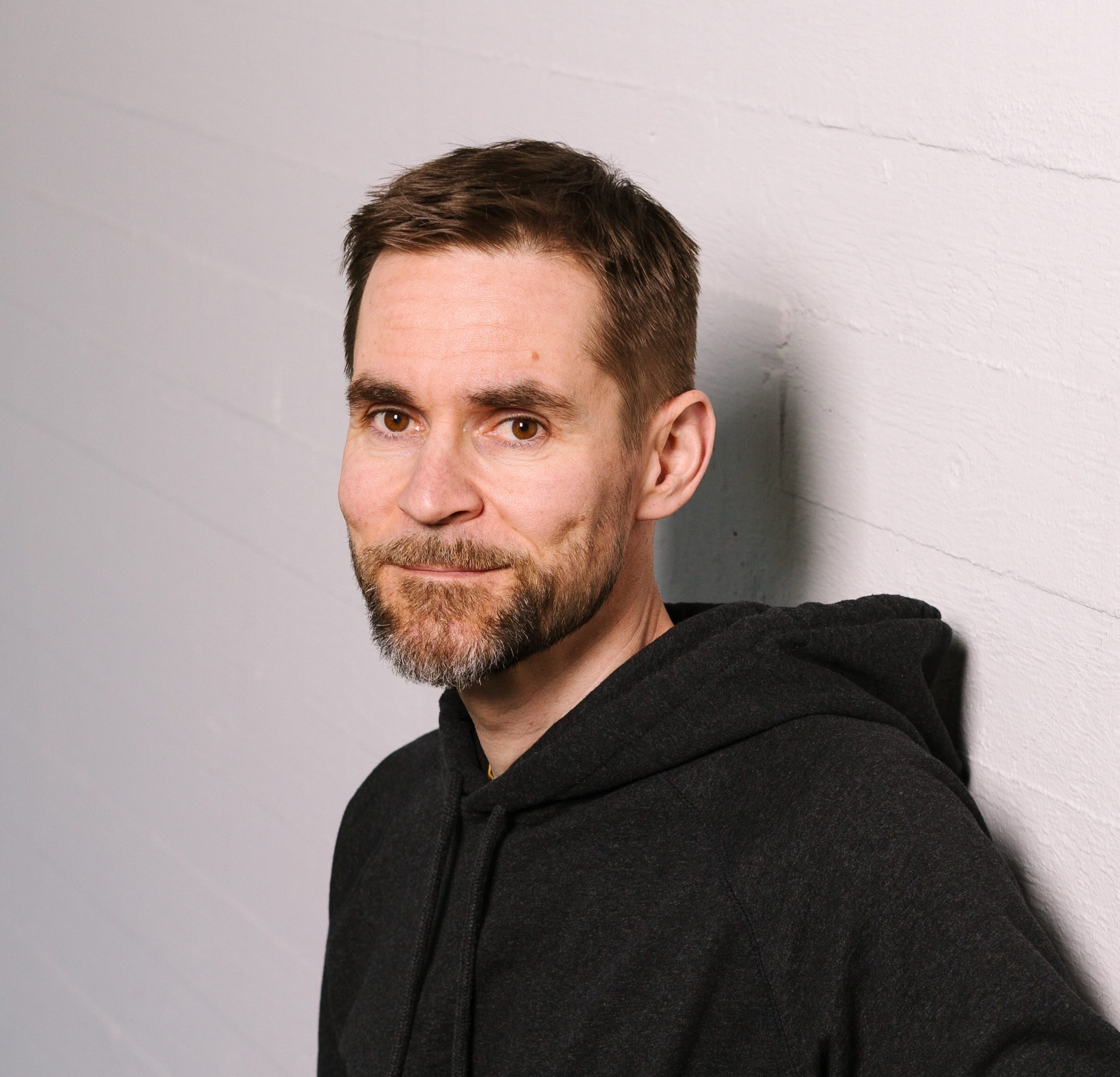
Harri Lähdesmäki is an Associate Professor (tenured) at the Department of Computer Science, Aalto University, where he leads the Computational Systems Biology research group. His work focuses on probabilistic machine learning and deep generative models with applications in biomedicine and molecular biology. Key Research Interests: Probabilistic machine learning, deep generative models, computational biology, bioinformatics, longitudinal data modeling Contact: harri.lahdesmaki@aalto.fi | Konemiehentie 2, 02150 Espoo, Finland His recent publications highlight advancements in: Gaussian process priors for scalable deep generative models Single-cell analysis of immune repertoires in leukemia and diabetes Probabilistic deconvolution methods for RNA-seq data Epigenetic analysis using hidden Markov and mixed models Transformer-based survival prediction and missing data handling Harri’s work integrates mechanistic modeling with Bayesian inference, particularly applied to immunology, cancer biology, and early disease prediction.
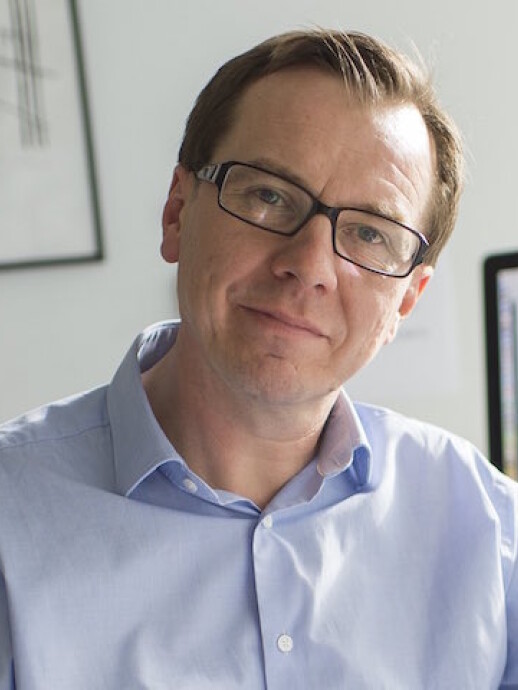
Sampsa Hautaniemi is a Professor at the Department of Biochemistry and Developmental Biology within the Faculty of Medicine at the University of Helsinki. He serves as Principal Investigator of the Systems Biology of Drug Resistance in Cancer research group and holds docentship in the Faculty of Medicine. Professor Hautaniemi actively supervises doctoral students across multiple programs including the Doctoral Programme in Biomedicine, Doctoral Programme in Clinical Research, and Doctoral Programme in Integrative Life Science. His research focuses on systems biology approaches to understand drug resistance mechanisms in cancer, particularly ovarian cancer. His work integrates computational biology, genomics, epigenetics, and bioinformatics to develop precision medicine approaches for cancer treatment. His laboratory develops innovative computational methods and experimental models including patient-derived organoids to study tumor evolution, identify therapeutic targets, and predict treatment responses. Analysis of his recent publications reveals a strong emphasis on understanding tumor heterogeneity, clonal evolution during therapy, and the development of computational tools for cancer genomics. His work spans multiple disciplines including cancer biology, computational biology, immunology, and precision medicine, with a particular focus on high-grade serous ovarian cancer as a model system. Scientific Awards: The Anders Jahre Medical Prize to young medical scientists (2014) for outstanding research on systems biology and cancer The Finnish Medical Foundation 50-years jubileum award (2010) Professor Hautaniemi has supervised numerous doctoral students and early-career researchers, contributing significantly to cancer research education. His research is supported by multiple active projects including the DECIDER project (Clinical Decision via Integrating Multiple Data Levels to Overcome Chemotherapy Resistance in High-Grade Serous Ovarian Cancer) funded until 2026, as well as projects from the Academy of Finland, Cancer Foundation, and industry partners like Orion Corporation. His laboratory maintains a patient-derived organoid biobank for high-grade serous ovarian cancer and develops computational tools like Jellyfish for visualizing tumor evolution.
Timo Hytönen is a Professor in the Department of Agricultural Sciences at the University of Helsinki's Faculty of Agriculture and Forestry. He holds a Docentship in the same department and is an integral member of the Viikki Plant Science Centre (ViPS). His academic leadership extends to supervising doctoral students across three major programs: Sustainable Use of Renewable Natural Resources, Integrative Life Science, and Plant Sciences. Additionally, he maintains an external position as Principal Research Scientist at NIAB EMR in Genetic Genomics & Breeding since November 2018. Professor Hytönen's research interests span plant genetics, molecular biology, and crop production sciences with a specialized focus on berry crops, particularly strawberries. His work investigates fundamental plant processes including flowering time regulation, environmental adaptation mechanisms, fruit development, and disease resistance. His research integrates genomic, transcriptomic, and epigenetic approaches to understand how plants respond and adapt to environmental challenges. His extensive publication record (88 publications) reveals a strong focus on woodland strawberry (Fragaria vesca) as a model system for studying economically important traits in berry crops. Recent work demonstrates expertise in QTL mapping, genome-wide association studies, circadian rhythm adaptation, and the genetic basis of climate adaptation. His research shows consistent emphasis on translating basic science into practical applications for crop improvement. Professor Hytönen leads significant research projects including 'Mansikan vihreä vallankumous' (Strawberry Green Revolution) funded by the Academy of Finland and 'ASTROS: How meristems guide plant reproductive development' supported by the Jane and Aatos Erkko Foundation. He is also a Principal Investigator in the Viikki Plant Science Centre (ViPS), a major collaborative research infrastructure. His academic service includes extensive peer review activities (37 manuscript reviews), hosting academic visitors (32 instances), and participation in numerous conferences and seminars. He has provided guidance to graduate students and supervised doctoral candidates, contributing significantly to the training of next-generation plant scientists.
James Ord is a Postdoctoral researcher at the University of Helsinki, affiliated with the Faculty of Biological and Environmental Sciences and the Organismal and Evolutionary Biology Research Programme. His research spans ecology, evolutionary biology, genetics, and epigenetics, with a focus on plant biology and environmental DNA analysis. His recent work includes projects like "EpiBet" (Assessing the Epigenetic Potential of Betula) funded by the Academy of Finland (2025–2029) and "TreeBio" (Center of Excellence in Tree Biology) (2024–2026). He collaborates internationally, including as a Research Associate at the University of Bern. Ord contributes to scientific outreach through public talks and conference organization, such as Evolution 2024.
Maia Aisha Malonzo is a Researcher at the Computational Biology Research Group in the Department of Computer Science at Aalto University . She specializes in Bioinformatics and Epigenetics , with a focus on DNA methylation analysis, transcriptome profiling, and computational modeling of biological systems. Key collaborations with Harri Lähdesmäki 's research team Active in Statistical Genetics and Genomic Data Analysis Her research involves: Developing computational methods for epigenetic profiling (LuxHMM, LuxRep) Investigating DNA methylation changes in disease contexts like Alzheimer's and asthma Elucidating regulatory mechanisms in human pluripotent stem cells
Maia Malonzo is a visiting faculty member at Aalto University's Department of Computer Science, focused on bioinformatics and epigenetic research. She is affiliated with the Professorship Lähdesmäki Harri and has contributed to 8 research outputs since 2015. Doctor of Science in Technology (2024, Aalto University) Master of Science in Technology (2012, Aalto University) Her research spans DNA methylation analysis, stem cell biochemistry, transcriptome studies, and biomedical informatics. Key projects include the SyMMys initiative (2015–2017) under the Finnish Centre of Excellence in Molecular Systems Immunology and Physiology Research. Recent publications (2022–2024) include tools like LuxHMM and LuxRep for bisulfite sequencing data analysis, with applications in epigenetics and disease biomarker discovery. She has collaborated on datasets for genome segmentation and received media coverage for her bioinformatics work, including mentions in news outlets and social media discussions (2023).
Mika Kähönen is a Professor specializing in Clinical Physiology and Nuclear Medicine, with affiliated research in Children's/Women's Health, Diagnostic Medicine, and Psychiatry. His work significantly contributes to cardiovascular epidemiology and genetic research, particularly through leadership in the Young Finns Study cohort. Research interests focus on: Cardiovascular risk development across lifespans Genetic/epigenetic mechanisms of complex diseases Multi-modal biomarker discovery Psychophysiological health interactions Recent publications (2025) demonstrate strong emphasis on: Longitudinal modeling of cardiometabolic trajectories Polygenic risk applications in psychiatry Epigenetic impacts of environmental exposures Integrative analysis of multi-omics datasets Collaborates extensively with international consortia on genetic epidemiology and cohort studies. Research outputs include significant contributions to datasets on calcium-blood pressure relationships, cardiac conduction genetics, and epigenetic aging biomarkers.
Suvi Ruuskanen is an Associate Professor at the Department of Biological and Environmental Science , University of Jyväskylä, within the Faculty of Mathematics and Science . She leads the Environmental Physiology Lab , focusing on organismal adaptation to environmental changes through integrative approaches spanning ecotoxicology, physiological, and molecular ecology. Her research emphasizes mechanisms like stress physiology, epigenetics, microbiome dynamics, and thyroid hormone signaling, particularly in avian and aquatic systems. Research interests include transgenerational plasticity, developmental plasticity, and the impacts of environmental pollutants (e.g., heavy metals, endocrine disruptors) on wildlife. Key themes include how early-life environmental stressors influence long-term phenotypic outcomes, mediated by epigenetic and microbiome mechanisms. The lab also explores thyroid hormone regulation in ecological contexts, such as maternal transfer effects on offspring development. Publications highlight interdisciplinary work, including studies on yolk testosterone effects, fecal biomarkers for metal sensitivity, and mitochondrial function in birds. Collaborative projects emphasize large-scale ecological questions, such as seasonal microbiome variation and analytical variability in ecological data interpretation. No formal awards are listed, but contributions to eco-endocrinology and environmental physiology are notable. Advising details are not provided, but her lab engages in extensive field and experimental research. Future work likely continues exploring environmental stressors and their long-term biological consequences.
Katri Pauliina Kantojärvi is a Docent at the Faculty of Medicine, University of Helsinki, actively contributing to biomedical and psychiatric research. Her work spans sleep disorders, schizophrenia, genetic risk factors, and neurodegenerative diseases, with extensive collaborations across Finnish population cohorts. Research Interests: Her research focuses on the intersection of sleep, mental health, and genetic predispositions. She investigates how polygenic risk scores for schizophrenia influence both clinical outcomes and broader social impacts, such as labor market performance. Her work also explores the role of sleep disturbances, including nightmares, as markers of psychiatric and neurodegenerative risk. Using large-scale genomic and epidemiological data, she contributes to understanding how genetic variants modulate brain and liver function. Recent Research Trends: Her recent publications (2024–2025) highlight a strong emphasis on psychiatric genetics, sleep phenotypes, and their overlap with neurodegeneration and metabolic health. There is a clear trend toward integrative studies combining genetic, epigenetic, and clinical data to predict disease outcomes and understand modifiable risk factors. Scientific Awards: No awards listed in the provided text. Advising and Grants: While specific students are not listed, Dr. Kantojärvi is an active participant in a major Academy of Finland-funded project titled Sleep as a key to understand the symptoms and course of Schizophrenia (2023–2027), indicating her role in mentoring and collaborative research. This project underscores her leadership in translational psychiatric research. Labs and Teams: She is part of a multidisciplinary research team led by Professor Tiina Paunio, involving experts in psychiatry, genetics, and sleep medicine. The group leverages biobank data and population registries to explore the biological underpinnings of mental illness.
Subhamoy Datta is a Postdoctoral Researcher at the Applied Tumor Genomics (ATG) department within the University of Helsinki . His research focuses on exploring the roles of CGGBP1 in epigenetic regulation, particularly in cytosine methylation, transcription factor-binding sites, and genome stability in cancer contexts. He has contributed to studies on G-quadruplex structures, chromatin dynamics, and DNA-protein interactions. University: University of Helsinki Department: Applied Tumor Genomics Academic Rank: Research Fellow Recent publications highlight his work on Epigenetic mechanisms in gene regulation CGGBP1's impact on genomic repeats and promoter methylation Applications of antibody capture methods in studying DNA structures . Collaborations span biochemistry, molecular biology, and tumor genomics. He is currently involved in a project studying metabolic networks regulating cancer cell growth via targeted genome editing at single-cell resolution, funded by the Academy of Finland.
Jari Marko Lahti is a Professor in the Department of Psychology at the University of Helsinki, where he serves as Supervisor in both the Doctoral Program in Human Behavior and the Doctoral Program in Cognition, Learning, Teaching and Communication. He also holds an ORCID profile (0000-0002-4310-5297) and maintains contact through the university's Haartmaninkatu 3 address in Helsinki. His academic credentials include a Doctor of Psychology degree (awarded December 12, 2009), Docent status in Clinical Psychology from the University of Helsinki (awarded December 12, 2011), and Advanced Psychotherapist certification from Chydenius Institute / University of Jyväskylä (2011-2013). Earlier in his career, he earned a Master of Psychology from the University of Helsinki (1997) and certification as a cognitive Psychotherapist (1998-2001). Professor Lahti's research focuses on the intersection of psychology, behavioral genetics, and epigenetics, with particular emphasis on how environmental factors interact with genetic predispositions to influence mental health outcomes across the lifespan. His work frequently examines prenatal influences on child development, stress response mechanisms, and the genetic underpinnings of psychological traits. Recent publications reveal a strong concentration on epigenetic pathways linking maternal psychological states during pregnancy to offspring developmental outcomes. Analysis of his publication record shows consistent productivity with over 300 publications, including high-impact articles in Molecular Psychiatry, Psychoneuroendocrinology, and Biological Psychiatry. His research often involves large-scale collaborative efforts, as evidenced by multi-author publications with international research teams. Among his notable recognitions is the Young Investigators Award received at the 6th World Congress on Developmental Origins of Health and Disease in December 2009. His current research leadership includes the IMAGINE project (2022-2025), funded by the Academy of Finland, which investigates mental well-being as a pathway to increasing youth participation. Previously, he led a project on environmental, epigenetic, and genomic factors in depression and related cardiometabolic risks (2013-2016), and participated in the Helsinki Study of Very Low Birth Weight Adults (2003-2015). Professor Lahti has also served as a Collegium Researcher at the University of Turku (2019-2021), demonstrating his standing within the broader Finnish academic community. His research has generated significant media attention, with multiple press mentions related to maternal health conditions and child mental health outcomes.
Jukka Westermarck is a Professor of Cancer Biology and Research Director at the Turku Bioscience Centre, University of Turku. His career spans postdoctoral work at EMBL Heidelberg (1999-2001), leadership roles at Turku Centre for Biotechnology (2002-2006, 2009-present), a tenure as group leader at the Institute of Medical Technology (University of Tampere, 2006-2009), and a visiting professorship at Dana-Farber Cancer Institute (2012). His research centers on the role of protein phosphatase 2A (PP2A) in cancer progression. Key contributions include discovering PP2A's tumor-suppressive mechanisms, therapeutic targeting of phosphatase regulators, and demonstrating how CIP2A and IER5L influence therapy resistance in breast and prostate cancers. Recent work explores NRF2 adaptation in HER2-inhibited oesophageal adenocarcinoma and DDX4's oncogenic roles. Scientific Awards : Young researcher prize from Finnish Medical Association Duodecim (2007) Anders Jahre young investigator prize (2009) Elected member of the Finnish Academy of Science and Letters (2017) Westermarck's laboratory (Westermarck Lab) operates within the Turku Bioscience Centre, focusing on phosphatase-based cancer mechanisms and translational applications. His work has generated novel diagnostic biomarkers and therapy targets, while his 2024 commentaries in Kauppalehti and Helsingin Sanomat highlight his engagement in national science policy debates.
Tiina Laatikainen is a Professor of Health Promotion at the University of Eastern Finland (UEF), located within the Institute of Public Health and Clinical Nutrition under the Faculty of Health Sciences. She holds a PhD in Public Health and Epidemiology and is a Docent in Public Health. Her career includes extensive research at the Finnish Institute of Health and Welfare (THL) since 1996. Her research focuses on chronic disease prevention, lifestyle interventions, and healthcare economics. Key projects include the Finnish Geriatric Intervention Study to Prevent Cognitive Impairment and Disability (FINGER), exploring multidomain interventions to delay dementia. She also studies diabetes management, obesity's economic burden, and the impact of public health policies. Laatikainen's work spans epidemiology, healthcare service optimization, and global health initiatives in Eastern Europe and Central Asia. She collaborates on projects like the WHO’s NCD prevention efforts and the Joint Action on Cardiovascular Diseases and Diabetes in Europe. Her research has produced over 200 peer-reviewed articles, emphasizing translational science to improve healthcare systems. She leads teams in analyzing health data from national registries and electronic health records, contributing to evidence-based policy and clinical practices.
Joanna Ciantar is a Doctoral Researcher at the Molecular Epidemiology Research Group within the Faculty of Medicine and Health Technology at Tampere University. Her work focuses on understanding the impact of developmental exposures on DNA methylation patterns in healthy populations and their potential health consequences in later life. Her research integrates Molecular Biology and Epigenetics , utilizing multi-omic datasets including DNA methylation, genetic, gene expression, and phenotype data to unravel complex biological processes.
Jetro Tuulari is an Associate Professor and Docent in the Department of Clinical Medicine at the University of Turku, where he also serves as Research Manager in Clinical Neurosciences and Doctoral Researcher in the Department of Computing. He is the Principal Investigator of the FinnBrain Neuroimaging Lab and Head of Neuroimaging at the InterLearn Centre of Excellence. He is affiliated with the Centre for Eudaimonia and Human Flourishing at the University of Oxford and part of the international Lifespan consortium developing human brain growth charts. His research focuses on how early life exposures, genetics, and environmental factors shape brain structure and function, influencing long-term health and wellbeing. Using advanced neuroimaging techniques such as MRI, fMRI, dMRI, PET, and EEG, his team investigates developmental cognitive neuroscience, with emphasis on maternal health, childhood adversity, obesity, and intergenerational effects. His work bridges clinical medicine, computing, and population neuroscience, contributing to large-scale cohort studies like FinnBrain, ABCD, and the Developing Human Connectome Project. His recent publications (2024–2025) reflect a strong trend in population neuroscience, neonatal brain development, epigenetics, and methodological innovation in neuroimaging. Key themes include maternal BMI and brain development, prenatal stress and child outcomes, transgenerational epigenetic inheritance, and AI-driven analysis of neuroimaging data in conditions like Long COVID. Finnish Medical Foundation Emil Aaltonen Foundation Sigrid Juselius Foundation Signe and Ane Gyllenberg Foundation Hospital District of Southwest Finland State Research Grants Alfred Kordelin Foundation Juho Vainio Foundation Orion Research Foundation He supervises a vibrant research team of post-doctoral fellows, doctoral students, and undergraduates within the FinnBrain Neuroimaging Lab. He has played a key role in launching the Human Neuroscience Master’s Programme at the Turku Brain and Mind Center and coordinates courses on neuroimaging methods. His international collaborations include researchers at Oxford, Cambridge, KCL, Charité – Universitätsmedizin Berlin, and the University of California, Irvine. He leads the FinnBrain Neuroimaging Lab, which conducts multimodal neuroimaging analyses within the FinnBrain Birth Cohort. The lab is part of broader initiatives like InterLearn and the Lifespan consortium, focusing on synergistic data analysis, brain network modelling, and population-level neuroscience.