Luigimaria Borruso is a Tenured Professor at the Faculty of Agricultural, Environmental and Food Sciences at the Free University of Bolzano. Their research focuses on soil and molecular ecology, microbial communities in agro-ecosystems, and environmental DNA (eDNA) applications for biodiversity conservation. University: Free University of Bolzano School: Faculty of Agricultural, Environmental and Food Sciences Email: luigimaria.borruso@unibz.it Research Interests: Soil and molecular ecology Plant-fungal/bacterial-soil interactions (Agro)-ecological networks in apple orchards and vineyards Soil quality indicators Agroecology Environmental DNA (eDNA) in soil biodiversity conservation Science education for soil literacy Recent Publications Trends: Recent works explore microplastics in soil systems, biochar-microbe partnerships for crop growth, microbial dynamics in extreme environments (volcanoes, Antarctica), and applications of metabarcoding in conservation biology (lemurs, bats). They also investigate sustainable agricultural practices, including living labs and soil enzyme analysis via machine learning. Courses Taught: General Chemistry and Biochemistry at the bachelor's level, and advanced topics like Soil Ecology, Statistical Methods for Agricultural Research, and Soil Protection in master's programs.
Massimo Delledonne is a Full Professor in the Department of Biotechnology at the University of Verona. His research focuses on clinical genomics, functional genomics, structural genomics, and metagenomics. He teaches modules such as Genetics and Human Genomics across undergraduate and graduate programs, including Molecular and Medical Biotechnology and Medical Bioinformatics. Affiliations: Department of Biotechnology, University of Verona Committees: Faculty Board of PhD in Biotechnology, Biotechnology Teaching Committee Spin-offs: EDIVITE s.r.l., Microbion S.r.l., Enerzyme s.r.l. (among others) His research interests include genome assembly, single nucleotide variant analysis, and applications of next-generation sequencing technologies. Projects span plant and human genomics, with a focus on crop improvement, disease diagnostics, and microbial interactions. Recent work includes studies on lupin diversity, common bean evolution, and grapevine genetics. Key projects include IBEARAD (Bioinformatics for Agricultural Resilience) and SYMPHONY (Phaseolus vulgaris genome analysis). He leads interdisciplinary efforts in genomic medicine, plant genomics, and environmental genomics.
Andrea Squartini is an Associate Professor at the Department of Agronomy, Food, Natural Resources, Animals and Environment (DAFNAE) within the University of Padova . His research focuses on soil microbiology , microbial ecology , and DNA metabarcoding , with a particular emphasis on the interactions between microbial communities and agricultural systems. He works at Agripolis, based in Legnaro (Padova), Italy. His research explores soil organic carbon dynamics , nitrogen cycling , and microbial community responses to environmental factors such as grazing intensity, agricultural practices, and climate change. He utilizes advanced molecular methods like 16S rRNA profiling and metabarcoding to analyze microbial diversity in dairy processing environments, livestock systems, and soil remediation projects. The scientific trends in his publications include studies on microbiome responses to agricultural additives bioremediation of contaminated soils role of earthworms and organic matter in vineyard soils microbial gene activity in alpine and Antarctic ecosystems innovative tools like plasma-activated water for symbiotic optimization data science applications in livestock and soil research
Alex Laini is an Assistant Professor at the Department of Life Sciences and Systems Biology, University of Turin. His research focuses on ecological modeling, biodiversity assessment, and invertebrate community dynamics, with particular emphasis on dung beetles, aquatic ecosystems, and climate change impacts. Department: Life Sciences and Systems Biology University: University of Turin Laini’s work integrates DNA metabarcoding, statistical ecology, and functional trait analysis to study ecosystem services, invasion biology, and conservation strategies. His recent publications explore topics such as n-dimensional hypervolume modeling, behavioral syndromes in insects, and climate-driven shifts in riverine communities. His research leverages advanced methodologies like environmental DNA analysis and ecohydrological modeling to address challenges in biodiversity monitoring and aquatic ecosystem health. Key collaborations span European rivers, hypersaline lakes, and Mediterranean valleys, reflecting a transnational approach to ecological studies.
Gianluigi Cardinali is a faculty member at the University of Perugia, specifically within the Department of Agricultural, Food and Environmental Sciences, School of Agricultural, Food and Environmental Sciences. He serves as Coordinator of the Doctoral Program in Biotechnology, indicating a leadership role in academic training and research supervision. His research spans microbial biotechnology, yeast genetics, fungal biofilms, DNA barcoding, and sustainable agriculture. Key interests include plant-microbe interactions, industrial and medical mycology, metabolomics, and environmental microbiology. His work bridges fundamental science with practical applications in agriculture, food safety, and biomedicine. The recent publications (2023–2025) highlight a strong focus on sustainable solutions using microbial life, including waste valorization from olive oil and hemp, salt stress mitigation in crops using plant growth-promoting yeasts, and antimicrobial strategies against Candida biofilms using natural extracts and novel biomaterials. There is a consistent emphasis on molecular identification techniques such as NGS, DNA barcoding, and multi-omics approaches (metabolomics, proteomics) to study microbial diversity and function. No scientific awards are explicitly mentioned in the provided text. Dr. Cardinali advises doctoral students as Coordinator of the Biotechnology PhD program and likely leads a research group focused on microbial biotechnology and fungal systems. His extensive publication record in high-impact areas suggests active grant funding, though specific grants are not listed. His research integrates laboratory experimentation with ecological and systems-level analysis, promoting interdisciplinary approaches. His laboratory appears to specialize in microbial identification using advanced spectroscopic (Raman, FT-IR), sequencing (NGS, MinION), and metabolomic techniques. The team investigates both environmental and clinical fungal strains, with applications spanning agriculture, food, and medicine. Research infrastructure likely includes facilities for yeast genetics, biofilm studies, and omics analysis.
Alberto Pallavicini is a Full Professor of Genetics at the Department of Life Sciences, University of Trieste. He serves in multiple leadership roles including as a member of the Department's Board, various Boards of Studies, and Doctoral Studies Boards for Environmental Life Sciences across numerous cycles (XXIX to XXXIX). His research focuses on applied and comparative genomics within the Environmental Biology research area, specifically in environmental microbiology and genetics. His research interests prominently feature genetics, environmental genomics, marine biology, molecular biology, biodiversity conservation, and eDNA analysis. Pallavicini leads the Applied and Comparative Genomics research group, which investigates fundamental genetic mechanisms in marine organisms and environmental DNA applications. His work bridges molecular biology with ecological applications, particularly in marine environments. Analysis of his recent publications reveals a strong research trajectory in marine genomics, with particular emphasis on mussel immunity, environmental DNA applications, and comparative genomics. His work spans from fundamental molecular studies of antimicrobial peptides in mussels to applied environmental monitoring using eDNA techniques across Italian marine ecosystems. The research demonstrates a consistent focus on understanding genetic mechanisms in marine organisms while developing molecular tools for biodiversity assessment and conservation. Pallavicini actively participates in numerous research projects, including international collaborations like 'Stronger Together' with the University of Silesia in Katowice within the Transform4Europe network, 'Project 101186013 - VirHoX', and multiple PNRA (Antarctic Research Program) projects. His work has significant implications for marine conservation, biodiversity monitoring, and understanding evolutionary adaptations in extreme environments. As an educator, he serves on multiple doctoral boards and contributes to various degree programs including Biological Sciences and Technologies, Environmental Biology, and Marine and Coastal Environmental Science. His teaching and mentorship extend across multiple graduate programs at the University of Trieste.
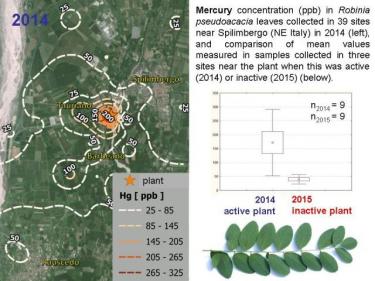
Mauro Tretiach is a Full Professor of General Botany at the Department of Life Sciences (DSV) of the University of Trieste, where he currently serves as Director after having been Deputy Director from 2012 to 2018. His academic career spans over 25 years at the same institution, progressing from researcher (since 1995) to associate professor (2001) and full professor (2018). He leads the Biology of Lichen Symbiosis research group and is actively involved in multiple doctoral programs including Environment and Life, Biological Sciences and Technologies, and Environmental Biology. Professor Tretiach's research focuses on fundamental and applied aspects of lichen biology, with particular emphasis on taxonomy, ecophysiology, and biomonitoring applications. His work combines molecular, ecophysiological, and 'omics' approaches to study lichen symbiosis in response to environmental stressors. He has significantly contributed to developing standardized protocols for using lichens as biomonitors of air pollution, collaborating with the Italian Institute for Environmental Protection and Research (ISPRA). Additionally, he is deeply involved in studying the ecotoxicology of two-dimensional nanomaterials, particularly as part of the EU Graphene Flagship project where his team investigates the environmental impacts of graphene-related materials. His research output includes 170 publications, over 100 in international journals, with recent work focusing on graphene environmental biodegradation, validation of particulate dispersion models using lichens, and the phylogenetic diversity of lichen photobionts. His publications demonstrate a strong interdisciplinary approach spanning environmental science, nanotechnology, molecular biology, and taxonomy, with increasing emphasis on the intersection of traditional lichenology with cutting-edge nanomaterial research. This reflects a strategic evolution from fundamental lichen studies toward addressing contemporary environmental challenges involving emerging pollutants. Among his notable scientific recognitions, two lichen species have been named in his honor: Physcia tretiachii and Pleospora tretiachii, reflecting his significant contributions to lichenology. His research has practical applications in environmental monitoring protocols used by local authorities and environmental agencies across Italy. Professor Tretiach actively mentors doctoral and master's students, currently supervising a research team that includes permanent researchers, postdoctoral fellows, and multiple doctoral students. His group has secured substantial research funding from various sources including the European Union (Graphene Flagship project), national research programs (PRIN), and institutional funds. His leadership extends to coordinating the national PRIN 2020 project '2D-Nano-Mad-Plants' focused on interactions between seed plant sexual structures and 2D nanomaterials. The research laboratory he directs maintains active collaborations with international institutions including the University of Innsbruck (Austria), Graz University (Austria), Stockholm University (Sweden), and Brigham Young University (USA). His team operates specialized facilities for lichen culturing, molecular analysis, and nanomaterial ecotoxicology testing, supporting both fundamental research and applied environmental monitoring services.
Lisa Vallone is a Permanent Researcher at the University of Milan's Faculty of Veterinary Medicine, where she serves as Coordinator of the Foods of Animal Origin Laboratory at the Experimental Zootechnical Teaching Center. Her expertise centers on food safety, dairy science, and microbiological analysis of animal-origin products. Her educational background includes: Bachelor's degree in Veterinary Medicine from the University of Milan PhD in Animal Production Sciences Dr. Vallone's research spans food safety, dairy science, and microbiology with specialized focus on milk processing, cheese transformation, and microbiological/mycological analyses. She investigates antimicrobial strategies using essential oils for food preservation, mycotoxin detection (particularly ochratoxin A and aflatoxins), microbial risk assessment in dairy and meat products, and food fraud prevention in the dairy sector. Recent work explores next-generation sequencing for food authentication and metabolomic approaches to innovative milk safety protocols. Analysis of her 15 most recent publications reveals consistent emphasis on natural preservation methods (especially essential oils), microbial risk assessment across diverse food matrices, and novel technologies like non-thermal plasma. Her work shows increasing focus on food authentication techniques and sustainable preservation solutions while maintaining core expertise in dairy microbiology and mycotoxin monitoring. No scientific awards were mentioned in the available documentation. Information regarding academic advising and research grants was not provided in the source materials. As Laboratory Coordinator, Dr. Vallone leads research on dairy product transformation, microbiological analysis, and innovative preservation methods including essential oil applications and non-thermal plasma technology, with particular attention to safety protocols for animal-derived foods.
Martino Adamo is a Research Fellow at the Department of Life Sciences and Systems Biology, University of Turin, specializing in plant diversity and conservation. His work spans molecular systematics, population genetics, and ecological modeling of Alpine and Mediterranean endemic species. Research Focus: Alpine plant conservation, fungal interactions, and genetic diversity studies Teaching: Botanica ambientale e applicata all'ambiente montano (SAF0393), PhD Toolbox for data analysis Current research explores microbial ecology, particularly orchid mycorrhizas and soil fungal diversity. His publications address funding biases in conservation and the genetic erosion of Western Alpine rye landraces. Martino contributes to metabarcoding studies on environmental DNA/RNA differences and participates in interdisciplinary collaborations across Europe.
Giampaoli Saverio is an Associate Professor in the Department of Human and Health Sports Sciences at the University of Rome "Foro Italico". He has been actively involved in teaching undergraduate and graduate courses since 2011/2012, including programs in Sports and Movement Sciences (L22) and Preventive and Adapted Physical Activities (LM67). He also taught at Roma Tre University during the 2012–2013 academic year. His research focuses on environmental microbiology, forensic DNA analysis, hygiene in sports facilities, and health promotion through physical activity. He collaborates with RaCIS, RIS Roma (Carabinieri) on forensic microbiology projects and applies advanced biotechnological methods such as DNA metabarcoding. His work bridges public health, occupational safety, and forensic science. The recent publications reflect a strong trend in forensic and environmental microbiology, with applications in legal medicine and sports safety. His articles also explore epidemiological aspects of student lifestyles and injury patterns in recreational sports, particularly skiing. EMBO Fellowship Giampaoli has served as an academic tutor for the ERASMUS+ program and is actively involved in public engagement initiatives, including school outreach and university sports events. He participates in institutional governance through roles in curriculum development, examination boards, and third mission activities. He has not reported any major research grants, but his work is supported through departmental research projects and collaborations. He is the Departmental Contact for Public Engagement and manages the "Foro Italico" University Sports Club, specifically serving as GS roller ski contact. He also coordinates agreements with secondary schools to promote physical education and represents the university in national networks such as RUIAP.
Giuseppe Corriero is a Full Professor at the Department of Biosciences, Biotechnology and Environment (DBBA) at the University of Bari Aldo Moro, Italy. His research focuses on Mediterranean marine ecosystems, particularly sponge biology, coral reef conservation, and marine biodiversity. With extensive fieldwork along the Apulian coast and throughout the Mediterranean Sea, Professor Corriero has established himself as a leading researcher in marine ecology and conservation biology. His office is located at Campus - Via Orabona, 4 Bari, and he can be reached at +39 0805442380 extension 2380. Professor Corriero's research interests span multiple areas of marine biology with a strong emphasis on Mediterranean ecosystems. His work particularly focuses on sponge ecology and mariculture , coral reef conservation , and marine biodiversity assessment . He investigates mesophotic zones, bioconstructions, and the impacts of pollution on marine organisms. His research on seahorses (particularly Hippocampus guttulatus ) has contributed significantly to understanding their habitat preferences, diet through DNA metabarcoding, and conservation needs. Through integrated multitrophic aquaculture systems like the REMEDIA LIFE project, he explores sustainable approaches to marine resource management and bioremediation. Analysis of Professor Corriero's recent publications (2023-2025) reveals a strong focus on Mediterranean marine ecosystems, particularly mesophotic zones and bioconstructions. His work demonstrates expertise in sponge biology, coral reef ecology, and marine conservation. A significant portion addresses environmental challenges including microplastic pollution, invasive species, and sustainable aquaculture practices. His interdisciplinary approach combines field ecology, laboratory experiments, and molecular techniques to address pressing marine conservation issues in the Mediterranean region, with particular attention to Apulian coastal waters. Professor Corriero leads research teams focused on Mediterranean marine ecosystems, particularly those studying sponge mariculture, coral reef conservation, and seahorse ecology. His work with the REMEDIA LIFE Integrated Multitrophic Aquaculture system represents an innovative approach combining polychaetes, sponges, and macroalgae for sustainable mariculture and environmental remediation. His research often involves fieldwork along the Apulian coast, particularly in the Mar Piccolo of Taranto and other Mediterranean sites, indicating collaboration with local marine research stations and conservation initiatives.
Nicola Tommasi serves as Assistant Professor of Zoology in the Department of Biotechnology and Biosciences at the University of Milano-Bicocca, maintaining both office (room 4004, building U4) and laboratory facilities (room 4012, building U4) within the university's scientific campus. His research program centers on urban ecology and molecular ecology , with pioneering work on pollinator responses to anthropogenic stressors. Key interests include DNA metabarcoding applications for biodiversity assessment, plant-animal interaction networks in human-dominated landscapes, and intraspecific adaptation mechanisms in urban environments. The lab's focus on ecosystem services bridges fundamental ecological research with practical conservation applications. Analysis of Professor Tommasi's 2021-2022 publications reveals a consistent methodological approach combining molecular techniques with field ecology across diverse geographical contexts. His work demonstrates how urbanization gradients and land-use intensification disrupt pollination services, with particular emphasis on functional trait variations in pollinators and spatial patterns of plant-pollinator interactions. The research shows strong interdisciplinary connections between molecular biology, landscape ecology, and conservation science. Leading the #TommasiLab_BtBs research group, he maintains active field sites across Europe, Sub-Saharan Africa, and island ecosystems. The lab operates as a hub for molecular ecological research within the Department of Biotechnology and Biosciences, fostering collaborations that integrate genetic analysis with traditional ecological field methods to address pressing biodiversity challenges in anthropogenically altered habitats.