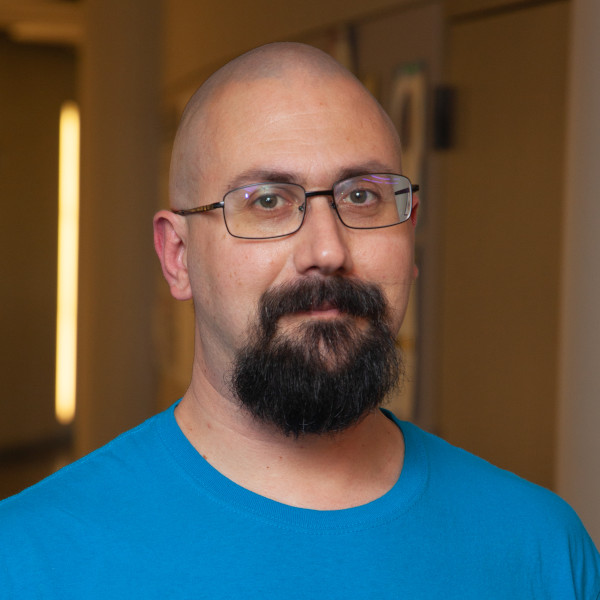
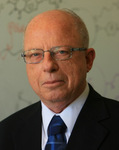
Pedro Manuel Martínez García is a researcher associated with the Centro Andaluz de Biología del Desarrollo (CABD) and affiliated with the Universidad de Málaga. His academic background includes a PhD in Bioinformatics, awarded in 2015 for work on computational tools analyzing plant-associated bacterial genomes. He has contributed to interdisciplinary projects combining genomics and machine learning. Research Interests: His work spans bioinformatics, genomics, and computational biology, focusing on plant-microbe interactions, chromatin architecture, and regulatory genomics. He has developed tools for predicting secretion systems in bacteria and analyzing 3D genome organization in developmental biology. Publications: Recent research highlights include applications of CRISPR-Cas technology in zebrafish, epigenomic studies of limb development, and comparative 3D genome analyses of retinal tissues. His work often bridges computational methods with experimental validation.
Dr. Matthew Jennings serves as an Assistant Professor in the Biology Department at Wilkes University, maintaining his office in Cohen Science Center Room 231. His contact information includes email (matthew.jennings@wilkes.edu) and phone ((570) 408-4581), reflecting his active engagement in academic duties. His educational background features: PhD in Biological Sciences from the University of Arkansas (2016) MS in Biology from Villanova University (2010) BS in Biology/Philosophy from the University of Scranton (2005) Dr. Jennings' research centers on microbial physiology and biotechnology, with specialization in methanogen systems, cave microbiology adaptations, and engineered living materials. His laboratory investigates calcification mechanisms in Escherichia coli and develops genetic tools for cave-derived microbes to enhance their utility in self-healing construction materials and CO 2 sequestration applications. This work bridges environmental microbiology with practical biotechnological solutions. Publication trends from 2010-2025 reveal consistent focus on microbial mineralization processes, particularly carbonate precipitation in bacterial systems. His research portfolio demonstrates evolution from foundational archaeal stress response studies toward applied biotechnology, with recent emphasis on engineered living materials and antimicrobial strategies. The interdisciplinary nature spans environmental science, materials engineering, and molecular microbiology. Dr. Jennings teaches core microbiology courses including BIO 113 (Microbiology), BIO 326 (Immunology and Immunohistochemistry), BIO 327 (Medical Microbiology), and BIO 329 (Virology), integrating his research expertise into undergraduate and graduate instruction.
Kresten Lindorff-Larsen is a Professor in Computational Protein Biophysics at the Department of Biology , University of Copenhagen , and leads research at the Linderstrøm-Lang Centre for Protein Science. His work integrates biochemistry, biophysics, structural biology , and machine learning to study protein dynamics and variant effects in disease. He oversees the Biocomputing Core Facility (2013–present) and directs major initiatives like the PRISM Centre (2019–present) and ERC Synergy Grant DynaPLIX (2023).
Professor Clemens Kaminski is affiliated with the University of Cambridge as Professor of Chemical Physics in the Department of Chemical Engineering and Biotechnology . He serves as the Head of Department and directs the EPSRC Centre for Doctoral Training in Sensor Technologies and Applications . His research focuses on advanced imaging techniques to study biological processes at molecular scales, particularly super-resolution microscopy , fluorescence lifetime imaging , and machine learning-assisted imaging . Collaborations span medics, biologists, physicists, and engineers , targeting mechanisms of neurodegenerative diseases like Alzheimer's and Parkinson's. Key technologies developed in his group include Laser Analytics tools for in vivo imaging, self-supervised spike sorting algorithms for neuronal activity analysis, and portable microscopy platforms . Publications emphasize high-resolution imaging , pathogen detection , and cellular thermogenesis in disease contexts. He leads the Laser Analytics Group and maintains active collaborations with Professor Gabriele Kaminski Schierle (Molecular Neuroscience Group) and other interdisciplinary teams. His work integrates optical engineering , biomolecular analysis , and computational methods to address challenges in neurodegeneration and pathogen imaging .
Michael P. Brenner is the Michael F. Cronin Professor of Applied Mathematics and Applied Physics and Professor of Physics at Harvard University’s School of Engineering and Applied Sciences. His research integrates applied mathematics and physics to solve complex problems in science and engineering, emphasizing theoretical modeling and collaboration with experimentalists. Key research areas include microfluidics for fiber production fluid mechanics of whale flippers rheology of colloidal suspensions self-assembly of magnetic materials atmospheric chemistry algorithms biological modeling of ion channels and hemoglobin neural connections in language processing Recent work leverages differentiable programming, large language models, and automatic differentiation across physical and biological systems. His lab has mentored students working on projects like quantum physics simulations and ALS disease severity analysis. Publications highlight interdisciplinary trends bridging fluid dynamics, computational biology, and AI-driven material design. The Brenner Group focuses on translating mathematical insights into engineering solutions and uncovering fundamental principles in natural and synthetic systems.
Piotr E. Marszalek is a Professor in the Thomas Lord Department of Mechanical Engineering and Materials Science at Duke University's Pratt School of Engineering. His research employs atomic force microscopy (AFM), molecular dynamics simulations, and quantum mechanics to investigate the nanomechanics of biopolymers like DNA, proteins, and polysaccharides. Key goals include deciphering relationships between molecular structure and mechanical function, protein folding pathways, and biomaterial design. He directs the Marszalek Lab and leads NIH/NSF-funded projects such as the University Training Program in Biomolecular and Tissue Engineering (1994-2027) and Transition to Excellence: From Single-Molecule Force Spectroscopy to Cryo-EM (2021-2025). Research Focus: Marszalek's work bridges biophysics, materials science, and computational biology. He studies force-induced conformational changes in proteins and nucleic acids, develops AFM methodologies, and designs protein-based nanomaterials. His group also explores chaperone-mediated refolding, DNA repair mechanics, and polysaccharide elasticity, providing fundamental insights applicable to biotechnology and medicine. Publication Trends: Marszalek's 15 most recent articles (2018-2025) emphasize: Protein unfolding/refolding kinetics using AFM and simulations. Mechanisms of chaperone proteins (e.g., Hsp70). Bioluminescent enzymes (luciferase, NanoLuc) as mechanical stability models. DNA mismatch repair and microtubule mechanics. Computational methods for reconstructing folding pathways. Education: Ph.D., Electrotechnical Institute, Poland (1991) M.S., University of Warsaw, Poland (1985) Grants & Infrastructure: Marszalek secures sustained NIH/NSF funding for instrumentation development (e.g., AFM-cryoEM integration) and fundamental research. His lab focuses on single-molecule techniques, fostering collaborations across biochemistry, biophysics, and engineering disciplines.
Andreas Ladurner is Professor and Chair of Physiological Chemistry at Ludwig Maximilian University of Munich (LMU), leading research at the Biomedical Center Munich. His laboratory investigates molecular mechanisms of chromatin dynamics, DNA repair, and metabolic regulation through biochemical and structural approaches. Research Focus: Chromatin biology and epigenetic regulation via histone variants (e.g., macroH2A) ADP-ribosylation signaling in DNA damage response and PARP functions Chromatin remodelers (ALC1/CHD1L) and their roles in genome stability Development of targeted inhibitors for cancer therapy Metabolic-epigenetic crosstalk in nuclear compartmentalization His recent work emphasizes PARP-ALC1 interactions in DNA repair, chemical probe development for macrodomains, and FACT-mediated heterochromatin dynamics. Publications demonstrate consistent focus on chromatin plasticity mechanisms with therapeutic applications in oncology.
Eduardo Anaya is an Academy Research Fellow at the Department of Bioproducts and Biosystems at Aalto University (Finland). He earned a PhD in Natural Sciences (2016) from Universidad Autónoma de Madrid (Spain) and held a postdoctoral position at the University of Birmingham (UK). His research focuses on optically active biohybrids , combining optoelectronic materials like phthalocyanines, fullerenes, and carbon nanotubes with biological scaffolds such as proteins, DNA origami, and cellulose derivatives. Education : Doctoral Degree, Natural Sciences (2016), Universidad Autónoma de Madrid Master's Degree, Natural Sciences (2013), Universidad Autónoma de Madrid Bachelor's Degree, Natural Sciences (2010), Universidad Autónoma de Madrid His work spans supramolecular chemistry , self-assembly , and green synthesis methods. Recent projects include PhotoCage (protein cage biohybrids for lighting) and collaborations with institutions like Technical University of München and University of Barcelona. Scientific awards include the Thieme Chemistry Journals Award (2023) and CHEM School Research Action of the Year (2022) . His research outputs have been widely cited and recognized for their sustainability impact, particularly in biofilm eradication and low-solvent synthesis .
Dr. Krishanu Ray is an Associate Professor at the Department of Biochemistry and Molecular Biology and the Vaccine Division of the Institute of Human Virology, University of Maryland School of Medicine, Baltimore. His research leverages single molecule fluorescence, nanotechnology, and imaging techniques to advance biomedical science, particularly in HIV and SARS-CoV-2 studies. He is a member of editorial boards for the Journal of Bioanalysis and Biomedicine and ISRN Nanotechnology, and has served as guest editor for Frontiers in Immunology and Viruses. Dr. Ray chairs the Plasmonics in Biology and Medicine conference at SPIE Photonics West and is a permanent program committee member. His research focuses on high-end imaging and spectroscopy methods to study HIV/SARS-CoV-2 proteins, virions, and broadly neutralizing antibodies. Key tools include fluorescence correlation spectroscopy (FCS), single molecule detection (SMD), Förster resonance energy transfer (FRET), super-resolution microscopy, and two-photon fluorescence lifetime imaging (2p-FLIM). Notably, he developed a label-free 2p-FLIM method to analyze NADH metabolism in HIV-infected cells, revealing oxidative phosphorylation activation. Scientific awards include the NIH Career Grant (2011), JSPS Fellowship (2000), and ISCA Young Scientists’ Award in Physics (1997-98). His work has attracted substantial NIH funding, including R01, R61, and P01 grants.
Dr. D. (Deb) Panja is an Associate Professor in the Simulation of Complex Systems group at Utrecht University's Faculty of Science. His research focuses on developing models and computational methods to analyze complex systems across physics, materials science, epidemiology, and network theory. He maintains an active research program with collaborations spanning multiple disciplines. His primary research interests include foundations of complex systems, statistical physics of polymers and materials, network vulnerability analysis, epidemiological modeling (including COVID-19 interventions), and sociotechnical system dynamics. His work combines theoretical frameworks with computational simulations to address fundamental questions in these domains. Recent publications demonstrate a strong emphasis on network criticality, materials dynamics (especially graphene and amorphous silicon), and pandemic response modeling. The research consistently employs advanced computational techniques and statistical physics approaches, often addressing system fragility and emergent behaviors across different scales and applications.
Dr. Kelly Brouwer is a Researcher at Utrecht University's Faculty of Science, affiliated with the Debye Institute for Nanomaterials Science and the Soft Condensed Matter group. Her research focuses on nanoparticle synthesis, self-assembly processes, and supraparticle design for catalytic applications, utilizing techniques like microfluidics and electron microscopy. Education: PhD in Soft Condensed Matter, Utrecht University (2019-2024) MSc in Nanomaterials Science (cum laude), Utrecht University (2017-2019) BSc in Chemistry (cum laude), Utrecht University (2014-2017) Research Focus: Her work spans colloidal systems, nanomaterial synthesis, and interfacial phenomena, with emphasis on developing bimetallic catalysts and advanced characterization methods. Key areas include supraparticle engineering, catalytic hydrogenation, and 3D nanoscale imaging. Publications: Her recent articles demonstrate expertise in nanomaterials design (2024), DNA-assisted microscopy (2023), and colloidal interface quantification (2020), reflecting consistent focus on experimental nanophysics and materials chemistry. Awards: Cum laude distinction in both BSc and MSc programs
Dr. Alex Bossers is an Assistant Professor at Utrecht University's Institute for Risk Assessment Sciences (IRAS), within the Department of Population Health Sciences, Faculty of Veterinary Medicine. He concurrently holds a part-time position initiating the multi-omics expertise team at Wageningen BioVeterinary Research (WUR). Education includes a PhD from Utrecht University (1999) on prion disease transmissibility and an MSc in Bioinformatics from the University of Manchester. Research focuses on One Health integration across human, animal, and environmental domains through metagenomics and molecular epidemiology. Key interests include: microbiome/resistome analysis, pathogen surveillance (e.g., VGO3 project on goat farm pathogens), environmental DNA/RNA analysis for biosecurity, and multi-omics biomarker discovery. Methodologies emphasize next-generation sequencing, bioinformatics pipelines, and data analytics. Recent publications (200+ career total) predominantly explore antimicrobial resistance dynamics, livestock microbiomes, pathogen surveillance, and prion biology. Dominant themes include One Health applications of metagenomics (75% of recent works), livestock-associated AMR transmission (60%), and microbiome functionality in disease pathogenesis. Leads European/public-private projects; coordinates the VGO3 project linking livestock pathogens to human pneumonia. Board member of Dutch KNVM Microbial Genomics division. Manages multi-omics analytics teams at IRAS and WBVR.
Ben Langmead is a Professor in the Department of Computer Science at Johns Hopkins University's Whiting School of Engineering, with a joint appointment in Biostatistics at the Bloomberg School of Public Health. He directs the Langmead Lab, which develops computational methods for genomics including sequence alignment tools (Bowtie, HISAT, Vargas), pangenome indices (MONI), and large-scale data analysis platforms (recount3, Snaptron). Education: B.S. Computer Science, Columbia University (2003, summa cum laude) M.S. Computer Science, University of Maryland (2009) Ph.D. Computer Science, University of Maryland (2012) Research Focus: Dr. Langmead's lab creates open-source tools for DNA sequence analysis that address computational bottlenecks in genomics. Their work spans: 1) High-performance sequence alignment algorithms using novel indexing structures; 2) Scalable solutions for querying massive genomic datasets; 3) Bias-aware methods for accurate genomic analyses; and 4) Educational resources for computational biology. Core research areas include pangenome graph representations, metagenomic classification, and cloud-based genomics infrastructure. Publication Trends: Recent articles (2020-2025) demonstrate a focus on pangenome indexing innovations (MONI, Movi), sequence alignment benchmarking (Vargas), and efficient genomic distance calculations. Emerging themes include reference bias mitigation, compressed data structures for large-scale genomics, and specialized tools for emerging sequencing technologies like single-cell and nanopore sequencing. Awards and Honors: Benjamin Franklin Award for Open Access in Life Sciences (2016) Alfred P. Sloan Research Fellowship (2014) NSF CAREER Award (2014) Professor Joel Dean Excellence in Teaching Award (2018) William H. Huggins Excellence in Teaching Award (2018) Genome Biology Award (2009) Academic Activities: Leads the Langmead Lab comprising graduate students and postdoctoral researchers. Current grant support includes NIH funding for genomic indexing research and cloud-based genomics platforms. Organized the Genomics@JHU seminar series and serves on multiple NIH study sections. Editorial board member for Genome Biology and ACM Journal of Experimental Algorithmics.
Steven L. Salzberg is the Bloomberg Distinguished Professor of Computational Biology and Genomics at Johns Hopkins University, where he serves as director of the Center for Computational Biology in the Whiting School of Engineering and holds affiliate appointments in the Department of Genetic Medicine at the School of Medicine. His academic appointments span Biomedical Engineering, Computer Science, and Biostatistics, reflecting his interdisciplinary work at the intersection of computational methods and biological discovery. Salzberg earned his master's degree in computer science from Yale University in 1984 and completed his PhD in computer science at Harvard University in 1989. His educational background in computer science laid the foundation for his pioneering work in computational biology and genomics. Dr. Salzberg's research focuses on the development of novel computational methods for analyzing DNA and RNA sequences, with applications across multiple biological domains. His lab specializes in software development for genome assembly, gene finding, transcriptome analysis, and metagenomics. Current projects include creating comprehensive annotation for human genomes through the CHESS project, developing tools like HISAT and StringTie for RNA-seq analysis, and applying Kraken and Centrifuge for metagenomic classification. His work bridges computational innovation with biomedical applications, particularly in understanding disease mechanisms and improving diagnostic approaches. Analysis of Salzberg's recent publications reveals a strong emphasis on genome annotation, splice site prediction, and cancer microbiome research. His work demonstrates consistent innovation in computational methods, with increasing focus on applying these tools to clinical problems. The publications show progression from foundational algorithm development toward more applied biomedical research, while maintaining strong computational rigor. Dr. Salzberg's scientific achievements have been recognized with numerous prestigious awards: Elected Fellow of the American Association for the Advancement of Science (2004) Elected Fellow of the International Society for Computational Biology (2013) Elected Fellow of the ACM (2020) Elected to the American Academy of Arts and Sciences (2018) Recipient of the Accomplishment by a Senior Scientist Award from the ISCB (2020) Designated as a Highly Cited Researcher (2001 and annually since 2014) Throughout his career, Salzberg has mentored numerous doctoral students and postdoctoral fellows who have gone on to prominent positions in academia and industry. His lab has been consistently supported by major NIH grants including R35-GM130151, R01-HG006677, and R01-MH123567, with previous support from NSF grants. He actively recruits students through Biomedical Engineering, Computer Science, and Biology PhD programs at Johns Hopkins. The Salzberg Lab operates within the Center for Computational Biology, a collaborative environment comprising over 20 faculty members working on computational, statistical, and mathematical methods for genomic data analysis. His team develops and applies software tools to address challenges in DNA analysis from next-generation sequencing technologies, with current emphasis on genome assembly, transcriptome analysis, and metagenomics for infectious disease diagnosis.
Itamar Willner is a distinguished Israeli chemist and Professor at the Hebrew University of Jerusalem who holds significant affiliations with the East China University of Science and Technology. He was appointed as an Honorary Professor in 2007, co-established the Ministry of Education's Joint Laboratory for International Cooperation in Structurally Controlled Molecular Engineering in 2017 as international director, and was appointed an "Internationally Renowned Master Visiting Professor" in 2022. He is a Foreign Academician of the Chinese Academy of Sciences (elected 2021), member of the Israel Academy of Sciences and Humanities (2002), European Academy of Sciences and Arts (2004), and German National Academy of Sciences (2009). Professor Willner's research spans supramolecular chemistry, nanomaterials, and biomaterials, with specific focus on DNA chemical biology and optoelectronic biosensing. His pioneering work includes the construction of bio/nanofunctional self-assembly systems such as DNA molecular machines and logic gates, development of bio-nanocatalytic methods, and the innovative concept of "nucleic acid aptamers" that enhances enzyme-mimicking catalysis. His recent development of "DNA dynamic networks" provides a powerful platform for studying non-equilibrium biomolecular assembly, while his work on artificial photosynthesis systems explores novel energy dissipation mechanisms. His extensive publication record includes over 850 SCI-indexed papers in journals like Nature and Science, with more than 89,000 citations and an H-index of 142. His research has led to significant applications in molecular-supramolecular electronics, intelligent responsive materials, controllable functional interfaces, and optoelectronic/bioelectronic assembly systems, driving innovations in photo/electrochemical probes, drug delivery systems, and molecular machines. His scientific achievements have been recognized with numerous prestigious awards: Israel Prize in Chemistry Rothschild Prize EMET Award (awarded by the Prime Minister of Israel) Israel Chemical Society Gold Medal Professor Willner has served on the editorial boards of nearly 20 major academic journals including JACS, ACIE, Nano Letters, ACS Nano, Small, and ChemPhysChem. His collaborative work with Chinese scholars through the Ministry of Education's Joint Laboratory has established a significant hub for basic research, talent development, and international collaboration in precision chemistry and molecular engineering, bringing together top scientists from China and abroad.