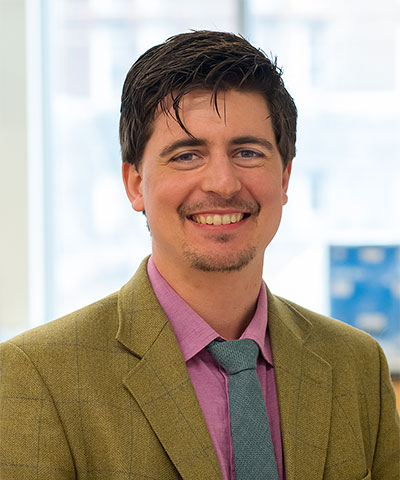
Piotr BruździakView profile
Associate Professor
Piotr Bruździak is an Associate Professor at the Department of Physical Chemistry, Faculty of Chemistry, Gdańsk University of Technology. His research primarily focuses on protein stability, hydration phenomena, and the role of osmolytes in biological systems. He has established himself as a prominent researcher in the field of spectroscopic and computational analysis of biomolecular interactions. His research interests span across multiple disciplines including protein science, physical chemistry, and biophysics. Dr. Bruździak specializes in using FTIR spectroscopy combined with computational methods like DFT calculations to investigate the hydration spheres of proteins and peptides. His work particularly examines how osmolytes like TMAO, urea, glycine betaine, and ectoine influence protein stability and water structure. These studies have significant implications for understanding protein folding, aggregation, and potential applications in combating neurodegenerative diseases. Analysis of Dr. Bruździak's recent publications reveals a consistent focus on the molecular mechanisms of protein stabilization and destabilization. His research utilizes advanced spectroscopic techniques coupled with computational modeling to probe hydration phenomena at the molecular level. The interdisciplinary nature of his work bridges physical chemistry, biochemistry, and biophysics, with applications ranging from fundamental protein science to potential medical applications. Nagroda indywidualna II stopnia za uzyskanie stopnia naukowego doktora habilitowanego w 2019 r. (2020) Nagroda indywidualna III stopnia za osiągnięcia w zakresie działalności badawczo-rozwojowej w 2018 r. (2019) Nagroda zespołowa II stopnia za wyróżniającą działalność dydaktyczną w 2013 roku (2014) Dr. Bruździak has been actively involved in teaching activities (63 teaching items listed) and has supervised numerous students. His research has led to the development of innovative methods like VaporFit software for atmospheric correction of FTIR spectra. His collaborative work spans multiple institutions and disciplines, demonstrating his significant contribution to the scientific community through both experimental and computational approaches to understanding biomolecular interactions.