Dr. John Rohde is an Associate Professor in the Department of Microbiology & Immunology at Dalhousie University's Faculty of Medicine. His research focuses on understanding mechanisms of bacterial pathogenesis, particularly how Shigella spp. exploits host cell systems. He holds a PhD in Biochemistry from the University of British Columbia and completed postdoctoral training at Duke University, Institut Pasteur, and Mount Sinai Hospital's Samuel Lunenfeld Research Institute. His lab develops genetic tools to study bacterial virulence at systems levels. Education: BS/MS in Bacteriology (University of Idaho), PhD in Biochemistry (UBC) Research Interests: Shigella pathogenesis, ubiquitin ligases, type III secretion systems Recent work includes studies on Shigella's manipulation of host actin via RACK1 and the role of ubiquitin in pathogen survival. He collaborates internationally on projects combining proteomics and immunology to uncover antimicrobial defense mechanisms.
Jan C.M. van Hest is a Full Professor at Eindhoven University of Technology (TU/e), holding positions in the Department of Chemical Engineering and Chemistry and the Institute for Complex Molecular Systems (ICMS) . He leads research at the intersection of polymer chemistry and biomedicine, focusing on bio-inspired materials, nanomedicine, and artificial cells. His work includes developing synthetic vaccines, drug delivery systems, and adaptive nano/microcompartments mimicking cellular functions. Academic Background : Ph.D. in macro-organic chemistry from TU/e (1996), postdoc at the University of Massachusetts (protein engineering), and industry roles at DSM (1997–2000). Since 2016, he has held the Bio-organic Chemistry chair at TU/e, supervising over 30 PhD students and co-founding startups like Encapson and Noviosense. Research Highlights : His research spans nanomedicine (e.g., polymersomes for cancer treatment) and artificial cells (e.g., synthetic organelles). Recent work includes therapeutic nanovaccines and self-propelled platinum-loaded stomatocytes. His publications span Nature Nanotechnology , Nature Chemistry , and Angewandte Chemie . Awards & Collaborations : Recipient of the ERC Advanced Grant (2015) and NWO Gravitation Grant (2013). Partnerships with GSK, Zoetis, and industry initiatives like the TKI-LSH EUREKA project. Engages in education through courses like Biochemistry and Introduction to Chemistry & Chemical Technology. Labs & Teams : Core member of ICMS, leading interdisciplinary projects in functional molecular systems. Active in training the next generation of researchers through postgraduate programs like ICMS PTN.
Guillaume Chanfreau is a Professor in the Department of Chemistry and Biochemistry within the College of Letters and Science at the University of California Los Angeles (UCLA). His research focuses on fundamental mechanisms of RNA metabolism, with particular emphasis on RNA splicing, decay pathways, and ribonuclease functions. His work spans molecular biology, biochemistry, and genetics, utilizing yeast as a primary model organism to investigate conserved RNA processing mechanisms. Professor Chanfreau's research interests center on understanding how RNA processing pathways regulate gene expression. His work examines transcription termination, RNA splicing fidelity, RNA decay mechanisms, and the role of ribonucleases in cellular RNA homeostasis. He investigates how these processes are interconnected and how they respond to cellular stress conditions. His laboratory has made significant contributions to understanding how RNA quality control mechanisms prevent the accumulation of aberrant transcripts and maintain cellular health. Analysis of Chanfreau's recent publications (2020-2025) reveals a strong focus on RNA splicing mechanisms, RNA decay pathways, and ribonuclease functions. His work frequently employs yeast genetics combined with advanced RNA sequencing techniques. A notable trend is the increasing use of long-read sequencing technologies to analyze RNA isoforms and decay intermediates. His research consistently bridges fundamental molecular mechanisms with potential implications for understanding human diseases related to RNA processing defects. Professor Chanfreau has been continuously funded by the National Institutes of Health, with his current grant R35GM130370 (2019-2023) titled 'The Control of Gene Expression by Eukaryotic Ribonucleases' and previous long-term funding through R01GM061518 (2000-2019). His research program has supported numerous graduate students and postdoctoral researchers who have contributed to his extensive publication record spanning over two decades.
Dr. Joe F. Lutkenhaus is a University Distinguished Professor and Chair of the Department of Microbiology, Molecular Genetics and Immunology at the University of Kansas School of Medicine. A member of the American Academy of Microbiology (2002) and the National Academy of Sciences (2014), he has received prestigious accolades including the Louisa Gross Horwitz Prize (2012) and an NIH Merit Award. BSc, Chemistry, Iowa State University PhD, Biochemistry, UCLA Postdoctoral Fellowship, Molecular Biology, University of Edinburgh Postdoctoral Fellowship, Microbiology, University of Connecticut His research focuses on bacterial cytokinesis, particularly the molecular mechanisms of the Z ring and divisome complex in Escherichia coli . Key areas include spatial/temporal regulation of septation, protein interactions (FtsZ, FtsA, FtsEX), and the evolution of cell division machinery across prokaryotes. Recent work explores photosynthesis-related proteins in haloarchaeal division and the self-enhancing nature of divisomes in Caulobacter crescentus . Scientific contributions span over 40 years, with 15 most recent publications highlighting regulatory mechanisms of FtsZ polymers, ATP-dependent divisome assembly, and novel protein interactions. Articles demonstrate expertise in bacterial cell cycle regulation, peptidoglycan synthesis, and cytoskeletal dynamics. Recipient, Louisa Gross Horwitz Prize (2012) NIH Merit Award Member, National Academy of Sciences (2014–Present) Member, American Academy of Microbiology (2002–Present) Dr. Lutkenhaus's lab has contributed to understanding Z ring kinetics, FtsEX-FtsA interactions, and Min system oscillation. His work bridges fundamental bacterial biology with implications for antibiotic development, supported by continuous NIH funding and collaborations across structural biology and genetics.
Dr. Paul Reynolds is a Lecturer in the Cellular Medicine Division within the School of Medicine at the University of St Andrews. He is affiliated with the Sir James Mackenzie Institute for Early Diagnosis, Centre for Biophotonics, and Biomedical Sciences Research Complex. His research focuses on systems pathology and cancer, with particular emphasis on molecular changes driving disease processes. Dr. Reynolds' research interests span two primary areas: stromal factors in cancer resistance and factors in placental invasion. His work explores how the tumor microenvironment influences cancer progression and therapy resistance, with specific focus on a novel type I membrane protein expressed on stromal fibroblasts. He also investigates similar invasion mechanisms in placental development, examining how trophoblast cells interact with maternal immune cells during pregnancy. His research employs biochemistry, molecular biology, and cell biology approaches to understand disease mechanisms. His publication record shows strong focus on kidney disease mechanisms, particularly podocyte function in health and disease, as well as cancer resistance mechanisms in renal cell carcinoma. Recent work has utilized CRISPR/Cas9 screening approaches to identify factors modulating drug sensitivity. His research demonstrates interdisciplinary connections between cancer biology and reproductive biology through shared invasion mechanisms. Dr. Reynolds actively supervises postgraduate research students, with several thesis projects completed under his supervision. He serves as an external examiner for PhD students at the University of Dundee and holds editorial positions with journals including Frontiers in Physiology and Cancers. His work contributes to UN Sustainable Development Goals related to health and wellbeing, particularly through research on cancer diagnostics and treatment resistance. Dr. Reynolds maintains active research collaborations as evidenced by his extensive publication record and research projects funded by organizations including the Wellcome Trust.
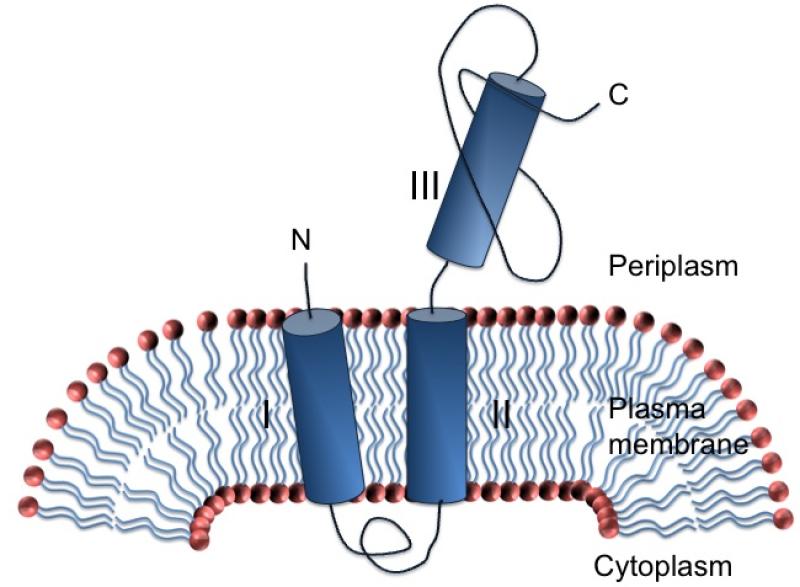
Dr. Ross Dalbey is a Full Professor in the Department of Chemistry and Biochemistry at The Ohio State University, affiliated with the College of Arts and Sciences. He holds a B.S. in Chemistry from the University of Washington (1978) and a Ph.D. in Biochemistry from Washington State University (1983). Postdoctoral training included work with Prof. William Wickner at UCLA. His research focuses on membrane protein assembly and proteases, particularly the YidC protein's role in membrane insertion and folding. Key areas include biophysical mechanisms of protein insertion, signal peptidase function, and mitochondrial membrane systems. He has held NIH and AAAS fellowships, and his lab has been funded by NIH and NSF for over three decades. His students hold academic and industry positions at institutions like NIH, MIT, and pharmaceutical companies such as Eli Lilly. Education: B.S., Chemistry, University of Washington, 1978 Ph.D., Biochemistry, Washington State University, 1983 Awards: American Cancer Society Junior Faculty Award (1989–1992) Elected Fellow of the American Association for the Advancement of Science (AAAS) Professional Memberships: American Chemical Society Federation of American Societies for Experimental Biology American Society of Microbiology Sigma Xi Phi Kappa Phi His lab investigates how proteins are inserted into membranes and folded, with emphasis on the YidC/Oxa1 family of insertases. Recent work explores YidC's substrate specificity, dimeric structure, and interactions with the Sec translocon. Studies on proteases like signal peptidase reveal their roles in membrane-associated peptide cleavage. Collaborations include structural biology with Prof. Horst Vogel in Switzerland and functional analyses with Prof. White at Ohio State. Research highlights include defining YidC's role in multispan membrane protein integration and uncovering evolutionary conservation across bacterial, archaeal, and eukaryotic systems. The lab's findings contribute to understanding mitochondrial protein insertion pathways and drug design targeting membrane-associated enzymes.
Jian Hu is a Professor at Michigan State University (MSU) in the Department of Biochemistry & Molecular Biology, with joint appointments in the Department of Chemistry and the BioMolecular Science Gateway. His research integrates structural biology, biochemistry, and biophysics to investigate macromolecular mechanisms in biology and biomedicine, focusing on bio-metal utilization and homeostasis. Ph.D., Peking University, 2004 B.S., Beijing Medical University, 1999 Associate Research Scientist, Yale University (2008–2013) Postdoctoral Research Associate, Florida State University (2005–2007) The Hu lab targets three major projects: (1) ZIP metal transporters, exploring alternating access mechanisms and substrate specificity; (2) Lar proteins, analyzing Ni-pincer cofactor biosynthesis and catalytic mechanisms; and (3) PIPK lipid kinases, studying membrane sensing and inhibitor development. Collaborations with Dr. Robert P. Hausinger and Dr. Xuefei Huang advance drug discovery and structural elucidation. Recent publications highlight interdisciplinary work, blending plant biology (phenylalanine metabolism, peroxisome dynamics) with computational methods (watermarking algorithms, signal processing). His collaborations extend to engineering and medicine, emphasizing functional characterization of proteins and drug target validation. Scientific Awards: Invited State-of-the-Art Review, FEBS Journal 2021 Current courses include BMB 829: Special Problems in Macromolecular Analysis & Synthesis and CEM 999: Doctoral Dissertation Research . The lab employs X-ray crystallography, cryo-EM, NMR, and biochemistry to resolve atomic-level structures and functions of critical macromolecules, including ZIP4 and PIP5Kγ.
Rachel Bailey is a researcher at UT Southwestern with a focus on developing gene therapies for neurological disorders. She holds dual bachelor's degrees in Biology/Bioinformatics and Molecular Biology from Rensselaer Polytechnic Institute, a Ph.D. in Neuroscience from the University of Florida, and completed postdoctoral research at the University of North Carolina Chapel Hill. Education : Dual B.S. from Rensselaer Polytechnic Institute, Ph.D. in Neuroscience Her research spans gene therapy for monogenic and complex neurodegenerative diseases, including SLC13A5 epileptic encephalopathy , Giant Axonal Neuropathy , and tauopathies like Alzheimer’s disease. She employs AAV vector engineering for gene replacement and silencing, with expertise in preclinical development and IND-enabling studies . Recent publications highlight her work on tau protein phosphorylation in Parkinson’s disease, AAV9 gene therapy for GAN, and autonomic dysfunction in neurodegenerative models. Key collaboration networks include institutions like the NIH and Mayo Clinic.
Linda Sandblad is Associate Professor at the Department of Chemistry, Umeå University, and Research Fellow at Molecular Infection Medicine Sweden (MIMS). She directs the Umeå Centre for Electron Microscopy and leads research into cytoskeletal organization using advanced imaging techniques. Her research investigates: FilP protein dynamics in Streptomyces coelicolor bacterial model Keratin filament assembly in epithelial tissues Microtubule dynamics and associated protein functions Advanced electron microscopy method development Recent publications demonstrate applications of cryoelectron tomography, fluorescence imaging, and structural analysis across bacterial and eukaryotic systems, with particular focus on membrane proteins, cellular division mechanisms, and host-pathogen interactions. She received the Bo and Barbro Hammarström Prize for outstanding contributions to research infrastructure development.
Yiming Li is an Associate Professor in the Department of Biomedical Engineering at Southern University of Science and Technology's School of of Engineering. His research focuses on cutting-edge 3D super-resolution imaging techniques and their biological applications, with expertise spanning optical instrumentation, theoretical optics, and advanced imaging algorithms developed during his postdoctoral work at EMBL and Yale University. Education: Ph.D. in Biophysics, Karlsruhe Institute of Technology (2010-2015) M.Sc. in Medical Physics, Heidelberg University (2009-2010) B.Eng. in Biomedical Engineering, Shanghai Jiao Tong University (2005-2009) Research Interests: Dr. Li specializes in developing advanced 3D super-resolution microscopy techniques with particular expertise in single-molecule localization microscopy , point spread function engineering , and real-time 3D imaging systems. His work bridges optical physics and biological applications, enabling nanoscale observation of cellular processes. His software earned first place in the SMLM Challenge 2016, the field's most prestigious software contest. Publication Trends: Dr. Li's research shows a clear progression from fundamental algorithm development to comprehensive imaging system design, with increasing emphasis on real-time 3D applications. His publications in Nature Methods, Nature Communications, and other high-impact journals demonstrate consistent innovation in super-resolution microscopy, particularly in point spread function calibration, aberration correction, and biological applications at the nanoscale level. Scientific Awards: National Overseas High-level Talents (Youth Program) (2020) Shenzhen Overseas High-level Talents Category B EMBL-EIPOD Marie Curie Postdoc Fellowship (2016-2019) Karlsruhe School of Optics and Photonics Fellowship (2010-2013) International Symposium on Biomedical Imaging Travel Grant (2013) Professional Activities: As a PhD supervisor at SUSTech, Dr. Li mentors graduate students in biomedical engineering. He serves as a reviewer for top journals including Nature Methods, Light: Science & Applications, and Optics Letters. His laboratory maintains active international collaborations with EMBL, Yale University, Oxford University, and Cambridge University, facilitating cross-institutional research in advanced imaging techniques. Research Laboratory: Dr. Li leads an active research group focused on next-generation imaging technologies, operating under the website https://li-lab-sustech.github.io/ . His laboratory combines theoretical optics, software development, and biological applications to push the boundaries of what's possible in optical microscopy for cellular and subcellular observation.
Christopher J. Lengner is the Harriet Ellison Woodward Professor and Chair of the Department of Biomedical Sciences at the University of Pennsylvania School of Veterinary Medicine. He is a member of the Institute for Regenerative Medicine, NIH P30 Center for Molecular Studies in Digestive and Liver Diseases, and Abramson Cancer Center, with roles in training and research leadership. Education : PhD in Cell and Molecular Biology from the University of Massachusetts Medical School (2004). His research focuses on molecular mechanisms governing stem cell potency and their dysregulation in diseases like cancer and regenerative failure. Using genetic, genomic, and single-cell approaches in murine and human systems, his lab has uncovered novel pathways in intestinal stem cell hierarchy, cancer ontogeny, and therapeutic targeting. Recent publications highlight work in colorectal cancer metastasis (PI3K/AKT, NOTUM inhibition), intestinal regeneration (mTORC1, FLASH radiotherapy), and tumor microenvironment dynamics. Collaborations span human induced pluripotent cells and patient samples. Scientific Awards : Ruth L. Kirschstein Postdoctoral Fellowship He mentors graduate students (Ryan Cedeno, Maryam Yousefi) and leads the Center for Animal Transgenesis. His lab’s integrative studies bridge basic science to translational applications in oncology and regenerative medicine.
Michael Mak is an Associate Professor in the Department of Pharmacological Sciences at the Renaissance School of Medicine, Stony Brook University, where his research investigates the critical role of mechanical and biophysical signals in tissue organization, disease progression, and regenerative medicine applications. His primary research interests include: Mechanobiology and cellular mechanosensing of multifactorial signals Synthesis of physiologically realistic extracellular matrix material states Biofabrication and bioprinting of functional tissue/organ systems Disease modeling in cancer metastasis, fibrosis, and organ development Dr. Mak employs interdisciplinary methodologies integrating tissue engineering, biophysics, materials science, microfluidics, and quantitative microscopy to develop engineered tumor models and organoids. His work bridges fundamental mechanobiological insights with therapeutic applications in regenerative medicine and drug discovery. As principal investigator of the Mak Research Lab, he mentors graduate students and postdoctoral researchers in advanced biomaterial design and mechanotransduction studies, fostering innovation at the engineering-biology interface. The laboratory maintains specialized facilities for 3D bioprinting, mechanobiology experimentation, and computational modeling, with current projects focused on user-designable tissue systems for personalized disease modeling and regenerative therapies.
Katrina Choe serves as Assistant Professor in the Department of Psychology, Neuroscience & Behaviour at McMaster University and holds a Tier 2 Canada Research Chair in Neurobiology of Social Behaviour. Her research program investigates the multi-level neurobiological mechanisms underlying psychiatric disorders, with primary focus on autism spectrum disorders (ASD) and oxytocin signaling pathways. Her academic training includes: PhD in Neuroscience from McGill University (2013) Honours BSc in Zoology from University of Toronto (2002-2006) Postdoctoral Fellowship at UCLA (2013-2020) Dr. Choe's research employs an integrative approach spanning molecular, cellular, circuit, and network levels to examine how ASD-associated gene mutations disrupt social behavior. Current work centers on oxytocin signaling mechanisms in ASD, convergent neurobiological pathways across psychiatric disorders, and the role of glial cells in neural circuit function. Her lab utilizes advanced techniques including optogenetic fMRI, single-cell RNA sequencing, and multi-level behavioral assays in genetic mouse models. Analysis of her 15 most recent publications reveals a clear research trajectory: early work (2015-2020) established foundational knowledge in vasopressin neuron regulation and salt homeostasis, while recent publications (2022-2025) demonstrate a focused shift toward ASD mechanisms, oxytocin signaling, and social circuit dysfunction using the Cntnap2 knockout model. This evolution reflects her transition from postdoctoral training to independent research leadership. Her scientific recognition includes: Tier 2 Canada Research Chair in Neurobiology of Social Behaviour (2022) NIMH K99/R00 Award CIHR Postdoctoral Fellowship Dr. Choe actively mentors six graduate students across PhD and MSc programs while leading a dynamic research team comprising postdoctoral fellows, laboratory technicians, and undergraduate researchers. Her program receives substantial support from major grants including a 5-year CIHR Project Grant and NSERC Discovery Grant focused on 'The role of CASPR2 in central oxytocin system development.' The Choe Lab maintains active collaborations with leading neuroscience groups including the Bourque, Prager-Khoutorsky, and Cunningham labs, as evidenced by participation in the 4th 1000 Islands/Gananoque Meeting on Hypothalamic Mechanisms. Her laboratory, established in 2020, operates as a multidisciplinary hub utilizing molecular biology (qPCR, RNA-seq), advanced imaging (lightsheet, confocal), electrophysiology (in vitro and in vivo), and behavioral neuroscience approaches to investigate social behavior mechanisms. Current projects examine microglia-astrocyte-neuron interactions in social circuit function and the therapeutic potential of oxytocin for ASD-related social deficits.
Lisa Westerberg is a Professor of Experimental Immunology at Karolinska Institutet's Department of Microbiology, Tumor and Cell Biology. Her research focuses on understanding how defects in actin cytoskeleton regulation lead to immunodeficiencies, autoimmunity, and hematological malignancies. She leads a team studying primary immunodeficiency diseases such as Wiskott-Aldrich Syndrome (WAS) and X-linked neutropenia (XLN), investigating molecular mechanisms underlying immune cell dysfunction. Education: PhD in Cell and Molecular Biology (Karolinska Institutet, 2003), postdoctoral training at Harvard Medical School (2009). Appointed Professor in 2024 after prior roles as Associate Professor (2013) and Assistant Professor (2009). Research interests include nuclear actin regulation in immune cells, clonal evolution in pediatric lymphomas, and space-induced immune changes. Her lab combines molecular biology, microscopy, and in vivo models to develop therapies targeting actin regulators. Awards: Ragnar Söderberg Fellowship, ERC Starting Grant (2019), Swedish Research Council grants. Collaborates internationally on space immunology via ESA experiments. Supervises PhD students in B cell biology and immune signaling. Labs/Teams: Immunodeficiency Diseases Group at MTC, WASPSTINGS network coordinator. Active in translational research bridging primary immunodeficiencies and cancer therapy.
Julian Guttman is a Professor in the Department of Biological Sciences at Simon Fraser University (SFU), specializing in Cellular Microbiology. He serves as Editor-in-Chief of the journal Cytoskeleton . His research focuses on bacterial infections' molecular mechanisms, particularly how pathogens like Listeria monocytogenes , E. coli , and Salmonella manipulate host cell cytoskeletons (actin, microtubules) to invade, spread, and cause disease. Key areas include actin-based motility, pathogen-induced membrane protrusions, and therapeutic development. His lab actively recruits undergraduate, graduate students, and postdoctoral fellows. Education: BSc (University of Western Ontario), MSc and PhD (University of British Columbia). He has published extensively on host-pathogen interactions, with recent work on Listeria's caveolin-mediated spreading, KATNAL1-driven microtubule disassembly by Klebsiella, and cyclophilin A's role in Salmonella invasion. His work bridges microbiology, cell biology, and structural biology to combat infectious diseases.