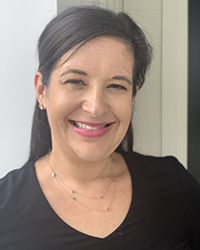
Théo Blanc is a PhD researcher at the Centre for Hydrogeology and Geothermics (CHYN) within the Faculty of Science at the University of Neuchâtel. He concurrently serves as a visiting scientist at the Environmental Isotopes Group of eawag (Dübendorf). His research focuses on surface water-groundwater interactions, hydrogeological tracers, and riverbed clogging dynamics. Blanc holds a Bachelor's degree in Earth Sciences from ETH Zurich (2015–2018) and a Master's in Hydrogeology and Geothermal Energy from the University of Neuchâtel (2019–2022). His work integrates experimental approaches such as in-situ column experiments and novel gas tracer technologies (e.g., helium and dissolved gases) with advanced numerical modeling. Key contributions include development of silicone membrane-based gas tracer systems and microbial cytometry techniques for subsurface flow analysis. Recent studies have explored the impacts of river engineering projects on hydrological systems and flood dynamics using portable spectrometry tools like miniRUEDI. Blanc teaches as a course assistant in the General Geology (Bachelor) and Geological Modeling (Master) programs. His research outputs emphasize tracer-based methodologies and their application in understanding complex hydrological processes. He actively collaborates with the Hydrogeological Processes Group and the Environmental Isotopes Group, focusing on advancing field instrumentation and model-data integration techniques.
Tim R. Mosmann is a Professor and Director of the Human Immunology Center at the University of Rochester, leading the David H. Smith Center for Vaccine Biology and Immunology. He holds the Michael and Angela Pichichero Director's Endowed Chair. His academic journey includes B.S. degrees in Chemistry, Physiology, and Microbiology from the University of Natal and Rhodes University in South Africa, followed by a Ph.D. in Microbiology from the University of British Columbia. After postdoctoral training at the University of Toronto and Glasgow University, he held academic positions at the University of Alberta before joining the University of Rochester in 1998. Dr. Mosmann is renowned for discovering the Th1/Th2 T cell subsets, a pivotal contribution to understanding immune regulation and vaccine design. His research focuses on cytokine networks, T cell differentiation, and immune responses to infections and vaccines. He has authored over 250 publications and holds patents on technologies for immune response detection, including arrayed sensor systems for influenza and HPV immunity analysis. His awards include the Novartis Prize for Basic Immunology, multiple Pillars of Immunology recognitions, and election to the Royal Society of Canada. His work bridges immunology, vaccinology, and clinical translation, emphasizing the role of T cell subsets in health and disease. Collaborations span academia and industry, advancing methodologies in flow cytometry and automated data analysis.
Morten Brun is an Associate Professor at the Department of Mathematics, University of Bergen. His research spans computational topology, persistent homology, and applications in biology and data science. Email: morten.brun@uib.no Research Interests: He specializes in topological data analysis, focusing on sparse nerves, relative persistent homology, and computational geometry. His work applies topological methods to biological problems, including drug resistance modeling in tuberculosis and immune profiling in multiple sclerosis. Recent Publications: His 2025 work includes hypercubic modeling of tuberculosis drug resistance and high-dimensional immune profiling post-stem cell transplantation. Earlier articles explore computational topology techniques (2017-2024) and interdisciplinary applications in toxicology and systems biology.
Lisa M. Coussens, PhD, is Chairwoman of the Department of Cell, Developmental & Cancer Biology and Interim Director of the Knight Cancer Institute at Oregon Health & Science University (OHSU), where she holds the Hildegard Lamfrom Endowed Chair in Basic Science. Her research program investigates immune cell functions in solid tumor development, with emphasis on how leukocytes influence cancer progression and therapeutic responses. Using preclinical models of mesothelioma, breast, pancreatic, and head/neck cancers, her lab identifies immunotherapy targets that have advanced to clinical trials for metastatic cancers. Education B.A., San Francisco State University, 1980 Ph.D., University of California, 1993 Postdoctoral Fellowship, University of California San Francisco (Douglas Hanahan Lab) Research Focus Dr. Coussens leads a translational research program examining how immune cells regulate tumor development and therapy responses. Her work integrates molecular oncology, immunology, and preclinical modeling to identify: 1) Immune pathways co-opted by developing tumors, 2) Mechanisms of leukocyte-mediated therapy resistance, and 3) Biomarkers for immunotherapy response. Current work emphasizes spatial analysis of tumor-immune interactions using multiplexed imaging and computational approaches. Her recent publications reflect strong emphasis on tumor microenvironment dynamics, immunotherapy mechanisms, and translational applications in pancreatic, breast, and head/neck cancers. Studies frequently incorporate spatial biology techniques, clinical correlation analyses, and novel therapeutic combinations targeting immune pathways. Honors & Awards National Academy of Sciences Member (2023) National Academy of Medicine Member (2024) AACR President (2022-2023) Susan G. Komen Brinker Award (2018) Fellow of AACR Academy (2019) Fellow of AAAS (2018) Rosalind E. Franklin Award, NCI (2015) Honorary Doctorate, University of Buenos Aires (2018) Princess Takamatsu Memorial Lectureship (2018) European Academy of Tumor Immunology Career Award (2018) Gertrude B. Elion Award (2001) Charlotte Friend Lectureship (2012) Margaret L. Kripke Legend Award (2023) Johns Hopkins Heroine of Public Health (2024) Fellow of Academy of ImmunoOncology (2022) Dr. Coussens directs translational research programs at OHSU's Knight Cancer Institute and leads multidisciplinary collaborations investigating tumor-immune crosstalk. Her laboratory develops innovative preclinical platforms for evaluating combination immunotherapies.
Konstantinos Kalpakis is an Associate Professor in the Department of Computer Science and Electrical Engineering at the University of Maryland, Baltimore County (UMBC). He holds a Ph.D. in Computer Science from UMBC (1994), an M.S. in Computer Science from UMBC (1992), and a B.S. in Computer Engineering and Informatics from the University of Patras, Greece (1989). His research focuses on wireless sensor networks, query processing in distributed systems, machine learning for time series and rare events, and multilinear data analysis. Recent work includes rare cell detection in flow cytometry video data, outcome forecasting from vital signs time series, and tensor analysis for knowledge graph completion. He is a Senior Member of the IEEE Computer Society. No specific articles or awards are listed in the provided text. His professional activities and advising details are not explicitly detailed here.
Prof. Daniel Hunkeler is a Full Professor of Hydrochemistry and Contaminants at the University of Neuchâtel's Faculty of Science, leading the Laboratory of Hydrochemistry and Contaminants within the Centre for Hydrogeology and Geothermics. He holds a PhD from ETH Zurich and completed postdoctoral research at the University of Waterloo, Canada. His research focuses on chemical and microbial behavior in aquifers, employing advanced analytical techniques like compound-specific isotope analysis and tracing methods. Key areas include pesticide metabolite transport, PFAS fate, and interactions between hydrological and biogeochemical processes in drained organic soils. Recent projects investigate: Pesticide metabolite persistence in soil-groundwater systems PFAS migration from soil to groundwater Nitrate leaching dynamics in agricultural settings Microbial activity at river-aquifer interfaces Teaching responsibilities include courses in hydrogeochemistry, contaminant hydrogeology, and tracer applications at both bachelor's and master's levels. He directs the University of Neuchâtel's 20-year-old continuing education program on contaminated site management and advises governmental agencies on groundwater policy. Professional roles include vice-directorship of the Swiss Society for Hydrogeology and membership in water quality commissions. Research outputs emphasize interdisciplinary approaches, combining field monitoring with modeling to address water quality challenges. Publications from 2023-2025 highlight innovations in noble gas tracers, microbial cytometric analysis, and climate change impacts on groundwater systems.
Dr. Ahmet Coskun is an Assistant Professor of Biomedical Engineering at Georgia Institute of Technology and Emory University, where he holds the Bernie-Marcus Early-Career Professorship. He directs the Single Cell Biotechnology and Spatial Omics Laboratory, an interdisciplinary program focused on multiparameter imaging of single cells within their spatial context. His work bridges the fields of bioengineering, computational biology, and systems biology to address fundamental challenges in cancers, immunology, and pediatric diseases. Dr. Coskun received his PhD from the University of California, Los Angeles (UCLA) working with Aydogan Ozcan. He completed postdoctoral training at the California Institute of Technology with Long Cai and served as an Instructor at Stanford University with Garry Nolan. His educational background has provided him with a strong foundation in both engineering principles and biological systems. Dr. Coskun's research lies at the nexus of multiplex bioimaging, microfluidic biodynamics, and big data biocomputation. His laboratory pursues three main research thrusts: spatial genomics (using seqFISH and correlation FISH methods), spatial proteomics (using CODEX technology combined with super-resolution imaging), and spatial metabolomics (using computational and isotope barcoding approaches with MIBI). His team develops machine learning algorithms to analyze the resulting high-dimensional imaging datasets, creating image-based 'omic technologies to reveal the spatial nature of biological systems. Their work has significant implications for understanding therapeutic response variability and cellular organization in health and disease. NSF CAREER Award 2024 NIH R35 MIRA Award 2023 BMES-CMBE Rising Star Award 2023 American Lung Association Innovation Award 2022 Student Recognition of Excellence in Teaching: Class of 1934 CIOS Award NIH K25 Award Burroughs Wellcome Fund CASI Award Dr. Coskun leads an interdisciplinary research team comprising PhD students from Bioengineering, Electrical and Computer Engineering, Mechanical Engineering, and Biomedical Engineering programs. His lab has been supported by numerous federal and private grants, including funding from multiple NIH institutes (NIA, NIAID, NCI, NIDCR, OD, and ORIP), Wellcome LEAP, Burroughs Wellcome Fund, NSF CMaT, American Cancer Society IRG, Multi-cellular engineered living systems (M-CELS), and Regenerative Medicine Center. In addition to his research, Dr. Coskun leads outreach programs through BioCrowd Studio, which engages K12 and undergraduate students through interactive virtual media and distributed biokits. The Single Cell Biotechnology and Spatial Omics Laboratory is strategically positioned at the forefront of spatial biology research. The lab benefits from advanced technologies including super-resolution microscopy, imaging mass spectrometry, combinatorial molecular barcoding, and machine learning to enhance the information capacity of cellular data. The team's innovative approaches to spatial multi-omics profiling have positioned them as leaders in understanding cellular heterogeneity and organization within tissues.
Sabrina Pacor is an Associate Professor in Applied Biology (BIO/13) at the University of Trieste , where she teaches Pharmacology in the Pharmacy LM and STB BSc programs. With over 30 years of research experience in experimental oncology and host defense peptides, she has made significant contributions to studying antimicrobial peptides (AMPs) and their interactions with bacterial membranes. Her research focuses on: Direct antimicrobial activity of AMPs against Gram-positive and Gram-negative bacteria Indirect immunomodulatory effects of host defense peptides Development of drug delivery systems using nanomaterials (carbon nanotubes, gold nanoparticles) Mechanistic studies of ruthenium-based antimetastatic drugs She leads extensive cytofluorimetry research using flow cytometry platforms, particularly for evaluating: Cytotoxicity (necrosis/apoptosis, proliferation index) Modulation of host biological responses (chemotaxis, phagocytosis, ROS production) Peptide-bacterial membrane interactions through fluorescent labeling Her recent work demonstrates trends in: Proline-rich antimicrobial peptides against ESKAPE pathogens Hybrid antibiotic design (peptide-aminoglycoside conjugates) Structure-activity relationships in membranolytic peptides Evolutionary insights into defensin and cathelicidin families Prof. Pacor has co-authored over 100 peer-reviewed publications and actively mentors students, having supervised: 70 experimental/thesis reviews for Pharmacy/CTF Master's students 20 Bachelor's degree theses
Dr. Daniel Barker is a part-time Senior Lecturer in Medical Statistics at the School of Medicine and Public Health, University of Newcastle , and a concurrent part-time Senior Statistician at the Hunter Medical Research Institute's Data Sciences Division . With over 15 years of experience in health-related statistical research, he specializes in designing complex clinical trials and modeling longitudinal/correlated data . His collaborations span national and international institutions, applying his expertise to cancer, cardiovascular disease, indigenous health, nutrition, pharmaceuticals, respiratory medicine, and stroke . Education : PhD in Clinical Epidemiology and Medical Statistics (2018), GradDip in Medical Statistics (2012), BMath (2006) from the University of Newcastle. Research Interests : Daniel's current focus includes adaptive clinical trials —trials with pre-specified statistical rules to optimize resource use—and methodologies for stepped wedge cluster randomized trials . His work extends to health service delivery , pharmacological interventions , and epidemiological modeling in maternal/child health. Publication Trends : His articles span 2012–2025 , emphasizing biostatistics in clinical trials, particularly asthma during pregnancy , telestroke networks , and stepped wedge designs . Key subfields include neutrophilic inflammation , trial adaptations , and health equity in underserved populations. Scientific Awards : 2013 BCA Star Graduate 2016 J.B. Douglas Postgraduate Award 2013 Australian Postgraduate Award 2017 Highly Commended Teaching Award Teaching : Coordinated postgraduate courses including Biostatistics A/B , Clinical Trial Design , Bayesian Methods , and Regression Modelling at the University of Newcastle's Faculty of Health and Medicine. Collaborations : Frequent co-author with researchers in asthma (Peter Gibson, Jodie Simpson), stroke (Neil Spratt, John Attia), and public health (John Wiggers, Chris Paul), with cross-disciplinary work in nutrition , indigenous health , and addiction treatment .
Bri Jackson is a Lecturer in the Department of Foreign Language at Virginia Commonwealth University. While his formal academic role is in language education, his research focuses on advanced computational methods in pathology, including machine learning applications for cancer diagnosis, virtual immunohistochemistry, and digital pathology tools. His work spans histopathological analysis, immuno-oncology, and biomedical imaging. Jackson's research has led to the development of innovative algorithms for virtual diagnostic companion tools, foundation models for whole slide image analysis, and benchmarks for cervical cytology classification. His publications emphasize precision oncology, including biomarker multiplexing, molecular response prediction, and AI-driven histopathological interpretation. Key areas include non-small cell lung cancer, esophageal adenocarcinoma, and splenic involvement in pancreatic cancer prognosis. He has also explored educational challenges in pathology residency programs during the pandemic, viral epidemiology, and rare congenital disorders involving multiple organ systems. Jackson's work bridges computational biology with clinical diagnostics, though no scientific awards or student advisement details are mentioned in the available data.
Associate Professor Ellis Patrick is an applied statistician and bioinformatician affiliated with the University of Sydney's School of Mathematics and Statistics, the Westmead Institute for Medical Research, and the Sydney Precision Data Science Centre. His research focuses on developing bioinformatics tools to analyze high-dimensional biomedical data, with applications in disease treatment, precision medicine, and understanding molecular drivers of conditions like Alzheimer’s, MS, and cancer. He holds a PhD from the University of Sydney and postdoctoral experience at Harvard Medical School and The Broad Institute. Education: PhD in statistical bioinformatics from the University of Sydney. Postdoctoral training included joint appointments at Brigham and Women’s Hospital, Harvard Medical School, and The Broad Institute of MIT and Harvard. Research Interests: Specializes in statistical bioinformatics, spatial omics, and high-dimensional data analysis, with emphasis on translational research in infectious diseases, organ transplantation, cardiovascular disorders, neurodegeneration, and oncology. His work combines computational methods with clinical data to uncover disease mechanisms and improve therapeutic strategies. Grants & Collaborations: Recent grants include PrecisionGO (MRFF-funded), White matter lesion transcriptomics (National MS Society), and studies on coronary artery disease and graft failure prediction. Collaborates widely with medical researchers, leveraging interdisciplinary teams to tackle complex health challenges. Labs & Teams: Leads the Bioinformatics Cluster at the Sydney Precision Data Science Centre, integrating computational and experimental approaches to advance precision health initiatives.
Deborah Dunn-Walters is a Professor of Immunology and Associate Dean for Research and Innovation at the University of Surrey. She leads the Department of Biochemistry and Physiology within the School of Biosciences, Faculty of Health and Medical Sciences. Her research focuses on B cell development, immunosenescence, and antibody repertoire dynamics, with particular emphasis on responses to SARS-CoV-2 and other respiratory infections. Dunn-Walters pioneered tools like BRepertoire and sciCSR for analyzing immune repertoires using single-cell and computational methods. She chairs international B cell conferences and collaborates globally. Education includes a BSc (Hons I) and PhD, details unspecified. Her work integrates systems immunology approaches to understand age-related changes in humoral immunity, aiming to improve vaccine efficacy and combat pandemic threats. Awards include Fellowship of the Academy of Medical Sciences (2025). Research interests span regulatory B cells, metabolic regulation (e.g., thioredoxin’s role), tumor-infiltrating B lymphocytes, and antibody diversity in health/disease. She leads a lab developing novel methods for immune repertoire analysis, including web tools like VCAb for antibody structure exploration. Grants and advising are central to her role as Associate Dean, though specific grants aren’t listed. She oversees research innovation strategies and supports interdisciplinary collaborations. Her lab’s work has implications for cancer immunology, autoimmune disease, and infectious disease management.
Laura Ott is a Teaching Assistant Professor in the Department of Biology at the University of North Carolina at Chapel Hill. She holds a Ph.D. in Immunology from North Carolina State University (2010) and a B.S. in Microbiology from Michigan State University (2005). Her academic focus revolves around STEM education innovation, particularly in biology and microbiology pedagogy. Ott specializes in developing active learning strategies, tactile teaching tools, and scalable undergraduate research programs. She has contributed to curriculum design in courses like Human Anatomy & Physiology, Advanced Cell Biology, and metagenomics. Her work emphasizes accessibility for underrepresented groups, including deaf students in research settings. Her research outputs highlight contributions to educational frameworks such as classroom-based undergraduate research experiences (CUREs), inquiry-based microbiome activities, and role-based team learning. These initiatives aim to enhance student engagement, scientific literacy, and retention in STEM disciplines. Ott teaches a range of courses including Principles of Biology, Cell Function, and Undergraduate Research in Biology. She actively collaborates with colleagues on projects addressing educational equity and evidence-based teaching practices.
Lloyd G. Cantley, MD, is the C. N. H. Long Professor of Medicine in Nephrology and Professor of Cellular and Molecular Physiology at Yale School of Medicine. He serves as Vice Chair for Research and Co-Director of Education at the Yale Center for Clinical Investigation (YCCI). His primary appointments are in the Department of Internal Medicine (Nephrology) and the Department of Cellular & Molecular Physiology, and he is affiliated with numerous research programs including the Yale Cancer Center, Yale Stem Cell Center, and the Program in Translational Biomedicine (PTB). Research Interests: Dr. Cantley's laboratory investigates the fundamental mechanisms of renal tubule development, homeostasis, and repair following injury. His work focuses on epithelial cell adhesion, migration, and tubulogenesis, particularly in response to growth factors like Hepatocyte Growth Factor. A major emphasis is on understanding the role of MAPK and PI3-kinase signaling pathways in cell morphogenesis. His research has significantly advanced knowledge of the innate immune response in kidney injury, identifying distinct roles for macrophage subsets in promoting both tubular cell death and subsequent repair. His recent work has expanded to human acute and chronic kidney disease using advanced imaging techniques like Imaging Mass Cytometry. Research Trends: His recent publications (2022-2025) demonstrate a strong, consistent focus on translating basic mechanisms of kidney repair into human disease. There is a clear trend of integrating advanced technologies, particularly Imaging Mass Cytometry, to define cellular identities and interactions in human kidney biopsies from patients with AKI, CKD, and glomerulonephritis. His work bridges molecular biology, immunology, and clinical nephrology, with a recurring theme of identifying signaling pathways (like VCAM-1 and ADAMTS1) that could be therapeutic targets for preventing the progression from acute injury to chronic disease. Scientific Awards and Grants: No specific awards are listed in the provided text. His research is supported by major national organizations including the National Center for Advancing Translational Sciences (NCATS), the American Heart Association (AHA), the National Institute of Diabetes and Digestive and Kidney Diseases (NIDDK), and the Department of Defense (DoD). Advising and Leadership: Dr. Cantley leads the Cantley Lab, which is integrated into the Graduate Program in Cellular and Molecular Physiology and the Yale Combined Program in the Biological and Biomedical Sciences (BBS). He plays a key leadership role in academic medicine as Co-Director of Education at YCCI, indicating a significant commitment to training the next generation of clinical investigators. While specific student names are not listed, his lab's active publication record suggests he mentors graduate students, postdoctoral fellows, and clinical researchers. Laboratories and Teams: Dr. Cantley directs the Cantley Lab , which is a central hub for his research on kidney injury and repair. His work is highly collaborative, as evidenced by his frequent co-authorship with Yale colleagues like Gilbert Moeckel, Leyuan Xu, Dennis G. Moledina, and F. Perry Wilson. His lab is a key member of the Liver Center and the Nephrology Program at Yale, and his research is supported by institutional cores such as the Yale Center for Biomedical Data Science.
Amir A. Sadighi Akha, M.D., Ph.D., is a faculty member at the Mayo Clinic Department of Laboratory Medicine and Pathology. He holds a D.Phil in Immunology from the University of Oxford and an M.D. from the University of Tehran School of Medicine, with postdoctoral training in immunopathology at Johns Hopkins University School of Medicine. Education 1999: Fellow, Immunopathology & Pediatric Immunology, Johns Hopkins University 1996: D.Phil in Immunology, University of Oxford 1991: M.D., University of Tehran His research focuses on immunological mechanisms in aging, autoimmune disorders, and clinical cytometry for immunodeficiencies. Recent work includes: Development of diagnostic frameworks for primary immunodeficiencies Investigation of genetic variants in immune dysregulation Multiomics modeling for predictive biomarkers in infectious diseases Studies on cytokine signaling and mucosal immunity in mouse models Notable scientific awards include the 1991 Iranian Presidential Certificate of Appreciation for top graduate status and the 2004 Keble College Senior Common Room appointment. Professional Memberships Clinical Immunology Society (2025–present) Federation of Clinical Immunology Societies (2024–present) Association of Medical Laboratory Immunologists (2023–present) He contributes to Mayo Clinic's Centers of Excellence and pediatric clinical programs, with expertise in flow cytometry and anti-cytokine autoantibody analysis.