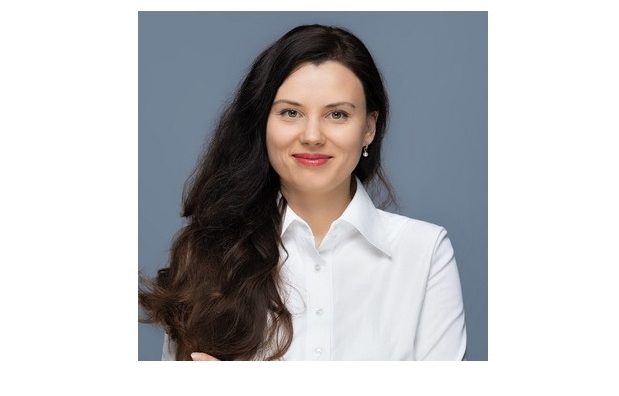
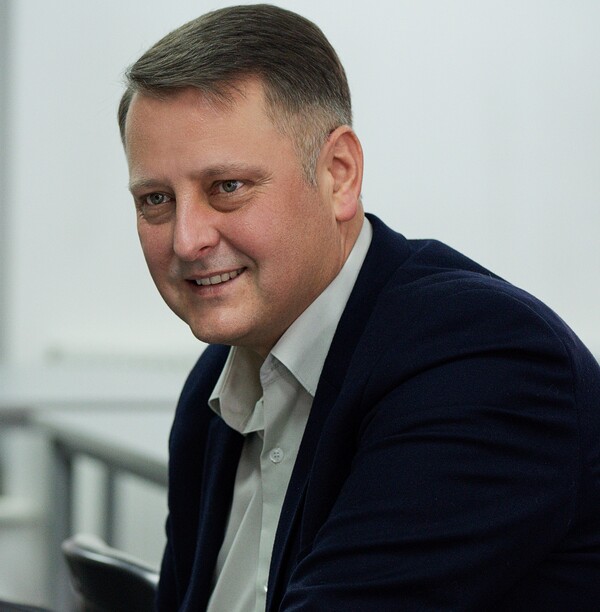
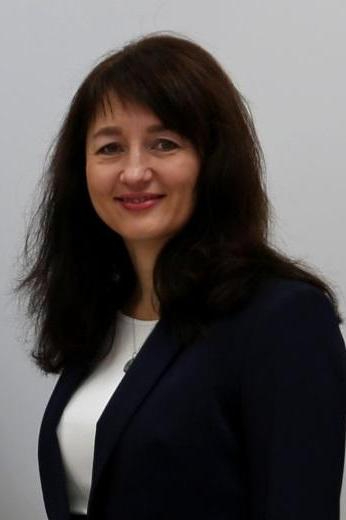
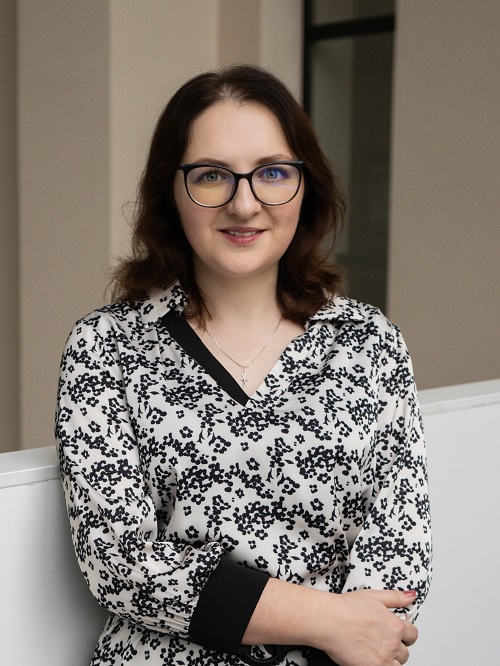
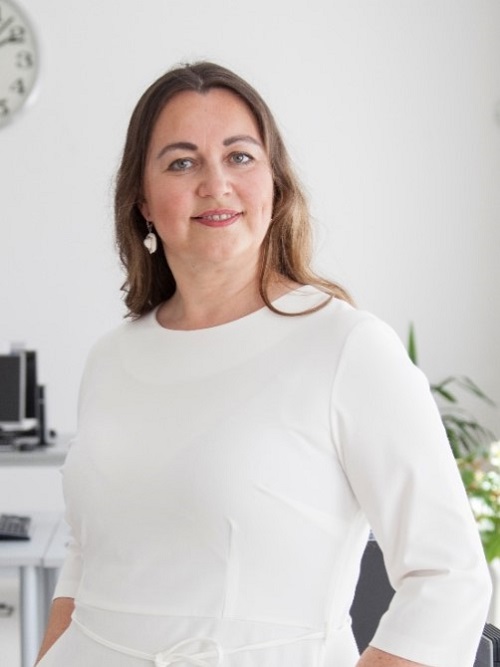
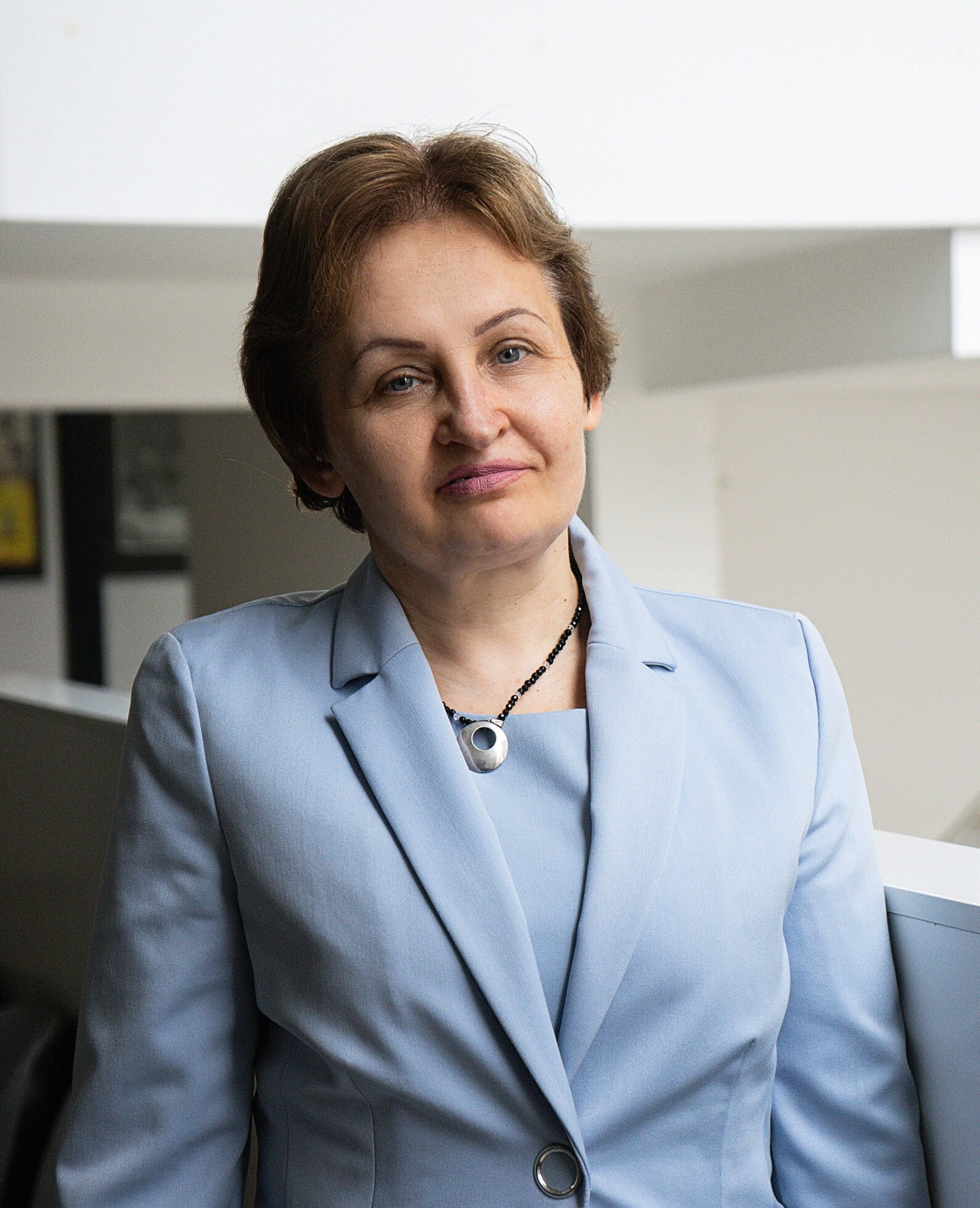
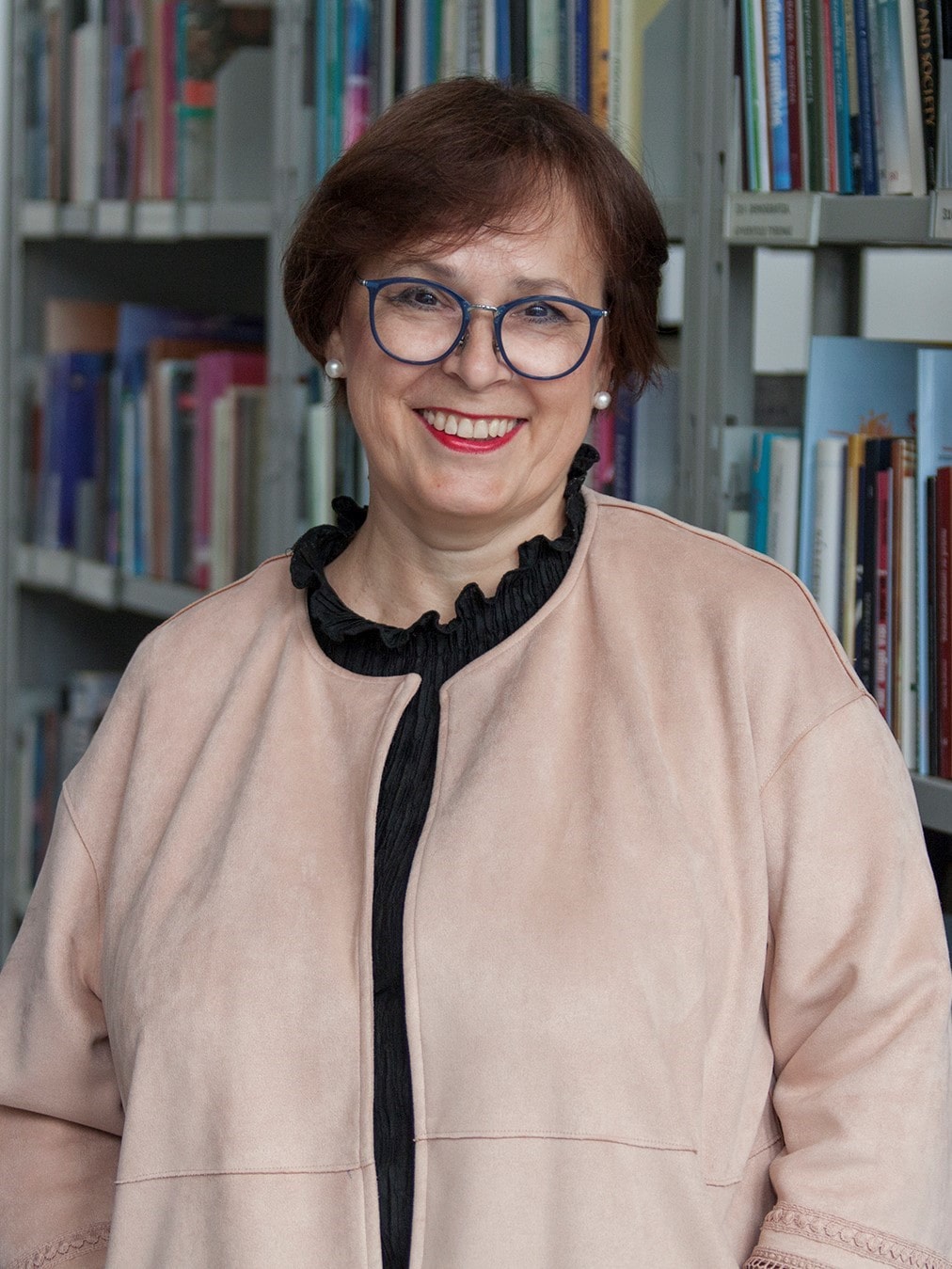
Katažyna Bogdzevič is a Professor at Mykolas Romeris University (MRU) Law School, specializing in Private International Law , European Law , Human Rights , and Environmental Law . She leads the MRU Human Rights LAB and contributes to the Environmental Management Research LAB, focusing on legal frameworks for ecosystem services, climate change mitigation, and stakeholder engagement. Key Research Themes: Integration of Private International Law with Environmental Law , analysis of legal conflicts in nature-based solutions, and name rights under international human rights conventions. Policy Engagement: Serves as advisor to Lithuania's Minister of Justice Ewelina Dobrowolska , emphasizing knowledge transfer to legislative and judicial practices. Email: roffice@mruni.eu
Renata Bilbokaitė is a Professor and Director of the Šiauliai Academy of Vilnius University, leading strategic initiatives in education and quality management. She holds academic appointments in the Institute of Education and oversees research in pedagogical practices, sustainable education, and STEAM integration. Bilbokaitė has extensive administrative experience, including roles as Vice-Rector and Director of Strategic Processes, and has managed EU-funded projects focusing on educational quality and international collaboration. Her work emphasizes teacher training, inclusive education, and policy reforms. She actively engages in media commentary on education challenges, teacher shortages, and youth well-being. Awards include recognition from the Lithuanian Parliament for contributions to education. Education: Music (2006), Master's in Education (2008), PhD in Social Sciences (2012), Master's in Economics (2019) Administrative Roles: Director of Vilnius University Šiauliai Academy (2020–present), Head of Quality Management (2013–2020) Key Projects: UNIQMAS (Quality Management), SOCNET (Joint Study Programs), HONOR (Public Sector Training) Research Interests: Strategic education management, STEAM pedagogy, music education, visualization in teaching, and policy-driven educational reforms. Her recent work addresses global competencies in leadership, sustainable teacher training, and crisis responses to pedagogical workforce shortages. Publications focus on educational leadership, global challenges in education, and inclusive practices. Media engagements often address national educational policy debates, emphasizing pragmatic solutions for systemic issues like teacher recruitment and youth development.
Prof. Dr. Valentina Dagienė serves as a Professor and Senior Researcher at the Educational Systems Group within the Institute of Data Science and Digital Technologies at Vilnius University, Lithuania. Her academic career spans several decades with significant contributions to informatics education globally, particularly through her leadership in the international Bebras contest initiative. Her research focuses on computational thinking education through constructionist learning approaches, with particular emphasis on task design that promotes deep conceptual understanding in K-12 settings. Prof. Dagienė has pioneered methods for integrating computational thinking into primary education curricula while addressing cultural differences in learning approaches. Her work bridges theoretical frameworks with practical classroom implementations, making complex informatics concepts accessible to young learners through engaging short tasks. Analysis of her recent publications reveals a clear progression toward interdisciplinary integration of computational thinking with STEAM education and digital competence frameworks. Her research increasingly addresses assessment methodologies for computational thinking skills and explores the connections between computational and algebraic thinking. The Bebras contest serves as both a research platform and practical implementation vehicle for her educational theories. Prof. Dagienė has established herself as a key figure in international informatics education through her editorial work, conference organization, and cross-national collaborations. She has fostered partnerships between educators and researchers across Europe and beyond, creating sustainable communities around computational thinking education. Her leadership in the Bebras International Contest has engaged millions of students worldwide in computational problem-solving activities. Through her work with the Educational Systems Group, Prof. Dagienė has developed comprehensive teacher training programs that support educators in implementing computational thinking concepts in diverse classroom settings. Her research on student approaches to problem-solving has informed the design of learning environments that accommodate different learning styles and cultural backgrounds.
Associate Professor Renata Šukaitytė holds a Doctorate in Humanities from Vytautas Magnus University (2008) and specializes in contemporary cinema studies, media culture, and political communication. She leads Vilnius University's Centre of Journalism and Media Research within the Faculty of Communication. Key research focuses include post-communist transformation in documentary cinema, transnational film narratives, and Baltic media industries. She has led over 10 research projects funded by national and EU programs, including the 2020 'Political Breakthrough on Screen' study. Her academic contributions include editing journals like Studies in Eastern European Cinema and organizing high-profile conferences such as the 2023 'Populism in National and Global Media'. She has published extensively on topics ranging from Šarūnas Bartas' film philosophy to digital documentary practices, with over 30 peer-reviewed articles and 5 edited volumes. Her work bridges cinematic analysis with sociopolitical critique, emphasizing visual storytelling's role in mediating historical and cultural narratives.
Remigijus Bubnys is a Professor and Chief Research Worker at Vilnius University Šiauliai Academy, Lithuania. He holds a PhD in Education Studies and has held academic positions at multiple institutions including Vilnius University and Kaunas University of Technology. His research focuses on higher education didactics, reflective learning, and organizational culture in educational settings. He has supervised the 'Teacher Education and Teaching Processes' research group and served as Deputy Chairman of the Academy's Council. Education includes: PhD in Social Sciences (Education Studies) from Šiauliai Academy (2005–2009), Master's in Primary School Teaching (1997–1999), and a Bachelor's in Psychology (2001–2005) from Vytautas Magnus University. Research emphasizes critical thinking development, teacher professional identity, and experiential learning methods. He has authored/co-authored over 50 publications since 2019, focusing on educational innovation, sustainable development through cooperative learning, and organizational dynamics in schools. His work bridges qualitative methodologies with practical applications in teacher training and institutional change. Professional activities include editorial roles for journals like Social Welfare: Interdisciplinary Approach and involvement in national education evaluation committees. He has also served as a Visiting Professor at Poland's Pedagogical University of Kraków (2019–2020).
Daiva Siudikienė is an Associate Professor at the Department of Organizational Information and Communication Research, Faculty of Communication, Vilnius University. Her work focuses on organizational communication, sustainability, digital media, and knowledge management. She is affiliated with the Lithuanian Marketing Association and ECREA, contributing to academic discourse through research and teaching. Her research interests include sustainability strategies in business, innovative leadership models, and the role of social media in contemporary society. She has published extensively on topics such as crisis communication, audience engagement, and the application of storytelling in organizational communication. Her 2023 work on Facebook narratives of Vilnius history highlights her interest in urban communication and digital heritage. Dr. Siudikienė has taught courses on integrated communication, communication theory, and organizational communication research. She authored the textbook History of Communication (2019), emphasizing educational contributions. Her recent articles address sustainability in Lithuanian companies and creativity-driven innovation in cultural organizations. She actively participates in academic activities, including editorial boards and conferences. Her research bridges theoretical frameworks with practical applications, such as assessing user-generated content quality and analyzing digital audience behavior.
Eduardas Gabnys serves as a Professor within the Department of Accordion at the Lithuanian Academy of Music and Theatre (LMTA), where he holds a primary academic appointment focused on advancing accordion performance and pedagogy. His research interests center on accordion performance techniques, musical interpretation across classical and folk traditions, and innovative pedagogical methodologies for instrumental instruction. Professor Gabnys contributes to the preservation and evolution of accordion repertoire through performance practice and scholarly analysis of historical and contemporary works. As a core faculty member, he oversees curriculum development for accordion studies and mentors emerging musicians in performance mastery and artistic expression within Lithuania's academic music framework.
Aistė Batūraitė-Bunka is an Assistant Professor affiliated with the Institute of Education at Vytautas Magnus University Šiauliai Academy . Her research focuses on special education, vocational rehabilitation, and inclusive social work education, with a particular emphasis on supporting individuals with intellectual disabilities and emotional/behavioral challenges. Her work addresses topics such as nonviolent communication training for youth, cognition assessment tools for students with learning difficulties, and pre-vocational education strategies for marginalized groups. She has contributed to international collaborations, including projects in Germany and Ukraine, to develop inclusive educational policies and intervention models. Key publications span Social Welfare: Interdisciplinary Approach and Sabiedrība. Integrācija. Izglītība , focusing on special needs education, cognitive assessment, and distance learning methodologies. Her research highlights the importance of interdisciplinary approaches, evidence-based interventions, and cross-cultural practices in fostering inclusive educational environments. Her studies often involve partnerships with employers and stakeholders to bridge educational practices with real-world applications, particularly in vocational training and social work program design. While no awards are explicitly listed, her extensive publication record reflects sustained contributions to social sciences and education.
Jurgita Lenkauskaitė is an Associate Professor in the Department of Education Sciences and Psychology at Vilnius University Šiauliai Academy. She holds a PhD in Education Sciences (Šiauliai University, 2014), alongside a Master’s (2008) and Bachelor’s (2006) degree in the same field. Her research focuses on teacher training, teaching/learning processes, multicultural education, and problem-based learning (PBL). She currently chairs the Committee of Study Programmes in Education at her institution and has led multiple national and international projects, including optimizing higher education networks and improving teacher training systems. Education: PhD in Education Sciences, Šiauliai University (2014) Master’s in Education Sciences, Šiauliai University (2008) Bachelor’s in Education Sciences, Šiauliai University (2006) Research Interests: Dr. Lenkauskaitė’s work emphasizes transformative pedagogies such as cooperative learning, ICT integration in education, and leadership development in educational institutions. She has explored multilingualism in pre-school settings, digital competencies of teachers, and classroom collaboration dynamics. Her projects bridge theory and practice, addressing challenges in PBL implementation and teacher professionalization. Grants/Projects: Optimization of higher education networks between Šiauliai University and Vilnius University (2021–present) Supervision of teacher internships under the EU-funded TĘSK project (2018–2021) Academic expert for Lithuania’s Higher Education Admission System (2020) Professional Memberships: Active in international associations like the European Educational Research Association (EERA), World Educational Research Association (WERA), and the European Alliance for Social Sciences and Humanities. International Experience: Completed internships at the University of Zurich (2012–2013) and Technical University of Dortmund (2011).
Roles and Affiliations: Currently holds the rank of Professor at Vilnius University Šiauliai Academy, within the Faculty of Education's Department of Education. Previously served as Dean of the Faculty of Education at Šiauliai University (2008–2013) and held academic roles such as Associate Professor and Head of various departments related to education and mathematics didactics. Education: Earned a Doctor of Social Sciences (Education) degree. Extensive academic background in educational theory and practice, with specialization in mathematics education and pedagogical methodologies. Research Interests: Focuses on teaching and learning processes, early mathematical education, self-directed and personalized learning, and educational quality management. Her work emphasizes sustainable education practices, teacher training innovations, and the integration of critical thinking in digital contexts. Key areas include social media literacy for educators, flipped classroom models, and interdisciplinary mathematics curricula. Publications Trends: Recent work explores the impact of social media on teacher education, critical thinking development, and sustainable educational practices. Prominent contributions include co-authored books on self-directed learning systems and methodological guides for educators. Research often addresses teacher well-being, resilience, and systemic challenges in education quality. Consulting and Grants: Played a pivotal role in creating Lithuania's pre-school education programs and competence frameworks. Involved in EU-funded projects like 'INTERPEARL' (teacher education innovation) and 'CTIS' (critical thinking in education). Active in national and international educational networks, including the Lithuanian Educational Research Association (LERA) and European Educational Research Association (EERA). Professional Networks: Board member of LERA and Chair of the General Education Network. Member of global organizations such as the World Education Research Association (WERA) and European Alliance for Social Sciences and Humanities (EASSH). Engaged in strategic educational initiatives like Researchers' Excellence Network (RENET).
Pozdnyakov Vyacheslav Mikhailovich is a Professor and Deputy Dean for Research at the Faculty of Extreme Psychology, Department of Scientific Foundations of Extreme Psychology, Moscow State University of Psychology and Education (MGPPU). He holds the academic title of Professor and the degree of Doctor of Psychology. He is actively involved in editorial work, serving on the boards of journals such as Modern Foreign Psychology , Psychology and Law , and Extreme Psychology and Personal Safety . Research Interests: His work spans penitentiary psychology , legal psychology , extreme psychology , professional burnout (especially among educators and law enforcement), psychological monitoring , resilience , and emotional intelligence in correctional settings. His research emphasizes practical applications in criminal justice and public service systems. Publication Trends: His recent publications (2020–2023) focus on burnout prevention, psychological resilience in convicts, health-preserving behaviors, and psychological training for extreme situations. These works reflect a consistent focus on mental health, organizational behavior, and applied psychology in high-stress environments. Scientific Awards: Honorary Employee of the Ministry of Internal Affairs of Russia Advising and Grants: While specific students or grant funding are not listed, his extensive co-authorship with researchers like Maltseva T.P., Cherkasova M.A., and Kornilova T.V., and editorial leadership in major publications, indicate active mentorship and research collaboration. His involvement in monographs and textbooks suggests leadership in curriculum development and academic dissemination. Labs and Teams: Though no formal lab is named, his role in the Department of Scientific Foundations of Extreme Psychology and his co-authored works on psychological monitoring and training imply leadership in research teams focused on correctional and emergency psychology within MGPPU and affiliated institutions like the Vologda Institute of Law and Economics of the FSIN of Russia.
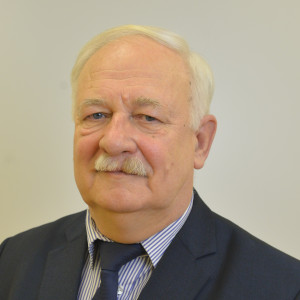
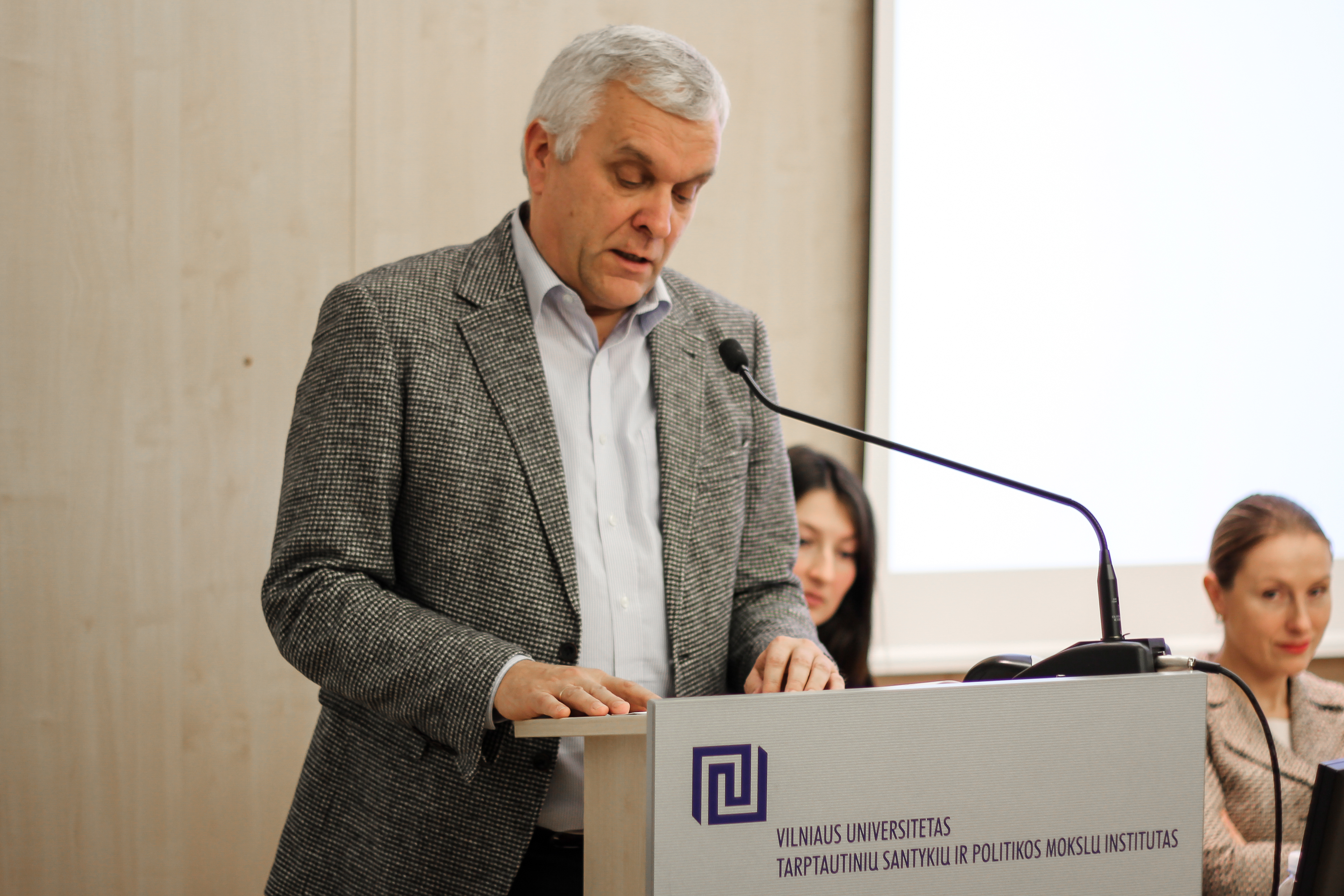
Alvydas Jokubaitis serves as Professor at Vilnius University's Institute of International Relations and Political Science (VU TSPMI/IIRPS), where he has been employed since 1996. He holds membership in the Vilnius University Senate and Science Committee, serves on the VU IIRPS Council, and is a member of the editorial board for 'Politologija'. Recognized as the best lecturer at IIRPS in both 2002 and 2017, he actively contributes to academic governance through multiple committees including the Department of Political Philosophy and History of Ideas, Doctoral Studies Committee, and Contemporary Politics MA Programme Committee. His research centers on political philosophy with emphasis on: Ethical foundations of political systems Conservative thought traditions Postmodernism's political implications National identity in globalization Relationship between morality and politics His work critically examines Enlightenment/romantic tensions, Schmittian political theory, and Lithuanian intellectual history while engaging with figures like Kant, Strauss, and Wojtyła. Analysis of his 15 most recent publications reveals consistent focus on: Critical engagement with liberalism's moral limitations Central European identity challenges within EU integration Revival of virtue ethics in contemporary politics Historical analysis of Lithuanian political thought Intersections of religion and political philosophy Postmodern critiques of political rationality His scientific recognition includes: 2005 Vilnius University Rector’s Science Prize 2017 Best VU Publication of the Year 2016 2018 Stasys Šalkauskis Prize for contributions to Lithuanian thought 2015 Honorary Citizenship of Gargždai Professor Jokubaitis teaches advanced courses including Non-orthodox Political Thought, Contemporary Political Theories, and Lithuanian Policy Research. His research projects have addressed critical areas such as 'The modern problem of the relationship between morality and politics', 'Democracy in a knowledge society', and 'Preserving national identity in a globalised world'. He has contributed to significant scholarly works including the 'Anthology of Lithuanian political thought' and supervised doctoral curriculum development in social humanities.
ISM University of Management and EconomicsLithuania
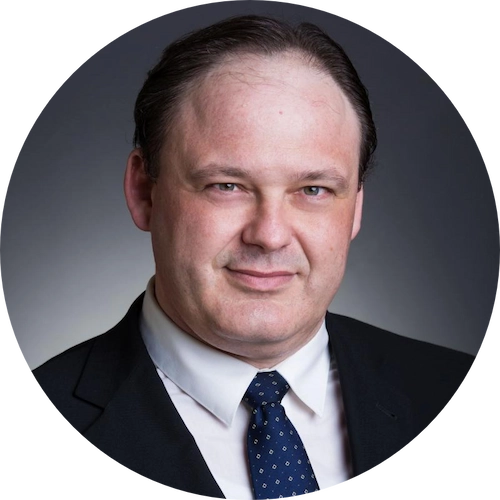
Péter Juhász is an Associate Professor at Corvinus University of Budapest and a Visiting Professor at ISM University of Management and Economics. He teaches corporate finance, business valuation, ethics in finance, communication skills, and VBA programming. His research focuses on financial modeling, competitiveness, ethics, and valuation of intangible capital. He serves as a board member of the CFA Society Hungary and actively consults in management roles. His work integrates academic rigor with practical business challenges, emphasizing sustainable development and corporate social responsibility. Education: Not explicitly mentioned in the text. Roles: Associate Professor (Corvinus), Visiting Professor (ISM), Board Member (CFA Society Hungary). Research Interests: His studies explore financial modeling techniques, corporate competitiveness strategies, ethical frameworks in finance, and valuation methodologies for intangible assets. He has extensively analyzed Hungarian business resilience during crises, risk management practices, and the intersection of healthcare programs with organizational value creation. Publications: Over 50 articles spanning 20 years, addressing topics like pandemic business risks, sustainable growth, supply chain dynamics, and employee wellness programs. His work bridges theoretical finance with real-world applications in Hungary and beyond. Awards: None explicitly mentioned in the provided text. Grants/Advising: No specific grants or student advisees listed, but his consulting role indicates active industry collaboration. His research often involves collaborative projects with Hungarian firms and institutions. Labs/Teams: Not explicitly detailed, though his academic work likely involves interdisciplinary teams at Corvinus University.
Rima Bakutytė is an Associate Professor at Vilnius University Siauliai Academy's Institute of Education, holding leadership roles as Head of the Lifelong Learning Center and Chair of the Subject Pedagogy and Pedagogy study programs. She earned her PhD in Social Sciences (Education) from Siauliai Pedagogical Institute (1998), focusing on 'The Education of Humaneness of Students in Primary School.' Her research interests span adult education, comparative education, and fostering humaneness in primary education. She has led EU-funded projects such as 'Lets Continue' (STEAM education innovation), 'SOCPEDKOM' (pedagogical staff training), and 'IDEAL' (validation of non-formal competencies). Her work emphasizes teacher training, lifelong learning, and educational policy. Recent publications (2013–2022) address topics like parental expectations in preschool education, patriotic upbringing in vocational contexts, and formal/non-formal musical education. She has contributed to journals like Pedagogika and international conferences like INTED and ICERI. Bakutytė has coordinated requalification programs for teachers and authored guides on academic writing and mentorship. She has also held administrative roles such as Member of the Lifelong Learning Programmes Committee and Project Partner in EU initiatives.
Daiva Malinauskienė is a Professor and Director of the Institute of Education at Vilnius University Šiauliai Academy. She holds a doctoral degree in Social Sciences (Education) from Šiauliai University (1995–2000) and a qualification as a primary school teacher from Šiauliai Pedagogical Institute (1981–1985). Her work spans leadership in educational institutions, preschool and pre-primary education, and childhood pedagogy. Her research focuses on metaphorical thinking in children, quality preschool education, and leadership development. She has led projects on early childhood education policies, bilingual teacher training, and STEAM programs. Awards include recognition for contributions to education policy and international collaboration. Malinauskienė has authored over 50 publications, emphasizing sustainability in education, multilingualism in preschools, and teacher development. She actively participates in EU-funded initiatives and serves on editorial boards of education journals. Her leadership roles include directing the Institute of Education and spearheading national research programs on education quality and aging populations.