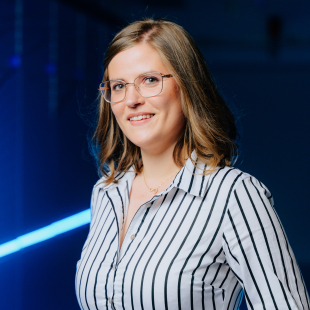
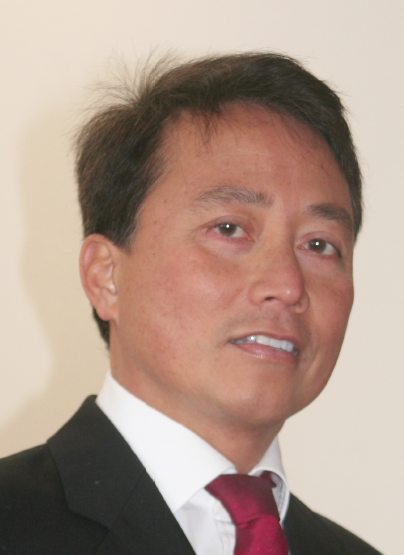
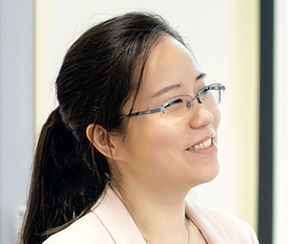
Dr. Adriana Bocchini is a Researcher at the University of Paderborn , affiliated with the Theoretical Materials Physics department and the Quantum Materials Modelling group. Her work focuses on computational modeling of materials, particularly crystal defects, surface adsorption, and electrochemical properties using advanced theoretical methods. Research Interests: Adriana's research spans Theoretical Materials Physics and Quantum Materials Modelling , with a focus on Defect modeling in ferroelectric materials Surface adsorption mechanisms Electronic structure calculations First-principles simulations Recent Publications: She has contributed to studies on radiation-induced defects in KTiOPO 4 , Mg doping effects in lithium niobate, phosphonic acid interactions with bismuth oxide, and electrochemical properties of doped RTP crystals, all leveraging computational approaches like Density Functional Theory (DFT). Labs & Teams: Adriana is actively involved in the Theoretical Materials Physics and Quantum Materials Modelling groups at the University of Paderborn, advancing computational studies in materials science.
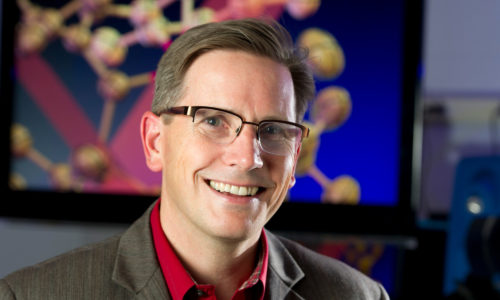
William F. Schneider is the Keating-Crawford Professor of Chemical Engineering and Chair of the Department of Chemical and Biomolecular Engineering at the University of Notre Dame's College of Engineering. He also holds a concurrent professorship in the Department of Chemistry and Biochemistry. Dr. Schneider leads the Computational Environmental Catalysis research group focused on applying density functional theory (DFT) simulations to solve problems in energy and the environment. Dr. Schneider's educational background includes a Ph.D. in Chemistry from Ohio State University (1991) and a B.S. in Chemistry from the University of Michigan-Dearborn (1986). Before joining Notre Dame in 2004 as an Associate Professor, he worked at the Ford Motor Company Research Laboratory where he developed expertise in catalytic chemistry related to automobile emissions control. Dr. Schneider's research focuses on molecular-scale understanding of heterogeneous catalysis, with particular emphasis on energy-related applications. His group uses computationally intensive molecular simulations to understand and predict chemical properties and reactivity from first principles. Key research areas include: Zeolites for NOx reduction Catalysis at metal surfaces Catalysis for shale gas conversion Energy-directed catalysis Carbon capture and conversion Sustainable bio/fossil fuels His recent publications demonstrate a strong focus on computational approaches to understanding catalytic mechanisms, particularly in zeolite systems for environmental applications and energy conversion processes. The research often combines density functional theory with microkinetic modeling to provide molecular-level insights into catalytic processes. Dr. Schneider has received numerous honors including: Dorini Family Chair of Energy Studies Keating-Crawford Professor of Chemical Engineering Fellow of the American Association for the Advancement of Science James A. Burns, C.S.C., Award for outstanding mentorship of doctoral students Executive Editor of the Journal of Physical Chemistry C As an advisor, Dr. Schneider mentors numerous graduate students and postdocs in the Computational Molecular Sciences and Engineering Laboratory (CoMSEL). His research group collaborates closely with experimentalists to validate computational findings and accelerate their application. Current projects include investigations into plasma-catalytic processes, copper-zeolite systems for methane oxidation, and computational screening of catalysts for various energy applications. Dr. Schneider's research is supported by various grants focusing on energy conversion, environmental catalysis, and computational materials design. He leads the Computational Environmental Catalysis group which is part of the broader CoMSEL research community at Notre Dame.
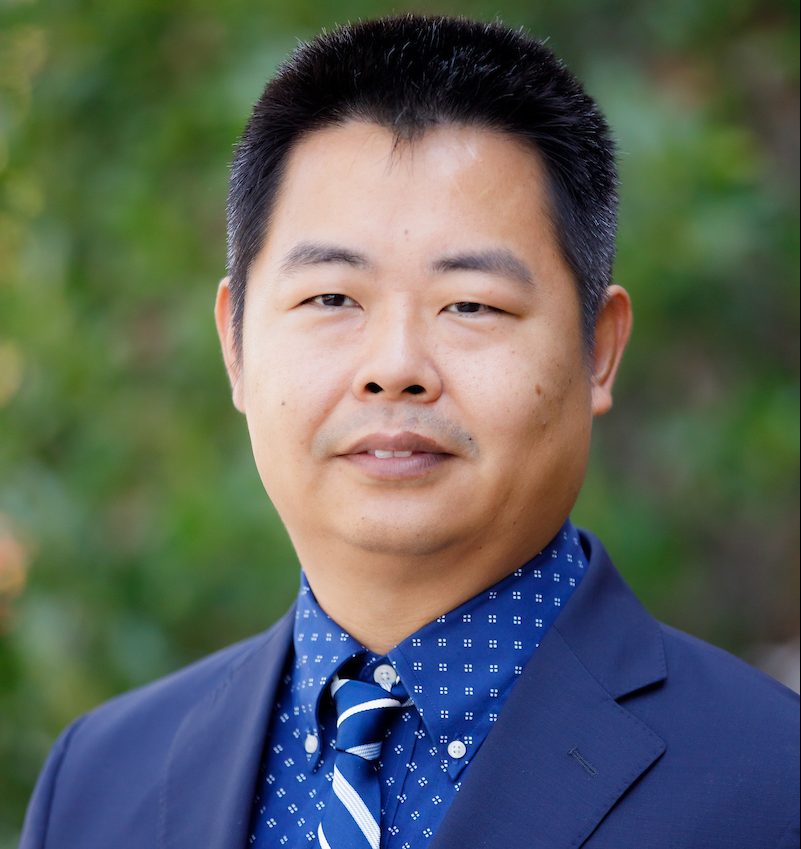
Dr. Jiaqi Gong serves as Associate Professor in Computer Science and Adjunct Associate Professor in Mechanical Engineering at The University of Alabama's College of Engineering, while directing the Alabama Center for the Advancement of Artificial Intelligence. His academic foundation includes: B.S. in Engineering, China University of Geoscience (2004) Ph.D. in Engineering, Huazhong University of Science and Technology (2010) Dr. Gong's research pioneers human-AI convergence through cyber-physical systems and smart health technologies, developing mobile/wearable platforms to enhance human perceptual, cognitive, and physical capabilities. His work spans artificial intelligence, machine learning, computer vision, and IoT with applications in healthcare, environmental monitoring, and education. The Sensor-Accelerated Intelligent Learning (SAIL) laboratory he founded drives innovation in behavior change interventions, human movement modeling, and educational data mining. Recent publications reveal strong interdisciplinary trends: healthcare AI dominates with medication adherence prediction and surgical classification systems, while environmental applications feature flood-risk communication and drought analysis. His work increasingly integrates generative AI and LLMs across domains, demonstrating methodological innovation in federated learning, knowledge graphs, and explainable storytelling frameworks. Notable recognitions include: Best Student Paper Award, IEEE/ACM Connected Health Conference (2022) Best Student Paper Award, Body Sensor Networks Conference (2019) Data Challenge Win, IEEE Biomedical Health Informatics (2018) Best Paper Award, Body Area Networks Conference (2014) Best Demonstration Award, IEEE Wireless Health Conference (2014) Dr. Gong leads significant funded projects including a $2M CDC/NIOSH grant for first responder safety and $3M NSF funding for hydrologic research. As SAIL laboratory director, he mentors students in developing clinically deployed technologies for multiple sclerosis, dementia, and mental health. Future work focuses on scaling AI applications in chronic disease management and climate resilience through the Alabama AI Center. The SAIL laboratory (founded 2017) operates as a multidisciplinary hub developing wearable/mobile systems for health applications, with active collaborations across medical clinics and engineering departments for real-world deployment of behavior change interventions and movement analysis tools.
Professor David C. Dunand is a faculty member in the Department of Materials Science and Engineering at Northwestern University , where he leads the Dunand Research Group . His work focuses on mechanical metallurgy of advanced metallic materials, including alloys, composites, and foams, with applications in energy-efficient transportation and biomaterials. He also investigates additive manufacturing techniques like laser powder-bed fusion and 3D ink extrusion. Research Interests: Physical and mechanical metallurgy of multiphase metals Additive manufacturing (ink extrusion, selective laser melting) Green/sustainable metal production In situ X-ray tomography for microstructure analysis Metallic foams and scaffolds Thermoelectric materials Recent Publications show expertise in redox cycling stability, precipitation strengthening, and hierarchical microstructures, with applications in batteries, shape-memory alloys, and high-entropy systems. Awards: TMS Fellow (2012) Structural Materials Division Distinguished Scientist/Engineering Award (2008) Fellow, ASM International (2007) Department Teacher of the Year (1998) He has held leadership roles including Co-Director of the Initiative for Sustainability and Energy at Northwestern (2008-2015) and Visiting Professor at École Polytechnique Fédérale de Lausanne (2000). The group operates a SISMA MYSINT 100 laser powder bed fusion machine and collaborates extensively.
Umut Aydemir is an Associate Professor at the Department of Chemistry, Koç University , where he also serves as Director of KUBAM (Koç University Boron Application and Research Center) . His research focuses on Boron-Based High-Tech Materials, 2D Materials, Electrocatalysis, Thermoelectric Energy Harvesting , and Hydrogen Storage . PhD in Chemistry (2012), Dresden University of Technology MSc in Materials Science and Engineering (2006), Koç University BSc in Chemistry and Physics (2004), Koç University Umut’s work addresses structure-property relationships in advanced materials, with a particular emphasis on boron-containing compounds , MXenes , and thermoelectric systems . His recent publications highlight innovations in electrocatalytic water splitting , hydrogen storage materials , and sustainable coating technologies . His research trends include: Development of metal diborides for water splitting Engineering MXene/polymer composites for corrosion resistance Novel approaches to thermoelectric materials like MgAgSb and Zintl phases Designing hydrogenated borophene for environmental applications Awarded the 2024 Koç University College of Science Outstanding Faculty Award and 2019 TÜBA Young Scientist Award , Umut leads high-impact projects in materials science. He advises graduate students in Nanocatalysis and Advanced Material Synthesis and contributes to interdisciplinary initiatives at KUBAM.
Sachdev Sidhu is a Research Professor and Entrepreneur in Residence at the University of Waterloo. His research focuses on synthetic antibodies, protein engineering, and biotechnological applications. He leads efforts in developing novel therapeutic antibodies, engineered protein systems, and molecular tools for biomedical research. His work spans cancer therapy, viral infection countermeasures, and regenerative medicine. Sidhu is also involved in translational research, bridging academic discoveries with commercial applications through entrepreneurial ventures. Key research interests include synthetic antibody libraries, CAR T-cell engineering, ubiquitin-based therapeutics, and phage display technologies. He has contributed to advancements in targeted therapies for glioblastoma, leukemia, and ocular diseases. His team develops innovative methods for protein design, such as engineered ubiquitin variants and modular antibody architectures. Publications highlight breakthroughs in antibody-based treatments, including synNotch CAR T cells for glioblastoma and neutralizing antibodies against SARS-CoV-2. His work integrates structural biology, molecular biology, and computational approaches to address complex biomedical challenges. Sidhu collaborates with industry partners to advance technologies into clinical and commercial settings.
Stéphane BAUDRON is a CNRS Research Director at the Laboratory for the Synthesis and Functions of Molecular Architectures within the Faculty of Chemistry at the University of Strasbourg. His research spans multiple areas of molecular materials chemistry, with particular expertise in coordination polymers, metal-organic frameworks, and supramolecular architectures. Dr. BAUDRON's educational background includes undergraduate studies at the National School of Chemistry of Paris (1998), a Ph.D. from the University of Angers under Dr. Patrick Batail (2002), and postdoctoral research at the University of California Berkeley with Prof. Jeffrey R. Long (2002-2004). He joined CNRS as a researcher in 2004, received his Habilitation from the University of Strasbourg in 2009, and was promoted to CNRS Research Director in 2019. His primary research interests focus on dipyrrin-based complexes and assemblies for luminescent materials and heterometallic frameworks, conducting coordination polymers using redox-active ligands, and the application of deep eutectic solvents for sustainable synthesis of porous materials. His work bridges fundamental coordination chemistry with practical applications in materials science. Analysis of his recent publications reveals a strong trend toward green chemistry approaches for synthesizing metal-organic frameworks, with increasing focus on deep eutectic solvents as environmentally friendly alternatives to traditional solvents. His research spans both fundamental coordination chemistry and applied materials science, with particular emphasis on structure-property relationships in crystalline materials. Lavoisier fellowship (French Ministry of Foreign Affairs) JSPS short-term invitation fellowship at Kyoto University USIAS fellowship ANR DEEPCatCOF project (Principal Investigator) Dr. BAUDRON has successfully mentored numerous graduate students who have gone on to careers in both industry and academia, including positions at Michelin, BASF, and various universities. His current research is supported by multiple grants, including the ANR DEEPCatCOF project focused on deep eutectic solvents for catalytic metal-organic frameworks. His laboratory maintains strong international collaborations with research groups in Japan, Portugal, and other European institutions. Based at the University of Strasbourg's Institute Le Bel, Dr. BAUDRON leads a research team within the Laboratory for the Synthesis and Functions of Molecular Architectures, which is part of the larger Faculty of Chemistry structure. His group actively collaborates with other laboratories within the chemistry faculty, particularly those working on spectroscopy, mass spectrometry, and molecular modeling.
Lars Eriksson is a researcher at the Department of Chemistry, Stockholm University, affiliated with the Faculty of Science. He is part of Gunnar Svensson's group, which focuses on solid-state inorganic chemistry, including the synthesis of energy-related compounds and their crystal structure analysis. Research interests span inorganic chemistry, solid-state chemistry, crystallography, energy applications, organic synthesis, catalysis, and chemical education. His work bridges experimental and computational approaches, with recent publications exploring molecular design for energy storage, asymmetric synthesis, triplet-to-singlet energy transfer, and pedagogical strategies in chemistry education. Trends in his research highlight applications in materials science, environmental chemistry, and educational methodologies. While no formal scientific awards are mentioned in the provided texts, his contributions include collaborative studies on catalysis, molecular structure, and student learning processes. He has no listed grants or students, but his publications emphasize tutor-student interactions and practical epistemology analysis. The research group he belongs to investigates fundamental properties of synthesized compounds, often with energy-related applications, and maintains strong ties to the broader chemistry community through peer-reviewed publications and educational studies.
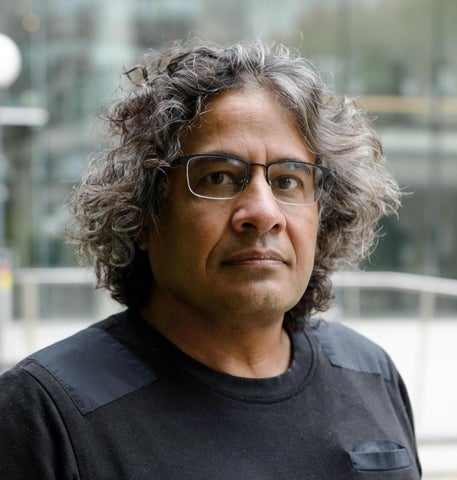
Anna Delin is a Full Professor at KTH Royal Institute of Technology since 2011, leading research on magnetic and quantum phenomena in materials. She heads the WISE research school (wise-materials.org) and served as Deputy Head of the School of Engineering Sciences (SCI) from 2018–2022. Her expertise spans condensed matter physics, with a focus on nanomagnetism, skyrmions, spin-lattice couplings, and topological materials. Education: PhD in Condensed Matter Physics from Uppsala University (1998). Key awards include Naturvetarpriset (1998), Royal Swedish Academy of Sciences Research Fellowship (2007), Thuréus Prize (2018), and Edlundska Prize (2024). She has held visiting roles at ICTP, Los Alamos National Lab, and the Fritz Haber Institute. Research interests include magnetic skyrmions, magnonics, spintronics, and ultrafast demagnetization. Recent publications focus on spin-lattice dynamics, topological materials, and quantum analogs of classical magnetic models. Her work bridges theory and experiment, with contributions to tools like SpinView for computational magnetism analysis. Teaching includes roles as examiner for the Degree Project in Applied Physics and teacher for Sustainable Development in Engineering Physics. She actively participates in materials design initiatives and semantic data processing for big research data. Lab affiliations include her own research group at KTH and collaborations through WISE. Current projects explore skyrmion stabilization, magnon entanglement, and quantum spin systems, with implications for next-generation spintronic devices.
Ronaldo I. Borja is a Professor in the Department of Civil and Environmental Engineering at Stanford University's School of Engineering. His academic career spans decades of research and teaching in theoretical and computational solid mechanics, geomechanics, and geosciences. He teaches undergraduate, graduate, and doctoral level courses including Geotechnical Engineering (CEE 101C), Mechanics and Finite Elements (CEE 281), Computational Poromechanics (CEE 314), and Plasticity Modeling and Computation (CEE 315). Professor Borja's research focuses on theoretical and computational solid mechanics, with particular emphasis on geomechanics and geosciences. His work includes the development of multi-scale discontinuity frameworks for crack and fracture propagation utilizing strong discontinuity and extended finite element methods; solution techniques for multi-physical processes such as coupled solid deformation-fluid diffusion in saturated and unsaturated porous media; stabilized finite element methods for solid/fluid interaction and nonlinear contact mechanics; and nanometer-scale characterization of the inelastic deformation and fracture properties of shales. His research spans multiple projects including shale characterization, poromechanics, and large deformation inelasticity. His recent publications demonstrate expertise across computational mechanics, geomechanics, and materials science, with a focus on finite element methods, constitutive modeling, and multi-scale analysis. His work bridges theoretical developments with practical applications in geotechnical engineering and earth sciences. 2016 ASCE Maurice A. Biot Medal for work in computational poromechanics Professor Borja serves as editor of two leading journals in his field: the International Journal for Numerical and Analytical Methods in Geomechanics and Acta Geotechnica. He has also authored the textbook 'Plasticity Modeling and Computation' published by Springer. His research is supported by multiple projects examining shale mechanics, poromechanics in unsaturated porous media, and large deformation inelasticity in crystalline materials.
Assoc Prof Ng Teng Yong is an Associate Professor at the School of Mechanical & Aerospace Engineering (NTU), specializing in numerical modeling and simulation. With a background as Research Manager at A*STAR Institute of High Performance Computing, his work spans materials science, nanotechnology, and aerospace engineering. Current focus on graphene-based desalination membranes Expertise in molecular dynamics simulations Investigates nanoscale fluid mechanics and structural dynamics Recent publications highlight advancements in energy-efficient electrodialysis, smart robotics, and nonlinear vibration analysis. His interdisciplinary approach integrates computational methods with experimental validation in additive manufacturing and soft material mechanics.
Qian Yang is an Assistant Professor in Information Science at Cornell University, with a faculty appointment in Computer Science. Her research focuses on human-AI interaction, designing AI applications for healthcare, autonomous systems, and UX design. She holds a PhD in Human-Computer Interaction from Carnegie Mellon University and has industry experience in design consultancy (2007–2014). Yang co-directs the Cornell Digital and AI Literacy Initiative and is a Senior Fellow at the Cornell Brooks Tech Policy Institute. Her work emphasizes bridging AI technologies with societal needs, supported by awards like the Schmidt Futures AI2050 Fellowship. She leads the DesignAI research group, focusing on AI-driven design methods and tools for practitioners. Education: PhD in HCI (Carnegie Mellon), M.S. in HCI (CMU), M.Des in Design, B.Eng in Industrial Design (Shanghai Jiao Tong University). Research interests include AI ethics, healthcare decision support systems, and context-aware mobile services. Notable contributions include: Developing AI systems for life-critical healthcare decisions (e.g., artificial heart implants) Innovating UX design methods for integrating AI into practice Advancing human-centered AI evaluation frameworks Awards include the SIGCHI Outstanding Dissertation Award and AI2050 Fellowship. She actively collaborates across disciplines, with work published in top HCI venues like CHI and ACM Transactions.
R. Edwin García is a Professor at the School of Materials Engineering at Purdue University, where he has been faculty since 2005. He holds appointments in the Materials Engineering department within Purdue's College of Engineering, specifically in the School of Materials Engineering located in the Neil Armstrong Hall of Engineering at Purdue's West Lafayette campus. His educational background includes: B.S. in Physics from the National University of Mexico (1996) M.S. in Materials Science and Engineering from Massachusetts Institute of Technology (2000) Ph.D. in Materials Science and Engineering with a minor in Applied Mathematics from Massachusetts Institute of Technology (2003) Professor García's research focuses on the design of materials and devices through the development of a fundamental understanding of the solid state physics of individual phases, their short and long range interactions, and associated microstructural properties and time evolution. His current research emphasizes establishing relationships between material properties and resultant performance and degradation in electrochemical systems. He integrates computational approaches ranging from kinetic Monte Carlo, phase field and level set methods, to finite elements, finite volumes, and symbolic computing. His work particularly addresses microstructure design, crystallographic texture, and grain boundary science and engineering to control the topology of underlying phases and establish practical relations between processing, microstructure, and material properties. His recent publications demonstrate a strong focus on lithium-ion battery technology, ferroelectric materials, and computational modeling of material behaviors. The research trends show increasing integration of machine learning with traditional computational methods, exploration of novel sintering techniques like flash sintering, and deeper investigation into the fundamental mechanisms of material degradation in energy storage systems. His work spans multiple length scales from atomistic to continuum modeling, reflecting a comprehensive approach to materials design and analysis. Professor García teaches several courses including MSE 230 (Structure and Properties of Materials), MSE 350 (Thermodynamics of Materials), MSE 597G (Modeling and Simulation of Materials), MSE 597I (Introduction to Computational Materials), and MSE 597N (Physical Properties of Crystals). He mentors graduate students in areas related to computational materials science, battery technology, and microstructural evolution. His research group, the Laboratory of Computational Microstructures, focuses on developing home-grown analytical theories and algorithms to resolve relevant time and length scales in materials systems. The group's work has significant implications for portable power sources, including rechargeable batteries and fuel cells, as well as for ferroelectric ceramic applications.
Martin Burke is the May and Ving Lee Professor for Chemical Innovation and Professor of Chemistry at the University of Illinois Urbana-Champaign , with additional appointments in Biochemistry, Biomedical & Translational Sciences, and multiple campus institutes including the Beckman Institute and the Carl R. Woese Institute for Genomic Biology. Education B.S. Johns Hopkins University , 1998 Ph.D. Harvard University , 2003 M.D. Harvard Medical School , 2003 Research Interests Burke’s program centers on molecular prosthetics : the design, synthesis and application of small molecules that replicate or replace missing or dysfunctional proteins. His group pioneered iterative cross-coupling (ICC) using MIDA-protected haloboronic acids to automate the construction of complex natural products and function-oriented small molecules. Current projects target ion-channel replacement in cystic fibrosis, iron-transport restoration in anemia, and non-toxic antifungals that overcome drug resistance. Scientific Awards & Honors National Academy of Medicine (2021) AAAS Fellow (2021) ASCI Member (2021) iCON Award (2019) Mukaiyama Award, Japan (2019) ACS Nobel Laureate Award for Graduate Education (2017) Thieme-IUPAC Prize in Synthetic Organic Chemistry (2014) Elias J. Corey Award (2013) Arthur C. Cope Scholar Award (2011) Research Output & Impact Burke has authored >120 peer-reviewed articles, >30 patents, and his work has been cited >20,000 times. High-impact publications in Nature , Science , and Angewandte Chemie have advanced automated synthesis, molecular prosthetics, and cystic fibrosis therapeutics. Laboratory & Training The Burke Laboratories house a multidisciplinary team of graduate students, post-doctoral researchers, and physician-scientists developing next-generation molecular prosthetics. The group is supported by NIH, NSF, private foundations, and industry partnerships aimed at democratizing molecular innovation.
Nonappa Nonappa is an Associate Professor (tenure track) in Nanochemistry at Tampere University's Faculty of Engineering and Natural Sciences since 2020. With a multidisciplinary background spanning organic chemistry, supramolecular systems, nanoparticle self-assembly, and advanced electron microscopy, he leads research at the intersection of materials science and biomedical applications. PhD in Organic Chemistry (IISc Bangalore, 2008) Docent in Soft Matter Microscopy (Aalto University, 2017) Executive MBA (Quantic School, 2020) Research focuses on bio-based optical materials using nanocellulose for sustainable photonics, breast cancer models via lab-on-a-chip systems, and precision nanomaterials through tailored self-assembly mechanisms. His team develops 3D extracellular matrices for cancer tissue culture and plasmonic nanodevices for photonic applications. Recent publications highlight gold/silver nanocluster assemblies (43+ citations in 2021-2025), electron tomography for structural analysis, and metastasis modeling systems. Key awards include Italy's Abilitazione Scientifica Nazionale (2018) and Aalto University's Docent title (2017).