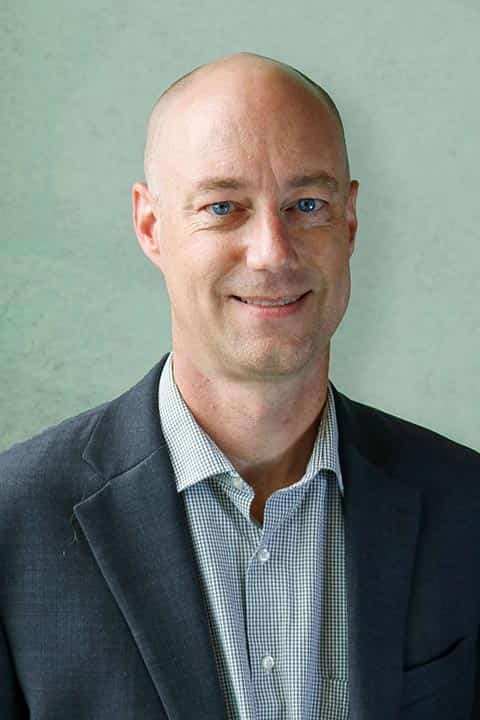
Uwe Himmelreich is a Full Professor at the Faculty of Medicine, KU Leuven , leading the Biomedical MRI unit. He is actively involved in the Medical Imaging Division , KU Leuven Brain Institute , KU Leuven Institute for Integration of Micro- and Nano-scale Technologies , and KU Leuven Cancer Institute . Role: Full Professor and Head of Biomedical MRI Affiliations: Faculty of Medicine, Medical Imaging Division, LBI, LIMNI, LKI His research spans neuroscience , cardiovascular imaging , and nano/micro-scale technologies . Key projects include: MindMAP: Radiotherapy-induced neurotoxicity in juvenile brains Preclinical cancer models for oral tumors Quantitative T2 mapping of lung disease in murine models Neuroinflammation and cognitive decline in cryptococcosis Resistance training effects on cortical thickness in aging cohorts His work integrates MRI , multi-photon microscopy , and novel contrast agents for longitudinal in vivo studies. Methodologies include vascular density mapping , proton therapy verification , and preclinical radiotherapy evaluation . Notable contributions include: 2025: JAK/STAT inhibition in malaria-induced inflammation 2025: Manganese-enhanced MRI for cardiac injury 2025: Quantitative lung imaging at 9.4T 2024: IVIM as vascular density marker in rat brain 2024: Phase-change ultrasound agents for proton therapy
Olivier Lortholary is Professor of Medicine at Paris Descartes University and holds multiple significant positions in the field of medical mycology and infectious diseases. He serves as Deputy Director of the French National Reference Center for Invasive Mycoses and Antifungals, and is Head of the Necker-Pasteur Center for Infectious Diseases and Tropical Medicine at Necker Hospital in Paris. His work is closely associated with the Institut Pasteur in Paris, France, where he is actively involved in research and teaching initiatives. Dr. Lortholary's educational background includes an M.D. from the Paris 6 School of Medicine and a Ph.D. from Paris 7 University. His extensive academic career has positioned him as a leading expert in medical mycology, with particular focus on fungal infections in immunocompromised patients. His research primarily centers on translational aspects of medical mycology, with special emphasis on Cryptococcus neoformans and cryptococcal meningitis, which represents the leading opportunistic fungal infection in advanced HIV-infected patients. He also investigates new immune deficiencies that predispose individuals to invasive fungal infections, develops diagnostic and therapeutic innovations for these conditions, and conducts clinical and microbiological studies of central nervous system infections and emerging infectious diseases. Dr. Lortholary has made substantial contributions to the field, with over 590 published papers, including more than 12 invited contributions to prestigious journals such as Clinical Infectious Diseases and Lancet Infectious Diseases. His research spans epidemiology of fungal infections, antifungal susceptibility testing, and clinical management approaches across various patient populations. He plays a significant role in shaping clinical guidelines as a member of various international expert panels, including the Infectious Diseases Society of America (for cryptococcosis management), the American Society of Transplantation (for donor-derived fungal infections), and ESCMID (for Candida and other fungal infections). Additionally, he serves as the French representative on the EUCAST Antifungal Susceptibility Testing Committee. As an educator, Dr. Lortholary co-directs the Medical Mycology course at the Pasteur Institute and has developed a MOOC (Massive Open Online Course) on Medical Mycology available through FUN-MOOC, reaching a global audience of healthcare professionals and researchers.
University of Illinois Urbana-ChampaignUnited States
Som G Nanjappa is an Associate Professor in the Department of Pathobiology at the University of Illinois. His academic background includes a Ph.D. in Immunology from the University of Wisconsin-Madison (2009). He specializes in T cell biology, fungal infections, and vaccine development, with a focus on CD8+ T cells, Tc17 cells, and their roles in combating fungal pathogens like Blastomyces dermatitidis and Cryptococcus neoformans. His research explores mechanisms of vaccine-induced immunity, particularly in immunocompromised hosts, and investigates how T cell responses contribute to protection against fungal pneumonia. Recent work highlights the role of GM-CSF+ Tc17 cells in vaccine efficacy and the importance of molecules like sialophorin in CD8+ T cell activation. Collaborations span immunology, oncology, and microbiology, with studies on 27-hydroxycholesterol’s impact on breast cancer progression and T cell dysfunction. Publications emphasize fungal vaccine strategies, immune memory persistence, and the interplay between innate and adaptive immunity. His findings have been featured in journals like Cell Reports, PLoS Pathogens, and Frontiers in Immunology, with impactful contributions to understanding antifungal immunity and T cell plasticity.
Jamal Lewis, Ph.D., is an Associate Professor in the J. Crayton Pruitt Family Department of Biomedical Engineering at the University of Florida, within the Herbert Wertheim College of Engineering. His Immuno-modulatory Biomaterials Laboratory focuses on developing biomaterial systems to manipulate the immune system for treating autoimmune diseases, allergies, and transplant rejection. His work integrates biomaterials engineering, drug delivery, and immunology. Education: Ph.D. in Biomedical Engineering, University of Florida (2012) M.S. in Biomedical Engineering, North Carolina State University (2007) B.S. in Chemical Engineering, Florida A&M University (2004) Research interests include immunoengineering, biomaterials design for controlled immune responses, and drug delivery systems targeting dendritic cells. His lab explores how mechanical forces and biochemical cues influence immune cell behavior, with applications in vaccines and immunotherapies. Recent publications emphasize biomaterial-based strategies for immunomodulation, including polymeric particle therapies and sustained-release systems. His work spans topics like lactate modulation of immune cells, fungal pathogen interactions, and anti-inflammatory treatments for osteoarthritis. Notable awards include the University of Florida 40 Under 40 (2021), recognition as a 1000 Inspiring Black Scientist in America (2021), and Biomaterial Science RSC Emerging Investigator (2021). He has contributed to over 50 publications and holds multiple patents related to immunomodulatory materials. Dr. Lewis leads interdisciplinary collaborations, bridging engineering and immunology. His lab focuses on translating biomaterial innovations into clinical applications for autoimmune diseases and regenerative medicine. Current projects include developing nanoparticle-based vaccines and microfluidic fabrication methods for precision medicine.
Marvin Meyers is a Professor of Chemistry and holds the Kranz Professorship for Excellence in Research at the School of Science and Engineering, Saint Louis University. He leads the Meyers Lab, focused on discovering novel drug candidates for neglected and infectious diseases, particularly antifungals and antiparasitics. His research integrates synthetic organic chemistry, medicinal chemistry, and structure-based drug design to optimize drug candidates' potency, pharmacokinetics, and safety. Educated at Dordt College (B.A., 1996) and the University of Illinois at Urbana-Champaign (Ph.D., 2000), Meyers teaches courses including CHEM 3100, CHEM 3970, and CHEM 4470/5470. His lab emphasizes undergraduate and graduate training in organic synthesis and drug discovery, with students contributing to publications and potential patent applications. Key research interests include drug repurposing (e.g., antifungal phenothiazines), antimalarial agents, and treatments for Cryptosporidium and hepatitis B virus. Collaborations with biologists and computational chemists drive discoveries in molecular pathways and drug targets. The lab's recent work includes antifungal mefloquine analogs (2024), fluorinated triazolopyridazines (2023), and HBV ribonuclease H inhibitors (2021). Meyers' lab is located in Monsanto Hall, and further details are available via www.meyerschemlab.com .
Zeynep Petek Çakar is a Professor at the Department of Molecular Biology and Genetics, Istanbul Technical University, Turkey. She maintains an active research profile with expertise in evolutionary engineering, microbial genetics, and metabolic engineering. Her ORCID profile is 0000-0002-2278-3670 and she can be contacted at cakarp@itu.edu.tr. Her research focuses on several key areas: Evolutionary engineering of stress-resistant microorganisms Genomic and metabolic characterization of Saccharomyces cerevisiae Development of microbial systems for industrial applications Molecular mechanisms of stress resistance in yeast Metabolic modeling of human pathogens Her publication record shows a consistent focus on microbial adaptation mechanisms, with recent work exploring stress resistance in yeast strains through genomic, transcriptomic, and metabolic approaches. This research has applications in biotechnology, biofuels, and pharmaceutical development. Professor Çakar has received multiple scientific awards including: 2014 Notable Copyright Work Award (Mention) Research Mention Award (2005) Department Double Major First Prize - Molecular Biology and Genetics (1995) Department Second Prize - Chemical Engineering (1994) Ph.D. Scholarship (2006) Eser Tümen Outstanding Achievement Award - Biology Field (2012) She leads multiple active research projects as Principal Investigator, including studies on caffeine metabolism in yeast, oxidative stress response analysis, and genomic investigations of stress-resistant Saccharomyces cerevisiae strains. Her lab focuses on evolutionary engineering approaches without chemical mutagenesis.
Robin May is a Professor of Infectious Disease at the University of Birmingham's School of Biosciences and Director of the Institute of Microbiology & Infection. He holds an ERC Consolidator Award and Wolfson Research Merit Award from the Royal Society. His research focuses on host-pathogen interactions, particularly how pathogens subvert innate immunity, with a focus on fungal infections like cryptococcosis. Currently, he is seconded to the UK Government as Chief Scientific Adviser to the Food Standards Agency for three days weekly. Educational Background: MA (Oxon) in Biological Sciences, PhD in Cell Biology (University of Birmingham), and postdoctoral fellowships at Utrecht University and Birmingham. Research Interests: Investigates fungal pathogenesis, innate immune evasion, and opportunistic infections in immunocompromised patients. His lab combines microscopy, molecular biology, and genetic approaches to study phagocytic cell interactions with pathogens. Key areas include Cryptococcus neoformans/gattii virulence mechanisms and environmental predation-driven pathogen evolution. Publications: Recent work highlights phagocytosis dynamics, fungal transcriptome responses, and amoeba-predation-driven pathogen adaptation. Key themes include immune evasion strategies, titan cell formation, and extracellular vesicle roles in pathogenesis. Awards & Roles: Fellow of the American Academy of Microbiology, Colworth Medal recipient, and editorial board member for PLOS Pathogens and Science Advances. Previously co-directed the NIHR Surgical Reconstruction and Microbiology Research Centre. Teaching: Contributes to final-year modules on Human Evolution and the MSc in Microbiology and Infection. Advises on lab techniques and research-led teaching. Labs & Teams: Leads the Institute of Microbiology & Infection, fostering collaborative research on infectious disease mechanisms and public health interventions.
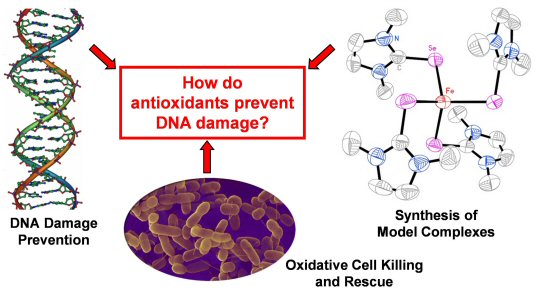
Julia Brumaghim is a Professor and Associate Department Chair in the Department of Chemistry at Clemson University's College of Science, where she also serves as Graduate Program Coordinator. She leads the Brumaghim Group research laboratory focused on oxidative damage prevention mechanisms. Her educational background includes an A.B. in Chemistry from Harvard University (1994), Ph.D. in Inorganic Chemistry from University of Illinois at Urbana-Champaign (1999), and postdoctoral training at UC Berkeley as an NIH Postdoctoral Fellow in Bioinorganic Chemistry (1999-2001) followed by research in DNA damage and repair (2001-2003). Her research examines metal-mediated oxidative DNA damage prevention through antioxidant mechanisms. Key interests include: Metal-reactive oxygen species interactions in DNA damage pathways Structure-activity relationships for antioxidant prevention of oxidative damage Nanoparticle generation of reactive oxygen species and toxicology Radiation damage mechanisms involving reactive oxygen species Metal-binding drugs and antifungal resistance mechanisms Her recent publications focus on coordination chemistry of biologically relevant metals (Cu, Fe, Zn, Ru), antioxidant mechanisms of sulfur/selenium compounds, nanoparticle toxicity assessments, and DNA damage prevention strategies. The work integrates inorganic synthesis, biochemical assays, computational modeling, and spectroscopic techniques. Significant scientific awards include: American Chemical Society Fellow (2022) Clemson University Research Achievement Award (2020) ACS Women Chemists Committee Rising Star Award (2014) Journal of Inorganic Biochemistry Young Investigator Award (2008) NSF CAREER Award (2006-2012) ACS PROGRESS/Dreyfus Lectureship (2004-2005) As Graduate Program Coordinator, she oversees chemistry graduate studies and mentoring. Her research group (Brumaghim Group) investigates oxidative damage prevention using chemical and biochemical approaches. Current projects examine metal coordination in antioxidant activity, nanoparticle toxicology, and radiation damage mechanisms.
Gregory H. Taylor, MD is a Professor in the Department of Family & Community Medicine at the University of Maryland School of Medicine with a secondary appointment in Medicine. He serves as Associate Director of the Evelyn Jordan Center and maintains clinical practice at 22 S. Greene St., Suite 300, Baltimore, specializing in HIV and Hepatitis C care for over two decades. His academic foundation includes: B.S. in Biology from Virginia Tech M.D. from University of Maryland School of Medicine Residency in Family Medicine at University of Maryland Dr. Taylor's research centers on HIV comorbidities, particularly tobacco-related pulmonary pathology in women, HPV-associated diseases, and Hepatitis C integration into primary care. His work bridges laboratory investigations, epidemiological studies, and clinical interventions to address health disparities in urban HIV populations. As an educator certified by the American Academy of HIV Medicine, he trains medical students through community physicians. Analysis of his 13 publications (2000-2016) reveals evolving focus from virology fundamentals to community-based implementation science. Early work examined opportunistic infections (CMV, Parvovirus) while recent studies address lung cancer screening in HIV smokers and anal cancer prevention, demonstrating progression toward population health solutions. His scientific recognition includes: Faculty Award for Outstanding Service (1994, 1997, 1999) Alpha Omega Alpha election (2000) Chairman's Community-Based Teaching Award (2001-2002) Community Preceptor Award (2003, 2010) Dr. Taylor has served as PI/co-PI on multiple NIH-funded studies and currently leads the Maryland Community-based Programs to Test and Cure Hepatitis C (Maryland DHMH grant). Through the Evelyn Jordan Center, he collaborates with multidisciplinary teams serving vulnerable populations affected by HIV and substance use disorders.
Mary Beth Graham, MD, FIDSA, FACP is a Professor of Medicine with tenure at the Medical College of Wisconsin, where she serves as Associate Chief for the Division of Infectious Disease. She is also the Medical Director of Infection Prevention and Control at Froedtert Hospital and the Infection Prevention Program Director for the Medical College of Wisconsin. Dr. Graham is a Board Certified Internist and Infectious Disease specialist who joined the faculty at the Medical College of Wisconsin as an Assistant Professor of Medicine/Infectious Diseases in February 2002. Dr. Graham received her MD from Northwestern University Medical School in Chicago (1984), completed her Residency in Internal Medicine at the University of Washington Affiliated Hospitals in Seattle (1984-1987), and completed her Fellowship in Infectious Diseases at Washington University School of Medicine in St. Louis (1988-1991). Dr. Graham's clinical expertise includes HIV infection and associated complications, infections in immunocompromised individuals (including transplant recipients), influenza treatment and prevention, and the prevention of transmission of hospital-associated infections. She has an active outpatient clinical practice and also attends on the inpatient transplant and general infectious disease services. Her research has focused on infection control, particularly related to C. difficile, carbapenem-resistant organisms, and most recently on COVID-19 related complications including thrombosis and immune responses. Her publication record demonstrates a strong focus on clinical infectious disease research, with numerous studies on infections in immunocompromised hosts, antimicrobial resistance, and viral pathogenesis. Her work spans clinical trials, epidemiological studies, case reports, and immunological investigations, showing both clinical relevance and scientific rigor across multiple sub-specialties within infectious diseases. Best Doctors in America Top Doctor (Castle Connolly/Milwaukee Magazine) Best Teaching Physician at Froedtert Hospital by Department of Medicine residents (2013) MCW Outstanding Medical Student Teacher award (2015) Dr. Graham has demonstrated exceptional commitment to medical education, having received multiple teaching awards. As the Infectious Disease Fellowship Program Director, she plays a pivotal role in training the next generation of infectious disease specialists. Her administrative leadership in infection prevention and control reflects her significant contributions to hospital epidemiology and patient safety, with practical applications of her research directly impacting clinical practice and hospital policy. Dr. Graham maintains an active clinical practice with a focus on complex infectious disease cases, particularly in immunocompromised patients. Her dual expertise in clinical care and infection prevention makes her a key resource for managing challenging cases and developing institutional protocols for infection control.
Irah King is a Professor at the Department of Microbiology and Immunology , Faculty of Medicine and Health Sciences, McGill University , and a Senior Scientist at the RI-MUHC (Glen site) within the Translational Research in Respiratory Diseases Program and the Centre for Translational Biology . Her work focuses on understanding immune cell communication in barrier tissues like the intestine, lung, and skin, particularly in the context of Protective immune responses Chronic inflammatory disorders Microbiota-immune system interactions .
Salman Qureshi is an Associate Professor in the Department of Medicine at McGill University , with a focus on innate immunity and fungal infections . He serves as a Scientist at the Research Institute of the McGill University Health Centre (RI-MUHC) , contributing to the Translational Research in Respiratory Diseases Program and the Centre for Translational Biology . His research interests center on identifying molecular mechanisms in innate immunity that protect against respiratory and systemic infections , particularly Cryptococcus neoformans and Aspergillus fumigatus . He utilizes mouse models and genetic approaches to study host susceptibility factors and their immunological pathways, with applications in critically ill patients . Among 15 recent publications , his work spans fungal infections (2025), neutrophil function (2021), resistance and tolerance to infections (2019), TLR2 activation in cancer metastasis (2017), and mTOR inhibition in lung injury (2012). His scientific contributions remain unlisted in terms of awards.
Dr. Ana C. Vallor is an Associate Professor of Biology at the University of the Incarnate Word (UIW), tenured since 2014. She holds a Ph.D. in Molecular Virology and Microbiology from the University of Pittsburgh (2002) and a B.S. in Biology from St. Mary’s University (1990). Her research focuses on antimicrobial discovery, probiotic applications, and microbial transmission dynamics, with recent work emphasizing drug biotransformation and soil-derived antimicrobial compounds. Dr. Vallor has authored/co-authored over 30 peer-reviewed publications and actively mentors undergraduate and graduate students in laboratory research. Academic leadership roles include Director of the Masters of Biology Program (2016–2018), Microbiology Course Coordinator, and service on institutional review boards. She is a member of SACNAS, ASM, and the San Antonio Center for Medical Mycology. Notable awards include the Presidential Teaching Legacy Award (2015) and the Sr. Joseph Marie Armer CCVI Endowed Chair (2019–2021). Her research explores novel antimicrobial agents from South Texas soil microorganisms, probiotic Lactobacillus species’ roles in pathogen inhibition, and fungal drug metabolism. Recent projects include HPLC analysis of antifungal biotransformation products and assessment of essential oils’ antibacterial efficacy. Dr. Vallor also leads educational outreach initiatives through programs like Tiny Earth and Upward Bound.
Professor Simon Johnston is a faculty member at the University of Sheffield , affiliated with the School of Medicine and Population Health and the Department of Infection, Immunity and Cardiovascular Disease . His research focuses on understanding infectious disease, particularly opportunistic fungal infections like Cryptococcus neoformans , and the immune system’s response in immunocompromised hosts. His work employs multidisciplinary collaborations with biologists, clinicians, engineers, and physicists to study macrophage-mediated immunity , central nervous system pathology , and phagocytosis regulation . Key findings include mechanisms of fungal virulence and immune evasion in diseases such as cryptococcosis. Selected publications highlight his expertise in fungal pathogenesis , autophagy , and phagocytic processes , with a focus on Cryptococcus and Staphylococcus aureus interactions with immune cells. Research trends include host-pathogen metabolic crosstalk , immune cell dynamics , and computational biology applications . Scientific awards include prestigious fellowships from the Medical Research Council , Krebs Institute , Lister Institute , and Wellcome Trust , underscoring his contributions to immunology and infectious disease research. Professor Johnston actively mentors and supports PhD students , post-doctoral researchers, and project students, offering opportunities to join his lab through competitive studentships or fellowships. His lab’s work has significant implications for immunocompromised patient care and antifungal therapeutic development .
Guilhem Janbon is a Researcher and Head of the Laboratory of RNA Biology of Fungal Pathogens within the Mycology Department at the Institut Pasteur in Paris, France. He leads a multidisciplinary research team focused on understanding the molecular biology of human fungal pathogens, particularly Cryptococcus neoformans . His work bridges fundamental research on gene expression with translational applications in medical mycology. His primary research interests include: Transcriptome structure and plasticity in fungi Regulation of gene expression via alternative splicing and transcription start site (TSS) usage The role of long non-coding RNAs (lncRNAs) in fungal biology The biogenesis and function of fungal extracellular vesicles (EVs) Host-pathogen interactions and fungal virulence mechanisms His recent publications reveal a strong trend towards understanding dynamic gene regulation in response to environmental stress and its impact on antifungal resistance and virulence. A significant portion of his work explores the potential of fungal extracellular vesicles as both virulence factors and novel vaccine platforms, indicating a forward-looking approach to therapeutic development. Dr. Janbon actively mentors a team of young scientists, including PhD students and post-doctoral researchers, fostering the next generation of mycologists. He leads several research projects funded by the Institut Pasteur, such as those investigating lncRNAs and intron-dependent gene regulation in Cryptococcus . He is also involved in collaborative research, notably as a co-leader of the Pasteur International Unit on Fungal Extracellular Vesicles with partners in the UK and Brazil, highlighting his role in international scientific networks.