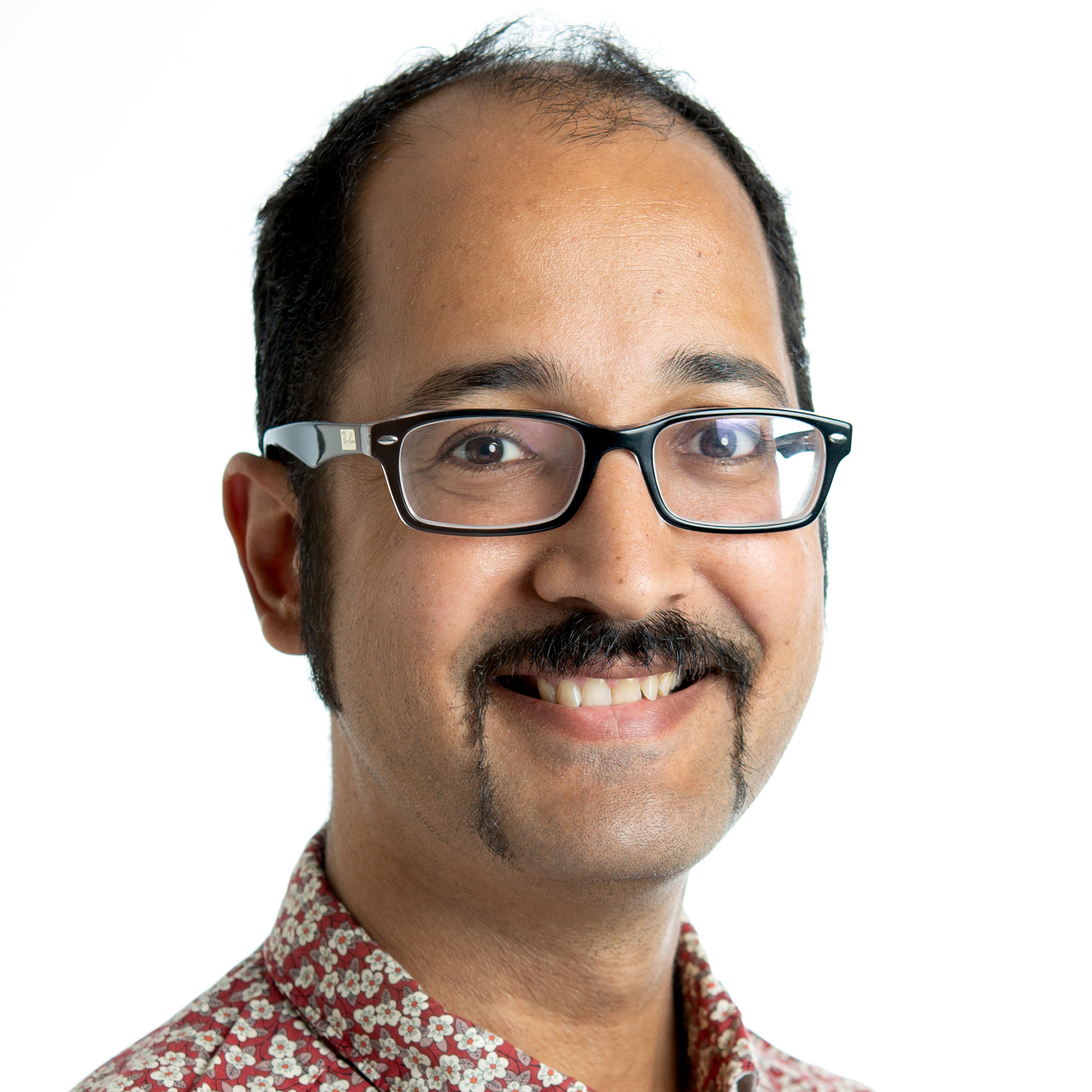
José Alvarado is an Assistant Professor of Physics at the University of Texas at Austin, affiliated with the College of Natural Sciences. His research focuses on biophysics, soft matter, and active matter, particularly exploring mechanical design principles in biological systems. He investigates topics such as planar cell polarity (PCP), actomyosin networks, and morphogenetic processes. Alvarado’s work integrates experimental and theoretical approaches, often involving collaborations with centers like the Center for Nonlinear Dynamics and Texas Robotics. His studies address questions about how biological systems achieve mechanical efficiency and how active matter principles apply to biological actuation and control. Key themes in his research include the nonlinear mechanics of actomyosin gels, the role of PCP in tissue shaping during convergent extension, and the design of biomimetic actuators for robotics. He has also contributed to understanding fluid dynamics in microscale systems, such as hairy surfaces and colloidal liquid crystals.
Nathaniel Nucci is an Associate Professor at Rowan University's College of Science & Mathematics, jointly appointed in the Department of Biological & Biomedical Sciences and Physics & Astronomy. His research bridges biophysics, structural biology, and nanotechnology to understand protein behavior in confined environments. Education Ph.D., Biochemistry and Molecular Biophysics, University of Pennsylvania M.S., Biochemistry and Molecular Biology, University of New Hampshire B.S., Biochemistry and Molecular Biology, University of New Hampshire Research Interests Dr. Nucci's lab focuses on: Protein biophysics in crowded/confining environments Reverse micelle technology for biomolecular studies Hydration dynamics of proteins (NMR-based methods) Structural biology of disease-related proteins (PHDs, p53) Drug delivery systems for protein therapeutics Nanoparticle synthesis with protein conjugation Research Trends His recent publications demonstrate expertise in using reverse micelles to study: Protein structural stability under confinement Hydration dynamics of therapeutic proteins Microenvironmental effects on phase-separating proteins Conformational changes in GPCRs Interfacial interactions in biomolecular systems Scientific Awards Gary J. Hunter Excellence in Mentoring Award (2024) College of Science and Mathematics Excellence in Academic Student Support (2022) Teaching Philosophy Emphasizes applied and experiential learning, integrating recent scientific discoveries into classroom practice and promoting hands-on scientific investigation.
Janet Sheung is an Assistant Professor of Physics at Scripps College, specializing in biophysical systems and cytoskeletal dynamics. She teaches courses such as Principles of Physics, Electronics Laboratory, and Senior Thesis in Physics/Biophysics. Her research focuses on the interplay between molecular motors, cytoskeletal networks, and active matter, with a particular emphasis on mechanical properties, transport phenomena, and microscopy innovations. Dr. Sheung's work explores how motor proteins like kinesin and myosin drive structural and mechanical changes in cytoskeletal composites, influencing DNA transport, phase separation, and stress propagation. She has pioneered customizable light-sheet microscopy techniques for visualizing these systems in vivo. Her studies integrate experimental and theoretical approaches to understand non-equilibrium dynamics in biological materials. Her articles highlight themes of motor competition, topological effects on DNA transport, and the design of advanced imaging tools. While no awards are explicitly listed, her contributions to biophysics and microscopy instrumentation are evident in her publication record. Advising and grant details are not provided in the available text, but her teaching and research roles suggest active involvement in student mentorship.
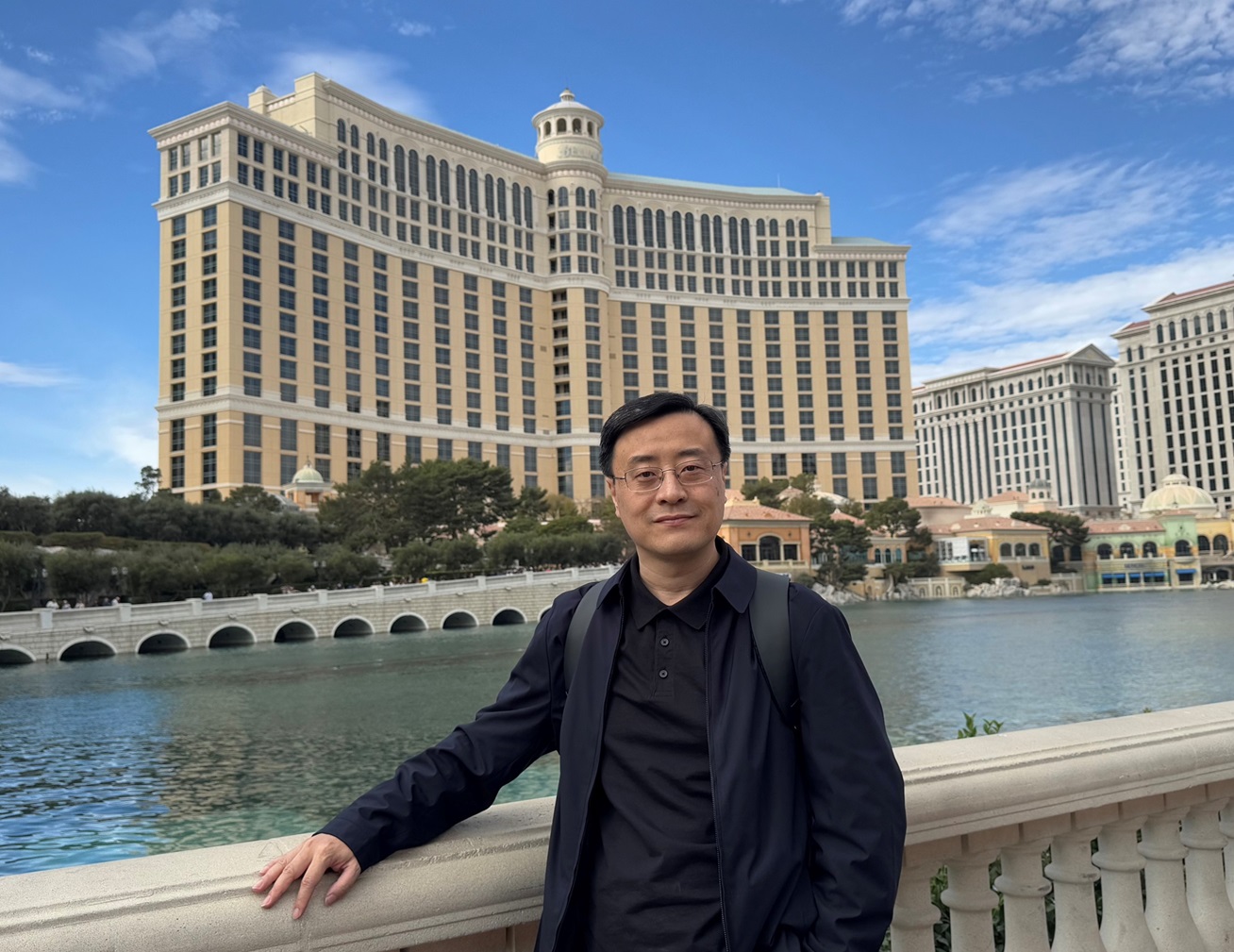
Lu Su is an Associate Professor at the School of Electrical and Computer Engineering , Purdue University , with prior appointments at SUNY Buffalo . His research spans Internet of Things , cyber-physical systems , mmWave sensing , and crowd-sourced data validation , focusing on quality-of-information aware distributed sensing and security in autonomous systems . Ph.D. in Computer Science (2013) and M.S. in Statistics (2012) from University of Illinois at Urbana-Champaign M.E. and B.E. from Harbin Institute of Technology Research Interests: IoT , cyber-physical systems , crowd sensing , security and privacy , and machine learning for sensor networks. His work addresses quality-aware information integration , adversarial attacks in autonomous vehicles , and privacy-preserving crowd-sourced systems . Recent publications focus on mmWave-based sensing (e.g., 3D pose reconstruction), federated learning (driver monitoring), and data poisoning attacks in crowd-sourced systems. His research also extends to traffic optimization and human activity recognition using wireless networks. Professional Roles: Workshop Chair (INFOCOM 2023, 2022) TPC Vice Chair (INFOCOM 2021) Program Committee Member for top conferences Editorial Board, ACM Transactions on Sensor Networks Teaching: Courses on Embedded Systems , Internet of Things , and Network Concepts at both undergraduate and graduate levels.
Peter Pal Zubcsek serves as Senior Lecturer of Marketing at Tel Aviv University's Coller School of Management, previously holding an Assistant Professor position at University of Florida. His academic work bridges marketing, network science, and consumer psychology through rigorous quantitative analysis. His educational background includes: Ph.D. in Management from INSEAD M.Sc. in Informatics from Budapest University of Technology and Economics Zubcsek's research investigates how social network structures shape consumer behavior, with special focus on mobile advertising effectiveness, customer relationship management, and innovation diffusion. His work employs advanced network analysis to model consumer interactions and predict market responses. His publication trajectory from 2011-2017 reveals evolving expertise: starting with foundational network diffusion models (2011), progressing through mobile advertising frameworks (2016), and culminating in connected consumer intelligence systems (2017). This progression demonstrates increasing sophistication in integrating real-world network data with consumer behavior prediction. Key recognitions include: Journal of Interactive Marketing Best Paper Award (2016) MSI Research Grants totaling over $70,000 for mobile consumer behavior projects International Mathematical Olympiad silver medal (1998) He has secured significant research funding including MSI's $40,000 'Ideas Challenge' grant and leads the 'mLab' mobile research initiative, though specific student mentorship details remain undisclosed. His editorial role at Journal of Interactive Marketing underscores disciplinary leadership. The 'mLab' research initiative represents his current focus on mobile consumer behavior, leveraging collaborative frameworks to study real-time advertising response and device ecosystem interactions.
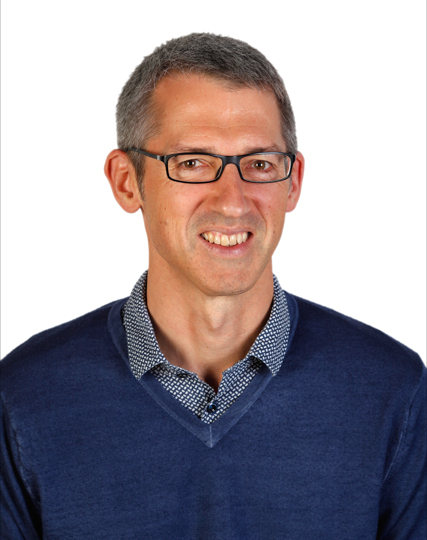
Jan Ellenberg is a Senior Scientist and Head of the Cell Biology and Biophysics Unit at the European Molecular Biology Laboratory (EMBL) since 2006 and 2010, respectively. He also serves as EMBL Delegate to the Euro-BioImaging Interim Board since 2014 and has coordinated multiple EMBL units and pan-European imaging infrastructure projects. PhD in biochemistry (1998, NIH & Freie Universität Berlin) Diploma in biology (1994, Universität Hamburg) His research focuses on cell biology , nuclear and chromosome dynamics , and advanced microscopy technologies . Key areas include mitosis/meiosis , nuclear pore complex organization , and super-resolution/light-sheet microscopy development. Scientific awards include the Allen Distinguished Investigator (2017), ERC Advanced Investigator (2016), and Walter Flemming Medal (2004). His publications (>130) frequently appear in top journals like Nature, Science, and Cell. 2017 Allen Distinguished Investigator 2016 ERC Advanced Investigator 2016 Honorary Doctor of Philosophy at Åbo Akademi University 2006 EMBO Member
Professor Tim Rogers is affiliated with the University of Bath as a faculty member in the Department of Mathematical Sciences . He is actively involved in research spanning complex systems, network theory, and stochastic processes. PhD in Random Matrix Theory from King's College London (2010) His research focuses on emergent behavior in random systems , including: Collective Behavior : Crowd dynamics, lane formation, and noise-enhanced synchronization Epidemics & Networks : Spread prediction, node risk assessment, and misinformation impacts Ecology & Evolution : Trait emergence, species boundaries, and demographic noise effects Random Matrix Theory : Spectral analysis and applications to complex systems Publication trends reflect interdisciplinary work bridging Physics, Biology, and Mathematics , with a focus on network structures , stochastic modeling , and emergence phenomena . Scientific awards include: 2015 : Editor's Choice for Europhys. Lett. 109, 28005 2016 : Highlight of Journal of Physics A 2017 : Editor's Suggestion for Phys. Rev. E 92, 032708 He has supervised numerous PhD students and postdocs on projects related to stochastic dynamics , network modeling , and mathematical biology , with ongoing grants from agencies like EPSRC and The Leverhulme Trust .
Rebecca Nugent is the Stephen E. and Joyce Fienberg Professor of Statistics & Data Science and Department Head at Carnegie Mellon University. She holds a PhD in Statistics from the University of Washington (2006), an MS in Statistics from Stanford (2006), and a BA in Mathematics, Statistics, and Spanish from Rice University (2002). Her research spans clustering methodology , record linkage , educational data mining , public health , and semantic organization , with a focus on high-dimensional data and adaptive learning environments. She leads the Integrated Statistics Learning Environment (ISLE) and Corporate Capstone programs, emphasizing low-barrier data platforms for education and industry collaboration. Academic Roles : Department Head, Carnegie Mellon; Affiliated Faculty, Block Center for Technology and Society Research Grants : NSF (2017-2019), NIH (2018), Carnegie Mellon ProSEED/Simon Initiative (2020, 2018), Berkman Fund (2014) Her 15 most recent publications focus on data science pedagogy, clustering algorithms, record linkage applications in historical and medical data, educational data mining, and semantic organization studies. Awards include the ASA Waller Education Award (2015) and the William H. and Frances S. Ryan Award (2015) . She mentors a diverse group of PhD, Master's, and undergraduate students, with alumni pursuing careers in academia, industry, and sports analytics.
Haoyi Xiong is an active academic researcher in artificial intelligence, machine learning, and data science, with extensive publications in top-tier journals and conferences including IEEE TPAMI, NeurIPS, ICML, KDD, and AAAI. His work spans explainable AI, graph neural networks, diffusion models, remote sensing, and large language models. Research Interests: Explainable AI (XAI) and model interpretability Graph Neural Networks and contrastive learning Diffusion models and generative AI Medical and remote sensing image analysis Large language models and autonomous agents Learning to rank and web search His recent publications (2023–2025) show a strong trend toward self-supervised learning , model robustness , and integration of LLMs with structured data and knowledge graphs . He frequently collaborates with researchers from major tech and academic institutions. Scientific Awards: No explicit awards mentioned in the provided text. Advising and Grants: While no direct mention of students or grants, his role as a senior author on numerous papers suggests he advises graduate students and likely leads funded research projects in machine learning and AI. His work on frameworks like COLTR , GS2P , and MUSCLE indicates leadership in developing scalable AI systems. Labs and Teams: Though not explicitly stated, his frequent collaboration with Jiang Bian, Dejing Dou, and Dawei Yin suggests affiliation with a well-established AI research lab or industry-academia partnership focused on data mining, intelligent systems, and large-scale learning.
Ivan Viola is an Associate Professor at the Institute of Computer Graphics and Algorithms, part of the Faculty of Informatics at TU Wien, Austria. He holds a leave of absence until December 2024 while also being affiliated with King Abdullah University of Science and Technology (KAUST) as an Associate Professor funded by the Vienna Research Groups program. His research focuses on visualization techniques in medicine, biological sciences, and earth sciences, with a specialty in illustrative visualization and DNA-nanotechnology applications. Viola has contributed over 100 scientific works and serves as a reviewer and panelist for major conferences in computer graphics and visualization. Education: M.Sc. (2002) and Ph.D. (2005) in Computer Graphics from TU Wien. Postdoctoral research at the University of Bergen (2006-2011), where he became Full Professor before returning to TU Wien. Research Interests: Whole-cell visualization Molecular modeling Interactive 3D environments Biomedical visualization Data-driven colormap techniques Awards: IEEE VIS 2017 Best Paper Honorable Mention, 'Best Overall Concept' for CellView, and multiple visualization awards. Active in EuroVis and IEEE VIS organizing roles. Grants & Supervision: Leads the Visualization Group at TU Wien, supervising student projects and master’s theses. Involved in grants like the Vienna Research Groups program. Labs/Teams: Visualization Group at TU Wien, collaborating on projects like CellView and Molecumentary.
Rainald Loehner is a Distinguished Professor of Fluid Dynamics at George Mason University's Center for Computational Fluid Dynamics. Since 2003, he has led the Center for Computational Fluid Dynamics at George Mason University. He is currently a Hans Fischer Senior Fellow at the Technical University of Munich's Institute for Advanced Study (TUM-IAS) for 2023, hosted by Professors Kai-Uwe Bletzinger and Roland Wüchner in the 'Adjoint-Based System Identification of Large-Scale Structures' Focus Group. Loehner received his Diplom Ingenieur (Maschinenbau) degree from the Technical University of Braunschweig, and his PhD and a DSc in civil engineering from the University College of Swansea, Wales. After teaching at Swansea for a year, he worked at the Naval Research Laboratory in Washington, DC, followed by a research professorship at George Washington University. He joined George Mason University as an associate professor and was promoted to full professor in 1995 and distinguished professor in 2004. With over 35 years of experience, Professor Loehner's research spans the complete pipeline of numerical solvers and simulation tools. His expertise includes pre-processing, grid generation, numerical methods, field solvers, parallel computing, adaptive mesh refinement, fluid-structure interaction, shape optimization, system identification, and computational crowd dynamics. His current work focuses on developing advanced field solvers for compressible and incompressible flows, acoustics, electromagnetic wave propagation, heat and mass transfer, structural mechanics, and fluid-structure interaction. Key application areas include blast mitigation, ship hydrodynamics, blood flow, contaminant transport, and pedestrian safety. Loehner's recent research output (2020-2024) shows a strong trend toward digital twin technology and adjoint-based methods for structural analysis and optimization. His publications focus on high-fidelity digital twins for detecting structural weaknesses, risk assessment in engineering systems, and optimization of sensor placement. His work bridges computational mechanics with machine learning approaches, particularly in system identification and inverse problems, demonstrating how computational methods can solve complex real-world engineering challenges. 2020: Ranked #15119 in the Stanford List of Most Influential Scientists of the World; #8 in Aerospace and Aeronautics 2010: Distinguished International Career Award, Argentine Association of Computational Mechanics 2008: Fellow, International Association for Computational Mechanics 2006: Associate Fellow, AIAA 2005: Honorary Professor, University of Wales Swansea 2005: Advisory Professor, Shanghai Jiao Tong University 2004: Distinguished Professor of Fluid Dynamics, George Mason University 1999: Computational Mechanics Achievements Award, Japan Society of Mechanical Engineering 1993: Doctor of Science in Civil Engineering, University College of Swansea 1979-1983: Studienstiftung des Deutschen Volkes (Top 1% of German Students) Professor Loehner has mentored numerous students through his work at George Mason University and has supervised research in computational fluid dynamics, structural mechanics, and related fields. His research has been supported by various grants from government agencies and industry partners, enabling the development of advanced simulation tools applied in aerodynamics, hydrodynamics, shock-structure interaction, and medical applications. His codes and methods have been widely adopted in industry and academia for applications ranging from aircraft and ship design to medical simulations and urban pathogen transmission modeling. Loehner leads the Center for Computational Fluid Dynamics at George Mason University, which focuses on developing cutting-edge computational methods for fluid dynamics and related multiphysics problems. The center works on strategic application areas including blast mitigation, ship hydrodynamics, blood flow simulation, and pedestrian movement modeling. As a TUM-IAS Fellow, he collaborates with the Chair of Computational Modeling and Simulation at TUM on adjoint-based system identification of large-scale structures, bringing together expertise in computational mechanics and digital twin technology to address complex engineering challenges.
Simo Hosio is an Academy Research Fellow (2022-2027) and Professor of Computer Science and Engineering at University of Oulu's Center for Ubiquitous Computing, where he leads the Crowd Computing Research Group. He also maintains a visiting position at University of Tokyo, Japan. Having graduated as the first Finnish scholar under Microsoft Research Cambridge's Ph.D. scholarship program, he has published over 150 peer-reviewed scientific articles spanning two decades of research. Hosio's research spans three primary domains: crowdsourcing methodologies, human-computer interaction, and digital health applications. His work pioneers novel approaches to online labor markets, investigates the suitability of crowdsourcing for diverse applications, and explores HCI aspects of digital health solutions for chronic conditions. His research group, founded in 2020, has secured nearly two million USD in funding, demonstrating significant research impact and recognition. Analysis of Hosio's recent publications reveals a strong trend toward interdisciplinary research at the intersection of crowdsourcing, healthcare technology, and emerging AI systems. His work increasingly focuses on practical applications of crowd computing in health contexts, with growing attention to mental health, women's health, and workplace well-being solutions. The integration of AI and machine learning techniques with traditional HCI approaches represents another significant trajectory in his recent scholarship. Distinguished Paper Award (2024) Best Paper Honourable Mention Award (2022) PMCJ Best Research Paper (awarded in 2024) Best Paper Award (2022) Best Full Paper Award (2015) Honorable Mention Award (2014) Best Paper Presentation award (2010) As an educator, Hosio has taught Human-Computer Interaction (2019-2025) to over 260 students in 2024, Social Computing (2018-2021) to approximately 60 students annually, and Applied Computing (2015-2018) to around 50 students each year. His research group's nearly two million USD in secured funding demonstrates significant grant acquisition success, supporting innovative work at the intersection of crowd computing, health technology, and human-centered AI systems. The Crowd Computing Research Group, founded by Hosio in 2020, represents a significant research infrastructure focused on advancing methodologies for crowd-powered systems. The group's work spans from fundamental research on crowd labor markets to applied projects in healthcare, workplace well-being, and social computing, demonstrating a strong commitment to both theoretical advancement and practical impact.
Fernando Camelli is an Associate Professor in the Physics & Astronomy Department at George Mason University, holding dual roles as Instructional Faculty and Faculty. His research focuses on computational fluid dynamics (CFD), urban environmental modeling, and high-performance computing. He specializes in simulating complex fluid flows in urban environments, subway systems, and industrial applications, with particular emphasis on turbulence modeling, fluid-structure interaction, and GPU-accelerated algorithms. Key research areas include: CFD for urban airflow and contamination dispersion Meshless and immersed boundary methods Integration of geographic information systems (GIS) with CFD Large-scale simulations using parallel computing His work addresses practical challenges such as subway ventilation optimization, emergency contaminant dispersion prediction, and urban infrastructure design. Recent studies emphasize scalability improvements for fluid-structure interaction simulations and GPU-based code modernization.
Isabelle Augenstein is a Professor at the University of Copenhagen, Department of Computer Science (DIKU), where she heads the Copenhagen Natural Language Understanding (CopeNLU) research group and the Natural Language Processing section. She is also a co-lead of the Danish Pioneer Centre for Artificial Intelligence, Denmark's largest research center initiated by the Danish Ministry of Higher Education and Science. In October 2022, she became Denmark's youngest ever female full professor. Dr. Augenstein earned her undergraduate degree in Computational Linguistics and Psychology from Heidelberg University, followed by a Master's in Computational Linguistics. She completed her PhD in Computer Science at the University of Sheffield under the supervision of Dr. Diana Maynard and Prof. Fabio Ciravegna. In 2021, she earned a Habilitation at the University of Copenhagen in Explainable Fact-checking. Professor Augenstein's primary research focuses on fair and accountable Natural Language Processing, with particular emphasis on explainability, factuality, and bias detection. Her work spans multiple subfields including automated fact-checking, stance detection, gender bias analysis, and cultural bias in language models. She has pioneered research in explainable fact-checking, developing methods that not only predict claim veracity but also provide meaningful explanations of the decision-making process. Her research group has produced numerous influential papers on measuring model fragility, quantifying gender biases, and developing robust fact-checking systems that account for distribution shifts. Her significant contributions have been recognized with several prestigious awards: ERC Starting Grant on 'Explainable and Robust Automatic Fact Checking' DFF Sapere Aude Research Leader fellowship on 'Learning to Explain Attitudes on Social Media' Karen Spärck Jones Award from the British Computing Society and Bloomberg Hartmann Diploma Prize from the Hartmann Foundation Member of the Royal Danish Academy of Sciences and Letters since 2024 Professor Augenstein has secured significant research funding including her ERC Starting Grant supporting five years of blue-sky research. She actively mentors PhD students and postdoctoral researchers through her 'ExplainYourself' project. She served as President of SIGDAT (which organizes the EMNLP conference series), having previously held leadership roles as Vice President and Vice President-Elect. She is a co-founder of Widening NLP (WiNLP), an initiative to increase diversity in the NLP community, and maintains the BIG Directory of underrepresented groups in NLP. She leads the Copenhagen Natural Language Understanding (CopeNLU) research group, which relocated to the historic Østervold Observatory in Copenhagen's Botanical Gardens in 2023. The group focuses on developing methods for explainable and robust natural language understanding, with applications in fact-checking, bias detection, and social media analysis. Professor Augenstein also co-leads the Speech and Language collaboratory at the Pioneer Centre for Artificial Intelligence, where her team investigates how language models can better serve diverse populations while maintaining accountability and transparency.
Prof. Dr.-Ing. Jörg Rainer Noennig is Professor of Digital City Science at HafenCity University Hamburg (HCU) and Head of the WISSENSARCHITEKTUR Laboratory of Knowledge Architecture at TU Dresden. With a background in architecture (Bauhaus Universität Weimar, Waseda University Tokyo), he practiced in Tokyo before transitioning to academia. He has held visiting professorships in Italy, France, Russia, and Japan. His research focuses on digital urban systems , including smart cities, participatory planning, and knowledge architecture. He explores AI applications in urban design, agent-based simulations for mobility, and transdisciplinary frameworks for sustainability. Recent projects include TOSCA (open-source urban tools), SmartFly (eVTOL integration), and MICADO (migrant integration platforms). Publications emphasize data-driven urban methodologies , spanning synthetic data generation, pedestrian modeling, and sustainable infrastructure design. His work integrates materials science (e.g., auxetic structures) with digital twins for resilient cities. Awards include the Grand Prix of the European Association for Architectural Education (EAAE). He leads Hamburg’s Digital City Science team and coordinates international collaborations, including Indo-German urban development projects. He directs the WISSENSARCHITEKTUR Laboratory , focusing on knowledge synthesis for urban innovation. Courses taught at HCU include 'Knowledge Architecture', 'Digital City Science', and 'Smart City Technologies'.