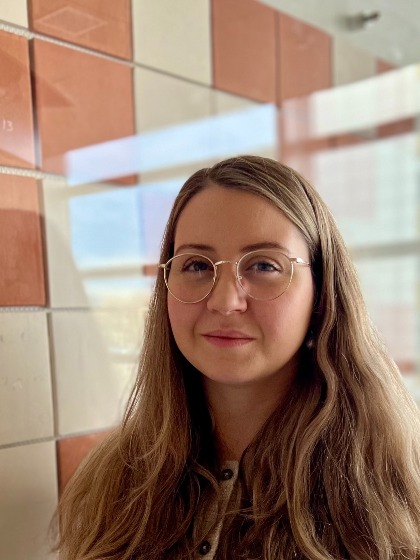
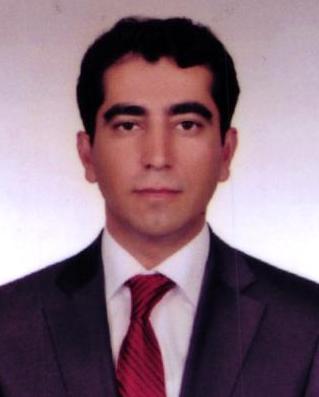
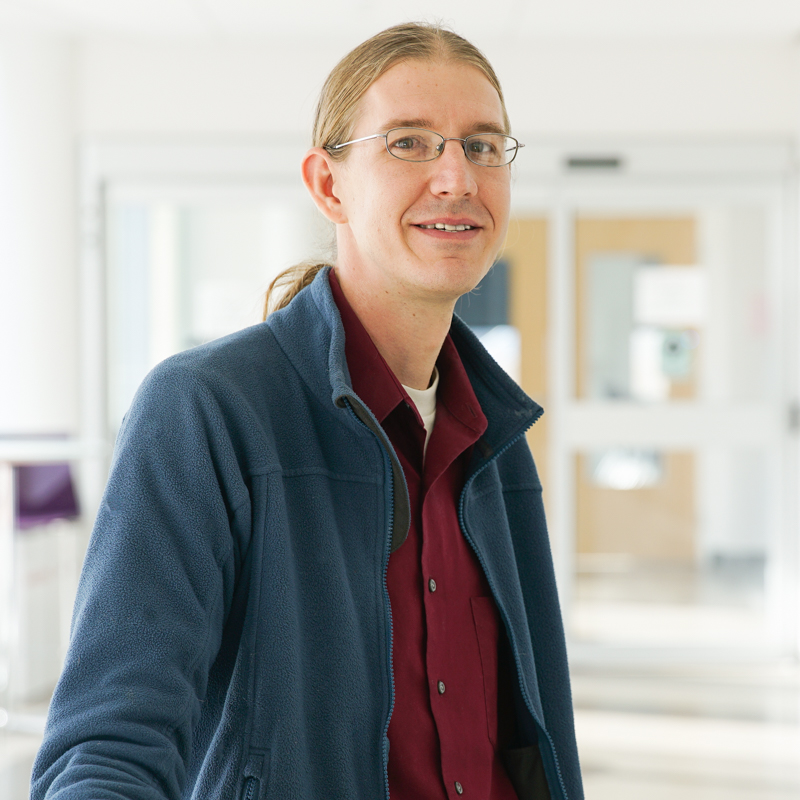
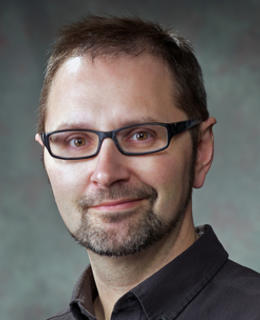
Sara Mouton is a Postdoc researcher at the University of Groningen, affiliated with both the Faculty of Science and Engineering and the Faculty of Medical Sciences. Her primary appointment is in the Molecular Systems Biology group under the Groningen Biomolecular Sciences and Biotechnology institute. She holds a PhD (Cum Laude, 2023) and MSc (2016) in Biomedical Sciences with a focus on ageing biology. Her research explores the physicochemical basis of cellular ageing, particularly macromolecular crowding and cytoplasmic organization in yeast. She investigates how physical and chemical parameters shift with age, using tools like FRET-based sensors and in vitro reconstitution of cell cycle processes. Recent projects include studying nuclear pore complex dynamics and stress-induced transport defects linked to ALS. Publications highlight her expertise in nuclear transport mechanisms, protein self-organization, and single-cell analysis of ageing biomarkers. Awards include a Cum Laude distinction for her PhD thesis on physicochemical perspectives of ageing. She collaborates with Prof. Liesbeth Veenhoff and Dr. Julia Kamenz, advancing studies on crowding regulators and cell cycle reconstitution. Her work bridges biophysics, cell biology, and ageing research, with implications for understanding cellular organization and disease mechanisms.
Anna Shnyrova is an Associate Professor and Ramon y Cajal researcher at the Biofisika Institute, a joint research center of the Spanish National Research Council (CSIC) and the University of the Basque Country (EHU). She leads the Mechanisms of Cellular Membrane Remodelling Laboratory, focusing on fundamental processes in cell biology and biophysics. Her research expertise lies in the dynamic remodeling of cellular membranes, a critical aspect of cellular function including trafficking, division, and signaling. Her work integrates biochemical, biophysical, and structural approaches to understand how proteins and lipids cooperate to shape membranes. The analysis of her publication record reveals a strong emphasis on membrane dynamics, particularly in processes such as fission, fusion, curvature generation, and the role of specialized proteins like BAR domains and dynamins. Her studies frequently employ advanced techniques including in vitro reconstitution, fluorescence imaging, and electron microscopy, often published in top journals like Nature and Science . Young Researcher Award of the Spanish Biophysical Society (2013) UNESCO-L'Oreal for Women in Science grant (2016) Anna Shnyrova has secured significant research funding from the Ministry of Science, Innovation and Universities and the Basque Government, supporting her laboratory and research team. Although specific students are not listed, her leadership of an independent research group indicates active mentorship and training of early-career scientists. Her work continues to advance the mechanistic understanding of cellular membrane organization.
Professor Michael Morgan is a renowned neuroscientist at City, University of London , specializing in the visual system. He joined the institution in 2000 and has held a Professor of Neuroscience appointment. His career spans prestigious institutions including the University of Cambridge , McGill University , Durham University , University College London (UCL) , and University of Edinburgh . Education: PhD, MA, and ScD in Natural Sciences (Experimental Psychology) from the University of Cambridge His research focuses on behavioural neuroscience with applications to vision science , particularly in motion processing , spatial vision , perceptual decision-making , and visual adaptation mechanisms . Current projects funded by the EPSRC and Wellcome Trust explore selective attention , signal detection , and visual space recalibration . Recent publications highlight his work on change detection , direction-selective adaptation , density/contrast modulation , and stereopsis . Collaborations with colleagues like J.A. Solomon and S. Grant span both Applied Vision Research Centre and external institutions such as UCI and Institute of Ophthalmology . Scientific Honors: Elected Fellow, The Royal Society (2005–present) His work bridges psychophysics , visual perception , and neural mechanisms , with implications for understanding both normal and clinical visual processing.
Prof. Hadi Otrok serves as a Professor in the Department of Electrical Engineering and Computer Science (EECS) at Khalifa University. He concurrently holds Affiliate Associate Professor positions at Concordia Institute for Information Systems Engineering (Concordia University, Montreal) and the Electrical Department at École de Technologie Supérieure (ETS, Montreal). He is an Associate Editor for IEEE Transactions on Network and Service Management (TNSM), IEEE Transactions on Services Computing (TSC), and Ad-hoc Networks (Elsevier), with prior editorial service for IEEE Networks and IEEE Communication Letters. His academic credentials include: Ph.D. in Electrical and Computer Engineering (ECE), Concordia University, Montreal, Canada (2008) M.Sc. in Computer Science, Lebanese American University, Lebanon (2003) B.Sc. in Computer Science, Beirut Arab University, Lebanon (2000) Prof. Otrok's research spans Blockchain applications, Federated and Reinforcement Learning systems, and Crowd sensing/sourcing methodologies within Ad hoc networks and Cloud/Fog Computing frameworks. His work integrates Game theoretical Models to address challenges in Computer and Network Security, Internet of Vehicles (including VANET and MANET architectures), and distributed Services Management. Current projects leverage AI and IoT to develop solutions for radiation monitoring, electric vehicle infrastructure, and secure supply chain systems. He leads five major research initiatives: SEEMS-CSI: Smart energy management for EV charging infrastructure with vehicle-to-grid integration Radiation Monitoring System: Real-time detection/tracking of radiation sources using IoT and crowd sensing Blockchain Supply Chain: V2V-enabled framework for crowdsourced logistics optimization Trust in Mobile Crowdsensing: Integrating CPS and crowd data for multi-view AI models Secure Mesh Chat: Resilient communication application over private mesh networks with TII As Chair of the K-12 Ministry of Education Computer Science-AI Framework and founder of academic contests, he actively shapes educational policy while mentoring through the Intelligent Crowd Group, which currently offers Research Assistant, PhD, MSc, and Post-doc positions. He is affiliated with Khalifa University's Center for Cyber-Physical Systems Research (C2PS) where his team develops next-generation security and optimization frameworks for cyber-physical environments.
Andreas Kunz is a Lecturer at the Department of Mechanical and Process Engineering, ETH Zurich, where he leads the Innovation Center for Virtual Reality (ICVR). His research focuses on developing user-oriented virtual and mixed reality systems tailored for industrial applications across product development processes and digital factories. Current Affiliation: ETH Zurich, Institute for Machine Tools Research Themes: Virtual Reality, Mixed Reality, Human-Computer Interaction, Digital Twin Systems Since joining ETH Zurich in 1994 and completing his habilitation in 2004 on "Interaction with the digital product model in virtual space," Kunz has pioneered VR systems for visualization, collaboration, and haptic interfaces in industrial contexts. His work combines academic research with practical implementation through industry collaborations. Recent research trends show increasing focus on real-world VR applications including: Multiuser redirected walking algorithms Attention guidance systems Industrial MTM motion transcription Smartphone-MR device integration Eye tracking for cognitive analysis Haptic interfaces for control panels The ICVR group under Kunz's leadership maintains strong industry partnerships while producing significant publications in IEEE VR, ISMAR, and ACM VRST conferences. Their work bridges theoretical VR research with practical implementations in manufacturing, assembly, and safety-critical environments.
Dr. Kevin A Kotkowski is an Associate Professor in the Department of Emergency Medicine at UMass Chan Medical School's T.H. Chan School of Medicine. His academic career spans over a decade with consistent contributions to emergency medicine operations research and quality improvement. Education: BS in Biology from College of William and Mary, Williamsburg, VA MD from Tufts University School of Medicine, Boston, MA Dr. Kotkowski's research program focuses on optimizing emergency department operations through data-driven approaches. His work examines factors influencing length of stay, imaging utilization patterns, physician workload measurement, and patient safety incident reporting systems. He has developed expertise in translating operational data into actionable clinical improvements, with recent work emphasizing real-time predictive analytics for emergency department flow. His research methodology combines clinical emergency medicine knowledge with operations research principles to address practical challenges in emergency care delivery. Analysis of Dr. Kotkowski's publication trajectory (2014-2025) reveals an evolution from specific operational challenges like cervical spine imaging utilization toward more comprehensive analyses of emergency department functioning. His most recent work demonstrates sophisticated data analytics applications aimed at generating real-time insights for clinical practice improvement. The consistent collaboration pattern with researchers like Martin Reznek, Karl Chamberlin, and Maureen Canellas suggests a well-established research team focused on emergency department operations. Key Research Collaborators: Martin Reznek Karl Chamberlin Maureen Canellas Celine Larkin Bruce Barton While specific teaching responsibilities aren't detailed in the provided information, his Associate Professor position indicates active involvement in medical student and resident education within the emergency medicine department. His research focus on operational efficiency likely informs both his clinical practice and educational contributions to emergency medicine training programs.
Mehmet AKARÇAY is a Lecturer at the Department of Accounting and Tax Applications, Mucur Vocational School, Kırşehir Ahi Evran University. He has been employed in academic roles since 2009, previously serving at Mustafa Kemal University and Ahi Evran University. His expertise spans financial markets, banking, and risk management. PhD in Business Administration (2021), Nevşehir Hacı Bektaş Veli University Master’s in Business Administration (2013), Mustafa Kemal University Bachelor’s in Business Administration (2009), Anadolu University Bachelor’s in Accounting Education (2008), Gazi University His research focuses on financial performance, capital structure theories, digital transformation in banking, and working capital management. Recent works analyze cash flow risks, non-performing loans, and the impact of interest rate fluctuations on dividend policies. Publications include empirical studies on BIST manufacturing firms, Turkish deposit banks, and credit accessibility. Collaborations include co-authoring with Emin Hüseyin Çetenak (2017) and Ersan Ersoy (2023).
Wojciech Turek is a University Professor at the Institute of Computer Science, Faculty of Computer Science, AGH University of Science and Technology in Krakow, Poland. He serves as the Faculty Innovation Broker and is a member of the Disciplinary Council for Technical Information Technology and Telecommunications. His research focuses on agent-based simulation, distributed systems, and robotics. His research interests span scalable agent-based computing, urban traffic simulation, robot coordination, and high performance computing. He has developed novel design patterns for distributed simulation and has applied his work to domains such as traffic management, pedestrian dynamics, and multi-robot systems. His approach often leverages the actor model and Erlang for building highly scalable systems. An analysis of his recent publications reveals a strong trend towards scalability and decentralization in simulation and robotics. His work integrates techniques from evolutionary computation, ant colony optimization, and signal propagation to address complex problems in urban environments and robot coordination. He has also explored applications in vehicle safety using mobile phone technology. Professor Turek holds the position of Faculty Innovation Broker at the Faculty of Computer Science, indicating an active role in technology transfer and innovation within the university. While specific details of his advising and grants are not provided in the available information, his extensive publication record suggests significant research activity.
Dr. Paul Carron is an Associate Professor of Philosophy in the Baylor Interdisciplinary Core (BIC) at Baylor University, with additional affiliation in the Department of Philosophy. His research bridges classical philosophical traditions with contemporary empirical psychology, focusing on moral responsibility, virtue ethics, and the intersection of technology with human moral life. Areas of Specialization: Moral Psychology, Virtue Ethics, Søren Kierkegaard, Aristotle: Ethics Key Teaching Roles: Coordinator of Social World I: The City and the Soul , courses on virtue theory, social psychology, biblical ethics, and ethics & technology His recent publications analyze profound loneliness through Heidegger’s lens (2023), Nietzsche’s non-teleological virtue ethics (2025), and Aristotle’s voluntary action theory (2019). He explores emotion regulation as a skill underlying virtue (2021), critiques evolutionary moral sentimentalism via Kierkegaardian and Aristotelian frameworks, and develops interdisciplinary pedagogical models for teaching ethics in religiously plural environments. Collaborations with Charles McDaniel focus on social justice education (2020) and virtue cultivation through emotion regulation (2013). His work often engages Heidegger, Kierkegaard, and Aristotle to address modern challenges like technology-induced alienation and crowd psychology.
ERCAN YÜCEL serves as a Lecturer at Gaziantep University's Oguzeli Vocational School within the Property Protection and Security Department since 2021. His teaching portfolio includes Literary Knowledge and Theories, Sociology of Literature, and Computer Applications in Turkology at Licence level, alongside Security Management and Crowd Management for Associate Degree students. Previously, he lectured at the Police Academy's Security Sciences Institute (2017-2019). His academic foundation comprises: Doctorate in Modern Turkish Literature from Hacettepe University (2011-2020) Master's in Radio, Cinema and Television from Gazi University (1999-2007) Licence in Security Sciences from Police Academy (1994-1998) Yücel's research critically examines gender representation in contemporary Turkish fiction, criminal psychology in detective novels, and mythological elements in literary narratives. His work consistently bridges literary theory with psychological frameworks, particularly through analyses of authors like Ahmet Ümit and Buket Uzuner, revealing intersections between cultural identity and narrative construction in Turkish society. His 2017-2022 publications demonstrate a methodological evolution toward interdisciplinary analysis, combining literary criticism with personality psychology models. This trajectory highlights growing scholarly interest in the cognitive dimensions of character development within Turkish detective fiction, while his conference presentations increasingly incorporate environmental and mythological perspectives into literary studies.
Aysu Göçer is an Associate Professor in the Department of Logistics Management at Izmir University of Economics, Turkey. She earned her PhD in Business Administration from Dokuz Eylul University in 2015 and her Master's in Logistics from Izmir University of Economics in 2010. With a Bachelor's degree in Business Administration from Bilkent University (1999), she brings 9 years of industry experience, predominantly at Japan Tobacco International, where she specialized in purchasing and planning within logistics and supply chain management. Education Bachelor of Business Administration, Bilkent University, 1999 Master of Logistics, Izmir University of Economics, 2010 PhD in Business Administration, Dokuz Eylul University, 2015 Research Interests Dr. Göçer's research spans supply chain management, procurement, global business models, risk management, and sustainability. She examines the contingent relationship between sustainability and risk in supply chains, particularly in emerging economies, and investigates digital transformation in logistics organizations. Her work also explores social media branding for logistics services and value co-creation in maritime and humanitarian logistics networks. Publication Trends Her recent publications (2019-2025) reveal a growing emphasis on sustainability-risk dynamics, digital transformation, and resilience in supply chains. She has analyzed crowd delivery sustainability, geopolitical impacts on food supply chains, and social media engagement for logistics branding. Much of her empirical work is grounded in the Turkish context, including studies on container ports and customs services. Professional Experience Prior to academia, Dr. Göçer spent 9 years in industry, primarily at Japan Tobacco International in Izmir, focusing on purchasing and planning in logistics and supply chain operations.
Alper Tunga ŞEN serves as a Lecturer in the Department of Political Science and Public Administration at Kastamonu University's Faculty of Economics and Administrative Sciences, where he has held a full-time position since 2022 after serving as a Research Assistant from 2014-2022. His academic journey includes a PhD in Business Administration from Karabük University (2018-2022), an MSc in Urbanization and Environmental Problems from Gazi University (2012-2017), and dual bachelor's degrees in Political Science and Public Administration from Gazi University (2006-2011) and Business Administration from Anadolu University (2008-2012). Dr. ŞEN's research centers on Technology and Innovation Management and New Public Management, with significant contributions to digital public administration, AI integration in government services, and bureaucratic transformation. His work examines how technological advancements reshape citizen-state interactions, public service delivery, and policy implementation, particularly through regional case studies in Kastamonu province. Recent publications reveal a pronounced shift toward hybrid digital governance models, analyzing AI anxiety among public employees, digital citizenship frameworks, and the evolution from traditional bureaucratic structures to technology-enabled administrative systems. With 34 total publications including 17 journal articles, 11 conference papers, and 6 book chapters, his scholarly output demonstrates consistent methodological rigor through empirical regional studies. He has supervised one master's thesis on digital competency levels among public workers and contributed to six research projects addressing regional development, public service challenges, refugee integration, and citizen-state psychological contracts. His collaborative network spans 13 researchers across Turkish institutions including Karabük University, Gazi University, and Kastamonu University itself.
Laurina Zhang serves as Associate Professor of Strategy & Innovation at Boston University's Questrom School of Business, holding office in the Rafik B. Hariri Building at 595 Commonwealth Avenue. Her academic journey includes prior faculty positions at Georgia Institute of Technology's Scheller College of Business and Western University's Ivey Business School. PhD, Rotman School of Management, University of Toronto (2014) BComm, University of Toronto (2007) Professor Zhang's research centers on organizational and policy mechanisms influencing innovation and inequality, specifically examining how technology democratizes access for disadvantaged groups in entrepreneurial and creative domains. Her work bridges strategic management with social impact through rigorous empirical analysis of large-scale datasets and natural experiments. Her publication portfolio demonstrates consistent focus on gender equity, innovation policy, and technological disruption across high-impact journals. Key trends include longitudinal analysis of social movements (particularly #MeToo's impact on Hollywood), experimental studies of volunteer motivation in scientific contexts, and investigations into intellectual property strategies within digital markets. This research consistently addresses systemic barriers while measuring policy intervention effectiveness. Best Dissertation Award at Academy of Management Kauffman Junior Faculty Fellowship Questrom's Shahdadpuri Faculty Research Award NBER Innovation Policy Working Group Support Poets & Quants' Best 40-Under-40 MBA Professors Elective Professor of the Year for Corporate Strategy Zhang's teaching excellence spans multiple institutions, evidenced by Georgia Tech's Class of 1934 Award recognizing only 40 faculty university-wide. Her research has secured substantial funding through NBER working groups while generating significant media attention from Forbes, PCMag, Billboard, and The Conversation. Prior to academia, she applied economic expertise at the Bank of Canada, grounding her scholarly work in practical policy contexts.
Charlie Garrod is an Associate Teaching Professor in the Software and Societal Systems Department within Carnegie Mellon University's School of Computer Science. His academic career focuses primarily on undergraduate computer science education and related areas such as teaching assistant and faculty mentorship. Institution: Carnegie Mellon University School: School of Computer Science Department: Software and Societal Systems Department Position: Associate Teaching Professor Dr. Garrod received his B.S. in Computer Science from Harvey Mudd College in 2001 and completed both his M.S. and Ph.D. in Computer Science at Carnegie Mellon University in 2006 and 2008, respectively. His educational background laid the foundation for his expertise in distributed database systems and software engineering education. His research interests center around computer data management systems, with particular emphasis on the performance, scalability, and power management of highly scalable distributed systems. As a teaching professor, his research program is intentionally focused on undergraduate and Master's student research projects rather than large-scale independent research. His work bridges theoretical computer science with practical applications in transportation information systems, mobile location services, and database scalability. Dr. Garrod's publication history reveals a strong trajectory in distributed systems and database technologies, with recent work shifting toward educational topics such as mentoring teaching assistants. His publications span prestigious venues including ACM Transactions on Algorithms, VLDB, ICDE, and SIGCHI, with his work on the Tiramisu transportation system earning a CHI 2011 Honorable Mention. His research demonstrates consistent contributions to database caching, query optimization, and consistency management for web applications. CHI 2011 Honorable Mention for 'Field Trial of Tiramisu: Crowd-Sourcing Bus Arrival Times to Spur Co-Design' As an educator, Dr. Garrod has mentored numerous students through formal courses and undergraduate research projects. He has developed and taught a wide range of courses including software design and engineering, algorithms and data structures, theoretical computer science, distributed systems, and databases. His teaching philosophy emphasizes practical application of theoretical concepts, with a focus on preparing students for real-world software engineering challenges. He has been actively involved in developing pedagogical approaches for computer science education, particularly in the mentorship of teaching assistants. Dr. Garrod maintains an active teaching schedule, currently instructing courses such as 15-210 Parallel and Sequential Data Structures and Algorithms, 17-480/17-780 API Design, and 07-070 Teaching Techniques for Computer Science. His extensive teaching portfolio demonstrates deep commitment to computer science education across multiple institutions and course levels.
Rob Deardon is a Professor jointly appointed in the Faculty of Veterinary Medicine and the Department of Mathematics and Statistics at the University of Calgary. His research spans Bayesian statistics, infectious disease epidemiology, and spatial modeling, with applications in human and animal health. PhD in Applied Statistics, University of Reading (2001) MSc in Medical Statistics, University of Southampton (1997) BSc in Pure Mathematics & Mathematical Statistics, University of Exeter (1996) Rob Deardon's work focuses on computational statistics, infectious disease modeling (including foot-and-mouth disease and influenza), and spatio-temporal analysis. His methodological interests include Monte Carlo methods, approximate Bayesian computation, and statistical learning. Recent publications emphasize spatial epidemic models, behavioral change analysis, and computational methods for disease surveillance. He leads a research group of 10 graduate students. He teaches graduate courses in infectious disease modeling and maintains collaborations across biostatistics, veterinary medicine, and public health.