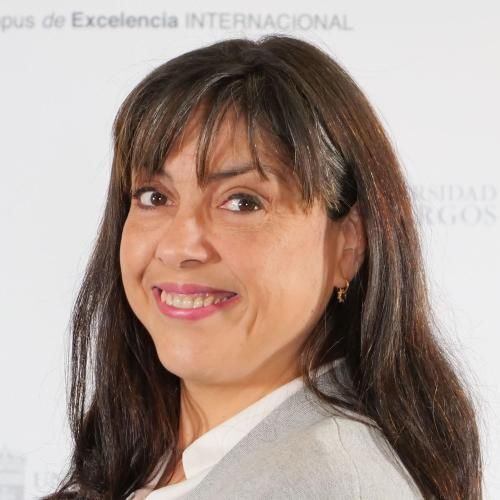
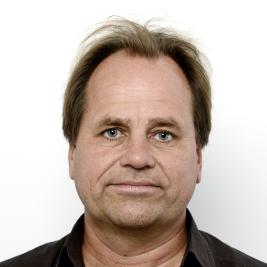
Mihael Grbić is an Associate Professor at the Department of Physics , Faculty of Science , University of Zagreb , Croatia. He leads research at the laboratory for solid-state NMR and high-frequency measurements (Room 010). Graduated in 2005, earned PhD in 2011, and has been with the institute since 2006 Research Interests His work focuses on high-temperature superconductivity in cuprates and pnictides, quantum magnetism in low-dimensional systems, and heavy fermion materials . He specializes in solid-state NMR/NQR and microwave conductivity measurements to probe quantum criticality and phase transitions. Projects Quantum CoreS CeNIKS (Center for Advanced Research in Complex Systems) MicroS - Croatian Science Foundation INSPINOR Instrumentation Expertise Developed advanced equipment for NMR experiments including: Two-axis goniometer for precise crystal orientation Elliptical cylindrical resonant cavity systems Optimized NMR antenna-receiver chains Microwave surface impedance measurement tools
Guillem Aromí Bedmar is a University Professor in the Department of Inorganic and Organic Chemistry at the Faculty of Chemistry, University of Barcelona. He serves as Director of the Institute of Nanoscience and Nanotechnology (IN2UB) and Science Coordinator for the Catalan Agency for Management of University and Research Grants (AGAUR). His academic training includes a Bachelor's Degree in Chemistry from the University of Barcelona (1994), an Ingénieur Chimiste from EHICS Strasbourg (1994), and a Ph.D. in Inorganic Chemistry from Indiana University (1999). University of Barcelona: Bachelor's Degree in Chemistry (1994) EHICS Strasbourg: Ingénieur Chimiste (1994) Indiana University: Ph.D. in Inorganic Chemistry (1999) Prof. Aromí pioneers molecular spin-based quantum computing, focusing on synthesis of coordination complexes and supramolecular assemblies for spintronics, spin crossover, single-molecule magnetism, and photo-responsive quantum devices. His seminal work established molecular qubits and quantum gates, with recent breakthroughs in light-switchable qugates and multi-qubit systems (6-qubit protocols). His research bridges chemistry, physics, and quantum information science , developing molecular platforms for next-generation quantum processors. Analysis of his 15 most recent publications reveals a dominant focus on heterometallic lanthanide complexes for quantum computing applications (70% of articles), with growing emphasis on error correction protocols and multi-qubit architectures . His work consistently integrates spin-crossover phenomena with photo-responsive elements to create externally controllable quantum systems, positioning molecular spintronics at the forefront of quantum information hardware development. Key recognitions include: Three-time recipient of the ICREA Academia Award (2008, 2013, 2018) ERC Starting Grant (ERC-2010-StG-258060) for quantum computing research Prof. Aromí has secured >4.3 MEUR as PI from EU, Spanish, and Catalan grants, including FATMOLS (EU FET-OPEN), SUMO (QUANTERA NET), and Quantum Communications Complementary Plan. His mentoring record spans seven doctoral theses, ten postdocs, and numerous master's students. As Director of IN2UB (re-elected 2022), he oversees one of UB's largest research institutes and leads acquisition of major infrastructure like Spain's only PULSED EPR spectrometer. He leads the Lab of Molecular Design (LabMolDesign), evolving from his foundational Group of Magnetism and Functional Molecules (GMMF). His international leadership includes chairing MOLMAT2012, representing Catalan Chemical Society at EuChemS, and delivering 77+ invited talks worldwide.
Herbert Pang is an Adjunct Assistant Professor in the Department of Biostatistics & Bioinformatics at Duke University, specializing in statistical methodologies for clinical trials, genomics, and pathway analysis. His work spans hybrid control integration, predictive modeling, and real-world evidence applications in oncology and public health. Education: Ph.D. in Biostatistics, Yale University (2008) Research Focus: Herbert’s research centers on biomarker clinical trial design, longitudinal data analysis, and machine learning applications in oncology. Key areas include hybrid trial methodologies, dietary trend analysis, and surrogacy assessment for survival outcomes. Publication Trends (2025–2023): Recent publications emphasize causal inference frameworks, AI/ML in clinical development, and hybrid control trials. Topics span dietary macrotrends (sodium/fiber consumption), oncology predictive models, and statistical innovation in pharmaceutical research. Grants: National Institutes of Health (2006–2012): Anti-VEGF efficacy vs. toxicity in tumors/wounds National Institutes of Health (2009–2012): Alcohol’s effects on liver injury repair
Quan Zhang is an Assistant Professor in the Department of Accounting and Information Systems at the Broad College of Business, Michigan State University. With a Ph.D. in Information, Risk and Operations Management from the University of Texas at Austin (2020), an M.S. in Biostatistics from the University of Minnesota (2015), and a B.S. in Biological Science and Economics from Peking University (2012), his academic journey bridges diverse disciplines. Education Ph.D., Information, Risk and Operations Management - University of Texas at Austin (2020) M.S., Biostatistics (Ph.D. study) - University of Minnesota at Twin Cities (2015) B.S., Biological Science and Economics - Peking University (2012) His research focuses on interpretable machine learning , particularly balancing model interpretability and capacity using Bayesian and variational inference methods. Applications span telemedicine , quantitative marketing , medical data analysis , and online finance , with recent work on watermarking for copyright protection and robust representation learning. Selected publications include his 2025 paper on Beyond Invisibility: Learning Robust Visible Watermarks , 2023 work on Weibull Racing Survival Analysis , and foundational 2018 contributions to Nonparametric Bayesian Lomax Delegate Racing . His methodological innovations in Bayesian multinomial regression and survival modeling have been published in Advances in Neural Information Processing Systems and the Journal of Machine Learning Research . He contributes to software development with Python and R implementations for Bayesian models, available in his GitHub repository. His teaching includes graduate-level ITM885 Machine Learning and Optimization , emphasizing practical applications in business analytics.
Ludvig Balteskard is a researcher affiliated with the University of Tromsø , specifically within the Faculty of Health Sciences , focusing on cardiovascular diseases, venous thromboembolism (VTE), and atherosclerosis. His work frequently employs population-based studies like the Tromsø Study to explore bidirectional relationships between arterial and venous vascular pathologies. Research interests include: Interplay between arterial cardiovascular diseases (e.g., myocardial infarction, stroke) and VTE Role of prothrombotic genetic variants in vascular disease risk Longitudinal analysis of atherosclerosis progression and thrombosis Impact of cardiovascular events on cancer risk His publications highlight methodological rigor in epidemiology, particularly in time-varying analyses and risk stratification. No specific awards or student advisement details are mentioned.
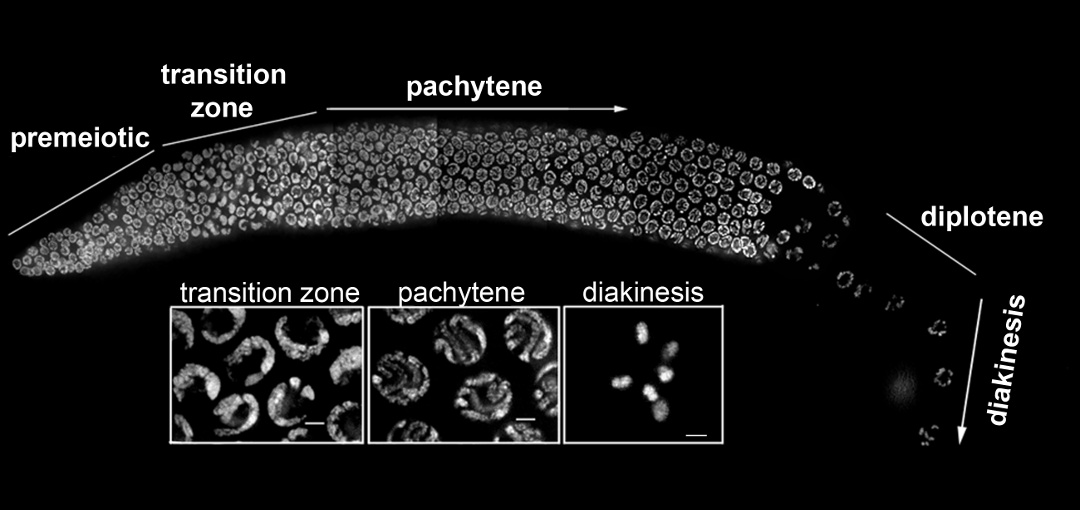
Dr. Monica Colaiacovo is a Tenured Full Professor at Harvard Medical School's Department of Genetics within the Blavatnik Institute. Her research focuses on meiotic processes, germline maintenance, and environmental impacts on reproductive health. Harvard Medical School Department of Genetics Blavatnik Institute affiliation Established C. elegans as key model organism Research interests include: Meiotic chromosome dynamics Synaptonemal complex assembly Histone modification roles in DNA repair Environmental toxicant screening Key article trends show environmental chemical effects on meiosis, epigenetic regulation of DNA damage repair, and molecular mechanisms in synaptonemal complex formation using C. elegans models. Scientific contributions include: PLOS Genetics editorial board member (2016) High-throughput toxicant screening platform Lab members span from research associates to visiting students, with recent focus on DEET and phthalate effects on reproduction. Collaborations extend to Harvard's Yankner Lab and Church's team for interdisciplinary research.
Kristian Bernhard Nilsen serves as an Adjunct Professor in the Department of Neurology at the University of Oslo's Faculty of Medicine, with his primary affiliation at Oslo University Hospital (OUS), Rikshospitalet. His clinical and research activities focus on advanced neurophysiological diagnostics and neurological disorders. His primary research interests span Neurophysiology , Electrophysiology , and Neuropathic Pain , with significant contributions in Sleep Disorders , Autonomic Nervous System function, and Diabetic Neuropathy . His work integrates clinical neurology with advanced diagnostic methodologies, particularly in EEG analysis, nerve conduction studies, and motor unit estimation techniques. Recent publications demonstrate a strong emphasis on standardization of neurodiagnostic protocols, pain mechanisms in neurological conditions, and occupational health impacts on neurological function. Analysis of his 15 most recent publications reveals a consistent focus on methodological rigor in neurodiagnostics, with particular attention to ALS quantification techniques, diabetic neuropathy diagnostics, and EEG criteria validation. His work frequently addresses clinical translation challenges, especially in standardizing nerve conduction studies and developing wearable diagnostic technologies. A significant portion examines occupational health factors like shift work impacts on neurological function and pain perception. No scientific awards or specific grant information is publicly documented in the provided materials. His research appears integrated within larger institutional frameworks at Oslo University Hospital and the University of Oslo's Faculty of Medicine. While no specific laboratory or research team is detailed in the provided text, his publication patterns suggest active collaboration within neurophysiology research groups focused on diagnostic standardization and neuropathic pain mechanisms. His work on the MScanFit method and DICOM waveform encoding indicates leadership in technical standardization initiatives for clinical neurophysiology.
Frank Achtenhagen is a Professor at the University of Göttingen, actively advising graduate students across diverse biomedical and scientific disciplines. His advisory roles span clinical research, molecular biology, neuroscience, and behavioral studies. Advisor to 20+ doctoral candidates in 2025 alone Research spans cardiological, neurological, and psychological domains Contributions to polymer chemistry and primate fitness studies His recent advisees explore topics including: Cardiovascular health and fitness trackers Neurodegenerative diseases (MS, fibromyalgia) Advanced imaging techniques (micro-CT, optical microscopy) Neurobehavioral interactions and synaptic function Molecular catalyst design for CO₂ utilization Autism epidemiology and healthcare access Current research trends emphasize interdisciplinary approaches bridging clinical practice, molecular innovation, and behavioral neuroscience. Publications from his advisees demonstrate expertise in longitudinal studies, therapeutic development, and material science applications in medicine.
Thomas Zawodzinski is the UT-ORNL Governor's Chair in Electrical Energy Storage with dual appointments at the University of Tennessee's Department of Chemical and Biomolecular Engineering and Oak Ridge National Laboratory. Appointed in 2009, he leads research in energy conversion and storage technologies, bridging academic and national laboratory resources to advance battery and fuel cell science. Dr. Zawodzinski earned his PhD in Chemistry from SUNY/Buffalo, where he focused on electrochemical devices for energy applications. His educational background includes fundamental and applied studies of batteries and fuel cells, applications of NMR methods to study transport and structure in device components, and development of advanced functional materials. Zawodzinski's research spans the entire spectrum from molecular-level understanding to practical device implementation in energy storage. His work focuses on fuel cells, battery technologies, and electrical energy conversion systems. Key areas include development of advanced electrolytes and membranes, water management in fuel cells, and application of NMR to chemical engineering problems. His research group has made significant contributions to redox flow batteries, metal-air batteries, and membrane technologies that enable more efficient energy storage solutions. His recent publications reveal a strong trend toward solid-state battery technologies, advanced membrane development for redox flow batteries, and novel materials for intermediate-temperature fuel cells. The research shows increasing focus on practical implementation challenges including mechanical stability of thin electrolytes, prevention of crossover phenomena, and development of robust materials that can withstand demanding operational conditions in next-generation energy storage systems. Dr. Zawodzinski has received numerous prestigious honors for his contributions to the field: 2016 ECS Energy Technology Division Research Award ECS Fellow designation Royal Academy of Engineering Fellowships Poly Fellow recognition Zawodzinski maintains strong industry collaborations, currently working with four Knoxville-area start-ups. His major research initiatives include leading the university research aspect of the Second Life Battery Storage Project (repurposing EV batteries for grid storage), participating in the Breakthrough Electrolytes for Energy Storage and Systems (BEES2) project, developing materials for the Department of Energy's Million Mile Fuel Cell Truck consortium, advancing "green methanol" technology that converts CO 2 to methanol, and creating high-energy density batteries for Army eVTOL aircraft applications. He leads the Energy Storage and Conversion Group at ORNL and maintains the "Z Group" research team at UT Knoxville, fostering a collaborative environment that bridges fundamental science with practical engineering solutions for next-generation energy storage technologies.
Ann Dyreborg Larsen serves as an External Lecturer at the Section of Social Medicine within the Department of Public Health, Faculty of Health and Medical Sciences, University of Copenhagen. Her research centers on occupational health impacts, specifically examining how shift work patterns, job strain, and part-time employment influence physical and mental health outcomes across diverse populations. Her primary research domains include: Occupational Health Public Health Epidemiology Sleep Research Shift Work Physiology She employs advanced longitudinal methodologies to investigate causal pathways between work conditions and health deterioration, with particular focus on validation of exposure metrics and socioeconomic mediators in occupational settings. Analysis of her 2023-2025 publications reveals dominant thematic clusters around night shift work consequences (sleep disruption, cardiovascular disease, breast cancer risk) and psychosocial work factors (job strain, part-time work trajectories). Her methodological signature features large-scale cohort studies, innovative case-crossover designs using payroll data, and rigorous validation of self-reported exposure measures—demonstrating consistent contributions to occupational epidemiology through high-impact journals like European Journal of Public Health and Scandinavian Journal of Work, Environment & Health . Dr. Larsen maintains active collaborations with leading researchers including Nabe-Nielsen, Hansen, Rugulies, and Garde across Scandinavian institutions, with her work generating significant academic engagement (Scopus citations, Mendeley readership) and media coverage through news outlets and social platforms.
Jawad Ahmad Zahid serves as a Lecturer within the Section of Social Medicine in the Department of Public Health at the University of Copenhagen's Faculty of Health and Medical Sciences. His dual roles as teaching assistant and assistant lecturer reflect active engagement in medical education, with contact via vld252@sund.ku.dk and institutional addresses at Blegdamsvej 3B (2200 N) and Gothersgade 160, 3 (1123 K) in Copenhagen. Dr. Zahid's research centers on public health and clinical medicine, with core interests in epidemiology, medical education, surgical outcomes, and disease-specific studies including hidradenitis suppurativa (dermatology) and colorectal cancer (oncology). His methodological approach spans systematic reviews, meta-analyses, and randomized controlled trials to address population health challenges and clinical interventions. Recent publications (2023-2025) demonstrate interdisciplinary collaboration across dermatology, gastroenterology, and surgical oncology. Key trends include global prevalence studies of hidradenitis suppurativa, analysis of pre-graduate research experiences among medical trainees, and therapeutic protocols for post-surgical complications like low anterior resection syndrome using melatonin. No scientific awards were documented in the source material. Information regarding student supervision, grant funding, or laboratory affiliations was not provided in the available text.
Raquel Garcia Martin serves as a Researcher at the University of Burgos within the Department of Digitalization in the Higher Polytechnic School for the 2024-2025 academic period. She earned her Doctorate from the University of Burgos in 2022 under the supervision of Dr. Bruno Baruque Zanón, Dr. Ana María Lara Palma, and Dr. Rodrigo Alonso Alcalde. Her research spans Systems Engineering, Automation, and Knowledge Management with specialized focus on museum contexts and cultural heritage ecosystems. Her doctoral work centered on designing the ATA-MEH model for knowledge management in museums, validated through case studies at the Museum of Human Evolution and the Atapuerca Project ecosystem. This interdisciplinary approach integrates engineering principles with cultural institution management. Dr. Garcia Martin's work demonstrates significant crossover between technical systems engineering and humanities applications, particularly in digital transformation of cultural heritage institutions. Her research methodology emphasizes practical implementation of theoretical models in real-world museum environments.
Dr. Alexandra Wade is an Early Career Researcher at the University of South Australia's Allied Health & Human Performance school, where she holds the position of Adjunct Research Fellow. Her work bridges nutrition science and psychology with a specific focus on dementia prevention through dietary interventions. Her educational background includes a Doctor of Philosophy (2019) and a Bachelor of Psychology (2012), both from the University of South Australia. Dr. Wade's research interests center on dietary patterns, particularly the Mediterranean diet, and their relationships with cognitive function and cardiometabolic health in older adults. Dr. Wade's publication record demonstrates consistent research output with significant contributions in 2023-2024, particularly in understanding how time-use compositions (physical activity, sleep, sedentary behavior) interact with dietary patterns to influence cognitive health and cardiovascular outcomes. Her work often employs sophisticated methodologies including compositional data analysis, randomized controlled trials, and longitudinal cohort studies. Her research has been published in high-impact journals including Nutrients, The Journals of Gerontology, and International Journal of Behavioral Nutrition and Physical Activity, reflecting the interdisciplinary nature of her work spanning nutrition, psychology, and gerontology. As a Research Degree Supervisor, Dr. Wade contributes to academic training while maintaining active professional memberships with the Nutrition Society of Australia and the Australian Association of Gerontology.
Bertil Tungodden is a Professor of Economics at the Norwegian School of Economics (NHH) in Bergen, Norway, where he has been faculty since 2002. He serves as Scientific Director of the Centre of Excellence FAIR (Centre for Experimental Research on Fairness, Inequality and Rationality) and Co-Director of the research group The Choice Lab. Additionally, he holds positions as an Einstein Visiting Fellow at Humboldt University in Berlin, Germany, and as an affiliated researcher at the Christian Michelsen Institute in Bergen, Norway. His research spans experimental and behavioral economics, development economics, distributive justice, and social choice theory, with significant crossover into political philosophy. Tungodden has published extensively in leading international academic journals including Science, American Economic Review, Journal of Political Economy, and Journal of Philosophy. His recent work explores gender inequality, fairness perceptions across cultures, meritocracy, and experimental approaches to understanding social preferences. Tungodden currently serves as Associate Editor at the Journal of Political Economy and Social Choice and Welfare, and has previously held editorial positions in Management Science, Journal of Economic Behavior and Organization, and Economics and Philosophy. He is also a member of the Strategy Committee of the European Economic Association and an Ambassador of the European Research Council (ERC). European Research Council Advanced Grant recipient (2018) Research Excellence Grant (Toppforsk) from the Research Council of Norway Elected member of the Norwegian Academy of Sciences Tungodden has led major research projects including the ERC Advanced Grant project 'Fairness and the Moral Mind' and the Research Council of Norway project 'Fair Inequality and Personal Responsibility.' He has been a visiting fellow at prestigious institutions including University of California, Berkeley (2009-2010), University of Munich (2007), and Harvard University (2005). His research has significant policy implications for understanding inequality, fairness judgments, and designing effective interventions in development contexts.