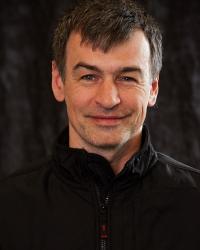
Anton Andreev is the Boeing Professor of Physics at the University of Washington. His research focuses on electron physics in low-dimensional systems such as quantum wells, wires, and dots, emphasizing electron-electron interactions and disorder effects. He explores phenomena like Luttinger liquids and Coulomb blockade, along with superconductivity and quantum coherence in disordered systems. Education: Ph.D. in Physics from MIT (1996). Research Interests Quantum transport in nanoscale systems Interplay between electron-electron interactions and disorder Superconductivity in layered and disordered materials Non-equilibrium quantum phenomena Selected Awards 1999 A. P. Sloan Fellowship 1999 David & Lucille Packard Fellowship 1999 NSF CAREER Award Key Contributions His work spans theoretical studies of Coulomb blockade, Luttinger liquids, and quantum criticality. Recent focus includes hydrodynamic plasmons in electron bilayers, nonreciprocal transport in superconducting junctions, and topological phenomena in Weyl semimetals.
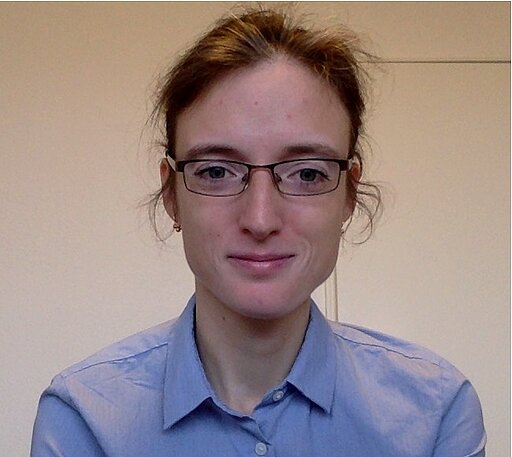
Dr. Viktoriia Kornich is a Temporary Lecturer (Habilitandin) and Junior Group Leader at the Chair of Theoretical Physics IV, University of Würzburg, Germany. She holds a PhD from the University of Basel and has held research positions at leading institutions including the University of Luxembourg, University of Wisconsin-Madison, and Delft University of Technology. Her research focuses on non-Hermitian superconductivity, topological quantum materials, Majorana fermions, and quantum nanostructures. Key areas include Andreev bound states, PT-symmetric systems, and phonon-mediated effects in quantum devices. Her work bridges theoretical condensed matter physics with quantum computing applications. Since 2023, she leads a research group within the Collaborative Research Center (SFB) 1170, exploring frontier topics in theoretical physics. Recent publications highlight advancements in non-Hermitian superconductors, Majorana-based quantum operations, and hybrid nanostructures. Her contributions have been disseminated through high-impact journals, with a focus on experimental可观测性 of topological phases. Dr. Kornich's academic journey includes a B.S. and M.S. from Moscow Institute of Physics and Technology, followed by doctoral and postdoctoral training in Switzerland, Luxembourg, and the U.S. She is affiliated with the University of Würzburg's Physics Department, contributing to both teaching and cutting-edge research initiatives in quantum materials and theoretical physics.
Marcel Swart is a Full Professor and ICREA Professor of Theoretical Chemistry at the University of Girona (UdG), affiliated with the Institute of Computational Chemistry and Catalysis (IQCC) and the Faculty of Science. He holds a PhD from the University of Groningen and completed postdoctoral research in Amsterdam. His research focuses on theoretical and computational chemistry, particularly transition-metal reactivity, catalysis, and spin-state effects in bioinorganic systems. He has led the IQCC as Director (2015–2023), served as Editor for Inorganica Chimica Acta , and pioneered software like the Amsterdam Modeling Suite (AMS) and MSXC system. Affiliations: IQCC, Department of Chemistry (UdG), and multiple editorial roles. Education: PhD in Theoretical Chemistry (Groningen, 2002), postdocs at University of Amsterdam. Research interests include computational catalysis , metal-oxo intermediates , spin-state effects , and method development . His work bridges theory and experiment, with applications to energy and environmental chemistry. Key contributions include the MSXC computational framework and studies on high-valent iron and copper systems. Awards: Fellow of the Royal Society of Chemistry (2015), Member of Academia Europaea (2019), MGMS Silver Jubilee Prize (2012). Swart has supervised numerous PhD students and collaborates globally on predictive computational chemistry for confined-space catalysis. His labs focus on open science practices, including reproducible data sharing and open-access publishing.
Peter Littlewood is a Professor of Physics at the University of Chicago's Pritzker School of Molecular Engineering and James Franck Institute. He previously served as Head of the Cavendish Laboratory and Department of Physics at the University of Cambridge, and held leadership roles at Bell Laboratories. His research focuses on condensed matter physics, superconductivity, and quantum materials. Littlewood earned his bachelor's and PhD in physics from the University of Cambridge. Key research areas include polariton condensates, nonreciprocal systems, and the interplay between electronic and elastic phenomena in materials. He has pioneered studies on superconductivity in strontium titanate and explored quantum fluctuations in driven-dissipative systems. His work integrates theoretical physics with experimental techniques like synchrotron tomography and optical spectroscopy. Littlewood is a Fellow of the Royal Society, Institute of Physics, and American Physical Society, reflecting his significant contributions to the field. His career spans academic leadership roles, including directing theoretical physics research at Bell Labs and advancing materials science through interdisciplinary collaborations. Current research emphasizes non-equilibrium quantum systems and their applications in energy and information technologies.
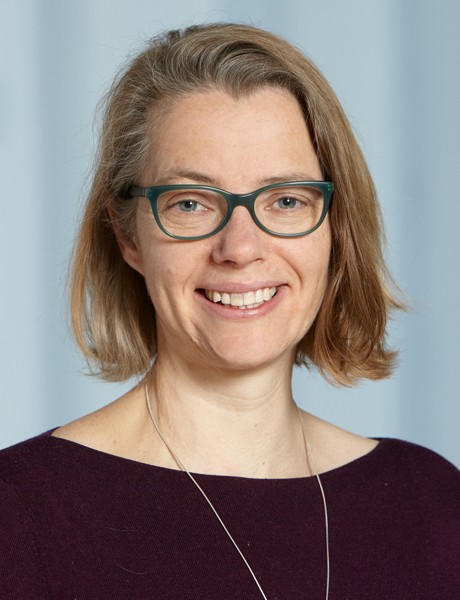
Anne Draelos, Ph.D. is an Assistant Professor with dual appointments in the Department of Biomedical Engineering and the Department of Computational Medicine & Bioinformatics at the University of Michigan. She is also affiliated with the Michigan Neuroscience Institute, the Michigan Institute for Data Science, and the Michigan Institute for Computational Discovery and Engineering. Her research focuses on developing statistically efficient methods for real-time and adaptive neuroscience experiments. Dr. Draelos received her Ph.D. in Physics and M.S. in Electrical & Computer Engineering from Duke University, followed by undergraduate degrees in Physics and Computer Science from North Carolina State University. Her academic journey spans quantum physics, electrical engineering, and neuroscience, reflecting her interdisciplinary approach to complex scientific problems. Her research interests center on real-time analysis of neural and behavioral data using machine learning and statistical techniques. The Draelos Lab develops methods for adaptive stimulation of neural dynamics, multimodal latent space modeling, real-time brain-computer interfaces with neural stimulations, and Bayesian optimization for visual stimuli. Her work bridges the gap between simplistic and complex stimulus spaces to provide new insights into how sensory stimuli are represented in the brains of behaving animals. Analysis of her recent publications reveals a strong focus on developing computational methods that enable real-time analysis and intervention in neural systems. Her work spans from low-dimensional neural manifold modeling to large-scale neural connectivity estimation, with applications ranging from larval zebrafish to non-human primates. She has pioneered approaches that combine streaming data analysis with adaptive experimental designs to accelerate neuroscience discovery. Sloan Fellowship in Neuroscience (2024) Career Award at the Scientific Interface from Burroughs Wellcome Fund (2021) Swartz Foundation Fellow for Theory in Neuroscience (2020) Best Poster Award, IEEE Brain Workshop on Advanced NeuroTechnologies (2020) Ruth K. Broad Postdoctoral Fellowship (2019-2020) Dr. Draelos actively mentors students across multiple levels, including undergraduate, master's, and Ph.D. candidates. Her lab has received funding from multiple prestigious sources including the University of Michigan Research Scout Award, Sloan Fellowship, Burroughs Wellcome Fund, and the National Institute on Aging. Her research philosophy emphasizes tight integration between computational models and experimental neuroscience, creating a feedback loop where models inform experiments and experimental results refine models. The Draelos Lab is located at the North Campus Research Complex (NCRC) at the University of Michigan, where they develop and implement cutting-edge methods for real-time neural data analysis and adaptive experimentation. The lab maintains strong collaborations with several other research groups including the Kaczorowski Lab, Chestek Lab, Savier Lab, Burgess Lab, and Naumann Lab.
Mads Brandbyge is a Professor in the Department of Physics at the Technical University of Denmark (DTU). His research focuses on quantum transport phenomena in novel nanomaterials, particularly graphene-based systems and molecular junctions. He leads advancements in computational methods for simulating electronic and structural properties at the atomic scale, with a particular emphasis on first-principles modeling using tools like TranSIESTA and QuantumATK. His work addresses fundamental questions in 2D materials engineering, including electronic decoupling in graphene heterostructures, chiral current control, and topological phase transitions. He has pioneered studies on nanoporous graphene's Talbot effect, current-induced mechanical effects in nanoconductors, and spin-polarized electron transport in nanoribbon networks. Brandbyge has contributed to the development of large-scale simulation techniques for devices exceeding 100 nm in scale, bridging atomistic modeling with practical device applications. Key areas of exploration include: Quantum interference in graphene nanostructures Vibrational and electronic properties of molecular junctions Electrochemical modulation of carbon nanocircuitry Interface engineering in photovoltaic materials Atomically precise defect control in 2D materials His recent publications (2023-2025) emphasize twistronics in graphene bilayers, spin-crossover phenomena in molecular systems, and topological transitions in strained oxides. These studies highlight a strong focus on manipulating electronic properties through atomic-scale structural control, with applications in next-generation nanoelectronics and quantum devices. Brandbyge has organized international conferences and collaborates widely in the field of 2D materials. His research methodologies integrate density functional theory, nonequilibrium Green's functions, and molecular dynamics to achieve multiscale insights into nanoscale systems.
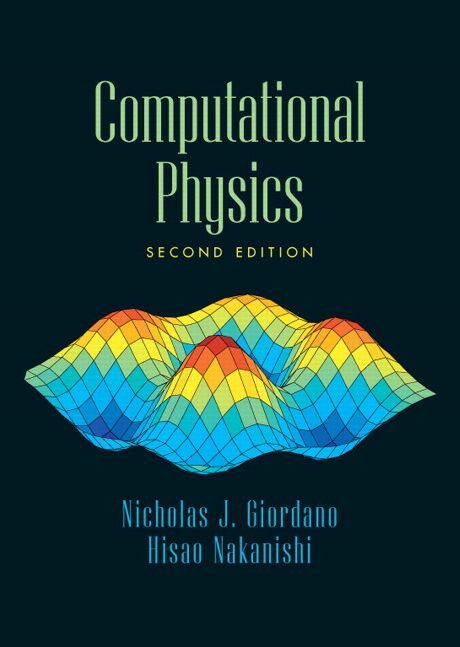
Hisao Nakanishi is a Professor of Physics at Purdue University since 1995, with prior roles as Associate Professor (1989–1995) and Assistant Professor (1984–1989). He holds academic affiliations with the Department of Physics and Astronomy within the College of Science. His research focuses on statistical physics, particularly phase transitions and critical phenomena in disordered systems, and physics education technology. Notable contributions include studies on quantum percolation, self-avoiding walks, and computational physics methodologies. Education: Sc.B. in Physics from Brown University (1974), A.M. and Ph.D. in Physics from Harvard University (1976, 1980). Postdoctoral work at Cornell University (1980–1982) and research positions at institutions including the Institute for Theoretical Physics, UC Santa Barbara (1982–1983). Research Interests: Statistical mechanics of disordered systems, quantum transport phenomena, and the effectiveness of digital tools in physics education. Key projects involve computational modeling of percolation, vibrational spectra analysis, and Monte Carlo simulations. Publications include influential works on quantum percolation and co-authorship of the textbook Computational Physics (2005). Awards include the 1992 Gordon Bell Prize for parallel computing applications. Advising: Supervised PhD students such as Brianna Dillon Thomas and Md. Fhokrul Islam. Active in the Computational Science and Engineering Program at Purdue.
Changbin Chen is an Associate Professor in the School of Life Sciences at Arizona State University (ASU). Previously, he held the same rank at the University of Minnesota. His research focuses on plant biology, particularly DNA break repair, homologous recombination, genome organization, evolution, and crop improvement. He develops novel vegetable varieties for short-season locations and space farming. Chen also teaches courses in plant biology, genetics, and biochemistry at both undergraduate and graduate levels. Education Postdoctoral Fellowship: Pennsylvania State University (Life Sciences) and University of Pennsylvania (Biology) Ph.D.: East China Normal University (Plant Molecular Genetics) with joint training at SIPPE, CAS M.S.: East China Normal University (Plant Systematics) B.S.: Hubei University (Biology) Research Interests Chen’s work integrates molecular genetics, genomics, and biotechnology to study plant meiosis, genome organization, and crop adaptation. Key areas include understanding mechanisms of DNA repair, recombination landscapes in maize, and developing stress-resistant and short-season crop varieties. His lab employs advanced techniques like machine learning for chromatin analysis and phage display for protein-DNA interaction studies. Publications Recent work spans topics such as tomato variety development, corn kernel quantification, and meiotic transcriptomics. Notable contributions include identifying chromatin patterns influencing recombination and isolating meiocytes for genomic studies. Labs & Teams His research group is affiliated with the Chen Lab , previously based at the University of Minnesota, now continuing at ASU. The lab collaborates on projects involving plant genetics, agricultural innovation, and space farming applications.
Kirsten Bomblies serves as Full Professor in the Department of Biology at ETH Zurich, where she concurrently holds the position of Deputy Head of the Institute of Molecular Plant Biology. Her research program addresses fundamental questions in evolutionary genetics through the lens of polyploid adaptation in plants, with primary focus on Arabidopsis arenosa as a model system for understanding genome duplication consequences. Her research interests concentrate on the molecular mechanisms enabling meiotic stability in polyploids, investigating how plants overcome the initial infertility barrier following whole-genome duplication. Key areas include chromosome pairing dynamics, crossover interference evolution, and the genetic basis of adaptive traits like drought tolerance emerging as by-products of polyploidy. Her work integrates cytological, genomic, and population genetic approaches to dissect how natural selection shapes meiotic machinery in response to genome duplication events, with particular attention to temperature-responsive recombination plasticity and protein stability adaptations. Analysis of her publication trajectory reveals consistent thematic focus on polyploid meiosis stabilization since 2012, with recent work expanding into 3D genome organization, chromatin accessibility changes in nascent polyploids, and the role of cohesin variants in adaptive evolution. Her research demonstrates how polyploid systems evolve solutions to universal challenges of multivalent chromosome pairing, with implications for understanding evolutionary innovation following genome duplication events across eukaryotes.
Dr. Cristiano Palego is a Senior Lecturer in Microwave Instrumentation at the School of Computer Science and Engineering, Bangor University. His research bridges microwave engineering, biosensor development, and environmental monitoring, with a focus on insect telemetry and cancer cell analysis. Key affiliations: SUMCASTEC (EU-funded), KESS II (PhD projects), and collaborations with S&A Fresh Produce Ltd and Cardiff University. Research Interests span microwave biosensors for cellular analysis, machine learning in insect behavior classification, and electromagnetic interactions with cancer stem cells. His work addresses UN Sustainable Development Goals in environmental conservation and health innovation. Scientific Contributions include advancements in: Microwave-based bee-tracking systems Glioblastoma organoid exposure studies MEMS phase shifters for biomedical applications Dielectrophoretic cell discrimination Recent Publications (2022–2024) highlight trends in integrating machine learning with microwave and radar systems for: Honeybee behavior classification Automated pollination monitoring High-frequency cancer cell analysis Awards & Recognition include contributing to Bangor University's 2023 Queen's Anniversary Prize-winning research on societal impact. Supervision : Open to advising PhD students in microwave biosensing, entomology, and biomedical device development.
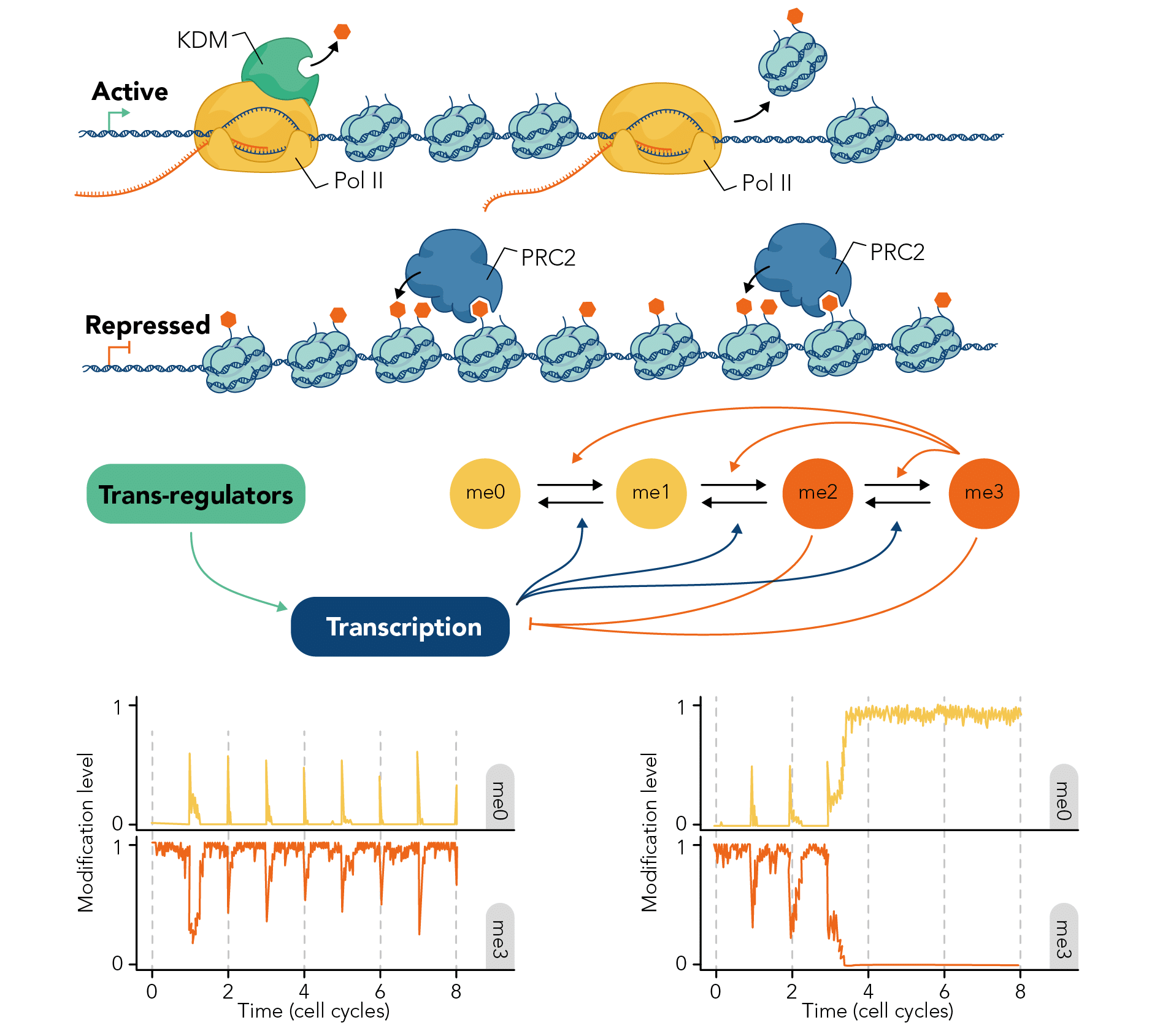
Professor Martin Howard is a leading academic at the John Innes Centre, where he serves as Head of the Computational and Systems Biology department. His research focuses on integrating mathematical modeling with experimental biology to understand complex systems like epigenetic memory and cell size control. He holds a DPhil from Oxford University and has held prestigious roles including Royal Society University Research Fellow and Unilever Visiting Professor at the University of Amsterdam. Current roles: Professor and Head of Department at John Innes Centre, Honorary Group Leader at Babraham Institute Research Themes: Epigenetic dynamics, chromatin structure, and interdisciplinary computational approaches His work combines statistical physics principles with biological systems, notably in Polycomb epigenetic systems and meiotic recombination. Key areas include the molecular mechanisms of epigenetic memory in cold sensing and the coarsening model for meiotic crossover positioning. Recent publications highlight advancements in understanding HEI10 proteolysis, COOLAIR-mediated vernalization, and chromatin-histone feedback loops. Awards include EMBO Membership (2024) and the Rosalind Franklin Prize (2020). Howard has advised numerous postdocs and researchers, many of whom hold academic or industry roles globally. His lab collaborates with experimental groups across plants and mammals, emphasizing interdisciplinary approaches to biological problems.
Jun. Prof. Dr. Manuel Gruber is an Assistant Professor at the Faculty of Physics , University of Duisburg-Essen , leading the Scanning Probe Microscopy group. He is affiliated with the Collaborative Research Centre 1242 , focusing on non-equilibrium dynamics at the nanoscale using terahertz scanning tunneling microscopy (THz-STM) . His research explores quantum properties of individual nanoobjects adsorbed on surfaces , particularly spin-crossover molecules , orbital moments , and ultrafast dynamics . His recent publications highlight advancements in spin-state switching , thermal activation mechanisms , and THz-pulse-driven STM instrumentation . Dr. Gruber was awarded the Gaede Prize (2023) by the German Physical Society for his work on spin-crossover molecules . His group collaborates with institutions like the Max Planck Institute for Solid State Research and Christian-Albrecht University of Kiel , maintaining a multidisciplinary approach to surface science and quantum nanoscale phenomena .
Benjamin Nagler is a researcher at the Department of Physics, RPTU Kaiserslautern-Landau, specializing in ultracold atomic systems and quantum gases. His work focuses on the interplay between disorder potentials, superfluid dynamics, and coherence properties in Bose-Einstein condensates and fermionic superfluids. Research themes: quantum gases in disorder, coherence analysis, BEC-BCS crossover, spatiotemporal dynamics Key collaborations: Prof. Artur Widera's group His publications (2018–2024) examine disorder effects on ultracold atoms, density correlation techniques, and experimental apparatus development. Notably, his 2018 apparatus design for fermionic lithium systems was featured as an Editor's Pick in Review of Scientific Instruments . Scientific awards include recognition for technical innovation in quantum gas instrumentation. Current research investigates time-controlled disorder realizations and superfluid dynamics through cross-correlation analysis.
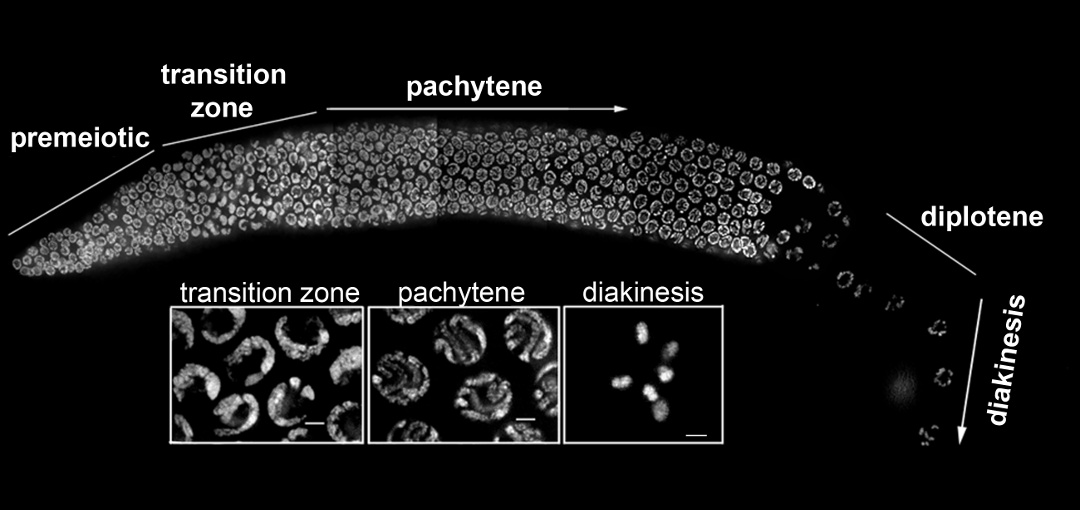
Dr. Monica Colaiacovo is a Tenured Full Professor at Harvard Medical School's Department of Genetics within the Blavatnik Institute. Her research focuses on meiotic processes, germline maintenance, and environmental impacts on reproductive health. Harvard Medical School Department of Genetics Blavatnik Institute affiliation Established C. elegans as key model organism Research interests include: Meiotic chromosome dynamics Synaptonemal complex assembly Histone modification roles in DNA repair Environmental toxicant screening Key article trends show environmental chemical effects on meiosis, epigenetic regulation of DNA damage repair, and molecular mechanisms in synaptonemal complex formation using C. elegans models. Scientific contributions include: PLOS Genetics editorial board member (2016) High-throughput toxicant screening platform Lab members span from research associates to visiting students, with recent focus on DEET and phthalate effects on reproduction. Collaborations extend to Harvard's Yankner Lab and Church's team for interdisciplinary research.
Brett D. Keiper is a Professor and Graduate Program Director in the Department of Biochemistry and Molecular Biology at the Brody School of Medicine, East Carolina University. He serves on the Graduate Council Executive Committee and administers the Phosphor-Imaging/Fluorescence Imaging (PhIFI) Core Facility, which provides critical imaging services for research laboratories across ECU. Dr. Keiper earned his B.Sc. from Juniata College in 1985 and his Ph.D. from Brandeis University in 1991. He completed postdoctoral training at Boehringer-Ingelheim Pharmaceuticals in Vienna, Austria, and at LSU Health Sciences Center, where he later served as a Research Assistant Professor before joining East Carolina University. His research focuses on mRNA regulation in germ cells, embryos, and tumors, with particular emphasis on how translation initiation factors control cell differentiation, proliferation, and apoptosis. Dr. Keiper's lab primarily uses C. elegans as a model organism to investigate how mRNA selection mechanisms during development can be leveraged to understand and potentially treat diseases like cancer. The transparent nature of C. elegans and its rapid reproduction make it ideal for studying these fundamental biological processes. Analysis of Dr. Keiper's recent publications reveals a consistent focus on translational control mechanisms, particularly the roles of eIF4E isoforms in germ cell development. His work spans from basic molecular mechanisms of mRNA regulation to potential applications in cancer biology, with a strong emphasis on how cells make fate decisions through selective protein synthesis. National Science Foundation Mid-Career Award (MCB-2119959, 2021-2025): 'MCA: Post-nuclear granules traffic mRNAs through helicases and initiation factors to set their translational fates.' Visiting Scientist Fellowship at Mount Desert Island Biological Labs (SCRF 2021-2023): 'Selective control of mRNA translation by eIF4Es, eIF4G, and Vasa during germ cell development.' National Science Foundation grant as co-PI (MCB-1714264, 2022-2025): 'Regulatory mechanism for cellular dedifferentiation in C. elegans germline.' Dr. Keiper actively mentors students and researchers in his lab, focusing on how new proteins lead to new cell fates through selective mRNA translation. His work has significant implications for understanding RNA virus functions, birth defects, and cancer progression. The lab's research methods combine biochemical approaches, microinjection, genetic analysis, and bioinformatics to unravel the complex mechanisms of translational control during development.