Geert Jan Kessel is a Researcher at Wageningen University & Research , specializing in plant pathology and precision agriculture. His work focuses on combating Phytophthora infestans (late blight) in potato crops through integrated pest management (IPM) strategies, machine learning applications, and vegetation index analysis. Key Research Areas: Disease resistance, fungicide optimization, climate adaptation in northern Netherlands. Recent Projects: Leading initiatives like 'Resistentiemanagement voor beheersing Phytophthora infestans' (2025–2029) and 'Duurzame beheersing bladschimmels' (2023–2024). Publication Trends: Recent outputs emphasize hybrid machine learning for canopy stress detection, data-driven IPM frameworks, and precision tools like the VIOLA model for potato disease classification. Collaborations: Active in European agronomy networks and EuroBlight workshops.
Liz Driscoll is a researcher at North Carolina State University's College of Agriculture and Life Sciences, affiliated with the Agricultural & Human Sciences department. She specializes in youth development, horticulture, and sustainable agricultural education. Her research focuses on integrating environmental stewardship and nutrition education into early childhood and K-5 settings through hands-on gardening programs. Key areas include Child-friendly crop cultivation Climate-adapted planting calendars Agritourism-based local food promotion Butterfly life cycle curriculum development Notable publication trends include childcare production gardens (2023), agritourism studies (2021), and region-specific planting guides (2016-2023) covering vegetable, fruit, and herb production across North Carolina's climatic zones.
Dr. Guillermo Marcillo is an Assistant Professor in Agricultural Statistics at West Texas A&M University's Paul Engler College of Agriculture and Natural Sciences. He joined the department in 2021, bringing expertise in statistical modeling, Big Data Analytics, and agricultural decision-making systems. B.S. in Agricultural Engineering, Army Polytechnic University (2004) M.Sc. in Agricultural Economics/Statistics, New Mexico State University (2009) Ph.D. in Crop Physiology and Production, Iowa State University (2018) His research focuses on leveraging statistical learning and computer simulations to analyze agricultural impacts, including ecosystem services from regenerative practices, crop responses to drought stress, and digital technology adoption in livestock and crop industries. He actively contributes to the Biometry and Statistical Computing Community in the American Society of Agronomy (ASA) and reviews for journals like Agronomy, Agricultural Systems, and Plant Breeding. Recent publications highlight his work on soybean maturity prediction models for African environments, cover crop nitrogen management, and AI applications in agricultural research. He serves as a statistical consultant for the department and collaborates across disciplines in the Crop Science Society of America (CSSA) and Soil Science Society of America (SSSA).
Randy Adjonu is a Lecturer in Food Science (Food Technology) and Head of Discipline for Food Sciences at Charles Sturt University's School of Dentistry and Medical Sciences. He holds a PhD in Food Science (2014) from Charles Sturt University and a BSc First Class Honours in Nutrition and Food Science (2008) from the University of Ghana. Education BSc (Honours) in Nutrition and Food Science, University of Ghana PhD in Food Science, Charles Sturt University Randy's research focuses on food processing impacts on nutrition, safety, and quality, with specialization in agri-food waste valorisation, bioactive compound upcycling, edible oils processing, emulsions and colloids, food proteins, grains and legumes, and sustainable food systems. His recent publications highlight innovations in frying oil performance (super-high-oleic safflower oil), nanoemulsion stability, and grain processing technologies. Scientific achievements include an h-index of 9 and collaborations in canola oil, nanoemulsion, and tocopherol research. He has presented at conferences on frying oil optimization and crop rotation effects on wheat proteins. Randy's teaching philosophy emphasizes industry-centered learning through practical assessments, workshops, and site visits. He has served as a casual academic (2011-2019) and currently leads food science education at Charles Sturt University.
Sari Timonen is a Senior University Lecturer at the University of Helsinki , affiliated with the Faculty of Agriculture and Forestry and the Department of Microbiology. She is also a member of the Teachers' Academy and serves as a Research Group Supervisor for the Doctoral Programme in Microbiology and Biotechnology. Research Focus: Her work centers on mycorrhizospheres, particularly: Genomics and functions of fungus-associated archaea in boreal forest soils Microbial populations in mycorrhizal interactions Nutrient dynamics in mycorrhizal networks Applied projects in boreal nursery practices and tropical agroforestry Recent Research Trends: Analysis of microbial communities in vertical greenery systems, plant growth-promoting microbes, and interactions between terrestrial dissolved organic matter and coastal bacterial productivity. Her work also explores ant microbiomes and impacts of biochar amendments on green infrastructure. Supervision and Collaborations: Timonen has supervised multiple doctoral, master's, and licentiate theses. She participates in international collaborations, including projects with DTU, University of Copenhagen, and Tallinn University. Teaching: Courses include environmental microbiology, fungal biology, plant-microbe interactions, and mycorrhizal interactions. Her teaching combines lectures, seminars, laboratory work, and field courses.
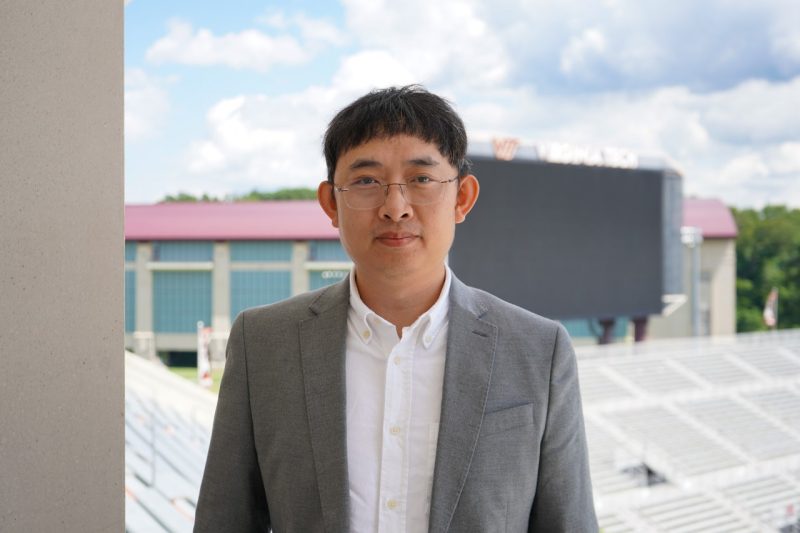
Tao Sun is a Research Associate Professor and CCAM Fellow in the Department of Industrial and Systems Engineering at Virginia Tech. He holds a Ph.D. in Biomedical Engineering from the University of Hong Kong (2010), and M.Eng. and B.Eng. degrees in Materials Engineering from Harbin Institute of Technology (2004 and 2002). His research focuses on MEMS, neural engineering, additive manufacturing, and biomedical applications , including flexible neural electrodes, piezoelectric sensors, and wearable electronic systems. Notable projects include vagus nerve stimulation devices and flexible electronic textiles for physiological monitoring. His work has been featured in Acta Biomaterialia , Nature Biomedical Engineering , and Advanced Functional Materials . Professional experience includes roles at MIT Media Lab (2018–2020), West Virginia University (2021–2023), and Northwell Health (2020–2021). His publications span biomedical engineering, optical sensors, and crop science.
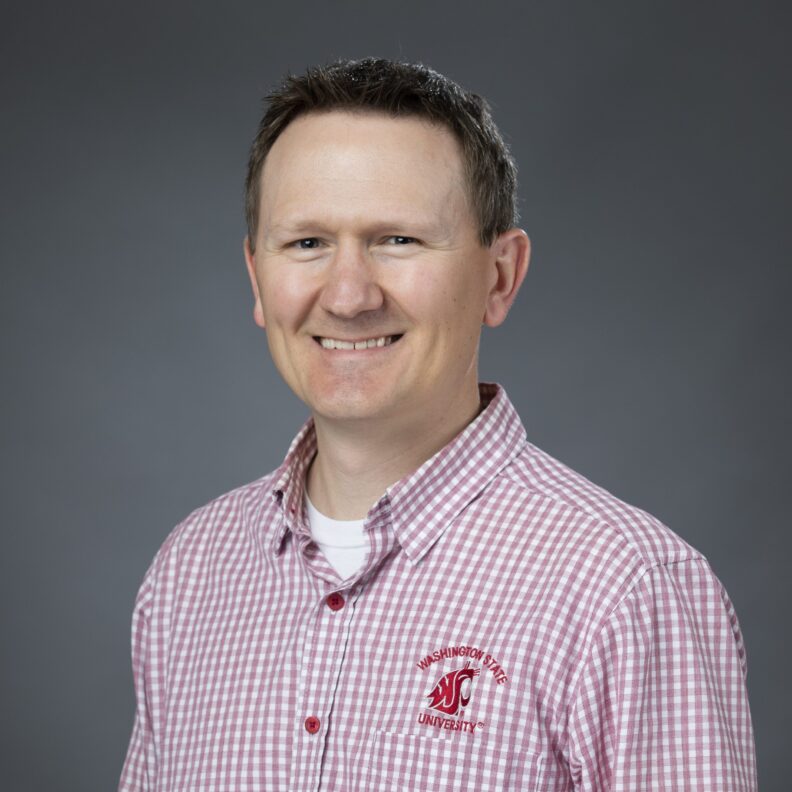
Clark Neely is an Associate Professor and Extension Agronomist at Washington State University's College of Agricultural, Human, and Natural Resource Sciences. His research focuses on dryland cropping systems and cereal variety testing. Research examines wheat performance under environmental gradients, grain nutrition dynamics, and genotype-environment interactions. Recent publications analyze yield stability, mineral density in wheat grains, and soil ecology in cropping systems.
Dr. Liberty Galvin is an Assistant Professor of Extension Weed Science and Precision Weed Management in the Department of Plant & Soil Sciences at Oklahoma State University's College of Agricultural Sciences and Natural Resources. She holds an 85% extension and 15% research appointment, focusing on practical solutions for Oklahoma's agricultural producers while advancing weed science research. Dr. Galvin's educational background includes: B.S. in Environmental Sciences with double minors in Soil Science and Agronomy from Oklahoma State University (2013) M.S. in International Agricultural Development from University of California Davis (2017) Ph.D. in Horticulture and Agronomy (Weed Science) from University of California Davis (2022) Postdoctoral Fellowship at University of California Davis (2022-2023) Her research interests center on integrated weed management strategies with emphasis on herbicide resistance in wheat production systems. Dr. Galvin specializes in precision weed management techniques including UAV applications, crop-weed competition studies, and alternative control strategies for problematic weeds. Her work bridges fundamental weed biology with practical field applications, particularly addressing challenges faced by Oklahoma wheat producers. Dr. Galvin's scholarly output demonstrates a strong focus on practical weed management solutions across diverse cropping systems. Her recent publications span from precision agriculture applications in wheat to detailed studies of weedy rice biology in California rice systems. This work reflects her ability to integrate fundamental weed science with practical field applications, with particular attention to herbicide resistance management and non-chemical control strategies. Professional recognition includes: USAID Research Innovation in Agriculture Fellowship during her M.S. studies As an extension specialist, Dr. Galvin actively engages with agricultural producers through continuing education courses for pesticide applicators. Her teaching focuses on practical topics including pesticide label interpretation, herbicide resistance prevention, and weed management techniques. She has secured multiple research grants including projects funded by the Oklahoma Wheat Research Foundation, North Carolina State University, and the USDA focused on improving weed management in small grains. Dr. Galvin is an active member of the Oklahoma State University Wheat Improvement Team, collaborating with breeders, pathologists, and other specialists to develop comprehensive solutions for wheat production challenges. Her work integrates field research with extension outreach to ensure practical applicability of research findings for Oklahoma producers.
Dr. Beatrix Haggard is an Associate Professor and Extension Specialist in the Department of Plant and Soil Sciences at Oklahoma State University (OSU). She holds a B.S. in Agronomy and Range Management from Tarleton State University (2008) and a Ph.D. in Agronomy from Louisiana State University (2012). Her research focuses on agronomic practices, soil health, and sustainable crop management, with a particular emphasis on residue management, cover crops, and soil microbial dynamics. Dr. Haggard also leads educator training initiatives for 4-H and FFA programs through OSU Extension. She teaches undergraduate courses such as Introduction to Plant and Soil Systems , Applied Plant Science , and Seed and Plant Identification . Her teaching emphasizes career development and hands-on skills in plant and soil systems. Dr. Haggard has secured significant funding for projects like the Training Undergraduates in Plant Research and Extension Principles (2022–2026) and Increasing Water Productivity in Semi-Arid Regions (2019–2025). Her research areas include crop production systems, soil fertility, and the integration of technology in soil analysis. She collaborates on studies involving remote sensing for soil temperature prediction, portable XRF for horizon differentiation, and cover crop impacts on soil health. Dr. Haggard’s work aligns with UN Sustainable Development Goals 2 (Zero Hunger) and 15 (Life on Land).
Audrey King is an Assistant Professor in the Department of Agricultural Education, Communications and Leadership at Oklahoma State University (OSU), where she also serves as the Digital Media State Extension Specialist. She holds a Ph.D. in Agricultural Education from OSU (2021), an M.S. in Agricultural Education and Communication from Kansas State University (2016), and a B.S. in Agricultural Communications and Journalism from Kansas State (2013). Prior to her faculty role, she worked as an instructor at Kansas State and served as Communications Coordinator and Assistant Director for OSU’s Rural Renewal Initiative. Her research focuses on branding strategies for rural communities, land-grant institutions, and agricultural communications. Key interests include internal communication dynamics within universities, producer relationships, and rural community vitality. She has explored topics such as agritourism’s economic impact, climate resilience in farming systems, and social media competency among agricultural professionals. Dr. King teaches courses like Digital and Online Media in Agricultural Communications and Developing Rural Scholars for Civic Engagement. She leads grants such as the USDA-funded Research and Extension Rural Scholars program and the Rural Confluence initiative, which addresses climate resilience through academic-community partnerships. Her work bridges academic research with practical applications in rural development and agricultural education.
Niels Maness is a Professor of Horticulture & Landscape Architecture at Oklahoma State University (OSU), located in Stillwater, OK. He holds a PhD from OSU (1987) and prior degrees from Texas A&M University. His research focuses on natural products in foods, nutraceutical processing, shelf-life extension technologies, and new crop development. He leads projects on capsaicinoids in peppers, lycopene from watermelon, and phytochemicals in sage and oregano. His work also involves pecan quality, freeze tolerance, and rhizosphere microbiology. Research & Funding: Over 30 grants since 2013, including studies on pecan nitrogen efficiency, hop cultivation in Oklahoma, and hydroponic systems. Projects emphasize sustainable agriculture, value-added processing, and crop improvement. Teaching: Courses include Postharvest Physiology, Advanced Horticultural Problems, and laboratory experimentation. He advises M.S./Ph.D. students and chairs thesis committees. Labs/Teams: Collaborates with interdisciplinary teams on pecan phenology, machine vision for fruit analysis, and undergraduate REEU programs. His lab explores plant-microbe interactions and precision agriculture techniques.
Ryan Reuter is the George Chiga Endowed Professor in the Department of Animal and Food Sciences at Oklahoma State University (OSU). His academic appointment is split between research (70%) and teaching (30%). He holds a PhD from Texas Tech University and MS/BS degrees from OSU. His research focuses on grazing livestock nutrition, management, and precision technology integration in beef cattle systems. Key areas include forage-based nutrition, sustainable grazing practices, and virtual fencing applications. Education: PhD in Animal Sciences, Texas Tech University, 2007 MS in Animal Sciences, Oklahoma State University, 2000 BS in Animal Sciences, Oklahoma State University, 2000 Research Interests: Ryan’s work emphasizes optimizing beef cattle production through precision management tools and environmental stewardship. He investigates how technologies like virtual fencing can enhance grazing efficiency while protecting ecosystems. His studies also address methane emissions, feed efficiency, and sustainable resource use. Recent projects include evaluating legume cover crops to reduce nitrogen emissions and analyzing the economic viability of virtual fencing. Teaching & Grants: Ryan teaches courses in beef cattle management, precision animal science, and ethics in animal production. He has secured over $10M in grants, including studies on virtual fencing, forage utilization, and cattle health. Notable grants include projects funded by the USDA National Institute of Food and Agriculture (NIFA) and industry partnerships. Labs/Teams: He leads OSU’s Precision Grazing Systems Lab, collaborating with interdisciplinary teams to advance sustainable livestock practices. His work bridges academia, industry, and policymakers to promote innovative solutions in animal agriculture.
Johnson Thomas is a Professor in the Department of Computer Science at Oklahoma State University, with affiliations in both the Stillwater and Tulsa campuses. His research focuses on Quantum Computing, Machine Learning, and Computational Neuroscience, with notable work on quantum circuit optimization and spiking neural networks. He holds degrees from the University of Reading (PhD, 1995), University of Edinburgh (MSc, 1983), and University of Wales (BSc, 1982). His teaching spans advanced topics in databases, quantum computing, and programming languages. Recent courses include *Quantum Computing*, *Advanced Topics in Information Systems*, and *Discrete Mathematics for Computer Science*. He has also advised doctoral students and led research in distributed systems and security. Research interests include quantum algorithms, neurocomputational models, and causal inference. His work bridges theoretical foundations with practical applications, such as ROS security frameworks and NIRS-based forage quality prediction. Over 20 funded projects highlight his expertise in big data, autonomous systems, and sensor networks. Publications emphasize quantum circuit design, medical ML interpretation, and computational neuroscience. Collaborations include interdisciplinary projects with healthcare and agricultural sectors. His contributions advance both theoretical computer science and applied technologies.
Joe D. Luck is Professor of Biological Systems Engineering at the University of Nebraska-Lincoln, with a dual appointment as Precision Agriculture Engineer and Associate Director at the Eastern Nebraska Research, Extension and Education Center (ENREEC). His work focuses on Digital Agricultural Systems, integrating Variable-Rate Application Technologies, Sensors and Control Systems, and GIS for precision crop management. Education: Ph.D., Biosystems and Agricultural Engineering, University of Kentucky (2012) M.S., Biosystems and Agricultural Engineering, University of Kentucky (2007) B.S., Civil Engineering, University of Kentucky (2002) Licensed Professional Engineer, Commonwealth of Kentucky Luck's research emphasizes optimizing agricultural operations through advanced technologies. He has pioneered work in precision pesticide application , real-time data systems , and irrigation management . His projects often involve integration of sensor data, automation, and data analytics to improve efficiency and sustainability. Recent publications highlight trends in AI applications for irrigation , nitrogen management optimization , weed detection using lightweight CNN models , and geophysical tools for soil monitoring . His work addresses both theoretical and practical challenges in precision agriculture systems. Scientific Awards: 2017 Precision Ag Researcher/Educator of the Year 2017 Larry Turner Young Extension Professional Award 2015 Gale A. Holloway Professional Development Award 2015 Holling Family Teaching Excellence Award 2015 Faculty of the Year Award Luck contributes significantly to both academic research and practical extension programs, balancing 60% Extension and 40% Research appointments. He actively engages in developing diagnostic tools, improving agricultural machinery data collection, and advancing educational methodologies through immersive technologies like 360-degree video.
Professor Chengrong Chen is a distinguished academic at Griffith University, holding the title of Distinguished Professor in the School of Environment and Science, specializing in Chemistry and Forensic Science. His primary affiliation is with the Australian Rivers Institute and the former Environmental Futures Research Institute. He has been a key leader in soil biogeochemistry research, currently heading the Soil Environmental Biogeochemistry Research Group and the 4R Waste Hub. His academic journey includes a BSc from Fujian Agriculture and Forestry University, an MSc from the University of Waikato (1997), and a PhD in Biogeochemistry from Lincoln University (2000). **Research Interests**: Prof. Chen’s work focuses on biogeochemical cycling of carbon and nutrients, soil carbon sequestration, microplastics in agroecosystems, waste recycling, and ecosystem restoration. His recent projects include leading the $140M Solving Plastic Waste CRC and securing over $20M in competitive grants from ARC, CRC, and ACIAR. He has published over 210 peer-reviewed articles, with a strong focus on high-impact journals in soil science, ecology, and environmental science. **Awards & Grants**: He was awarded an ARC Future Fellowship (2009–2014) and serves as Research Director of the Solving Plastic Waste CRC. His grants span soil health, organic waste management, and climate resilience. He has supervised 22 PhD students (18 as principal supervisor) and currently guides 10 PhD candidates and 7 postdoctoral researchers. **Teaching**: He convenes courses in Earth Systems (1044SCG) and Land Degradation Management (3441ENV), emphasizing practical applications in environmental science. His lab focuses on innovative solutions for soil sustainability, including developing moisture-retaining materials and microbial carriers from waste.