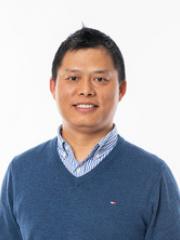
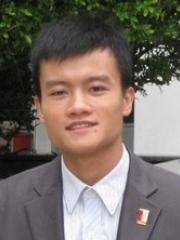
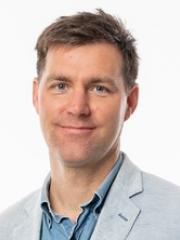
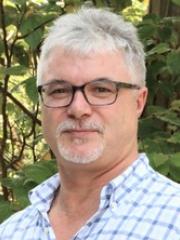
Professor Jega Jegatheesan is a faculty member at the School of Engineering at RMIT University in Australia. His research focuses on environmental and chemical engineering, with a particular emphasis on water treatment, resource recovery, and sustainable technologies. He leads projects addressing wastewater management, membrane technologies, and nature-based solutions for urban water systems. His work spans interdisciplinary areas such as desalination, biochar applications, and the recovery of valuable metals from industrial waste. Professor Jegatheesan holds a leadership role in supervising research projects, including studies on lithium-ion battery recycling, brine management, and environmental impact assessments. He collaborates internationally on initiatives like scaling nature-based water treatment technologies in Southeast Asia. His contributions bridge academia and industry, emphasizing sustainable practices and environmental policy.
Dr. Seher Ata is an Associate Professor in the School of Minerals and Energy Resources Engineering at the University of New South Wales (UNSW). Prior to joining UNSW, she was a Research Academic at the Centre for Multiphase Processes, Newcastle University. Her research focuses on fundamental and applied aspects of froth flotation, bubble-particle interactions, and water chemistry effects in mineral processing. PhD in Chemical Engineering, University of Newcastle, Australia MSc and BSc in Mining Engineering, Hacettepe University, Turkey Her work spans froth flotation dynamics, bubble coalescence, and recovery of fine/coarse particles, with recent projects addressing lithium recovery from brines and tailings reprocessing. She has led ARC Centre of Excellence, ARC Linkage, and ACARP-funded research initiatives. Dr. Ata has published over 100 articles in high-impact journals and holds editorial roles at Mineral Processing and Extractive Metallurgy Journal and International Journal of Mining Science and Technology . She was elected to the University of Newcastle’s Emerging Research Leadership Program (2011) and recognized in the world’s top 2% of scientists in Mining and Metallurgy (2021). Supervised PhD/Masters students: Yesenia Saavedra Moreno, Yueyi Pan, Feng Zheng, Manivannan Selvaraju Grants: BHP Tailings Challenge, ARC Centre of Excellence, ACARP projects on flotation standards and water chemistry
Professor James Laurenceson serves as Director of the Australia-China Relations Institute (UTS:ACRI) at the University of Technology Sydney, where he leads Australia's first and only dedicated research institute on Australia-China relations. His career spans academic appointments at University of Queensland (Australia), Shandong University (China), and Shimonoseki City University (Japan). Degrees: Doctor of Philosophy (Economics), University of Queensland (2001) Bachelor of Economics (Honours), University of Queensland (1994) Graduate Certificate in Education (Higher Education), University of Queensland (2003) His research focuses on Australia-China economic relations, trade policy frameworks, and the political economy of Asia-Pacific. Recent work examines geopolitical implications of the EU's carbon border adjustment mechanism, critical minerals partnerships, and post-AUKUS strategic alignment. Key research trends include analysis of trade tensions, economic security frameworks, and institutional partnerships, with publications spanning journals like China Economic Review , Journal of Contemporary China , and Australian Journal of International Affairs .
Dr. Mehdi Jafarian is a Senior Lecturer in the School of Chemical Engineering at the University of Adelaide . His work focuses on hydrogen production , CO2 capture , solar thermal energy , and chemical looping combustion . Key research areas include: Solar thermal integration in industrial processes Hydrogen generation via methane pyrolysis CO2 sequestration technologies Advanced water treatment systems Thermochemical energy storage Research Trends : Recent publications emphasize hydrogen production optimization , PFAS removal , and molten metal reactor systems . Sub-fields span flash reactor modeling , hydrodynamic cavitation , and membrane-free electrolysis . Contact : mehdi.jafarian@adelaide.edu.au
Ali Karrech is a Professor at the University of Western Australia (UWA), affiliated with the School of Engineering and the Department of Civil, Environmental and Mining Engineering (CEME). He previously held roles as Senior Research Scientist at CSIRO (until 2012) and Assistant Professor at the Petroleum Institute of Abu Dhabi (2007–2009). His expertise spans materials science, geomechanics, mineral processing, and sustainable resource engineering. He serves as Graduate Research Coordinator in CEME and has led the Structures Laboratory (2015–2016). Education: He holds a Higher Doctorate (Habilitation) in Engineering Sciences from École Normale Supérieure Paris-Saclay (2014), a PhD in Structures and Materials from École des Ponts ParisTech (2008), and a Multidisciplinary Master's from Tunisia Polytechnic School (2001). Research Interests: Focus on computational geomechanics, resource engineering (surface mining, in-situ leaching), mineral processing (hydrometallurgy), waste repurposing, and thermal-hydraulic-mechanical-chemical coupling. His work aligns with UN Sustainable Development Goals related to education, energy, and the built environment. Awards: Recognitions include the School of Engineering Teaching Excellence Award (2021), Prize of Best Paper in Concrete Research (2021), and CEEC High Commendations (2023). His research has produced over 194 publications and 20 grants. Teaching: Coordinates units like Engineering Materials (ENSC1004), Finite Element Method (GENG5514), and Surface Mining (MINE4503). Engages in interdisciplinary projects, including the ARC Training Centre in Critical Resources and the FBI-CRC for Future Batteries.
Hong Peng is a Senior Lecturer at the School of Chemical Engineering, University of Queensland (UQ), specializing in fundamental chemical engineering processes. He earned a PhD in Chemical Engineering from UQ in 2014, winning the OZ Minerals Award for Excellent Thesis. With industry experience at BHP Billiton (2006-2009), he now leads research in nucleation/crystallization phenomena and waste valorization. Research: Focuses on metal recovery from bauxite residue, CO2 utilization via zeolite catalysts, and crystallization processes Grants: ARC Training Centre for Global Hydrogen Economy, Advance Queensland Fellowships, ANSTO Synchrotron access Publications (100+) reveal trends in zeolite synthesis , CO2 hydrogenation , mineral phase transformation , and bioleaching mechanisms . His recent articles emphasize anion effects on crystallization and green metallurgy innovations. Awards: TMS Young Leaders (2020), Best Alumina Paper (2017), dual UQ Amplify Fellowships Service: Vice Chair of TMS Recycling Committee, academic representative for Queensland chemical engineering As a supervisor , he guides PhD candidates in catalyst design, membrane separation, and zeolite nucleation projects, while teaching Chemical Thermodynamics (CHEE3003) and Process Modeling (CHEE3007).
Dr. Yu Jing is a Scientia Senior Lecturer in the School of Minerals and Energy Resources Engineering at the University of New South Wales (UNSW). She holds a PhD in Petroleum Engineering from UNSW and specializes in characterizing subsurface formation rocks to understand underground fluid flow behaviors including natural gas, oil, and groundwater. Education: Doctor of Philosophy, Petroleum Engineering, University of New South Wales, Australia Master of Engineering, Petroleum Engineering, University of New South Wales, Australia Bachelor of Engineering, Petroleum Engineering, Southwest Petroleum University, China Dr. Jing's research focuses on pore-scale characterization of rocks using micro-CT imaging and modeling multiphysics flow transport in underground formations. Her work spans digital core analysis, fractured formation rock characterization, flow simulation of underground fluids, and micro-CT imaging techniques. She has developed computational tools like DigiCoal for coal core characterization. Her publication portfolio shows a strong trend toward advanced imaging techniques for understanding coal properties, particularly related to carbon sequestration, coalbed methane extraction, and fluid flow in fractured media. Recent work emphasizes multiscale modeling approaches and experimental validation of transport phenomena in porous media. Scientific Awards: Asian-Australian Leadership Award Finalist in Education, Science & Medicine (2024) The Rising Stars, Asian Deans' Forum (2023) Equity & Diversity Excellence Award - UNSW (2020) Future Women Leaders Conference Award - UNSW (2019) Scientia Fellowship - UNSW (2019) Dr. Jing actively supervises numerous PhD students working on diverse topics from CO2 geosequestration to critical metal recovery. She has secured significant research funding including ARC Research Hub for Fire Resilience Infrastructure ($4.9 million), UNSW-Chinese Academy of Sciences Collaboration Grant, and multiple ANSTO Australian Synchrotron Beamtime grants. Her professional engagement includes serving as Associate Editor for the Journal of Energy Engineering and as Communication Officer for the InterPore Australian Chapter. She leads research activities through the MUTRIS research group (www.mutris.unsw.edu.au), focusing on digital core analysis, fractured media characterization, and subsurface flow simulation. Her work bridges fundamental research with practical applications in energy transition and sustainable resource extraction.
Dr. Ngoc N. Nguyen is a Senior Lecturer and ARC DECRA Fellow at the School of Chemical Engineering, The University of Queensland (UQ), Australia. He earned his PhD in Chemical Engineering at UQ in 2018 after receiving an Australia Award Scholarship. His postdoctoral work included an Alexander von Humboldt Fellowship (2019-2021) at the Max Planck Institute for Polymer Research and visiting scholar roles at Pacific Northwest National Laboratory (USA) and Hanoi University of Science and Technology (Vietnam). Research Interests: Dr. Nguyen specializes in surface and interfacial science, with applications in minerals processing, energy and resources engineering, and environmental sustainability. His work addresses challenges in the low-carbon economy through Gas hydrate-based energy storage (e.g., hydrogen, methane) Eco-efficient mineral extraction and separation CO 2 capture and mine waste recycling Publication Trends: His recent articles focus on ion-specific effects in flotation, colloidal interactions, gas hydrate kinetics, and sustainable mineral processing. Key methodologies include sum frequency generation spectroscopy , colloidal probe AFM , and X-ray tomography . Scientific Awards: ARC DECRA Fellowship (2024) Alexander von Humboldt Fellowship (2019) Supervision & Grants: As an associate investigator in the ARC Centre of Excellence for Eco-enabling Beneficiation of Minerals, he mentors PhD candidates on topics like flotation froth dynamics and X-ray CT applications in mineral processing. His research has secured significant ARC and industry funding.
Associate Professor James Vaughan is the Chemical Engineering Metallurgy Major Lead and Leader of the Hydrometallurgy Research Group at the School of Chemical Engineering, University of Queensland. He holds a Bachelor's degree in Metallurgical Engineering from McGill University, and Master of Applied Science and PhD degrees in Materials Engineering from the University of British Columbia. Prior to joining UQ, he gained industrial metallurgical R&D experience with Glencore, Barrick, and BHP. His research focuses on fundamental aspects of hydrometallurgical processes including leaching, ion exchange, precipitation reactions, and membrane separations. These projects support base metals, precious metals, alumina refining industries, and value-added materials production. Key research areas include sustainable resource extraction, waste valorization, and critical metal recovery technologies. Current research projects demonstrate a strong focus on sustainable resource recovery: Extracting Queensland's rare earth elements sustainably Copper process innovations Zeolite production from clay/mine tailings Inorganic membrane percrystallisation Pressure oxidation optimization for gold extraction Battery metal recycling and purification Vaughan has led multiple Australian Research Council (ARC) Linkage and Discovery Projects. He teaches undergraduate and graduate courses in Hydrometallurgy and Electrometallurgy (METL6204) and Metal Production and Recycling (METL2201). As leader of the Hydrometallurgy Research Group, he oversees projects developing innovative extraction technologies for primary and secondary resources.
Professor Peter Knights is a faculty member at the School of Mechanical and Mining Engineering , University of Queensland, where he serves as Discipline Lead for Mining. He previously held the BMA Chair in Mining Engineering (2006–2015) and worked as Assistant Professor and later Associate Professor at the Catholic University of Chile (1996–2004), where he also held the Canadian Chair in Mining. Education: BEng (Mechanical) from University of Melbourne, MEng (Systems Engineering) from RMIT, PhD in Mining Engineering from McGill University. Research Focus: Engineering asset management, mine maintenance, systems engineering for mine safety, ESG integration in mine planning, and electrification of mining haulage. He pioneered ESG frameworks and developed the ValueTree software adopted by Rio Tinto. Recent Publications: His 15 most recent articles (2023–2025) emphasize digital twins , low-emission mining systems , ESG optimization , and battery trolley electrification in journals like Mining , Energies , and Mining Technology . Industry Impact: Developed the Jack-knife methodology for downtime analysis, now used in GE Wabtec's APS software, and innovative models for ultimate pit limits in FMIPCC systems. Supervision: Currently supervises PhD students on topics like AI-driven asset management, battery trolley systems, and rock mass preconditioning. Past supervision includes work on shovel sequence optimization and critical spare parts management.
Dr. Saman Ilankoon is a Senior Lecturer in Chemical Engineering at Monash University Malaysia, specializing in fluid dynamics, heap leaching systems, and sustainable waste management. He holds a PhD in Minerals Processing from Imperial College London (2012) and has extensive research experience in hydrometallurgy, e-waste recycling, and porous media flow studies. His current focus includes optimizing metal extraction systems, mitigating channelling in particle bed flows, and advancing circular economy strategies for critical metal recovery. Education: PhD in Minerals Processing, Imperial College London (2012) Postdoctoral Research, Imperial College London (2013-2015) Research Interests: Dr. Ilankoon’s work bridges minerals engineering, environmental sustainability, and fluid dynamics. Key areas include: Efficient heap leaching hydrodynamics E-waste valorization and recycling Rare earth elements (REEs) recovery from unconventional sources Microbial electrochemical systems for water-energy nexus applications Sustainable practices in mining and chemical engineering Projects (Selected): Primary Investigator: AI-driven microalgae CO₂ fixation (Microsoft-funded, 2021-2022) Lead: E-waste metal leaching mechanisms (2019-2022) Co-Investigator: Bioactive glass coatings for orthopedic implants (2019-2022) Awards & Recognition: Andrew Carnegie Research Fund (2016) Fellow of AdvanceHE (FHEA, 2024) Chartered Engineer (CEng, UK, 2022) Top 2% Global Scientists (Stanford, 2023) Grants & Collaborations: Active partnerships with Microsoft, industry leaders in Malaysia, and institutions in Sri Lanka, China (Beijing University of Science and Technology), and Australia. Engages in global sustainability initiatives and policy advocacy for e-waste management. Labs/Teams: Leads the Sustainable Minerals and E-waste Recycling Lab at Monash Malaysia, collaborating with interdisciplinary teams in chemical, environmental, and materials engineering.
Mohammadbagher Fathi is a Research Fellow in Geometallurgy/Engineering Geology at the University of Tasmania's School of Natural Sciences, part of the CODES (Centre for Ore Resource Engineering) research group. He holds a PhD in Mining & Mineral Processing from Amirkabir University of Technology, Iran, and previously served as an Assistant Professor at Urmia University's Mining Engineering Department from 2012 to 2022. His research focuses on hydrometallurgy, separation technologies, and mineral processing, with a particular emphasis on critical minerals recovery and sustainable processing methods. He is a key researcher in the Regional Research Collaboration (RRC) project's Element 2: Pathways to Production of Critical Minerals. Education: PhD in Mining & Mineral Processing, Amirkabir University of Technology, Iran Research Interests: Critical minerals recovery (e.g., rhenium, tungsten, cobalt) Hydrometallurgical and physical beneficiation techniques Adsorption and ion-exchange processes Flotation optimization and machine learning-driven process modeling Environmental sustainability in mineral processing Grants & Collaborations: Lead researcher in the $3.5M Australian Government-funded 'Regional Research Collaboration' project (2022–2027), collaborating with industry and government partners to advance critical metals production. Supervision: Current doctoral supervision includes projects on critical metal potential in Tasmanian deposits (e.g., Arthur River Magnesite, Kara W deposit). Labs/Teams: Member of CODES at the University of Tasmania, specializing in ore resource engineering and critical minerals research.
Professor Parisa A. Bahri is the Pro Vice Chancellor for the College of Science, Technology, Engineering and Mathematics at Murdoch University . She holds a PhD in Chemical Engineering from Sydney University and serves as a Professor of Engineering. Her research focuses on systems engineering, sustainability, and algal systems, with applications in energy, waste treatment, and techno-economic modeling. Research Interests : Microalgal bioremediation of industrial effluents Decarbonization strategies for energy and transport systems Techno-economic analysis of bioprocesses Integration of renewable energy with water systems Education : Doctor of Philosophy in Chemical Engineering, Sydney University Recent Publications highlight advancements in microalgal cultivation techniques, critical mineral supply chains, and sustainable energy-transport nexus. Key tools include computational fluid dynamics, scenario planning, and life cycle assessments.
Dr. Gayathri Danasamy Naidu serves as Associate Professor and Deputy Head of School (Research) in the School of Civil and Environmental Engineering at University of Technology Sydney. With expertise spanning chemical process engineering and environmental systems, she leads research initiatives focused on sustainable water treatment and resource recovery technologies. Her academic journey includes bachelor's and master's degrees from University of Malaya Kuala Lumpur and Imperial College London, followed by a PhD in Environmental Engineering from UTS. Dr. Naidu's research concentrates on the three Rs of water systems - remediation, reuse and recovery - with particular emphasis on extracting critical minerals like lithium, rubidium, and rare earth elements from seawater and wastewater streams. Her work integrates nanomaterial synthesis, membrane technology development, and solar-powered treatment processes to create sustainable solutions for the global water industry. She has pioneered approaches using capacitive deionization, membrane distillation, and metal-organic frameworks for selective mineral recovery. Analysis of her recent publications reveals a strong focus on membrane-based separation technologies for critical mineral extraction, particularly lithium and rare earth elements from complex brine sources. Her research demonstrates consistent innovation in electrode design, membrane modification, and process optimization to enhance selectivity and efficiency. The work spans fundamental materials development to practical implementation in real-world water sources including seawater, desalination brine, and acid mine drainage. International Johnson and Johnson WiSTEM Fellowship ARC DECRA Fellowship UTS Chancellor's Research Fellowship Women in Stem for 2021 Dr. Naidu has secured over two million dollars in external research funding over the past three years, supporting her work on critical minerals and renewable energy applications. She actively supervises PhD and MSc students while mentoring early career researchers including Chancellor's Postdocs. Her research team has achieved significant milestones including patent filings (IP Australia, patent no. 2024903308) and industry translation with NEOM Energy and Water Co. She serves on the editorial boards of Desalination Journal and Chemical Engineering Journal, and previously held leadership roles on the Membrane Society of Australasia board (2021-2023).
Jane Alver is a Senior Research Fellow at the University of Canberra specializing in Public Policy, Law, Civil Society, Gender Studies, and International Development. Her work centers on feminist perspectives within Pacific regional contexts, addressing structural inequalities through critical analysis of workplace cultures, political institutions, and transnational governance systems. Dr. Alver's research explores feminist alliance-building across Pacific diversity, gendered workplace dynamics, and the integration of autoethnography as a transformative research methodology. She investigates how gender intersects with race, class, and colonial histories in policy implementation, with particular focus on Sustainable Development Goal 5 (gender equality). Her methodological approach emphasizes lived experience narratives to challenge traditional knowledge production frameworks and advocate for inclusive institutional reforms. Analysis of her 2021-2025 publications reveals three dominant trajectories: (1) Pacific feminist solidarity through intersectional alliance-building, (2) critical examination of gendered labor in political institutions, and (3) innovative governance models for just transitions in resource management. Her work consistently bridges academic theory with policy applications, particularly in Australian-Pacific regional cooperation and workplace diversity initiatives. No scientific awards or fellowships were identified in available sources. While no student supervision details appear in current records, Dr. Alver's research demonstrates significant engagement with Pacific civil society organizations and Australian government bodies. Her evaluation work for the Defence Suicide Prevention Program indicates substantial grant-funded applied research, though specific funding mechanisms remain undocumented. Current projects focus on transforming parliamentary workplaces and advancing feminist regionalism through the Pacific Feminist Forum.