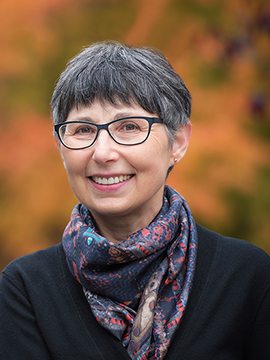
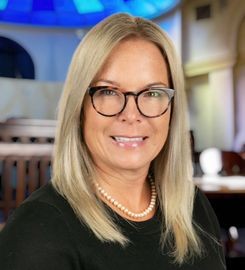
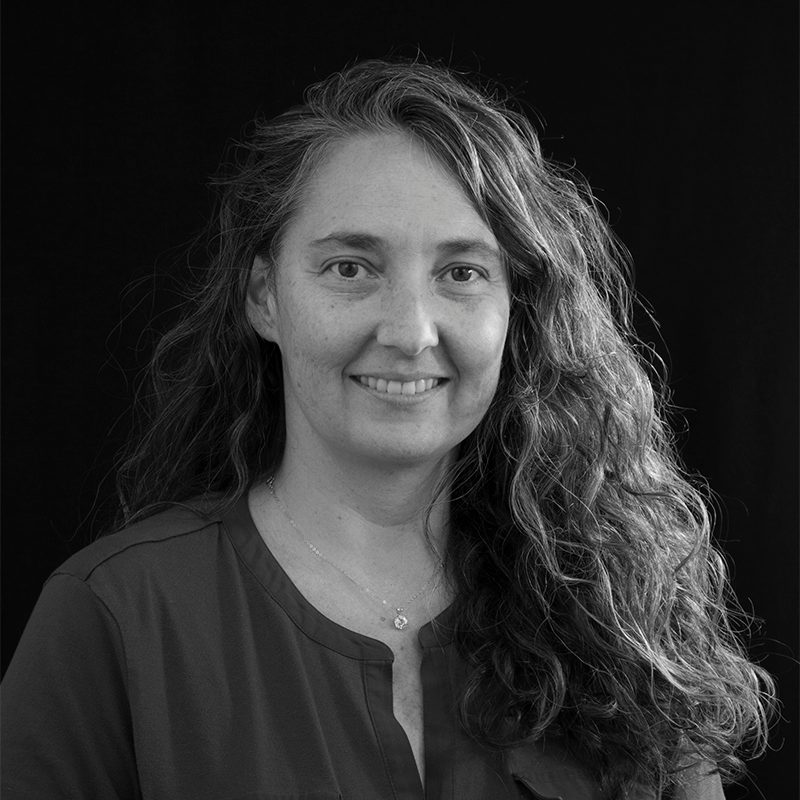
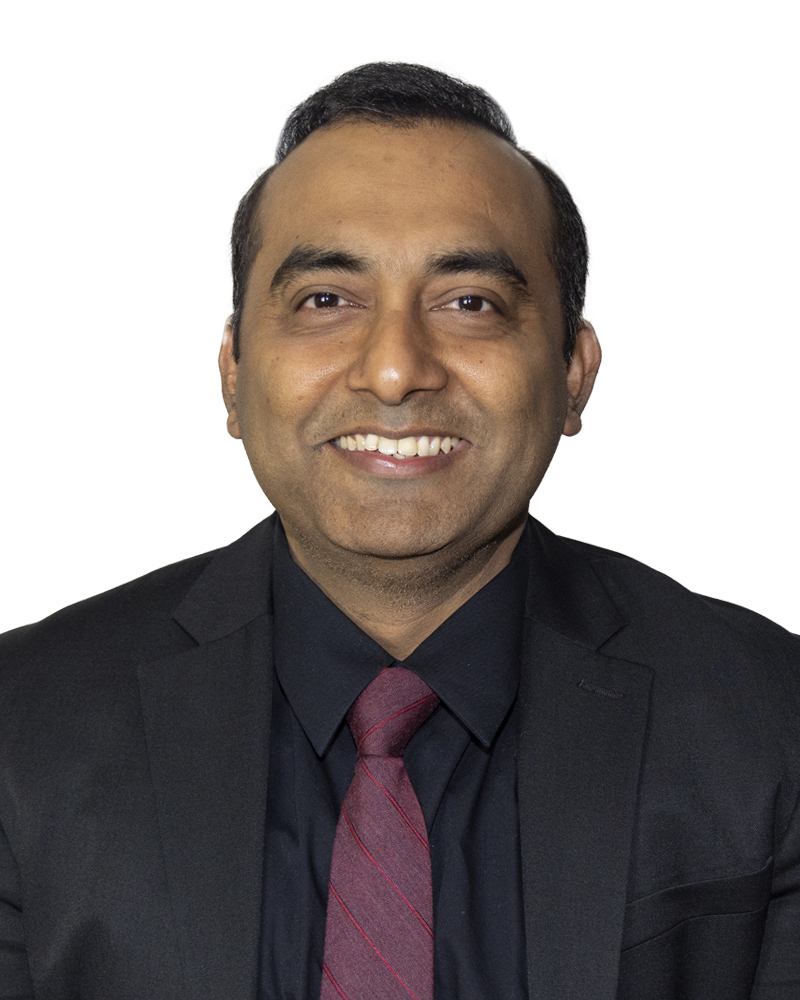
Dr. Janet F. Werker is a University Killam Professor and Canada Research Chair at the University of British Columbia , affiliated with the Faculty of Arts and Department of Psychology . She directs the Infant Studies Centre and co-founded the UBC Language Sciences initiative. Her research focuses on perceptual foundations of language acquisition , studying speech perception mechanisms in monolingual and bilingual infants, critical periods of development, and neural correlates using behavioral, ERP, and NIRS methods. Recent work extends to literacy development in multicultural contexts through an SSHRC Partnership Grant. Key themes in 15 most recent articles: Infant brain development, statistical learning, speech perception, bilingualism, musical sophistication, microbiome-brain links, sensorimotor integration, voice recognition, and cross-linguistic generalization. Studies employ EEG, NIRS, and behavioral paradigms to explore early language, social understanding, and neurodevelopmental pathways. Scientific accolades include election to the National Academy of Sciences (2020) , Benjamin Franklin Institute Medal (2024) , and multiple fellowships (AAAS, Royal Society of Canada). Her work is funded by NSERC, SSHRC, NIH, and CIFAR. Dr. Werker supervises graduate students and leads international collaborations examining language acquisition, bilingualism, and developmental disabilities. She is actively involved in pandemic-era research adaptations, emphasizing online methodologies.
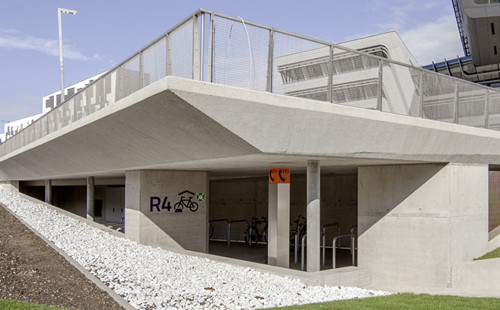
Professor Bettina Kraus is a prominent architect and academic currently serving as Professor of Design in the Department of Architecture at the State Academy of Fine Arts Stuttgart, where she also chairs the Department of Architecture and serves as a Member of the Senate. Her academic career spans multiple prestigious institutions including TU Berlin, BTU Cottbus, and UdK Berlin, alongside an active architectural practice in Berlin. Her research and teaching focus on the elasticity of existing structures and their potential to adapt to changing programmatic or climatic conditions. Kraus explores how the morphology of architectural types and objects is influenced by context, function, and construction. Her methodology involves transformation strategies based on associative thinking and constructive action, integrating existing and new structures while questioning traditional notions of beauty and perfection. This approach allows her to reinterpret existing structures for contemporary and future requirements while reflecting local cultural identity. Kraus's architectural work demonstrates a consistent focus on transformation, adaptive reuse, and the integration of historical and contemporary elements. Her recent projects include residential buildings in Berlin (Lindenstraße 34-35, Brunnenstraße 19), cultural spaces, and urban interventions that have received numerous awards including the Berlin Architecture Prize (2023) and the Iconic Architecture Award (2019). Berlin Architecture Prize, Award 2023 (Lindenstraße 34.5) Berlin Architecture Prize, Prize 2023 (Malplaquetstraße 19) Iconic Architecture Award, Winner 2019 (Spreestudios) German Design Award 2014 (Medienhaus Schwäbischer Verlag) Architecture Prize Amsterdam, Prize 2010 (4 Towers Osdorp) As an educator, Professor Kraus has mentored numerous award-winning students including Theresa Weigand (ABK Stuttgart), Tom Seeger, and Ralf Hinrichs. Her academic research centers on two key parameters: Program and Typology (examining the Nolli Plan as a typological archive), and Difference and Interface (exploring material properties and surface experiments). Her work has been published extensively in architectural journals and as book chapters, with her most recent publication 'False Friends' currently in progress. Professor Kraus maintains an active architectural practice (Kraus Fischnaller Architects Partnership) in Berlin while contributing to the Board of the Berlin Architecture Prize since 2025.
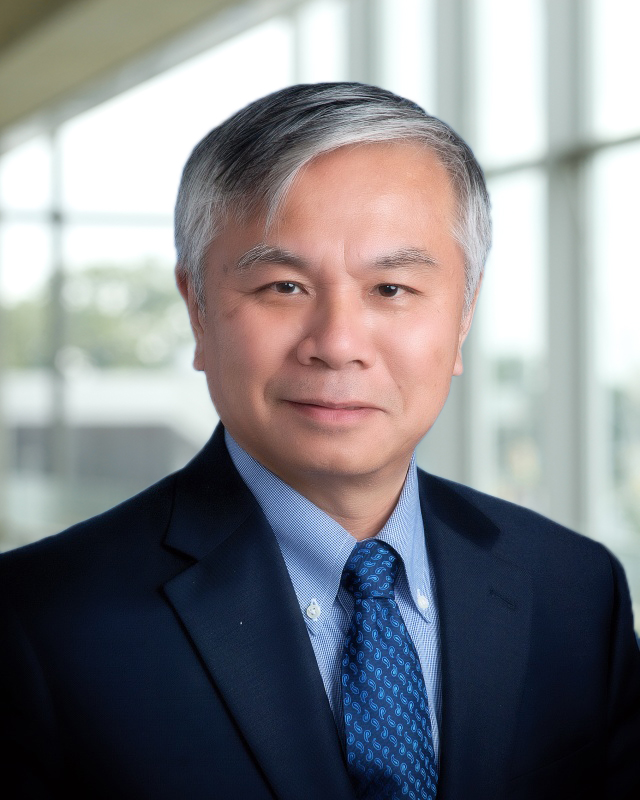
Ming Zheng is a Professor in the Department of Mechanical, Automotive & Materials Engineering at the University of Windsor, Faculty of Engineering. He is the Director of the Clean Combustion Engine Laboratory and holds a Canada Research Chair in Clean Diesel Engine Technologies. He is a Fellow of both SAE and ASME and a Professional Engineer (PEng). Education: Ph.D., Mechanical Engineering, University of Calgary, Canada, 1993 M.Sc., Thermal Energy and Automotive Engineering, Tsinghua University, China, 1988 B.Sc., Mechanical Engineering, Transport Technology Institute, China, 1982 PDF, Mechanical Engineering, Hokkaido University, Japan, 1995 Dr. Zheng's research focuses on clean and high-efficiency combustion technologies for internal combustion engines. His key interests include low-temperature combustion (LTC), homogeneous charge compression ignition (HCCI), active flow control aftertreatment for emission reduction, advanced ignition systems (e.g., multi-coil, corona), alternative and biofuels (e.g., ethanol, n-butanol), combustion modeling, diagnostics, and real-time adaptive control. His work aims to achieve simultaneous reductions in NOx and soot emissions while improving fuel efficiency. The analysis of his recent publications reveals a strong and consistent research trend centered on advanced combustion strategies using alternative fuels like ethanol and n-butanol. His work extensively explores dual-fuel combustion, the impact of fuel injection strategies, and the use of advanced control algorithms (e.g., extremum seeking control) to manage complex combustion processes. A significant portion of his research is dedicated to developing and optimizing active aftertreatment systems, such as Lean NOx Traps, to handle the unique exhaust characteristics of these clean combustion modes. Scientific Awards: SAE Fellow (2016) ASME Fellow University Award for Excellence in Research, Scholarship and Creative Activity (2007 and 2005) Canada Research Chair in Clean Diesel Engine Technologies (awarded 2003) Dr. Zheng has been a prolific advisor, supervising numerous PhD and Master's students on topics ranging from biofuel testing and low-temperature combustion to aftertreatment modeling and control. His research is highly collaborative, supported by significant grants and contracts from government agencies (NSERC, Auto21, CRC) and major industrial partners like Ford, International Truck and Engine Company, and Imperial Oil. He has secured over $2.6 million in cash awards and approximately $2.1 million in-kind contributions since 2003. Dr. Zheng leads the Clean Combustion Engine Laboratory , a state-of-the-art facility equipped with multiple modern diesel engine test cells (including a Ford common-rail engine and a Yanmar single-cylinder engine), advanced emission analyzers, real-time control systems (FPGA, Can-Bus), and sophisticated diagnostic and modeling tools (LabVIEW, GT-Power, Chemkin, MATLAB/Simulink). The lab specializes in experimental research on combustion, emissions, and aftertreatment, with a focus on active flow control technologies.
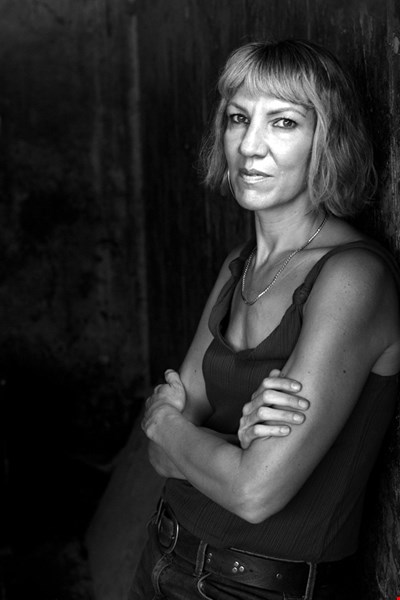
Professor Hannah Lowe is a faculty member in the Department of English and Creative Writing at Brunel University, affiliated with the College of Business, Arts and Social Sciences. Her academic work bridges creative writing, memory studies, and postcolonial studies, focusing on British multicultural society and its ties to the Caribbean and China. PhD in Creative Writing, Newcastle University (AHRC-funded) MA in Refugee Studies, University of East London BA (hons) in American Literature, University of Sussex PGCE Post-Compulsory Education Hannah's research centers on contemporary poetry, life writing, and narratives of migration and diaspora. She explores postwar Caribbean arrival to Britain, representations of migration in literature, and the creative process in digital contexts. Her work often intertwines personal and historical narratives, particularly examining Chinese settlement in the UK and the Windrush legacy. Hannah's publications include books like The Kids (2021) and journal articles such as "In the Frame: Women Writers and the Windrush Legacy" (2018). These works emphasize themes of cultural identity, historical memory, and diaspora experiences. 2024 Eccles Centre-Hay Festival Writers Award 2021 Costa Poetry Award 2021 Costa Book Award Fellow of the Higher Education Academy Fellow of the Royal Society of Literature Hannah supervises PhD students in creative writing, particularly poetry and life writing. She has received grants like the AHRC funding for her doctoral research and participates in networks such as the Chinese-Caribbean Studies Network.
Kaiyu Fu is an Assistant Professor in the Department of Chemistry and Biochemistry at the University of Notre Dame, where she leads a multidisciplinary research lab at the intersection of electrochemistry, nanoscience, and synthetic biology. Her work aims to develop ultrasensitive analytical platforms for biomedical applications, particularly in point-of-care diagnostics and chronic disease management. Education: Ph.D. in Chemistry, University of Notre Dame (2018) M.S. in Polymer Chemistry, Fudan University, China (2014) B.E. in Polymer Science & Engineering, Sichuan University, China (2011) Her research focuses on three core areas: (1) nanoscale electrochemistry enabling single-entity detection; (2) electrochemical biosensors for real-time, in vivo monitoring of therapeutic agents; and (3) nanobiotechnology, including DNA nanotechnology and directed evolution of nucleic acids for precise molecular recognition. Her lab develops innovative instrumentation and materials to overcome biofouling and enhance sensor performance. The recent publications highlight a strong trend toward implantable and miniaturized sensing systems, with applications in cancer therapeutics, drug delivery, and infectious disease diagnostics. These works span advanced materials, surface engineering, and hybrid electrophotonic systems. Scientific Awards: ACS Division of Analytical Chemistry Graduate Fellowship (2018) J. Peter Grace Fellowship, University of Notre Dame (2014–2015) Kaiyu Fu advises graduate students and postdoctoral researchers, and her lab actively recruits creative and dedicated individuals. She has secured research funding to support her innovative work in biosensor development and has contributed to significant advances in electrochemical detection mechanisms, including electron transfer acceleration in nanostructured electrodes and surface charge engineering for molecular discrimination. Her collaborative work with teams at Stanford and other institutions further strengthens her research impact. The Fu lab is engaged in developing next-generation diagnostic platforms, including implantable microelectrode arrays for intratumoral pharmacokinetic monitoring and hydrogel-based aptamer switches for real-time signaling molecule detection. These projects involve interdisciplinary teams working across chemistry, engineering, and biomedical sciences.
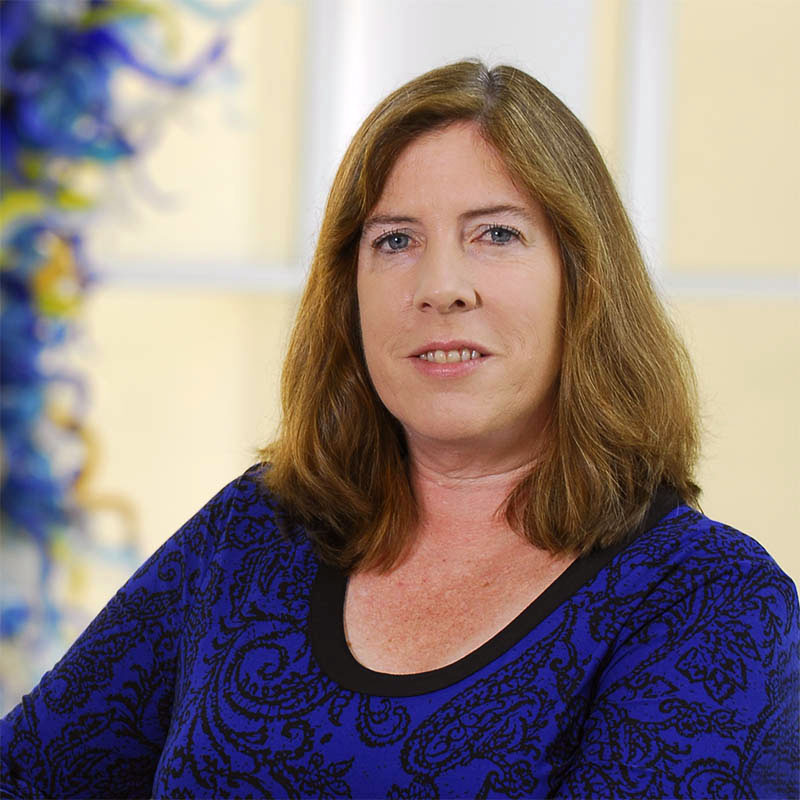
Christina Shalley is a Professor of Organizational Behavior and Human Resource Management and the Sharon M. and Matthew R. Price Chair at the Scheller College of Business, Georgia Institute of Technology. She serves as Area Chair in Organizational Behavior and has previously held faculty positions at the University of Arizona. PhD in Business Administration, University of Illinois at Urbana-Champaign MA in Labor and Industrial Relations, University of Illinois at Urbana-Champaign Her research focuses on creativity and innovation in organizations, examining how social and contextual factors, job design, and leadership influence employee creativity and team innovation. She has published extensively in top management journals and co-edited the Handbook of Organizational Creativity . The recent publications reflect a strong trend in leadership, ethical climates, diversity, and team creativity , particularly how perceptions of creativity affect social networks and how intercultural dynamics enhance innovation. Her work bridges theory and practice, often appearing in both academic and practitioner outlets. Scientific Awards: Bradley Family Award for Faculty Teaching Excellence at GT Voted MBA Elective Professor of the Year at GT Outstanding Undergraduate Teacher at the University of Arizona Business Teacher of the Year at the University of Arizona Outstanding PhD Student Teaching Award at the University of Illinois Christina has been actively involved in executive education , delivering sessions on creativity, negotiation, conflict resolution, and HR management. She has served on the editorial boards of leading journals including Academy of Management Journal , Organizational Behavior and Human Decision Processes , and Journal of Management , reflecting her significant scholarly influence. She also co-founded the BizLab, an interdisciplinary research initiative studying human behavior in business contexts. Her practical experience includes roles in human resource management at IBM and development work at the American Foundation for the Blind , and she has consulted with various organizations on motivation, communication, and conflict management.
Oliver Alonzo is an Assistant Professor in the School of Computing at DePaul University. His academic journey includes a Ph.D. in Computing and Information Sciences from the Rochester Institute of Technology, a B.S. in Computer Science from Creighton University with minors in Graphic Design and Musical Theatre. Prior to joining DePaul, he served as a post-doctoral assistant professor at Creighton University and completed internships at Meta (Facebook) and Adobe Research. Dr. Alonzo's research focuses on Human-Computer Interaction and Computing Accessibility, with particular emphasis on creating technologies that improve digital access for people with disabilities, especially those who are Deaf or Hard-of-Hearing (DHH). His work spans several key areas: Design and evaluation of automatic text simplification tools for DHH readers Captioning and visualization of non-speech sounds in multimedia content Accessibility solutions for social media platforms Tools to assist American Sign Language learners Multimedia accessibility in emerging technologies like virtual reality His recent publications demonstrate a consistent focus on developing and evaluating accessibility technologies through rigorous user-centered design with DHH communities. His research has evolved from foundational work on text simplification and sign language interfaces to broader explorations of digital accessibility across multiple platforms and contexts. Dr. Alonzo has received notable recognition for his work, including: CHI 2025 Honorable Mention for research on Deaf and Hard-of-Hearing user experiences with misinformation on social media An NSF CRII grant for a two-year project focused on making videos accessible by design for Deaf, Hard-of-hearing, Blind and Low-Vision viewers As an educator, Dr. Alonzo teaches courses including HCI 440 Introduction to User-Centered Design, HCI 445 User Research Methods, and HCI 511 Accessibility Considerations in HCI. His teaching philosophy emphasizes practical, hands-on learning experiences that connect theoretical concepts to real-world accessibility challenges. Outside academia, Dr. Alonzo is fluent in Spanish, English, and Portuguese, and is learning American Sign Language. He has a background in musical theatre and enjoys black & white photography, which informs his creative approach to accessibility research.
Martin Schreier is a Professor and head of the Institute for Marketing Management at the Vienna University of Economics and Business (WU). His research focuses on marketing, product development, consumer behavior, and user-driven innovation. A key finding from his work demonstrates that crowdsourced product ideas yield higher sales and gross margins compared to designer-generated products, as evidenced by a Japanese enterprise study showing €10 million revenue growth over three years. His studies also highlight how labeling products as user-ideated enhances consumer trust and sales performance. Schreier's research spans diverse topics, including the psychological drivers of customization, blockchain applications in marketing, and the role of consumer communities in innovation. Recent studies examine generative AI in luxury product co-creation, groundedness in retail experiences, and ethical implications of crowdsourcing. His work bridges academic insights with real-world applications, advising companies on leveraging user creativity and designing effective innovation incentives. He has published extensively on the economic and psychological impacts of consumer-driven innovation, with a focus on cross-cultural differences and market-specific strategies. His findings challenge traditional R&D models, emphasizing the commercial potential of user participation in product development across non-luxury sectors.
Prof. Dr. Beate Flath serves as Vice President for Teaching, Studies and Quality Management at the University of Paderborn since April 2025, while simultaneously leading the C:POP. Transdisciplinary Research Center for Popular Music Cultures and Creative Economies as Managing Director since June 2023. Her academic appointment is as Professor (W2) for Event Management with a focus on pop music cultures and digital media cultures within the Faculty of Arts and Humanities, Department of Music at the University of Paderborn. Her educational foundation includes: Diplomstudium (Master's equivalent) in Musicology at Karl-Franzens-University Graz (2000-2005) Doktoratsstudium (PhD) in Musicology at Karl-Franzens-University Graz (2005-2009), specializing in Systematic Musicology with Historical Musicology as secondary focus Dissertation: 'Sound und Image. Eine experimentelle Untersuchung zum Einfluss von Klangqualitäten auf die Wahrnehmung eines Produktimages im Kontext von Fernsehwerbung.' Flath's research program centers on transdisciplinary event research, examining the societal and cultural-political dimensions of event and cultural management. She investigates co-creation and participation processes in digital network media contexts and approaches music business research as music(business)culture research. Her methodology often incorporates innovative approaches like 'Sound Sculpting' to explore sensory experiences and cultural meaning. Her recent work increasingly addresses sustainability challenges in cultural contexts, reflecting her leadership in projects examining sustainable practices in cultural events and venues. Her scholarly output reveals a strong trajectory toward transdisciplinary frameworks that integrate cultural studies, musicology, and sustainability science. She examines the evolving relationship between pop culture, digital media, and event management, with particular attention to how cultural venues can adapt to ecological challenges. The recurring theme across her work is the exploration of how cultural practices intersect with economic structures in popular music contexts, often focusing on participation, accessibility, and sustainable development. Prof. Flath leads significant research initiatives including 'NachhaltigkeitsKulturOWL' (2024-2027), developing innovative sustainability strategies for the cultural event industry in East Westphalia-Lippe, and 'Datenraum Kultur' (2022-2025), focusing on networked cultural platforms. She previously directed the BMBF project 'kulturPreis' (2019-2022), which examined innovative pricing concepts to increase cultural participation. As Managing Director of C:POP, she oversees a transdisciplinary research center dedicated to studying popular music cultures and creative economies. Her leadership extends to university committees including the Commission for Teaching, Studies and Quality Management, and she serves on advisory boards for multiple research projects and academic journals in popular music studies, demonstrating her significant influence in both academic administration and cultural research.
Leah Christensen serves as Professor of Legal Writing at the University of San Diego School of Law, where she joined the faculty in 2018 after teaching positions at Thomas Jefferson School of Law, University of St. Thomas School of Law, and University of Wisconsin School of Law. Her educational background includes a JD from the University of Iowa College of Law (1995) and BA from the University of Chicago (1992). Her academic journey began with a clerkship for Justice William A. Bablitch of the Wisconsin Supreme Court, followed by legal practice in medical malpractice, environmental law, and public education law. Her research focuses on innovative legal pedagogy with special emphasis on neurodiverse learners, professional responsibility training, and evidence-based learning strategies for law students. Christensen's scholarly output reveals consistent thematic development across 13 publications from 2006-2018, demonstrating evolving expertise in legal education psychology. Her work increasingly addresses learning differences in legal training while maintaining strong connections to professional ethics and practical lawyering skills, reflecting both theoretical depth and practical application in legal education reform. Among her distinctions: Professor of the Year (2006-2013) Lewis and Clark Award for Innovation (2013) Awards from Black Allied Law Students Association (BALSA) Awards from Women Law Students Association (WLSA) She has received research grants from the Legal Writing Institute and Association of Legal Writing Directors. Christensen actively contributes to legal education discourse through presentations at American Association of Law Schools (AALS), Legal Writing Institute, and Law School Admissions Council conferences. Her empirical research methodology, particularly regarding student learning patterns and editorial processes in legal scholarship, demonstrates rigorous academic approach to improving legal education outcomes.
Christian Koch is a Professor and Head of Section at the University of Southern Denmark (SDU) Civil and Architectural Engineering, Department of Technology and Innovation, where he leads research on construction industry dynamics, climate change mitigation, and digital transformation. His work bridges institutional theory with practical challenges in sustainable development and organizational innovation. SDU Climate Cluster EU SAND Project Participant Creative Construction Conference Chair Research interests include circular economy implementation, blockchain in construction logistics, lean construction methodologies, and AI applications for safety analysis. His studies focus on institutional entrepreneurship, interorganizational networks, and policy impacts on construction practices, particularly in Denmark and Sweden. Recent article trends analyze machine learning for accident report analysis, blockchain-enabled resource marketization, and climate-resilient infrastructure. Notable awards include the Taylor and Francis Best Theoretical Paper (2025), SCC Fast Track Award (2024), and CME Best Paper on Societal Challenges (2022). Scientific awards include: Taylor and Francis Best Theoretical Paper (2025) SCC Fast Track November 2024 CME Best Paper Transformative Impact (2022) Best Paper Creative Construction Conference (2025) He actively participates in public discourse through media engagements on construction safety, climate adaptation, and sustainable sand extraction for green transitions.
Martha Sullivan serves as the Department Chair and Associate Professor of Practice in the Industrial Design program at Virginia Polytechnic Institute and State University. Her work bridges ceramics , product design , wellness , and community development , with a focus on interdisciplinary collaboration and contemplative practices in design education. Education : M.S.Arch in Industrial Design and B.S. in Geology, both from Virginia Tech Research interests span ceramic arts , mindful design , digital fabrication , and sustainable material practices . Her scholarly outputs include ceramic installations , pedagogical research , and international collaborations in Norway and China. Recent publications highlight subliminal material experiences (2023), student learning assessment (2022), and biomimetic design methodologies (2020). Sullivan’s work emphasizes the intersection of craft and technology , with consistent recognition for teaching excellence and community engagement . Scientific Awards School of Architecture + Design Outreach Award (2022) Excellence in Teaching Award (2022) New River Valley Leading Light Award for service (2019) Tau Sigma Delta National Honor Society (2006) Teaching responsibilities include courses in Handbuilding Clay , Molded Ceramics , and Needs Identification in Healthcare , alongside directing Study Abroad programs.
Michele Guerra is a Full Professor of Cinema, Photography and Television (L-ART/06) at the University of Parma , where he has held progressively senior roles since 2011. He has directed research projects funded by MIUR, participated in international collaborations at Stanford University and Sorbonne Nouvelle, and currently oversees the film studies series "Pandora" (Diabasis). His affiliations include editorial board memberships for "Cinergie", "La Valle dell'Eden", and "Arabeschi". Principal Investigator, PRIN Project (2019-present): "A Private History of Italian Film Criticism" Principal Investigator, MIUR SIR Project (2015-2019): Film criticism in Italy 1940s-1950s Co-director, Cognitive Science and Neuroscience for the Humanities project at CASBS (2011) Guerra's research spans three major areas: Cognitive Film Studies (investigating neural mechanisms in film reception), Cinema and Visual Culture (analyzing sensory composition in media), and Historiography of Italian Film Criticism . His recent publications demonstrate interdisciplinary approaches merging neuroscience with film analysis, particularly focusing on cross-modal correspondences and emotional engagement. Scientific recognition includes: Giuseppe Medici Prize (2009) for rural class representation in Fascist-era Italian cinema Limina Prize (2016) for co-authored work "Lo schermo empatico. Cinema e neuroscienze" His academic leadership has included Vice-Director of DUSIC Department and Director of the Communication and Contemporary Media for Creative Industries degree program, though he resigned these roles in 2017 upon becoming Parma's Councilor for Culture.
Priyanko Guchait is a tenured Full Professor and Program Director of the Doctorate in Global Hospitality Leadership (DGHL) at the Conrad N. Hilton College of Global Hospitality Leadership , University of Houston. His research focuses on organizational behavior, leadership, human resources, and service management in hospitality contexts, with over 75 peer-reviewed articles published. Education: B.E. in Mechanical Engineering, University of Pune, India M.S. in Hospitality Management, University of Missouri M.S. in Human Resources and Employment Relations Ph.D. in Hospitality Management, The Pennsylvania State University Research Interests include error management culture, psychological safety, service recovery performance, leader behavioral integrity, and AI’s impact on hospitality workers’ mental health. His work examines shame, forgiveness climate, and team dynamics in service environments. Article Trends show a focus on multi-level error management, human-robot collaboration in service recovery, diversity inclusion climates, and cross-cultural leadership studies. Recent papers explore AI ethics, pandemic response strategies, and emotional labor in hospitality roles. Awards & Honors Stephen Rushmore/HVS Research Excellence Award (2023, 2015) Donald Greenaway Excellence in Research, Teaching, and Service Award (2022) Best Paper Award, The Service Industries Journal (2023) ICHRIE Faculty Collegiality Award (2021) ICHRIE McCool Breakthrough Award (2021) Honored as 50-in-5 Scholar (2021) Provost’s Excellence Award (2015) Best Reviewer Awards (IJCHM 2016-2017) Committee & Editorial Roles include Associate Editor of IJCHM, Coordinating Editor of IJHM, and leadership positions at ICHRIE (President 2020-2021, Vice President 2019-2020). He has served on university curriculum, research, and Ph.D. selection committees.
Isabel Espinosa Zaragoza is an Assistant Professor in the Department of English Philology at the University of Alicante, Faculty of Philosophy and Letters I. She holds a PhD in Linguistic Studies (cum laude, 2022) and is renowned for her work in lexicology and English for Specific Purposes, particularly the language of color. PhD in Linguistic Studies (cum laude, University of Alicante, 2022) Master’s in English and Spanish for Specific Purposes (University of Alicante, 2016, extraordinary award) B.A. in English Philology (University of Alicante, 2014, extraordinary award) Her research focuses on lexical creativity, color terminology, and natural language processing applications for accessibility. She contributes to projects like CLEARTEXT (CENID) and leads in text simplification for cognitive disabilities. Published in journals: Procesamiento del lenguaje natural , Feminismo/s , Color Culture and Science Journal Book chapters with Cambridge Scholars Publishing and Universidad de Alicante She participated in 15 conferences (PICS 2022, BICLCE 2024) and contributed to 8 public research projects (2019-2025), including EU-funded initiatives. Teaching spans 10 years across 12 courses in English for International Relations, Cultural Management, and Computational Linguistics.