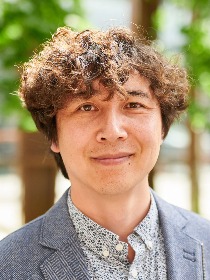
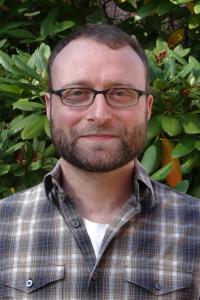
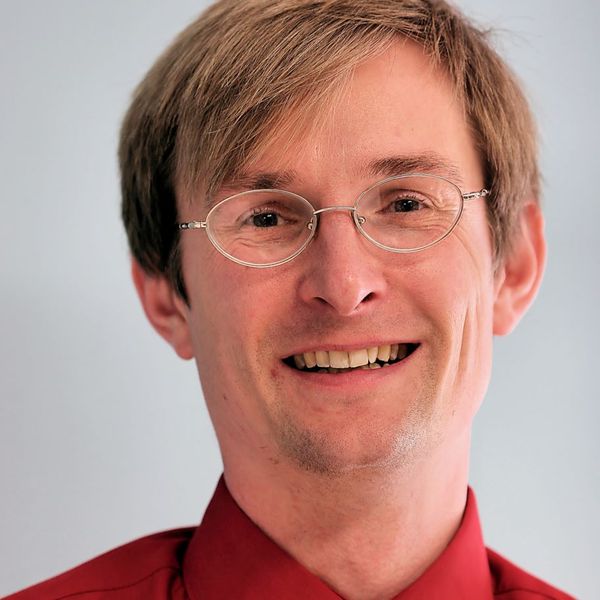
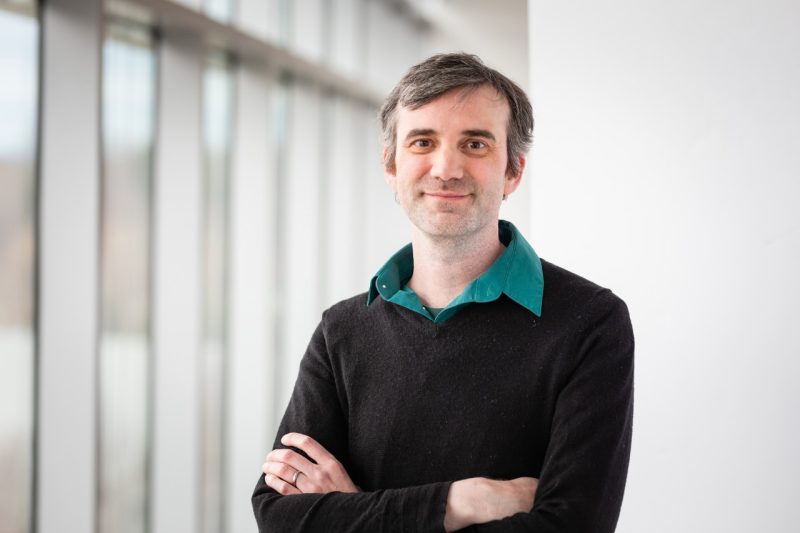
Moira Jardine is Professor of Astronomy at the University of St Andrews School of Physics and Astronomy, where she became the first female physics professor in 2010. Education: Ph.D. Applied Mathematics, University of St Andrews B.Sc. Astronomy and Astrophysics, University of St Andrews Research investigates stellar magnetic activity to understand planetary habitability and solar system evolution. Uses magnetic field measurements to model stellar winds, coronal X-ray emissions, and their impact on planetary atmospheres. Work supports exoplanet detection initiatives including JWST, GAIA, and WFIRST. Publications focus on stellar coronae, magnetic confinement processes, star-planet interactions, and coronal rain dynamics. Current projects model magnetic interactions in systems like AB Dor and HD 189733. Collaborates with international consortia including MagIcS and Bcool for stellar magnetic field surveys. Awards: Fellow of the Royal Society of Edinburgh and Suffrage Science Award (2019).
Xi Ling is an Associate Professor in the Department of Chemistry and Materials Science & Engineering at Boston University. They lead the Ling Group, which focuses on the fundamental science and applications of nanomaterials, particularly 2D van der Waals materials. Their research integrates synthesis, characterization via advanced spectroscopy, and device development for energy conversion and chemical sensing. The group utilizes facilities at the Photonics Center for cutting-edge materials analysis. Education: B.A. in Chemistry (Lanzhou University, 2007); Ph.D. in Physical Chemistry (Peking University, 2012). Research emphasizes interdisciplinary approaches to synthesize novel 2D crystals, investigate their physical properties through Raman and photoluminescence spectroscopy, and engineer flexible, transparent devices. Recent publications highlight innovations in strain engineering, ferroelectricity modulation, and exciton dynamics in materials like NiPS3 and GaSe. Students gain expertise applicable to academia and industry roles in semiconductor manufacturing, materials engineering, and instrumentation. The group’s work bridges foundational science and practical applications, addressing challenges in nanoelectronics and sustainable energy technologies.
Dr. Ernst Willingshofer is an Associate Professor of Tectonics in the Department of Earth Sciences at Utrecht University's Faculty of Geosciences. His research focuses on the coupling of deep crustal and upper mantle processes with surface deformation, particularly in collision zones and rift systems. He employs field studies and physical analogue modelling to investigate lithospheric rheology, strain localization, and tectonic evolution. Research Interests: Willingshofer's work spans tectonics, lithosphere deformation, and structural geology. Key themes include the influence of rheological stratification on strain partitioning, analogue modelling of orogenic systems, and dynamics of basins and orogens. His research has applications in understanding Alpine, Mediterranean, and global tectonic processes. Articles Trend: Recent publications (2021–2024) emphasize analogue modelling innovations, strain partitioning mechanisms, and tectonic evolution of collision zones. Subduction initiation, passive margin dynamics, and intracontinental deformation are recurring themes, with strong focus on Mediterranean and Alpine geology. Teaching & Advising: Coordinates BSc courses ( Deformation and Metamorphism of the Crust , Pyrenean Fieldwork ) and MSc courses ( Modelling Crust and Lithosphere Deformation , Dynamics of Basins and Orogens ). Supervises MSc, BSc, and guided research projects. Laboratory: Leads the Earth Simulation Lab, specializing in analogue modelling of tectonic processes.
Ji-Quan Shi is a Research Fellow in the Department of Earth Science & Engineering at Imperial College London's Faculty of Engineering. His affiliations include the Energy Futures Lab, Minerals, Energy and Environmental Engineering, and Petroleum Geoscience and Engineering. His research focuses on geomechanical and coupled THM (thermo-hydro-mechanical) modeling for CO2 storage, geothermal energy systems, and mining-induced seismicity. Key interests include induced seismicity risk assessment, reservoir simulation, and fracture mechanics in subsurface energy systems. Education background not explicitly stated in text, but his expertise spans geoscience, civil engineering, and environmental systems. Research areas emphasize interdisciplinary approaches to subsurface energy challenges, including carbon capture and storage (CCS), geothermal reservoir management, and coal mining hazards. His work combines field observations, numerical modeling, and laboratory experiments to address challenges like CO2 plume tracking, fault activation mechanisms, and microseismic event forecasting. Recent studies focus on Iceland's geothermal fields (Hellisheiði) and North African CO2 storage sites (In Salah). He has pioneered methods for integrating microseismic data with reservoir models to improve safety and efficiency in subsurface operations. Notable contributions include probabilistic frameworks for hazardous microseismicity prediction in coal mines and coupled modeling of thermal effects on induced seismicity. His research also explores innovative monitoring technologies like distributed fiber optic sensing for CO2 plume tracking.
Ming Cao is a Full Professor at the University of Groningen (Netherlands), holding positions in the Department of Discrete Technology and Production Automation, the Engineering and Technology Institute Groningen, and serving as Chair of the Jantina Tammes School of Digital Society, Technology and AI. His academic roles include Director of the Jantina Tammes School and membership in prestigious organizations such as the International Federation of Automatic Control (IFAC) and the European Commission’s DG CNECT. Cao’s research focuses on multi-agent systems, autonomous robotics, complex networks, and cooperative control, with applications in robotics, epidemic modeling, and biomimetic sensors. Education: PostDoc in Mechanical Engineering from Princeton University (2008), PhD in Electrical Engineering from Yale University (2007). Research Interests: Multi-agent systems, distributed decision-making, cooperative control, robotic teams, seal whisker-inspired flow sensing, and privacy-preserving control systems. Recent Trends in Articles: Recent work emphasizes co-evolutionary dynamics in social-technical systems, privacy in control systems, and biomimetic robotics. Key topics include feedback mechanisms in cooperation, hypergraph-based epidemic models, and seal whisker mechanics for underwater sensing. Awards: European Control Award (2016), Manfred Thoma Medal (2017), ERC Grant (2012). Grants: Vidi Grant from NWO (2015) for agent coordination research. Labs/Teams: Jan C. Willems Center for Systems and Control, Research Center for Data Science and Systems Complexity (DSSC). Active in editorial roles for journals like Artificial Life and Robotics and the SIAM Journal on Control and Optimization .
Tim Cohen is an Associate Professor of Physics at the University of Oregon, with affiliations at CERN and EPFL's Lausanne Theory Physics Laboratory. He is based at the Institute for Fundamental Science within the Department of Physics at the University of Oregon's College of Arts and Sciences. His research focuses on theoretical particle physics, particularly exploring phenomena beyond the Standard Model. Dr. Cohen's research interests center on particle physics beyond the Standard Model, with specific expertise in Large Hadron Collider phenomenology, effective field theory, electroweak naturalness, and dark matter. His work bridges theoretical frameworks with experimental possibilities at major particle physics facilities. His research program encompasses both theoretical developments in quantum field theory and practical applications to collider physics and cosmology. Analysis of his recent publications reveals a strong focus on effective field theory applications, de Sitter space physics, and dark sector phenomenology. His work demonstrates sophisticated mathematical approaches to problems in quantum field theory while maintaining connections to observable phenomena at particle colliders and in cosmological settings. He frequently collaborates with researchers across institutions including CERN, EPFL, and various US universities. Dr. Cohen serves as a senior researcher with active roles at multiple institutions, contributing to major collaborative efforts such as the Snowmass community planning process for particle physics. His work appears in leading journals including Journal of High Energy Physics, Physical Review D, and Physics Letters B, demonstrating consistent productivity and impact in the field. His research group operates within the Institute for Fundamental Science at the University of Oregon, with additional connections to theoretical physics groups at CERN and EPFL. This international collaboration network enables him to work at the intersection of theoretical developments and experimental frontiers in particle physics.
Alfredo Pasquarello is a Full Professor at the Chair of Atomic Scale Simulation within the Condensed Matter Theory Laboratory (CSEA) at the Ecole Polytechnique Fédérale de Lausanne (EPFL) . He teaches courses such as Computer Simulation of Physical Systems I and General Physics: Quanta . Education: Physics at Scuola Normale Superiore of Pisa (1986), University of Pisa (1986), PhD at EPFL (1991). Research: Focuses on atomic-scale simulations using density functional theory (DFT) and many-body perturbation to study defects in oxides , oxide-semiconductor interfaces , and energy materials like perovskites and photocatalysts. Recent Publications: 15 most recent articles (2022–2024) address band gaps, polarons, water splitting, and defect engineering in materials for photovoltaics and electrochemistry. Awards: Recipient of the EPFL Latsis Prize (1998) . Students: Supervised PhD/Master's students including Stefano Falletta, Thomas Bischoff, Patrick Gono, and Zhendong Guo. Labs: Leads the Chair of Atomic Scale Simulation at EPFL SB IPHYS CSEA.
Alex Liu is a Researcher at the Department of Earth Sciences within the University of Cambridge. He specializes in palaeobiology , focusing on the origin and early evolution of animals, particularly the Ediacaran biota (~579–539 million years ago), and their co-evolution with Earth's environment. Research Focus: Refines understanding of animal body plan evolution, taphonomy, sedimentology, and macroevolutionary trends. Methodologies: Combines fieldwork, experimental studies, petrology, phylogenetics, and big-data analyses. Collaborations: Works with international museums and research teams on fossil sites in Namibia, Canada, and Brazil. Additional Interests: Explores meiofaunal evolution, paleogeography, paleoclimate, and conservation paleobiology. He supervises Cambridge NERC Doctoral Landscape Awards (DLA) projects and welcomes student contributions to taxonomic, paleoecological, and analytical studies.
Lenya Ryzhik is a Professor in the Department of Mathematics at Stanford University, specializing in analysis and partial differential equations with applications in various physical contexts. His research spans stochastic processes, wave propagation, and front dynamics in random media, with significant contributions to understanding reaction-diffusion systems and their applications in mathematical biology and physics. Professor Ryzhik's research interests focus on the mathematical analysis of partial differential equations arising in physical systems. His work particularly emphasizes stochastic PDEs, wave propagation in random media, front propagation in reaction-diffusion systems, and homogenization theory. He investigates how randomness and complex structures affect wave propagation, front speeds, and transport phenomena, with applications ranging from combustion theory to population dynamics and quantum mechanics. The publication record demonstrates a consistent focus on understanding propagation phenomena in complex environments. Ryzhik's research shows a progression from classical PDE analysis toward increasingly sophisticated stochastic frameworks, particularly examining high-dimensional systems and random media. His recent work has focused on KPZ fluctuations, random heat equations, and non-local reaction-diffusion models, revealing deep connections between probability theory and partial differential equations. Alfred P. Sloan Research Fellowship (2002-2004) AFOSR NSSEFF Fellowship (2010-2015) Ryzhik has advised graduate students including Alexandra Stavrianidi, and has secured substantial research funding throughout his career. His grant history includes multiple NSF awards (DMS-9971742, DMS-0203537, DMS-0604687, DMS-0908507, DMS-1311903), ONR funding (N00014-02-1-0089, N00014-04-1-0224), and FRG support for collaborative research on nonlinear evolution problems. He co-organized a Summer School and Workshop on 'Recent Advances in PDEs and Fluids' at Stanford in 2013. Ryzhik maintains an active research group collaborating with leading mathematicians worldwide, particularly with researchers at institutions like NYU, Chicago, and various European universities. His work frequently involves interdisciplinary collaborations bridging mathematics with physics and biology.
Prof. Dr. Rainer Nagel is affiliated with the University of Tübingen as a faculty member in the Faculty of Mathematics and Natural Sciences , specifically within the Department of Mathematics . He leads the Tübingen Functional Analysis Group (AGFA) and the AGFA-TRI-TEAM, focusing on functional analysis and its applications. Editorial roles: Journal of Evolution Equations , Semigroup Forum , Positivity , and others. Research interests: Functional analysis, operator theory, evolution equations, ergodic theory, and mathematical physics. Publications span topics like semigroups, nonautonomous Cauchy problems, and boundary feedback systems.
Dr. Patrick Bianchi serves as a Researcher at the Swiss Seismological Service (SED) within ETH Zurich, Switzerland, where he conducts fundamental investigations into earthquake processes and rock failure mechanisms. His work integrates laboratory experimentation with numerical modeling to advance seismic hazard assessment methodologies. His research spans seismology, rock mechanics, and experimental geophysics with emphasis on fault mechanics and earthquake physics. Dr. Bianchi employs distributed fiber-optic strain sensing, acoustic emission monitoring, and triaxial testing to study strain localization, precursory signals, and the transition from aseismic to seismic deformation in crystalline and siliclastic rocks. His experimental approaches bridge laboratory observations with natural fault behavior, focusing on how surface roughness, wear processes, and fluid pressure influence fault stability and rupture nucleation. Analysis of his 15 most recent publications (2024-2025) reveals consistent investigation of strain heterogeneities, preslip phenomena, and energy dissipation during earthquake preparation phases. Key methodological trends include scaling deep learning applications from labquakes to megathrusts, comparative laboratory-numerical modeling of pre-failure processes, and environmental loading effects on brittle failure thresholds. His work demonstrates particular expertise in distributed strain sensing techniques applied to fault zone deformation. As an integral member of the Swiss Seismological Service, Dr. Bianchi contributes to Switzerland's national seismic monitoring network and fundamental research on earthquake physics. The SED operates as ETH Zurich's center for seismic hazard analysis, maintaining real-time earthquake detection systems while conducting experimental and theoretical research to improve understanding of seismic sources and ground motion prediction.
Paul Withers is a Professor and Chair of the Department of Astronomy at Boston University. He leads research on planetary atmospheres and ionospheres, with a focus on Mars and Venus, and serves as Principal Investigator on multiple NASA-funded research projects. Education: B.A. in Physics, 1998, Queens' College, Cambridge University M.S. in Physics, 1998, Queens' College, Cambridge University M.A., 2001, Queens' College, Cambridge University Ph.D. in Planetary Science, 2003, University of Arizona Professor Withers' research focuses on the upper atmospheres and ionospheres of terrestrial planets, particularly Mars and Venus. His work involves analyzing spacecraft data and developing theoretical models to understand how solar flux, neutral atmospheres, magnetic fields, and ionospheres interact under unique planetary conditions. He has made significant contributions to understanding the response of the Martian ionosphere to solar flares, the structure of the Venus ionosphere, and meteoric plasma layers in planetary ionospheres. His research often involves multi-instrument campaigns and coordinated observations across different spacecraft missions including Mars Express, MAVEN, and Venus Express. Analysis of Professor Withers' recent publications reveals a strong emphasis on Martian ionospheric dynamics, particularly its response to solar activity and its variability under different conditions. His work frequently combines data from multiple missions to create comprehensive models of planetary upper atmospheres. He has developed important methods for analyzing radio occultation data and reconstructing atmospheric properties from entry, descent, and landing measurements. Major Funded Projects: "Characterizing the topside bulge in the ionosphere of Mars" (NASA Mars Data Analysis Program, 2014, $144K) "Integration of MAVEN neutral and plasma observations" (NASA MAVEN Participating Scientist Program, 2013, $284K) "Radio occultation studies at Mars" (NASA Early Career Fellowship Program, 2013, $99K) "EDL reconstruction for MSL" (NASA, JPL contract, 2012, $199K) "Meteoric plasma layers on Venus and Mars" (NASA Planetary Atmospheres Program, 2012, $232K) Professor Withers has been actively involved in mentoring students and collaborating with international researchers. He serves as a key member of the Mars Upper Atmosphere Network (MUAN) and has contributed to community white papers for planetary science decadal surveys. His work supports future Mars landers through atmospheric modeling and surface pressure prediction, with direct applications to mission planning and execution. He has presented his research at numerous international conferences including the American Geophysical Union meetings, Division for Planetary Sciences meetings, and European Planetary Science Congress. His work has important implications for understanding planetary climate evolution, space weather effects on technological systems, and the search for habitable environments beyond Earth.
John Diffley is a Principal Group Leader and Associate Research Director at The Francis Crick Institute in London, UK, where he leads research on DNA replication mechanisms. His work focuses on understanding how cells precisely duplicate their DNA during cell division and how errors in this process contribute to cancer development. Diffley obtained his PhD from New York University in 1985 and completed postdoctoral training with Bruce Stillman at Cold Spring Harbor Laboratory until 1990. He established his research group at the Clare Hall Laboratories (originally Imperial Cancer Research Fund, then Cancer Research UK) before moving to The Francis Crick Institute in 2015. His research spans DNA replication initiation, cell cycle control, replication fork checkpoints, and epigenetic inheritance. Diffley's lab has pioneered methods to reconstitute chromatin replication using purified proteins, providing unprecedented insights into chromosome biology. His team combines genetics, cell biology, and biochemistry to study the molecular 'machines' that copy DNA in yeast and human cells. Analysis of Diffley's recent publications reveals a strong focus on structural mechanisms of DNA replication, particularly using cryo-EM to visualize replication machinery. His work examines helicase loading and activation, replication fork stability under stress, and the connection between replication errors and cancer development. The research spans model organisms to human cells, with increasing emphasis on structural approaches in recent years. FRS (Fellow of the Royal Society) FMedSci (Fellow of the Academy of Medical Sciences) Diffley actively mentors a diverse team of postdoctoral researchers and PhD students, investigating various aspects of DNA replication. His lab has received substantial funding to support their work on replication mechanisms, with projects spanning basic biochemical reconstitution to studies of replication errors in cancer contexts. The lab maintains multiple technical platforms including structural biology, biochemistry, and cell biology approaches. His research group operates within The Francis Crick Institute's collaborative environment, utilizing shared facilities for structural biology, microscopy, and genomics to advance understanding of DNA replication mechanisms and their implications for genome stability and disease.
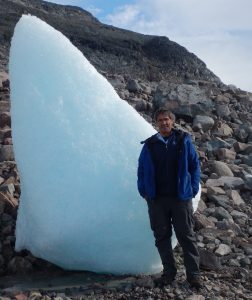
Jonathan B. Martin is a Professor at the University of Florida's College of Liberal Arts and Sciences. His research focuses on hydrogeochemical processes in diverse environments including carbonate karst aquifers, coastal systems affected by sea-level change, and deglaciated watersheds in Greenland. He leads the Research Coordination Network on Carbonate Critical Zones and holds an NSF grant for Greenland watershed studies. Education: BA in Environmental Science, Wesleyan University (1980) MS in Geology, Duke University (1987) PhD in Earth Sciences, University of California, San Diego (Scripps Institution of Oceanography) (1993) Research Interests: Martin's work examines geochemical fluxes driven by biogeochemical reactions coupled with hydrological flow. This includes: (1) Water-solute-isotope dynamics in carbonate karst aquifers like Florida's Floridan Aquifer and Bahamian/Yucatan systems; (2) Coastal aquifer-estuary exchanges impacting metal mobilization and greenhouse gas fluxes; and (3) Weathering processes in deglaciated landscapes affecting global carbon cycles. His lab develops field methods to quantify submarine groundwater discharge and contaminant transport. Publications: Recent articles demonstrate strong emphasis on climate-aquifer interactions, with recurring themes including Greenland glacial meltwater biogeochemistry, coastal karst aquifer responses to sea-level rise, and carbonate mineral reactions in global carbon cycling. Work frequently integrates field measurements with geochemical modeling. Laboratory: Directs the Hydrogeochemistry Laboratory with capabilities including ion chromatography, cavity ring-down spectroscopy, nutrient autoanalysis, and fluorescence spectrometry for studies of water-rock interactions.
Scott England is a Professor in the Department of Aerospace and Ocean Engineering at the College of Engineering, Virginia Polytechnic Institute and State University. He serves as the Project Scientist for NASA’s Ionospheric Connection Explorer (ICON), Co-Investigator for Global-scale Observations of the Limb and Disk (GOLD), and Participating Scientist for Mars Atmosphere and Volatile Evolution (MAVEN). Education PhD, University of Leicester (UK), 2005 MPhys First Class Honors, University of Leicester (UK), 2001 England’s research focuses on planetary atmosphere-space environment interactions, particularly gravity waves, atmospheric tides, and ionosphere-thermosphere coupling on Earth and Mars. His work integrates NASA mission data (ICON, GOLD, MAVEN) with numerical modeling to study thermal dynamics, wind systems, and solar flare impacts. Recent publications highlight his expertise in thermospheric gravity wave science, planetary wave-induced ionospheric variability, and Mars atmosphere studies using EMUS and IUVS instruments. Articles span topics like Seasonal variability of DE3/DE2 tides , Transient Martian hot oxygen corona , and Shock-induced plasma dynamics . Scientific Honors 2020 Dean's Award for Teaching Excellence 2016 RHG Exceptional Achievement for Mars Science As a professional leader, England served as Thermospheric Lead for the 2019 Planetary Mission Concept Studies Program and on the National Academy of Sciences Decadal Survey panel. He manages Virginia Tech’s participation in the Virginia Space Grant Consortium and has contributed to high-performance computing committees.