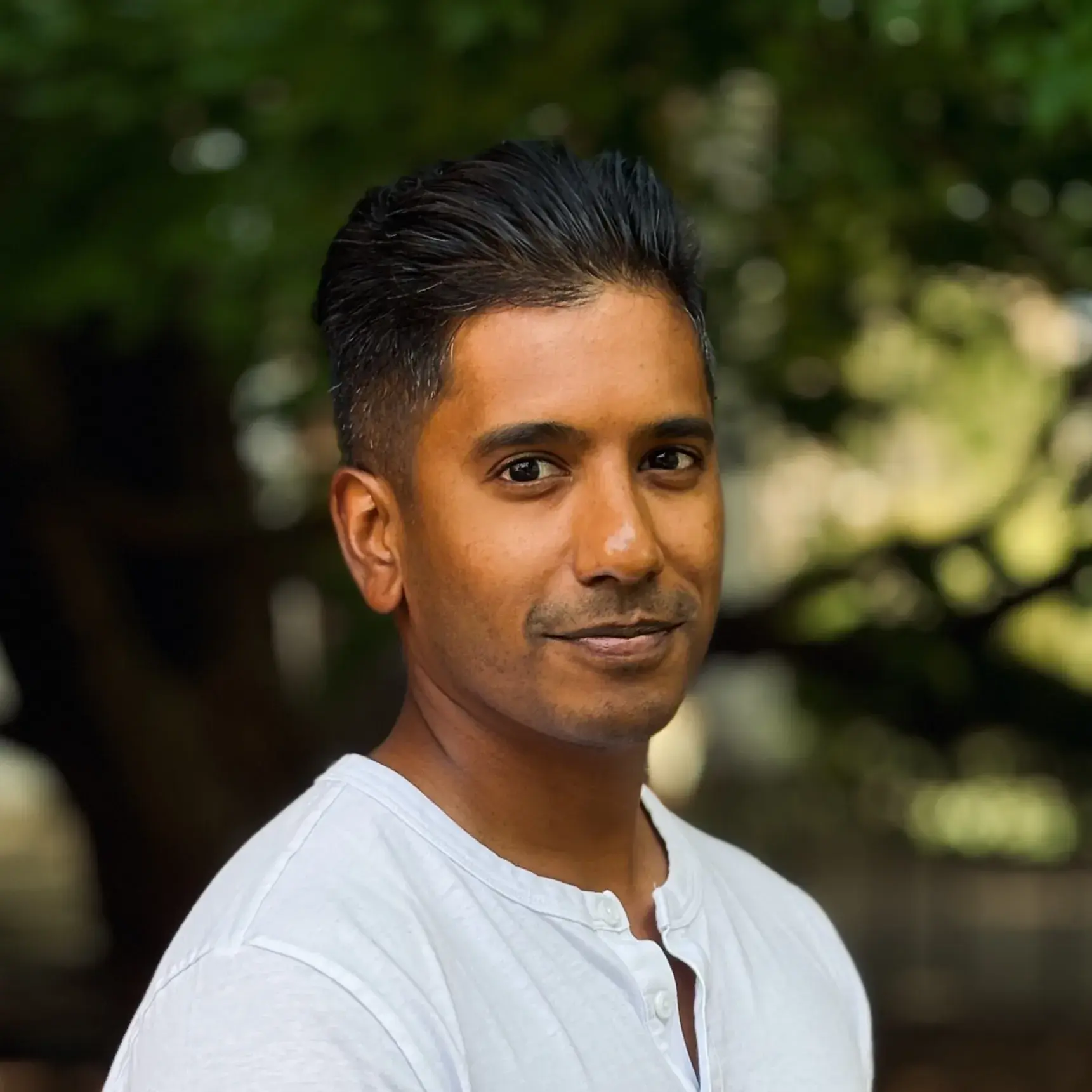
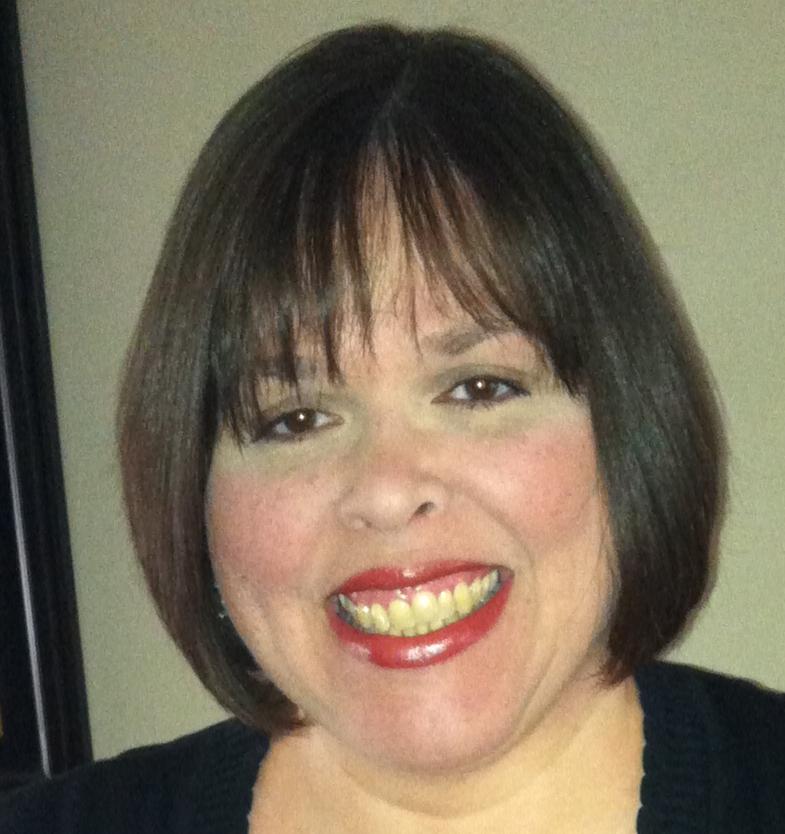
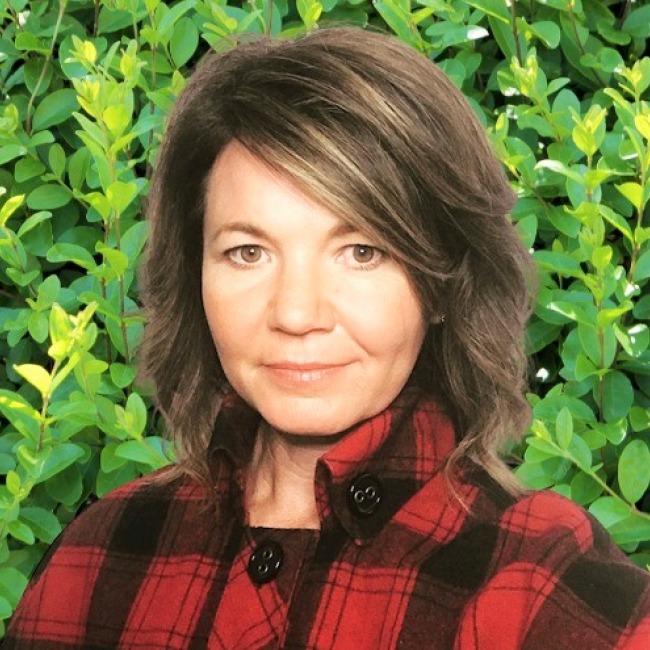
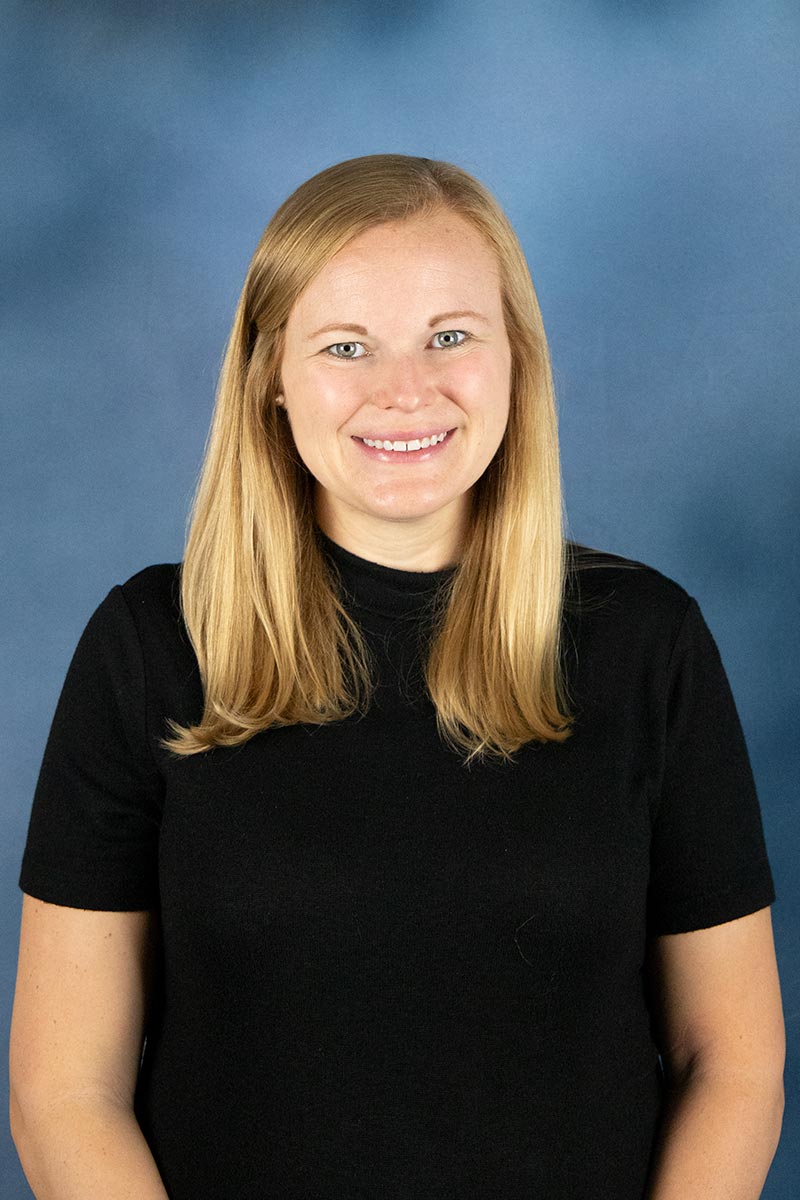
Renee' Schoening is an Assistant Professor in the Department of Education at Whitworth University, joining the faculty in 2022. She holds an Ed.D. in Counselor Education and Supervision from the University of Montana, an M.A. in Marriage and Family Therapy from Fuller Theological Seminary, and a B.S. in Business and Marketing Education from Montana State University. Her work focuses on educator wellness, school counseling ethics, trauma stewardship, and social emotional learning (SEL). She has presented widely on topics such as secondary trauma management, multi-tiered support systems, and racial identity development in counseling contexts. Her research interests include strategies for addressing anxiety and trauma in educational settings, systemic approaches to student well-being, and rural school counseling challenges. She has received notable awards including the 2024 Provost Junior Faculty Award and the OSPI CSCP Trailblazer Award. Schoening teaches courses related to school counseling practices and systemic educational interventions.
Sherri Sedler is the School Counseling Program Director and Associate Professor at Alliant University's California School of Education. She teaches in the School Counseling online programs and is based in the Department of School Counseling. Her work integrates academic leadership with extensive clinical and community mental health experience. Education: B.A. in Child Development, Stanislaus State University M.A. in Counseling, Sacramento State University Psy.D. in Clinical Psychology, California Southern University Sherri's research and professional interests focus on complex trauma, compassion fatigue, and child and adolescent mental health and wellness . She emphasizes trauma-informed practices, crisis intervention, and reducing stigma in mental health. Her work supports educators, counselors, and mental health providers through training and community implementation. Though no peer-reviewed articles are listed in the provided text, her scholarly contribution includes a dissertation on Complex Trauma in Adolescents: A Community Based Approach , reflecting her commitment to applied, community-centered research in school and youth mental health. Professional Certifications: Certified Compassion Fatigue Specialist Certified Child & Adolescent Trauma Professional Social Thinking Clinical Trainer Early Barriers to Learning Trainer Certified Parent Project Trainer Certified Bullying Prevention Specialist Sherri has over 26 years of experience as a K–12 counselor and over ten years as an adjunct faculty member at Alliant University and the University of Phoenix. She has led numerous workshops on trauma, crisis response, and suicide prevention. She developed a countywide crisis response protocol and serves on the Calaveras County Mental Health Board. She is also co-owner of Metta Services, LLC, which provides mental health consultation and support services to children, teens, adults, and providers. Labs, Teams, and Community Initiatives: Sherri is actively involved in community mental health through her role at Metta Services, LLC, where she leads consultation and implementation efforts. She collaborates with school districts, clinicians, and administrators to build trauma-responsive systems. Her work integrates academic training with real-world mental health service delivery.
James Adams is an Associate Professor and System-wide Program Director for the online Psy.D. in Educational Psychology at Alliant International University's California School of Education in San Francisco. He leads the Educational Psychology program with a focus on training future school psychologists and mental health practitioners. His educational background includes a Doctor of Psychology (Psy.D.) in Educational Psychology from Alliant International University, a Master's in School Psychology from San Francisco State University, and both Bachelor's and Master's degrees in Sociology from UC San Diego. Dr. Adams' professional interests center on International School Psychology , Mental Health in Educational Settings , Mindfulness Training , and School Neuropsychology . He is deeply committed to fostering gender-sensitive and inclusive environments for children, teens, and adults, particularly within the LGBTQQ community. His interdisciplinary expertise bridges clinical psychology, education, and neuropsychological assessment. Although no publications are listed in the provided text, his professional focus suggests scholarly engagement in school-based mental health interventions, neuropsychological evaluation in educational contexts, and culturally responsive psychological practices. Dr. Adams holds multiple professional licenses: Licensed Educational Psychologist (LEP), Licensed Marriage and Family Therapist (LMFT), and Licensed Professional Clinical Counselor (LPCC). He is a Diplomate in School Neuropsychology from the American Board of School Neuropsychology. He holds Clear Pupil Personnel Services Credentials in School Psychology and School Counseling, as well as a credential in School Administration in California. As Program Director, Dr. Adams oversees curriculum development, faculty coordination, and student mentorship across the online Psy.D. program. His leadership role implies involvement in academic grants, program accreditation, and institutional partnerships, though specific projects are not mentioned. He does not appear to be part of a named research lab or team in the provided information.
Mtisunge E. Kapalamula is an Assistant Professor in the Department of Clinical Mental Health Counseling at Adler University's Chicago campus, contributing to the on-ground modality of the M.A. program. Their teaching philosophy emphasizes student-centered, experiential learning grounded in social justice and critical engagement. Dr. Kapalamula holds a Ph.D. in Counselor Education and Supervision from Adler University, an M.S. in Education with a focus in Counseling from Indiana University, and a B.A. in Psychology from the same institution. Their research and practice focus on trauma-informed care, particularly complicated grief and vicarious trauma, with a strong commitment to marginalized communities. They specialize in counseling immigrant populations and addressing the psychological impact of police violence on Black and Brown communities. Their work integrates sociocultural awareness into clinical training and community mental health advocacy. Their sole published article explores African Americans' lived experiences of police violence through a phenomenological lens, highlighting racial trauma and resilience. This work aligns with broader themes of social justice, systemic oppression, and community-based healing. Awarded the Adler University Social Justice Scholarship (2015–2016), Dr. Kapalamula is recognized for their commitment to equity in mental health. They are a member of several professional organizations including Chi Sigma Iota, the American Counseling Association, and the Illinois Counseling Association. Dr. Kapalamula has held leadership roles in community mental health, serving as Past President of the Midwest Center for Social Services and President of Lakeshore Counseling and Consulting Group, LLC, where they provide psychoeducation and work to destigmatize mental health in communities of color. They have delivered presentations on grief and supporting LGBT youth. No information is available about student advising or research grants.
Brianne L. Overton is an Assistant Professor at the School of Counseling at Missouri Baptist University. She holds dual credentials as a Licensed Professional Counselor (LPC-S) and National Certified Counselor (NCC), with licenses in Illinois and Missouri. Education : MA in Thanatology from Hood College; M.Ed in Clinical Mental Health Counseling from University of Missouri – St. Louis; doctoral candidate in Counseling at University of Missouri – St. Louis. Her research focuses on the grief gap affecting BIPOC communities, young adults navigating terminal illness and life trajectory disruptions, and strategies to support bereaved families. She has dedicated 17 years to the field of thanatology, offering grief education, counseling, and suicide intervention programs. As Chief Clinical Officer of Experience Camps, she leads a national nonprofit providing free clinical programs for grieving youth, advocacy, and resources to ensure grieving children can thrive. She also supervises master’s-level clinicians in training.
Sarah Flint is a Clinical Assistant Professor and Clinical Coordinator of the Clinical Mental Health Counseling (CMHC) Program at Auburn University's College of Education, Department of Special Education, Rehabilitation, and Counseling. She specializes in Crisis Counseling, Trauma-Informed Care, and Counselor Wellness, teaching core clinical courses and supervising practicum/internship training. PhD in Counselor Education & Supervision (Auburn University, 2019) M.Ed. in Clinical Mental Health Counseling (Auburn University, 2015) BA in Psychology (Southwestern University, 2013) Dr. Flint's research focuses on vicarious trauma, resilience, burnout prevention, and counselor self-efficacy in crisis work. She serves as a certified ASIST trainer for suicide intervention and holds multiple credentials including LPC-S, NCC, TF-CBT, and BC-TMH. Her professional service includes presenting at regional/national conferences on trauma-informed care and counselor development. She has taught since 2019, transitioning from Adjunct and Visiting Assistant Professor roles to her current Clinical Assistant Professor position.
Margie Taylor is a Clinical Assistant Professor and Clinical Coordinator in the Department of Special Education, Rehabilitation and Counseling at Auburn University's College of Education. She also serves as Program Coordinator for the Clinical Mental Health Counseling program, focusing on training students to become effective counselors while prioritizing self-care. Education: Doctor of Philosophy in Counselor Education (2018), Auburn University Master of Education in Community Agency Counseling (2006), Auburn University Bachelor of Science in Psychology (2004), Asbury College Her research and practice areas include clinical mental health counseling, trauma counseling, and telemental health services. Since 2018, she has developed a Mental Wellness Program for first responders that has reduced mental health stigma and improved well-being, attracting national interest from police departments seeking to replicate it. Taylor is a Licensed Professional Counselor (LPC) in Alabama (License #2729) and holds certifications as a Counseling Supervisor (LPC-S, Certification #0769), Certified Trauma Focused Cognitive Behavioral Counselor (TF-CBT), Eye Movement Desensitization Reactivation Counselor (EMDR), and Board Certified Telemental Health Counselor (BC-TMH). Her prior roles include Clinical Director at The Well Counseling Center and Executive Director at Tri-County Children’s Advocacy Center.
Marilyn Butler serves as an Instructor in the Department of Clinical Mental Health Counseling at the University of Western States, contributing to graduate-level counselor education and clinical training programs. Her professional focus centers on evidence-based therapeutic approaches in mental health counseling, with emphasis on practical clinical skills development and contemporary intervention strategies for diverse client populations. Research interests include counseling techniques, mental health assessment methodologies, and professional ethics in clinical practice. As an active faculty member, she participates in curriculum development for counseling programs and provides supervision for clinical practicum experiences, though specific advising records or research grants are not documented in available sources.
J. Kelly Moreno is a Professor of Psychology at California Polytechnic State University (Cal Poly), serving as Director of Training for the Master's Psychology Program. Their academic career spans clinical psychology, psychotherapy methodologies, and creative writing intersections with mental health. Dr. Moreno holds a Ph.D. and M.S. in Counseling Psychology from the University of Utah, and a B.A. in Sociology from UC Santa Barbara. Research focuses on eating disorders, mood/anxiety disorders, group psychotherapy techniques, forensic psychology applications, and literary influences in counselor education. Notable work includes the novel A Duty to Betray (2014), exploring psycho-legal themes, and pioneering studies on modern sex doll ownership dynamics. Teaching responsibilities include courses on individual psychotherapy (PSY 560), psychodynamic approaches (PSY 568), and clinical practicum training (PSY 569). Professional activities emphasize bridging creative writing with therapeutic practices, evidenced by presentations at the American Group Psychotherapy Association and California Writer’s Club. Publications span peer-reviewed analyses of non-traditional relationships to creative works exploring psychological dilemmas. Active in both academic and literary communities, Moreno’s work uniquely merges clinical expertise with narrative expression.
Courtney R. Boddie is an Adjunct Professor in the Counseling Department at Seattle University's College of Education, serving as core faculty in the OCMHC (Online Clinical Mental Health Counseling) Program. His work focuses on bridging health equity gaps through trauma-informed, culturally-attuned psychotherapy training. He emphasizes social justice in counselor education and supervision. Dr. Boddie practices telehealth, offering counseling, psychological evaluations, and clinical supervision. He previously served as a healthcare administrator in university and group practice settings, supervising multidisciplinary clinical teams. Education: Ph.D., Counselor Education & Educational Psychology, University of Missouri M.Ed., Community Mental Health Counseling, University of Missouri B.S., Organizational Behavior, Washington University His research and clinical interests include Adlerian case conceptualization, identity-affirmative diagnostic practices, men’s mental health, race-based trauma, and integrated care models. He advocates for culturally-responsive mental health provision to enhance community accessibility. His professional activities span academia, clinical practice, and leadership in healthcare administration. Labs/Teams: Active in the OCMHC Program and maintains a telehealth practice for clinical services.
Joy S. Whitman is a Full Clinical Professor in the Online Clinical Mental Health Counseling Program at Seattle University's College of Education. She holds a Ph.D. in Counseling Psychology from West Virginia University and an MS in Human Relations and Counseling from Villanova University. Licensed in multiple states (NC, IL, MO), her clinical expertise includes trauma, eating disorders, and LGBTQ+ affirmative therapy. Her research focuses on training counselors for affirmative therapeutic treatment of LGBTQ+ clients. She has held faculty positions at Northwestern University, Walden University, DePaul University and Purdue University, and has presented her research internationally. Dr. Whitman has served as President of the Society for Sexual, Affectional, Intersex, and Gender Expansive Identities and on the Ethics Committee of the American Counseling Association.
Mark Samudre is an Assistant Professor of Special Education at the University of Kentucky, affiliated with the Department of Early Childhood, Special Education, and Counselor Education within the College of Education. He previously served as faculty at the University of South Carolina (2019-2023) and completed his doctoral studies at the University of Kentucky (2015-2019). His primary research focuses on training and coaching frameworks to enhance teacher implementation of behavioral supports, particularly targeting general education teachers. Dr. Samudre teaches courses in classroom management, applied behavior analysis, co-teaching, and instructional strategies for students with high-incidence disabilities. His research emphasizes resource-efficient coaching interventions and professional development frameworks to improve fidelity of behavioral interventions. Notable areas include targeted behavioral supports, multitiered systems of support, and evidence-based practices for inclusive education. Recent Trends in Publications: His work spans meta-analyses of teacher training effectiveness, explorations of implementation drivers for behavioral supports, and innovations in video-based interventions for students with disabilities. Recent studies investigate group contingency designs, peer coaching efficacy, and virtual instruction strategies. Dr. Samudre has no listed scientific awards but maintains an active research agenda focused on bridging gaps between training frameworks and classroom implementation. His work addresses practical challenges in special education through rigorous empirical studies and evidence-based methodologies.
Dr. Andrew Plath is an Assistant Professor of Counseling at the University of Saint Joseph (USJ), joining in 2024. He holds a Ph.D. from Northern Illinois University, an M.A. from The Chicago School of Professional Psychology, and a B.S. from Ball State University. Prior roles include Assistant Professor at Caldwell University and Lecturer at Baruch College’s Department of Psychology. He is a Licensed Professional Counselor (LPC) in Illinois. His research focuses on counselor and student self-care, emphasizing task-oriented wellness strategies and creative pedagogy like music-based educational tools. He teaches courses such as Mental Health Diagnosis, Counseling Skills and Techniques, and Theories of Counseling and Psychotherapy. Dr. Plath’s clinical background includes working with court-mandated domestic violence perpetrators to disrupt violence cycles. He is affiliated with the American Counseling Association, Association for Counselor Education and Supervision, and North Atlantic Association for Counselor Education and Supervision. Though no specific grants or awards are listed, his work bridges clinical practice and academic innovation in mental health counseling. Dr. Plath contributes to interdisciplinary programs within the School of Interdisciplinary Health and Science, including Counseling & Applied Behavior Studies. His teaching spans undergraduate and graduate levels, emphasizing practical skills and ethical practices in counseling.
Sandra J Zampino is a Lecturer in the Department of Educational Leadership at San José State University's Connie L. Lurie College of Education. She holds a Doctor of Education from Nova Southeastern University (2001) and has extensive experience as a school principal and administrator in Miami-Dade County Public Schools. Her career includes roles as a Doctoral Enrollment Counselor/Program Professor at Nova Southeastern University and grant reviewer for the U.S. Department of Education. Key qualifications include certifications in Elementary Education, School Social Work, and School Principalship. She emphasizes equitable access to education, lifelong learning, and leadership development. Professional activities include service on the California Commission for Teacher Credentialing’s Bias Review Committee and contributions to strategic planning for the Association of California School Administrators. Her research interests focus on educational leadership, technology integration in schools, curriculum development, and program evaluation. Notable projects include Title III and National Science Foundation grants addressing math/science achievement and ESL support. She has authored manuals for academic progress tracking and presented on topics like instructional technology and FCAT data analysis.
Lia D. Falco is an Associate Professor in the Educational Psychology Department at the University of Arizona’s College of Education. She is a certified Arizona school counselor with prior experience in the Amphitheater School District. Her research focuses on adolescent career development, particularly STEM career choice and underrepresented student support. She actively reviews for journals like Professional School Counseling and serves on editorial boards. Dr. Falco co-founded the “Talk it Out” program with Tucson Unified School District, providing free mental health services. Recognitions include the 2019 Erasmus Circle Fellowship and a COE service award nomination. Her expertise bridges counseling theory and practice, with emphasis on self-efficacy, motivation, and identity. Research spans STEM education interventions, career group counseling frameworks, and psychometric scale development. She contributes to national organizations like the American Counseling Association and chairs the National Career Development Association’s research committee. Recent scholarship highlights include analyzing counseling journals’ trends, evaluating self-efficacy interventions, and exploring social influences on STEM participation. Key themes across her work involve improving educational practices for marginalized students and advancing career readiness through systemic interventions.

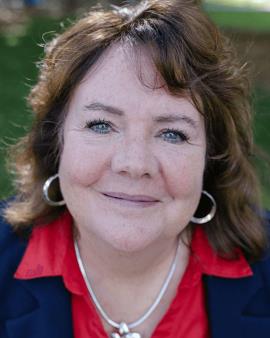


/0x46:1200x1453/prod01/channel_34/media/seattle-university/directory/faculty-amp-staff-directory/images/education/Courtney-Boddie_c8X10_1200X1499.jpg)
/0x47:1200x1454/prod01/channel_34/media/seattle-university/directory/faculty-amp-staff-directory/images/education/Joy-S.-Whitman_c8X10_1200X1500.jpg)