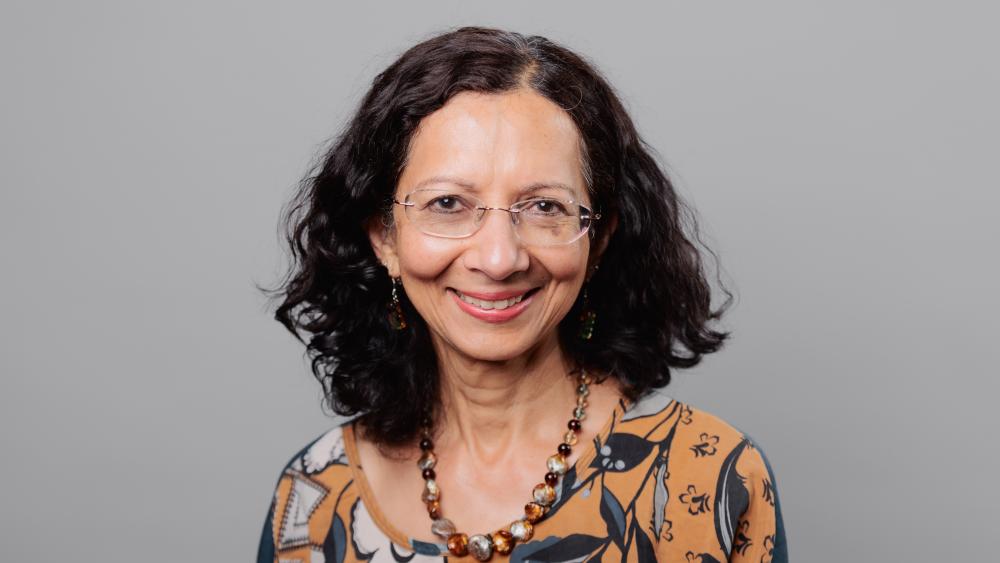
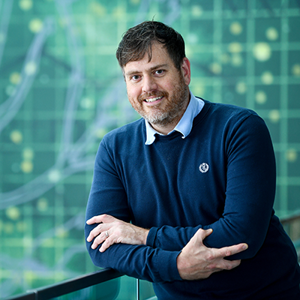
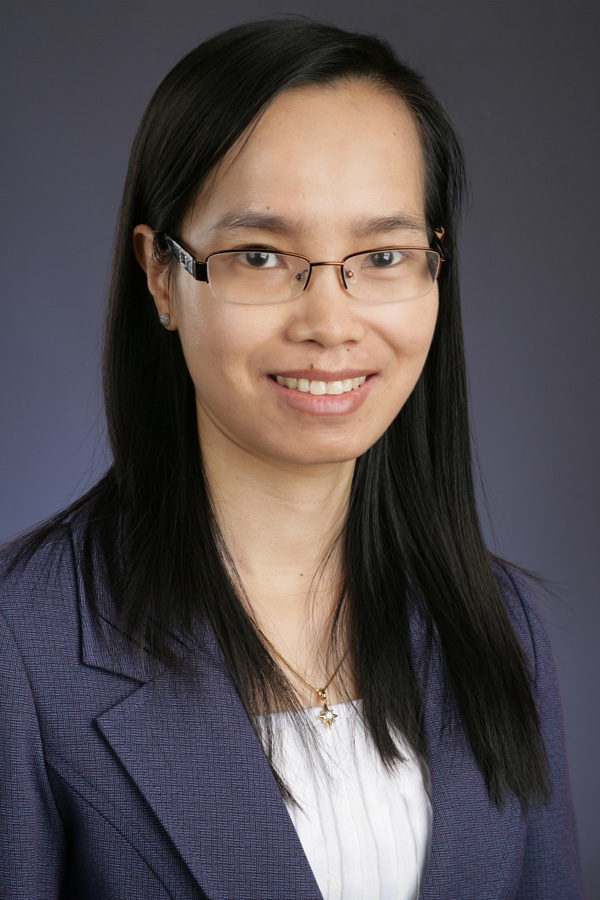
Ruben Enikolopov is an ICREA Research Professor at Universitat Pompeu Fabra (UPF) and holds positions at the Barcelona School of Economics (BSE), New Economic School (Visiting Professor), and National University of Singapore (Provost's Chair). He earned his PhD in Economics from Harvard University. Education: PhD in Economics, Harvard University Research Interests: Focus on political economy, economics of mass media, development economics, and corporate finance. Explores topics like social media's role in protest participation, corruption, nationalism, and historical media influence (e.g., Nazi Germany). Articles Trends: Recent work examines online homophily’s impact on social cohesion, cross-border media effects, and the political consequences of social media in autocratic regimes. Key themes include digital polarization, propaganda, and voter behavior. Awards/Grants: Recipient of European Research Council (ERC) grants including Starting Grant, Proof of Concept, and Consolidator Grant. Recognized for contributions to media-economics research. Labs/Teams: Affiliated with Barcelona Institute of Political Economy and Governance, CEPR, Gallup, and others. Editorships include Journal of Comparative Economics and Review of Economic Studies .
Liz Campbell is Professor & Francine V McNiff Chair at Monash University's Faculty of Law. She holds adjunct professorships at University College Cork and is a visiting full professor at University College Dublin (2024-27). As convenor of the Monash Transnational Criminal Law Group, her work bridges corporate crime, organised crime, corruption, biometric evidence, and socio-legal contexts with a comparative and empirical focus. Extensive publications in leading journals and books, including Organised Crime and the Law (Hart, 2013) and The Criminal Process (OUP, 2019). Research funded by Research Council UK, AHRC, Law Foundation of New Zealand, Fulbright Commission, Modern Law Review, and Carnegie Trust. Key roles: Assessor for Australian Research Council, member of UK AHRC Peer Review College, and Law Council of Australia's Foreign Corrupt Practices Working Party. Her work impacts courts (Irish Supreme Court citations) and law reform commissions. She welcomes PhD students researching corporate crime, corruption, and biometrics, particularly from Asia and Global South regions.
Vasileios P. Kemerlis is an Associate Professor of Computer Science at Brown University, where he conducts research in systems and software security. He serves as the director of the Secure Systems Lab (SSL) and is a recipient of the prestigious NSF CAREER Award. His work focuses on practical security solutions for real-world systems. Dr. Kemerlis specializes in software, hardware, and systems security with particular emphasis on OS kernel protection, software hardening, fuzz testing, and information flow tracking. His research bridges theoretical security concepts with practical implementations that can be deployed in commodity systems. His work often leverages hardware features to build more robust security mechanisms while maintaining system performance. His recent publications demonstrate a consistent focus on memory safety, control flow integrity, and practical security mechanisms that can be deployed in real-world systems. His work spans multiple security domains including kernel security, network security, and application security, with a strong emphasis on developing solutions that balance security guarantees with practical performance considerations. Scientific Awards: NSF CAREER Award Dr. Kemerlis teaches advanced security courses at Brown University including CSCI 1650: Software Security and Exploitation (offered Fall 2016-2024) and CSCI 2951U: Topics in Software Security (offered Spring 2016-2018, 2020, 2021, 2024). As director of the Secure Systems Lab, he leads research efforts that have resulted in numerous publications at top security venues including IEEE Symposium on Security and Privacy, ACM CCS, and USENIX Security. The Secure Systems Lab under his direction focuses on developing practical security solutions that can be deployed in real-world systems, with recent work exploring hardware-assisted security mechanisms, binary hardening techniques, and novel approaches to memory safety.
Kelly Bergstrand is an Associate Professor and Director of Graduate Studies in Sociology at the University of Texas at Arlington. Her research focuses on social movements, environmental sociology, and social psychology, particularly examining emotions in activism, civic engagement, and community recovery after environmental disasters. She holds a PhD in Sociology from the University of Arizona (2015), with a dissertation on grievance evaluations in social movements. Education: PhD in Sociology, University of Arizona, 2015 MA in Sociology, University of Arizona, 2008 BA in Political Science and Economics, Marlboro College, 2002 Research Interests: Bergstrand explores environmental sociology, the role of emotions in collective action, post-disaster recovery, and the application of Affect Control Theory. Her work bridges theoretical frameworks with empirical studies on disasters like Hurricane Harvey and the Deepwater Horizon oil spill. Recent projects include analyzing AI in healthcare diagnostics and youth activism tactics. Grants & Awards: 2024 Faculty Development Leave, UTA 2022 College of Liberal Arts Research Award 2020 College of Liberal Arts Teaching Award Funded grants include studies on disaster recovery barriers (OSHA, $75k), climate narratives (CLARFRE, $2.25k), and workers' safety post-disasters (OSHA, $75k). Teaching & Service: She teaches courses on environmental sociology, social movements, and research methods. She chairs the Sociology Recruitment & Retention Committee and advises multiple graduate committees. Bergstrand actively participates in professional organizations like the American Sociological Association and the Scholars Strategy Network. Advising: Supervised over 30 graduate and undergraduate students across thesis/non-thesis committees, honors contracts, and research advisement since 2015.
Bhavna Davé is a Senior Lecturer in the Department of Politics and International Studies at SOAS University of London , with additional affiliations to the Centre of Contemporary Central Asia and the Caucasus. She holds a PhD from Syracuse University and has been a Visiting Research Scholar at institutions such as the Institute of Developing Economies (IDE-JETRO) in Japan, RSIS Singapore, and the Watson Institute at Brown University. Her educational background includes BA and MA degrees from Bombay University, and an MA from Syracuse University. Research Interests span the geopolitics of Eurasia , Russia-Central Asia relations , Sino-Russian dynamics , the Belt and Road Initiative (BRI) , labour migration across Eurasia , ethnicity and language policies , and India-Central Asia relations . Her work examines how geopolitical alliances, economic frameworks, and legal policies shape migration flows and state-society dynamics in the region. Publications reflect her focus on Eurasian geopolitics, migration governance, and regional cooperation. Key works include analyses of China’s BRI in Central Asia, migrant worker status in Russia and Kazakhstan, and energy-security linkages between India and Central Asia. Teaching includes postgraduate modules on State and Society in Central Asia , Geopolitics and Security , and undergraduate Politics of Nationalism .
Emanuel Coman is an Associate Professor in the Department of Political Science at Trinity College Dublin. He holds a Ph.D. from the University of North Carolina at Chapel Hill (2012) and previously served as a Lecturer at the University of Oxford (2014-2016) and a Postdoctoral Prize Fellow at Nuffield College, Oxford (2012-2014). His research focuses on electoral systems, party politics, and legislative behavior, with a particular emphasis on European democracies and Central/Eastern Europe. Key research interests include the impact of electoral reforms on political representation, the role of local leaders in resource distribution, and the effects of university education on political attitudes. Coman has also explored gender dynamics in voter turnout and the relationship between ideology and fiscal policies in post-communist states. His work has been published in prestigious journals such as European Union Politics , Journal of Politics , and Electoral Studies . Notable contributions include analyses of Euroskepticism in Italy, the sociopolitical impact of higher education, and the implications of Romania’s 2008 electoral reforms. Awards: Postdoctoral Prize Fellowship (Nuffield College, 2012), Kenan Presidential Fellowship (UNC, 2006-2012), and an ASSBF Grant (2018). Grants: Funded research on local elections across national contexts, reflecting his focus on comparative politics and institutional design. Coman’s interdisciplinary approach bridges political science with sociology, addressing themes such as health behaviors among adolescents and the intersection of education with cultural liberalism.
Philippe le Billon is a Professor at the University of British Columbia , affiliated with both the School of Public Policy and Global Affairs and the Department of Geography . His work bridges the environment-development-security nexus , with a focus on climate change, ocean governance, extractive sectors, and conflicts. He collaborates extensively with NGOs and international organizations, particularly on environmental defenders' issues. Research Expertise: Development, Energy Policy, Environment and Climate Change, International Security, Oceans and Fisheries, Social Justice Geographic Focus: Africa, Canada/US, Latin America, Southeast Asia His research explores global challenges such as green transition mineral risks , fish crimes , reparative capitalism , and neoliberalized violence . Recent work examines the techno-utopianism of space mining , AI in anti-corruption , and ocean defender human rights . He has contributed to leading journals like Global Environmental Change and Nature Sustainability , while engaging public audiences via The Guardian and The Conversation . Scientific Contributions: 8 2025 publications on AI in extractives, energy transitions, and ocean governance 7 2024 works addressing carbon neutrality, green extractivism, and fisheries 2023 PNAS study on climate-smart conservation in Africa Awards & Appointments: Scholar, Institute for Advanced Study (Princeton) Fulbright Research Chair, UC Berkeley Research Fellowship, Science-Po Paris Founding Director, Environmental Peacebuilding Association Supervision: Mentored 15+ graduate students including Erik Post (green energy conflicts), Nick Middeldorp (environmental defenders), and Larissa Santos (microhydropower). Current advisees include Erik Post and Philippe's former students hold academic posts at institutions like University of Toronto and University of Sheffield.
Professor Toman Barsbai of the School of Economics at the University of Bristol specializes in development economics with a focus on international migration and cultural behavior. His research combines experimental and observational micro-level data from fieldwork and archives. Lead researcher at Malengo initiative Affiliated with J-PAL and French Collaborative Institute on Migration Member of Philippines' Department of Migrant Workers expert council His work examines migration's economic implications through two core themes: (1) international migration dynamics and (2) cultural behavior economics. Recent studies include labor migration's impact on democratic diffusion, financial literacy training for migrants, and cross-species behavioral convergence. Publications in Science , American Economic Journal: Applied Economics , and Journal of Development Economics demonstrate methodological rigor through randomized controlled trials. Media coverage in BBC, Science, and World Bank Development Impact Blog highlights real-world policy relevance.
Andres D. Uribe is an Assistant Professor of Political Science at the University of Wisconsin-Madison, where he also holds the 2024-25 Anna Julia Cooper Postdoctoral Fellowship. His research investigates the complex interactions between democracy, violence, and state formation in the Americas, with a particular focus on how armed non-state actors influence electoral politics and governance. Dr. Uribe earned his PhD in Political Science from the University of Chicago in 2023. Prior to joining UW-Madison, he was a Postdoctoral Fellow at Stanford University's Center on Democracy, Development, and the Rule of Law (CDDRL) during 2023-24. His scholarly work spans several critical areas in political science: democratic resilience against violent interventions, rebel governance in civil war contexts, and strategies of democratic backsliding . Through multi-method research combining large-N statistical analysis with in-depth case studies, Uribe examines how criminal organizations, rebels, and paramilitaries establish governance structures, influence elections, and interact with state institutions. His book project, War on the Ballot Box: How Violent Actors Corrupt and Disrupt Democracy , analyzes electoral interventions by armed groups across Latin America. Uribe's recent publications (2020-2025) reveal a consistent focus on non-state governance and democratic vulnerability. His work on criminal governance in Latin America demonstrates its surprising correlation with state presence, while studies of Colombian civil war dynamics show how rebels opportunistically exploit temporary state weaknesses. Research on Mexican democracy documents how presidential rhetoric can degrade public confidence in institutions—a key mechanism for democratic erosion. Collectively, these contributions illuminate the multifaceted challenges to democratic governance in conflict-affected societies. Dr. Uribe has received significant recognition for his work: Anna Julia Cooper Postdoctoral Fellow, University of Wisconsin-Madison (2024-25) Postdoctoral Fellow, Center on Democracy, Development, and the Rule of Law (CDDRL), Stanford University (2023-24) While specific details about his advising activities and research grants are not provided in the available materials, his collaborative publications with scholars across multiple institutions suggest active engagement in interdisciplinary research networks. His work frequently involves partnerships with experts in criminology, conflict studies, and comparative politics. Though no dedicated research laboratory is mentioned, Uribe's projects often employ innovative methodologies including text-as-data analysis, survey experiments, and spatial analysis of conflict data, indicating sophisticated research infrastructure support at his host institutions.
Anna Alon is a Professor of Accounting and Auditing at the University of Agder (UiA), affiliated with the School of Business and Law and the Department of Economics and Finance. She holds a PhD in Accounting from the University of Central Florida and has prior industry experience at KPMG, Kodak, and Siemens. Research Focus: Accounting standards, audit practices, transition economies, institutional theory, and global financial regulation. Key Projects: Principal investigator on the Norwegian Research Council-funded “Internationalization of Financial Accounting and Auditing (IFRA)” project. Her work examines IFRS adoption dynamics, regulatory privatization, and the interplay between corruption and tax compliance in transition economies. Recent studies include analyses of audit fee determinants, legislative layering effects, and institutional complexity in post-Soviet accounting systems. Grants: Secured funding through the Norwegian Research Council for the IFRA initiative. Her research has been published in journals like Accounting, Organizations and Society , Journal of Business Ethics , and Organization Studies .
James Treadwell is a Professor in Criminology at Staffordshire University since 2017, with prior roles at institutions like the University of Birmingham and the University of Leicester. His research focuses on ethnography, prison violence, organized crime, and military veterans in the criminal justice system. He holds editorial roles at journals like the British Journal of Criminology and has advised inquiries such as the Howard League Commission on Ex-Military Prisoners. Treadwell’s work bridges theory and practice, influencing policy through publications like Criminological Ethnography: An Introduction (Sage, 2019) and his textbook Criminology (2nd ed., 2013). He has contributed to over 30 peer-reviewed articles and edited volumes, examining topics such as football hooliganism, prison drug markets, and far-right movements. Education: BA Hons, PgDip, MA, DipPS, PhD. Professional memberships include the British Society of Criminology (executive member). Awards include the Wiley Blackwell Prize for Best Journal Article (2006). He actively engages with media, offering commentary on BBC, ITV, and international platforms. Recent research projects include prison violence reduction schemes and the illicit economy’s impact on recovery. Grants and collaborations involve studies on bullying in prisons (with Dr. Kate Gooch) and cannabis cultivation in deprived areas (with Craig Ancrum). His teaching spans Global Sociology and criminological methods, with a focus on qualitative research.
Professor Michael Levi is a distinguished academic at Cardiff University's School of Social Sciences, where he holds the position of Professor. He has established an international reputation for excellence in both fundamental and policy-oriented research on money laundering, corruption, cybercrimes, fraud, transnational organised crime and white-collar crimes. Professor Levi's research spans multiple critical areas in criminology, with particular expertise in financial crimes and their societal impacts. His work bridges academic theory with practical policy applications, making significant contributions to both scholarly understanding and real-world crime prevention strategies. He has played an advisory role both internationally (with the European Commission and Parliament, Europol, Council of Europe, UN and World Economic Forum) and nationally (with the UK Home Office and Cabinet Office, and with the Crime Statistics Advisory Committee). His extensive publication record demonstrates consistent engagement with evolving crime patterns, particularly in the digital realm. Recent work shows a strong focus on cybercrime networks, fraud during pandemics, money laundering mechanisms, and the organizational structures of white-collar and corporate crime. His research often employs interdisciplinary approaches, integrating insights from criminology, economics, sociology, and public health perspectives to develop comprehensive understandings of complex financial crimes. Lifetime achievement award from the British Society of Criminology Lifetime achievement award from the European Society of Criminology Lifetime achievement award from the American Society of Criminology Lifetime Tackling Economic Crime Award Al Thani Rule of Law Committee/UNODC Corruption Research and Education prize Professor Levi is available for postgraduate supervision and has contributed significantly to policy development through his advisory roles with major international and national organizations. His research has been instrumental in shaping anti-fraud strategies, money laundering controls, and approaches to combating organized economic crime. He has led numerous research projects examining the economic, financial, and social impacts of organized crime, particularly within the European Union context.
Mai Dao is a Professor of Accounting at the University of Toledo, affiliated with the John B. and Lillian E. Neff College of Business and Innovation. She holds a Ph.D. from Florida International University, an M.Sc. from Maastricht University, and a Bachelor of Commerce from Flinders University. Her research focuses on earnings quality, audit quality, corporate governance, trade credit, and audit fees. She has published extensively in top accounting journals such as The Accounting Review and European Accounting Review . Education: Ph.D. in Accounting, Florida International University (2009) M.Sc. in Accounting, Maastricht University (2006) Bachelor of Commerce in Accounting, Flinders University (2004) Research interests include understanding how governance structures, audit practices, and market forces influence financial reporting quality. Her work explores topics like auditor specialization, political corruption’s impact on reporting, and the role of shareholder activism. Recent studies investigate machine learning applications in detecting tax avoidance and the relationship between audit quality and corporate social responsibility. Her articles consistently analyze intersections between accounting practices and broader business contexts, with a focus on audit quality, governance mechanisms, and financial transparency. No scientific awards are explicitly mentioned in the provided materials. Mai Dao teaches courses such as Internal Reporting, Advanced Auditing, and Principles of Financial Accounting. She has collaborated on numerous research projects with colleagues like H. Xu, T. Pham, and H.-W. Huang, focusing on topics like trade credit dynamics and audit committee effectiveness.
Nelson Waweru is a Professor of Accounting at the School of Administrative Studies within York University's Atkinson Faculty of Liberal and Professional Studies. His career includes prior roles at the University of Nairobi and the United States International University-Africa. He holds a PhD in Management Accounting from the University of Cape Town, an MBA from the University of Nairobi, and a B.Comm in Accounting from the same institution. His research focuses on corporate governance in developing countries, performance measurement systems in government agencies, and adoption of contemporary management accounting practices. Key areas include anti-corruption mechanisms in Kenya, financial sustainability in microfinance sectors, and institutional quality impacts on governance. Professional affiliations include the American Accounting Association, Certified Management Accountants of Ontario, and editorial roles for the Journal of Accounting and Finance. His work spans over 30 years with publications addressing African accounting research trends, earnings management in high-growth firms, and regulatory frameworks in emerging markets.
Professor Charles West is a historian specializing in medieval history, particularly focusing on Carolingian Francia and its successor states. He holds a personal chair in medieval history at the University of Edinburgh's School of History, Classics and Archaeology. Previously, he taught at the University of Sheffield for 15 years, where he was promoted to professor in 2022. His research explores the interplay between religious and secular power, local societal dynamics, and comparative historical methodologies. He has authored and co-authored numerous books, including Europe in the Eleventh Century (forthcoming 2025) and Local Priests in the Latin West, 900–1050 (forthcoming 2025). His work frequently addresses themes of simony, trust, and the transformation of medieval political structures. Education: - BA History, Emmanuel College, Cambridge - MPhil, University of Birmingham - PhD, University of Cambridge (with research at Paris 1 Panthéon-Sorbonne) Research Interests: - Carolingian and post-Carolingian societies - Church reform and religious institutions - Peasant societies and local governance - Comparative medieval history across Eurasia Key Projects: - Collaborator on the 'Global History of the pre-modern Peasantry' project - Co-editor of Writing the Early Medieval West (Cambridge, 2018) - Editorial board member of Early Medieval Europe and Reti Medievali Rivista Grants and Awards: - Winner of the Early Medieval Europe Essay Prize (2009) - AHRC/DFG Research Grant (2021–2024) - Humboldt Foundation Fellowship (2014–2016) Teaching: - Courses include 'Charlemagne's Europe' and 'The Doomed Kingdom' - Supervises PhDs on medieval European history, requiring proficiency in Latin and modern European languages Collaborations: - International projects with scholars in Europe and North America - Research on local priests’ roles in medieval society (collaborative book project)