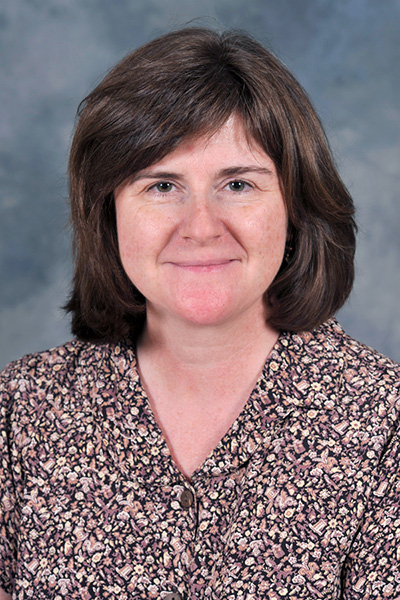
Kim De Nooijer is a Senior Researcher and Post-doctoral scientist at the Vrije Universiteit Brussel (VUB) , affiliated with the End-of-Life Care Research Group and Family Medicine and Chronic Care departments. She holds a PhD in Social Health Sciences from Erasmus MC Rotterdam (2022). Her research focuses on palliative care for older adults with frailty, specializing in intervention development, healthcare utilization, and qualitative methodologies. Expertise: Palliative care, frailty, primary health care, systematic reviews, home care services Projects: FWOTM1166 (recruitment in palliative trials), FWOAL1036 (avoidable hospital transitions), ANI237 (nursing home end-of-life care), FWOAL940 (experience sampling methods), OZR3345 (core outcome sets) Key Themes: Frailty management, family caregiving, Belgium healthcare systems, interdisciplinary approaches Her recent publications explore topics like experience sampling methods, unplanned hospitalizations in nursing homes, and integrative palliative care frameworks. She has contributed to datasets on frailty studies and advanced cancer patient experiences. Kim actively collaborates with multi-disciplinary teams across Belgium and internationally.
Professor Aisha Holloway is Chair of Nursing Studies at the University of Edinburgh and Co-Director of the Edinburgh Global Nursing Initiative. She holds adjunct roles at Johns Hopkins University School of Nursing and chairs the Scottish Alcohol Research Network. Her leadership spans global health policy, early career nurse development, and WHO advisory roles. She focuses on alcohol-related harm reduction, nursing workforce policy, and global health equity in Low and Middle Income Countries (LMICs), particularly Africa. Education: BSc (Hons) Nursing, PhD, PGCHE, and multiple fellowships (FRCN, FHEA, FNMRCSI). She pioneered the Nursing Now Challenge, a global initiative supporting 6 WHO regions' nurses/midwives. Her research integrates nurse-led interventions with policy advocacy, emphasizing alcohol brief interventions (ABIs), prison health, and maternal/child health in Africa. Research interests include global political nurse leadership, workforce migration, and SDG-aligned healthcare. She leads major grants like the NIHR-PH APPRAISE study and DIPLOMATIC maternal health study in Africa. Awards include a Florence Nightingale Leadership Scholarship and Harvard leadership training. Key affiliations: WHO State of the World’s Nursing Steering Committee, Scottish Government Taskforce, and advisory roles for Harvard’s Global Nursing Leadership and Nursing Now Challenge. She mentors early career nurses and teaches a global health policy master’s course. Grants: NIHR-PH, NIHR-GCRF, CSO, ESRC Labs/Teams: Edinburgh Global Nursing Initiative, Scottish Alcohol Research Network (SARN) Future Work: Scaling ABI programs, advancing nurse-led policy frameworks, expanding global health leadership training
Dr. Damara Gutnick is a Professor in the Departments of Epidemiology & Population Health, Psychiatry and Behavioral Sciences, and Family and Social Medicine at Albert Einstein College of Medicine. She holds a senior leadership role as Senior Director at Montefiore Medical Center’s Office of Community and Population Health. Her work focuses on community engagement, trust in science, and culturally competent healthcare delivery. Dr. Gutnick developed the BRAID model to build vaccine confidence and authored over 15 peer-reviewed publications. Education: Icahn School of Medicine at Mount Sinai (Medical Education) Montefiore Medical Center (Residency in Internal Medicine) Research Interests: Dr. Gutnick’s research emphasizes community-driven solutions to health disparities, including motivational interviewing, behavior change strategies, and integrating community voices into healthcare redesign. She co-leads the Community Engagement Core of the Albert Einstein Institute for Clinical and Translational Research (ICTR). Her work addresses vaccine hesitancy, opioid use disorder interventions, and healthcare worker burnout. Professional Roles: Member of the Motivational Interviewing Network of Trainers (MINT) Certified PROSCI Change Management Professional Immediate Past President of the American Heart Association’s Westchester Board Key Projects: She pioneered the “What Matters to You?” (WMTY) movement and led the HEALing Communities Study to reduce opioid overdose deaths. Her BRAID model was implemented across 30+ organizations in New York.
Ikhlas El Karim is a Clinical Professor at Queen's University Belfast's School of Medicine, Dentistry and Biomedical Sciences, where she leads research in regenerative endodontics and orofacial pain at the Wellcome-Wolfson Institute for Experimental Medicine. Her work bridges clinical dentistry with basic science to develop biologically-based therapies for inflammatory dental diseases. Her research program focuses on: Dental pulp stem cell differentiation and regeneration Neuronal signaling in inflammatory pain pathways Links between oral infections and systemic inflammation Minimal intervention strategies for pulp preservation Recent publications demonstrate strong emphasis on: Clinical validation of pulpitis classification systems European endodontic guideline development Biophysical enhancement of regenerative procedures Immunological mechanisms in pulp repair Dental education during the COVID-19 pandemic Her contributions have been recognized through multiple awards including the British Endodontic Society Research Prize and Fellowship of the Royal College of Surgeons.
Danny McAuley is a Clinical Professor at Queen's University Belfast's School of Medicine, Dentistry and Biomedical Sciences and Consultant in Intensive Care Medicine at the Royal Victoria Hospital. His research strategy focuses on novel therapeutic development for Acute Respiratory Distress Syndrome (ARDS), progressing from in vitro studies to phase 2 clinical trials. Research examines statins, extracorporeal CO2 removal, mesenchymal stem cells, and antimicrobial peptides for ARDS treatment. Additional interests include sepsis diagnostics, critical illness delirium, and recovery interventions. Leads multiple clinical trials on mucoactive drugs, sedation protocols, and biomarker-guided sepsis therapy. Publications span ARDS management guidelines, COVID-19 host responses, pulmonary fibrosis, and ventilation strategies. Recent work emphasizes pandemic-related critical care, genetic mechanisms of severe COVID-19, and respiratory outcome standardization. Active in PhD supervision and national/international research networks including UK Intensive Care Society and NICRN Critical Care clinical lead. Research impacts critical care protocols globally through clinical guidelines and trial design.
Caroline Pukall is a Professor in the Department of Psychology at Queen's University. Her research focuses on sexual wellbeing, particularly addressing genitopelvic dysesthesias (e.g., vulvodynia, persistent genital arousal disorder) and developing patient-reported outcome measures in sexual health. She employs mixed-methods approaches, including quantitative sensory testing and neuroimaging, while prioritizing inclusivity for marginalized populations. Education: B.A. (1996) and Ph.D. (2003) from McGill University. Key Research Streams: Chronic vulvar pain conditions and their psychosocial impacts Neural mechanisms of chronic pain (e.g., fibromyalgia, provoked vestibulodynia) Sexual function assessment in gender minority populations Sexual coercion and genitopelvic pain dynamics Patient-centered treatment outcomes and clinical guidelines Publications (selected) highlight advancements in core outcome sets for provoked vestibulodynia, fear-avoidance models in persistent genital arousal disorder, and neural imaging comparisons between fibromyalgia and vulvar pain conditions. Ongoing work explores cervical contributions to female sexual response and resilience in LGBTQ+ health. Lab activities focus on translational research bridging basic science (e.g., quantitative sensory testing) and clinical practice (e.g., patient-reported measures). Collaborations include interdisciplinary teams addressing pain neurology and healthcare equity.
Jeffrey R. Wilson is a Professor of Statistics and Biostatistics and Associate Dean of Research and Inclusive Excellence at the W. P. Carey School of Business, Arizona State University. He previously served as Director of the School of Health Management and Policy and has held numerous leadership roles including Chair of the Editorial Board of the American Journal of Public Health and Director of the Interdisciplinary Program in Statistics at ASU. His extensive administrative experience also includes serving as the Faculty Athletics Representative for Arizona State University and President of the PAC-12 council. Dr. Wilson's educational background includes: Ph.D. in Statistics from Iowa State University of Science and Technology (1984) M.S. in Statistics from Iowa State University of Science and Technology (1980) B.A. in Mathematics from the University of the West Indies, Port of Spain, Trinidad (1977) Dr. Wilson's research focuses on advanced statistical methodologies, particularly in the areas of joint modeling of mean, dispersion, and kurtosis, and three-level hierarchical models for analyzing complex data structures. His work addresses challenges in correlated data with time-dependent covariates and has significant applications in public health, biostatistics, and medical research. He has developed innovative approaches for analyzing longitudinal data, particularly in the context of Alzheimer's research, HIV studies, and health policy evaluation. His methodological contributions have enhanced the understanding of statistical relationships in complex datasets across multiple disciplines. Analysis of Dr. Wilson's recent publications reveals a strong focus on advanced statistical methodologies with applications in healthcare and public health. His work demonstrates expertise in hierarchical modeling, longitudinal data analysis, and Bayesian approaches. There's a clear pattern of applying sophisticated statistical techniques to real-world problems in Alzheimer's disease research, HIV/AIDS epidemiology, and medical decision-making. His publications span top journals in statistics, public health, and medical specialties, reflecting the interdisciplinary nature of his work. Dr. Wilson has received numerous honors and awards throughout his career: 2020 Achievement in Academia Award from APHA statistics section 2020 National Football Foundation Faculty Salutes Hall of Fame 2021 John W. Teets Outstanding Undergraduate Teaching Award finalist 2015 Faculty Service Achievement Award 1993 Outstanding Professor Award from ASU Golden Key National Honor Society Multiple teaching and research awards dating back to the 1980s Dr. Wilson has secured substantial research funding as PI and co-PI from prestigious organizations including NIH, NSF, USDA, and the Arizona Department of Health Services. His grant portfolio demonstrates expertise in biostatistics, public health research, and methodological development. He has advised numerous PhD and master's students, contributing to the next generation of statisticians and researchers. Beyond traditional academic advising, Dr. Wilson has provided statistical consultation to pharmaceutical companies, hospitals, and legal cases involving complex data analysis. Dr. Wilson has been instrumental in developing the Biostatistics Core within the NIH Center for Alzheimer's at Arizona State University, where he served as Director and co-Director. He has led collaborative research teams across multiple institutions, including Mayo Clinic, Phoenix Children's Hospital, and Banner Health systems. His work bridges statistics with practical applications in healthcare settings, creating impactful research teams that address significant public health challenges.
Sarah Granberg is a Senior Lecturer and researcher at Örebro University’s Department of Health Sciences, within the School of Health Sciences. She is also affiliated with the Audiological Research Center at Örebro University Hospital. Her expertise lies in audiological rehabilitation, particularly focusing on hearing loss, dual sensory loss, and the application of the International Classification of Functioning, Disability and Health (ICF). Education: PhD in Audiology (2015), Registered Audiologist. Research interests include audiological rehabilitation strategies for adults with severe hearing loss, workplace health for individuals with hearing impairments, and international collaborations on disability research. She co-supervises two PhD candidates and collaborates with institutions globally, including Manipal Academy of Higher Education (India), Lamar University (USA), and the University of Toronto (Canada). Her recent articles emphasize ICF-based frameworks for deafblindness, workplace sustainability for hearing-impaired individuals, and validation of rehabilitation tools like the Hearing and Functioning in Everyday Life Questionnaire (HFEQ). Key themes include patient-centered care, cross-cultural validation of health measures, and policy implications for disability inclusion. Awards: 2015 Arnbrink Award for her PhD thesis on ICF Core Sets for hearing loss. Grants/Advising: Supervises two PhD students; collaborates internationally on projects like the ICF Core Sets for Deafblindness. Labs/Teams: Active member of the Disability-Society research group (FunkSam) at Örebro University, focusing on societal integration of individuals with disabilities.
Nancy Luke is an Associate Professor at Western Carolina University (WCU), affiliated with the College of Education and Allied Professions and the School of Teaching and Learning. She transitioned from elementary classroom teaching in inner-city public schools and overseas with the Department of Defense Dependent Schools (DODDS) in Germany to college-level instruction, first in Savannah, Georgia, and currently at WCU. Her work focuses on the intersection of technology and education. Dr. Luke's education includes: Ph.D. in Instructional Technology, University of Georgia MA, University of Nebraska at Omaha BS, University of Virginia Her research interests emphasize the intentional use of digital tools to support equitable teaching and learning in K-12 and higher education settings. Core themes include digital agency (student empowerment through technology choices), multimodal literacy development (integrating diverse media forms), and leveraging digital storytelling as a pedagogical strategy. She advocates for technology applications that address systemic inequities in educational access and outcomes. Though no specific grants or students are listed in her profile, her professional narrative highlights ongoing mentorship through academic instruction and institutional service roles. She contributes to WCU's academic community through her role in the School of Teaching and Learning, where her work bridges theory and practice in modern educational methodologies.
Lori R. Wallace is an Associate Research Scientist at Yale University's Yale School of Medicine, affiliated with the Cardiovascular Medicine department and the Center for Outcomes Research & Evaluation (CORE). She holds a PhD in Epidemiology from the University of Michigan (2014) and an MPH from Boston University (2008). Her research focuses on health equity, mental health, and the social determinants of health, with a particular emphasis on policy impact and community-based participatory research. Key research interests include healthcare evaluation mechanisms, post-traumatic stress disorders, and the intersection of environmental factors (e.g., urban green spaces) with public health outcomes. Dr. Wallace has contributed to studies on diaper need’s mental health implications, maternal mental health services in non-traditional settings, and the design of equitable healthcare policies. Her work has been recognized with the Carol T. Mowbray Early Career Research Award (2018). She actively participates in advisory roles, such as the Research Advisory Committee for the Institute for Community Inclusion and mentoring through the Boston University Alumni Mentoring Program. Her publications span topics from mental health policy to the feasibility of cross-setting healthcare measures.
Katherine (Kate) Wright is a Research Associate IV at the Center for Outcomes Research & Evaluation (CORE) within the Yale School of Medicine, affiliated with Yale New Haven Hospital (YNHH). She holds a Master of Public Health (MPH) from The Ohio State University, with a focus on epidemiology. Her professional experience includes epidemiological work in Ohio counties, where she investigated communicable diseases like COVID-19, contributed to opioid overdose prevention initiatives, and developed data-driven infographics for local stakeholders. Her prior research involved diabetes, obesity, and cardiovascular disease studies in multi-generational mouse models. Education: MPH in Epidemiology, The Ohio State University (2020) Research Interests: Epidemiological analysis of infectious and chronic diseases Health outcomes research in clinical and public health settings Application of data visualization for policy and community engagement Labs/Teams: Active member of the Center for Outcomes Research & Evaluation (CORE) at Yale School of Medicine.
Professor Allison Jaure is a Principal Research Fellow at the Sydney School of Public Health, The University of Sydney, and Co-Director of the Centre for Kidney Research at The Children's Hospital at Westmead. She holds an Australian NHMRC Investigator Award and a Robinson Fellowship. Her work focuses on patient-centered outcomes research in chronic kidney disease, particularly in chronic kidney disease (CKD) and transplant medicine. She co-founded the Patient-Centred Research Network (PACER) and leads the global Standardised Outcomes in Nephrology (SONG) Initiative. Research interests include research priority setting, core outcomes for clinical trials, and improving healthcare access equity. She has developed key reporting guidelines like the COREQ and ENTREQ for qualitative research. Teaching includes qualitative methods and systematic review methodologies at institutions like Stanford University and Mayo Clinic. Awards include the Ian McKenzie Prize (2019) and Kidney Health Australia Prize (2017). Her lab collaborations involve the Charles Perkins Centre and Sydney Southeast Asia Centre. Current projects address psychosocial aspects of living kidney donation and stakeholder perspectives on organ allocation. Advising focuses on mentoring PhD students like Victoria (Aboriginal health and CKD disparities). She has published over 150 peer-reviewed articles, emphasizing global health equity and patient involvement in research design and implementation.
Ramon Granell is a Senior Researcher at the Oxford e-Research Centre (University of Oxford), specializing in data analytics and machine learning applied to energy systems, computational linguistics, and data management. He leads the Data Readiness Group under Prof. Susanna-Assunta Sansone, focusing on FAIRsharing platform enhancements. With a PhD in energy analytics from Brunel University London and degrees from the Universidad Politécnica de Valencia, Granell has been at Oxford since 2010, contributing to projects like the EPSRC-funded ADEPT and WICKED initiatives. His work bridges energy informatics and data science, with notable achievements including best poster awards at energy workshops and contributions to FAIR data principles through the FAIR Cookbook. He also investigates green leasing impacts and anaerobic digestion efficiency, demonstrating cross-disciplinary research strengths. Education: BSc in Computer Science, Universidad Politécnica de Valencia MSc in Machine Learning, Universidad Politécnica de Valencia PhD in Energy Analytics, Brunel University London Key Research Areas: Granell's work focuses on data-driven solutions for energy demand prediction in retail environments, leveraging machine learning techniques such as Dirichlet process mixtures and feature extraction. His computational linguistics research explores morphological productivity and lexical analysis. He actively promotes FAIR data principles through collaborative projects like the FAIR Cookbook, which supports standardization and interoperability in scientific data ecosystems. Grants & Awards: EPSRC Impact Acceleration Account (2017-2018) Best poster awards (2017, Manchester and 2018 Brussels) He has secured funding from EU Companions, EPSRC WICKED, and ADEPT projects. Labs/Teams: Core member of the Data Readiness Group at Oxford e-Research Centre, collaborating with Prof. Sansone’s team on FAIR data initiatives and energy analytics.
Megan Murray is a Professor of Global Health at Harvard Medical School with joint appointments as Professor in Epidemiology at Harvard T.H. Chan School of Public Health and Associate Professor of Medicine at Brigham and Women's Hospital. She serves as Director of Research for Global Health & Social Medicine at Harvard Medical School and leads the Global Health Research Core, a multidisciplinary group linking research to teaching and service activities. Dr. Murray's research focuses on tuberculosis epidemiology, infectious disease transmission dynamics, and health impacts of climate change. Her work integrates field studies in high-burden countries with epidemiological modeling to understand disease transmission patterns and develop interventions. Primary research domains include: Transmission dynamics of tuberculosis and emerging infections Drug-resistant TB pathogenesis and control Climate change impacts on infectious disease burden Implementation science for resource-limited settings Her publications demonstrate sustained focus on TB transmission modeling, diagnostic innovations, and global health implementation challenges. Recent work explores microbiological determinants of disease presentation and host-pathogen genomic interactions. Dr. Murray maintains active research partnerships across multiple continents including Peru, Rwanda, South Africa, Ukraine and Russia. She directs research initiatives at Brigham and Women's Division of Global Health Equity and Partners In Health.
Dr. H.A. (Gonda) Stallinga is a Senior Researcher at the Faculty of Medical Sciences of the University of Groningen. Her work focuses on applying the International Classification of Functioning, Disability and Health (ICF) to clinical practice and healthcare systems, particularly in nursing and rehabilitation sciences. She collaborates extensively with institutions like the University Medical Center Groningen (UMCG) and contributes to the development of ICF core sets for conditions such as diabetes and neuromuscular diseases. Research Interests: ICF integration in clinical workflows, person-centered care, quality-of-life metrics, and digital health infrastructure. Key Collaborations: IN CONTROL consortium, ExpertiseNetwork Functioning (ENF), Public Private Partnerships (PPP). Her recent research emphasizes digitizing ICF frameworks for high-throughput data analysis and patient-reported outcomes. She has received recognition for her work, including the Best ePoster European Nursing Conference 2022 . Stallinga’s contributions span publications, policy recommendations, and practical implementations in healthcare systems. Scientific Awards Best ePoster European Nursing Conference (2022) Stallinga actively engages in public outreach, translating clinical research into accessible media content about ICF’s role in patient care and self-management.