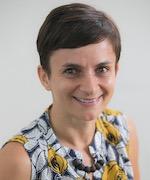
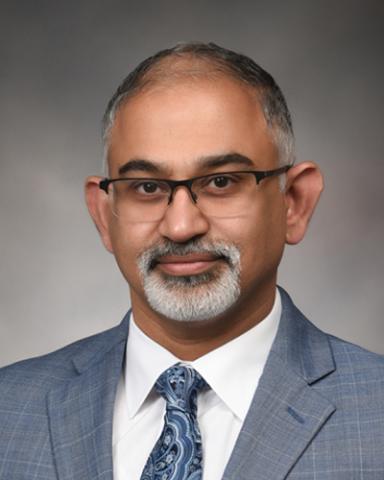
Agata Rozga is a Principal Research Scientist at the Georgia Institute of Technology's School of Interactive Computing, specializing in computational behavioral science. She leads translational research for the NSF-funded AI-CARING Institute, focusing on AI technologies to support aging in place. Additionally, she directs the Technology Core of Emory’s Cognitive Empowerment Program, integrating sensors and AI into care networks for individuals with Mild Cognitive Impairment (MCI). Her work bridges computing and psychology to develop tools for behavioral monitoring in autism and neurological conditions. Dr. Rozga’s research has been funded by NSF, NIH, and the Simons Foundation. Key areas include longitudinal analysis of communication behaviors in autism, particularly language development, and AI-driven systems for cognitive decline monitoring. She previously served as Head of Product at Diligent Robotics, optimizing service robots for clinical settings, and collaborated with Behavior Imaging to advance telehealth autism diagnostics. Her academic affiliations include the GVU Center at Georgia Tech, emphasizing human-centered computing. Awards and grants include NSF and NIH funding for projects addressing autism and MCI. She actively deploys health technologies in real-world settings, combining quantitative and qualitative methods to assess impacts on patients and caregivers.
Kevin Woo is an Associate Professor in the School of Nursing at Queen's University, Faculty of Health Sciences. His research focuses on chronic wound management, pain management, and innovative technologies for self-management of chronic conditions. He holds cross-appointments with the International Centre for the Advancement of Community Based Rehabilitation and collaborates with institutions like Western University and São Paulo University. Dr. Woo’s work has been recognized with awards such as the 2012 IASP Early Career Research Award and the 2014–2019 Early Researcher Award. Education: PhD, RN. Research Interests: Chronic wound-related pain, infection control, and technology-driven healthcare solutions. He leads studies on wound healing biomarkers, pain management protocols, and social media interventions for diabetes foot care. His recent projects investigate skin tear prevention through nursing education, telehealth applications in geriatric care, and clinical outcomes of foam dressings. Research Trends: Articles emphasize interdisciplinary approaches to wound care, leveraging engineering principles for dressing design and digital tools for patient engagement. Key themes include pain-biomarker interactions, caregiver challenges in pressure injury management, and PPE-related occupational health issues. Recipient of 2012 IASP Early Career Research Award Holds Early Researcher Award from Ontario Ministry of Research and Innovation Advising & Grants: Leads funded projects on wound care innovation and has co-designed core outcome sets for clinical trials. Collaborates internationally on guideline development for infection management pathways. Labs/Teams: Works with Queen’s Nursing Research Cluster on Populations with Complex Conditions and collaborates with the International Skin Tear Advisory Panel.
Stefan Baral is a Professor in the Department of Epidemiology at the Johns Hopkins Bloomberg School of Public Health, with affiliations in the Center for Global Health and the Center for Public Health and Human Rights. He is the co-director of the Program for Implementation and Equity Research (PIER) and leads multiple NIH-funded initiatives focused on HIV, stigma, and implementation science. Education: MD, Queen’s University (2005) MSc, McMaster University (2001) MPH, Johns Hopkins Bloomberg School of Public Health (2007) MBA, Johns Hopkins Carey Business School (2007) His research focuses on epidemiology and implementation science related to infectious diseases, particularly HIV and STIs among key populations such as men who have sex with men, female sex workers, and transgender individuals. He investigates stigma, mental health, and structural barriers to care in Sub-Saharan Africa and the U.S. His work emphasizes equity, human rights, and scalable public health interventions. His extensive publication record, with over 550 outputs, demonstrates consistent leadership in HIV epidemiology, stigma measurement, and implementation research. Recent articles highlight his focus on big data, PrEP access, gender-based violence in conflict settings, and community-engaged implementation science. Scientific Awards: Research Contributions to Health in Senegal, Ministry of Health, Senegal (2018) Global Health Advising Award, Johns Hopkins (2015, 2012) C.P. Shah Award for Resident Research (2009) Multiple scholarships and recognitions from 2000–2008 Baral is actively involved in advising and grant leadership, serving as Principal Investigator on multiple R01 grants from NIH, amFAR, and the Global Fund. He co-directs the Implementation Science concentration in the DrPH program and teaches advanced courses in implementation research methods. He leads collaborative teams across global institutions and community organizations, emphasizing equity and impact in public health science. He is affiliated with key research hubs including the Center for AIDS Research (CFAR) Implementation Science core and the Mid-Atlantic Consortium (MACC+) Implementation Science support hub.
Dr. Ira B. Wilson is the Associate Provost for Academic Space (2023–present) and Professor of Health Services, Policy and Practice at Brown University’s School of Public Health, as well as Professor of Medicine at Alpert Medical School. He holds dual roles in academic administration and public health research, with a focus on healthcare systems and HIV/AIDS. His career includes leadership roles at Tufts Medical Center and Brown University, where he chaired the Department of Health Services, Policy and Practice from 2010–2023. He currently co-directs the Providence/Boston Center for AIDS Research’s Professional Development Core and leads Rhode Island’s Clinical and Translational Research initiatives. His research examines how healthcare structures influence patient interactions and outcomes, particularly for chronic conditions like HIV and depression. Despite stepping back from active funded research in 2023, he continues teaching PHP 310 ("Health Care in the United States") and mentoring students. Notable roles include co-chairing the NIH-funded Behavioral Science Advisory Group for HIV clinical trials and advising Rhode Island’s Medicaid reform efforts. Education: Harvard College (undergraduate), Harvard Medical School (MD), and a Sc.M. in Epidemiology from the Harvard School of Public Health. Residency and fellowships at Beth Israel Hospital, Boston. Research Interests: Structural features of healthcare systems, physician-patient dynamics, medication adherence, HIV/AIDS care, quality improvement, and healthcare policy. Active in global health initiatives in Kenya and South Africa. Recent Work: Focuses on medication adherence strategies, HIV aging, and policy reforms. Recent publications address opioid harm reduction, nursing home care quality, telehealth during the pandemic, and disparities in Medicaid coverage. Grants & Leadership: Directed NIH-funded CFAR and IDeA-CTR cores. Active on national HIV advisory boards, including the HIV Medicine Association’s board. Appointed by Rhode Island’s governor to lead Medicaid reform initiatives. Labs/Teams: Leads interdisciplinary teams in the Brown School of Public Health, emphasizing collaboration between clinical and policy researchers.
Lloyd A. Goldsamt is a Senior Research Scientist at NYU Rory Meyers College of Nursing and holds an affiliated role at the NYU School of Global Public Health as Associate Director of the Dissemination Core at the Center for Drug Use and HIV/HCV Research. He is also a faculty member at the Fordham University HIV and Drug Abuse Prevention Research Ethics Training Institute. His work spans over 25 years of NIH-funded and community-based research focused on HIV and STI prevention among high-risk populations including men who have sex with men, male sex workers, and injection drug users. PhD, MA in Clinical Psychology – SUNY Stony Brook BA – University of Massachusetts at Amherst Dr. Goldsamt’s research centers on behavioral and structural interventions to reduce HIV transmission, with a particular focus on stigma, mental health, and health disparities. His expertise includes evaluation of drug courts, mHealth adherence platforms, and ethical frameworks for research involving vulnerable populations. He has conducted extensive work in international settings, including China and Vietnam, and has contributed to understanding condom-related stigma, ART adherence, and the psychosocial health of marginalized groups. His recent publications reflect a strong trend toward mixed methods and intervention development, particularly in the areas of digital health, stigma reduction, and ethical research practices. He has led or contributed to studies on nurse mental health during the pandemic, retention in HIV care among youth, and culturally sensitive interventions for older adults and male sex workers. Phi Beta Kappa Dr. Goldsamt serves as Evaluator for the Brooklyn Treatment Court, an Evaluator for the OJJDP Juvenile Drug Court Learning Collaboratives, and an Evaluation Consultant for the OJJDP Opioid Affected Youth Initiative. These roles underscore his commitment to translating research into policy and practice within the juvenile justice and public health systems. He has not advised any named students in the available texts, but his leadership in training and ethics programs suggests mentorship involvement. He is actively involved in research teams and cores at NYU, particularly those focused on drug use, HIV, and public health dissemination. His work bridges clinical psychology, public health, and social justice, aiming to improve health outcomes for underserved populations through rigorous evaluation and ethical research practices.
Michael A Belfort is the Ernst W. Bertner Chair and Professor in the Department of Obstetrics and Gynecology at Baylor College of Medicine, with additional professorial appointments in Anesthesiology and Surgery. He serves as Obstetrician and Gynecologist-in-Chief at Texas Children's Hospital and its Pavilion for Women, and is Co-Director of the Perinatal Surgery Fellowship. Ernst W. Bertner Chair/Professor, Obstetrics and Gynecology, Baylor College of Medicine Professor, Anesthesiology, Baylor College of Medicine Professor, Surgery, Baylor College of Medicine Obstetrician and Gynecologist-in-Chief, Texas Children's Hospital Co-Director, Perinatal Surgery Fellowship, Baylor College of Medicine Dr. Belfort earned his MBBCH, MD, and PhD from the University of Cape Town, completed residencies in Obstetrics and Gynecology in South Africa, and a Maternal-Fetal Medicine fellowship at Baylor College of Medicine. He is board certified by the American Board of Obstetrics and Gynecology in Maternal-Fetal Medicine and holds multiple state medical licenses. His research focuses on maternal-fetal physiology , particularly cerebral hemodynamics in preeclampsia , fetal surgery outcomes , placenta accreta , and obstetric complications . He has extensively studied the use of Doppler ultrasound in predicting preeclampsia and cerebral perfusion changes during pregnancy. His recent publications highlight work in twin-twin transfusion syndrome , fetal lower urinary tract obstruction , gastroschisis , and spina bifida , reflecting a strong trend toward improving prenatal diagnosis and intervention for complex fetal conditions. Dr. Belfort has contributed to major clinical guidelines, including the 2024 international Delphi consensus on LUTO management. His work bridges clinical practice, research, and education in maternal-fetal medicine. Board Certification, American Board of Obstetrics and Gynecology (Maternal-Fetal Medicine) Board Certification, South African Medical Council Board Certification, Royal College of Physicians and Surgeons in Canada Board Certification, Royal College of Obstetricians and Gynaecologists, London Licenses: Texas, California, Georgia, Illinois, Utah As Co-Director of the Perinatal Surgery Fellowship, Dr. Belfort plays a key role in training the next generation of maternal-fetal medicine specialists. His research has been supported through institutional and clinical grants, though specific grant details are not listed. His work continues to influence clinical protocols in high-risk obstetrics and fetal intervention. He leads a multidisciplinary team focused on perinatal surgery and high-risk pregnancy management at one of the nation’s leading children’s hospitals.
Alison D. Gernand serves as an Associate Professor in the Department of Nutritional Sciences within the College of Health and Human Development at Pennsylvania State University. She maintains active affiliations with the Center for Reproductive Biology and Health (CRBH) and the Penn State Center for Women's Health Research, and is currently accepting new graduate students. Education: PhD, Johns Hopkins Bloomberg School of Public Health (2011) MPH, University of Texas School of Public Health at Houston (2003) RD, University of Texas School of Public Health at Houston (2002) Research Focus: Dr. Gernand's work centers on micronutrient deficiencies—particularly vitamin D—and their impact on pregnancy outcomes. Her investigations span placental vascular development, biomarker concentration dynamics through plasma volume analysis, and adverse outcomes including fetal growth restriction, preeclampsia, and preterm birth. She maintains a strong emphasis on public health applications in resource-limited settings across low- and middle-income countries. Scientific Awards: No awards documented in available sources. Mentorship and Teaching: Actively supervises graduate researchers while teaching core courses including NUTR 451 (Nutrition throughout the Life Cycle), NUTR 456 (Community Nutrition), NUTR 511 (Maternal and Child Nutrition), and NUTR 583 (Nutritional Epidemiology). Her research program addresses critical gaps in maternal micronutrient interventions through ongoing grant-supported projects. Research Infrastructure: Leads the Micronutrient and Pregnancy Lab, leveraging institutional partnerships with CRBH and the Center for Women's Health Research to advance translational studies from bench to global implementation.
Kirsti Klette is Professor at the Department of Teacher Education and School Research within the Faculty of Education at the University of Oslo. She serves as Centre Director at the Nordic Centre of Excellence Quality in Nordic Teaching (QUINT), launched in autumn 2018. Her academic career spans over two decades, beginning as Associate Professor at Lillehammer University College in 1994, then at the University of Oslo Faculty of Education in 1998, and becoming full Professor in 2002/2004. She held a Visiting Fulbright Professorship at Stanford University (2007-2008) and has directed numerous national research programs including UTDANNING 2020 (2009-2014). Professor Klette's research focuses on classroom teaching and learning through video methodology, instructional quality, and teacher education. Her work examines the relationship between teaching practices and student outcomes across Nordic educational contexts. She leads major projects including Linking Instruction and Student Achievement (LISA), Linking Instruction and Student Experiences (LISE), and the Synthesizing Research on Teaching Quality (SYNTEQ). Her methodological expertise in video research has established her as a leading figure in educational research methodology. Analysis of her recent publications (2022-2024) reveals consistent focus on classroom observation systems, teacher education coherence, and Nordic educational practices. Her work spans multiple subject areas including mathematics, social studies, and language arts, with particular attention to how instructional quality can be measured and improved. She frequently collaborates with international researchers, contributing to global understanding of teaching quality across different educational systems. Professor Klette has made significant contributions to educational policy and practice, particularly in teacher education reform and classroom observation methodology. Her research bridges educational theory and classroom practice, with implications for teacher preparation, professional development, and educational assessment systems.
Gisela Lilja is an Associate Professor in Neurology at Lund University and serves as chief occupational therapist at Skåne University Hospital Lund-Malmö. Her clinical expertise centers on neurology and neuro-rehabilitation with specialized focus on cognitive rehabilitation. She maintains active affiliations with Lund University's Center for Cardiac Arrest Research and Brain Injury After Cardiac Arrest research initiative. Dr. Lilja earned her PhD in 2015 with a dissertation titled 'Cognitive function after cardiac arrest and targeted temperature management.' Her research primarily investigates long-term cognitive outcomes following out-of-hospital cardiac arrest, expanded to include post-intensive care syndrome (PICS) in severe Covid-19 and sepsis survivors. She contributes to major international trials including TTM-trial, TTM2, and SWECRIT Covid-19 study, while developing European/Swedish guidelines for post-cardiac arrest rehabilitation and serving on the Swedish Resuscitation Council's working groups. Her recent publications reveal multidisciplinary research trends spanning biomarker validation for cognitive recovery, fluid management in septic shock, physical activity assessment in cardiac arrest survivors, quality-of-life metrics, and virtual interventions. These works integrate neurology, critical care, and rehabilitation science to address survivor outcomes across diverse patient populations. No scientific awards were documented in the source material. Dr. Lilja co-supervises five PhD students from psychology, physiotherapy, ICU nursing, and intensive care medicine disciplines. Her active research portfolio includes the SWECRIT Covid-19 cohort study and REDUSE trial investigating fluid resuscitation strategies in septic shock, alongside guideline development initiatives and core outcome set standardization for cardiac arrest research. She is integral to Lund University's Center for Cardiac Arrest Research and Brain Injury After Cardiac Arrest team, while co-organizing the biennial International Symposium on Post Cardiac Arrest Care to advance global collaboration in this specialized field.
Åste Marie Mjelve Hagen is a Professor at the Department of Special Needs Education within the Faculty of Educational Sciences at the University of Oslo. Her work focuses on evidence-based interventions for language and reading development in children, particularly those with special educational needs. Her educational background includes: Ph.D in Educational Psychology, University of Oslo, 2012 M.A. in Educational Psychology, University of Oslo, 2005 B.A., University of Oslo, 2003 Professor Hagen's research centers on language acquisition trajectories, vocabulary development in preschool settings, strategic reading comprehension, and school-based psychological interventions. She investigates how early childhood education impacts language outcomes and develops assessment tools for at-risk populations. Her methodology frequently employs systematic reviews and randomized controlled trials to establish causal relationships in educational interventions. Analysis of her 15 most recent publications reveals dominant themes in vocabulary interventions for second language learners, long-term language prognosis studies, and writing support for students with intellectual disabilities. Her work consistently bridges theoretical linguistics with practical classroom applications, emphasizing measurable outcomes through standardized assessments and treatment-inherent metrics. She leads significant research initiatives including “Better equipped for school”, “Inference skills in children”, and “Preventing and Improving Special Needs Education in Children with Language Problems”. As a core member of the Literacy and Numeracy in Context (LiNCon) research group, she contributes to Norway's national framework for evidence-based special education practices.
Rebecca Baelen is a Research Fellow in the Department of Psychology at the University of Illinois Chicago. Her work focuses on mindfulness-based interventions in educational settings, with a particular emphasis on teacher well-being, social-emotional learning (SEL), and youth development. She has contributed to developing scalable mindfulness programs for K-12 educators and students, emphasizing culturally responsive practices and teacher-centered approaches to professional development. Her research also explores leadership frameworks rooted in mindfulness and yoga to improve school culture and organizational change. Key areas of research include: Mindfulness training for educators to enhance social-emotional competencies Optimal program design for youth across developmental stages Teacher resilience through self-compassion interventions Implementation science for school-based programs Her work bridges educational psychology, leadership studies, and contemplative practices, addressing systemic challenges in scaling mindfulness initiatives. Recent studies highlight barriers to student motivation in mindfulness programs and propose innovative solutions for universal school interventions.
Kirsten Potter, PT, DPT, MS is a Professor and Director of Curriculum at Tufts University School of Medicine in Seattle. She holds expertise in adult neurologic rehabilitation and has over 30 years of experience as a physical therapist educator. Her research focuses on outcome measures for neurologic conditions, including studies on balance and gait assessments. She has contributed to clinical practice guidelines, notably the Core Set of Outcome Measures for Neurologic Physical Therapy. Potter has served leadership roles in the American Physical Therapy Association (APTA), including Co-Chair of the MS EDGE Task Force and Director of Professional Development for the Academy of Education. Her teaching spans movement science, neuromuscular practice management, and patient-centered care. Education DPT, MGH Institute of Health Professions, 2006 MS in Physical Therapy, Rosalind Franklin University, 1992 BS in Physical Therapy, University of Buffalo, 1985 Research Interests Dr. Potter’s work centers on improving clinical outcomes for neurologic patients through rigorous outcome measurement. She has pioneered studies on the psychometric properties of balance and gait measures (e.g., BESTest) and their application in multiple sclerosis and other neurologic conditions. Her scholarship also emphasizes interprofessional education, including innovative approaches to leadership development and curriculum design. Awards Healthcare Professional Champion Award (Mid America Chapter, National MS Society, 2020) Brenner Award of Scholarly Achievement (Rockhurst University, 2019) Founder’s Award (University of New England, 2007) Teaching & Leadership At Tufts, she teaches courses in neuromuscular practice and patient-centered care. Previously, she directed the Center for Excellence in Teaching & Learning at Rockhurst University. Her professional activities include mentoring faculty, designing educational workshops, and advancing interprofessional collaboration through initiatives like the Virtual AFRI-VIPE program. Labs & Teams Active in guideline development groups (e.g., S.O.S.MS consortium), she collaborates with interdisciplinary teams to translate research into clinical practice. Her work often bridges education, research, and clinical care to enhance patient outcomes.
Margarita Martí Ripoll serves as an Assistant Professor in the Department of People Management and Organisation at Esade Business School, Ramon Llull University. Her academic work bridges organizational behavior and psychological development within educational contexts, focusing on empowering university students through evidence-based interventions. Her research centers on self-leadership frameworks and emotional competence development, examining how personality traits like introversion and antagonism influence student outcomes. Employing qualitative methodologies, she investigates identity formation through social identity theory within Spanish populations, particularly in Barcelona. This work directly supports UN Sustainable Development Goals for quality education and reduced inequalities by addressing individual differences in learning environments. Recent publications (2022-2024) reveal a consistent trajectory applying self-leadership programs to enhance emotional competencies across diverse student populations. Her studies demonstrate measurable impacts on personal development while addressing specific personality characteristics, showing how tailored interventions can transform educational experiences in higher education settings. Dr. Martí Ripoll actively contributes to the AGAUR-funded research project "Psicopersona: Psicologia, Persona i Context" (2022-2025) as a core researcher. This multidisciplinary initiative examines the interplay between psychological frameworks, individual development, and contextual factors through collaborative work with psychologists and educators across Spain. No scientific awards were documented in the source materials. While her faculty role implies student advising responsibilities, no specific mentees were listed. Research support comes primarily through institutional project funding like the ongoing AGAUR grant, which enables her team's investigation of psychological interventions in educational and professional contexts.
Romil Chadha, MD, MBA, MPH, FACP, SFHM, is a Professor of Internal Medicine at the University of Kentucky College of Medicine and serves as the Chief Medical Information Officer (CMIO) at UK HealthCare. He previously served as Division Chief of Hospital Medicine from 2019 to 2023 and is a certified Epic Physician Builder. His work bridges clinical medicine, health informatics, and executive leadership, with a strong focus on improving patient care through technology and data-driven decision-making. His educational background includes: MBBS from University College of Medical Sciences, Delhi, India MPH from the University of Texas, School of Public Health, Houston MBA from the Gatton College of Business and Economics, University of Kentucky Internal Medicine Residency at Westlake Hospital, Chicago, IL Romil Chadha’s research and professional interests lie at the intersection of hospital medicine and health informatics. He is deeply engaged in clinical decision support systems, data analytics, operational efficiency, and the digitization of healthcare workflows. His work emphasizes patient-centered care, evidence-based medicine, and empowering patients through clear communication. He advocates for innovation in health IT and continuous improvement in clinical systems. The recent articles authored or featured by Dr. Chadha highlight a strong trend in healthcare innovation, leadership, and informatics. Topics include clinical decision support, cybersecurity, workforce scheduling, pandemic response, and digital transformation. His publications reflect a consistent focus on leveraging data and technology to improve clinical outcomes, operational efficiency, and provider well-being. His key professional recognitions include: Fellow of the American College of Physicians (FACP) Senior Fellow of the Society of Hospital Medicine (SFHM) Certified Physician Executive (CPE) by the American Association for Physician Leadership Dr. Chadha is actively involved in mentoring and leadership development through the Society of Hospital Medicine (SHM), where he chairs the Academic Leaders SIG and serves on the Performance Measurement & Reporting Committee. He has contributed significantly to SHM conferences, committees, and chapters, particularly in Kentucky. His leadership roles involve strategic planning, recruitment, operations, and coaching for hospital medicine teams, as well as building clinical order sets and advancing data analytics capabilities. He has no known formal grants listed in the provided text but leads institutional initiatives in health IT and quality improvement. He is a core member of the medical informatics group at UK HealthCare and plays a pivotal role in shaping the institution’s clinical information systems strategy. His work involves close collaboration with physicians, IT teams, and administrative leaders to ensure technology supports clinical excellence and safety.
Lizzi Milligan is a Professor at the Department of Education , University of Bath, specializing in Centre for Development Studies . Her research spans social, epistemic, and environmental justice in education across low-income countries, with fieldwork in Uganda, Rwanda, Nepal, and Peru . Director of Research, Department of Education (2024) Co-lead of Reimagining Education for Better Futures research group Research utilizes mixed-methods approaches , including participatory and creative methodologies, to analyze: Policy-Practice disjunctures in education Linguistic injustices in English Medium Instruction Ethics in cross-cultural research Recent projects funded by: GCRF ESRC grant (2024): Environmental, epistemic, and transitional justice in secondary schooling ESRC New Investigator Award (2023): Girls' educational outcomes in Rwandan EMI UKRI ODA funds (2022): Justice-focused education initiatives Key publications examine: Linguistic barriers in Cameroon and Rwanda Epistemic exclusion in Ugandan environmental education Educational violence in English Medium secondary schools Scientific awards and recognitions: GCRF ESRC Research Grant (2024) ESRC New Investigator Award (2023) Certificate of Accreditation from Uganda's National Curriculum Development Centre (2024) She actively supervises doctoral students in: Basic education in low-income countries Language justice in pedagogy Sustainable futures through education Collaborations include: The British Council (2025) Economic and Social Research Council (2024) UK Research & Innovation (2022)